5 Essential Rules to Keep Your Cast Iron Cookware from Ever Rusting Again
Cast iron rust is the fastest way to ruin a great pan. But it's also the easiest problem to prevent. The trick is understanding how to keep cast iron from rusting before it ever starts.
Rust happens when bare iron meets moisture and oxygen. The fix is simple: create a barrier and keep it there. That barrier is called seasoning, a layer of polymerized oil baked into the metal.
According to manufacturers like Lodge Cast Iron, a properly seasoned pan is naturally rust-resistant and improves with regular use. The whole process takes less than ten minutes per session.
Image source: Web (Bing) / pinterest.com (Web image (fair-use with source credit))
Quick Answer
Season your pan and keep moisture away. Wash it, dry it completely, then rub on a micro-thin layer of oil. Store it in a dry place.
That's it.
Why Cast Iron Rusts (and Why Your Great-Grandma's Pan Didn't)
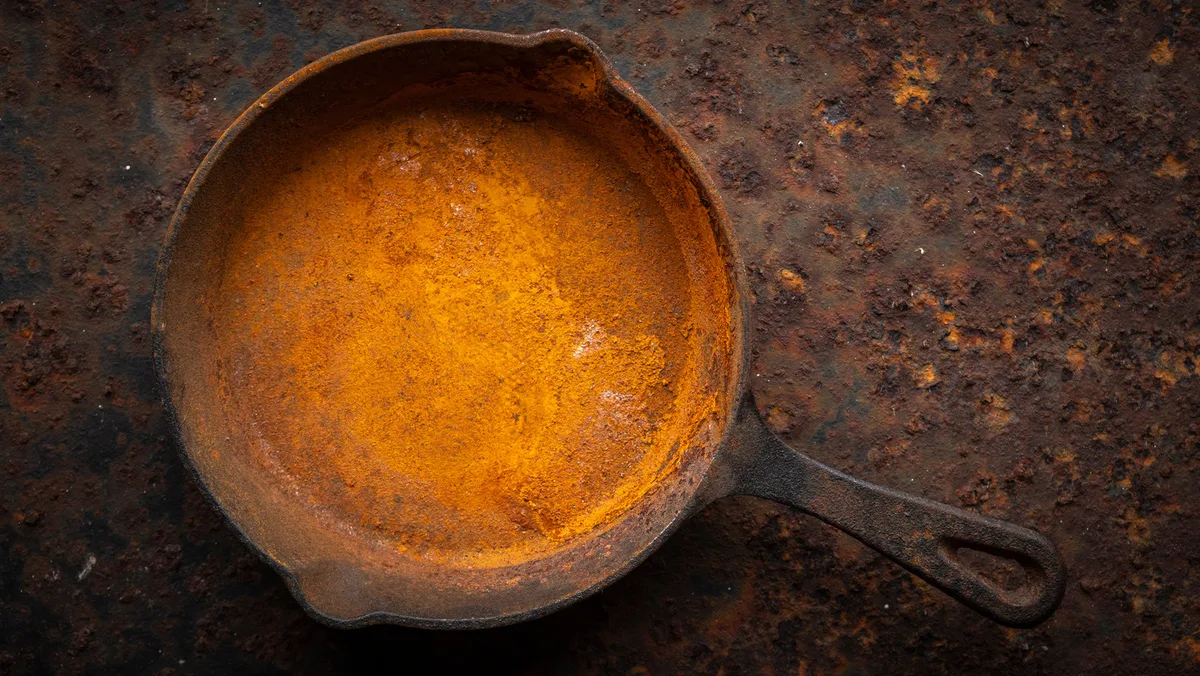
Image source: Web (Bing) / storage.googleapis.com (Web image (fair-use with source credit))
Cast iron is porous at the microscopic level. That's not a flaw; it's just how the metal behaves. Those tiny pores trap moisture, and moisture equals rust.
When you leave a wet pan in the sink overnight, you're basically giving rust a head start.
Your great-grandma's pan didn't rust because it had a thick, mature seasoning built over years of daily cooking. Every time she fried bacon or cornbread, she added another microscopic layer of polymerized oil. That layer sealed the pores and kept water away from the bare iron.
Modern cast iron works the same way. The pan you buy today may come pre-seasoned from the factory, but that seasoning is thin. It needs regular use and maintenance to build into a lasting barrier.
Without it, your pan is just a hunk of iron waiting to oxidize.
The good news? You can build that protection in a weekend. The next sections show you exactly how.
The 3 Questions That Determine Your Rust-Proofing Routine
Before you pick a maintenance method, answer three questions about your situation. Your answers will tell you exactly what kind of rust-proofing routine you need.
How often do you cook with your cast iron?
Daily use changes everything. A pan that gets used every day can handle a simple wipe-down after washing. A pan that sits in a cabinet for weeks needs a more deliberate approach.
What's your cooking style?
Do you sear steaks over high heat? Or do you simmer tomatoes? Acidic foods like tomatoes, wine, and vinegar can strip seasoning over time.
If you cook those regularly, you'll need to touch up the seasoning more often.
Where do you store your pan?
Humidity is rust's best friend. If you live in a coastal area, a basement, or anywhere damp, your pan needs extra protection. Storage in a dry pantry or on an open rack makes a huge difference.
Answer those three questions and you've already solved 80% of the rust problem.
Match Your Routine: The Rust-Proofing Decision Tree
Your situation determines your maintenance routine. Use the table below to find your path. Then follow the specific steps in the matching section.
| Your Situation | Rust Risk | Recommended Routine |
|---|---|---|
| Daily use, dry climate | Low | Quick wash, dry, light oil, store |
| Daily use, humid climate | Medium | Wash, heat-dry, oil after every use |
| Weekly use, any climate | Medium | Wash, heat-dry, oil after every use |
| Monthly use, dry climate | Medium-High | Full dry, oil, store with paper towel |
| Monthly use, humid climate | High | Season before storage, check monthly |
| Long-term storage (3+ months) | Very High | Full oil coating, wrap, check seasonally |
Dry Climate / Daily Use
You've got the easiest setup. Wash with warm water and minimal soap, dry thoroughly, and rub on a whisper-thin coat of oil. Store it on the stovetop or an open rack.
That's the whole routine.
The key word is "whisper-thin." If you can feel oil on the surface, you used too much. Wipe it on, then buff it off with a clean paper towel. It should look dry but feel slightly slick.
Humid Climate / Coastal Living
Humidity makes flash rust a real problem. You'll notice it within minutes of washing, sometimes while the pan is still wet. The fix is heat.
After washing, put the pan on low heat for two to three minutes. You'll see the lingering water evaporate. Then apply a light oil coat and let the pan cool completely before storing.
In high humidity, check your pan weekly for any orange spots and re-oil if needed.
Infrequent Use / Long-Term Storage
This is where rust sneaks in. If you only use your cast iron monthly, or you're storing it away, you need a heavier approach.
Wash and dry the pan completely. Then apply a slightly thicker oil coat and heat it on the stovetop until the oil just starts to smoke. Turn it off and let it cool.
Wrap the pan in a paper towel to absorb any excess moisture, then store it in a dry cabinet or pantry. Check it once a month and re-oil if the surface looks dull.
The Exact Wash-Dry-Oil-Store Sequence That Prevents Rust
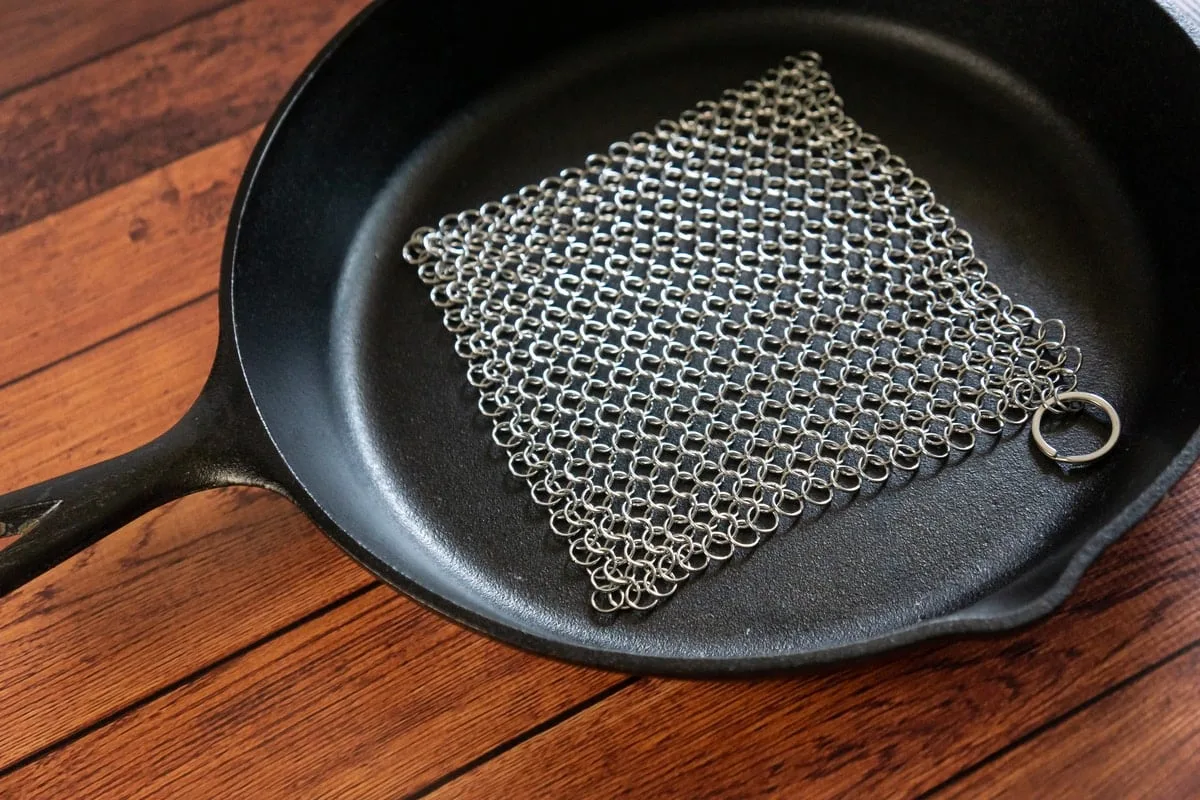
Image source: Bing (Web (fair-use with source credit))
This is the core routine. Master these four steps and rust becomes a non-issue.
Step 1: Wash
Use warm water and a stiff brush or a chainmail scrubber. A small amount of dish soap is fine, despite what old-timers claim. Modern soaps won't strip a well-seasoned pan.
Scrub off any stuck food. For stubborn bits, use coarse salt as an abrasive. It's gentle on seasoning but tough on burned-on residue.
Step 2: Dry
Towel dry immediately. Don't let the pan air-dry. You want to remove as much surface moisture as possible right away.
Then put the pan on the stove over low heat for two to three minutes. This evaporates any moisture hiding in the pores. You'll know it's dry when you can't see any steam rising.
Step 3: Oil
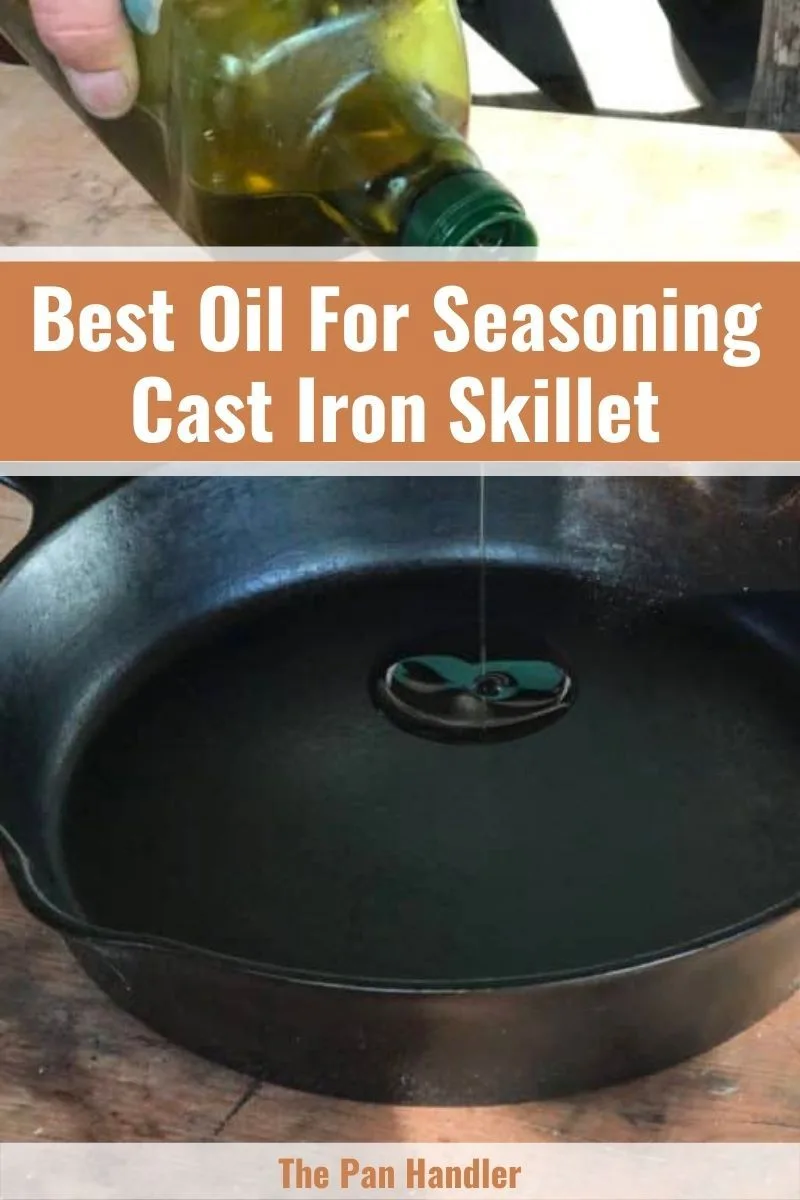
Apply a dime-sized drop of oil to the warm pan. Canola, grapeseed, or vegetable oil all work well. Rub it over the entire surface, inside and out, including the handle.
Now the critical step: take a clean paper towel and buff the oil off until the pan looks dry. If you can see or feel oil, you've left too much. A micro-thin layer is all you need.
Step 4: Store
Let the pan cool completely. Then store it in a dry place. On an open rack is ideal.
If you must store it in a cabinet, place a folded paper towel inside to absorb any ambient moisture.
Don't stack pans directly on top of each other. The friction can scratch seasoning and create bare spots where rust can start.
Mistakes That Strip Your Seasoning or Spark Rust
Most rust problems come from a few avoidable mistakes. Skip these and your pan will stay healthy.
Leaving it in the sink to soak
This is the #1 rust killer. Water sitting on bare iron is a direct invitation for oxidation. If you need to loosen stuck food, fill the pan with water and boil it on the stove.
Never let it soak overnight.
Running it through the dishwasher
Dishwasher detergent is harsh, and the humidity cycle is brutal. It's not a matter of if this will damage your seasoning; it's when. Hand-washing takes three minutes.
The dishwasher takes three days to forgive.
Using too much oil
A sticky, tacky layer of oil isn't seasoning. It's a magnet for dust and a barrier to heat. That sticky layer can also become gummy over time and flake off.
Always buff aggressively after oiling.
Storing with a lid on
Trapped moisture creates a micro-humidity chamber. Over time, that's enough to cause surface rust, especially in warm weather. Store your pan open or with the lid slightly ajar.
Cooking acidic foods too early
Tomatoes, vinegar, and wine are fine in a well-seasoned pan. On a new or lightly seasoned one, they'll strip the protective layer. Wait until your seasoning is shiny and dark before using acidic ingredients regularly.
Restoring Rusted Cast Iron: Quick Fix vs. Full Rescue
Rust doesn't mean your pan is dead. It just means the seasoning gave up and moisture found bare iron. The right rescue depends on how deep the rust goes.
| Rust Severity | Signs | Rescue Method |
|---|---|---|
| Light | Orange dust, rough patches, seasoning still mostly intact | Scrub, dry, re-oil |
| Heavy | Brown flakes, pits, gray metal exposed | Full vinegar soak and re-season |
For light rust, grab fine steel wool or a rust eraser. Scrub the affected spots until the orange disappears. Wash with soap and warm water, then dry thoroughly on the stovetop.
Apply a micro-thin oil coat and heat until it just smokes. That's a 10-minute fix.
For heavy rust, fill a container with a 50/50 mix of white vinegar and water. Submerge the pan for 30 to 60 minutes, checking every 15. The vinegar dissolves rust but it can etch iron if left too long.
Scrub with steel wool, wash with soapy water, and dry completely. Then bake on 3 to 4 thin oil coats at 425°F, one hour each, cooling between coats.
Either way, a restored pan needs a few cooking cycles before it earns back its non-stick surface. Give it bacon, cornbread, or fried potatoes and it'll return to duty.
Frequently Asked Questions
Can I use soap to wash cast iron?
Yes. A few drops of mild dish soap are completely safe. Old warnings about soap came from the lye-era, and modern detergents don't contain it.
Just wash, rinse, dry on the burner, and re-oil.
How quickly does rust form on cast iron?
Flash rust can show up within minutes in humid air. It happens when a stripped pan stays damp too long. Dry it on the stovetop and oil it while warm to stop it cold.
Do I need to re-season after every wash?
No. Re-oiling after each wash is enough. Full oven seasoning is only needed when the surface looks dull gray, feels rough, or after a heavy rust removal.
Can acidic foods cause rust?
They can. Tomatoes, vinegar, and wine strip seasoning over time and expose bare iron. Keep acidic dishes for a well-seasoned pan or use enameled cast iron.
Final Verdict: Your Quick Rust-Proofing Decision Guide
If you take one thing from this guide, make it this: moisture creates rust, heat and oil prevent it. Wash, dry, oil, store. That four-step rhythm solves nearly every rust problem.
If you cook daily, stick with a quick wipe-down after each use. If you live in a humid climate, add a burner dry and always store the pan open. If you rarely cook, give it a generous oil coat and check it monthly.
And if rust ever shows up, scrub it early. A tiny spot takes ten minutes to fix. A full rescue takes half a day.
Cast iron rewards small, consistent habits. Keep up the routine and that pan will outlive you.

Similar Posts