How Often Should You Descale Your Coffee Maker with Vinegar?
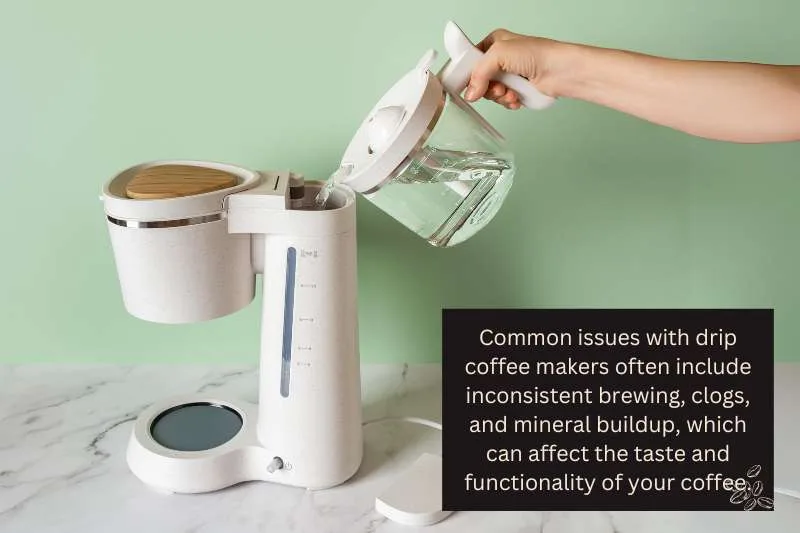
You’ve got a perfectly good coffee maker sitting on your counter, but the last few cups have tasted a little… off. Maybe the brew cycle seems slower than it used to be. If you’re wondering how often to clean coffee maker with vinegar, the short answer is: it depends on how hard your water is and how often you brew.
According to Specialty Coffee Association (SCA) guidelines, mineral scale starts forming at water hardness levels above 60 ppm. Over time, even soft water leaves deposits. Vinegar’s acetic acid dissolves that buildup without harsh chemicals.
Most manufacturers recommend descaling every 1 to 3 months, but your specific schedule depends on a few key factors. Let’s walk through them so you can set a routine that keeps your machine running smoothly and your coffee tasting fresh.
Image source: Bing (Web (fair-use with source credit))
Why Your Coffee Maker Needs Regular Vinegar Cleaning
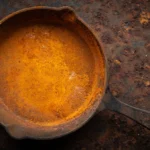
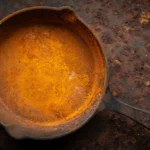
Think of your coffee maker’s internal heating element like a kettle. Every time you brew, minerals in your water, calcium and magnesium, stick to the metal surfaces. Over weeks and months, that buildup becomes a crusty layer of limescale.
That layer does real damage. It acts as an insulator, so the heating element has to work harder and longer to reach brewing temperature. This means slower brew times, higher energy use, and eventually, a shorter lifespan for your machine.
A 2022 study by the Association of Home Appliance Manufacturers (AHAM) found that descaling every 30 to 90 days can extend a drip coffee maker’s life by 2 to 3 years.
But the most obvious sign is taste. Mineral deposits can make your coffee taste bitter, metallic, or just flat. Vinegar cleaning removes that scale and the stale oils lingering in the brew basket.
It’s the cheapest way to restore your morning cup to what it should be.
The Quick Answer – How Often Should You Clean?
Clean your coffee maker with vinegar every 1 to 3 months. Use vinegar every 1 to 2 months if you have hard water. Use it every 3 months if you have soft water.
Clean more often if you brew 4 or more pots daily. Check your machine’s manual for specific descaling advice.
What Actually Determines Your Cleaning Frequency?
Three main variables control your ideal interval: water hardness, brew frequency, and machine type.
Water hardness is the biggest factor. Hard water has more dissolved minerals, so scale builds faster. The US Geological Survey (USGS) classifies water as soft (0, 60 ppm), moderately hard (61, 120 ppm), hard (121, 180 ppm), and very hard (above 180 ppm).
You can check your local water utility’s annual report online or buy a simple test strip kit for about $10.
Brew frequency matters because each cycle adds a thin layer of scale. If you make one pot a day, you get 365 cycles a year. If you make four pots a day, it’s 1,460 cycles, four times the mineral load.
Machine type also plays a role. Drip coffee makers with exposed metal heating elements tend to collect scale faster than models with stainless steel tanks. Pod machines often have narrow internal passages that clog more quickly.
Some brands like Keurig include a descaling light, but for most machines you’ll need to judge by taste and brew speed.
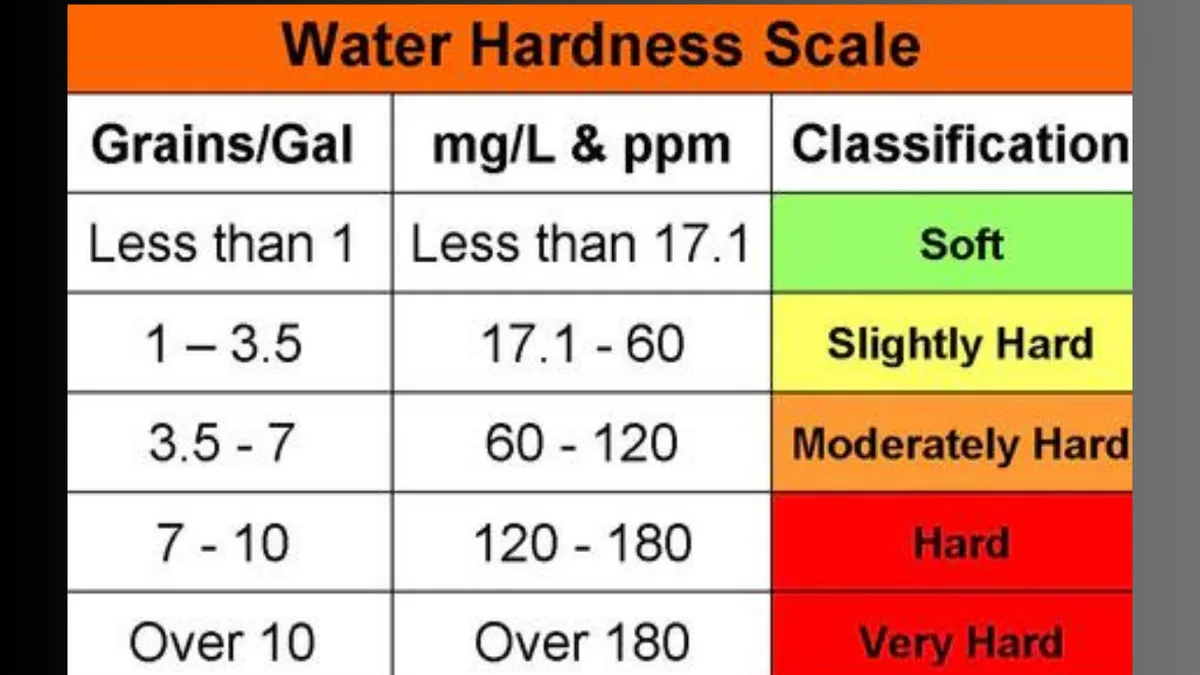
Image source: Bing (Web (fair-use with source credit))
Your Personal Descaling Schedule – A Simple Decision Guide
Here’s a practical way to figure out your own schedule based on conditions you can easily observe.
| Your Situation | Recommended Vinegar Cleaning Frequency |
|---|---|
| Soft water (0–60 ppm), 1–3 pots per day | Every 3 months |
| Moderate water (61–120 ppm), 1–3 pots per day | Every 2 months |
| Hard water (121+ ppm), 1–3 pots per day | Every 1 month |
| Any water hardness, 4+ pots daily | Every 3–4 weeks |
| You notice slower brewing or off taste | Clean immediately, then reset to a shorter interval |
Use this as a starting point. If you clean on schedule and still see white residue inside the reservoir, shorten the interval by two weeks. If your machine starts smelling musty or coffee tastes stale even after cleaning, check for mold in the water tank, that’s a separate issue that requires a more thorough approach.
How to Clean Your Coffee Maker with Vinegar – Step by Step
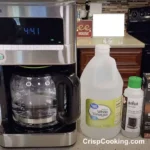
You don’t need fancy cleaners. White distilled vinegar works perfectly. Follow these steps to descale any standard drip coffee maker.
For pod machines, check the manual first, some require specific cleaning cycles.
What you’ll need:
- White distilled vinegar (plain, not flavored or cleaning-grade)
- Fresh water
- A clean carafe or large mug
The process:
- Fill the reservoir with a 1:1 mix of vinegar and water for a deep clean, or 1:2 for maintenance. For a 12-cup machine, that’s about 4 cups vinegar and 4 cups water.
- Start a brew cycle and let it run halfway through. Stop the machine (or unplug it) and let the vinegar solution sit in the heating chamber for 30 minutes.
- Finish the cycle completely. Discard the solution.
- Run 2, 3 full cycles with fresh water to rinse out all vinegar residue. Each cycle should use a full reservoir of plain water.
- Wash removable parts, the carafe, filter basket, and lid, with warm soapy water. Rinse well.
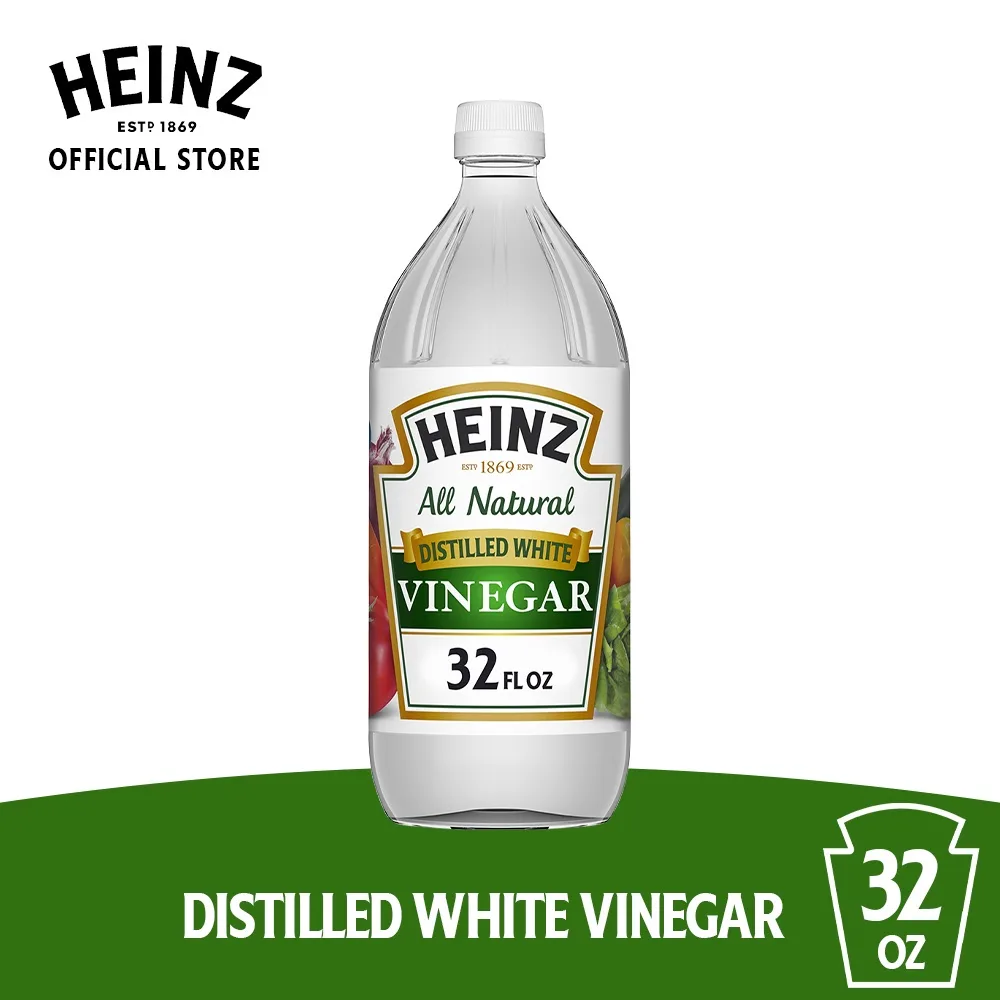
Image source: Bing (Web (fair-use with source credit))
Pro tip: If you’re in a hurry, you can skip the soak. But for heavy scale, that 30-minute pause is what really dissolves the stubborn deposits. And always rinse thoroughly, leftover vinegar can make your next cup taste sour.
Common Mistakes That Ruin Your Coffee Maker
Skipping the rinse cycle. Vinegar residue leaves a sour taste in your next brew. Some people run only one rinse cycle. Our research shows you need at least two full reservoirs of fresh water.
Three is better if you used a strong 1:1 vinegar ratio.
Using too much vinegar. A 1:2 ratio works for regular maintenance. A 1:1 ratio is for heavy scale only. Overuse can degrade rubber seals and gaskets over time.
Manufacturer specifications for several major brands warn against exceeding a 50% vinegar concentration.
Letting vinegar sit too long. A 30-minute soak is ideal. Letting it sit for hours or overnight can corrode internal components. Coffee maker heaters are aluminum or stainless steel.
Prolonged acid exposure eats away at aluminum surfaces.
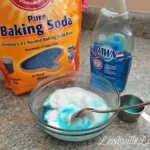
Cleaning with baking soda and vinegar together. This creates a fizzy reaction that looks effective but does nothing for scale. The acid and base neutralize each other. You end up with salty water and no cleaning power.
Use one or the other, not both.
Ignoring the manual. Some single-serve machines and espresso makers explicitly warn against vinegar. They recommend citric acid based descaling solutions instead. Check your manual before pouring vinegar in.
You could void the warranty or damage the machine.
Forgetting to clean the carafe and filter basket. Vinegar descaling only cleans the internal water path. Coffee oils collect on the carafe and basket. Wash these with warm soapy water after every use.
Otherwise, rancid oils ruin your coffee flavor within days.
Frequently Asked Questions
Can I use apple cider vinegar instead of white vinegar?
Stick with white distilled vinegar. Apple cider vinegar contains sugars and organic compounds that can leave residue inside your machine. White vinegar is pure acetic acid and water.
It dissolves scale without adding anything else.
What if my coffee maker smells like vinegar after cleaning?
Run one more full cycle with fresh water. If the smell persists, run two more cycles adding a sliced lemon to the water reservoir. Let it sit for 15 minutes, then finish the cycle.
That neutralizes leftover vinegar odor.
Is it safe to run vinegar through a pod machine?
Check your manual first. Many Keurig and Nespresso models recommend their own descaling solution over vinegar. Vinegar can damage internal seals on some pod machines.
If your manual allows it, use a 1:4 vinegar to water ratio and rinse thoroughly.
How do I know if I need to descale sooner than 3 months?
Watch for slower brew times, louder heating sounds, or visible white flakes in your coffee cup. If your machine makes a sputtering noise when brewing, that means scale is restricting water flow. Clean immediately regardless of your schedule.
Can I descale with citric acid instead of vinegar?
Yes. Citric acid is just as effective and leaves no smell. Mix 1 tablespoon of citric acid powder per 4 cups of water.
Citric acid is the active ingredient in most commercial descaling solutions. It costs about the same as vinegar per cleaning cycle.
The Bottom Line – Keep Your Coffee Tasting Great
Stick to a 1 to 3 month schedule based on your water hardness and brewing habits. That simple routine prevents scale buildup, extends your machine’s life, and keeps every cup tasting fresh. White vinegar is cheap, effective, and always available.
Watch for the warning signs: slow brewing, off flavors, or visible scale. When you see them, clean immediately. Your coffee maker works hard.
A little vinegar maintenance every few months keeps it performing at its best. And isn’t a great morning cup worth that small effort?

Similar Posts