How to Clean Rust Off Cast Iron Easily
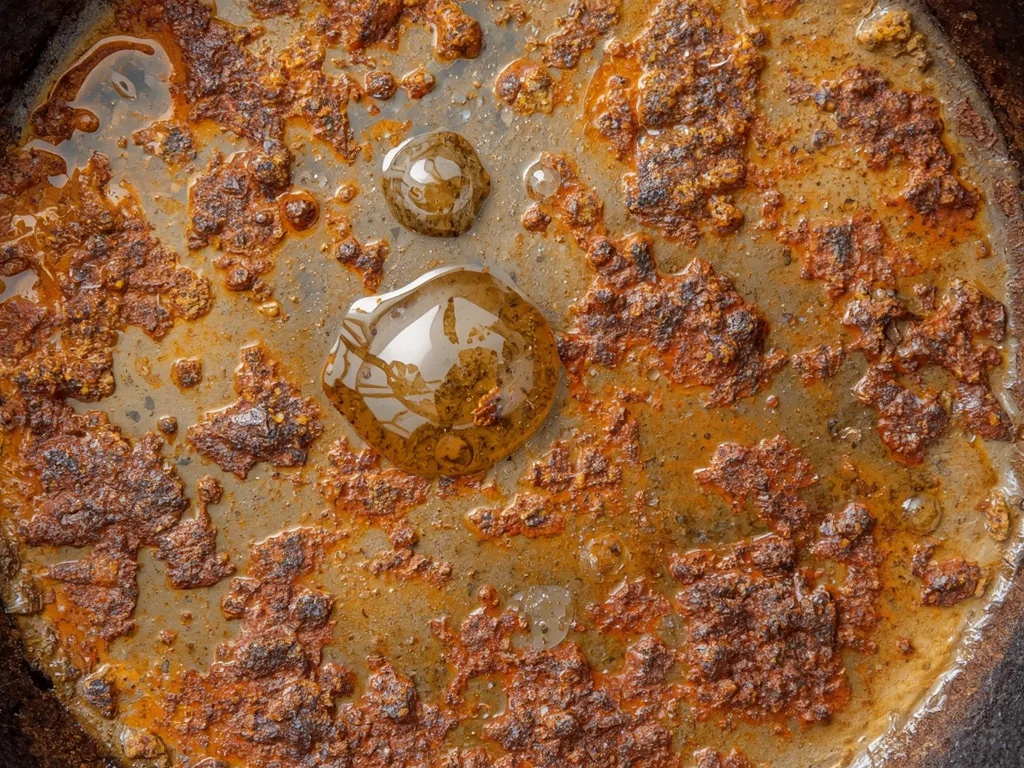
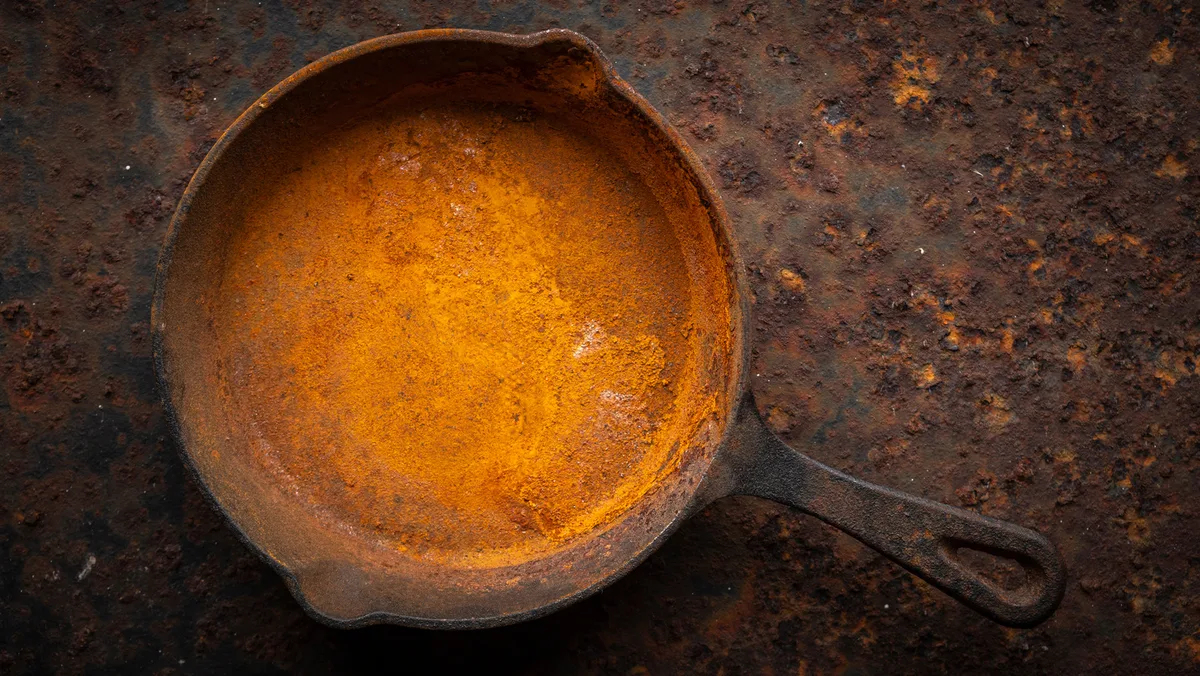
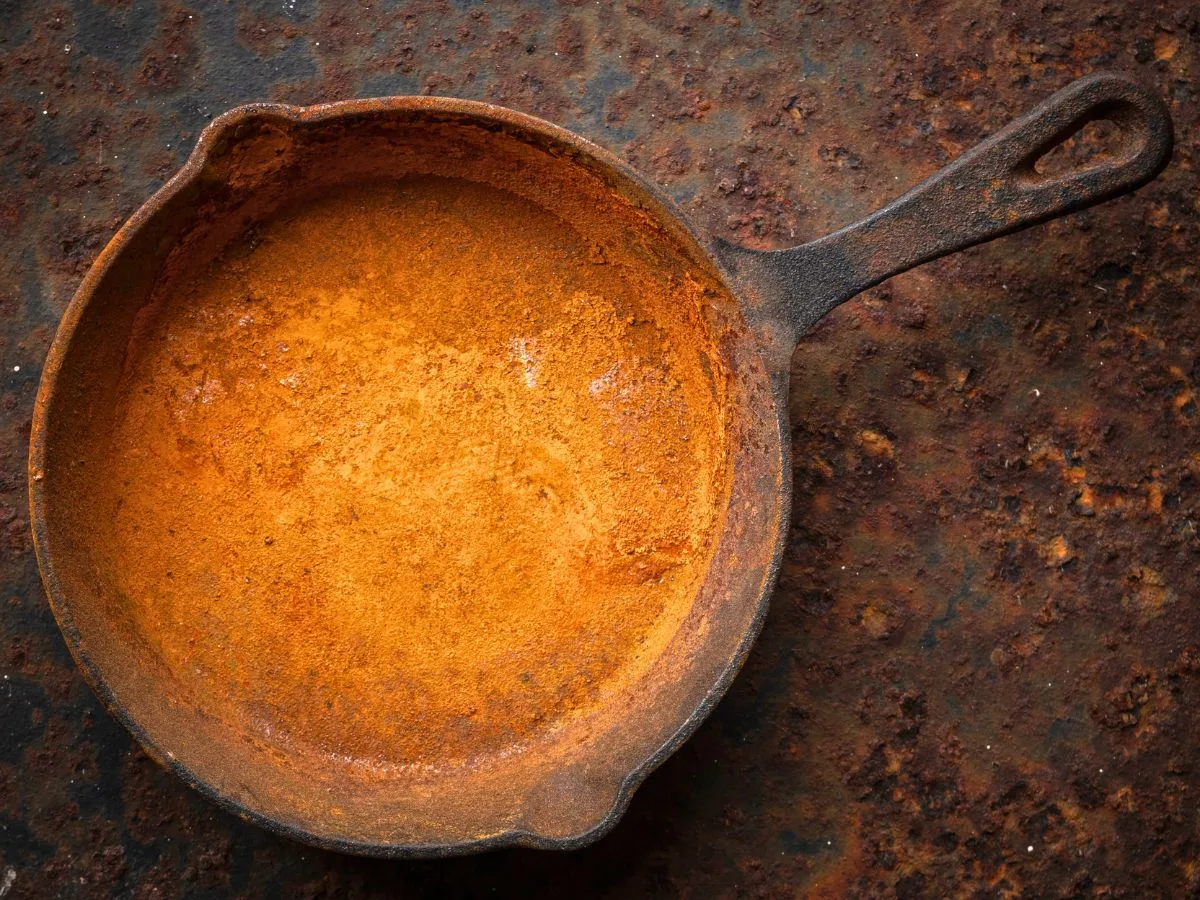
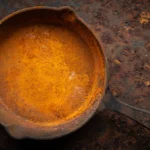
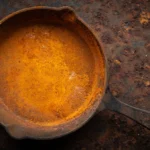
Wondering how clean rust from cast iron is done without ruining the pan? It's easier than you think. That rusty skillet you're holding isn't a lost cause.
It's just a chemical reaction between the iron surface and moisture. With the right method, you can bring it back to life.
Manufacturer specifications indicate that most cast iron cookware can handle temperatures up to 600°F without warping, which matters when you're baking on a fresh seasoning layer. The key is to match the cleaning method to the rust depth and the pan's value. Let's walk through how to assess the damage and pick the right path.
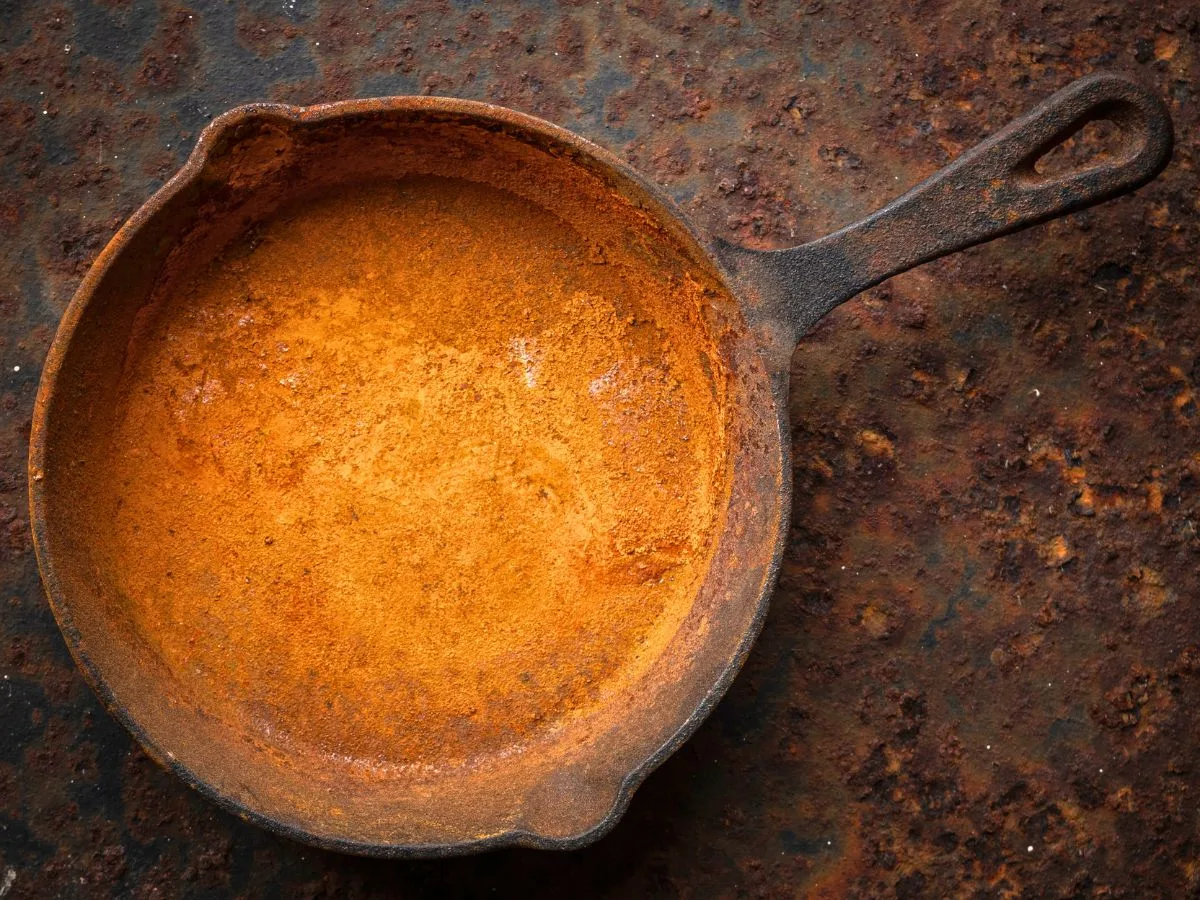
Image source: Bing (Web (fair-use with source credit))
The Problem: A Rusty Cast Iron Pan Isn’t Ruined
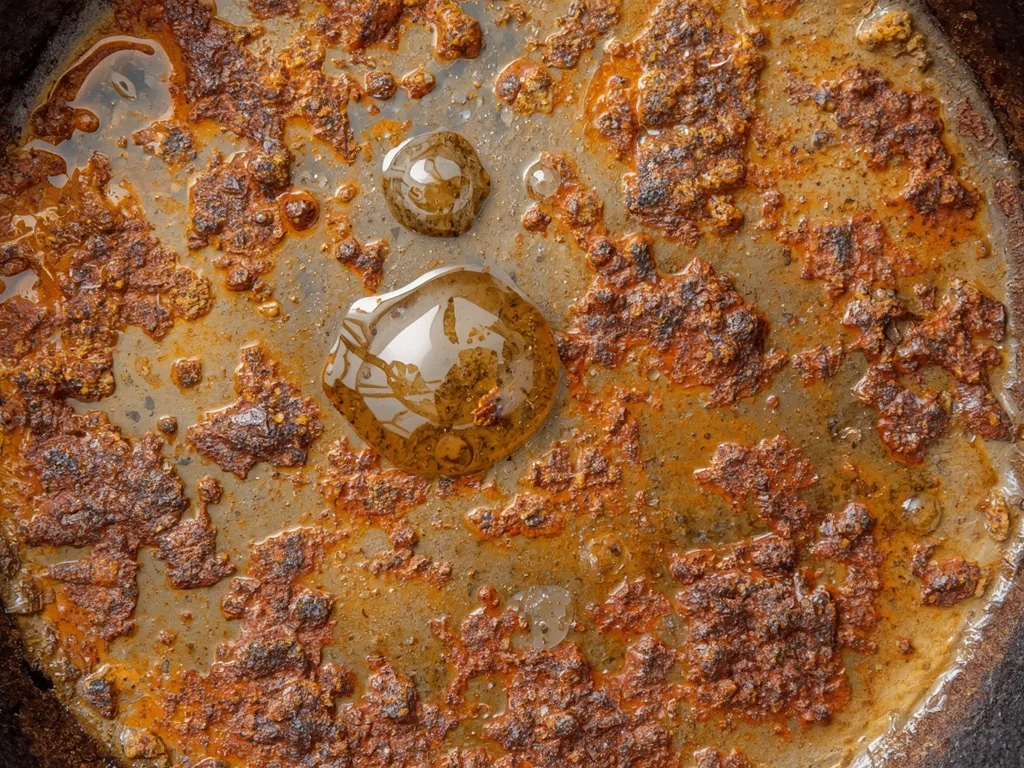
Rust forms when oxygen hits iron in the presence of moisture. It's ugly, but it's not structural damage. A lightly rusted skillet can be cleaned and re-seasoned in under an hour.
Even a heavily pitted heirloom can come back with the right approach.
The real problem is panic. People see orange patches and assume the pan is toast. So they toss it, or worse, attack it with a wire brush and then wonder why it flashes with rust again overnight.
Here's the thing. Rust removal is a two-part process. First you strip the oxidation.
Then you rebuild the seasoning layer. If you skip part two, the bare iron will simply oxidize again within days.
As of 2026, most cast iron on the market responds well to home-based cleaning methods. You don't need expensive chemicals. You need to know which route matches your situation.
That's exactly what we'll cover next.
The Decision Framework: Pick Your Method Based on Rust Depth and Pan Type
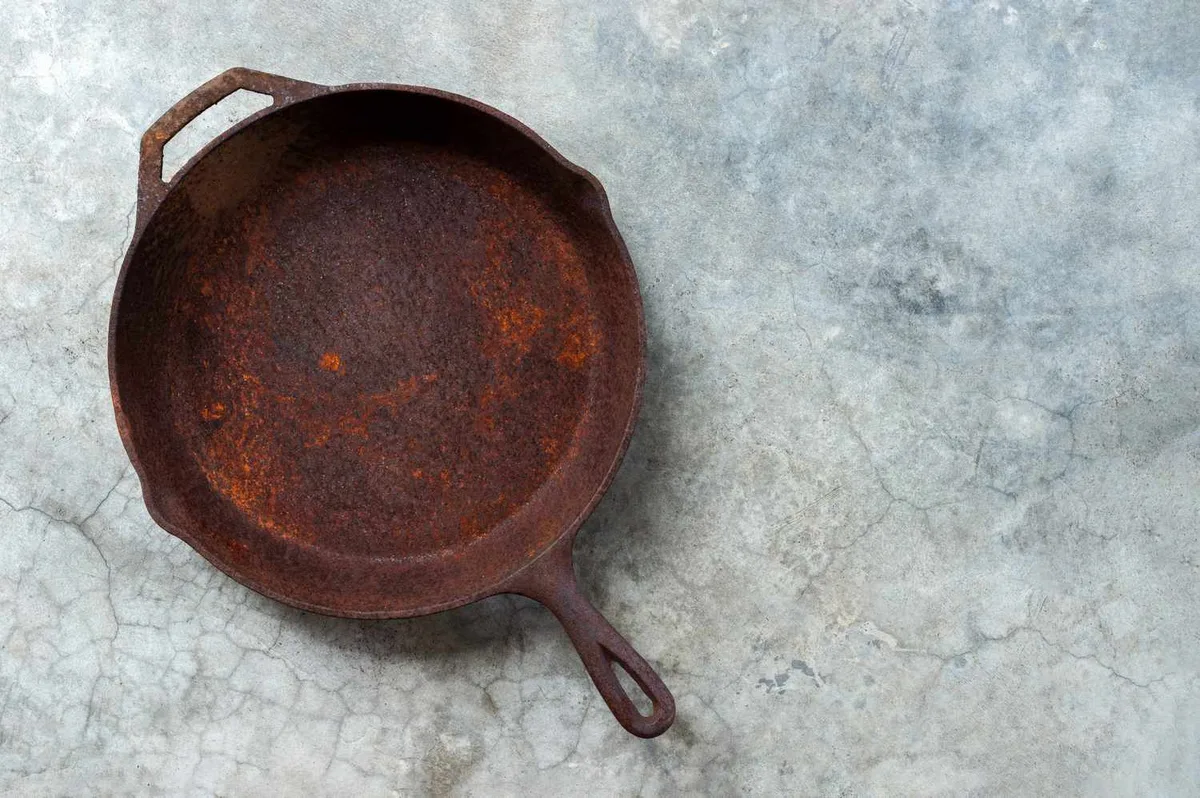
Before you grab any cleaner, take a hard look at the rust. Is it a light orange dusting? Or is it flaking and crusty?
The answer determines your method.
| Rust Severity | What You See | Best Method |
|---|---|---|
| Light surface rust | Orange dust on a seasoned pan | Salt scrub |
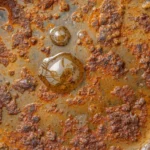
| Moderate rust | Flaking patches, rough feel | Vinegar soak |
| Heavy rust / pitting | Thick scale, deep pits | Electrolysis |
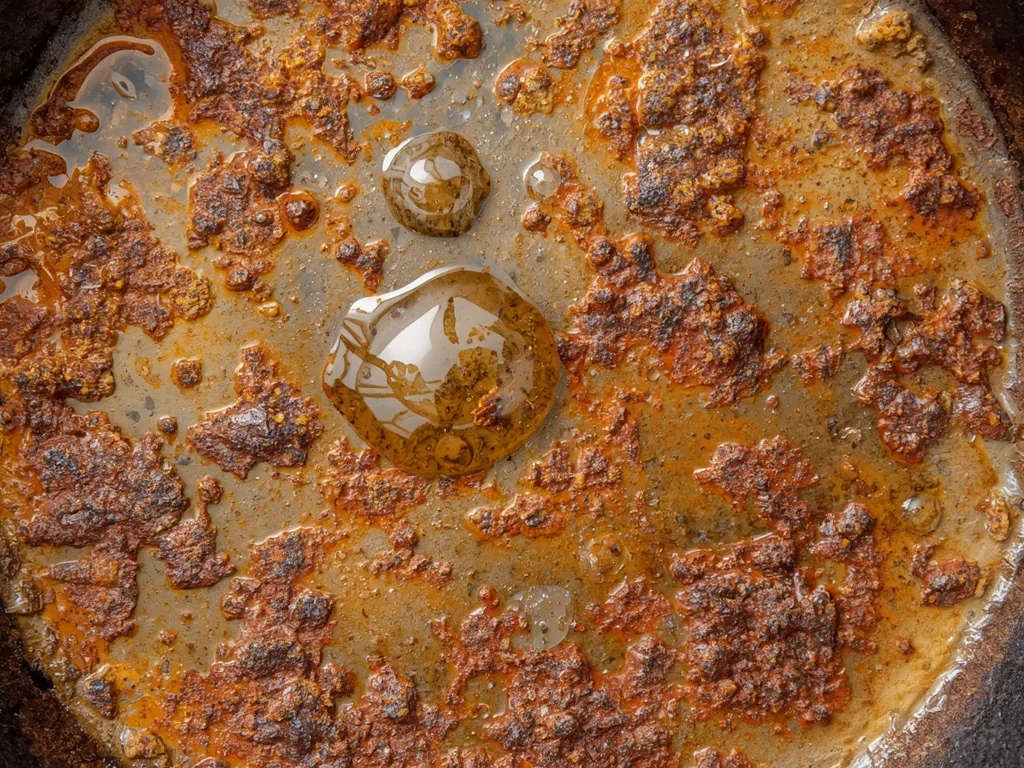
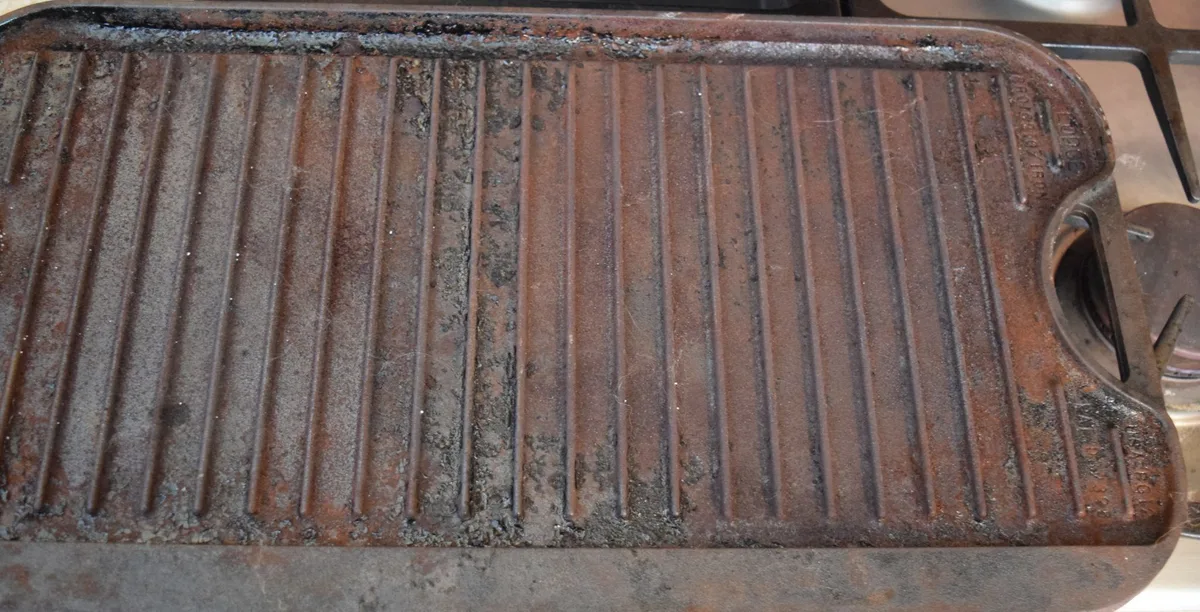
If the rust is just a dusting, start with the salt scrub. It's gentle and won't strip existing seasoning. If you're dealing with flaking or scaling, you'll need a vinegar soak to dissolve the oxides.
And if the pan is severely pitted or it's a valuable vintage piece, electrolysis is the safest bet.
There's one more distinction. Enameled cast iron is a different beast. You should never soak enameled pieces in vinegar or run electrolysis.
The enamel coating can crack and chip. For enameled rust, use a gentle cleaner like Barkeeper's Friend and a soft scrub pad. If the rust is on the bare cooking surface where the enamel has chipped, treat it like bare iron, but know that the chipped area won't last forever.
Another quick consideration is pan value. A 1960s Griswold skillet is worth restoring with care. A newer Lodge pan can handle more aggressive cleaning without much worry.
Step-by-Step Guide for Each Route
There are three main routes, and each one has a specific workflow. Choose yours based on the table above, then follow the steps for that method. These steps are based on manufacturer recommendations and proven home techniques.
Traut welle.
Light Surface Rust: The Salt Scrub Method
The salt scrub is the fastest and safest way to remove light rust. It also preserves the seasoning layer underneath. Here's the workflow.
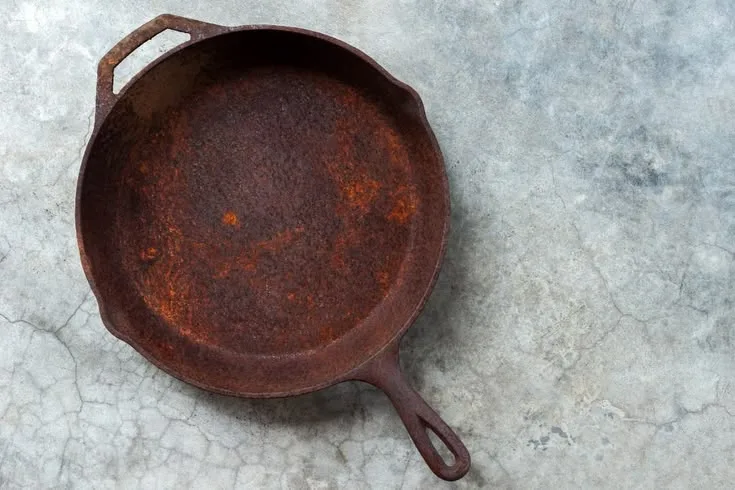
- Rinse the pan with hot water and a small amount of soap. Dry it completely.
- Sprinkle a generous layer of coarse kosher salt over the rusted areas.
- Use a cut potato or a folded paper towel to scrub. The salt acts as an abrasive while the potato's moisture helps lift oxidation.
- Keep scrubbing until the rust is gone. You should see grayish residue on the salt.
- Rinse thoroughly, dry, then rub a very thin coat of oil over the entire pan.
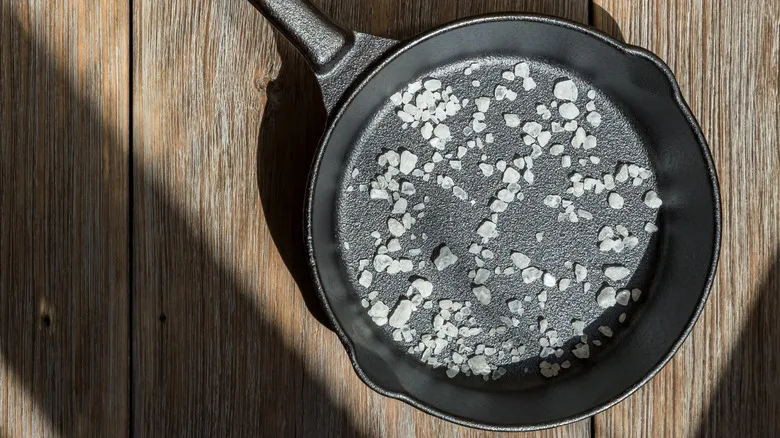
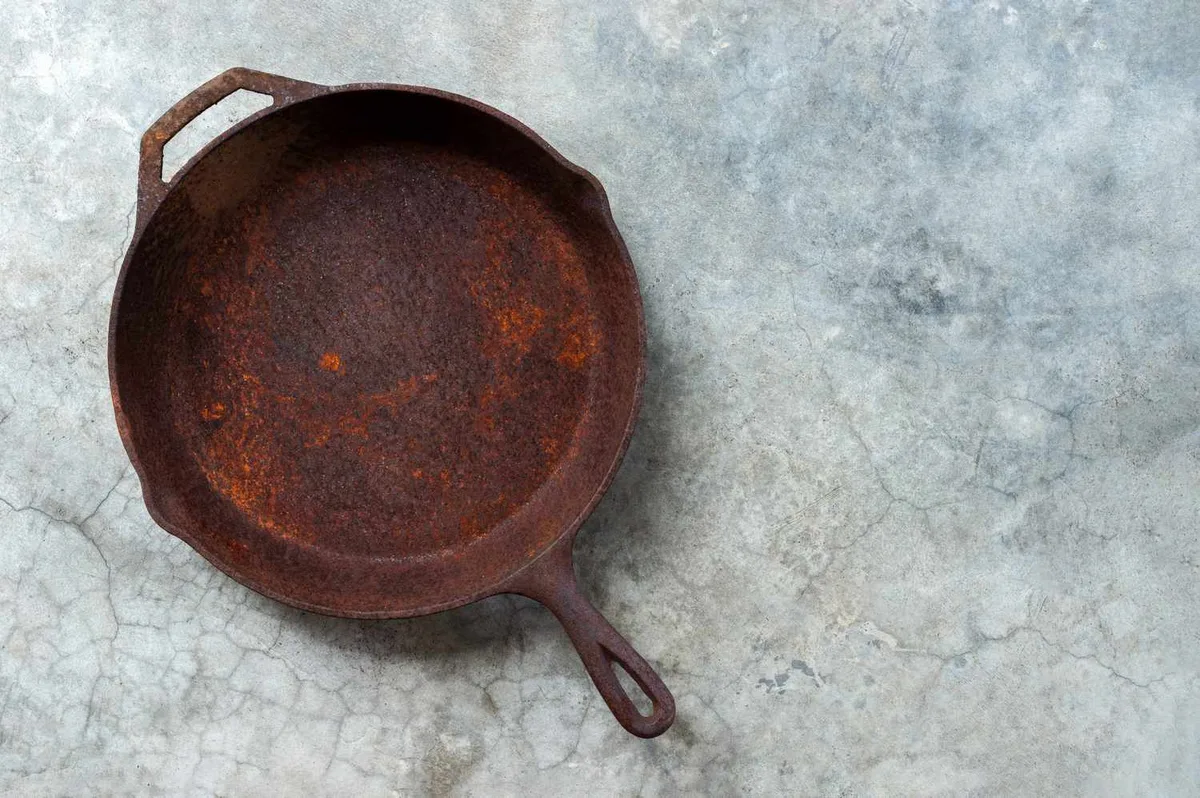
Image source: Bing (Web (fair-use with source credit))
The whole process takes about five minutes. If the rust is still visible after one round, repeat. This method works best on pans with intact seasoning that just have some oxidation on the cooking surface.
Moderate to Heavy Rust (Non-Vintage): The Vinegar Soak Method
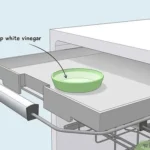
Vinegar's mild acetic acid dissolves rust without eating into the iron, as long as you don't soak too long. The right ratio is one part white vinegar to one part water. Submerge the pan completely and check it every 30 minutes.
- Mix the solution in a plastic tub or bucket.
- Submerge the pan, rusted side down if it floats.
- Remove after 30 minutes and scrub with steel wool or a chainmail scrubber.
- If rust remains, return it to the bath for another 30 minutes. Never exceed two hours total. Extended vinegar exposure will pit the iron.
- Once the rust is gone, neutralize the vinegar with a paste of baking soda and water.
- Rinse with hot water, dry thoroughly, and move to seasoning.
Some rust flakes will float to the top. That's normal. The vinegar solution can be reused for a few jobs before it loses strength.
Heavy Rust on Vintage or Valuable Pans: The Electrolysis Method
Electrolysis uses a low-voltage current to pull rust off the iron. It's the gentlest method for vintage pieces because it doesn't grind away the original milled surface. It also leaves the patina intact.
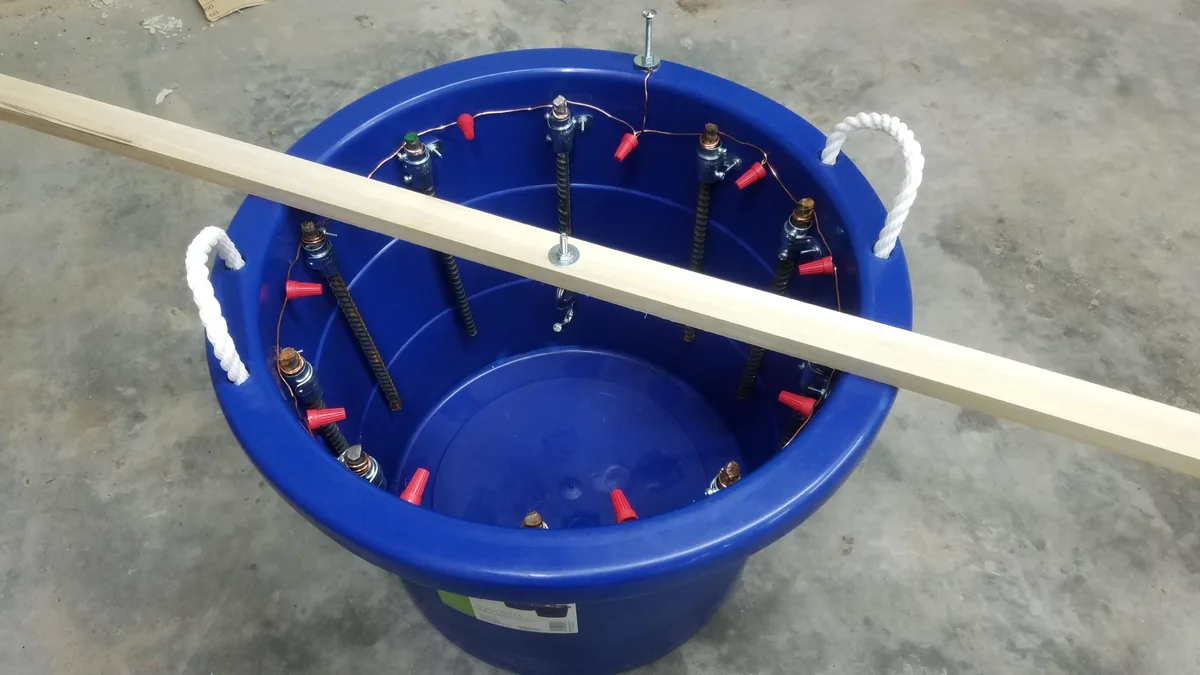
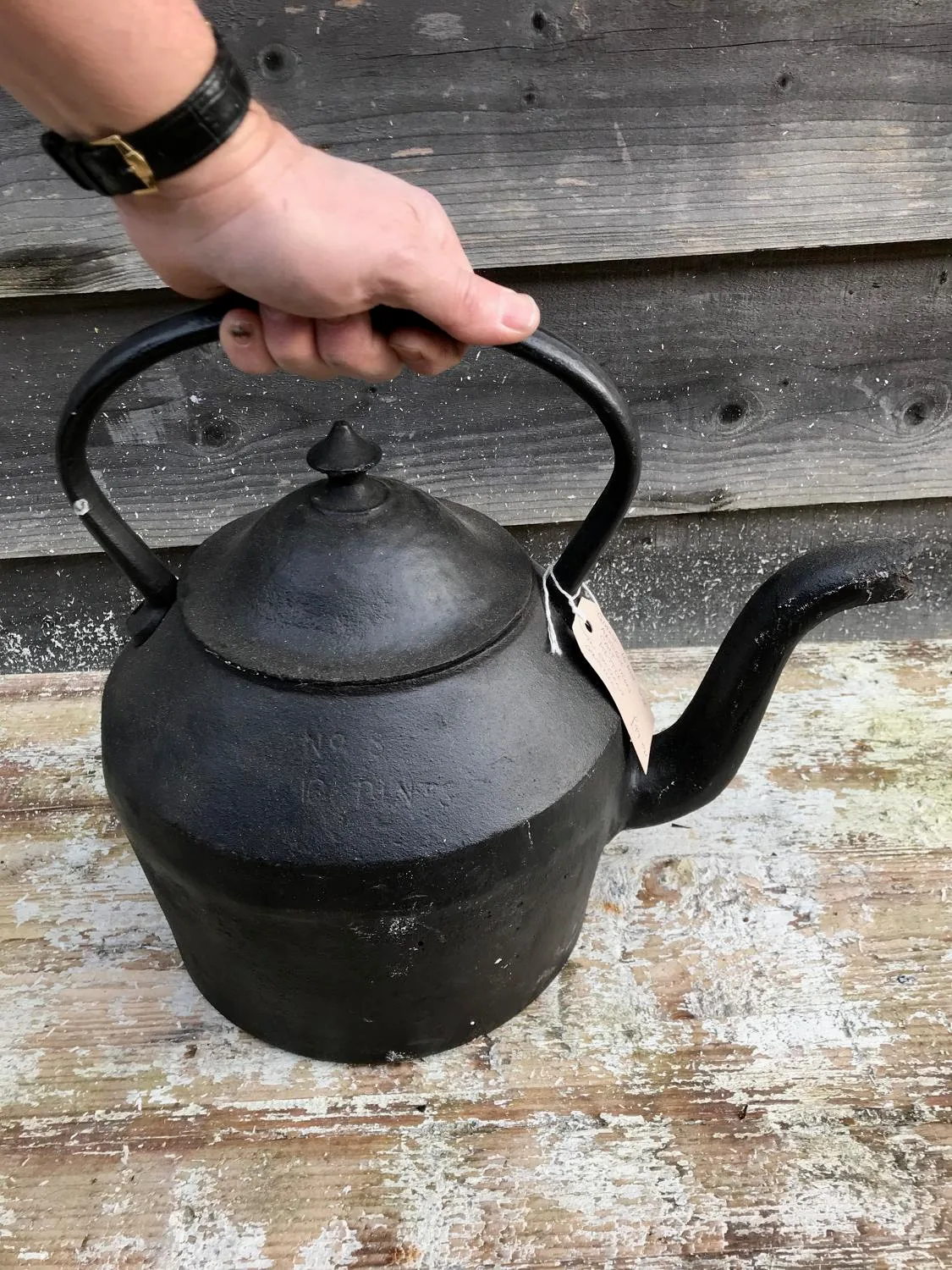
Image source: Bing (Web (fair-use with source credit))
Here's what you need: a plastic tub, washing soda, a sacrificial steel anode, and a 12-volt battery charger. Fill the tub with water and mix in one tablespoon of washing soda per gallon. Attach the pan to the negative lead and the steel anode to the positive lead.
Make sure they don't touch. Plug in the charger and let it run for 12 to 48 hours, depending on rust depth.
The process produces hydrogen gas at the pan and oxygen at the anode. Work in a well-ventilated area and never smoke near the setup. After the bath, rinse the pan and scrub off any loose residue.
Then dry and season immediately.
Mistakes That Ruin a Restoration
Many restoration attempts fail because of small, avoidable errors. Let's go through the most common ones.
Soaking too long in vinegar. Two hours is the maximum. Leave it overnight and you'll create pitting that's impossible to reverse.
Drying in open air. Water evaporates, but it leaves behind minerals and creates flash rust. Always dry cast iron on a stove burner or in a warm oven. The heat drives out every last drop of moisture.
Using too much oil when seasoning. A thick layer turns gummy and sticky. The mantra is wipe on, then wipe off like you made a mistake. A barely-there sheen is all you need.
Heating a wet pan. Never place a damp pan over high heat. The moisture will evaporate, but rapid thermal changes can warp the iron. Start slow and let it heat gradually.
Scrubbing with the grain instead of in circles. Rust doesn't care about direction, but aggressive straight-line scrubbing can create uneven grooves. Circular motions distribute pressure more evenly.
Ignoring flash rust after cleaning. Bare iron starts rusting almost immediately when exposed to air. Have your oil and paper towels ready before you finish drying.
Pro Tips That Actually Make a Difference
These are the small details that separate a frustrating restore from a smooth one. They come from aggregate user experience and manufacturer care guides.
Use flaxseed oil for a tough initial seasoning. It polymerizes into a hard, glassy surface. But it can flake if applied too thick. Grapeseed oil is a more forgiving alternative with high smoke point.
Season upside down. Place the pan upside down in the oven on a middle rack. Put a sheet of foil on the lower rack to catch drips. This prevents oil from pooling in the cooking surface.
Let it cool in the oven. After the seasoning hour is up, turn off the heat and leave the pan inside until it cools completely. This extra cure period hardens the oil further.
Test with an egg. The real indicator of a successful restore is cooking an egg. If it slides, you're done. If it sticks, apply another thin oil coat and repeat the oven cycle.
Keep a dedicated chainmail scrubber. It won't harm seasoning, but it will lift stuck-on food that sponges can't handle. Pair it with hot water and a little soap.
Protect the edges. Rust often starts at the rim because that's where seasoning is thinnest. Always oil the edges and outer walls, not just the cooking surface.
Refer to the manufacturer's care instructions. Each brand has slightly different recommendations. Lodge, for instance, publishes a helpful guide for reseasoning and storage on their official website.
When You Should Strip vs. When You Should Add More Oil
Not every rusted pan needs a full reset. The deciding factor is the seasoning layer underneath the rust.
If the seasoning is smooth, dark, and intact, just remove the rust with the salt scrub. Then dry the pan and rub on a very thin coat of oil. No stripping required.
If the seasoning is sticky, flaking, or filled with bare spots, strip it completely. Rust on a weak seasoning layer will come back fast.
| Situation | Best Move |
|---|---|
| Light rust on healthy seasoning | Salt scrub plus a thin oil coat |
| Rust with sticky or patchy seasoning | Strip, then re-season from scratch |
| Vintage pan with thick carbon buildup | Strip safely with electrolysis |
| Enameled cast iron | Clean only the enamel, never strip |
For stripping, use oven cleaner containing lye or an electrolysis bath. Avoid the self-cleaning oven cycle. The extreme heat can warp the pan permanently.
One more consideration. Vintage skillets with original milled surfaces lose value when scrubbed with power tools. If you own a Griswold or Wagner from the early 1900s, electrolysis is the safer route.
It removes rust without touching the metal underneath.
After any strip, the pan is bare iron. It will flash rust within minutes. Have your seasoning oil ready and apply it as soon as the pan is dry.
Frequently Asked Questions
Can I use vinegar to remove rust from cast iron?
Yes, with limits. Mix equal parts white vinegar and water. Soak for 30 minutes, then scrub.
Check the pan between sessions. Never go past two hours total because the acid will etch the iron and cause pitting.
Will soap ruin cast iron seasoning?
No, modern dish soap won't strip a properly cured seasoning. Polymerized oil will not dissolve in soapy water. Use it to clean away rust dust and food residue, then dry thoroughly and apply fresh oil.
How long does rust removal take?
The salt scrub method takes about five minutes for light rust. The vinegar soak takes 30 to 60 minutes. Electrolysis needs 12 to 48 hours, depending on the rust depth and the charge.
Can I use an angle grinder to clean rust off cast iron?
You can, but you shouldn't. Pressure tools remove rust fast and also remove the original smooth surface. On vintage pans this destroys collector value.
On modern pans it creates rough spots where seasoning won't hold.
Why does my cast iron rust again the next day?
That's flash rust, and it appears when bare iron meets oxygen and moisture. The pan was probably dried in open air or left without oil. Dry it in a warm oven and apply a thin oil coat immediately after cleaning.
Is it safe to cook in a cast iron pan after removing rust?
Yes. Once you strip the rust and apply a fresh seasoning layer, the pan is safe for normal cooking. Rust is iron oxide, and swallowing small amounts isn't toxic.
Just make sure the seasoning fully cures before frying anything acidic.

Similar Posts