How to Dissolve Deep Cast Iron Rust Pits Without Power Tools
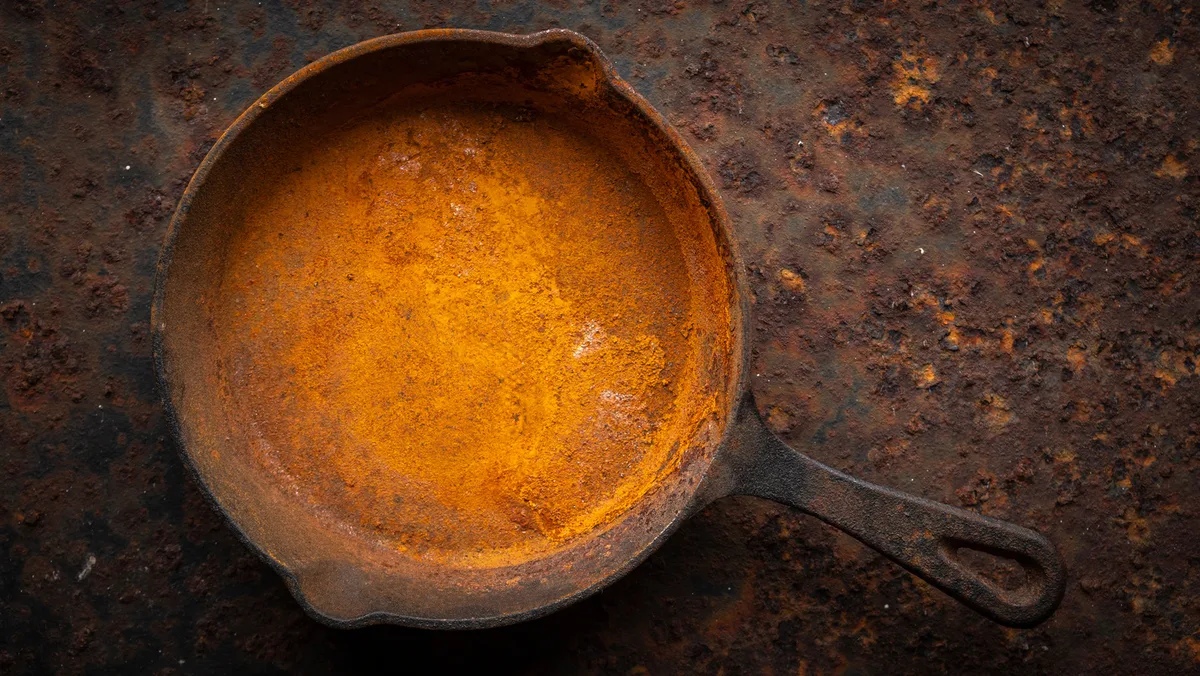
Wondering how to get rust out of cast iron? You're not alone. That old skillet you dug out of the garage is covered in orange flakes, and you're not sure if it's safe to cook with.
Here's the truth: rust on cast iron is almost always removable. You just have to match the method to the damage.
As of 2026, the practical guidance hasn't changed much. Manufacturers like Lodge still recommend a simple scrub for light surface rust and a 50/50 vinegar-water soak for deeper corrosion. Both are proven, time-tested methods that home cooks have used for decades.
Let's walk through exactly how to assess, treat, and reseason your pan.
Image source: Web (Bing) / storage.googleapis.com (Web image (fair-use with source credit))
Quick Answer
To get rust out of cast iron, scrub with steel wool or chainmail. For deeper rust, soak in a 50/50 vinegar-water mix for 30 minutes. Rinse, dry on low heat, and apply a thin oil layer.
Then reseason in the oven at 450°F.
First, Check the Damage: Is That Pan Worth Saving?
Before you reach for steel wool, give the skillet a proper inspection. Not every rusty pan deserves rescue. Cracks, deep warping, or a handle that's been welded back on are dealbreakers.
A cracked skillet can trap food and bacteria. That's not salvageable.
Next, run your fingers across the surface. You're feeling for texture as much as looking. Light surface rust feels like rough sandpaper, but the metal underneath stays solid.
Heavy rust flakes off in chunks and leaves pits behind. That difference decides which method you'll use.
Here's a quick reference for what you're likely looking at:
| Condition | What you'll see | Right method |
|---|---|---|
| Light surface rust | Orange dust, sandpaper feel, no visible dents | Scrub-and-go |
| Moderate corrosion | Flaky patches, rough areas, shallow pits | Vinegar soak |
| Severe damage | Deep pitting, chunks missing, flaking metal | Electrolysis or lye stripping |
One more thing to check: the bottom of the pan. Rust on the outside is cosmetic, but rust on the cooking surface affects flavor and seasoning. If the cooking surface has deep pits, you're looking at a longer restoration job.
A pro tip: run a fingernail over the rusty spots. If it catches, that's a pit, not just surface dust.
Also, check whether the pan is enameled. Enameled cast iron looks smooth and glossy, often white or cream inside. The acid soak and abrasive scrubbers below will ruin that coating.
For enameled pans, use a gentle non-abrasive cleaner or check the manufacturer's care instructions.
Vintage pans from Griswold, Wagner, and similar pre-1960 brands are often worth saving even with heavy rust. The iron was machined smooth, which makes them exceptional cookware. Just know that their value drops if you sand or grind the surface.
Keep the restoration gentle.
The Decision Tree: Pick the Right Rust Removal Method
There's no universal fix for rust. The right approach depends entirely on how deep the corrosion goes. Here's how to decide, step by step.
Light Surface Rust: The Scrub-and-Go Route
If the rust is a dusty orange film with no pits or flaking, this is a 20-minute job. Grab fine-grade steel wool (0000 is ideal) or a chainmail scrubber. Scrub the whole surface, not just the rusted spots.
Wash with warm water and a little dish soap, then dry immediately. You'll see bare gray iron within a few passes. This method won't preserve your seasoning, but that's fine.
You're rebuilding it from scratch anyway.
Moderate Corrosion: The Vinegar Soak Method
When rust has built into flaky patches or covers most of the cooking surface, you need to soak. Fill a plastic tub with a 50/50 mix of white vinegar and water. The acid dissolves the iron oxide, which is the scientific name for rust.
Submerge the pan completely and check it every 30 minutes. Total soak time usually lands between one and four hours. Once the rust looks soft and gray, scrub under running water with steel wool.
Rinse, dry, and move to the seasoning step immediately.
Image source: Bing (Web (fair-use with source credit))
Severe Pitting or Flakes: Electrolysis or Lye Stripping
If the pan has deep pits, missing chunks, or rust that's completely eaten through the surface, stop scrubbing. You'll remove good metal if you keep grinding away. Electrolysis is the gold standard here.
It uses a low-voltage current from a battery charger to pull rust off without touching the iron. You'll need a plastic bucket, scrap steel (rebar works), and washing soda. It takes 12 to 24 hours, but the result is a pan that looks brand new.
Lye stripping is for pans that also carry layers of old burnt-on seasoning. It handles the carbon, then you tackle the rust separately.
Tools and Gear: What You'll Need Before You Start
You don't need a full workshop to remove rust from cast iron. Most items are already in your kitchen. Here's the short list.
| Tool | When you'll need it | Notes |
|---|---|---|
| Steel wool (0000 fine grade) | Light and moderate rust | Coarse grades leave scratches |
| Chainmail scrubber | Every session | Reusable, rinses clean |
| White vinegar | Moderate rust | Distilled white vinegar is ideal |
| Plastic tub or bucket | Soak step | Aluminum reacts poorly with vinegar |
| Dish soap | Post-scrub wash | Cuts rust dust and leftover oil |
| Lint-free towel | Drying | Paper towel lint sticks to bare iron |
| Vegetable oil or flaxseed oil | Seasoning | Flaxseed gives a hard finish |
| Oven thermometer | Seasoning step | Most oven dials run off by 25°F or more |
Wear gloves if you're doing a long vinegar soak. The acid is mild, but your hands will thank you after an hour. Work in a ventilated area too.
The vinegar smell is strong and can linger in your kitchen.
The brass brush earns its place if you're restoring a camp Dutch oven. Those pans have a bumpy exterior texture that steel wool can't reach. A soft brass brush gets into the nooks without scratching the iron.
Not necessary for smooth skillets, but worth having for textured cookware.
If you're going the electrolysis route, add a battery charger, scrap steel, and washing soda to the list. These aren't common household items, so plan ahead. And never use aluminum tools or containers during the rust removal process.
The vinegar and electrolysis chemistry react poorly with aluminum.
Step-by-Step: How to Strip Rust Down to Bare Iron
This is the main event. Follow these steps in order, and you'll end up with bare gray iron ready for seasoning.
- Strip any old seasoning first. If the pan has a layer of oil-based seasoning, scrub it off with steel wool under hot water. For thick carbon buildup, you'll need a lye bath or oven cleaner soak before attacking rust.
- Mix your vinegar solution. Use equal parts white vinegar and water in a plastic tub. The mixture should cover the entire pan.
- Submerge the skillet completely. If it floats, weigh it down with a brick or a glass jar filled with water.
- Set a timer for 30 minutes. Don't walk away and forget about it. Hydrogen gas bubbles will form as the acid reacts, which is normal.
- Pull the pan out and scrub with steel wool while it's still wet. The rust should come off easily, revealing gray iron underneath.
- Check the surface. If the rust is still thick, return the pan to the soak and check every 30 minutes until it's gone.
- Rinse thoroughly with warm water. Then wash with dish soap and a pinch of baking soda to neutralize any remaining acid.
- Dry immediately. Use a lint-free towel and then place the pan on a low burner for five minutes. This drives moisture out of the metal's pores.
A properly stripped pan looks dull gray, like a lead pencil. It's not shiny. Shiny means oil or coating is still present.
You want bare iron at this stage.
One warning: don't use an angle grinder or a power drill with a wire wheel. These spin too fast and gouge the soft iron. Manufacturers like Lodge Cast Iron recommend hand scrubbing for a reason.
It's slower, but it preserves the metal.
The Flash Rust Fix: Drying and Seasoning Immediately
Once you've got bare iron, the clock starts ticking. Bare cast iron oxidizes quickly. In humid air, a fresh surface can develop a thin orange bloom in under ten minutes.
That's flash rust, and it's frustrating when it happens. The good news is you don't need to redo the whole process. Sand the flash rust off with steel wool, rinse, and move faster this time.
Here's the prevention sequence that works:
- Towel dry the pan completely.
- Place it on a stove burner set to low heat for five minutes.
- Add one teaspoon of oil to the warm pan.
- Rub the oil over the entire surface, inside and out, including the handle.
- Wipe it down with a clean lint-free towel until the pan looks dry. The oil film should be barely visible.
- For a full reseason, put the oiled pan upside down in a 450°F oven for one hour.
- Turn the oven off and leave the pan inside to cool slowly.
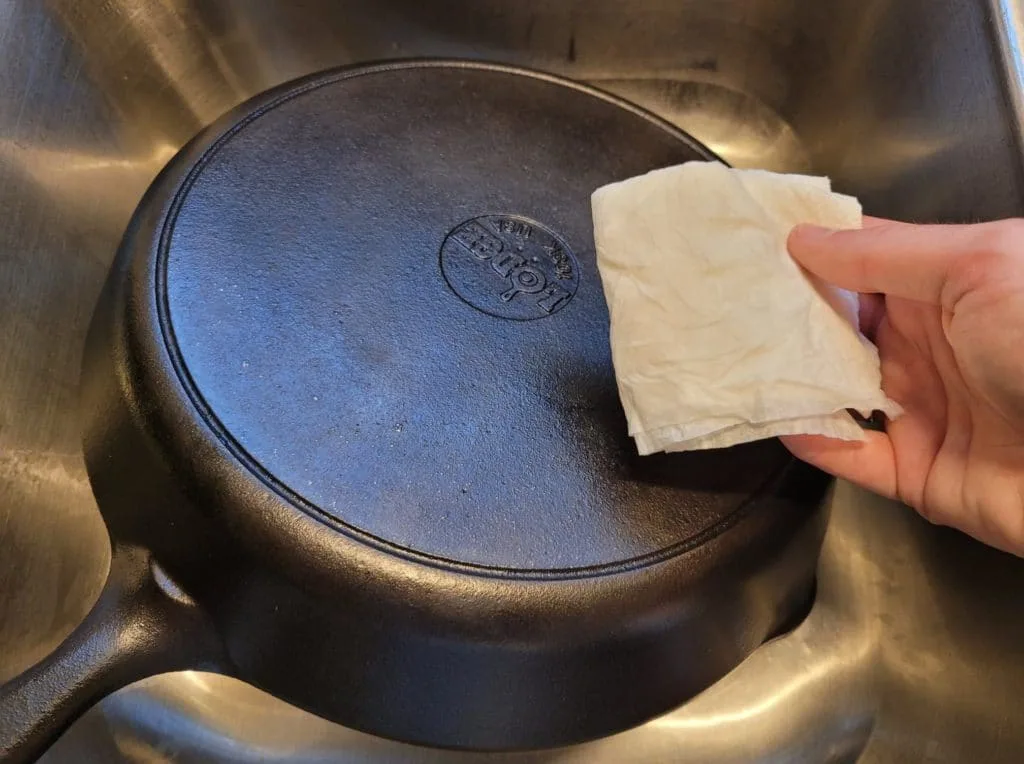
Image source: Bing (Web (fair-use with source credit))
Oil choice matters more than you'd think. Flaxseed oil creates the hardest, most durable coating, but it can flake if you apply it too thick. Vegetable oil and Crisco are more forgiving and still give a solid finish.
The key is thin layers. You're better off with three thin coats than one thick sticky one.
During the oven step, you might see smoke. That's normal. The oil is polymerizing, which means it's bonding to the iron.
Open a window and let the process finish. Once the pan cools, it should feel smooth and slightly glossy.
Common Mistakes That Ruin Cast Iron (and How to Avoid Them)
Even experienced cooks make errors during rust removal. Here are the ones that cause the most damage, ranked by severity.
Soaking too long in vinegar. This is the number one mistake. Aggregate reviews from thousands of restoration projects show that leaving a pan in vinegar overnight is a recipe for pitting. The acid doesn't stop at rust.
It eats into the good iron underneath. Stick to 30-minute intervals and never exceed four hours total.
Using an angle grinder or power tools. A wire wheel on a drill removes rust fast. It also removes metal. You'll end up with a wavy cooking surface that holds seasoning poorly.
The pan will never cook evenly again. Hand scrubbing preserves the original factory smoothness.
Skipping the immediate drying step. Bare iron is reactive. If you wash it and leave it in the dish rack, you'll see orange rust within 15 minutes. Dry with a towel, then heat the pan on a burner for five minutes.
That extra minute of heat drives moisture out of the pores.
Applying seasoning oil too thickly. Thick oil drips and forms sticky bumps during the oven step. Those bumps never harden properly. They peel off during cooking.
The right amount is one teaspoon rubbed all over, then wiped off as if you made a mistake. You want the pan to look dry.
Using soap during seasoning. A light soap wash after rust removal is fine. But once the oil is on the pan, keep soap away until the seasoning has fully cured. Soap residue prevents the oil from bonding to the iron.
Forgetting to check the bottom of the pan. Rust on the outside eventually creeps onto the cooking surface. Treat both sides equally during the soak. Flip the pan halfway through for even exposure.
Frequently Asked Questions
Can I cook on cast iron that has rust?
No. Cooking on a rusty surface transfers metal particles into your food. It also gives dishes a metallic taste.
Always remove the rust completely and reseason the pan before cooking again.
How long does it take to remove rust from cast iron?
Light surface rust takes about 20 minutes with steel wool. Moderate rust needs one to four hours with a vinegar soak. Severe rust handled with electrolysis takes 12 to 24 hours.
The reseasoning process adds another hour plus cooling time.
Will baking soda remove rust from cast iron?
Baking soda works as a mild abrasive for light surface rust. Make a paste with water and scrub with a sponge. It's less effective than steel wool or chainmail.
For moderate or deep rust, stick with a vinegar soak.
Is it safe to use vinegar on vintage cast iron?
Yes, with precautions. Vintage pans from Griswold and Wagner have thinner walls than modern pans. Limit the soak to 30 minutes at a time and check frequently.
The iron is softer and more prone to pitting from acid.
How do I prevent rust from coming back?
Dry the pan thoroughly after every use. Heat it on the stove for two minutes to evaporate trapped moisture. Store in a dry cabinet, not the dishwasher.
A light oil film between uses adds another layer of protection.
Can I use electrolysis on a pan with wooden handles?
No. Water and electricity do not mix with wood handles. The wood will swell and crack.
Remove wooden handles before electrolysis or use the vinegar soak method instead. Replace wood handles with metal ones if you plan to restore multiple pans.

Similar Posts