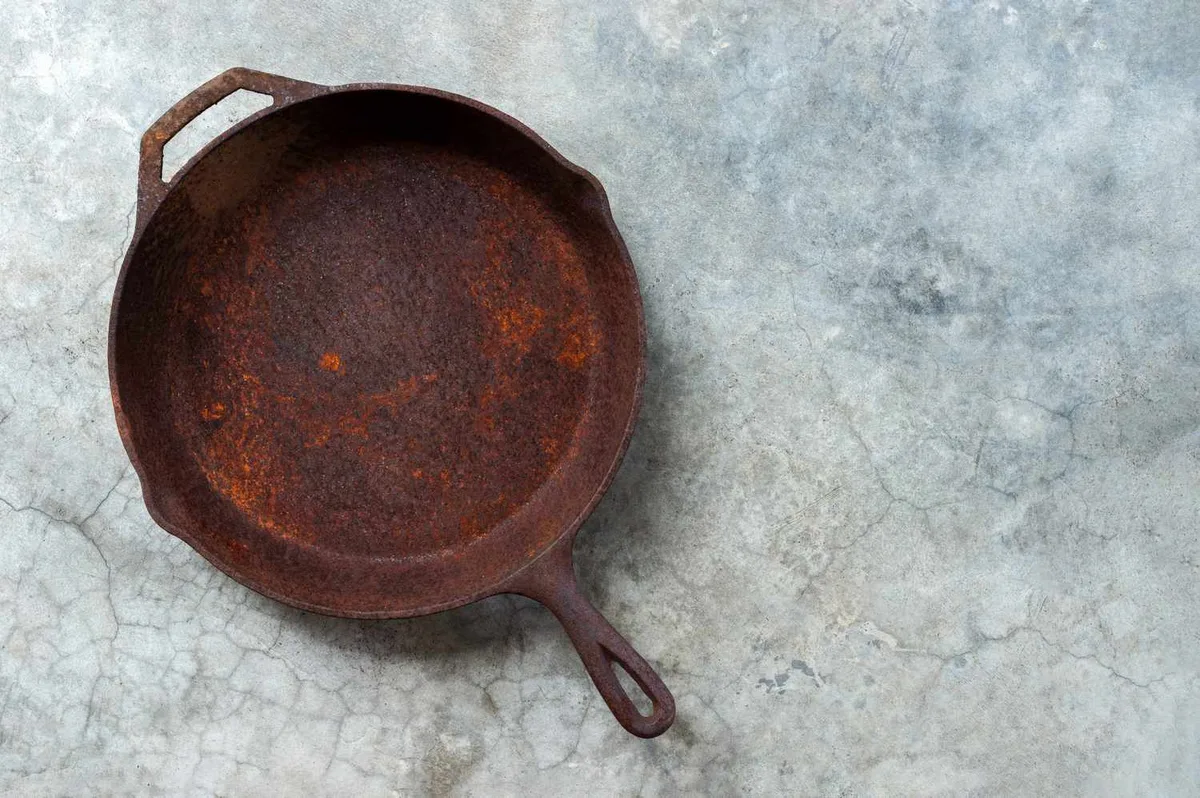
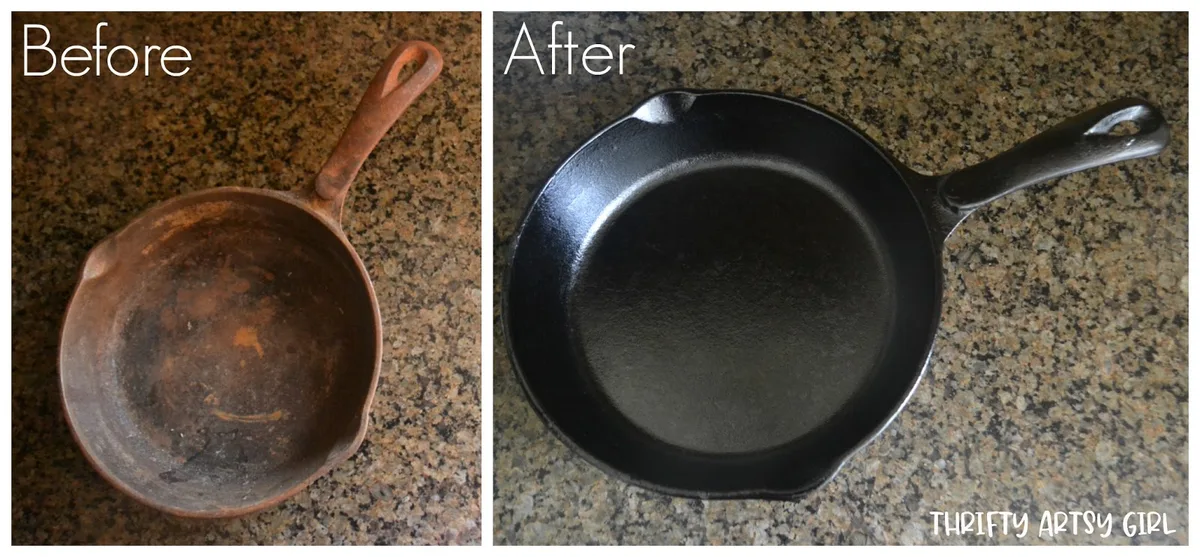
5 Steps to Clean a Rusty Cast Iron Kettle
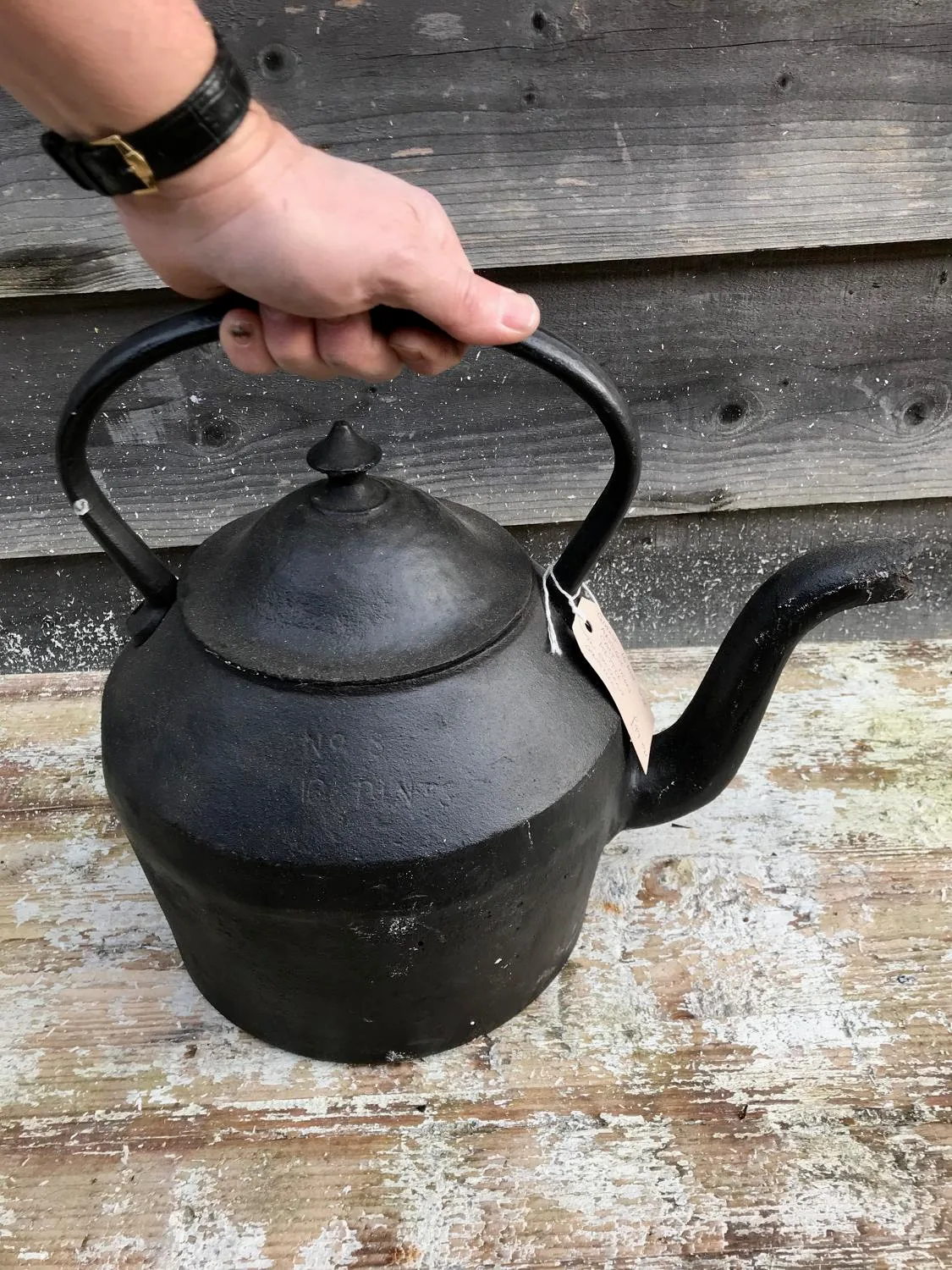
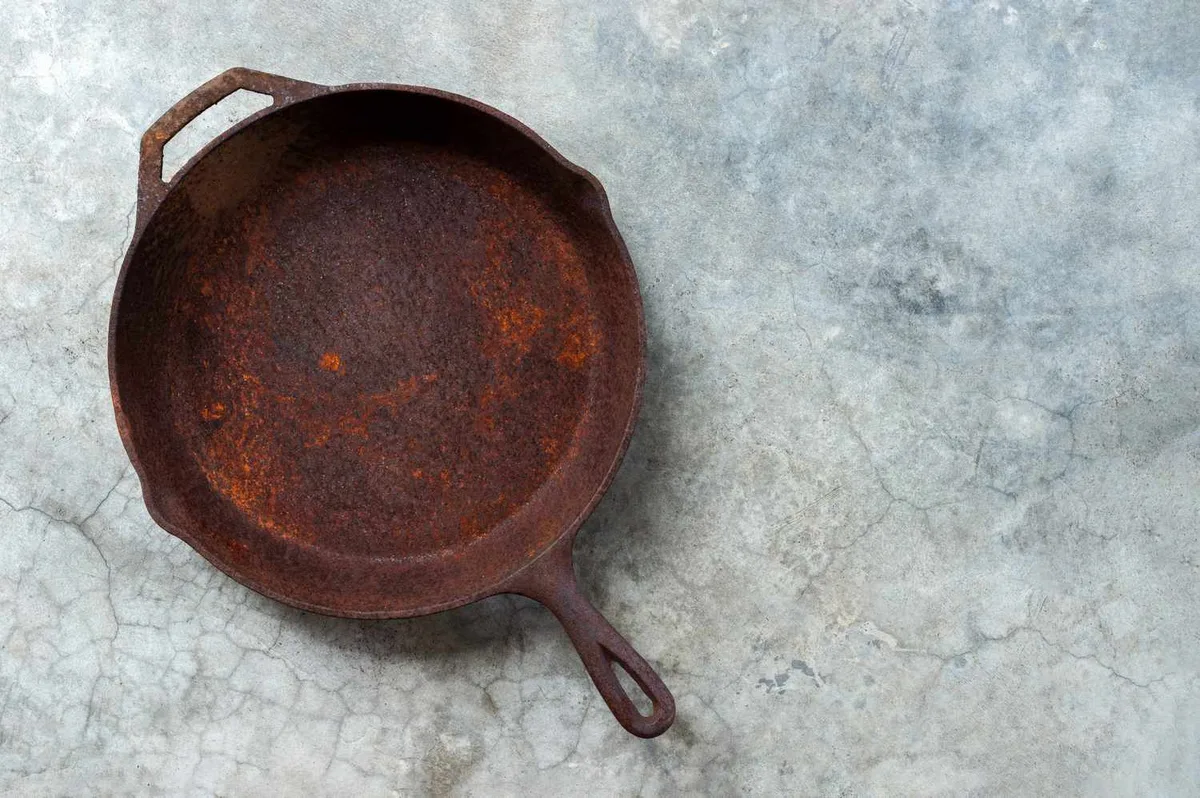
That rusty cast iron kettle sitting on your shelf isn't ruined. Cleaning it is straightforward once you know what kind of metal you're actually working with. Learning how to clean a rusty cast iron kettle starts with one critical step: identifying whether you have a bare cast iron or an enamel-lined model.
The wrong cleaning method can do permanent damage.
According to materials science data from the National Institute of Standards and Technology (NIST), traditional bare cast iron develops surface rust in as little as two hours in a 70 percent relative humidity environment. Enameled surfaces rarely rust at all unless the glaze is chipped. The choice you make next depends entirely on that difference.
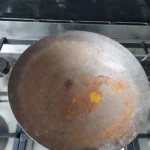
Image source: Bing (Web (fair-use with source credit))
Quick Answer
Scrub bare cast iron with steel wool. Use a baking soda paste on enameled surfaces. Soak bare iron in equal parts white vinegar and water, but stop at two hours max.
Dry the kettle completely over low heat. Re-season bare iron with a thin coat of high-smoke-point oil and bake at 400°F. Enameled kettles need no seasoning, just a thorough rinse.
First, Figure Out What Kind of Kettle You Have
This single step determines every cleaning decision that follows. If you treat an enameled interior like bare metal, you might scratch or chip the glaze. If you treat bare cast iron like enamel, you'll leave rust behind that keeps coming back.
Start with the magnet test. A refrigerator magnet will stick to bare cast iron. It will not stick to a damaged or fully worn enamel surface, but it will stick to intact enamel because the metal underneath is still ferrous. This test is not foolproof.
Look at the interior finish. Bare cast iron has a rough, matte, slightly porous surface. You can see and feel the grain of the metal. Enamel looks smooth, glossy, and glass-like.
It is often white, cream, or pastel-colored on the inside.
Check the brand or origin. Traditional Japanese tetsubin kettles are almost always bare cast iron inside. European brands like Le Creuset and Staub use enamel coatings. Vintage American kettles can go either way.
If the interior has chips or cracks in a glossy surface, assume enamel. If the interior is uniformly dark, matte, and rough, assume bare cast iron.
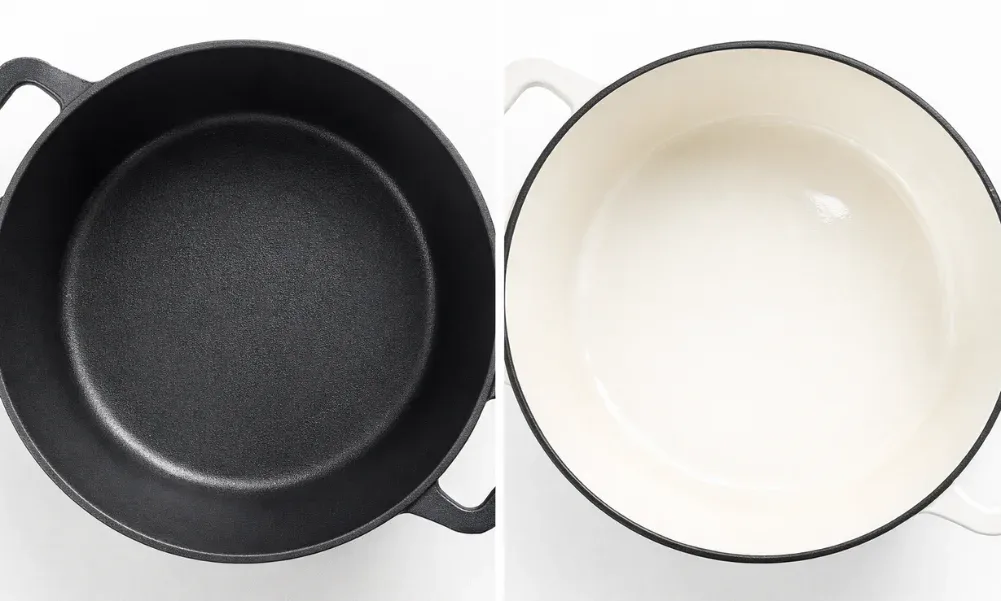
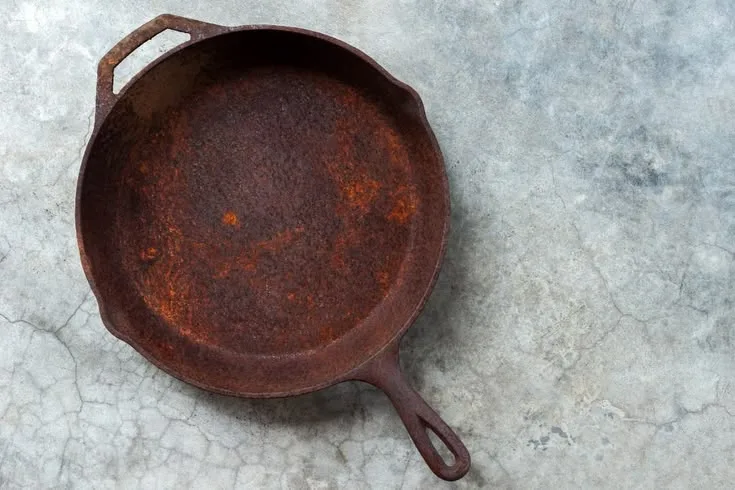
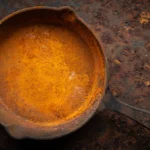
Image source: Bing (Web (fair-use with source credit))
Bare Cast Iron vs Enameled: The Decision That Changes Everything
Once you know which type you own, the cleaning path splits completely. Bare cast iron can handle aggressive scrubbing, acidic soaks, and high heat for seasoning. Enameled iron cannot.
Bare cast iron kettles require rust removal followed by re-seasoning. You can use steel wool, chainmail scrubbers, and diluted vinegar soaks. After cleaning, you must apply a thin layer of oil and bake it on to create a protective layer.
This layer prevents flash rust and keeps water from contacting bare metal.
Enameled kettles require gentler treatment. Never use steel wool or abrasive scrubbers on an enamel surface. You risk scratching the glass coating, which exposes the underlying iron to moisture and creates permanent rust spots that cannot be fixed.
Instead, use a non-abrasive cleaner like baking soda paste or Bar Keepers Friend (the original formula, not the scrub powder). Avoid vinegar soaks on enamel unless you are certain the interior is fully intact. Acid can seep through microscopic cracks and lift the glaze.
If the enamel is chipped anywhere on the interior, the kettle is no longer safe for boiling drinking water. The exposed iron will rust, and the chip edges can flake into your water. As of 2026, no reliable at-home repair method exists for food-contact enamel chips.
The kettle becomes a decorative piece.
Light Surface Rust: The 30-Minute Clean
If you can see orange or brown oxidation but the metal underneath is still smooth, you have light surface rust. This is the easiest scenario. You can fix it in about 30 minutes.
Tools you need:
- Fine steel wool (grade 0000) or a chainmail scrubber
- White distilled vinegar
- Water
- Baking soda
- A soft cloth or paper towels
Step by step for bare cast iron:
- Rinse the kettle with warm water to remove loose dust or debris.
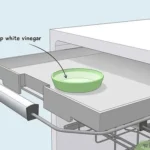
- Mix equal parts white vinegar and water in a bowl or spray bottle. Use about one cup of each for a standard kettle.
- Apply the solution to the rusted areas. You can spray it on or dip the steel wool into it.
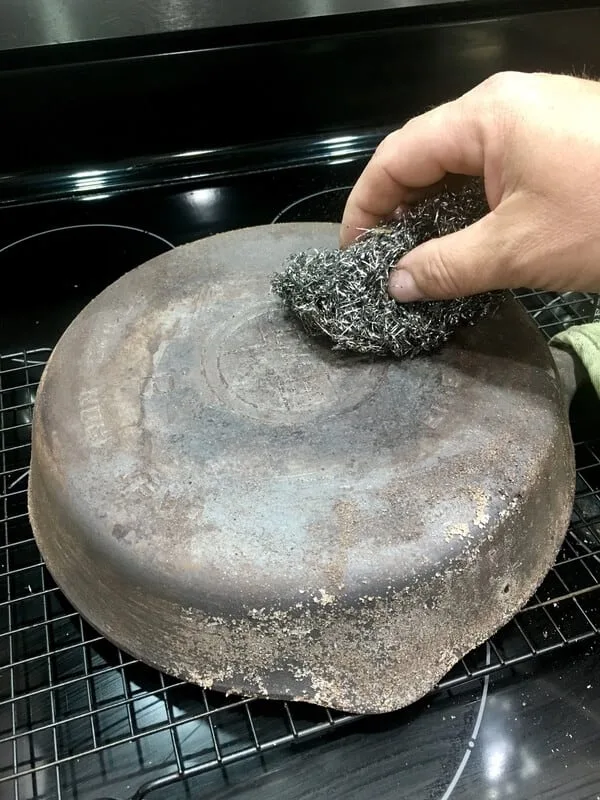
- Scrub gently in circular motions. The vinegar loosens the rust, and the steel wool removes it mechanically. Do not press hard. Let the chemistry do most of the work.
- Rinse thoroughly with clean water. If you see remaining rust spots, repeat the application.
- Neutralize any lingering acid by wiping the kettle with a paste of baking soda and water. Let it sit for one minute, then rinse again.
- Dry the kettle immediately with a towel. Heat it on a stove burner or in the oven at low heat (200°F) for 10 minutes to drive off all moisture.
- Apply a very thin layer of seasoning oil while the kettle is still warm. Use a high-smoke-point oil like grapeseed, canola, or shortening. Wipe off any excess with a clean cloth.
For enameled kettles with light rust stains:
Skip the vinegar and steel wool. Make a paste of three parts baking soda to one part water. Apply it to the stained area.
Let it sit for 15 minutes. Scrub gently with a soft nylon brush or sponge. Rinse thoroughly.
The rust stain should lift without damaging the glaze.
Heavy Rust, Pitting, or Hidden Corrosion: When to Go Deep
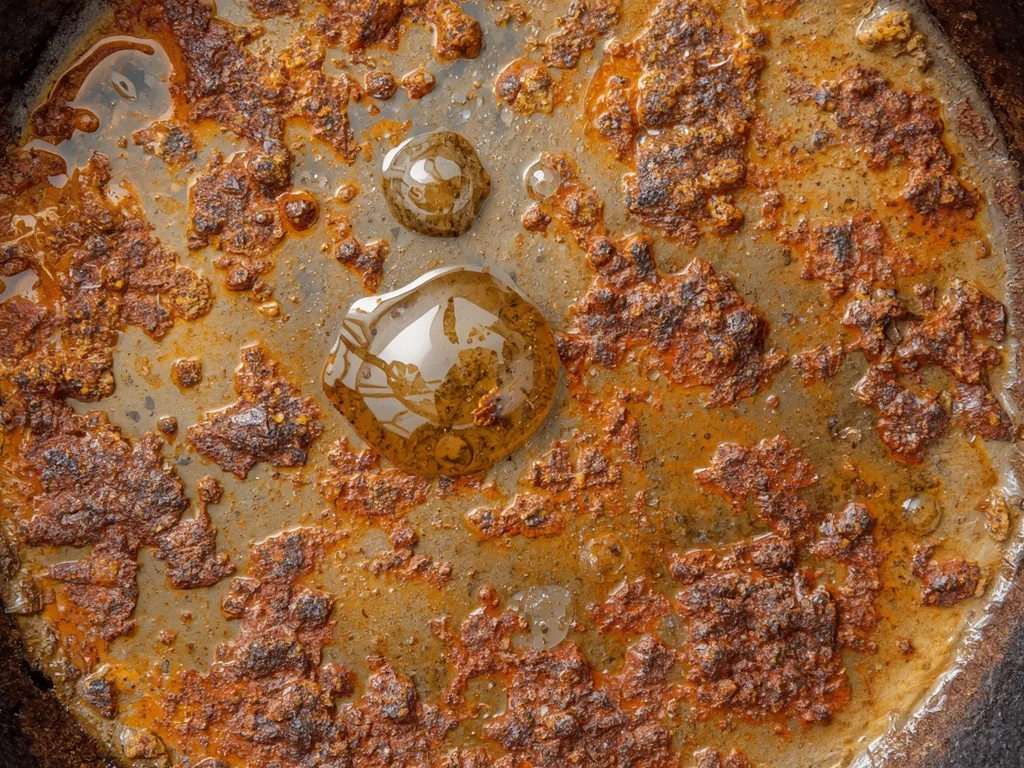
Heavy rust means the surface has lost its original smooth texture. You can feel rough patches or even see small craters in the metal. This is pitting, and it requires a more aggressive approach.
Start with a longer vinegar soak for bare cast iron only. Fill the kettle with a 1:1 vinegar and water solution. Let it sit for 30 minutes. Check the progress.
If rust is still visible, let it soak another 30 minutes. Do not exceed two hours total. Vinegar is acetic acid.
Prolonged exposure can etch the metal, creating more surface area for future rust.
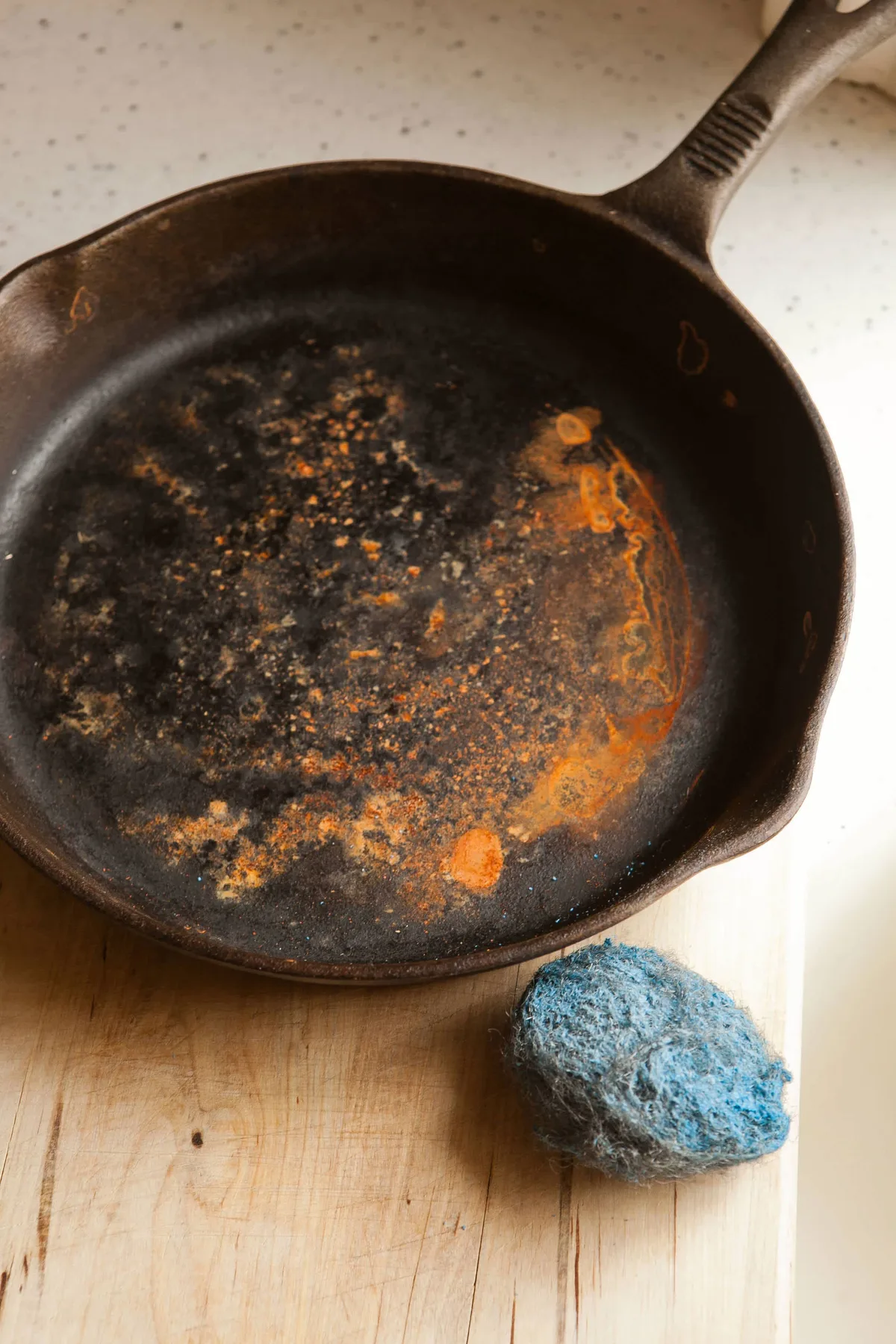
Image source: Bing (Web (fair-use with source credit))
After the soak, scrub with coarse steel wool (grade 1 or 2). Focus on the pitted areas. If the steel wool cannot reach into the craters, use a small brass wire brush. Brass is softer than steel and less likely to gouge the iron.
If soaking and scrubbing do not remove the rust, move to a chemical rust remover. Look for a product labeled as a food-safe rust remover. Evapo-Rust is one common option for cast iron. It uses a chelating agent that bonds to rust molecules and lifts them away without attacking the base metal.
Follow the manufacturer's directions exactly. Rinse very thoroughly afterward.
Electrolysis is an option for severe cases, but it is not beginner-friendly. The process uses a low-voltage current running through a washing soda solution to strip rust electrolytically. It works well on heavily pitted vintage kettles. It also requires a dedicated setup, a plastic bucket, a battery charger, and a sacrificial steel electrode.
As documented by Université Laval materials conservation research, electrolysis can remove rust from pits that mechanical methods cannot reach. Set it up outdoors or in a ventilated space, as the process releases hydrogen gas.
Lye baths are another option for bare cast iron only. A lye bath (one pound of 100 percent lye crystals per five gallons of water) will strip old seasoning, rust, and grime. It will not damage the metal, but it is a caustic chemical that requires gloves, eye protection, and extreme care. Never use lye on enameled kettles.
It can corrode the glass coating.
When to stop and call it quits:
If rust has eaten completely through the wall of the kettle, creating pinhole leaks or thin spots, the kettle is structurally compromised. Do not attempt to boil water in it. A leaking cast iron kettle is a fire hazard.
It is also not repairable at home. The same applies to kettles with extensive interior pitting that cannot be smoothed out. At this point, the best option is repurposing as a planter, a decorative piece, or recycling as scrap metal.
Re-Seasoning: Bringing Your Kettle Back to Life
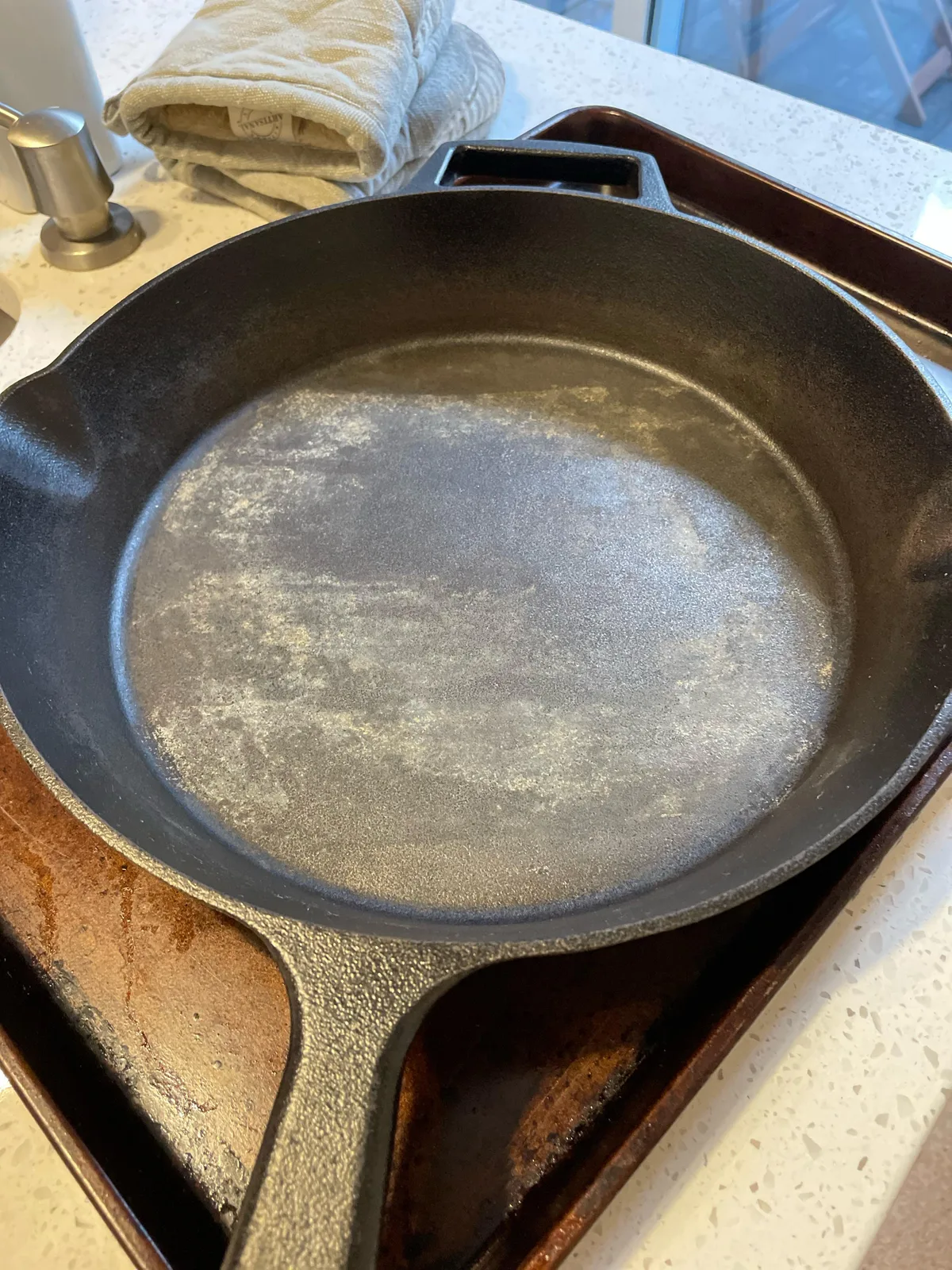
Seasoning is not optional for bare cast iron. It is the layer that prevents rust from forming every time moisture touches the metal. Without it, your kettle will flash rust within hours of cleaning.
You need three things: a high-smoke-point oil, an oven or stovetop heat source, and patience. The oil polymerizes into a hard, non-stick coating when heated past its smoke point. This coating bonds to the iron and seals it from air and water.
Choose your oil carefully. Grapeseed oil has a smoke point around 420°F and creates a hard, durable layer. Canola oil smokes at 400°F and works almost as well. Vegetable shortening is a classic choice for vintage cast iron and produces a reliable finish.
Avoid flaxseed oil. Despite its popularity in some cast iron circles, aggregate user reports and seasoning experiments indicate it tends to flake off within months on kettles exposed to boiling water.
Oven seasoning is the most consistent method. Preheat your oven to 400°F. Apply a very thin coat of oil to the entire kettle, inside and out. Use a lint-free cloth and wipe off every drop you can see.
The surface should look dry, not greasy. Place the kettle upside down on the middle rack. Put a sheet of aluminum foil or a baking sheet on the lower rack to catch drips.
Bake for one hour. Turn the oven off and let the kettle cool inside without opening the door.
Stovetop seasoning works for kettles that do not fit in your oven. Heat the kettle on a burner at medium-low. Apply a thin coat of oil with a cloth. Let it heat until the oil just begins to smoke.
Wipe off any excess. Repeat this process two or three times. Full polymerization takes longer on the stovetop, but it still creates a functional barrier.
For enameled kettles, skip seasoning entirely. The glass coating is already impermeable. Applying oil to enamel does nothing beneficial. It can leave a sticky residue that attracts dust.
Mistakes That Ruin Cast Iron Kettles (and How to Avoid Them)
Scrubbing enamel with steel wool is the number one mistake. The abrasive scratches the glass coating. Once scratched, the enamel holds onto rust stains permanently. It also creates rough spots where bacteria can hide.
Use only nylon brushes, sponges, or soft scrub pads on enamel.
Soaking in vinegar for too long. Vinegar is effective at removing rust because it is acidic. But it does not stop working after the rust is gone. Left too long, it starts etching the underlying metal.
Two hours is the absolute maximum for bare cast iron. Check progress every 30 minutes. For enameled kettles, limit vinegar contact time to 15 minutes maximum.
Skipping the drying step. Cast iron rusts rapidly when wet. If you clean a kettle and let it air dry, you will see orange spots forming within minutes. This is flash rust.
It happens because the cleaned metal surface is highly reactive. Dry the kettle immediately with a towel. Then heat it gently on a stove burner or in a low oven to drive off moisture trapped in pits or crevices.
Using soap on bare cast iron after seasoning. A small amount of mild dish soap is fine for removing food residue. But aggressive degreasing or soaking in soapy water can strip the seasoning layer. Wash bare cast iron quickly with a soft sponge, rinse, and dry immediately.
If the seasoning is intact, a rinse with hot water is often enough.
Storing the kettle with the lid on. Trapped moisture accelerates rust formation. Store the kettle with the lid slightly ajar or removed entirely. The same applies to storing it in a closed cabinet without ventilation.
Frequently Asked Questions
Is it safe to boil water in a rusty cast iron kettle?
No. Rust particles can flake into your water. Consuming rust in small amounts is not typically toxic, but it is not safe for regular use.
The bigger concern is that rust indicates the protective layer has failed. Without it, the kettle can leach metallic flavors into your water and may develop pinhole leaks over time.
How do I keep a tetsubin rust-free?
Dry it completely after every use. Heat it on a burner for one minute to evaporate any remaining moisture. Apply a tiny amount of oil to the interior once a month.
Store it with the lid off in a low-humidity area. Avoid letting water sit in it overnight.
Can I use Bar Keepers Friend on enamel?
Yes, but use the soft cleanser formula, not the powdered scrub. Bar Keepers Friend contains oxalic acid, which lifts rust stains without scratching enamel. Apply it as a paste with a soft sponge.
Rinse thoroughly. Avoid rubbing hard on chipped or cracked areas.
Does seasoning affect the taste of tea or water?
Properly polymerized seasoning is flavor-neutral. A fresh seasoning may have a faint oily scent during the first few uses. This fades after two or three boiling cycles.
If you taste oil, you applied too thick a layer. Wipe it down and re-season with a thinner coat.
Can I use electrolysis on an enameled kettle?
No. Electrolysis removes rust by converting it to black iron oxide. It will also strip enamel from the surface.
Use electrolysis only for bare cast iron kettles that are fully uncoated.
Final Decision Guide: Restore, Replace, or Repurpose
Not every rusty kettle deserves the full restoration process. Here is how to decide.
Restore it if: The kettle is bare cast iron with no structural damage. Rust is surface-level or moderately pitted but the walls are intact. The kettle has sentimental or antique value.
You are comfortable with the seasoning and drying routine required for ongoing maintenance.
Replace it if: The kettle has chipped interior enamel. The metal has pinhole leaks or thin spots. Deep pitting covers more than 25 percent of the interior surface.
The cost of a replacement is lower than the effort required for restoration, especially for common modern kettles.
Repurpose it if: The kettle is structurally sound but no longer safe for boiling water. Use it as a decorative planter for succulents. Turn it into a utensil holder.
Mount it as a bookshelf accent. Repurposing preserves the piece without risking your health.
A quick decision flowchart:
- Is the kettle enameled with chips inside? → Replace or repurpose.
- Is it bare cast iron with surface rust? → Restore using the light rust method.
- Is it bare cast iron with deep pitting but no leaks? → Restore using the heavy rust method or electrolysis.
- Does it leak or have holes? → Repurpose or recycle.
That rusty kettle in your kitchen is not a lost cause. It just needs the right approach based on what you are working with. Take five minutes to identify the type and assess the damage.
From there, the path forward is clear.
Mistakes That Ruin Cast Iron Kettles (and How to Avoid Them)
Heating an empty kettle on high. Cast iron handles thermal shock poorly. A dry, empty kettle on a high burner can crack or warp. Always add water before heating, and use medium heat at most.
Kettles are not skillets; they do not need screaming-hot surfaces.
Plunging a hot kettle into cold water. The rapid temperature change can fracture the iron. This is a common failure with camp kettles. Let the kettle cool naturally to room temperature before rinsing.
Using metal utensils inside the spout. You can nick the interior and expose fresh, unprotected iron. Stick to wooden spoons, silicone brushes, or nothing at all.
Frequently Asked Questions
Can I use a rusty cast iron kettle for coffee?
You can, but the rust will add a metallic, unpleasant flavor to the brew. Coffee's acidity also accelerates corrosion. Clean and re-season the kettle first, then use it only for water.
Do not brew coffee directly in cast iron.
How do I tell rust from limescale?
Rust is orange or reddish-brown and feels rough. Limescale from hard water is white, chalky, and often flakes off easily. Use vinegar to dissolve limescale, but for rust you need mechanical scrubbing or a dedicated rust remover.
Testing a small hidden area helps.
Final Decision Guide: Restore, Replace, or Repurpose
Ask yourself three questions. Is the kettle bare cast iron? Does it hold water without leaking?
Is the rust mostly surface-level? Three yeses mean restore it. Any no pushes you toward replace or repurpose.
Restore for sentimental pieces, quality tetsubin kettles, or antiques. Replace when enamel chips make it unsafe or leaks appear. Repurpose when the kettle has value but no longer suits boiling water. A planter, doorstop, or bookshelf display keeps the piece without the health risk.

Similar Posts