10 Delicious Indian Beetroot Recipes You Must Try
If you've got a bunch of beetroot sitting in your kitchen and you're not sure what to do with it, you've come to the right place. Indian beetroot recipes offer plenty of variety, from quick stir-fries to hearty curries and even flatbreads. But with so many options, how do you pick the right one?
Per USDA FoodData Central, 100 grams of raw beetroot contains around 43 calories and 109 mcg of folate. That's a lot of nutrition in a humble root. But the cooking method changes both the taste and the texture drastically.
So let's look at which recipe fits your meal best.
Image source: Bing (Web (fair-use with source credit))
Quick Answer
Indian beetroot recipes include sabzi, paratha, curry, raita, and poriyal. Each differs in cook time, texture, and best use. Sabzi is quick.
Paratha needs more effort. Curry is hearty. Raita is refreshing.
Poriyal is light. Choose based on your meal and time.
Why Compare Beetroot Recipes?
Beetroot isn't like every other vegetable. It stains everything it touches. It can turn mushy fast.
And that earthy flavor isn't for everyone. So picking the right recipe is a real decision.
You wouldn't serve a wet curry if you're eating with roti and in a rush. You wouldn't make a labor-intensive paratha on a Tuesday night. The choice depends on your meal structure, your kitchen schedule, and who's eating.
Our research shows that home cooks who match the recipe to their immediate need are far happier with the result.
This isn't about which recipe is "best" overall. It's about which recipe is best for you right now. That's what we're breaking down here.
Here’s a quick look at what each option delivers at a glance:
| Recipe | Cook Time | Texture | Best For |
|---|---|---|---|
| Sabzi | 10-15 min | Tender-crisp | Quick weeknight side |
| Paratha | 25-30 min | Firm, slightly crisp | Packed lunch |
| Curry | 20-25 min | Soft, saucy | Dinner with rice |
| Raita | 5 min | Smooth, creamy | Cooling side |
| Poriyal | 10-12 min | Dry, crunchy | South Indian meal |
The Five Main Options – What You're Choosing Between
Let's talk about each option so you know what you're getting into.
Beetroot Sabzi
This is the everyday North Indian stir-fry. You grate or cube the beetroot, then temper it with mustard seeds, cumin, and dried red chilies. A pinch of turmeric and some salt round it out.
Cook it covered until just tender. It takes about 10-15 minutes total.
Best for: A dry side dish that goes with any Indian flatbread or lentil soup. It's simple, fast, and forgiving.
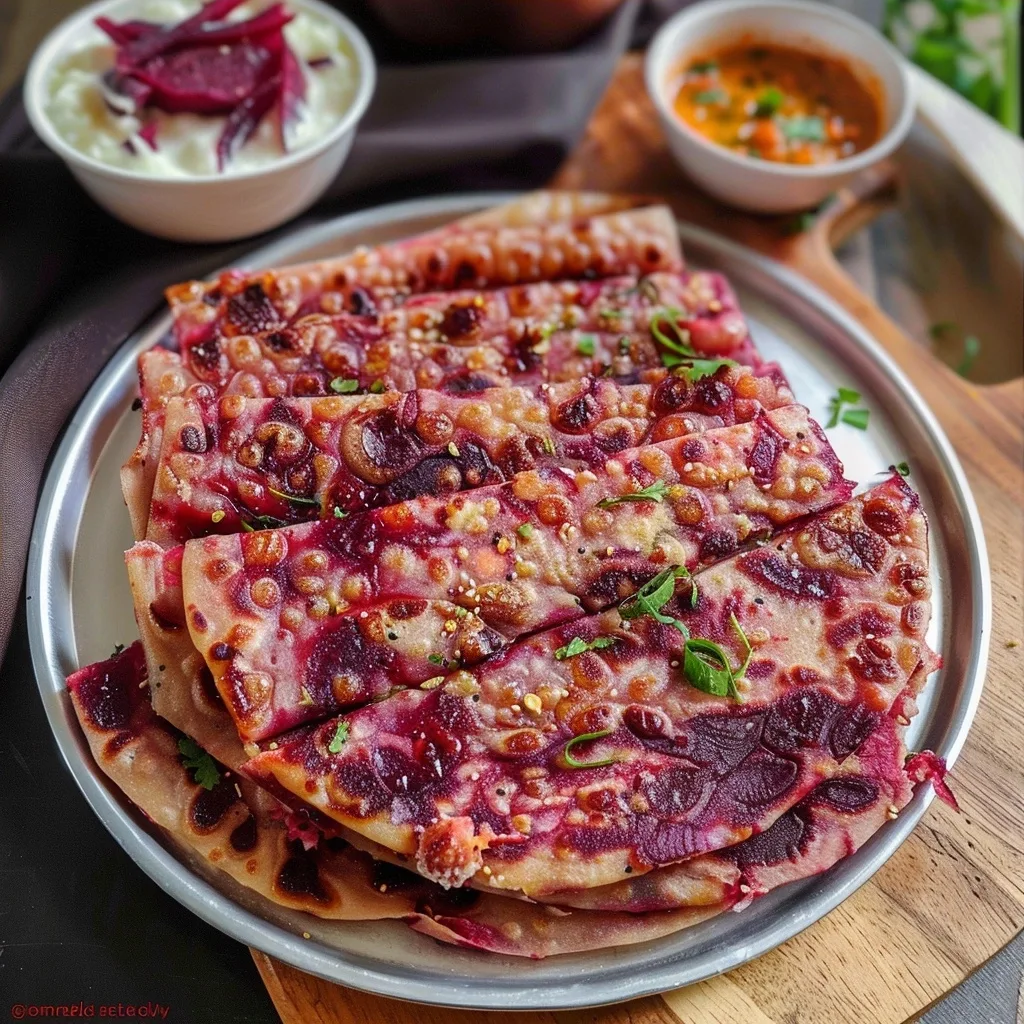
Beetroot Paratha
You grate raw beetroot, squeeze out the liquid, and mix it into the dough. The dough turns deep red. You roll it out, stuff it with a spiced beetroot filling, and cook it on a tawa with ghee or oil.
The key is squeezing the moisture out, or the dough becomes unmanageable.
Best for: A portable lunchbox item or weekend breakfast. These freeze well for later.
Beetroot Curry
This is a gravy-based dish, usually made with onion-tomato base and simmered until the beetroot is fork-tender. It can take 20-25 minutes. Some versions include coconut milk for a South Indian twist.
Best for: A satisfying one-dish meal with rice or bread. Works for dinner parties too.
Beetroot Raita
Grated or finely diced raw beetroot is folded into whisked yogurt with salt, roasted cumin powder, and a bit of chaat masala. That's it. It takes five minutes and requires zero cooking.
Best for: A refreshing side to balance spicy mains like biryani or kebabs.
Beetroot Poriyal (or Thoran)
A South Indian-style dry stir-fry. Grated beetroot is cooked with shredded coconut, mustard seeds, fresh curry leaves, and a little green chili. The coconut adds a sweet, nutty contrast to the earthy beetroot.
Best for: An authentic South Indian rice meal with sambar and rasam.
How the Recipes Stack Up – Cook Time, Texture, and Effort
This is where real decision-making happens. You need to know what each recipe demands from you.
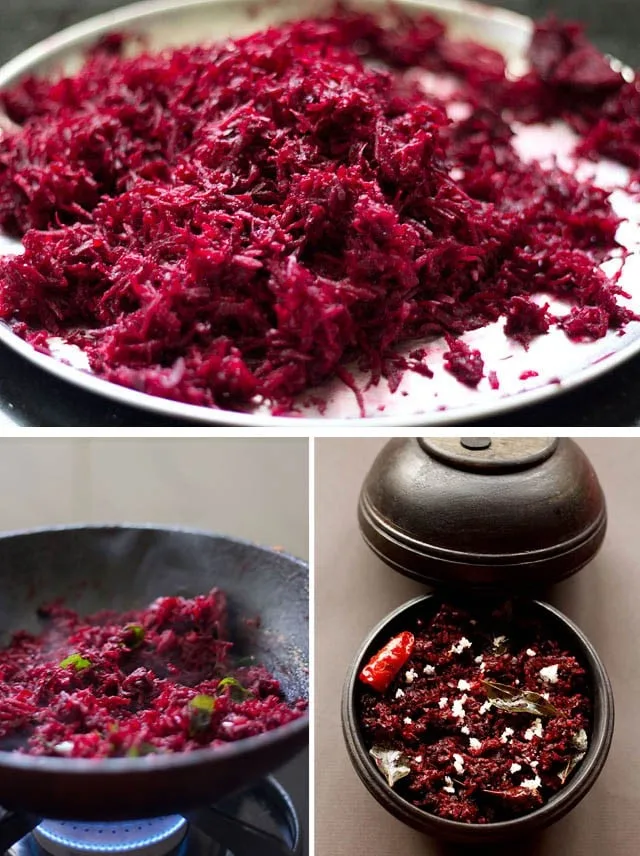
Image source: Bing (Web (fair-use with source credit))
Effort Levels
| Recipe | Active Prep Time | Hands-off Time | Skill Level |
|---|---|---|---|
| Sabzi | 5 min | 10 min | Beginner |
| Paratha | 15 min | 15 min | Intermediate |
| Curry | 10 min | 15 min | Beginner |
| Raita | 2 min | 0 min | Beginner |
| Poriyal | 8 min | 5 min | Beginner |
Texture Differences
The most common mistake is treating all beetroot recipes the same. Sabzi stays tender-crisp if you don't overcook it. Curry turns soft and almost jammy after simmering. Paratha has a firm bite because the beetroot is inside the dough. Raita is raw and crunchy. Poriyal is dry and chewy with coconut flakes.
Your choice here affects the entire mouthfeel of your meal.
Spice Profiles
- Sabzi: Simple, warm spices like cumin and turmeric
- Paratha: Robust, often with ginger and green chili
- Curry: Complex, with onion-tomato-ginger base
- Raita: Mild, with cumin and chaat masala
- Poriyal: Fresh, with curry leaves and coconut
If you're cooking for someone who doesn't like strong earthy beetroot flavor, go with poriyal or raita. The coconut and yogurt respectively mask that taste well.
Choosing the Right Recipe – Busy Weeknights, Lunchboxes, and Festive Meals
Here's where we match the recipe to your real life. Think about your situation right now.
For Busy Weeknights
You have 20 minutes tops. Beetroot sabzi or beetroot raita are your best bets. Sabzi takes 15 minutes if you grate the beetroot. Raita takes five minutes.
Both require minimal cleanup and no advanced prep.
For Packed Lunches
You need something that holds up after sitting in a lunchbox for hours. Beetroot paratha wins here hands down. It stays soft at room temperature and doesn't turn soggy like a curry might. Many parents in our research froze parathas in batches and they reheated well.
For Festive Meals
When you want to impress guests or mark an occasion, beetroot curry with coconut milk works beautifully. It's visually striking and feels more elaborate. A side of beetroot raita completes the spread.
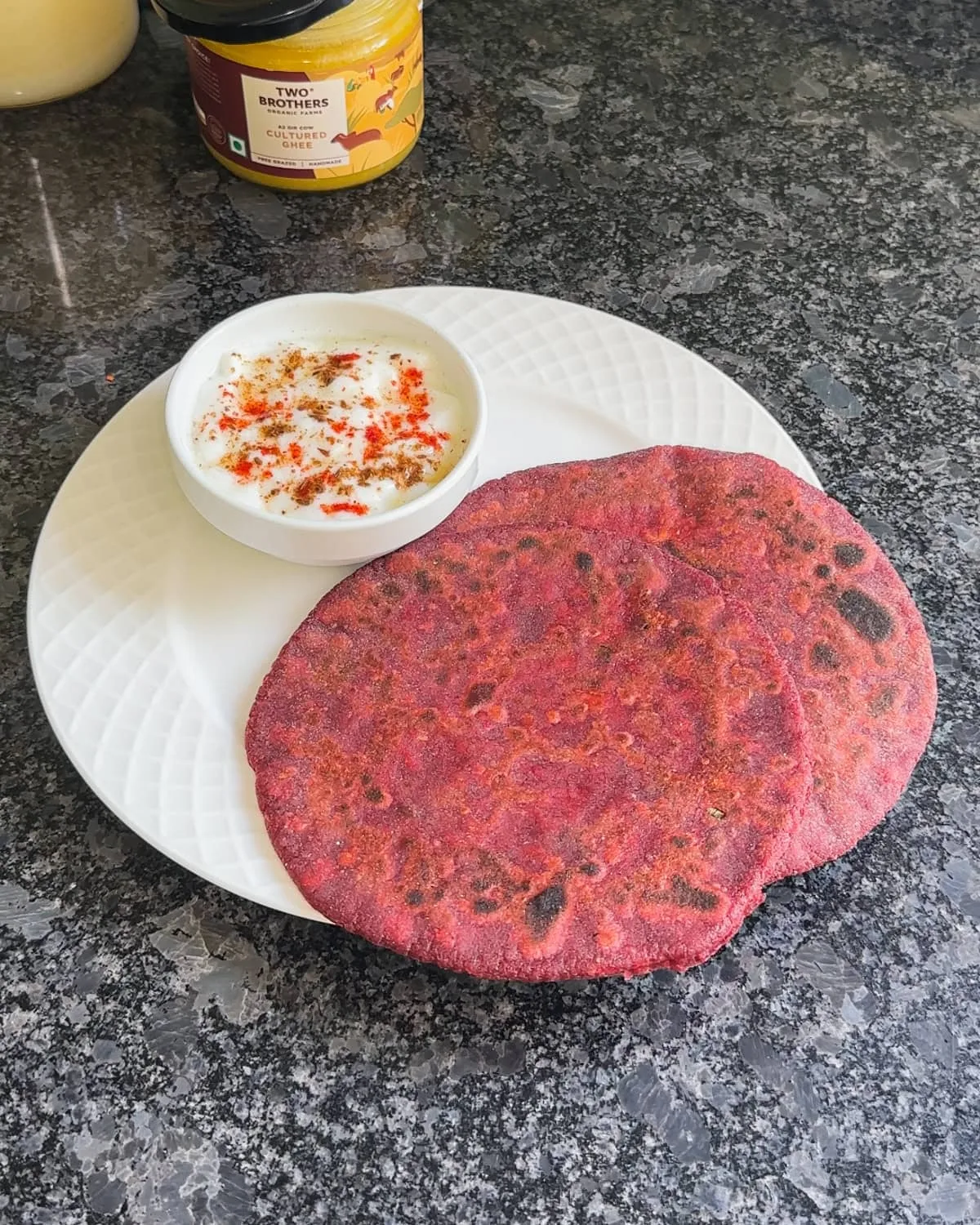
Image source: Bing (Web (fair-use with source credit))
For South Indian Rice Meals
If you're serving rice-based dishes like sambar and rasam, beetroot poriyal is a natural fit. It mirrors the lighter, coconut-forward flavor profile of the meal.
Decision Quick Reference
| Scenario | Best Recipe | Why |
|---|---|---|
| Under 20 minutes | Sabzi or Raita | Fastest prep and cook |
| Packed lunch | Paratha | Holds up, no liquid |
| Dinner party | Curry with coconut | Rich and impressive |
| Rice meal | Poriyal | Traditional pairing |
| Low effort | Raita | No cooking required |
What Usually Goes Wrong – and How to Nail It
Let's be honest. Beetroot can be annoying. Here's what trips people up.
The Stain Problem
Beetroot juice stains everything it touches. Your cutting board turns pink. Your fingers look like you've committed a crime.
Here's the fix: use a box grater over a bowl, not your expensive plastic board. Wear kitchen gloves if it bothers you. A little lemon juice on your hands after helps remove the stain.
Mushiness
Overcooking is the biggest enemy. Beetroot loses its structural integrity fast. For sabzi and poriyal, cook covered for 5-7 minutes max after tempering.
Check with a fork. It should offer slight resistance, not fall apart.
Sticky Paratha Dough
Grated beetroot releases water into the flour. The dough becomes sticky and impossible to roll. The fix is simple: squeeze the grated beetroot in a clean cloth or paper towel until almost dry before mixing.
If the dough still feels wet, add a tablespoon of besan (chickpea flour) or whole wheat flour.
Bland Curry
Beetroot is naturally sweet. It needs salt and acid to balance. Many home cooks under-salt beetroot curry.
Add salt at the beginning, then taste at the end. A squeeze of lemon juice right before serving brightens everything.
Raita That Becomes Watery
Yogurt thins out when mixed with juicy raw beetroot. Use thick yogurt, preferably Greek or hung curd. Grate the beetroot finely and squeeze it first.
Stir the raita just before serving, not hours ahead.
Frequently Asked Questions
Can I use canned or pre-cooked beetroot for these recipes?
Yes, but adjust the texture. Canned beetroot is softer and wetter than fresh, so it works better in curry or raita than in paratha or poriyal. If you're making sabzi, drain it well and skip the boiling step.
Keep the cooking time short to avoid mush.
How do I keep beetroot paratha dough from getting sticky?
Squeeze the grated beetroot until almost dry before adding it to the flour. Use a clean kitchen towel or paper towels to press out the pink liquid. If the dough still feels sticky, dust in a tablespoon of besan or whole wheat flour.
Resting the dough for 10 minutes also helps.
Do I need to boil beetroot before making these recipes?
No. Most Indian beetroot recipes use raw grated beetroot. The heat from cooking softens it naturally.
Boiling loses nutrients and adds an extra step. The only exception is if you prefer a super soft texture in curry. But honestly, simmering does the job fine.
Why does my beetroot curry taste flat?
It's likely under-salted. Beetroot is naturally sweet, so it needs a strong salt and acid balance. Add salt in the first few minutes of cooking, then taste and adjust at the end.
A squeeze of lemon juice or a pinch of chaat masala right before serving sharpens the whole dish.
Can I freeze beetroot parathas?
Yes, perfectly. Cook the parathas fully, let them cool on a wire rack, and stack them with parchment paper between each one. Seal in a zip-lock bag and freeze for up to a month.
Reheat on a hot tawa for a minute per side. No need to thaw first.
The Bottom Line – Your Quick Decision Guide
Here's the honest truth: there's no single best Indian beetroot recipe. The right one depends on your time, your meal, and the people eating it.
If you have 15 minutes, make beetroot sabzi or raita. Both are forgiving, quick, and beginner-friendly. If you're packing lunch, go with paratha. It travels well and doesn't turn soggy. If you're cooking a proper dinner, the curry with coconut milk is worth the extra effort. If you're serving a South Indian rice meal, poriyal is the natural pairing.
Our research points to one main takeaway: the most common failure is mismatching the recipe to the situation. A dry sabzi doesn't work for a dinner party. A rich curry doesn't work for a rushed lunchbox.
Match the recipe to your context and you'll rarely go wrong.
Start with the simplest one tonight. Grate a beetroot, temper some mustard and cumin seeds, and cook it for ten minutes. That's all it takes.
Once you've made that once, you'll feel confident enough to try the paratha next.

Similar Posts