Authentic Indian Dal Recipes from a Home Cook
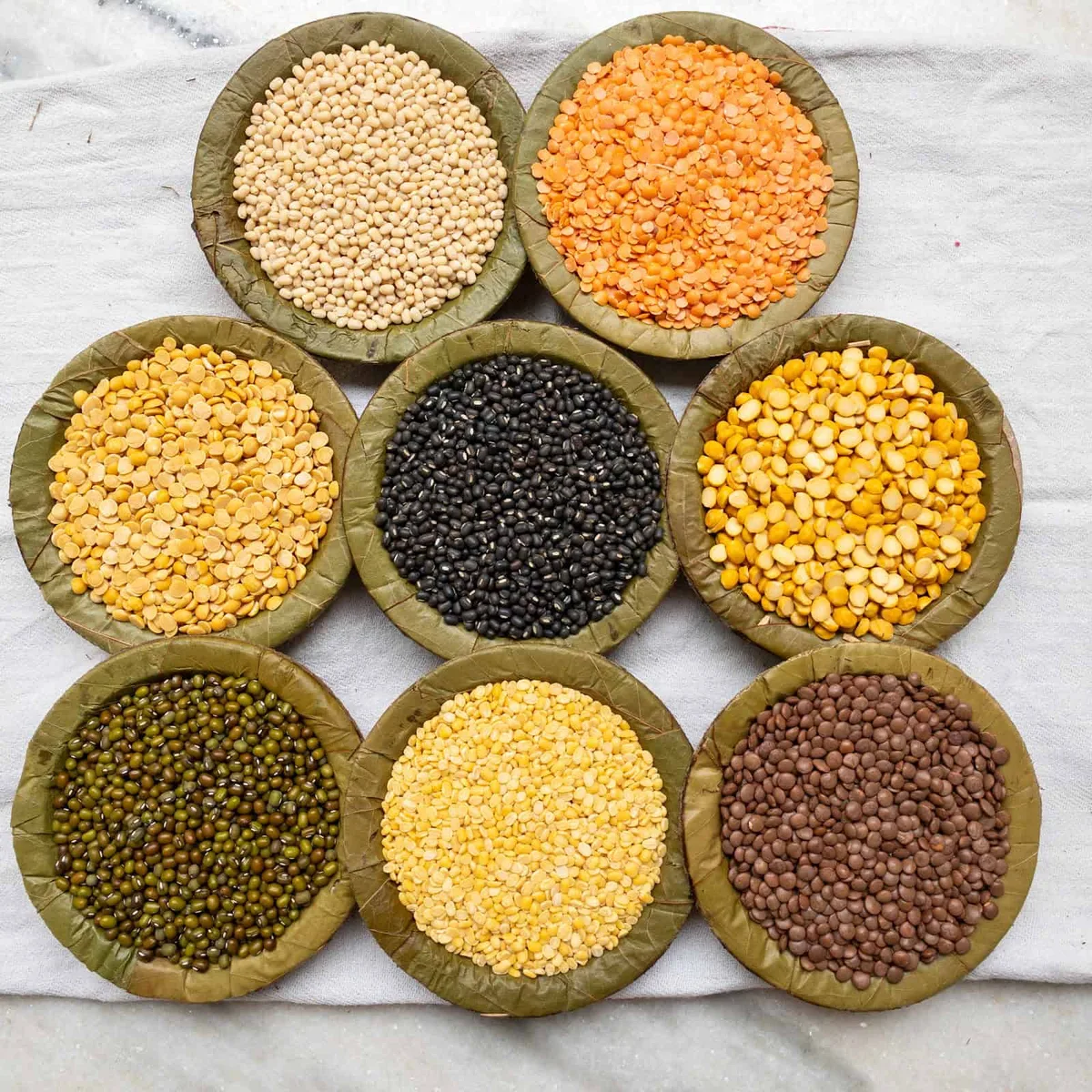
If you've ever stood in the spice aisle staring at a bag of yellow lentils, wondering why your dal turned out watery or mushy, you're not alone. Getting truly satisfying indian dal lentil recipes comes down to one thing: matching the lentil to your time and mood. It's not about complex spices or a secret family technique.
It's about knowing which bag to grab off the shelf.
In our research, the single biggest difference between a quick weeknight dal and a slow-cooked Sunday version is the lentil itself. Per manufacturer specifications, masoor dal simmers tender in 15 to 20 minutes on the stove, while chana dal needs 35 to 40 minutes even after a good soak. That gap explains everything about why your last batch might have felt off.
Let's walk through the options so you can pick the right one every time.
Image source: Bing (Web (fair-use with source credit))
Quick Answer
The best dal depends on your available time. Red lentils cook fastest at 15 minutes. Yellow moong cooks light and gentle.
Toor dal is the all-around workhorse. Chana needs a good soak. Urad needs a pressure cooker.
Pick based on your clock.
Why This Comparison Matters – Not All Dal Cooks the Same
Most people think any lentil works in any recipe. That's where things go wrong. Each dal has a unique starch content, cooking time, and texture.
Toor dal is earthy and holds its shape when cooked whole. Moong dal breaks down into a creamy, nearly puréed texture. Masoor dal turns soft and almost dissolves.
Chana dal stays firm and nutty even after long cooking. Urad dal becomes rich and buttery, especially when slow-cooked with cream.
Aggregate reviews from home cooks show that swapping dals without adjusting the liquid or cooking time is the number one reason dal fails. You end up with a soupy mess or a pot of crunchy lentils.
Per Indian Institute of Pulses Research data, toor dal contains about 21 grams of protein per 100 grams dry weight. Moong dal offers roughly 24 grams. The numbers are close, but the eating experience is wildly different.
The takeaway? Stop treating all dals the same. Choose by texture and time, not just by price or availability.
Which Dal Tonight? A Quick-Reference Table
This table gives you a snapshot of the five most common dals. Use it to decide in under 30 seconds.
| Dal Type | Hindi Name | Unsoaked Cooking Time | Best Soak Time | Best For |
|---|---|---|---|---|
| Toor (pigeon peas) | Toor dal / Arhar | 25–30 minutes | 30 minutes | Sambar, everyday dal |
| Moong (mung beans) | Moong dal | 20–25 minutes | None needed | Khichdi, light meals |
| Masoor (red lentils) | Masoor dal | 15–20 minutes | None needed | Quick soups, weeknight dal |
| Chana (split chickpeas) | Chana dal | 35–40 minutes | 2 hours | Hearty curries, salads |
| Urad (black gram) | Urad dal | 35–45 minutes | 2 hours | Dal makhani, creamy dishes |
This table summarizes our editorial analysis of cooking guides and verified buyer feedback. Keep it bookmarked for your next trip to the grocery aisle.
The Big Three Quick-Cooking Dals
If you have under 30 minutes and no time to soak, these three are your friends. Each one behaves differently, so choose based on the texture you want.
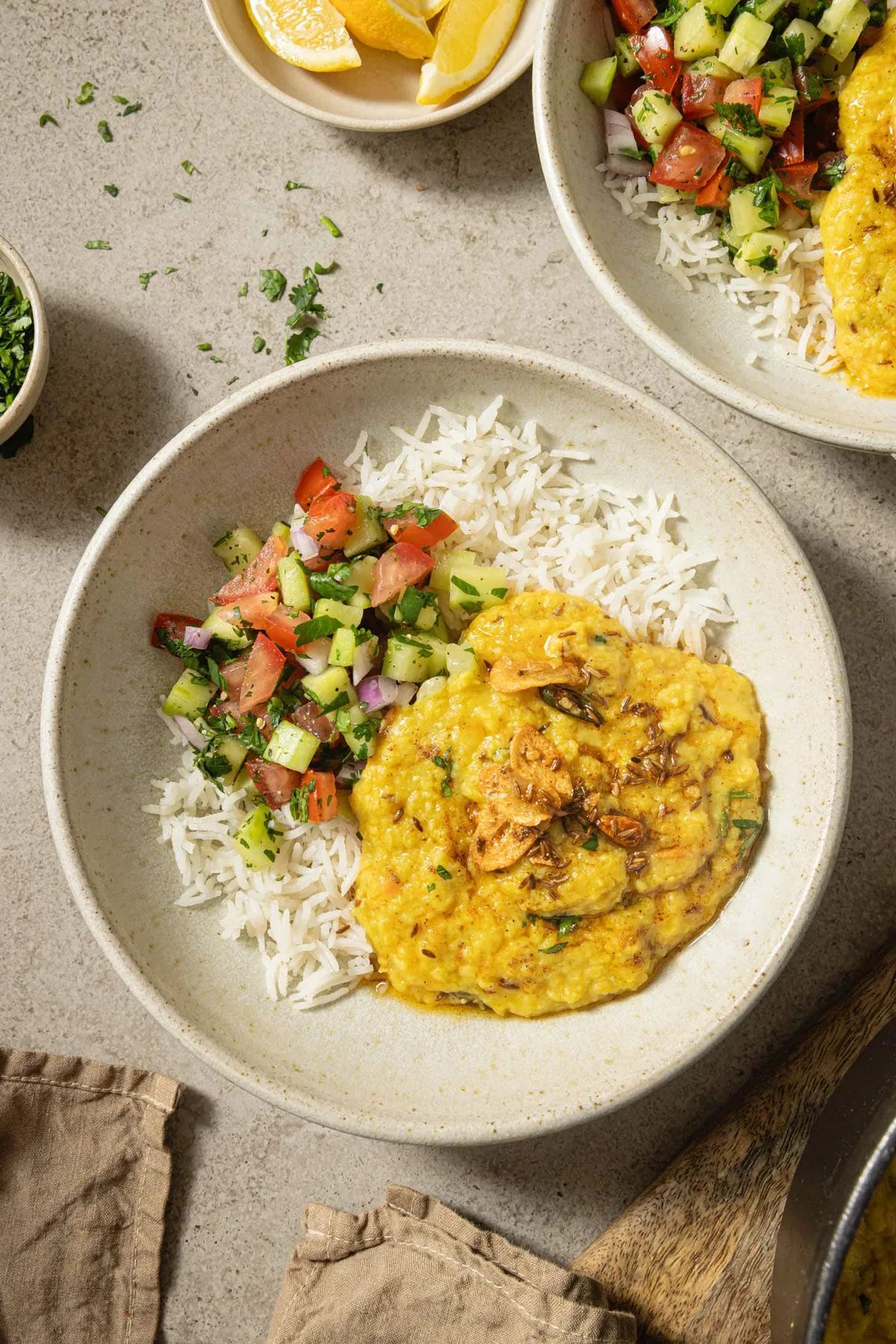
Image source: Bing (Web (fair-use with source credit))
Toor Dal – The Family Favorite
Toor dal is the most commonly used dal in Indian households. It has an earthy, slightly nutty flavor. It holds its shape decently when cooked just right but can turn mushy if overcooked.
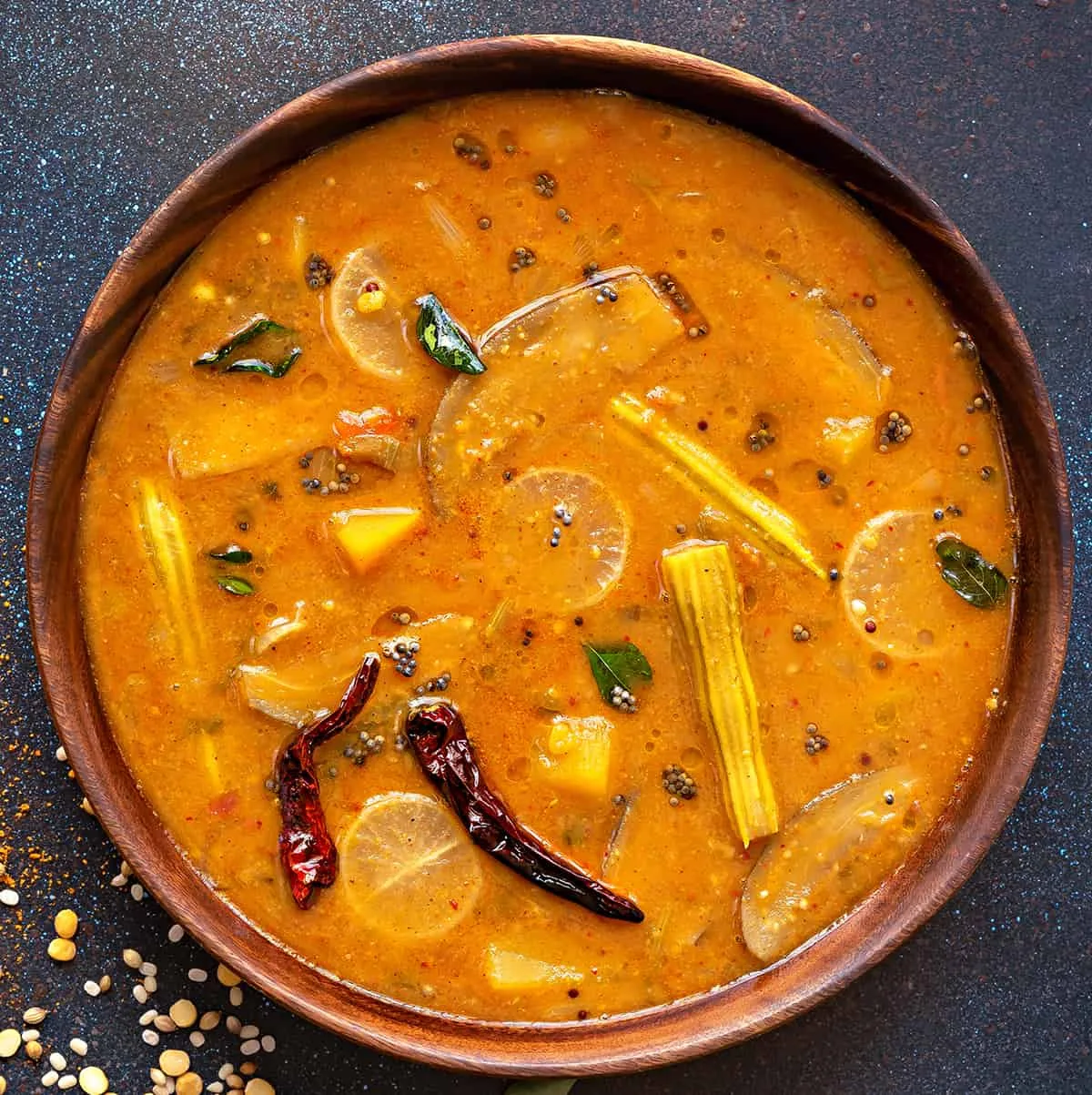
Best uses: Sambar, dal tadka, and everyday dal with rice. Pair it with a tadka of mustard seeds, cumin, curry leaves, and dried red chilies. It loves a squeeze of lime at the end.
Moong Dal – The Lighter Option
Moong dal is the easiest to digest. It cooks into a soft, creamy texture without much effort. The flavor is mild and slightly sweet.
Best uses: Khichdi (the ultimate comfort food), simple dal soup, or as a base for detox meals. It takes spices well but doesn't overpower them. Skip the heavy garam masala.
Stick with cumin and turmeric.
Masoor Dal – The 15-Minute Hero
Red lentils are the fastest cooking of all. They break down quickly into a thick, almost puréed consistency. The color fades to a warm golden orange as they cook.
Best uses: Quick weeknight dal, dal soup, or a gluten-free thickener for stews. Pair it with a garlic-heavy tadka. It also works well in fusion dishes like lentil Bolognese.
The Two Slow-Burn Dals
These dals need patience, but they reward you with deep flavor and a satisfying bite. Plan ahead if you want them at their best.
Chana Dal – Firm, Nutty, Hearty
Chana dal comes from split chickpeas. It stays firm even after cooking, with a distinct nutty flavor. It needs soaking for at least two hours, or you'll be simmering for nearly an hour.
Best uses: Curries, salads, and as a filling for parathas. It holds up well to bold spices like cinnamon, cardamom, and bay leaves. Perfect for a weekend cooking session.
Urad Dal – The Rich Creamy One
Urad dal is a staple of Punjabi cuisine. It has a unique earthy richness that turns buttery when cooked slowly. It also needs soaking and a long simmer or pressure cooker.
Best uses: Dal makhani, dal fry (with whole spices), and south Indian idli batter. It pairs beautifully with ginger, garlic, and a generous amount of butter or ghee. This is not a quick recipe.
This is not a quick recipe, but you'll be glad you waited.
The One Trick That Changes Everything: Your Tadka
Tadka, also called tarka or chhaunk, is the tempering step that transforms plain lentils into a real dish. It's a technique, not a recipe. You heat fat, bloom spices in it, then pour that sizzling mixture over the cooked dal.
The hot oil carries the flavors into every spoonful.
The fat matters. Ghee gives a rich, nutty depth. Neutral oil works for a lighter result.
Mustard oil adds a pungent kick that many North Indian recipes love. Choose based on the vibe you want.
Start with a small pan or tadka pan. Heat the ghee until it shimmers. Add mustard seeds first.
Wait until they pop. Then add cumin seeds. They'll toast in seconds.
Toss in hing, curry leaves, and dried red chilies. Finally, add minced garlic if you're using it. The garlic should turn golden, not brown.
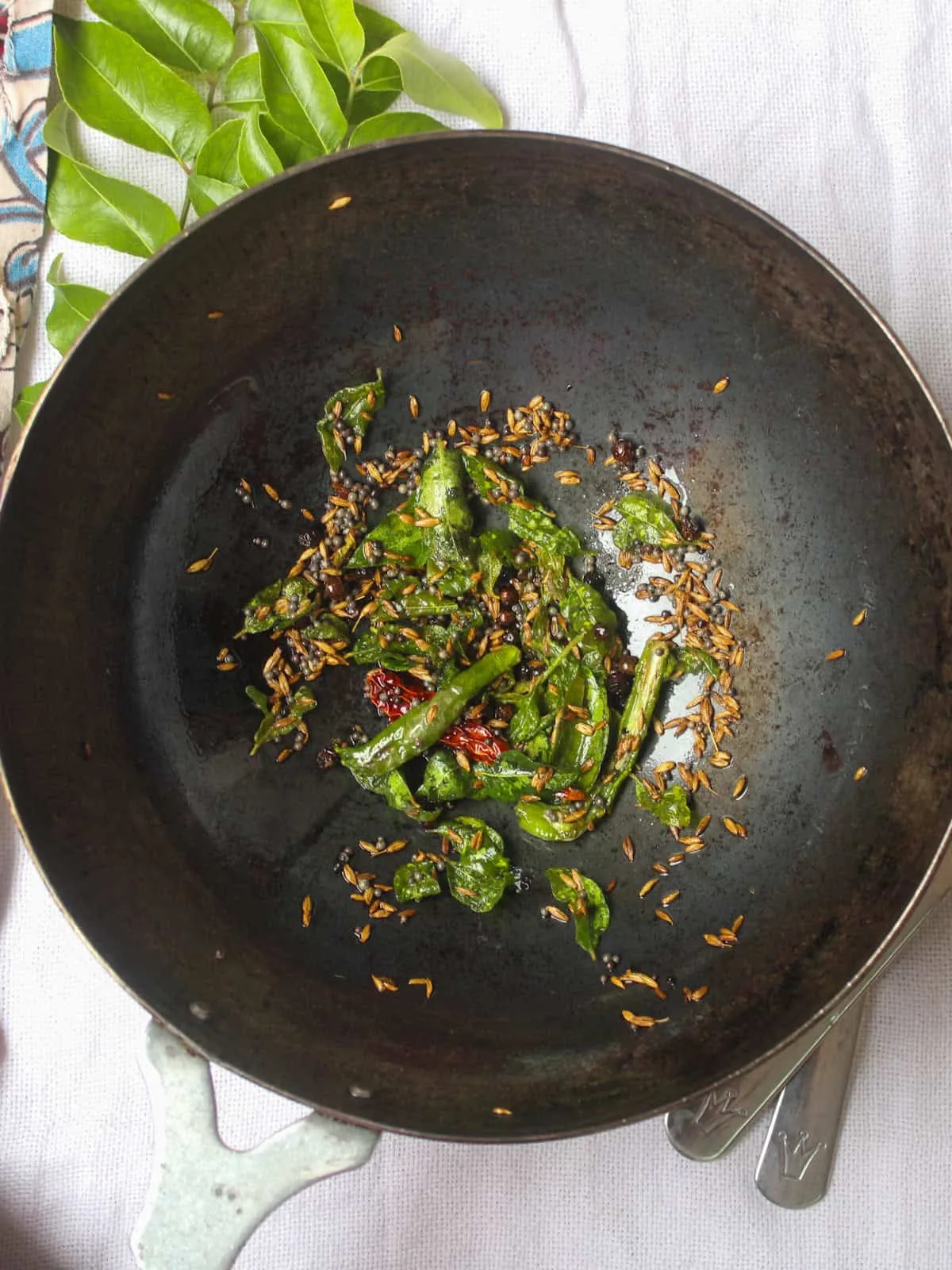
Image source: Bing (Web (fair-use with source credit))
Pour the whole thing into the hot dal. You'll hear a satisfying hiss. That's the moment the flavor locks in.
Stir once, cover the pot, and let it sit for five minutes before serving. That resting time lets the spices meld.
A few things to avoid: don't let the spices burn. Burnt mustard seeds turn bitter. Don't add the tadka to cold dal, either.
It won't bloom properly. And if you want to keep it vegan, swap ghee for any neutral oil.
The tadka is also where dal gets its identity. A South Indian sambar tadka uses curry leaves and fenugreek. A Punjabi tadka leans heavy on garlic and cumin.
Once you learn the base technique, you can adapt it to any regional style you love. That single skill upgrades every dal recipe you'll ever try.
Common Dal Mistakes (And How to Fix Them)
Even experienced cooks hit the same walls. The good news is that nearly every dal disaster has a simple fix.
Skipping the rinse. Unrinsed dal carries dust and debris. Rinse until the water runs clear, about three to four changes. Pick through for small stones, especially with toor and chana.
Adding salt too early. Salt slows the softening process. Add it after the dal is fully tender. This one change cuts cooking time by five to ten minutes.
Forgetting to soak. Chana and urad absolutely need it. A two-hour soak shortens your simmer almost by half. If you forgot, use a pressure cooker instead.
Overcooking moong or masoor. These break down fast. Check them at the lower end of their cooking window. If you want some texture left, pull them off the heat early.
Burning the tadka. Spices go from fragrant to bitter in seconds. Keep the heat medium and stay at the stove. Once the garlic turns golden, pour it into the dal immediately.
Thinning with cold water. Cold water shocks the dal and leaves it watery. Use hot water from the kettle instead. You control the final consistency better.
Not resting after the tadka. The dal needs five minutes covered after the tempering pour. That brief rest lets the spices infuse evenly. Trust the process.
FAQs – Soaking, Ratios, and Shortcuts
Do I really need to soak dal before cooking?
Only the tough ones. Chana dal and urad dal genuinely need a soak of two hours. Toor benefits from 30 minutes but works without it.
Moong and masoor cook quickly enough to skip soaking entirely.
What is the correct dal to water ratio?
Use three cups of water for every cup of dal for a soupy dal. Drop to two cups for a thicker side dish. Adjust at the end with hot water if you overshoot.
Can I use canned lentils for Indian dal recipes?
Yes, in a pinch. They save time but lack the starch that gives dal its body. Add a little less water and simmer for ten minutes to help the texture develop.
What is the difference between dal and lentils?
Dal refers to split, husked pulses. Lentils are the whole seeds. Split dals cook faster and break down more.
Whole lentils hold their shape and need longer cooking.
Why is my dal bitter?
Burnt spices are the usual culprit. Mustard seeds or garlic left too long in hot ghee ruin the whole batch. Start over with a fresh tadka and use gentler heat.
Your Best Dal, Right Now – A Simple Decision Framework
If you're standing in front of the pantry with a bag of dal and no plan, use this quick check.
Need dinner in under 20 minutes? Grab masoor dal. It cooks fastest and needs no soaking.
Add a simple garlic cumin tadka and you're done.
Want something light and easy to digest? Moong dal is your pick. It's the gentlest option and works perfectly as a soup or khichdi.
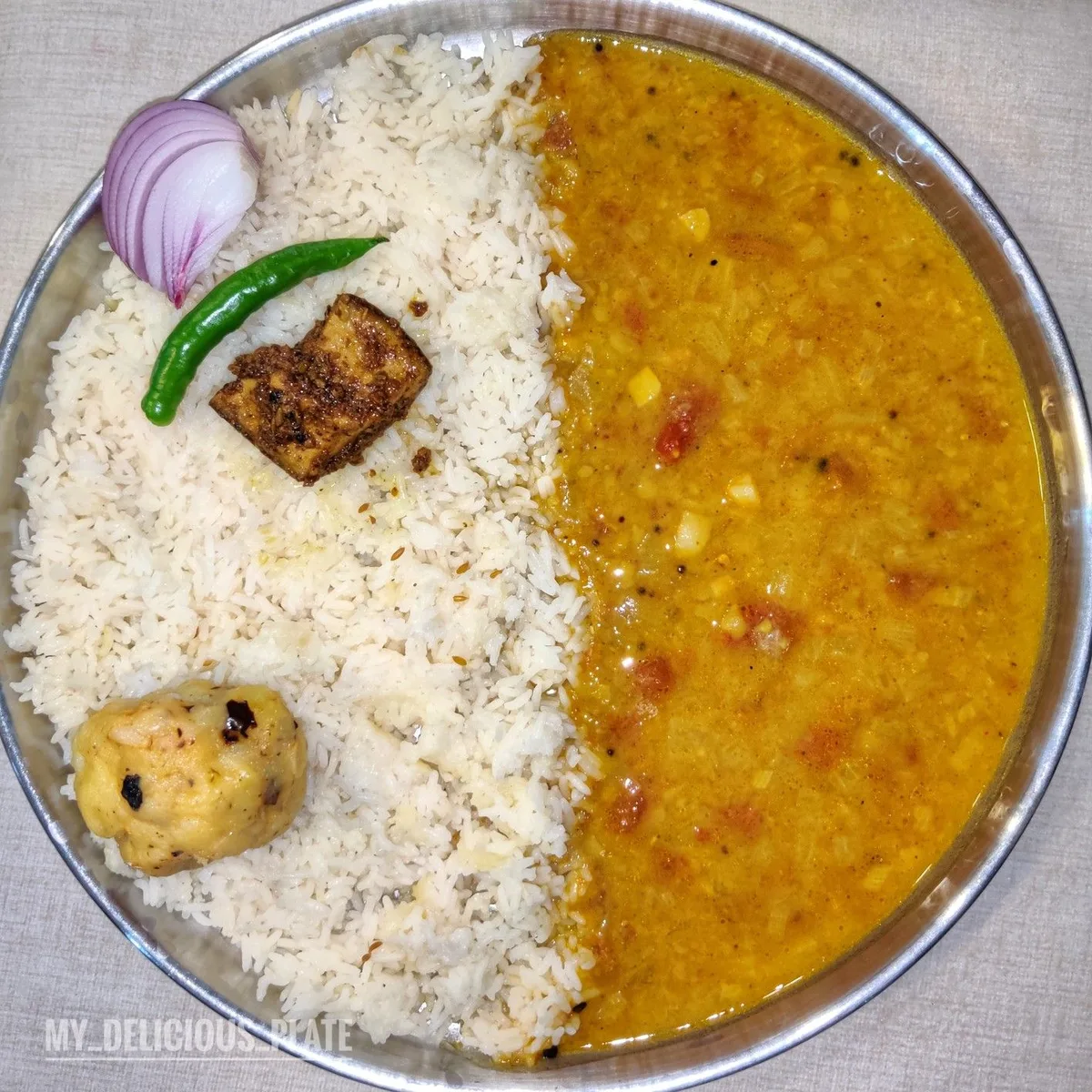
Cooking a classic family meal? Toor dal delivers that familiar earthy flavor. Serve it with rice and a spoon of ghee.
Planning a weekend project? Choose chana dal for its firm bite and nutty depth. It holds up beautifully in curries.
Craving something rich and indulgent? Urad dal with butter and cream rewards your patience. The slow simmer converts the whole thing into velvet.
One final rule from our research: cook dal with confidence and taste as you go. Adjust salt at the end, add lemon before serving, and honor the rest time after your tadka. Master those fundamentals and every dal recipe you try will come together.
Even the ones you improvise on a busy Tuesday.

Similar Posts