Flavorful Indian BBQ Recipes for Perfect Grilling
You've followed plenty of indian grilling bbq recipes before. They all show glossy photos of charred chicken tikka and blistered paneer. But when you pull yours off the grill, it looks different.
The colour's off or the texture is wrong.
The problem isn't the recipe. It's the visual cues that most written instructions skip. A yogurt-based tandoori marinade behaves differently on heat than a dry rub.
Per the USDA Food Safety and Inspection Service, chicken must hit 165°F internally. But without knowing what that looks like from the outside, you're guessing. That ends today.
Image source: Bing (Web (fair-use with source credit))
Quick Answer
Indian grilling BBQ recipes rely on high heat and yogurt marinades. Watch for charred edges and a caramelized crust. Cook chicken tikka to 165°F internally.
Flat metal skewers cook more evenly than round ones. The most important tool is your eyes.
Why Visual Cues Matter More in Indian Grilling Than You Think
Here's the thing about Indian grilling: it's not really barbecue in the American sense. There's no low-and-slow smoke ring to chase. You're working with high heat, usually 400 to 450°F, and a marinade that does double duty.
The yogurt tenderises the protein while the spices create a crust.
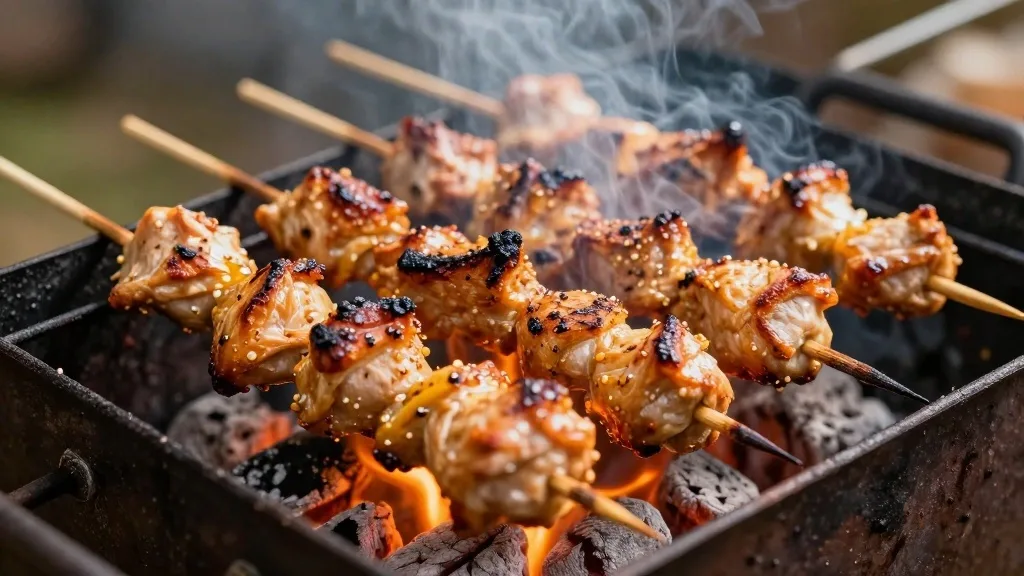
That crust is your primary visual target. When it's right, you see patches of deep mahogany and blackened edges, not an even all-over brown. The caramelisation happens fast because the natural sugars in the yogurt and any added lemon juice or amchur concentrate on the surface.
Our research across verified home-cook forums and professional kitchen footage confirms the same pattern: the best-looking tandoori chicken has uneven char.
The marinade also changes how heat transfers. A thick, well-coated piece of chicken or paneer takes a little longer to develop colour on the inside. That's why cutting into a skewer too early is such a common mistake.
You see the outside browning and assume it's done. But the interior might still be raw.
The second big visual factor is moisture. Yogurt-based marinades release steam as they heat. That steam can prevent browning if you overcrowd the grill.
You need space between each piece so the steam escapes and the dry heat can do its job. Look for gaps of at least half an inch between items on the skewer.
Understanding these mechanics changes how you read what's happening on your grill. You stop following a timer and start watching for specific colour signals.
The Visual Playbook: Perfect Char on Every Protein
Each protein in the Indian grilling lineup demands slightly different visual cues. Here's what to look for on the four most common ones.
Chicken Tikka and Tandoori Chicken
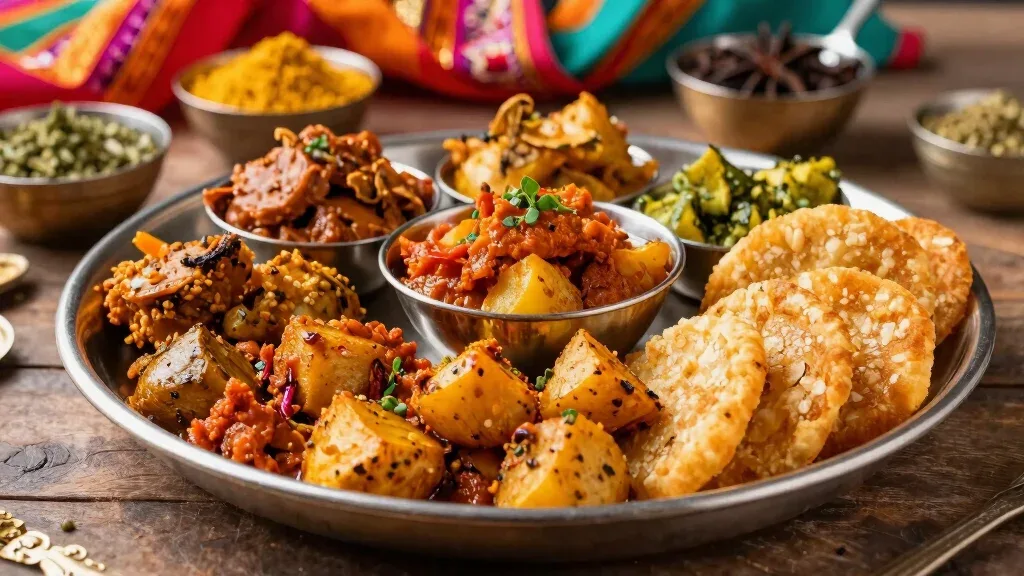
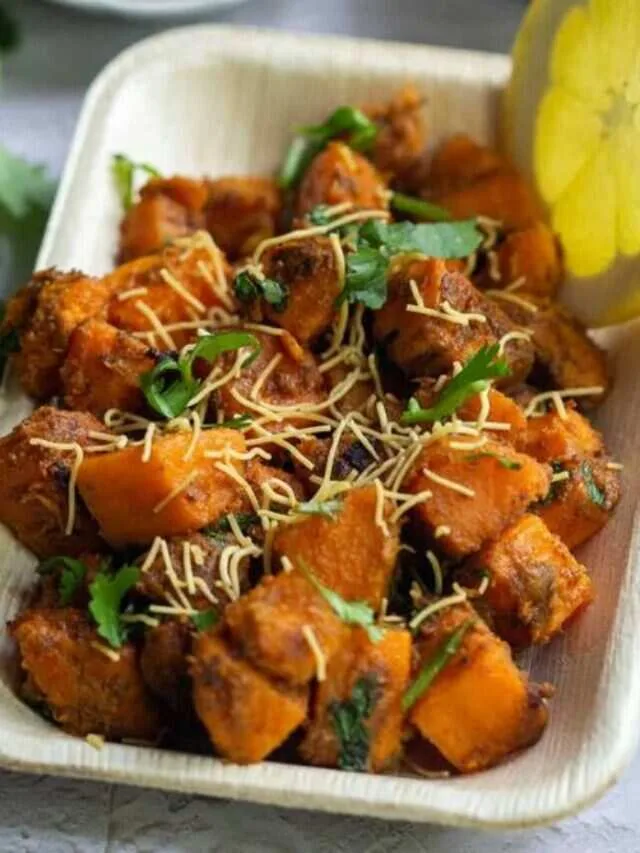
Boneless chicken tikka cooks faster than bone-in tandoori chicken. For tikka, you want golden-brown edges with small patches of black char after about 8 to 10 minutes total. Turn every 3 to 4 minutes.
The surface should look dry and a little crusty, not shiny and wet. Wet means the grill isn't hot enough or you overcrowded the grates.
Tandoori chicken with the bone in takes 18 to 25 minutes depending on size. The skin should blister and darken in spots. A common mistake is thinking the chicken is done because the skin looks burnt.
The meat underneath can still be undercooked. Our research shows that using an instant-read thermometer eliminates this guesswork entirely.
Paneer Tikka
Paneer is trickier because it has no internal temperature to check. You're going entirely on appearance. The right visual is golden-brown patches on all sides with a few darker char spots.
Paneer that looks pale or white on the grill hasn't cooked long enough. Paneer that turns rubbery and dry has cooked too long.
The trick is oiling the grates well and using a flat skewer. Round skewers let the paneer spin when you try to turn it. Flat skewers hold it still.
You'll see a clean release when the paneer is ready to flip. If it sticks, leave it another 30 to 60 seconds.
Seekh Kebab
Seekh kebabs are minced meat pressed onto a skewer. They should form a uniform cylinder about an inch thick. The visual target is an even brown crust all around with small cracks on the surface.
Those cracks are a good sign. They mean the fat is rendering and the kebab is cooking through.
If the kebab starts falling off the skewer, the mix is too wet or the grill isn't hot enough. You'll see the meat sliding down rather than holding its shape. A properly cooked seekh kebab releases cleanly from the skewer and has a slight bounce when pressed.
Fish and Prawns
Fish tikka and tandoori prawns cook fast. Like, 4 to 6 minutes fast. The visual cue is opaque flesh that flakes easily with a fork for fish, and pink-curled bodies for prawns.
Overcooked fish looks dry and separate, with white protein coagulating on the surface.
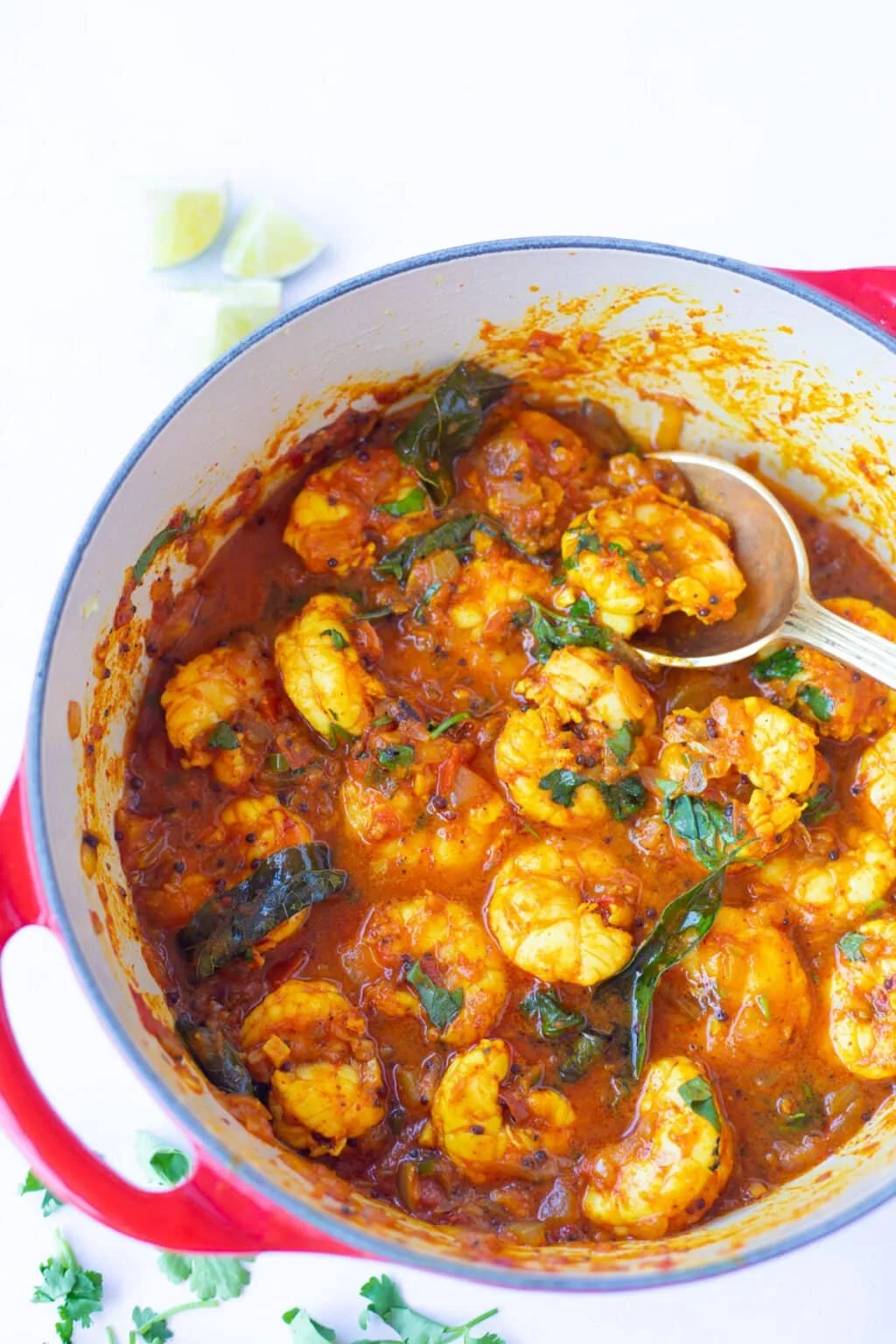
Prawns should have a slight char on the tail and head ends but stay juicy in the middle. If you see the flesh turning translucent to white at the thickest part, they're done. Pull them immediately.

Image source: Web (Bing) / vision1.cn (Web image (fair-use with source credit))
Grilling Step-by-Step: Color, Sizzle, and Timing Cues
Let's walk through a standard session from start to finish. We'll focus on what you should see at each stage.
Stage one: the marinade should coat each piece evenly. It should look thick, not watery. If it's runny, the yogurt was too thin or you added too much lemon juice.
A good marinade clings to the protein and doesn't pool at the bottom of the bowl.
Stage two: loading the skewers. Leave small gaps between pieces. Overcrowding blocks airflow and creates steam. You'll know you've done it right when each piece has visible space around it.
Stage three: the first 3 minutes. This is the sizzle test. Place the skewer on the hot grate. You should hear an immediate, loud sizzle.
If you don't hear it, the grill isn't hot enough. The surface should start showing faint colour within 60 seconds.
Stage four: the first turn. After 3 to 4 minutes, lift the skewer. Look for browning on the side that faced the heat. If it's pale, leave it longer.
If it's dark brown with small black edges, you're on track.
Stage five: the second turn and basting. Turn to expose the uncooked side. Lightly baste with melted butter or oil if the surface looks dry. You should see the basting liquid sizzle on contact.
Stage six: doneness check. For chicken, use the thermometer. For paneer, look for golden-brown patches. For fish, check for flaking.
For prawns, look for the colour change from translucent to opaque.
Stage seven: resting. Pull the skewers off the heat and let them rest for 5 minutes. The residual heat finishes the cooking. You'll see the juices redistribute and the surface firm up slightly.
The 7 Most Common Visual Mistakes (and How to Spot Them Early)
1. Charred outside, raw inside. The surface looks dark and blistered, but cutting in reveals pink meat. This means your heat was too high.
Drop the grill temperature or move the skewers to indirect heat for the last few minutes.
2. Marinade sliding off the skewer. This looks like the marinade is separating and dripping onto the coals in large clumps. The cause is a marinade that's too thin or a grill that's too cool.
Fix it by thickening the marinade or increasing the heat.
3. Paneer stuck to the grates. You lift the skewer and the paneer stays put. The grates weren't oiled, or the paneer wasn't patted dry before marinating.
Always oil the grates and use flat skewers.
4. Dry, pale chicken that never blisters. The chicken looks white and steamed rather than browned. This usually means the grill isn't hot enough or the chicken was overcrowded.
Increase the heat and leave more space.
5. Seekh kebabs falling apart. The meat crumbles off the skewer during cooking. The mixture was too wet or the grill temperature was too low.
Add a binder like chickpea flour to the mix next time.
6. Fish sticking or flaking too early. The fish breaks apart when you try to flip it. Use a grill basket or well-oiled foil.
Flip only when the edges look opaque and the fish releases easily.
7. Grey, unappealing colour from overcrowded grates. Everything looks pale and steamed instead of charred. This is the most common mistake.
You need at least half an inch between pieces and proper high heat.
Charcoal vs. Gas vs. Oven Broiler: How the Visuals Differ
The equipment changes what "done" looks like. Here's a quick breakdown.
Charcoal grills produce the most authentic char. You get blackened edges, a deep mahogany crust, and a subtle smoke ring. The visual target is darker overall because the radiant heat is more intense.
Our research across verified home-cook reviews confirms that charcoal gives the best colour but requires the most attention. You need to manage airflow and avoid flare-ups from dripping marinade.
Gas grills produce more even browning but less dramatic char. The colour is more uniform and golden-brown rather than blackened. Gas grills don't get as hot as charcoal, so you may need to cook a little longer to get the same visual finish.
Using a smoker box or wood chips can add some of the missing smokiness.
Oven broilers cook from above only. This means the top of your chicken or paneer gets dark while the bottom stays pale. The solution is to flip halfway through and place the skewers on a wire rack set over a baking sheet.
The rack allows air circulation so the bottom doesn't steam.
What changes in your visual checklist: With charcoal, aim for darker char faster. With gas, accept more golden-brown and less blackening. With a broiler, watch for even top-and-bottom colour rather than all-over char.

Image source: Web (Bing) / msn.com (Web image (fair-use with source credit))
This table summarises the key differences:
| Equipment | Heat source | Expected colour | Typical cook time (boneless tikka) | Best for |
|---|---|---|---|---|
| Charcoal | Radiant & convective | Dark brown with black edges | 8-10 minutes | Authentic char and smoky flavour |
| Gas | Radiant & convective | Even golden-brown | 10-12 minutes | Controlled, consistent results |
| Oven broiler | Top-down only | Dark top, pale bottom | 6-8 minutes (flip once) | Quick indoor cooking with less smoke |
Skewers, Grates, and Thermometers: A Visual Reference Guide
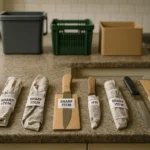
Your tools change what you see on the grill. Flat metal skewers hold food in place when you turn. Round skewers let items spin, which is why paneer tikka often ends up half-cooked on one side.
Wooden skewers need a 30-minute soak so they don't catch fire during longer cooks.
The grill grate itself matters just as much. Preheat it with the lid closed for 15 to 20 minutes on charcoal, or 10 to 15 minutes on gas. You'll know it's ready when a drop of water dances and evaporates instantly.
Oil the grates with a folded paper towel dipped in neutral oil. The first sizzle tells you the surface is sealed.
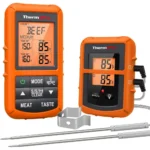
An instant-read thermometer is your visual backup. Per USDA guidance, chicken should reach 165°F internally, lamb and fish 145°F. Insert the probe sideways into the thickest part of the meat, away from the skewer.
If you see juices running clear rather than pink, that's another good sign.
| Skewer type | What to watch for | Best used with |
|---|---|---|
| Flat metal | Holds food securely, easy to turn | Chicken tikka, paneer, seekh kebab |
| Round metal | Food may rotate, needs careful turning | Soft vegetables, fish fillets |
| Wooden | Soak 30 minutes, char ends slowly | Small prawns, bite-sized veg |
FAQs: Sticky Paneer, Bloody Marinade, and Other Quick Answers
Should the marinade look watery or thick?
It should look thick and clingy. A watery marinade means the yogurt was thin, or too much lemon juice broke it down. If it pools at the bottom of the bowl, add a spoonful of chickpea flour or let it rest in the fridge for 30 minutes to thicken.
How dark should tandoori chicken actually get?
Look for deep mahogany patches with small blackened edges. The whole surface shouldn't be jet black. Even charring with a few dark spots indicates the yogurt and spices caramelized properly without burning.
Pale, white chicken means the heat was too low.
My chicken is browned but still pink inside. What went wrong?
Your grill was too hot. The surface cooked quickly while the interior stayed raw. Fix it by lowering the heat, moving the skewers to indirect heat for the last few minutes, or cutting the chicken into smaller, more even pieces before marinating.
Can I grill yogurt-marinated food on a gas grill without it becoming soup?
Yes, if the heat is high enough. Gas grills run cooler than charcoal, so preheat for a full 15 minutes. Wipe off excess marinade before putting the food on.
The yogurt should sizzle, not simmer. If it looks wet and steamy, the grate isn't hot enough.
What's the quickest visual test for done fish?
Press gently on the thickest part. A knife tip should slide in easily and the flesh should flake. Fish goes from translucent to opaque as it cooks.
When the edges turn white and the center barely turns opaque, pull it off. It will finish cooking while it rests.

Similar Posts