How to Remove Rust and Recondition a Traditional Cast Iron Asian Wok
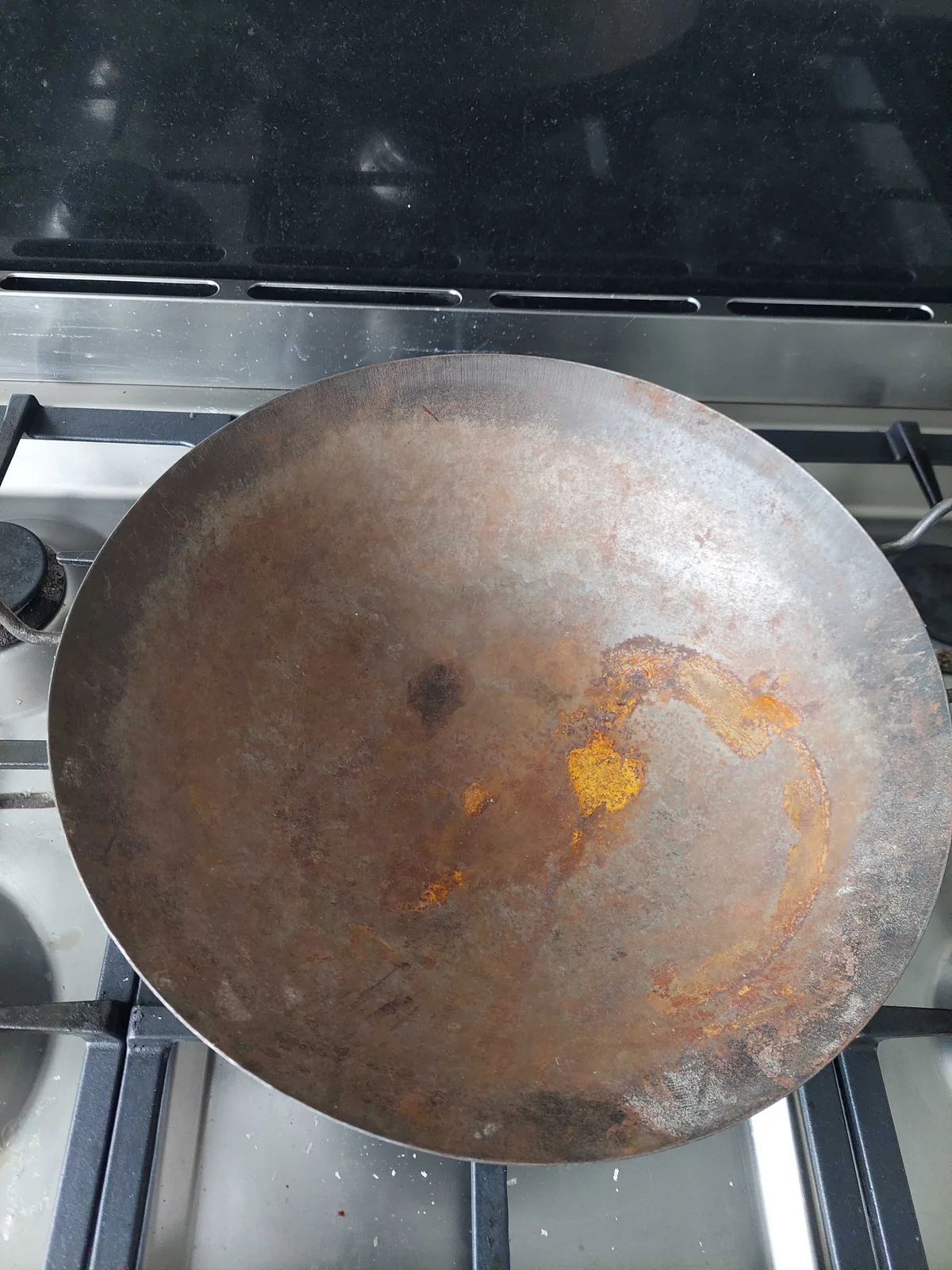
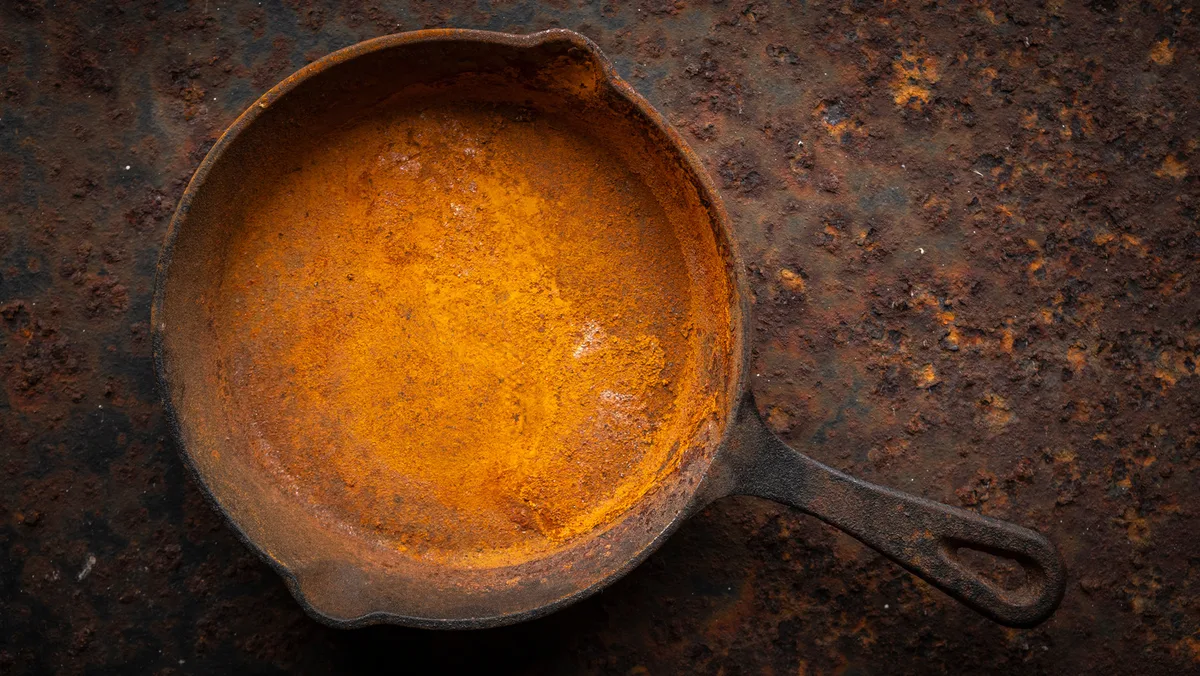
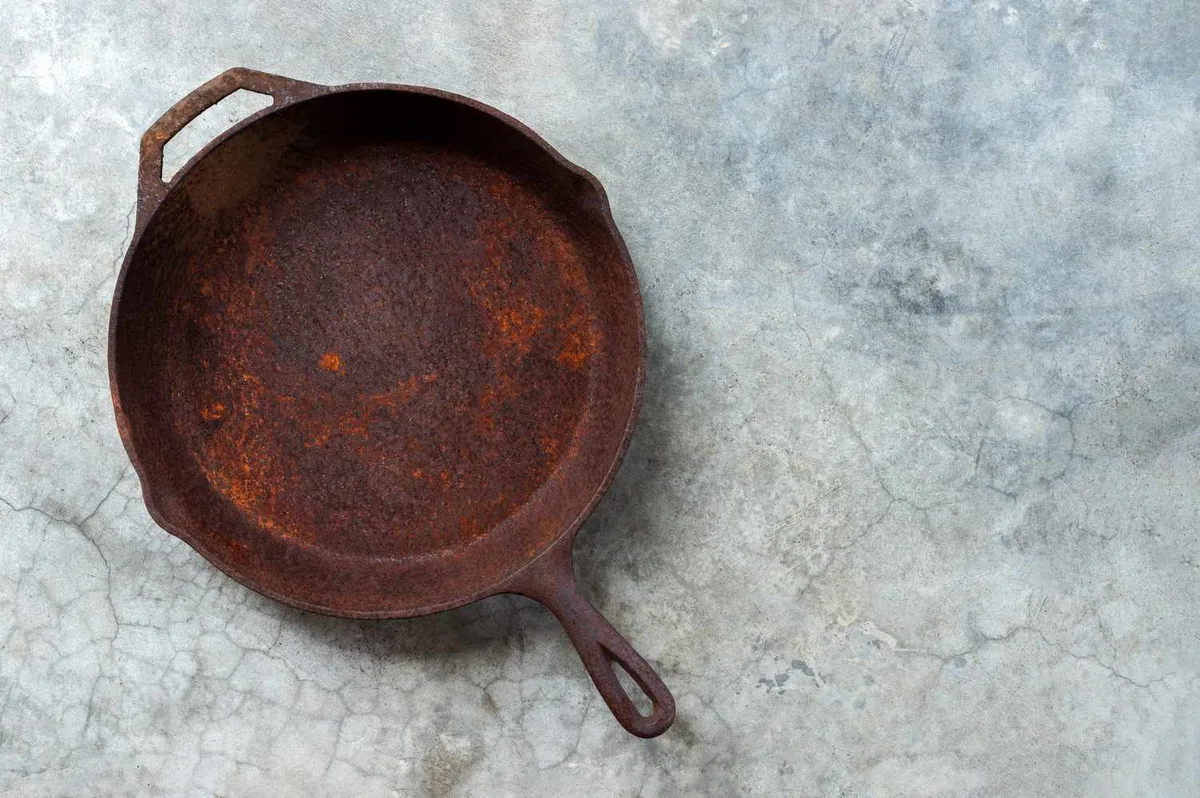
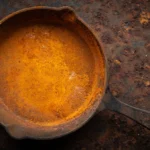
You pull out your cast iron wok and notice orange rust. The good news: learning how to remove rust from cast iron wok is simple once you know what type of rust you have. That is the first and most important step.
From there, the method practically chooses itself.
Per manufacturer specifications, a typical cast iron wok has a thickness around 3/16-inch. That gives you some room to scrub without damaging the base metal. But you still need to know when to stop.
The type of rust decides the approach. Let's start with the quick check.
Quick Answer
The best method depends on the rust severity. For light rust, scrub with salt and a potato. For moderate rust, use a 1:1 vinegar soak for 30 minutes.
For deep pitting, use steel wool or sanding. Always dry immediately and re-season with a thin oil layer. Never soak longer than one hour.
Image source: Bing (Web (fair-use with source credit))
The 10-Second Rust Check: Which Kind of Rust Is on Your Wok?
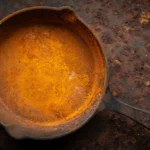
Before you grab vinegar or steel wool, take a moment to check the rust. The method depends entirely on how deep the rust has gone. Here is a quick guide.
The Three Rust Types
| Rust Type | Appearance | Texture | Action Needed |
|---|---|---|---|
| Light | Orange dust, powdery | Rubs off easily | Salt or potato scrub |
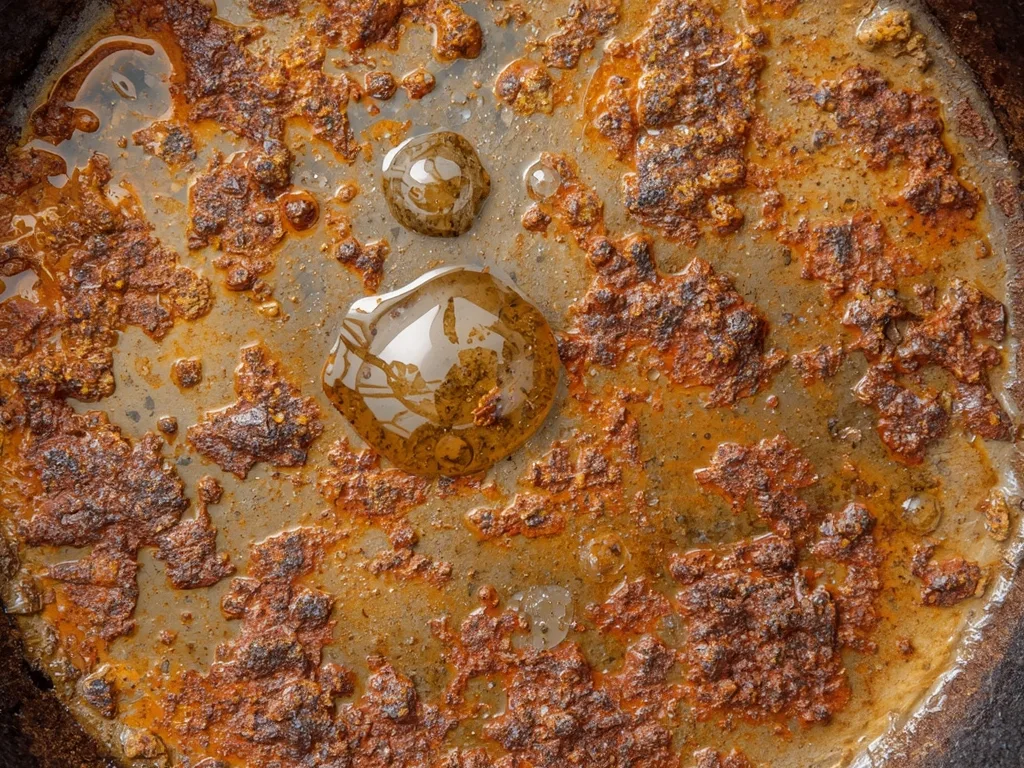
| Moderate | Flaky, raised orange patches | Does not wipe off easily | Vinegar soak |
| Deep | Red or black pitting, rough surface | Embedded in the iron | Sanding or electrolysis |
Run your finger across the rust. If it comes off as orange powder, that is light rust. If you feel flakes that resist rubbing, it is moderate.
If the surface feels rough or pitted, that is deep rust. Each type needs a different approach.
Use this if-then logic to skip ahead. If your rust is light, go to the next section. If it is moderate, skip to the vinegar soak section.
If you have deep pitting, head to the restoration section. That saves you time and prevents damage.
Light Rust: The 30-Minute Clean, Scrub, and Re-Season Rescue
Light rust is the easiest to fix. You can handle it in under 30 minutes with items from your kitchen. Two methods work best here: the salt scrub and the potato scrub.
The Salt Scrub Method
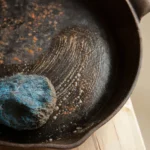
Start with a generous sprinkle of coarse salt on the dry wok. Cut a potato in half. Dip the cut side in the salt and scrub the rusted area in circular motions.
The potato releases oxalic acid, which helps lift the rust. The salt acts as a gentle abrasive that will not scratch the iron. Rinse with warm water and dry immediately on the stove over high heat.
Once dry, apply a thin layer of oil and heat until it smokes. That is your new seasoning starting. Per Lodge's official care guidelines, using salt and a potato is safe for light rust restoration.
When a Potato and Baking Soda Are the Better Move
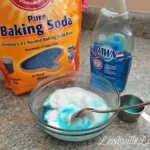
If you do not have a potato, baking soda works well too. Make a paste with a little water and scrub with a non-scratch pad. The paste is mildly alkaline and helps break down the rust without harsh chemicals.
Both methods take about 10 minutes of scrubbing. After that, you follow the same rinse, dry, and oil steps. The key is to work quickly.
Once the rust is gone, the clock starts on preventing flash rust.
Moderate and Flaky Rust: The Vinegar Soak Method That Works
Moderate rust requires stronger action. The rust has bonded more tightly to the iron, and scrubbing alone will not remove it. Vinegar's acetic acid dissolves iron oxide without harming the base metal, as long as you watch the timing.
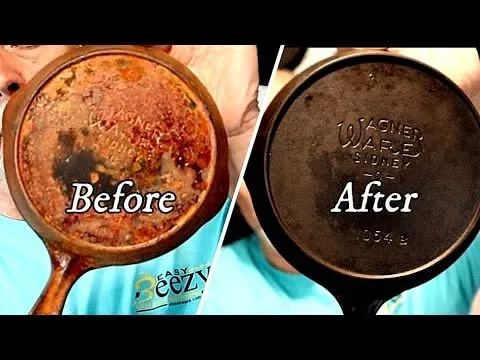
Image source: Bing (Web (fair-use with source credit))
The 1:1 Water-to-Vinegar Ratio and Timing
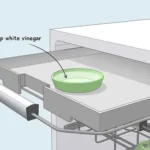
Mix equal parts white vinegar and water in a container large enough to submerge the rusted area. Use a plastic or glass container, not metal. Submerge the wok for 30 minutes.
Check it at the 15-minute mark. If the rust has softened and can be scrubbed off, remove the wok early. Never leave it longer than one hour.
The acid will start to etch the iron after that, leaving a rough surface that is hard to season.
Scrubbing, Neutralizing, and Drying Without Flash Rust
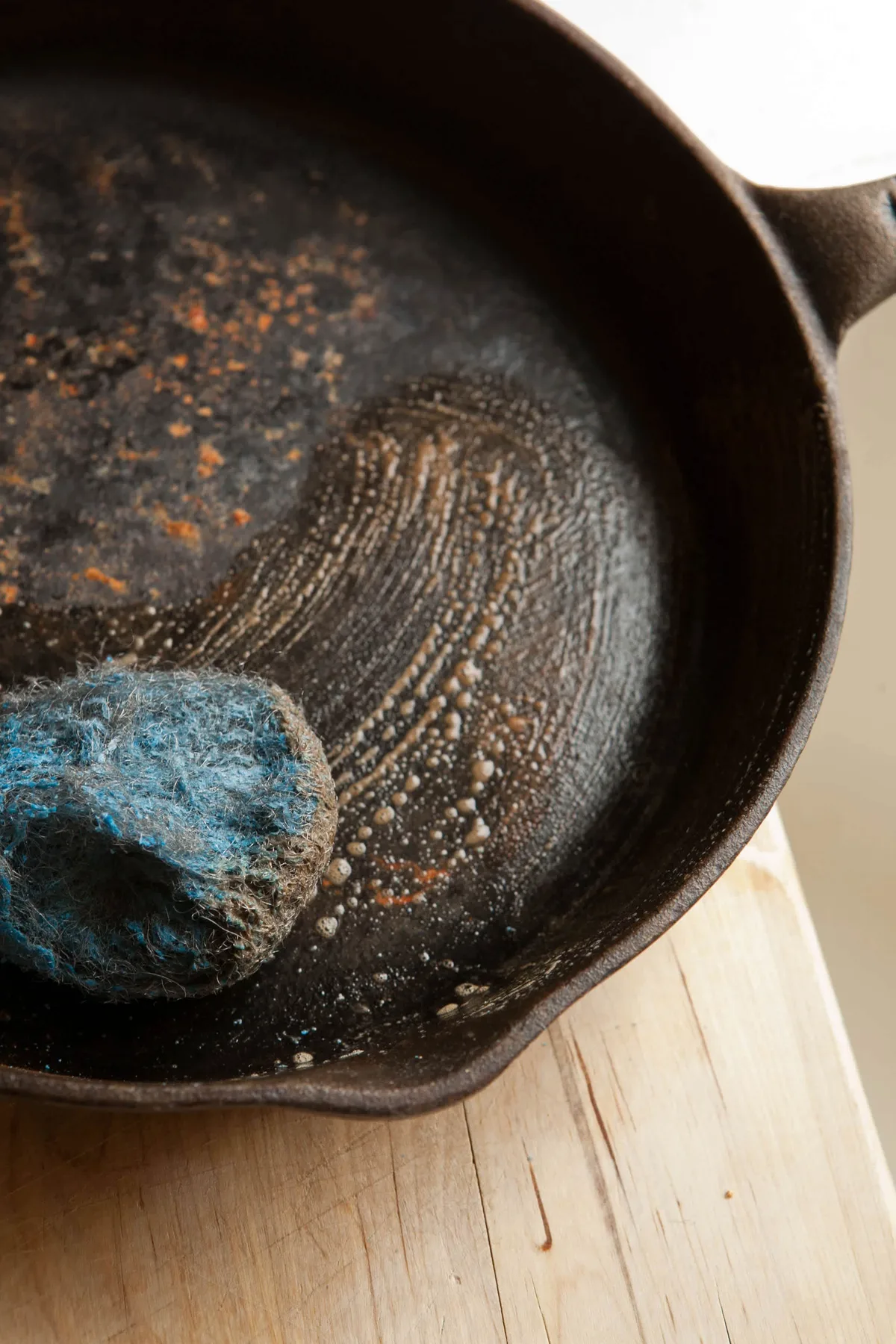
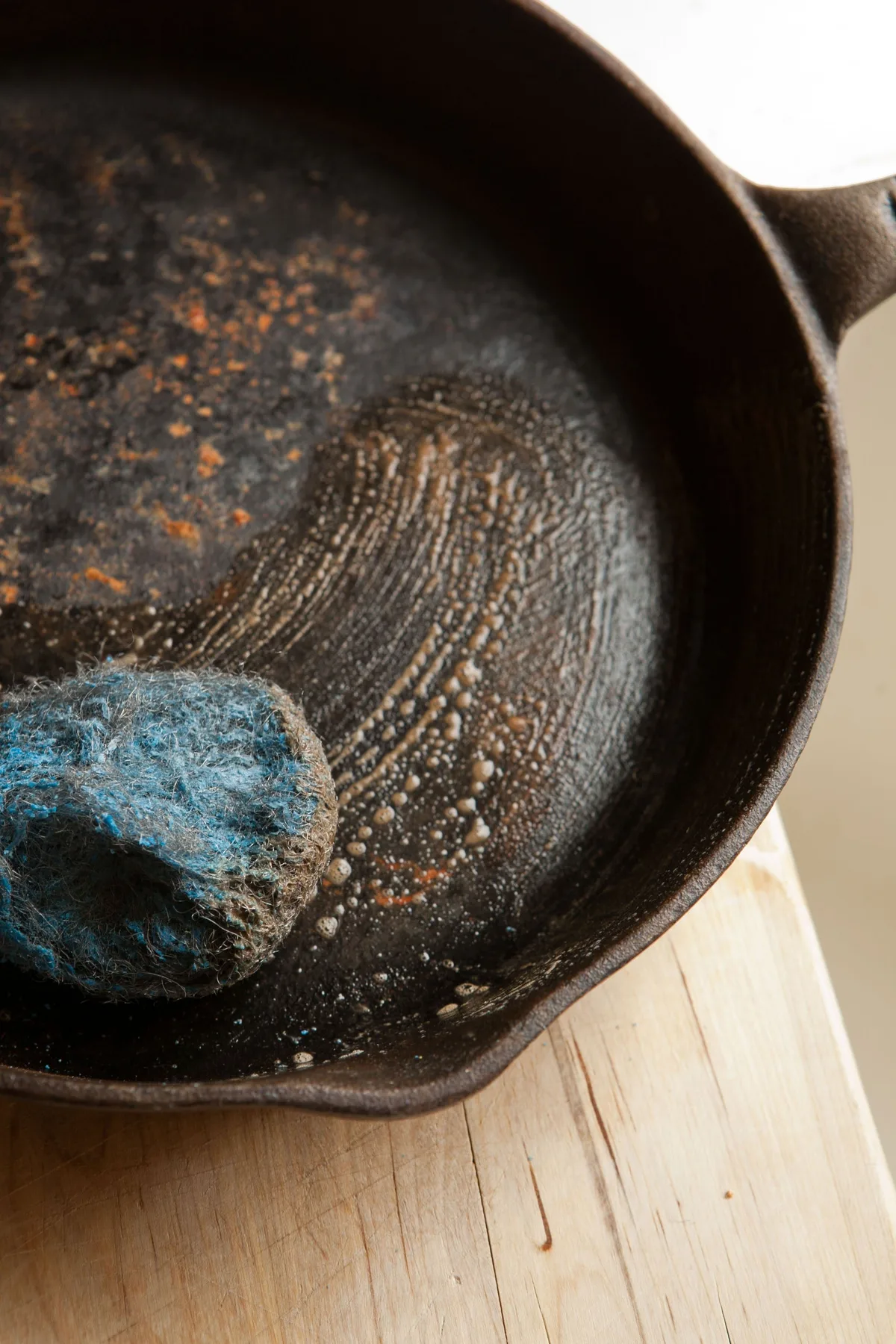
Use a stiff brush or fine steel wool to scrub off the dissolved rust. Rinse thoroughly with warm water. Then neutralize the remaining vinegar by applying a baking soda paste.
Scrub again, then rinse. Here is the trickiest part. Dry the wok on the stove over high heat immediately.
Do not let it air dry. You will see flash rust form in seconds if you do. Flash rust is that thin orange layer that appears right after rinsing.
It happens because the bare iron reacts with oxygen in the air. High heat evaporates the water instantly and stops that reaction. Once dry, apply oil and begin the re-seasoning process.
Deep Pitting and Vintage Wok Restoration: When to Bring in Bigger Tools
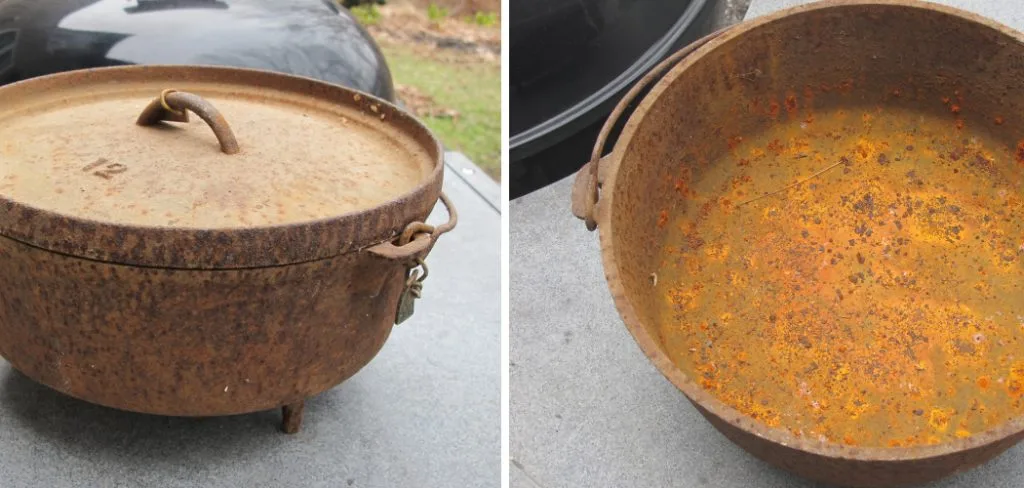
For deep rust or pitting, the previous methods will not be enough. The rust has penetrated the surface and needs mechanical removal. This happens with vintage woks or woks left wet for months.
Steel Wool and Sanding: Manual Removal for Stubborn Spots
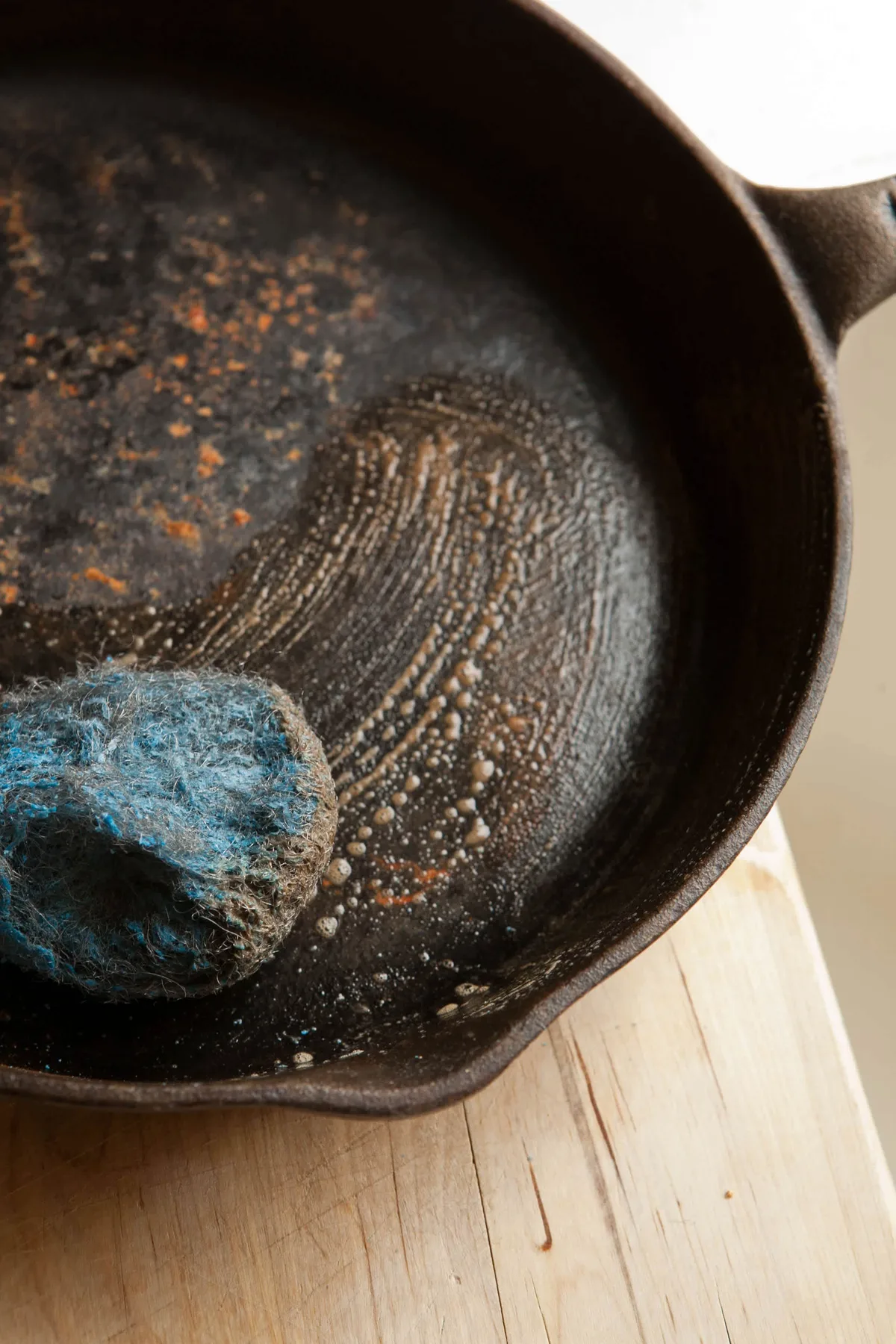
Use fine steel wool, grade #0000, or 220-grit sandpaper. Sand the rusted area in even strokes. Wipe away the dust frequently with a dry cloth.
Work until you see bare, gray iron. Stop as soon as you reach the base metal. Sanding deeper will thin the wok unevenly and create hot spots.
Those hot spots will burn food later. If the pitting is small and shallow, sanding is usually enough.
Electrolysis: The Full Restoration Setup (And When It's Worth It)
Electrolysis uses electricity to lift rust without scrubbing. You need a plastic container, a battery charger, a piece of steel as a sacrificial anode, and a solution of washing soda and water. It takes a few hours but is gentle on the iron.
This method is best for vintage or heavily pitted woks where you want to preserve every millimeter of metal. For most people, sanding will be enough. One warning: electrolysis produces hydrogen gas.
Work in a ventilated area and never enclose the setup in a sealed space.
Re-Seasoning After Rust Removal: How to Build That Black Patina Back
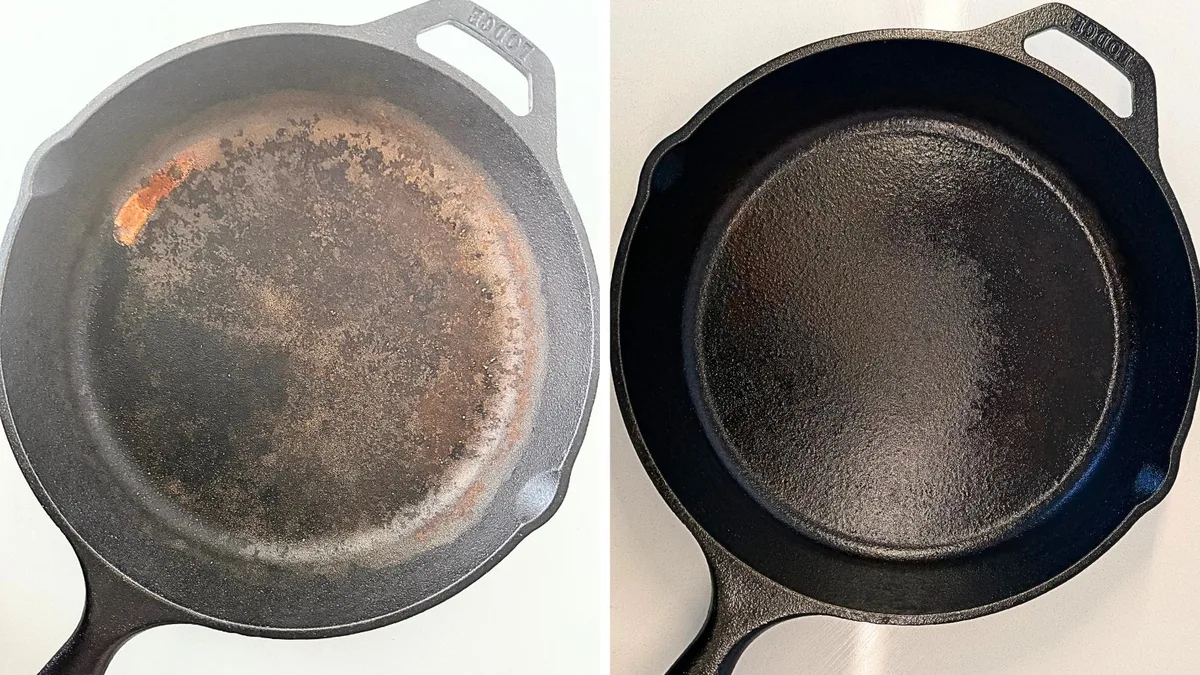
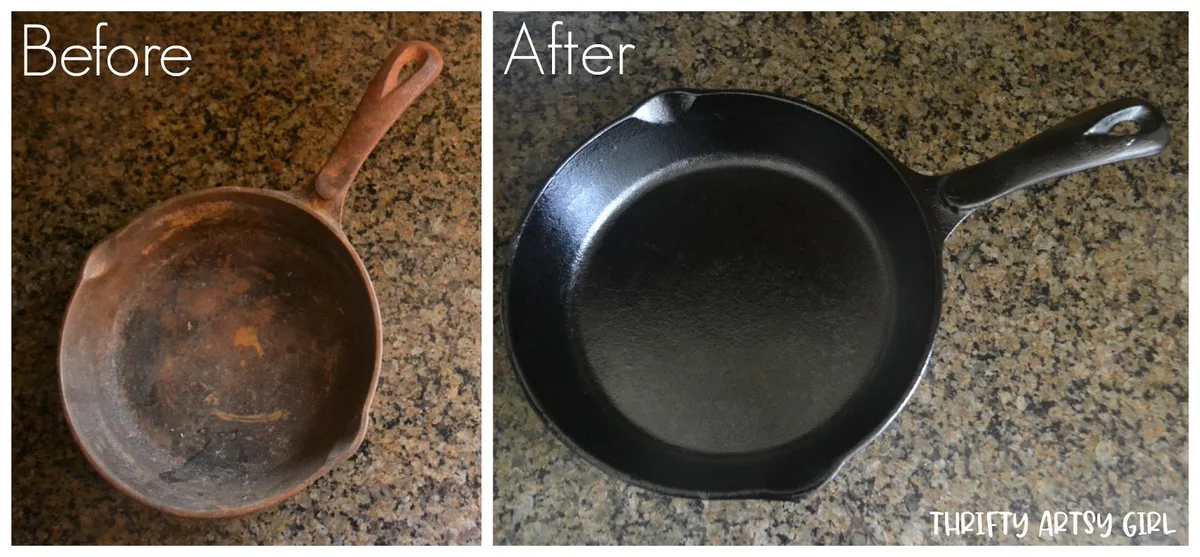
This step is critical. Without proper seasoning, the rust will return quickly. The seasoning layer is what protects the iron from moisture and oxygen.
Here is how to build it correctly.
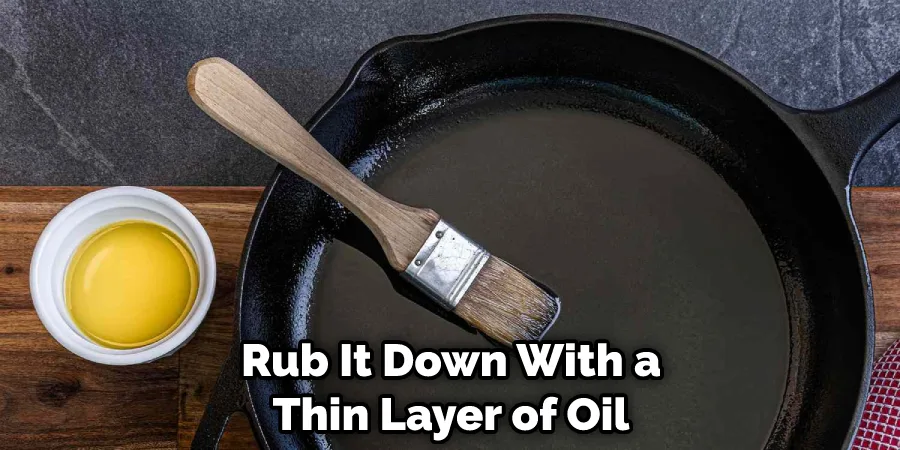
Image source: Bing (Web (fair-use with source credit))
Choosing the Right Oil Based on Smoke Point
Use an oil with a high smoke point. Grapeseed oil, around 420°F, is a great choice for woks. Flaxseed oil creates a hard coating but can flake off over time, especially on woks that get heavy use.
Canola oil works well and is affordable. Lard or shortening is traditional for cast iron and gives a durable coating. Avoid olive oil or butter.
They burn at lower temperatures and leave a sticky residue.
Three Thin Coats Beat One Thick Coat
Apply a very thin layer of oil to the entire wok. Use a paper towel to wipe off as much as you can. The goal is a microscopic layer, barely visible.
If the oil pools or drips, you used too much. Place the wok upside down in a preheated oven at 450°F. Put a baking sheet on the rack below to catch any drips.
Bake for one hour, then let it cool inside the oven. Repeat the process two more times for a strong seasoning base. Each coat polymerizes and bonds to the iron.
Oven vs. Stovetop Seasoning: Which Works for a Wok
Oven seasoning is more even and produces less smoke than stovetop seasoning. But woks have a long handle and may not fit in all ovens. If your wok is too big, heat it on the stovetop on a wok ring to contain the flames.
Rotate the wok to ensure even coverage. Stovetop seasoning takes more attention but works well for wok users who cook over high heat daily. Whichever method you choose, the same rule applies: thin coats, high heat, and patience.
Mistakes That Ruin Cast Iron Woks: What Not to Do During Rust Removal
A few common mistakes turn a fixable wok into a ruined one. Knowing them upfront saves you time, money, and frustration.
Vinegar Baths Left Too Long
The biggest mistake is letting the wok soak in vinegar past one hour. The acetic acid does not stop at rust. It starts eating the base iron, leaving a grainy, pitted surface.
That pitted surface is nearly impossible to season smoothly. Set a timer. Check at 15 minutes.
If the rust scrubs off, pull the wok out early. According to the USDA's food safety guidelines on cookware maintenance, acid exposure to iron should be limited to avoid metal leaching into food later.
Scrubbing So Hard You Remove the Good Iron
Aggressive scrubbing with coarse steel wool or sandpaper removes rust but also removes healthy metal. This thins the wok unevenly. Thin spots create hot spots that burn food.
Stop as soon as you see bare gray iron. If you still see pitting, switch to a targeted approach rather than widening the scrub area.
Skipping the Neutralizing Step
After a vinegar soak, the iron surface is acidic. If you skip neutralizing with baking soda, the acid continues working. It also leaves a taste that transfers to food.
A quick baking soda paste scrub, followed by a rinse, stops the process completely. Do not skip this step.
| Mistake | Why It Ruins the Wok | How to Avoid |
|---|---|---|
| Over-soaking in vinegar | Etches and pits the iron | Set timer, check at 15 min |
| Scrubbing too hard | Creates hot spots from uneven thinning | Stop at bare gray iron |
| Skipping neutralization | Acid leaves metallic taste, continues etching | Use baking soda paste after soak |
Keep It From Ever Rusting Again: Drying, Oiling, and Storage Tips
Rust returns fast if you skip the aftercare. These habits make sure you only deal with rust once.
The "Dry on the Stove" Habit
Never let your wok air dry. Water droplets leave mineral deposits and start flash rust within minutes. After washing, put the wok on a burner over medium heat.
Watch the water evaporate completely. When the wok is hot to the touch but not smoking, it is dry. Turn off the heat and let it cool.
Storage: Where Rust Actually Comes From
Moisture from the air is the real enemy. Store your wok in a dry place, not under the sink or near the dishwasher. If you stack it with other pans, place a paper towel between them.
That towel absorbs any trapped moisture. In humid climates, consider storing the wok in a cloth bag rather than exposed to open air.
Fixing Flash Rust Before It Becomes a Bigger Problem
If you see a thin orange haze after drying, that is flash rust. It is surface-level and easy to fix. Apply a drop of oil to a paper towel and wipe the entire surface.
The oil displaces the moisture and stops the reaction. Then heat the wok until the oil smokes. That simple step turns flash rust into a non-issue.
Frequently Asked Questions
Is rust on my wok safe to cook on?
Orange rust is iron oxide and not toxic in small amounts. But it affects flavor and texture. Rust flakes can end up in food.
Remove all visible rust before cooking. Once the wok is clean and re-seasoned, it is safe.
Can I use soap on a cast iron wok?
Yes, modern dish soap is safe for cast iron woks. The old rule against soap comes from when soaps contained lye. Today's mild soaps will not strip seasoning.
Use a small amount and dry the wok immediately after rinsing.
How do I know if I've removed all the rust?
Wipe the wok with a clean paper towel. If you see orange residue on the towel, more rust remains. If the towel stays clean and you see bare gray iron, you are done.
Apply oil and begin seasoning.
What if my wok was already seasoned and it rusted underneath?
Seasoning is porous. Moisture can get under the oil layer and rust the iron below. You need to strip the seasoning and start fresh.
Use the same rust removal method based on severity, then build new seasoning from scratch.
Can I use oven cleaner to strip rust?
Oven cleaner with sodium hydroxide strips seasoning very effectively but does not remove rust. Use it only if you plan to strip seasoning before rust removal. Follow the product safety instructions and wear gloves in a ventilated area.

Similar Posts