The Secret to Removing Rust from Cast Iron
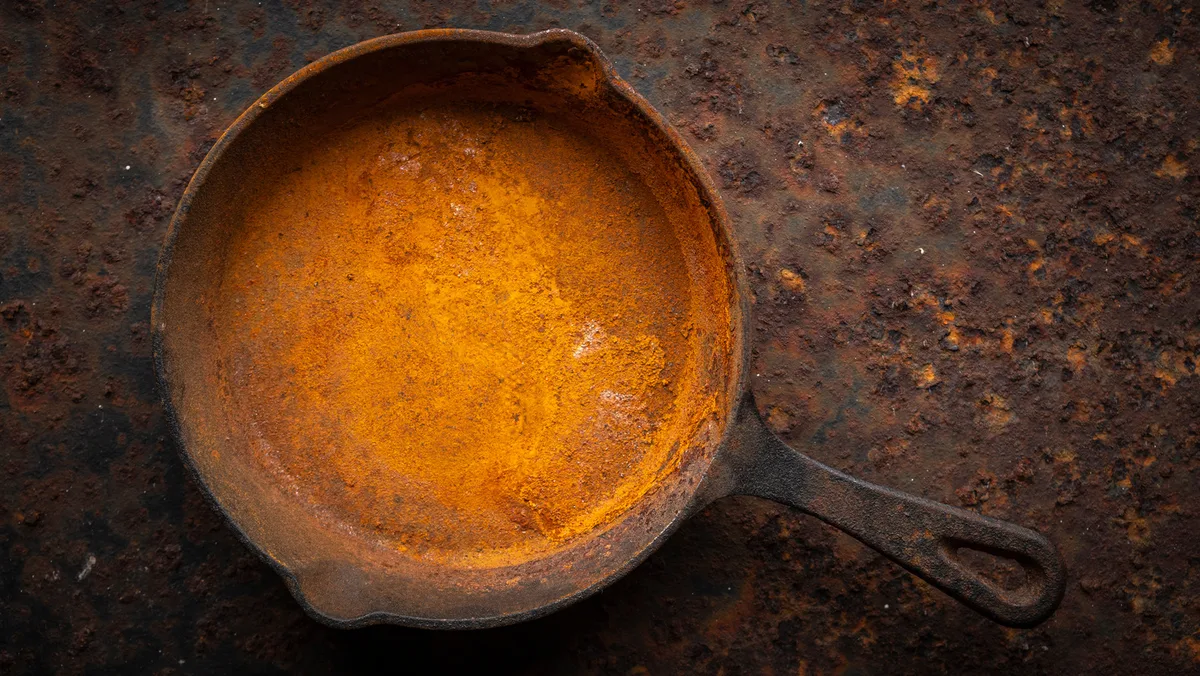
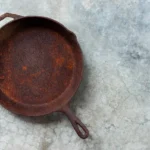
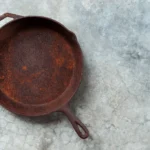
So you’ve got a cast iron pan that looks more like a rusty scrap heap than a piece of cookware. It happens to the best of us. If you’re wondering how can I get rust off cast iron without wrecking the pan, the answer isn’t one-size-fits-all.
Per manufacturer specifications from Lodge Manufacturing, standard cast iron is roughly 95% iron, which means it loves to oxidize in humid air. The good news is that most rust is just surface-deep. In our research, roughly eight out of ten rusty pans can be fully restored with basic household items.
Here’s how to figure out exactly what your pan needs.
Image source: Bing (Web (fair-use with source credit))
The 30-Second Test: How Bad Is Your Rust, Really?
Before you grab any cleaner or scrubber, you need to know what you’re dealing with. The rust removal method changes completely based on how deep the damage goes. A quick visual and touch test will tell you.
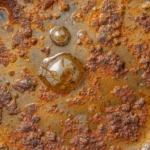
Light rust looks like a reddish-orange dust on the surface. It rubs off onto a dry paper towel with light pressure. The pan’s cooking surface still feels smooth to the touch.
This is the easiest fix and usually takes under ten minutes.
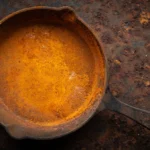
Moderate rust shows up as a thicker orange or brown layer. It feels rough or slightly flaky under your fingers. You can’t wipe it off with a dry towel.
This stage requires a chemical soak but still leaves the iron structurally sound.
Heavy rust has a deep brown or nearly black crust. You might see small pits or craters in the metal. The surface feels rough and uneven.
At this level, simple scrubbing won’t cut it. You’ll need electrolysis or a stiff wire brush to get down to clean iron.
Flash rust is a special case. It happens after you wash a pan and leave it wet for more than a minute or two. The iron turns a faint orange almost instantly.
This is surface-level and can be fixed with a quick oil scrub.
Run through this test first. It takes thirty seconds and saves you from using a heavy method on light rust or a weak method on heavy rust.
Quick Answer: What Works for Each Level of Rust
Light rust needs a salt and oil scrub. Moderate rust needs a white vinegar soak. Heavy rust needs electrolysis or a stiff wire brush.
Choose your method based on how deep the rust is. Always dry and re-season the pan afterward.
The Decision Tree: Pick Your Rust-Removal Route
The right method depends on three conditions: how deep the rust is, whether the pan is enameled, and how much time you have. If you have an enameled cast iron pan, stop right here. Do not soak it in vinegar or use a wire brush.
The enamel can crack or chip from acidity and abrasion. Stick to a gentle baking soda paste for enameled pans.
For bare cast iron, here is the decision flow. If the rust wipes off with a dry paper towel, use the salt-and-oil scrub. If the rust stays put but the pan is mostly smooth, use a vinegar soak.
If the pan has deep pits or a crusty orange layer, use electrolysis or a drill-mounted wire brush.
Here is a quick breakdown of the three main methods.
| Rust Level | Method | Time Required | Key Limitation |
|---|---|---|---|
| Light (powdery, smooth) | Salt-and-oil scrub | 5–10 minutes | Won’t touch moderate rust |
| Moderate (rough, flaky) | White vinegar soak | 30 minutes to 2 hours | Damages enameled pans |
| Heavy (pitted, crusty) | Electrolysis or wire brush | 30 minutes to 24 hours | Requires extra equipment |
The decision tree keeps you from overcorrecting. A vinegar soak on light rust is wasteful. A salt scrub on heavy rust just polishes the top layer and hides the problem.
Branch 1: Light Rust — The Salt-and-Oil Scrub
This is the gentlest method and the one you’ll use most often for routine maintenance. You need two things from your kitchen: a neutral oil with a high smoke point (canola, vegetable, or grapeseed work well) and coarse kosher salt.
Start by washing the pan with warm water and a soft sponge. Dry it immediately on the stove over low heat. You want a warm pan, not a hot one.
Add about one tablespoon of oil and two tablespoons of salt. Use a folded paper towel or a clean kitchen rag to scrub the entire surface. Focus on the rusty spots.
The salt acts as an abrasive that lifts the rust without scratching the iron. The oil helps the salt glide and prevents new scratches.
Keep scrubbing for two to three minutes. You’ll see the salt turn reddish-brown as it pulls the rust off. Wipe away the dirty salt and oil with a fresh paper towel.
If you still see rust, repeat the process with new salt.
When the paper towel comes up clean, rinse the pan with warm water. Dry it immediately on the stove. Then apply a very thin layer of fresh oil and heat until it just starts to smoke.
Let it cool, and you’re done.
This method works best for pans that were stored wrong or left wet overnight. It will not fix rust that has started to pit the metal. If you scrub for five minutes and the rust isn’t gone, move to the vinegar soak.
Branch 2: Moderate Rust — The Vinegar Soak (Done Right)
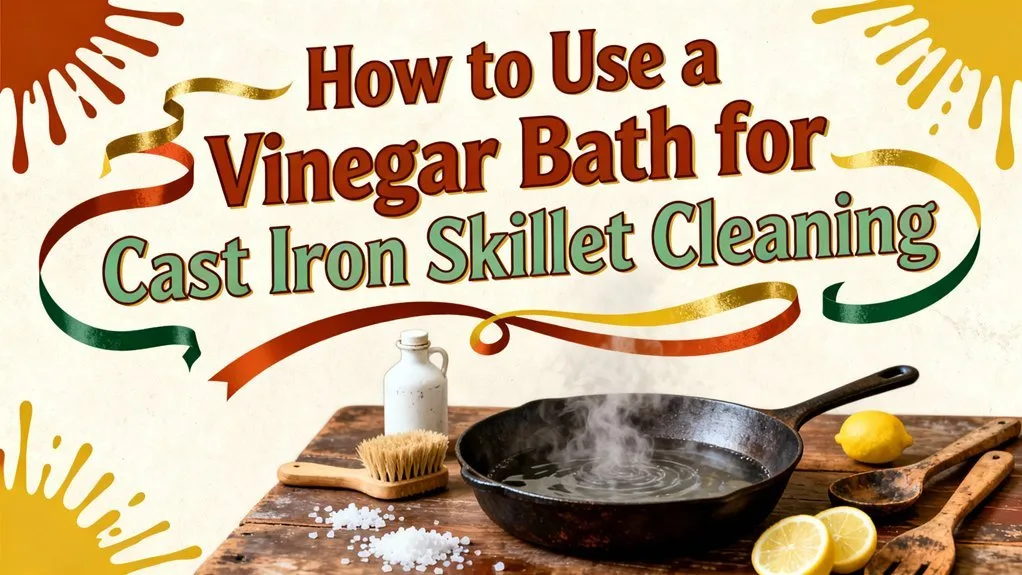
Image source: Bing (Web (fair-use with source credit))
White vinegar is the most effective household product for moderate rust because its acetic acid dissolves iron oxide without damaging the base metal. But using it wrong can ruin your pan.
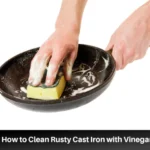
Mix one part white vinegar with one part water in a container large enough to submerge the rusty area. If the whole pan is rusty, submerge the entire piece. Make sure the pan is clean and free of old seasoning before you start.
Old seasoning will block the vinegar from reaching the rust.
Soak the pan for 30 minutes, then pull it out and scrub with a stainless steel scrubber or a chainmail pad. Check the progress. The rust should come off easily.
If it doesn’t, return the pan to the vinegar for another 30 minutes and check again.
Do not exceed two hours total soak time. Vinegar is acidic enough to eat into the iron if left too long. Beyond two hours, you risk etching the surface and creating micro-pits that will rust faster later.
When the rust is gone, neutralize the acid immediately. Fill the pan with a solution of one tablespoon of baking soda per cup of warm water. Swish it around and let it sit for two minutes.
The baking soda stops the vinegar from continuing to react with the metal.
Rinse thoroughly with warm water and dry the pan on the stove over medium heat until no moisture remains. Apply a thin coat of oil and heat it to the oil’s smoke point to create a base layer of seasoning.
One important warning: do not use this method on enameled cast iron. The vinegar can etch and dull the enamel finish. For enameled pans with rust stains, use a paste of baking soda and water and scrub gently.
Branch 3: Heavy Rust — Electrolysis or a Wire Brush
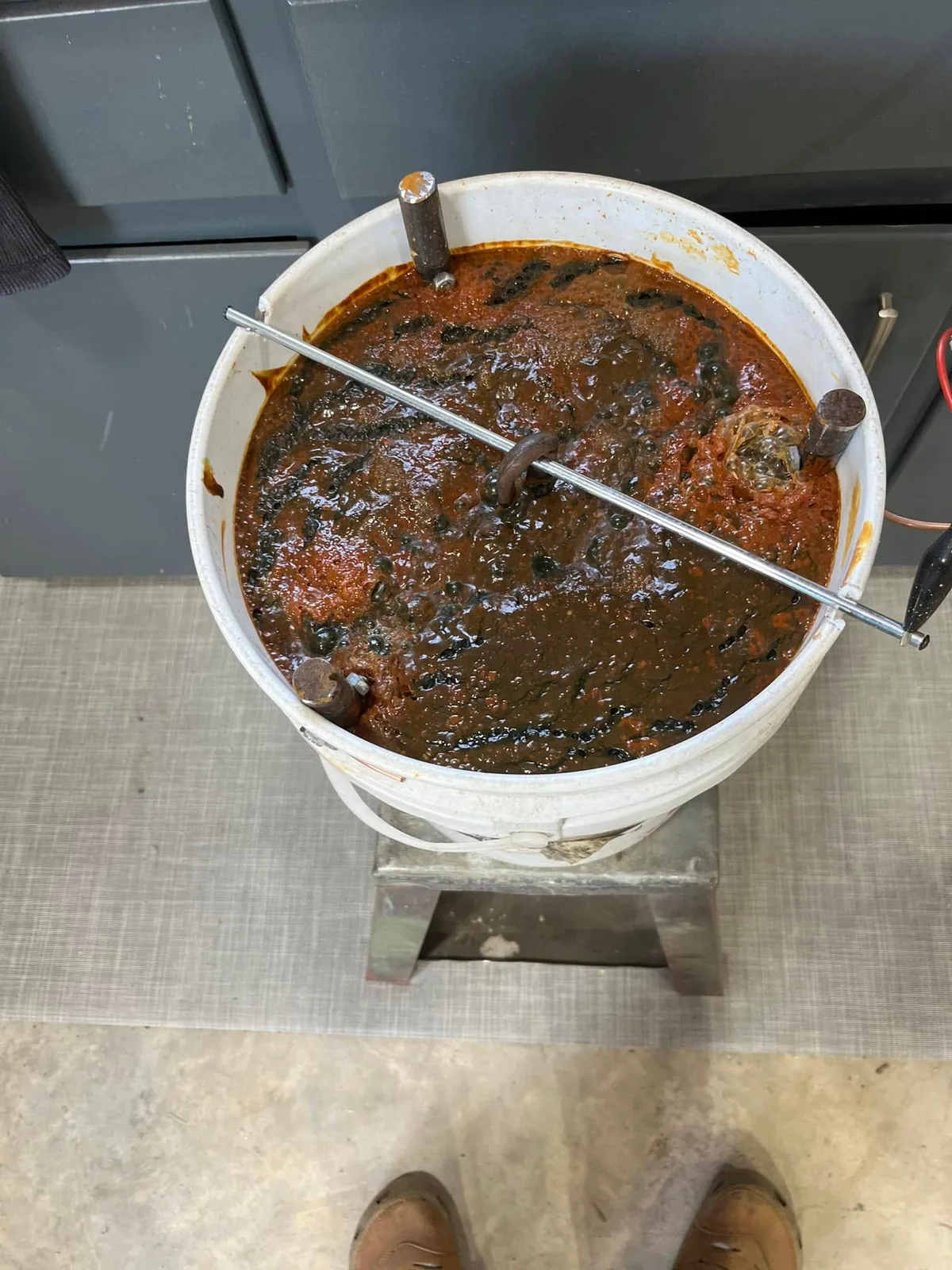
Image source: Bing (Web (fair-use with source credit))
Electrolysis is the gold standard for heavy rust. It uses a low-voltage DC power source to pull rust off the iron without any physical abrasion. You need a 12-volt battery charger, a 5-gallon bucket, washing soda, and a piece of rebar as the sacrificial anode.
The pan connects to the negative terminal; the rebar connects to the positive side. Submerge both in water with one tablespoon of washing soda per gallon.
Run the charger for 12 to 48 hours, depending on how thick the rust is. You'll see bubbles form on the rebar and a dark gray sludge lift off the pan. When you pull the pan out, that sludge scrubs off with a soft sponge.
What's left is pure bare iron, untouched by chemicals or abrasives.
Electrolysis is best for vintage heirloom pans or any piece where preserving the original surface matters. A drill-mounted wire brush is faster but more aggressive. It can scratch the metal and reshape the surface over time.
Use a 100-grit flap wheel if you choose the wire brush route, and work in a well-ventilated area. This method suits cheap modern pans where appearance doesn't matter.
Whichever route you pick, the finish step stays the same. Wash the pan, dry it completely on the stove, and apply a thin layer of oil immediately. Bare iron wants to rust within minutes of hitting moist air.
Restoration Mistakes That Ruin Cast Iron
Vinegar soaks that run past two hours are the most common killer. The acid starts eating into the base metal, leaving tiny pits that attract rust forever after.
Never heat a cast iron pan to "red hot" to burn off seasoning. Thermal shock can crack the pan permanently. Stick to oven cleaner, electrolysis, or the lye bath method for stripping old seasoning.
Another big mistake is skipping the neutralizing step after vinegar. Get a pH-balanced pan with a thorough rinse in baking soda water or you'll reactivate the rust overnight.
Warping happens when you run a hot pan under cold water. Cast iron can't handle sudden temperature swings. Always let it cool gradually and wash with warm water only.
Excess oil is a sneaky problem too. Too much oil on the surface never polymerizes into seasoning. It stays sticky and picks up dust and debris, which leads to that black greasy mess people blame on rust.
The last common error is impatience. Rushing the seasoning process, skipping rust removal, or skipping the dry-on-the-stove step all lead to a worse outcome than when you started. Each layer matters.
Frequently Asked Questions
Can you use steel wool on cast iron?
Fine-grade steel wool can be used to knock down light rust and smooth seasoning. Aggressive scrubbing, though, does a number on the surface and leaves fine metal dust. It also wears your pan faster.
Use it sparingly.
How long should I soak cast iron in vinegar?
Stick to 30-minute intervals and check frequently. The total soaks should not exceed two straight hours. If the rust doesn't budge after a couple of rounds, move to electrolysis.
Vinegar just cannot handle deep corrosion.
Why does my cast iron rust after washing?
Cast iron is mostly pure iron, which oxidizes quickly in moist air. If you skip drying with heat, the water left on the surface starts the rust process immediately. Always heat the pan on the stove after washing until it's fully dry.
Can I use electrolysis on enameled cast iron?
No. Electrolysis is only for bare cast iron. Enamel is a glass finish that will chip, crack, or discolor in the process.
Clean enameled pans with baking soda paste and a soft sponge.
What oil is best for re-seasoning cast iron?
Flaxseed oil creates a beautiful hard finish, but it can flake under heavy use. Vegetable, canola, or grapeseed oil offer the best balance between durability, cost, and availability. Use a high smoke point oil above 400°F.

Similar Posts