How to Remove Rust and Restore Lodge Cast Iron Skillets and Dutch Ovens
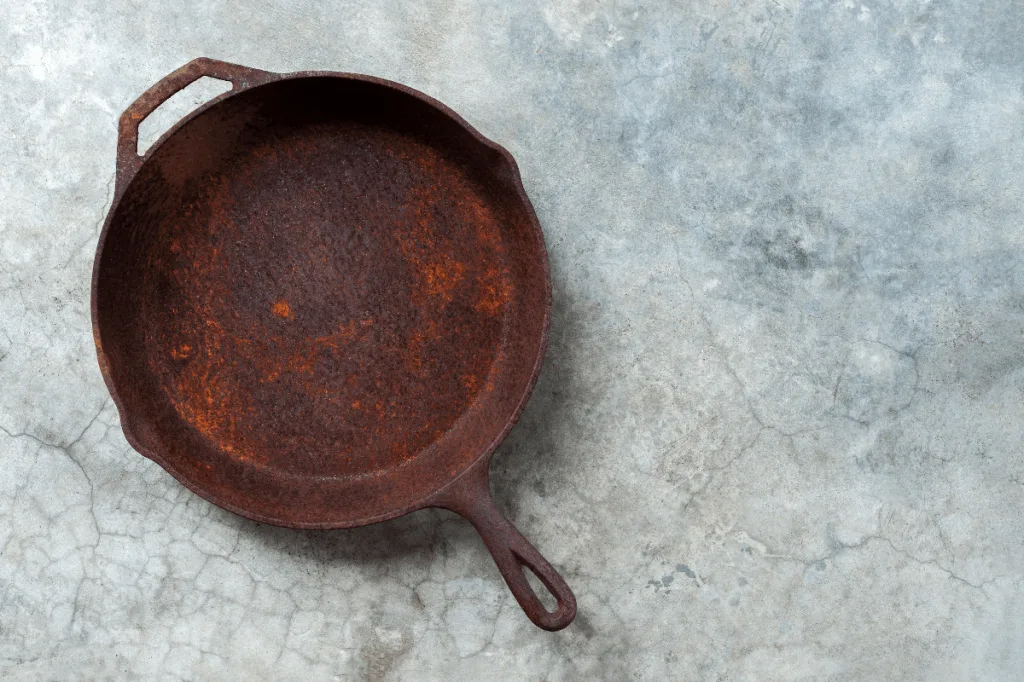
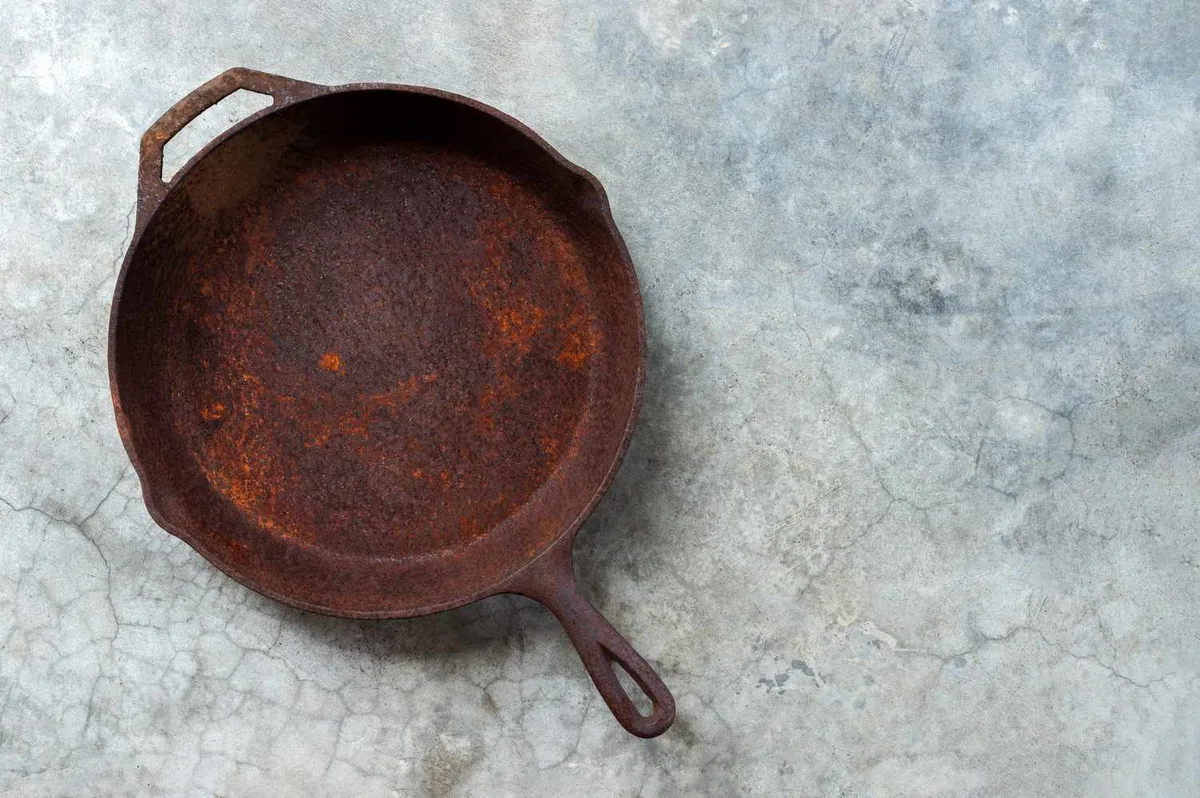
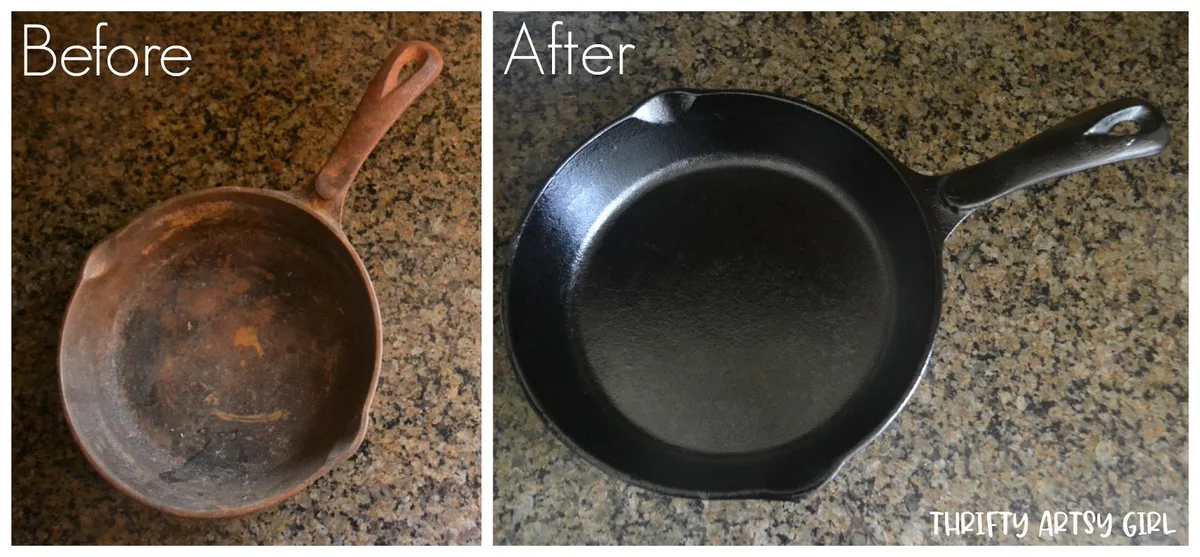
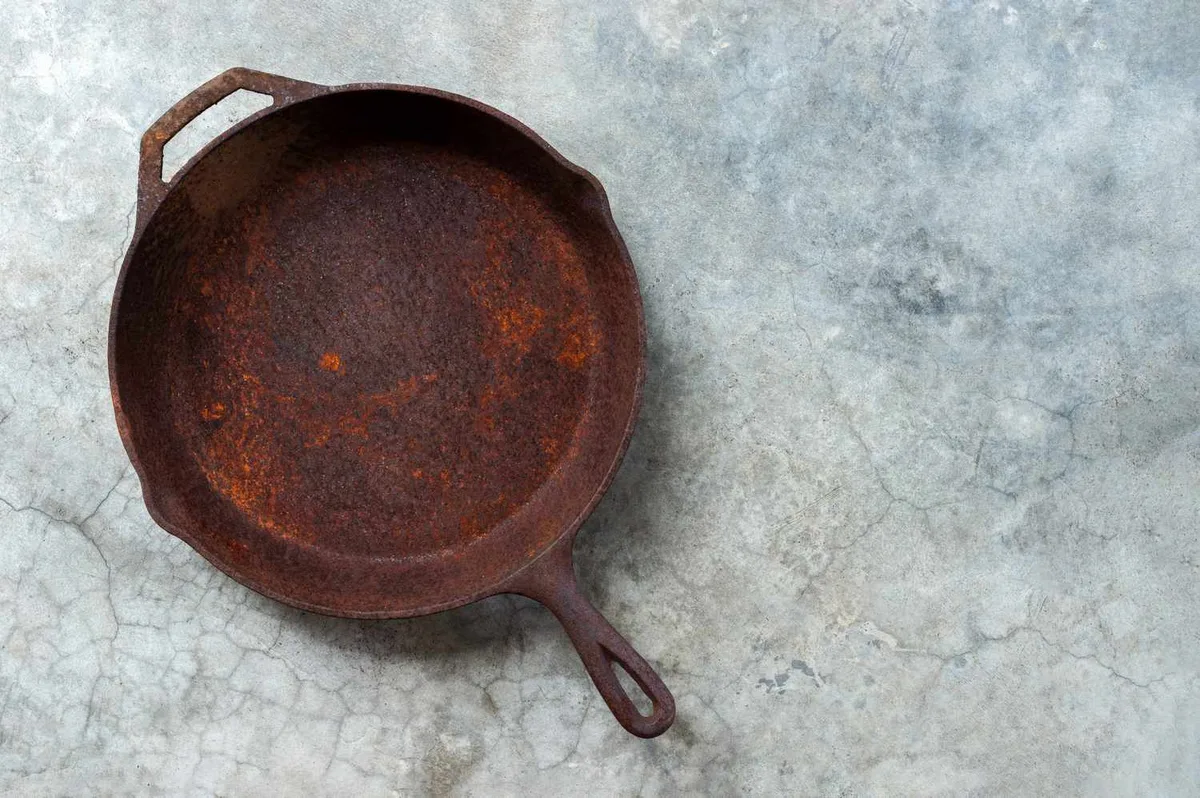
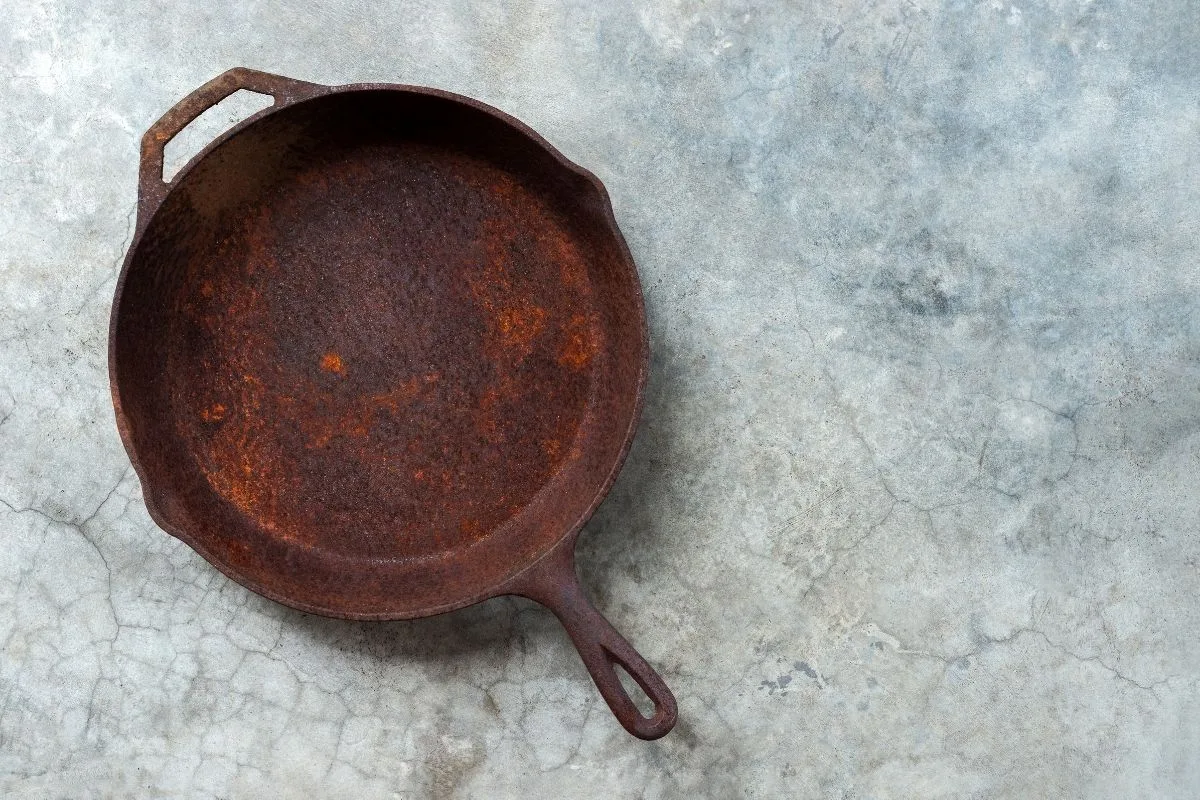
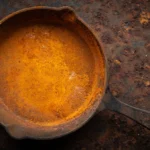
If you've ever pulled a Lodge cast iron pan out of storage only to find an orange patch of rust, you know that sinking feeling. But here's the thing: learning how to remove rust from Lodge cast iron is simpler than you think. It's not ruined, and you don't need harsh chemicals to fix it.
Manufacturer specifications indicate that Lodge factory seasoning is a layer of polymerized soybean oil, baked at high temperatures. This seasoning can be stripped by acid or abrasion, but the underlying iron is nearly indestructible. The key is matching your rust removal method to how severe the rust actually is.
Let's start with that assessment.
Quick Answer
Scrub off loose rust with steel wool or a chainmail scrubber. For light rust, use a baking soda paste. For heavy rust, soak in a 1:1 vinegar-water solution for 15 to 30 minutes.
Dry immediately and apply a thin oil coat. Re-season in the oven at 400°F for one hour.
Image source: Bing (Web (fair-use with source credit))
How Rusty Is It? Quick Check Before You Touch It
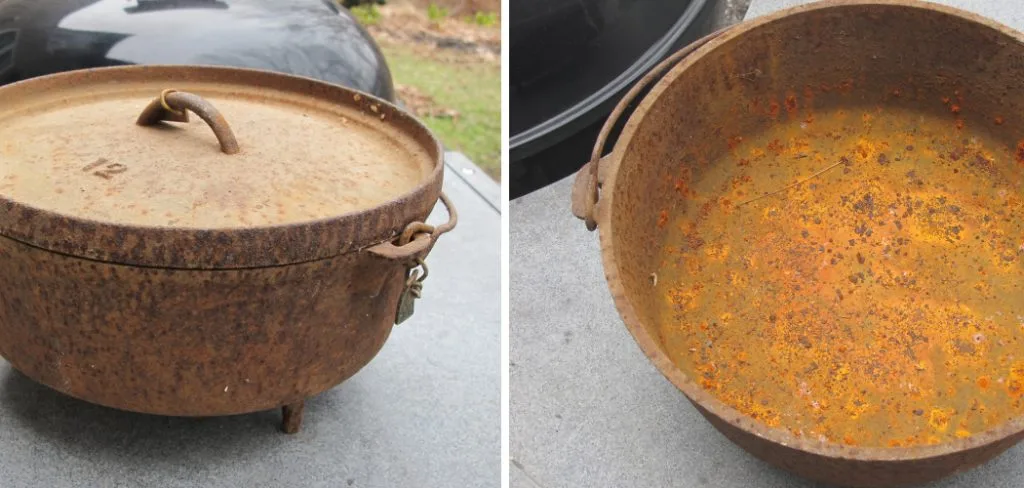
Not all rust is the same. A few orange speckles need a different treatment than a pan coated in flaky rust. Here's a quick breakdown of what you're dealing with.
| Rust Type | What It Looks Like | What It Means | Action Needed |
|---|---|---|---|
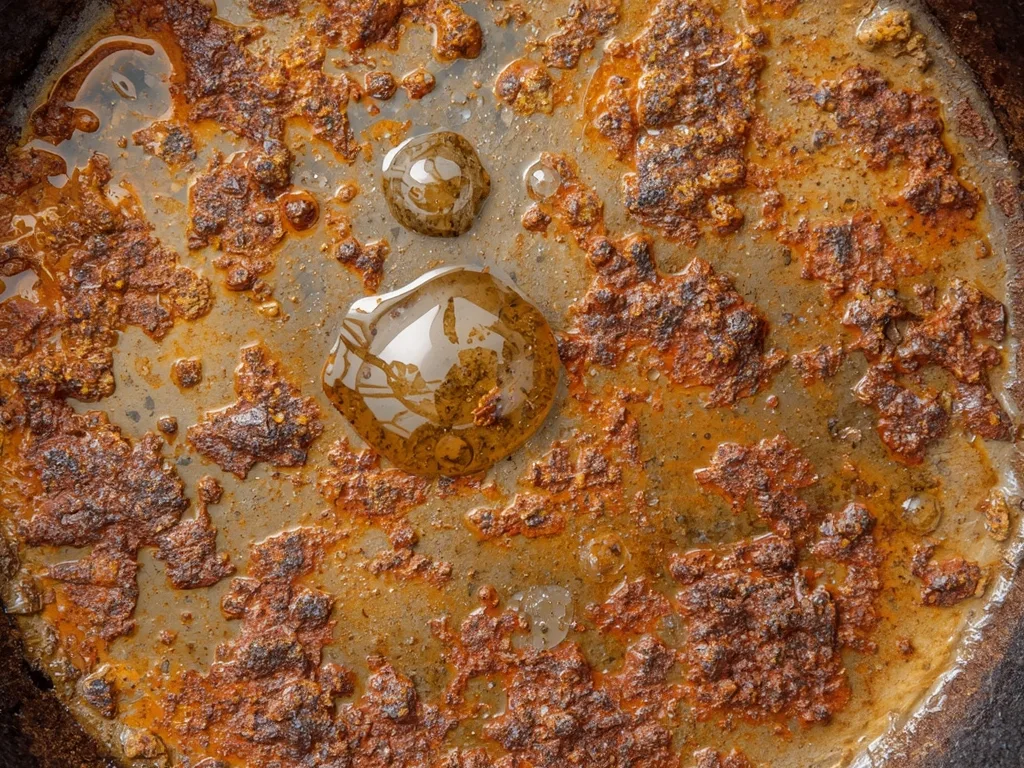
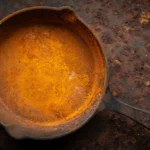
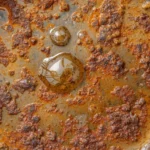
| Red Rust | Flaky, orange, may stain fingers | Surface oxidation, seasoning damaged but iron intact | Light scrub or vinegar soak depending on coverage |
| Pitting | Dark spots, rough texture, small craters | Rust has eaten into the iron surface | Requires stripping and full re-seasoning |
| Surface Speckles | Small, light orange dots | Moisture spots that oxidized quickly | Gentle scrub with baking soda paste |
The first decision: can you salvage the seasoning? If the rust is only in small patches and the black seasoning layer is intact elsewhere, you can spot-fix. If the pan is rusty across most of the cooking surface, you need to strip it down to bare iron and start fresh.
The second decision: what's your time commitment? A light scrub takes 10 minutes. A vinegar soak takes 30 minutes plus drying time.
A full strip and re-season takes a few hours. Pick the method that fits your schedule.
The third decision: what tools do you have on hand? Steel wool, chainmail scrubber, white vinegar, baking soda, and vegetable oil are all you need for most jobs. You don't need specialized products.
Light Surface Rust: 3 Ways To Fix It Without Stripping The Pan
If the rust is only a few spots or a light patch, you don't need to strip the entire seasoning. Try one of these methods first.
Method 1: Scrubbing with steel wool or chainmail
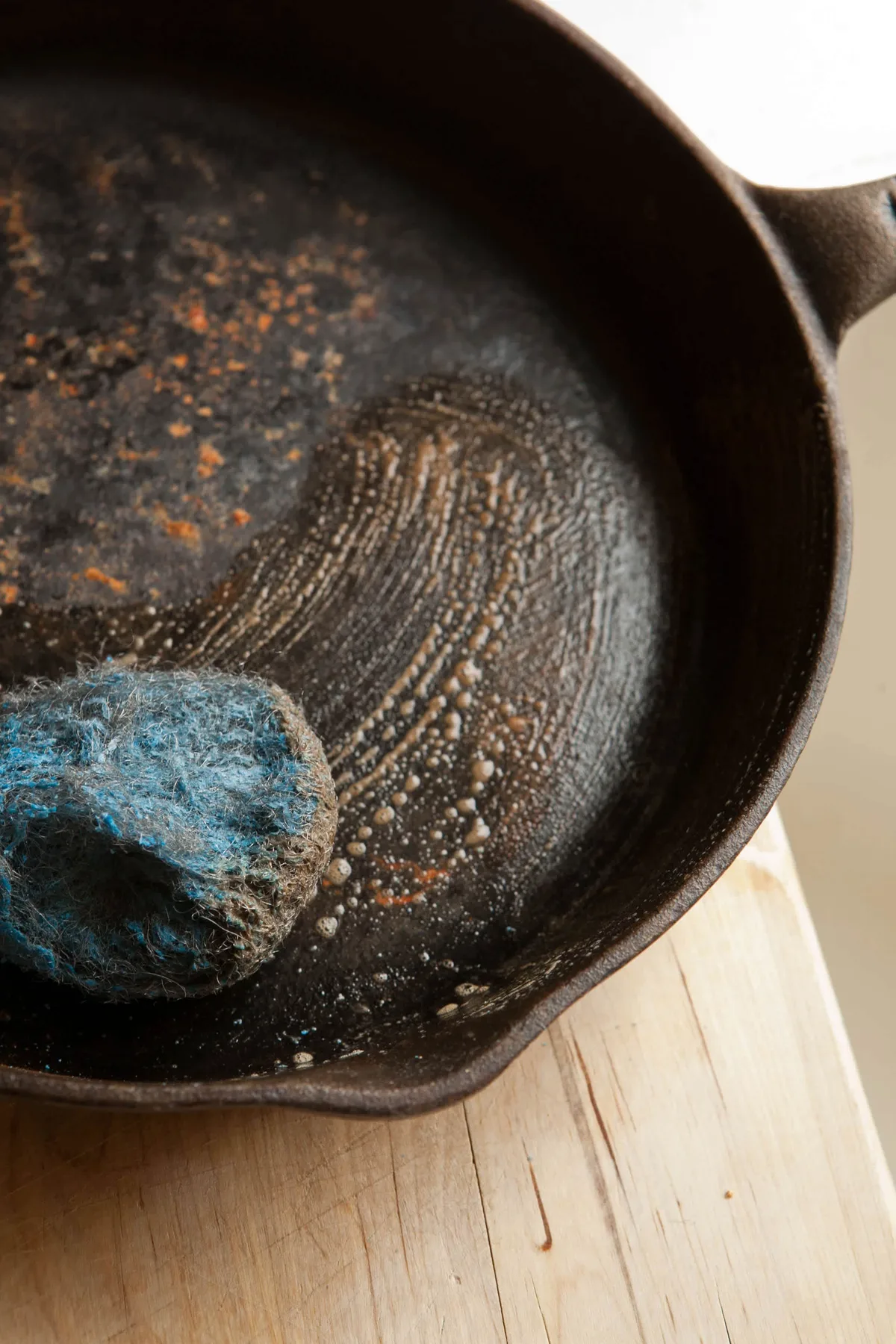
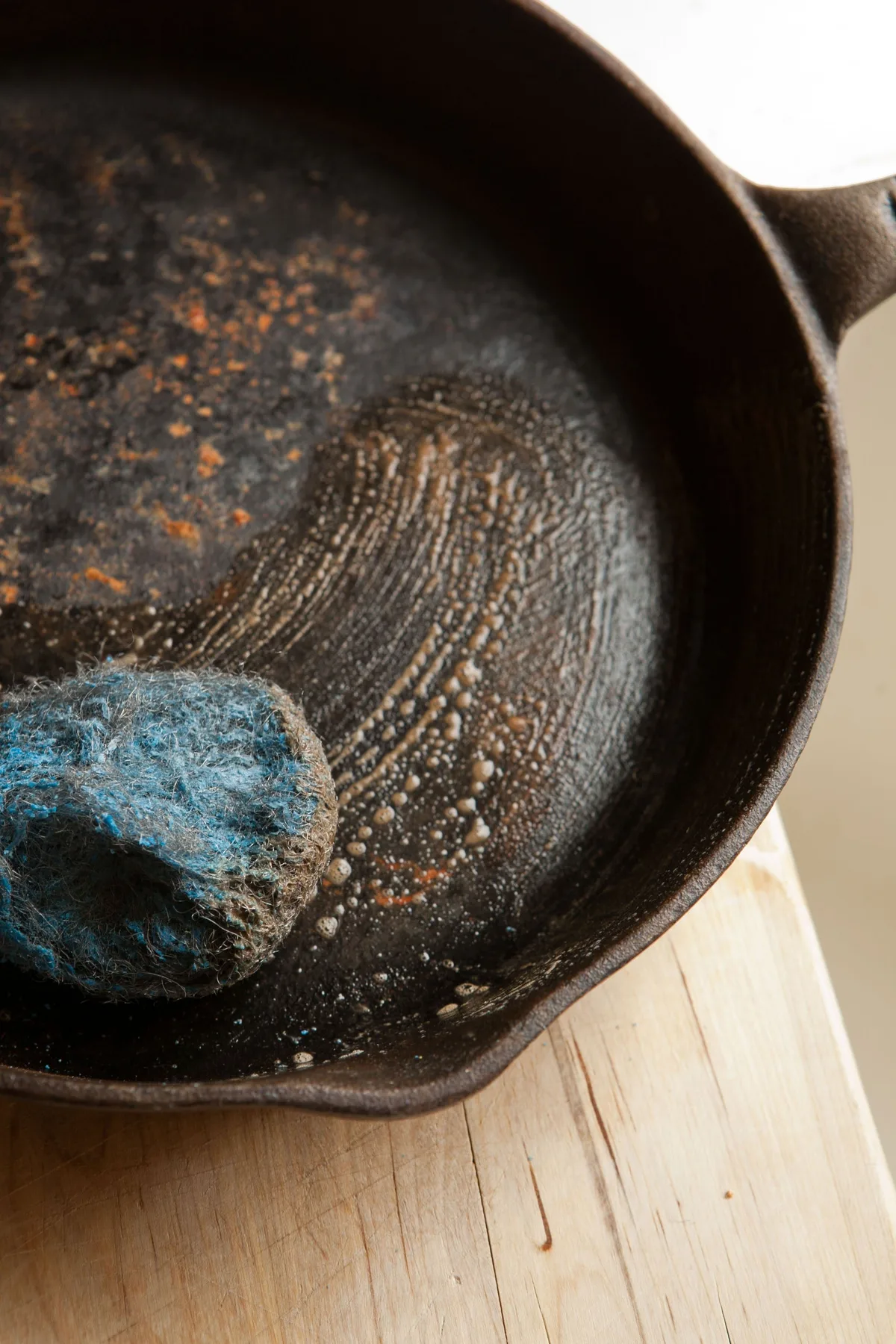
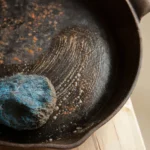
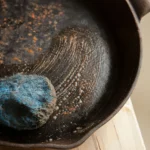
Use fine steel wool (0000 grade) or a chainmail scrubber. Scrub the rusty areas under warm running water. The gentle abrasion removes the rust without damaging the surrounding seasoning.
Rinse and dry immediately.
Method 2: Baking soda paste
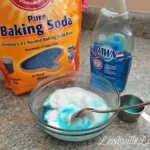
Mix baking soda with a few drops of water to form a thick paste. Apply it to the rusty spots and scrub with a soft brush or a non-abrasive scouring pad. Let it sit for a few minutes if the rust is stubborn.
Rinse and dry thoroughly.
Method 3: Stovetop spot fix
After cleaning and drying the pan, place it on a stove burner over medium heat. Add a tiny drop of vegetable oil and rub it into the spot with a paper towel. Continue heating until the oil starts to smoke.
Then turn off the heat and let the pan cool. This bakes a fresh layer of seasoning right onto the spot.
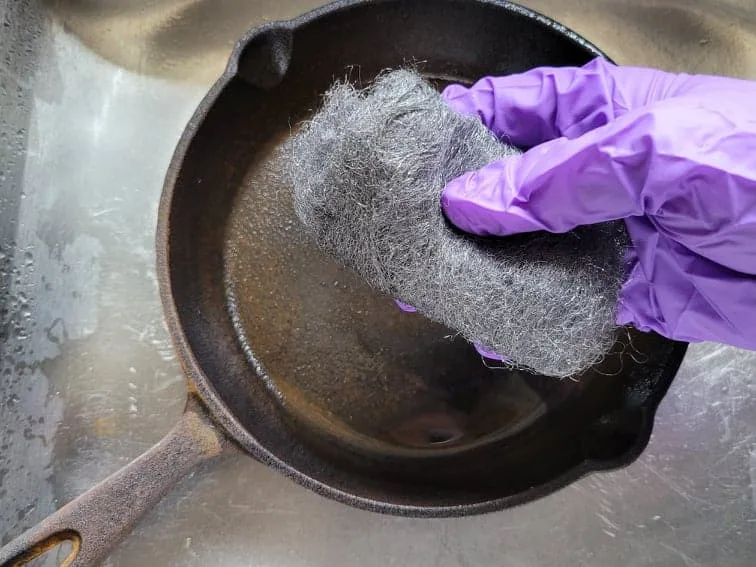
Image source: Bing (Web (fair-use with source credit))
Use these methods only for light surface rust. If the rust covers more than 30% of the pan or if you can see pitting, move on to the next section.
Moderate to Heavy Rust: When You Need to Strip and Start Over
A heavily rusted Lodge pan needs a full strip. The seasoning on top of the rust is compromised, so you need to remove everything down to the bare iron.
The vinegar soak
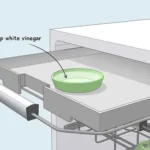
Mix equal parts white vinegar and water in a container large enough to hold the pan. Submerge the pan or place it upside down on a rack over the liquid so the surface is exposed to the vapor. Let it soak for 15 to 30 minutes.
Check every 10 minutes. Scrub with a stiff brush or steel wool. If rust remains, return it to the soak for another 15 minutes.
Do not soak for more than 60 minutes total. The acid can start to eat into the iron and cause pitting.
Full scrub and rinse
Once the rust is gone, scrub the entire pan with warm water and a mild dish soap. Use a scouring pad to remove any remaining bits of old seasoning. You should see a uniform grey surface.
Rinse thoroughly.
Immediate oil coat
Dry the pan completely with a clean towel. Place it on a stove burner over low heat for two minutes to evaporate any remaining moisture from the pores. While the pan is still warm, apply a very thin coat of vegetable oil.
Rub it in with a paper towel and buff until it feels dry to the touch. This step prevents flash rust.
The Flash Rust Trap (And How to Avoid It)
Flash rust is the thin orange film that forms on bare iron within minutes of rinsing. It happens because water and oxygen react with the fresh iron surface. If you leave a stripped pan wet for even two minutes, you may see orange specks forming.
To avoid it, prepare your drying station before you start cleaning. Have a clean towel, a stove burner ready, and a bottle of oil nearby. After the final rinse, dry the pan as fast as you can.
Then heat it on the stove for a few minutes to drive out all moisture. Oil the pan while it's still warm. This seals the surface and prevents oxidation.
| Step | Why It Matters |
|---|---|
| Dry immediately | Removes water that causes rust |
| Heat on stove | Evaporates moisture from pores |
| Oil while warm | Oil absorbs better into warm iron |
Flash rust is not dangerous, but it means you have to scrub and repeat the process. Better to prevent it upfront.
Re-Seasoning: The Make-or-Break Final Step
After stripping rust, your Lodge pan needs a new seasoning layer. This is what gives it a non-stick surface and protects it from future rust.
Choosing the right oil
Not all oils work equally well. The oil must have a high smoke point and polymerize properly.
| Oil | Smoke Point | Best For |
|---|---|---|
| Vegetable oil | 400°F | All-around |
| Canola oil | 400°F | Good and cheap |
| Grapeseed oil | 420°F | Durable layer |
| Flaxseed oil | 225°F | Not recommended (gummy) |
Oven seasoning guide
Preheat your oven to 450°F. Wash and dry the pan completely. Apply a thin coat of your chosen oil to the entire surface, inside and out.
Use a paper towel to buff the oil until it looks like there's almost none left. A thick layer will become sticky and uneven.
Place the pan upside down on the top rack of the oven. Put a foil-lined baking sheet on the rack below to catch any drips. Bake for one hour.
Turn off the oven and let the pan cool inside.
How many coats do you need?
One coat is enough to prevent rust, but four to six coats will build a durable non-stick surface. After the first layer, each subsequent coat only needs to bake for 30 minutes. You can do them all in one afternoon.
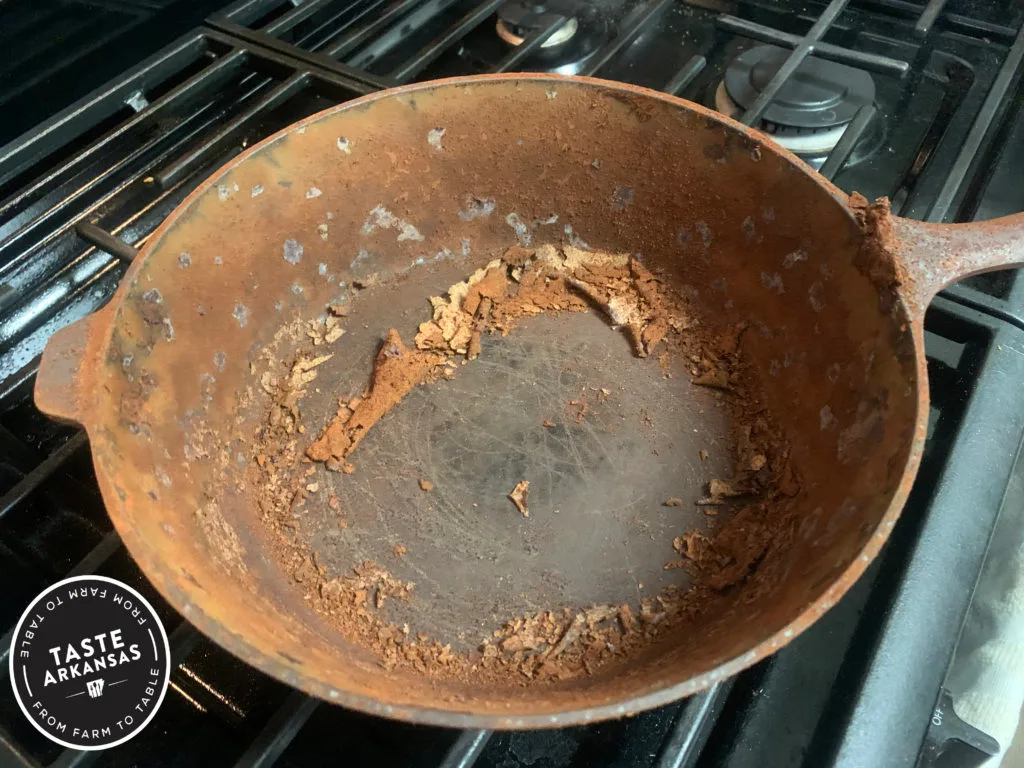
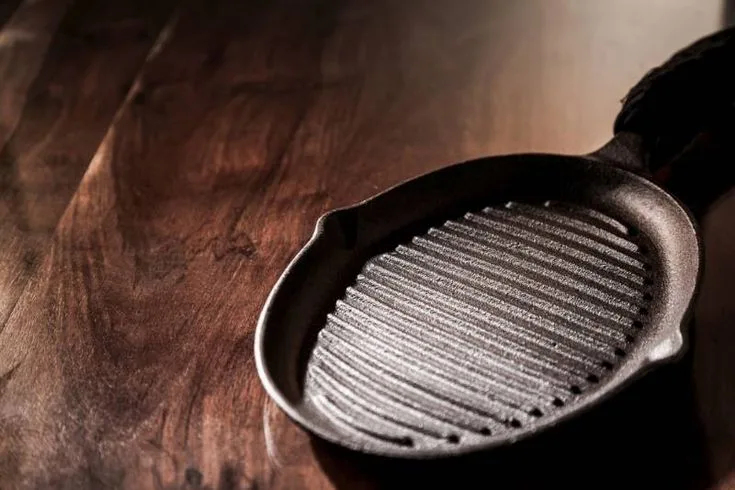
Image source: Bing (Web (fair-use with source credit))
For detailed instructions on seasoning and care, Lodge's official care guide is a reliable source. They recommend using vegetable oil and baking at a consistent temperature for the best results.
Keeping Rust Off for Good
Once you’ve restored your Lodge pan, the goal is simple: keep it dry and keep it oiled. Rust needs moisture and oxygen. Cut off the moisture and it never gets a foothold.
The dry-it-like-you-mean-it rule
After every wash, dry the pan immediately with a towel. Then place it on a stove burner over low heat for two to three minutes. This evaporates any water trapped in the pores of the iron.
A pan that looks dry can still release moisture when heated.
The thin oil coat rule
After drying, apply a tiny drop of vegetable oil to the warm pan. Rub it over the entire surface with a paper towel. Buff it until it feels dry to the touch.
This layer is only a few molecules thick, but it seals the iron from air and moisture.
Seasonal storage for humid climates
If you live in a coastal or high-humidity area, rust happens faster. Store the pan in a dry cabinet, not near a window. Add a silica gel packet or a rolled-up towel inside the pan to absorb ambient moisture.
For long-term storage, wipe the pan with a slightly heavier oil coat before putting it away.
Common Restoration Mistakes (And One Bonus Method)
Many stripped pans end up worse than before because of a few avoidable errors. The most common mistake is leaving the vinegar soak too long. Acid eats rust, but it also eats iron.
Never exceed 60 minutes total in a 1:1 vinegar-water solution. Check every 10 minutes and scrub between checks.
Another mistake is applying too much oil before re-seasoning. A thick wet layer bakes into a sticky, uneven mess. The right amount looks almost dry before it goes in the oven.
If you see pooling oil or drips, wipe it again.
You also want to avoid re-seasoning at the wrong temperature. Too low and the oil won't polymerize into a hard layer. Too high and the oil burns into ash.
Aim for 450°F in a standard oven with the pan upside down.
The bonus method: electrolysis
For deeply pitted or badly rusted vintage pans, electrolysis is the most thorough approach. It uses a sacrificial anode, a wire brush, and a low-voltage battery charger to pull rust off the iron. It's slower than vinegar but gentler on the metal.
For most Lodge pans, vinegar is enough. Use electrolysis only when you've got a truly crusty piece with details that scrubbing could damage.
Frequently Asked Questions
Can I use a wire brush on a Lodge pan?
No, not a power wire brush on a drill or angle grinder. It can gouge and scratch the iron surface. Use fine steel wool, a chainmail scrubber, or a stiff nylon brush instead.
Is the rust dangerous to cook on?
No, swallowing a bit of iron oxide is not toxic. Your body may absorb a small amount of iron. The bigger concern is the rust rooting deeper into the pan.
You should still remove it before cooking.
How long should I soak in vinegar exactly?
Start with 15 minutes and check. Heavy rust may need 30 to 45 minutes total. Do not exceed 60 minutes.
The acid will start attacking the iron and create pits.
What if the rust comes back after a week?
That usually means you didn't dry or oil the pan properly. Strip the rust again with fine steel wool, dry it on the stove, and apply a thin oil coat. Then bake in the oven at 450°F for one hour to lock in the protective layer.

Similar Posts