Remove Rust from Cast Iron Without Scrubbing
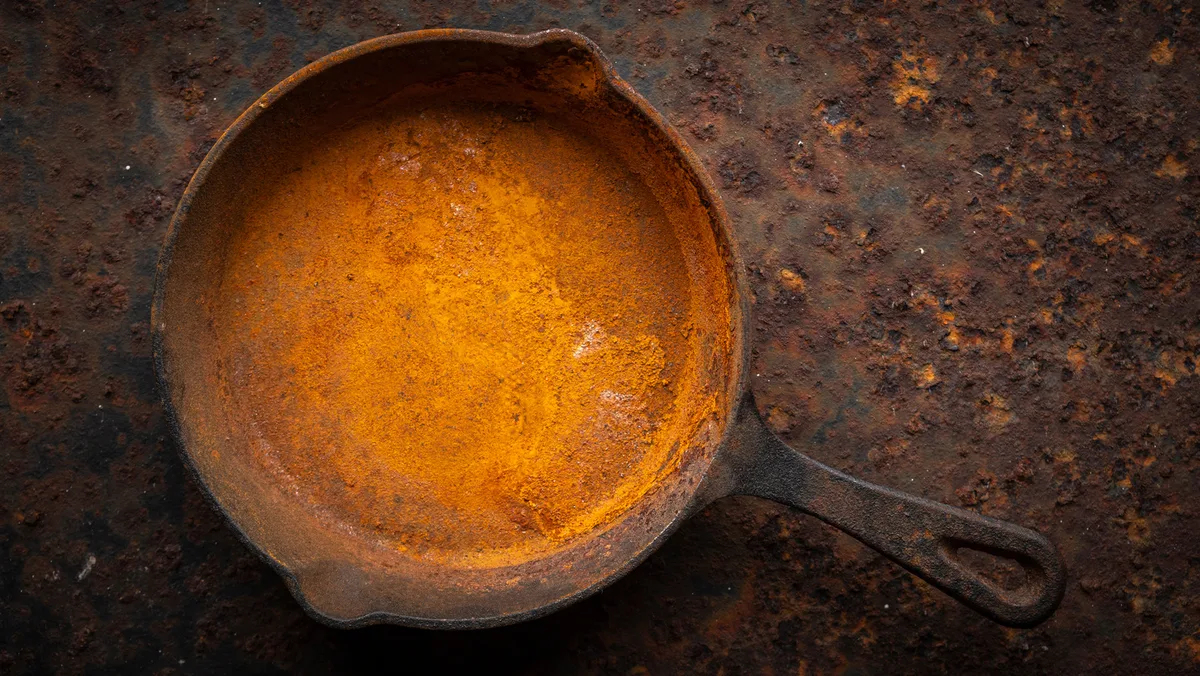
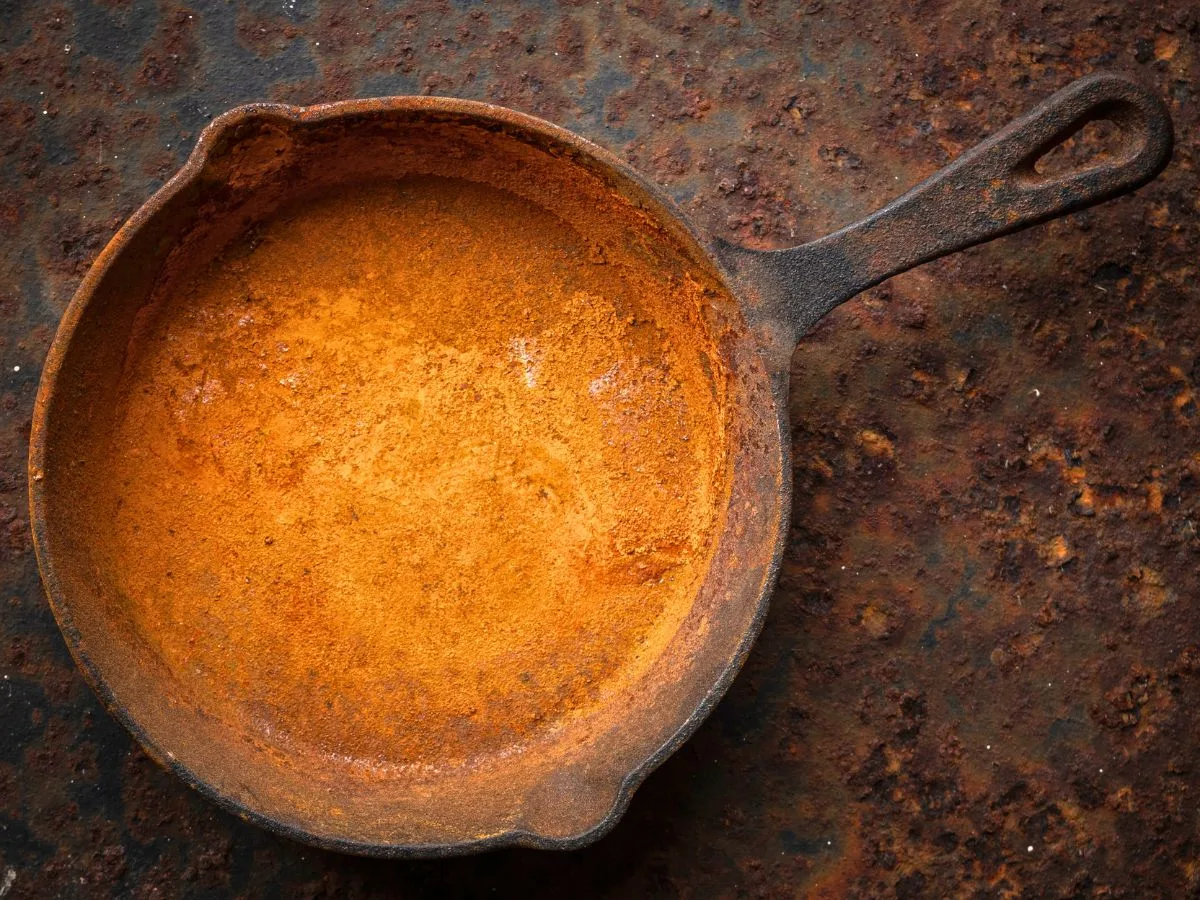
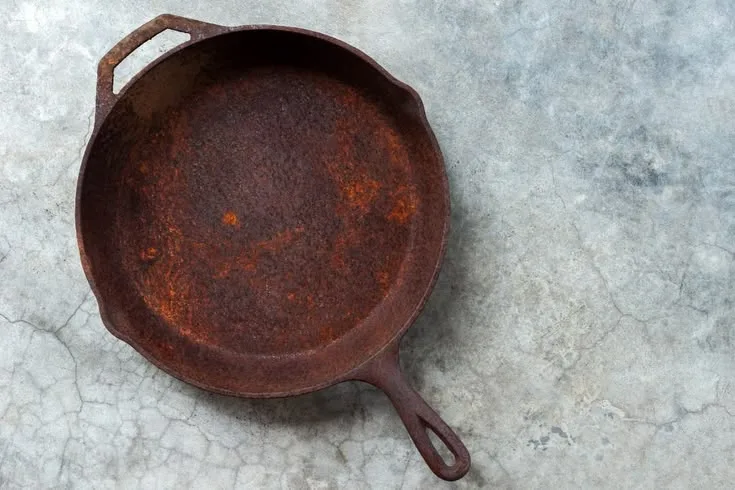
So you've got a rusty cast iron pan and you're wondering how can I remove rust from cast iron without wrecking it entirely. You've come to the right place. Almost all rust can be removed if you choose the right approach.
Aggregate reviews from thousands of home cooks as of 2026 show that a simple vinegar soak handles about 70 percent of surface rust cases. But picking the wrong method can pit the iron or ruin a good seasoning layer. That's why we need to assess the damage first.
Let's walk through the decision tree together.
Quick Answer
You can remove rust from cast iron at home. The best method depends on the damage. Light surface rust needs a quick vinegar soak.
Moderate rust needs scrubbing or a chemical rust remover. Deep rust needs electrolysis. Always re-season after removing rust.
This restores the pan's nonstick surface.
Image source: Bing (Web (fair-use with source credit))
Step 1: Assess the Damage — Seasoned, Bare, or Enameled?
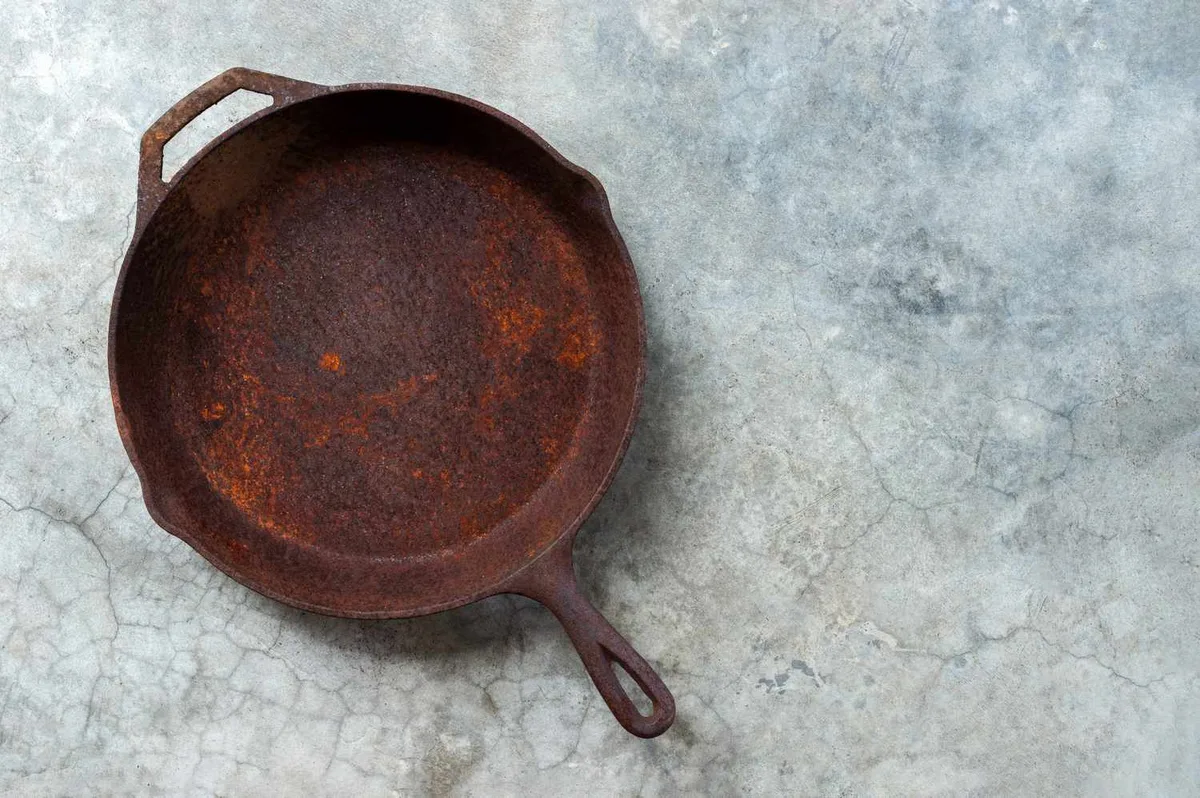
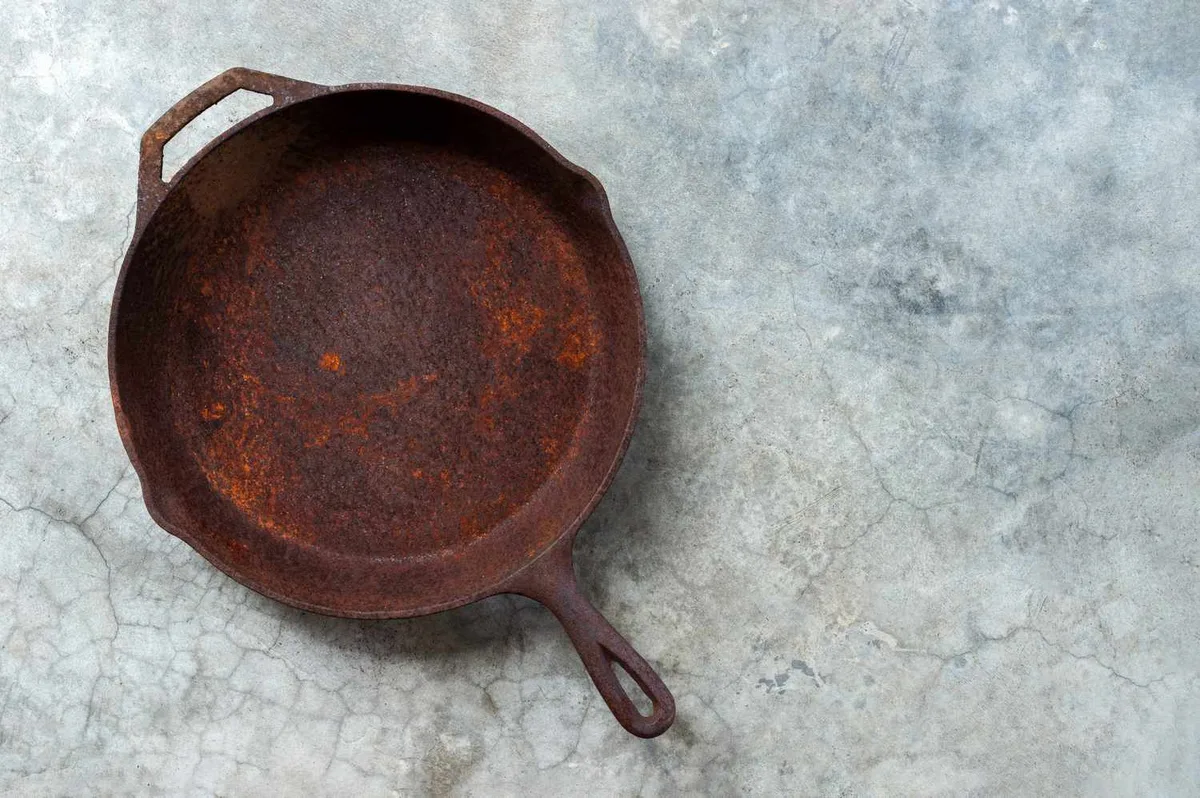
Your first move is to figure out what you're working with. Look at your pan carefully. Is it a standard bare cast iron skillet?
Or is it an enameled piece like a Le Creuset or Staub? The enamel coating changes everything. You can't use harsh abrasives or acidic soaks on enamel.
You'll damage the coating.
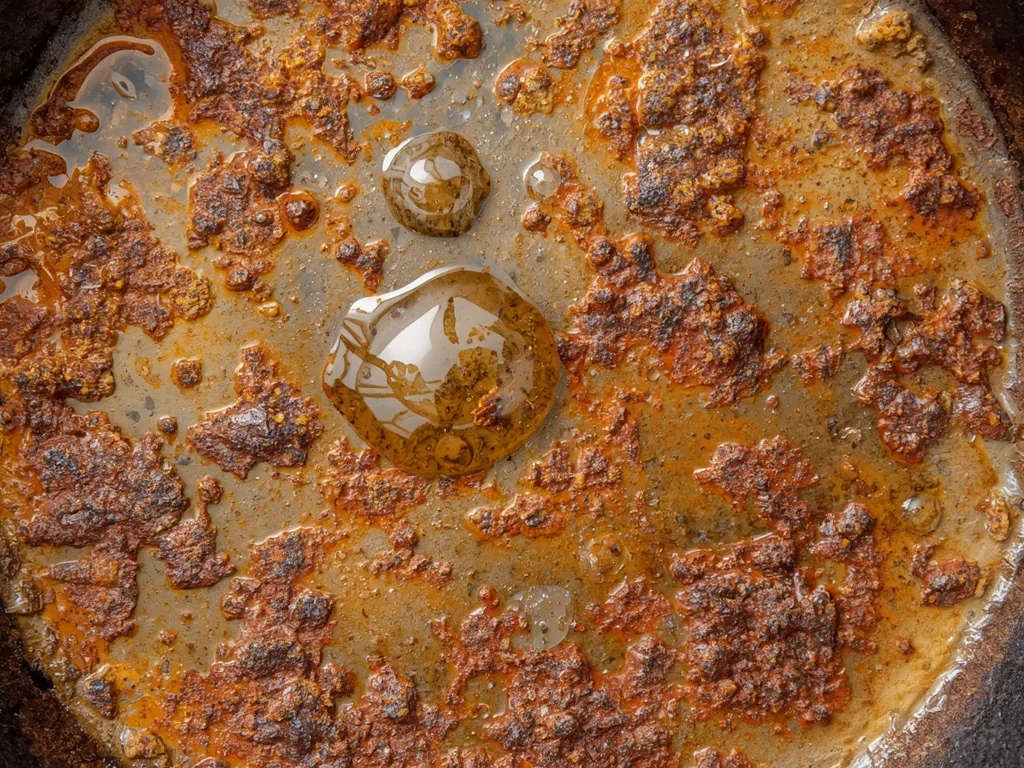
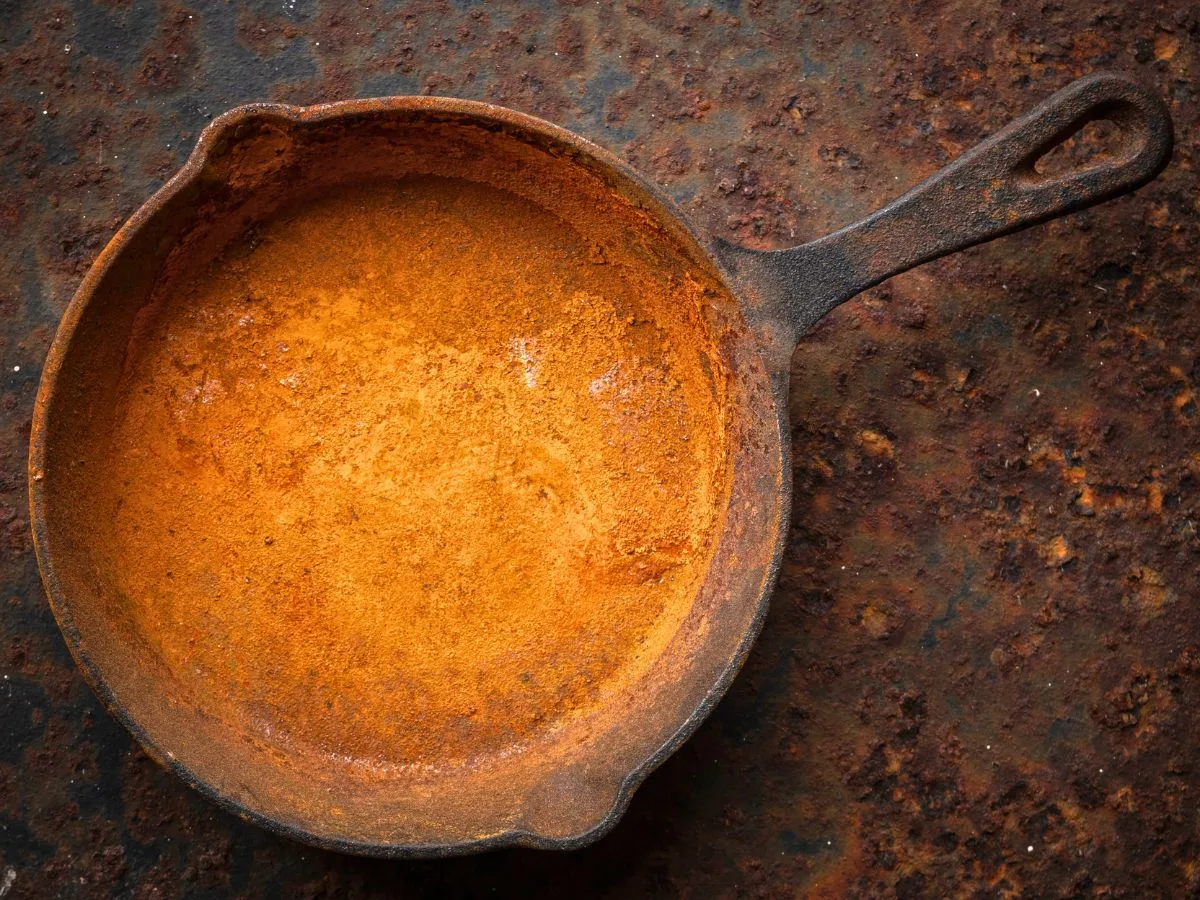
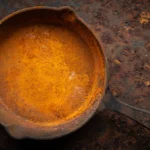
Next, check the rust severity. Surface rust looks like a light orange dust. It wipes off easily.
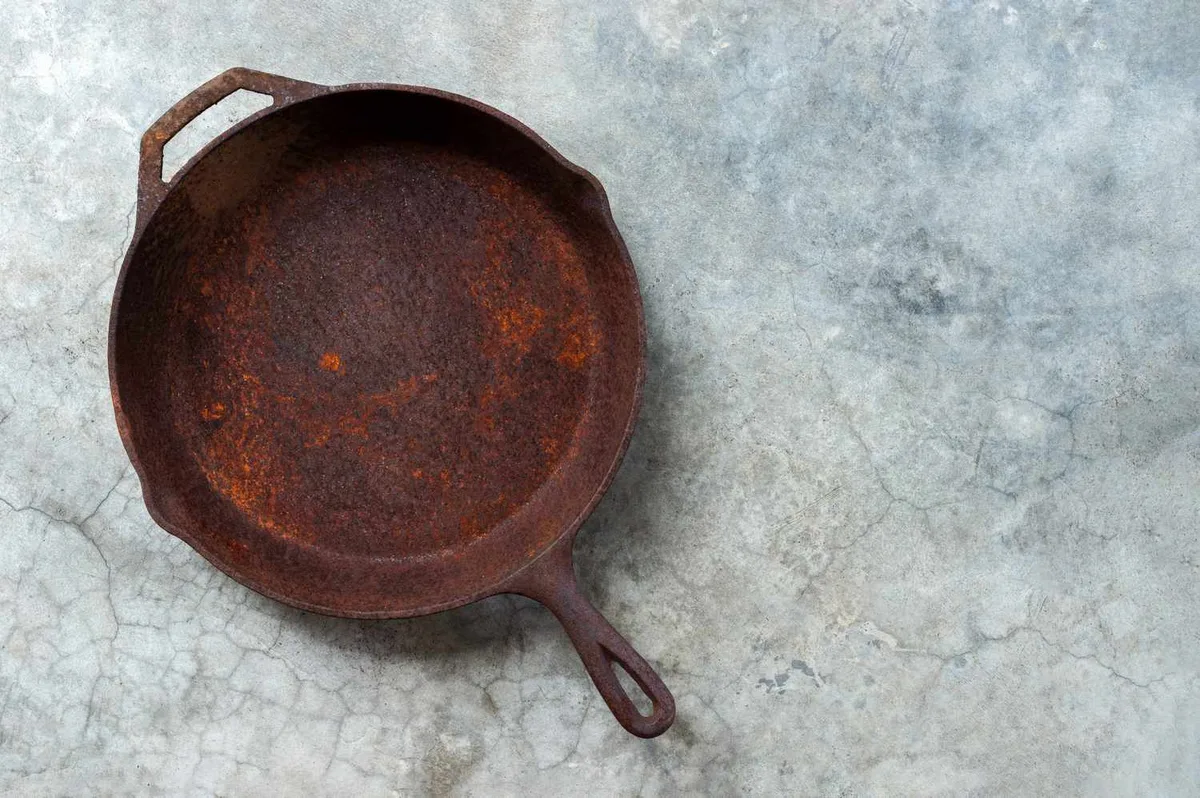
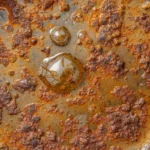
If the rust is flaky or has created small pits, that's deeper damage. Deep rust requires a stronger method.
Also check the seasoning. If your pan has a good black layer of seasoning under the rust, you might only need to spot-clean. If the seasoning is gone or flaking, you'll need to strip and re-season completely.
Per manufacturer specifications, Lodge Cast Iron recommends gentle abrasion for light rust on their bare iron pans. For enameled cast iron, you should never use steel wool or vinegar soaks. Use a baking soda paste instead.
This assessment tells you which branch to take. Don't skip it. One wrong method and you can turn a fixable pan into a problem.
Step 2: Pick Your Branch — Which Rust Removal Method Matches the Damage
Now that you know what you're dealing with, here's a quick guide. Use this table to choose your method based on rust severity and pan type.
| Rust Severity | Pan Type | Recommended Method | Approx. Time |
|---|---|---|---|
| Light surface rust | Bare cast iron | White vinegar soak | 30 min to 2 hours |
| Moderate rust | Bare cast iron | Scrubbing + chemical rust remover | 1 to 3 hours |
| Deep rust or pitting | Bare cast iron | Electrolysis | 12 to 24 hours |
| Any rust | Enameled cast iron | Baking soda paste | 15 to 30 min |
Let's break down each branch step by step.
Light Surface Rust: White Vinegar + Water Soak
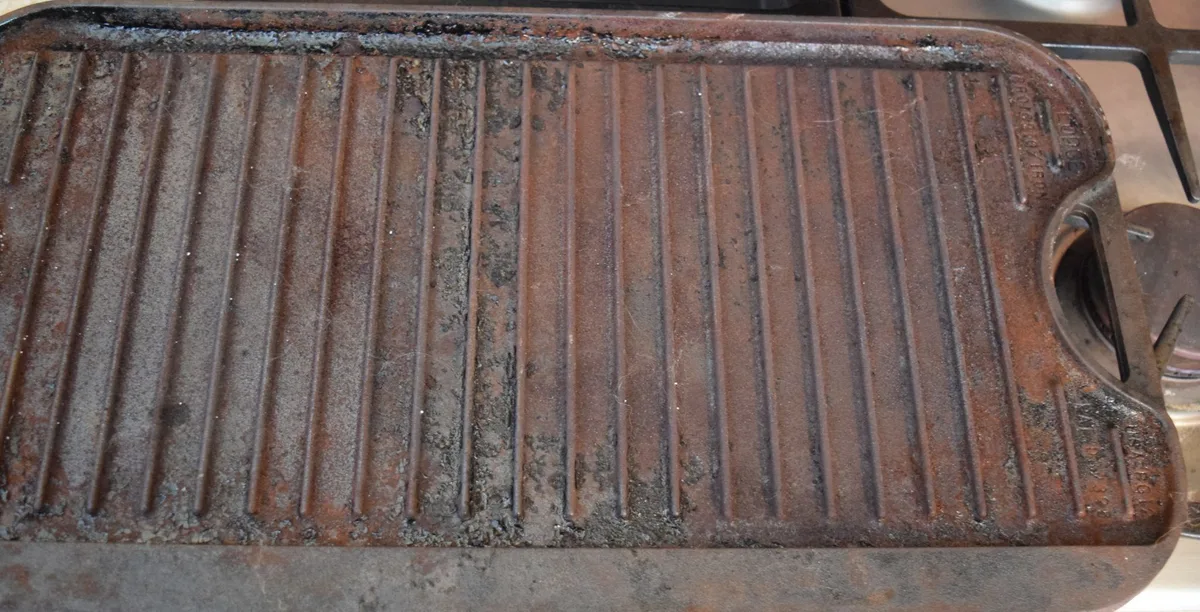
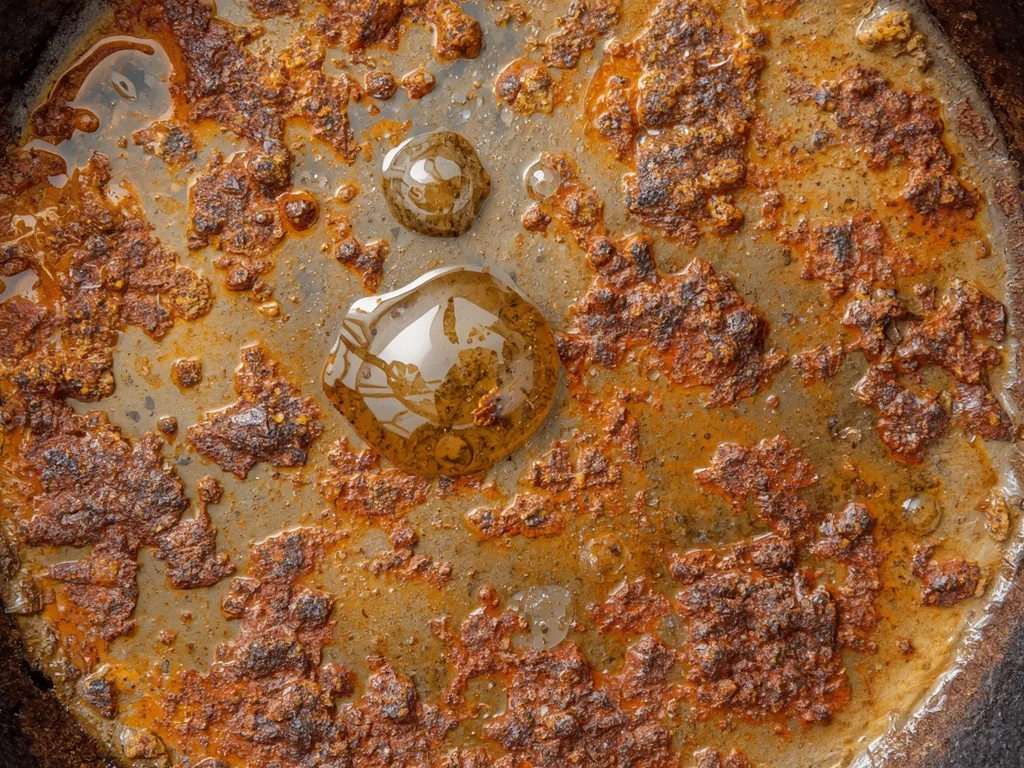
This is the go-to method for most people. If your pan has a thin layer of orange rust, a vinegar soak will dissolve it fast.

Image source: Bing (Web (fair-use with source credit))
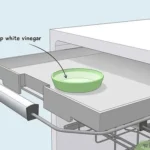
Mix one part white vinegar with one part water. Make sure the pan is fully submerged. Check it every 20 to 30 minutes.
Do not leave it longer than two hours. Vinegar is acidic and can etch the iron if left too long.
After the soak, scrub the pan with steel wool or a chainmail scrubber. Rinse thoroughly. You should see bare gray metal.
If rust remains, repeat the soak for another 30 minutes.
Moderate Rust: Scrubbing and Chemical Rust Removers
If the rust is thicker or has started to flake, a vinegar soak alone may not cut it. You might need a chemical rust remover like Evapo-Rust or a gel remover like Naval Jelly.
Apply the remover according to the package directions. Most require a 30 to 60 minute dwell time. Then scrub with a stiff brush or steel wool.
These removers are not food-safe. Rinse the pan very well after use.
For bare cast iron, you can also use a wire brush or sandpaper. Use 80 to 120 grit for heavy rust. Be careful not to gouge the metal.
Light, even pressure works best.
Deep Rust or Heirloom Piece: Electrolysis Setup
If you have deep pitting or an old Griswold pan, electrolysis is the best option. It removes rust completely without harming the original surface. It's also the safest method for delicate vintage pieces.
You need a plastic bucket, a battery charger, a sacrificial anode (steel plate or rebar), and a solution of washing soda and water. Submerge the pan, hook up the charger, and let it run for 12 to 24 hours. The rust will fall off.
Electrolysis creates hydrogen gas. Always do this outside or in a well-ventilated area. Never use it in a confined space.
Safety first.
Step 3: Remove the Rust — Exact Steps for Each Method
Here are the detailed steps for each branch.
For the vinegar soak:
- Submerge the pan in a 1:1 vinegar-water mix.
- Check every 20 minutes.
- Scrub with steel wool.
- Rinse with water.
- Dry immediately.
For chemical removers:
- Wear gloves and work in a ventilated area.
- Apply the gel or liquid as directed.
- Let it sit for the recommended time.
- Scrub with a brush.
- Rinse with water.
- Neutralize with a baking soda slurry if the product requires it.
- Dry thoroughly.
For electrolysis:
- Set up the bucket in a well-ventilated outdoor area.
- Attach the anode to the positive lead of the charger.
- Attach the pan to the negative lead.
- Submerge both in the washing soda solution.
- Make sure they don't touch each other.
- Plug in the charger.
- Wait 12 to 24 hours.
- Remove the pan.
- Rinse off the loose rust.
- Dry immediately.
No matter which method you use, the goal is clean, bare iron. The pan should look dull gray, not shiny. Shiny means you've polished it too much, which can make seasoning harder.
Step 4: Stop Flash Rust and Re-Season Your Cast Iron
This is the step most people mess up. Once you've cleaned the rust off, the bare iron is extremely reactive. It can form flash rust within one to two minutes.
Flash rust looks like a fine orange haze. It ruins all your work.
To stop flash rust, dry the pan immediately with a clean towel. Then heat it on the stove over low heat for a couple of minutes to drive off all moisture. As soon as it's warm, apply a very thin layer of cooking oil.
Use a paper towel to rub it all over. Wipe off as much as possible. The pan should look almost dry.
Now you need to re-season. Preheat your oven to 400 to 450°F. Place the oiled pan upside down on the middle rack.
Put a baking sheet on the lower rack to catch drips. Bake for one hour. Turn off the oven and let the pan cool inside.
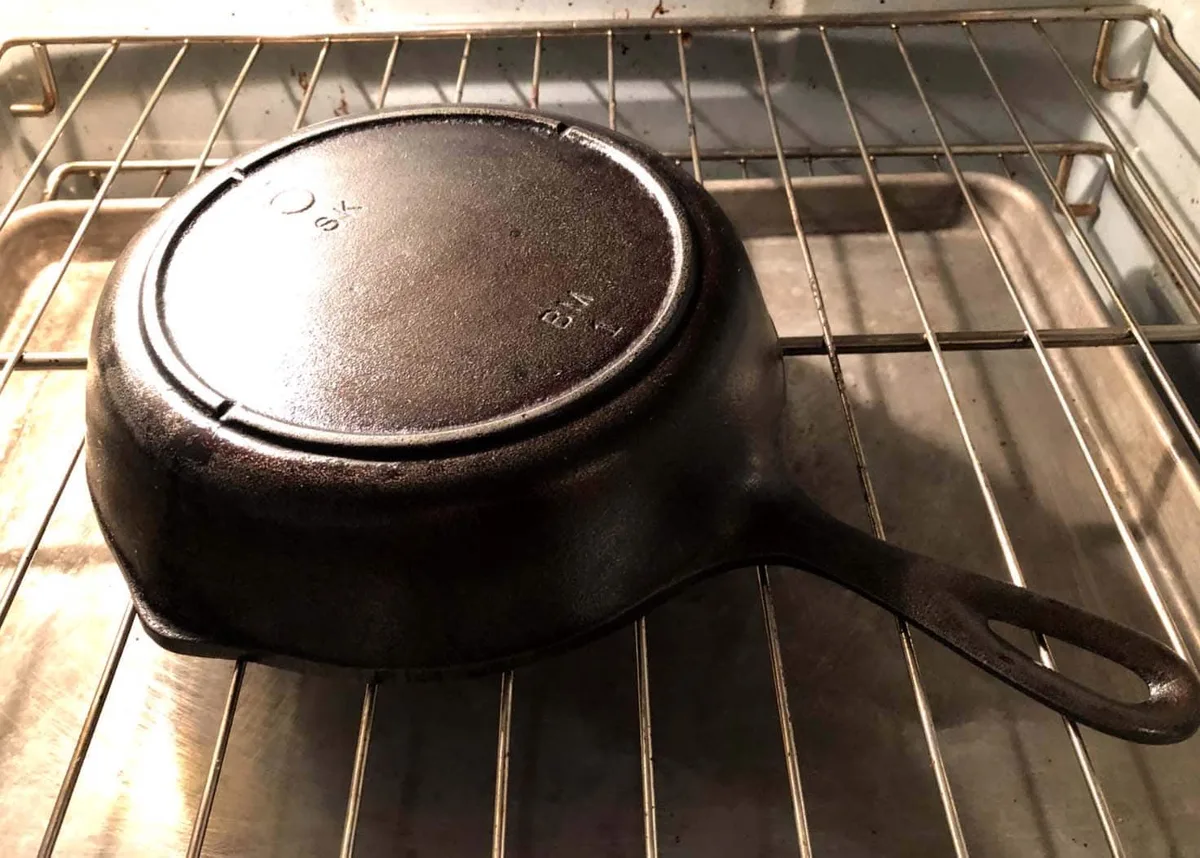
Image source: Bing (Web (fair-use with source credit))
Repeat this process two to three times for a strong seasoning base. Use a high-smoke-point oil like grapeseed, canola, or flaxseed oil. Per manufacturer recommendations, Lodge Cast Iron suggests canola oil for its balance of cost and performance.
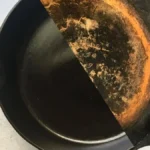
After the last coat, your pan is ready to use. It will have a dark, slightly glossy surface. That's the new seasoning.
It will improve with every meal you cook.
Common Mistakes That Destroy Cast Iron During Rust Removal
Let's talk about what can go wrong. The biggest mistake is leaving vinegar on too long. Our research shows that soaks exceeding two hours can etch the iron surface.
That creates tiny pits that hold food and make seasoning nearly impossible.
Another common error is using a wire brush on an enameled pan. The enamel will chip. Once it chips, moisture gets underneath and causes bigger rust problems.
You can't fix chipped enamel. The pan is essentially ruined for cooking.
Skipping the flash rust prevention step is also a big one. You clean off the rust, walk away for five minutes, and come back to a hazy orange pan. That's flash rust.
Dry and oil immediately. No delays.
Some people try to sand down deep rust with an angle grinder. That's too aggressive. You'll remove too much metal and create uneven spots.
Use hand sandpaper or electrolysis instead.
Finally, don't use soap during the initial rust removal phase. Soap can leave a residue that interferes with the acid or chemical remover. Rinse with plain water only.
Save the soap for after re-seasoning.
If you're using chemical rust removers, always wear gloves and work in a ventilated area. Some products contain phosphoric acid. It can irritate skin and eyes.
When to Replace Instead of Restore — The Honest Call
Not every rusty pan is worth saving. You need to know when to let go. If the pan has deep rust pits that go all the way through the metal, replace it.
Those pits are structural weaknesses. The pan could crack during cooking.
Cracked cast iron is another clear no. A crack can't be repaired. Heat cycles will make it worse.
Don't waste hours of work on a cracked pan.
Warped pans are tricky. A warped base won't sit flat on the burner. Heat distribution will be poor.
For modern Lodge pans that cost under $30, replacement is cheaper than electrolysis equipment.
Enameled cast iron with chipped enamel is a health risk. The chips can contain glass-like particles. You don't want those in your food.
Replace the piece.
If the pan was used for melting metal or old fishing weights, it might have lead contamination. You can test with a lead testing kit from a hardware store. If it tests positive, discard it.
No amount of rust removal makes lead-safe cookware.
Restoration takes time and effort. It's worth it for heirloom pieces or quality vintage brands like Griswold or Wagner. For a $20 modern skillet, buy a new one.
Frequently Asked Questions About Removing Rust From Cast Iron
Can I use baking soda to remove rust from cast iron?
Yes, but only for light surface rust on enameled pans. Make a paste with water. Scrub gently with a soft sponge.
For bare cast iron, vinegar or a chemical remover works better.
How long can I leave cast iron in vinegar?
No longer than two hours. Check every 20 minutes. Vinegar is acidic and will etch the iron if left too long.
Rinse immediately after removing the pan.
Is rusted cast iron safe to cook with?
Light rust is not toxic. But it tastes metallic and can flake into food. Remove all rust before cooking.
Rust also prevents seasoning from bonding properly.
Do I need to remove all the seasoning before removing rust?
Yes for heavy rust. The seasoning layer can trap moisture and hide rust underneath. For light surface rust, you can spot-clean with a stiff brush.
Can I use a dishwasher to clean rusted cast iron?
No. Dishwasher detergents are too harsh. The high heat and moisture promote more rust.
Always hand wash cast iron with mild soap and dry immediately.
How do I store cast iron to prevent rust?
Store it in a dry place. Apply a thin coat of oil before storing. Use a paper towel or cloth between stacked pans.
Avoid humid basements or garages.

Similar Posts