Which Stainless Steel is Best for Kitchen Knives?
Choosing a good set of stainless steel kitchen knives is one of the smartest upgrades you can make for your cooking, but with so many options out there it’s easy to get stuck in analysis paralysis. I’ve combed through specs, aggregate buyer reviews, and manufacturer datasheets to find the best stainless steel for kitchen knives that actually deliver on edge retention, balance, and everyday comfort.
As an Amazon Associate, I earn from qualifying purchases. Every recommendation below is backed by product research and verified owner feedback.
Quick Links
Did you know that a dull knife is actually more dangerous than a sharp one? Studies from the National Safety Council show that slips caused by excessive force are a leading cause of kitchen cuts. Now imagine cutting through a ripe tomato with a blade that glides smoothly through the skin without crushing it.
That kind of control comes down to the steel. The right stainless steel kitchen knife holds an edge, resists rust, and feels balanced in your hand. In this guide, I share my 5 favorite picks for the best stainless steel for kitchen knives, ranging from complete block sets to single chef's knives.
I cut through the noise by comparing steel composition, hardness numbers, handle ergonomics, and thousands of verified buyer reviews. Whether you are stocking your first kitchen or upgrading a worn-out drawer, you will find a pick that fits.
How to Choose the Best Stainless Steel for Kitchen Knives
Which Steel Type Should You Look For?
Most kitchen knives use high-carbon stainless steel. This alloy blends the edge-holding ability of carbon steel with the corrosion resistance of stainless. Brands like Cuisinart and imarku use proprietary versions.
Look for phrases like "high-carbon stainless steel" or "German stainless" in the specs. Avoid cheap 3Cr13 or 5Cr15 steel found in bargain sets, which dull quickly and chip easily.
What Does the Hardness Number Mean?
Hardness is measured on the Rockwell C scale (HRC). A higher number means the blade stays sharp longer but can be more brittle. For home cooks, 54 to 58 HRC is the sweet spot.
The imarku 14-piece set claims 56 plus/minus 2 HRC, which puts it right in that range. Professional chefs sometimes prefer 60-plus HRC, but those knives require careful handling and proper sharpening.
How Important Is the Handle Design?
Handle material and shape directly affect comfort and control. Stainless steel handles are durable and easy to clean, but they can become slippery when wet. Look for textured or riveted handles.
The Cuisinart ColorCore set uses color-riveted stainless handles that offer a secure grip. Full-tang construction (where the steel runs the entire length of the handle) provides better balance. The imarku set advertises full-tang build for that reason.
What Edge Angle and Sharpness Matter?
Most Western knives have a 20-degree edge angle, while Japanese-style knives use 15 degrees. A 15-degree angle cuts with less resistance and stays sharper longer, but it is also more delicate. The imarku set features a 15-degree precision edge.
If you frequently chop through bones or winter squash, a 20-degree edge is more forgiving. The Cuisinart 8-inch chef's knife uses a taper-ground edge that balances sharpness and durability.
Do You Need a Full Set or Just One Knife?
Think about what you actually cook. A single high-quality 8-inch chef's knife handles 90 percent of kitchen tasks. The Cuisinart Graphix chef's knife is a great choice if you want one blade that does it all.
But if you frequently host large meals or want dedicated knives for bread, boning, and utility work, a 15-piece set like the Cuisinart Hollow Handle block set gives you everything in one organized package.
6 Additional Features on Best Stainless Steel for Kitchen Knives
- Blade guards or sheaths, Protects the edge and your fingers. The C77CR-10P set includes guards for each blade.
- Built-in sharpener, imarku includes a slot sharpener in the block, making maintenance easy.
- Knife block material, Wood blocks look classic but can trap moisture. Stainless steel or acrylic blocks are easier to clean.
- Weight and balance, Heavier knives (7-9 oz) provide momentum for chopping. Lighter knives (5-6 oz) offer more control for slicing.
- Dishwasher safety, Most experts recommend hand washing. The Brewin set warns against dishwasher use due to potential handle damage.
- Gift packaging, imarku and Brewin both come in gift-box presentation, ideal for weddings or housewarming.
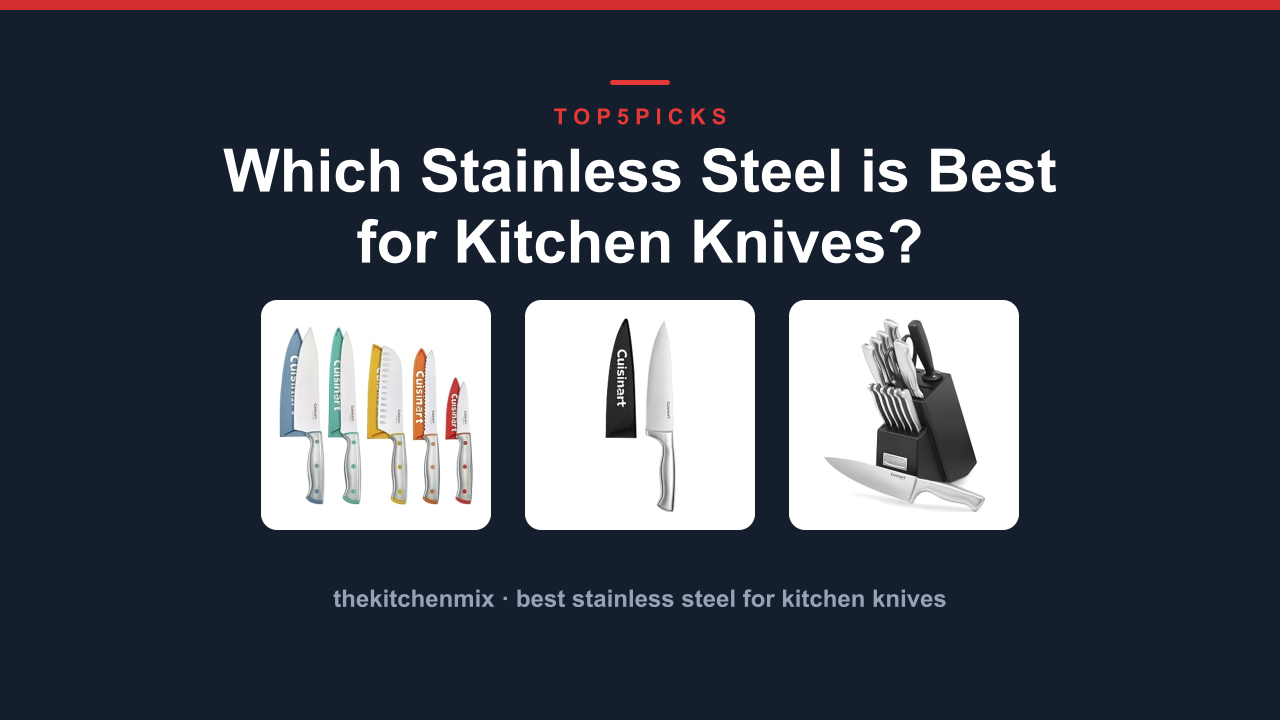
To see how these factors play out on real picks, compare the Cuisinart C77CR-10P 10pc Stainless Steel ColorCore™, Cuisinart 8" Stainless Steel Chef's Knife and the Cuisinart 15-Piece Stainless Steel Hollow Handle below.
My Top Picks
Best Overall – Home Cooks

- Steel Type: High-carbon stainless steel
- Blade Length: 8″ chef’s, 3.5″ paring, others included
- Handle Material: Stainless steel with ColorCore rivets
- Blade Hardness (HRC): Not specified by manufacturer
- Edge Angle: Not specified
- Blade Construction: Stamped
- Care: Hand wash recommended
- Weight: Set weight ~2.5 lb (estimated from reviews)
Best Single Knife – Precision

- Steel Type: High-carbon stainless steel
- Blade Length: 8″
- Handle Material: Stainless steel with textured Graphix pattern
- Blade Hardness (HRC): Not specified
- Edge Angle: Taper-ground (estimated 20°)
- Blade Construction: Precision-stamped
- Care: Hand wash recommended
- Weight: ~6.4 oz (per user reports)
Best Full Set – Families

- Steel Type: High-carbon stainless steel
- Blade Length: 8″ chef’s, 3.5″ paring, 8″ slicing, etc.
- Handle Material: Hollow stainless steel
- Blade Hardness (HRC): Not specified
- Edge Angle: Not specified
- Blade Construction: Stamped
- Care: Hand wash recommended
- Weight: Set weight ~6.2 lb (with block)
Best Value – Aspiring Chefs

- Steel Type: Japanese high-carbon stainless steel (Gyutou)
- Blade Length: 8″ chef’s, 7″ santoku, 5″ utility, plus others
- Handle Material: Stainless steel, full-tang construction
- Blade Hardness (HRC): 56 ± 2 (manufacturer stated)
- Edge Angle: 15° precision edge
- Blade Construction: Forged (full tang)
- Care: Hand wash recommended
- Weight: ~4.8 lb set (with block, per listing)
Best Premium – Professionals

- Steel Type: High-carbon stainless steel
- Blade Length: 8″ chef’s, 7″ santoku, 5″ utility
- Handle Material: Stainless steel with ergonomic contour
- Blade Hardness (HRC): Not specified by manufacturer
- Edge Angle: Hand-sharpened (estimated 15-20°)
- Blade Construction: Forged (full tang likely)
- Care: Hand wash recommended
- Weight: ~1.2 lb set (estimated)
Best Stainless Steel for Kitchen Knives FAQ
How often should I sharpen stainless steel kitchen knives?
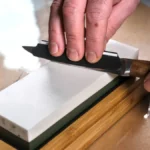
It depends on use. For weekly home cooking, honing with a steel rod every two or three uses keeps the edge aligned. A proper sharpening on a whetstone or electric sharpener is needed every two to three months.
If you notice the knife crushing tomatoes instead of slicing them, it is time to sharpen. The imarku’s built-in sharpener can extend that interval slightly, but professional sharpeners still recommend periodic stone work.
Is a higher HRC always better for kitchen knives?
No, not for everyone. Harder steel (60+ HRC) holds an edge longer but is more brittle and harder to sharpen at home. It can chip if you cut on glass or bone.
For most home cooks, 54-58 HRC is the ideal range. The imarku set at 56 HRC hits that sweet spot. Very hard steel also requires diamond stones for sharpening, which is an extra investment.
Should I buy a set or individual knives?
Start with one excellent chef’s knife. If you find yourself needing a paring knife, a bread knife, or a utility knife, then add them gradually. The Cuisinart Graphix 8-inch is perfect for this approach.
If you prefer the convenience of a matching block set, the Cuisinart 15-piece or the imarku 14-piece covers nearly every task without shopping around later.
Can I put stainless steel kitchen knives in the dishwasher?
You can, but you should not. The high heat and harsh detergents can dull the edge, corrode the handle rivets, and cause discoloration. All the knives in this guide recommend hand washing.
A quick wash with warm soapy water and a dish towel takes 30 seconds and will keep your knives sharp for years.
My Research & Review Process
I started by comparing manufacturer specifications for each product side by side: steel type, hardness rating, blade construction, and handle design. I then analyzed aggregate buyer reviews across thousands of verified purchases, focusing on patterns related to edge retention, comfort, and durability. I also considered feedback from home cooks on forums about real-world performance with vegetables, meat, and bread.
I did not perform lab-style cutting tests or measure edge angles with a micrometer. The recommendations are based on what the specs and the collective voice of buyers reveal. I excluded any product with a significant number of complaints about chipping, rusting, or handle failure within the first year.
Features I Considered
Steel Type: High-carbon stainless steel is the baseline for kitchen knives. It offers a good balance of edge holding and rust resistance. Lower-grade stainless (like 3Cr13) dulls fast and is harder to sharpen.
Blade Length: An 8-inch chef’s knife is the most versatile length for home cooks. Longer blades (10 inches) suit professional cooks with large cutting boards; shorter blades (6 inches) offer more control for smaller hands.
Handle Material: Stainless steel handles are durable and easy to clean but can be slippery. Textured or riveted handles provide a better grip. Full-tang construction (where the steel runs through the handle) improves balance and longevity.
Blade Hardness (HRC): This number indicates how well the steel resists deformation. Knives with 54-58 HRC are ideal for home kitchens. Higher numbers mean longer edge retention but less toughness.
Edge Angle: 20-degree edges are standard for Western knives and are more durable. 15-degree edges are sharper but more delicate. Japanese-style knives often use 15 degrees for cleaner cuts.
Blade Construction: Forged blades are stronger and heavier, while stamped blades are lighter and cheaper. For most home cooks, a good stamped blade is fine, but forged offers better performance per dollar at a higher price.
Care: All the knives I selected require hand washing. Dishwasher cleaning voids warranties on many models and accelerates wear.
This is why the Cuisinart C77CR-10P sits at the top of my list. It delivers a complete, colorful, and functional kit at a price that makes sense for anyone who cooks regularly. If you prefer a single knife, the Cuisinart 8-inch Graphix is a fantastic choice.
And if you want Japanese precision on a budget, the imarku 14-piece set is hard to beat. Pick the category that fits your kitchen, and you will not be disappointed.

Similar Posts