Delicious Indian Cabbage Recipes You Need to Try
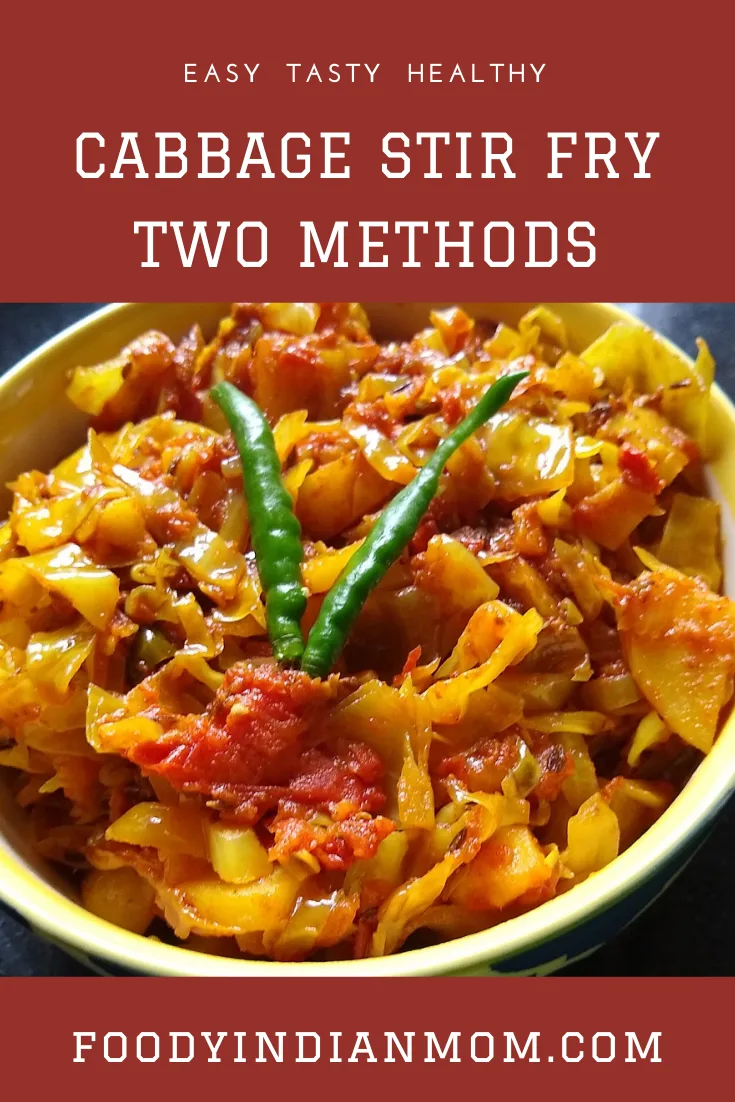
If your cabbage curry turns out watery or bland, you're not alone. Most Indian cabbage recipes share a simple structure, but that simplicity is exactly what trips people up. The difference between a memorable sabzi and a sad, soggy one comes down to a few key choices you make before the pan even gets hot.
Cabbage is roughly 92 percent water by weight, according to USDA data. That means cooking it is really a battle against moisture. Get the technique right, and the vegetable soaks up spices beautifully.
Get it wrong, and you're left with a grey puddle. Let's walk through the decision process so you land on the right recipe every time.
Image source: Bing (Web (fair-use with source credit))
Quick Answer
Indian cabbage recipes fall into three camps: dry sabzi, gravy curry, and fritters. Dry sabzi cooks fast over high heat. Gravy curry simmers low and slow.
Fritters use shredded cabbage mixed into a spiced batter. Your choice depends on time and what you're serving alongside.
The Real Problem: Why Cabbage Goes Watery and Bland
Cabbage releases water as it cooks, and that water dilutes your spices. You might follow a recipe perfectly, only to end up with a dish that tastes like soggy, mildly seasoned leaves.
The core issue is how heat interacts with the vegetable's cell structure. When you add cabbage to a hot pan, the heat breaks down cell walls. Water floods out.
If you don't manage that liquid, it pools around the cabbage and steams rather than sautés it. Steamed cabbage has a flat, slightly sulfurous smell and a limp texture. Nobody wants that.
The second problem is timing of spices. If you add ground spices too early, before the cabbage has released or after it's already swimming, they either burn or wash out. Turmeric needs a little fat to unlock its flavor.
Coriander and cumin need direct contact with hot oil. If they hit a pool of water instead, they never develop that warm, toasty character you expect from a good sabzi.
There's also a salt issue. Salt draws moisture out of vegetables. Add salt right at the start, and the cabbage sweats aggressively.
That can be useful if you plan to drain it. But if you don't account for it, you end up with extra liquid you didn't plan for. A common fix: salt the shredded cabbage in a bowl first, let it sit ten minutes, then squeeze out the water before cooking.
It sounds like an extra step, but it solves most of the watery problems in one go.
Pick Your Path: Dry Sabzi, Gravy Curry, or Fritters
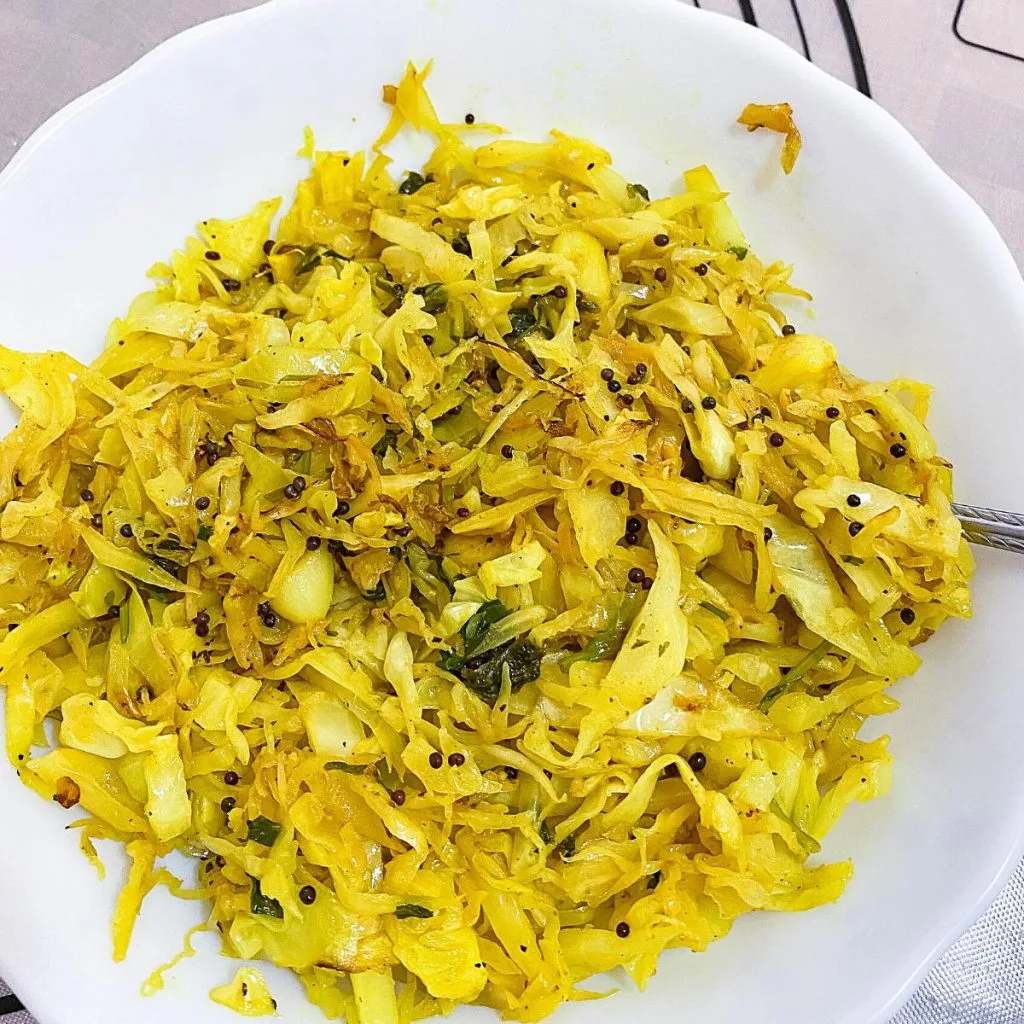
Image source: Bing (Web (fair-use with source credit))
The right recipe depends on three things: how much time you have, what you're pairing it with, and whether you want a side dish or a main. Let's break down each path.
| Path | Cook Time | Skill Level | Moisture Level | Best Served With |
|---|---|---|---|---|
| Dry Sabzi | 15-20 min | Beginner | Nearly dry | Roti, paratha, dal-rice |
| Gravy Curry | 25-35 min | Intermediate | Moderately saucy | Steamed rice |
| Fritters (Pakora) | 20-25 min | Beginner | Crispy after frying | Chutney, tea |
Choose the dry sabzi path if:
You're short on time. You want a side dish that stays firm in a lunchbox. You're pairing it with a dal or a yogurt dish that provides moisture.
A dry sabzi is the most forgiving entry point. It requires minimal ingredients and one pan. You shred the cabbage fine, heat oil, add cumin or mustard seeds, toss in the cabbage, salt it lightly, and cook uncovered on medium-high heat.
The high heat evaporates water as it releases. You stir occasionally until the pan looks dry and the cabbage edges have browned in spots.
Choose the gravy curry path if:
You want a saucy dish to eat with rice. You have a bit more time. You're okay with a one-pot meal that only gets better the next day.
Gravy curries start with a base of onion, tomato, ginger, and garlic cooked down into a thick paste. Cabbage goes in after that base is ready. Then you add a small amount of water, cover, and let it simmer until tender.
The cabbage contributes its own liquid, so you don't need much added water. The result is a soft, comforting curry with the cabbage almost melting into the sauce.
Choose the fritter path if:
You want something crunchy. You have leftover cabbage that needs using up. You're feeding a crowd or making a snack for chai time.
Cabbage pakora is shredded cabbage mixed with chickpea flour, spices, and a little water to form a thick batter. Drop spoonfuls into hot oil. They fry up crispy on the outside and soft inside.
The cabbage stays moist but contained, so the water problem doesn't apply the same way.
Step-by-Step: Two Foolproof Indian Cabbage Recipes
These two recipes cover the most common scenarios. Both use basic pantry spices. Neither requires exotic ingredients.
Quick Dry Sabzi (North Indian Style)
This is the recipe I'd teach anyone who wants to learn to cook Indian vegetables well. It's hard to mess up once you understand the water management.
What you need:
- 1 small head of cabbage (about 500g), finely shredded
- 2 tablespoons oil or ghee
- 1 teaspoon cumin seeds
- 1 green chili, slit lengthwise
- 1/2 teaspoon turmeric
- 1 teaspoon coriander powder
- Salt to taste
- 1 tablespoon fresh lemon juice
- 2 tablespoons chopped fresh coriander
The process:
Shred the cabbage as thinly as you can. A mandoline helps, but a sharp knife works fine. The thinness matters: thicker shreds take longer to cook and release more water.
Heat oil in a large kadhai or wide pan over medium-high heat. When the oil shimmers, add cumin seeds. They should sizzle and darken within a few seconds.
Add the green chili, then immediately add the shredded cabbage. Stir to coat the cabbage in oil. Add turmeric, coriander powder, and salt. Stir again.
Crucial step: Do not cover the pan. Cook uncovered on medium-high heat. Stir every 30 to 60 seconds. The cabbage will release water. High heat will evaporate it.
After about 8 to 10 minutes, the pan will look nearly dry. The cabbage should be tender but not mushy, with some browned bits from contact with the pan.
Off heat. Squeeze lemon juice over it. Toss in fresh coriander. Serve immediately.
The total active time is about 15 minutes. This recipe scales up easily for a bigger batch.
Comforting Gravy Curry (Bengal or Punjab Style)
This curry is heartier and works beautifully with steamed rice or a thicker flatbread like paratha.
What you need:
- 1 small head cabbage (about 500g), chopped into 1-inch pieces
- 2 tablespoons mustard oil or any neutral oil
- 1 teaspoon panch phoron (Bengal style) or 1 teaspoon cumin seeds (Punjab style)
- 1 large onion, finely chopped
- 2 garlic cloves, minced
- 1-inch ginger, grated
- 2 medium tomatoes, pureed
- 1/2 teaspoon turmeric
- 1 teaspoon red chili powder
- 1 teaspoon garam masala
- Salt to taste
- 1/2 cup water
- Fresh coriander for garnish
The process:
Heat oil in a deep pan. If using mustard oil, heat until it just starts to smoke, then let it cool slightly before adding spices. This removes the pungent edge.
Add panch phoron or cumin seeds. Let them crackle for a few seconds.
Add onion and sauté until golden brown, about 5 to 7 minutes. Add garlic and ginger. Cook for another minute.
Add tomato puree. Stir and cook until the mixture thickens and oil starts to separate at the edges. This takes about 5 minutes. Be patient. This base defines the final flavor.
Add turmeric, red chili powder, and salt. Stir.
Add the chopped cabbage. Stir to coat with the spice mixture. Add the water. Cover and simmer on low heat for 15 to 20 minutes, stirring once halfway through.
Uncover. Check if the cabbage is tender. If there's excess liquid, simmer uncovered for a few more minutes until it thickens.
Stir in garam masala. Garnish with fresh coriander. Serve hot.
The gravy version takes longer but rewards you with a deeper, more complex flavor. It also freezes well for up to a month.
Common Mistakes and How to Fix Them
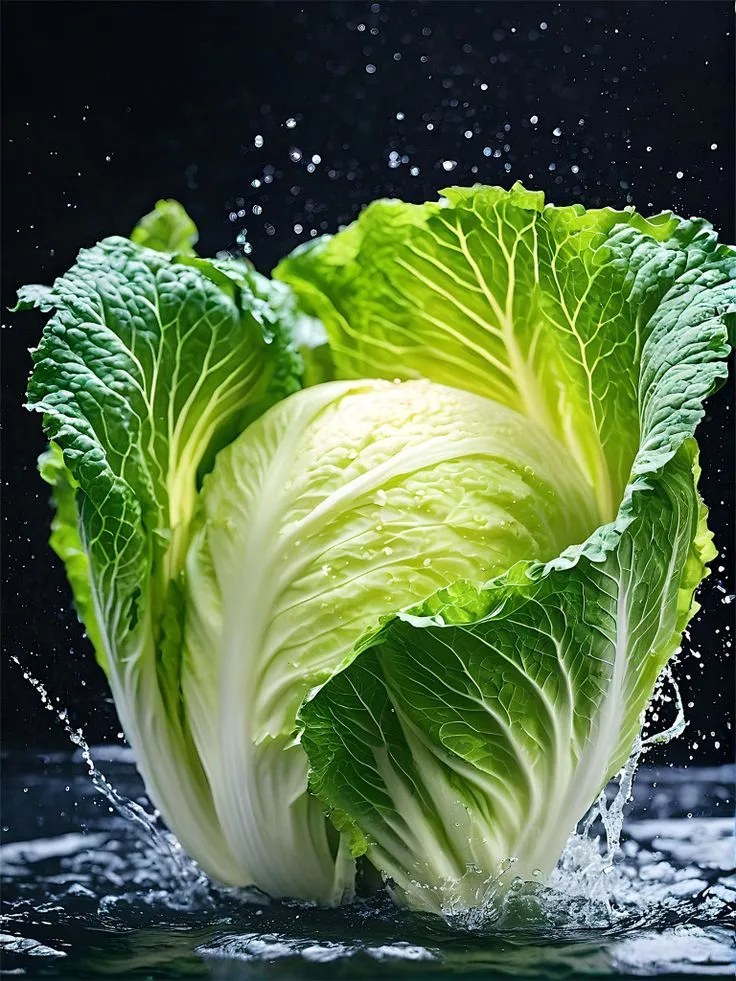
Image source: Bing (Web (fair-use with source credit))
Even experienced home cooks run into these issues. Here's what typically goes wrong and how to adjust mid-cook.
| Mistake | What Happens | The Fix |
|---|---|---|
| Covered the pan too early | Cabbage steams in its own water, turning mushy | Cook uncovered until liquid evaporates, then cover if needed |
| Added salt at the start | Cabbage sweats excessively, creating a pool of water | Squeeze out water before cooking, or salt halfway through |
| Low heat throughout | Cabbage releases water slowly and stews instead of browning | Cook on medium-high heat for dry sabzi |
| Too much water added for gravy curry | Thin, watery sauce with floating cabbage | Simmer uncovered for 5 extra minutes to reduce |
| Burned the tadka | Bitter, acrid taste ruins the whole dish | Let pan cool, start fresh with new oil and spices |
Why covering too early is the most common mistake
You put the cabbage in the pan. You add spices. You cover it, thinking you're helping it cook faster.
But that lid traps steam. The cabbage sits in hot water vapor instead of hot oil. The texture goes soft and the flavor goes flat.
For dry sabzi, no lid until the end. For gravy curry, the lid goes on only after you've built the base and added water. The difference matters.
What to do if you already made it watery
Don't throw it out. You can rescue it. Turn the heat to high and remove the lid.
Let the liquid boil off while stirring frequently. The cabbage will firm up slightly as the water evaporates. If it looks too dry after that, add a splash of oil or a pat of butter to bring back some richness.
Another rescue trick: stir in a tablespoon of chickpea flour or rice flour. It absorbs excess moisture and adds a subtle nutty flavor. Sprinkle it in, stir, and cook for another two minutes.
This works especially well for gravy curries that ended up too thin.
The not-enough-spice problem
If your final dish tastes bland despite following the measurements, the spices probably didn't bloom properly. Next time, fry the ground spices in oil for 30 seconds before adding any water or cabbage. That brief contact with hot fat unlocks their volatile oils.
For a quick fix on an already-cooked dish, make a small tadka in a separate pan, heat a tablespoon of oil, add a pinch of cumin seeds and red chili powder, and pour it over the finished sabzi. Stir and let it sit for a few minutes. It won't be as deep as a properly bloomed spice base, but it rescues the dish.
Quick Regional Styles at a Glance
Different regions of India handle cabbage differently. The core technique stays similar, but the spice blends shift.
| Style | Key Spice Blend | Distinctive Ingredient | Best For |
|---|---|---|---|
| North Indian | Cumin, turmeric, garam masala | Ghee, sometimes potato | Pairing with roti or paratha |
| South Indian | Mustard seeds, curry leaves, coconut | Fresh grated coconut, urad dal | Mild, slightly sweet side dish |
| Bengali / East Indian | Panch phoron, mustard oil | Potatoes, green chilies | Bold, pungent flavor |
| Gujarati | Mustard seeds, turmeric, sugar | Peanuts, lemon juice | Sweet-sour balance with crunch |
What the South Indian version (poriyal / thoran) does differently
South Indian cabbage poriyal starts with a tadka of mustard seeds, urad dal, and curry leaves. The cabbage goes in next. Then comes grated coconut at the very end.
The coconut absorbs any stray moisture and adds a gentle sweetness that balances the spices. This version is ideal for people who find North Indian sabzi too heavy or spicy.
The Bengali twist with panch phoron
Panch phoron is a five-spice blend: fenugreek, nigella, cumin, black mustard, and fennel seeds. It's used whole, not ground. The seeds pop in hot mustard oil and release a complex, slightly bitter aroma.
Cabbage cooked this way is distinctively pungent and pairs well with plain rice and dal. The bitterness cuts through rich lentil dishes.
The Gujarati sweet-sour version
In Gujarat, cabbage is often cooked with a pinch of sugar and a squeeze of lemon. Peanuts or crushed roasted peanuts add crunch. The result is a sabzi that's bright, slightly sweet, and tangy.
It's a great entry point for people who find traditional Indian cooking too spicy. The sugar balances the slight bitterness that cabbage can have when cooked.
FAQs: How to Choose the Right Cabbage Recipe for Tonight
If you're still deciding between these Indian cabbage recipes, these quick answers will settle it. The decision comes down to time, texture, and what's on the side. Find your situation below and go straight to that method.
Which Indian cabbage recipe is the fastest?
Dry sabzi is the fastest. Shredded cabbage cooks in about 15 minutes on high heat. No long simmering.
No complicated base. Just a hot pan, a quick tadka, and your spices. It's the right answer for a busy weeknight when you want something real on the table.
Can I skip coconut or coriander in these recipes?
Yes, both are optional. Swap grated coconut for crushed peanuts in a poriyal, or leave it out completely. Replace coriander powder with cumin powder, or just add a pinch more turmeric.
The core flavors come from the tadka, so your dish will still taste properly Indian.
Why does my cabbage curry taste bitter?
Overcooking is the usual cause. Cabbage turns grey and bitter when it cooks too long. Mustard oil and panch phoron can also turn bitter if you overheat them.
Keep the heat at medium for the tadka, and stop cooking as soon as the cabbage is tender.
Should I use green cabbage or white cabbage?
Green cabbage is the standard choice for Indian recipes. White cabbage works, but it's firmer and needs a few extra minutes. Napa cabbage also works, yet it cooks much faster and gets mushy quickly.
Stick with green cabbage unless you're ready to adjust your timing.
Can I make these recipes ahead of time?
Dry sabzi keeps well for 3 to 4 days in the fridge. The flavors actually deepen overnight. Gravy curry also reheats beautifully.
Only the fritters lose their crunch, so fry those fresh. Use an airtight container to keep the moisture from ruining the texture.

Similar Posts