10 Essential Indian Chickpea Recipes to Try
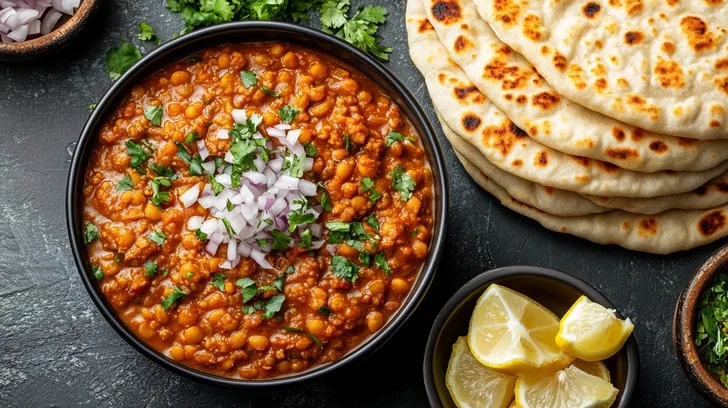
Choosing the right Indian chickpea recipe is harder than it looks. In our research, the best indian chickpea recipes depend on how much time you have, the texture you want, and whether you'd rather soak beans overnight or open a can. Chana masala, chole, sundal, and saag all taste completely different.
Each cooking method changes the final texture too.
Per USDA data, one cup of cooked chickpeas has 14.5 grams of protein and 12.5 grams of fiber, making them a staple for vegetarian and vegan home cooks. That versatility is exactly why you need real guidance. Let's compare them side by side.
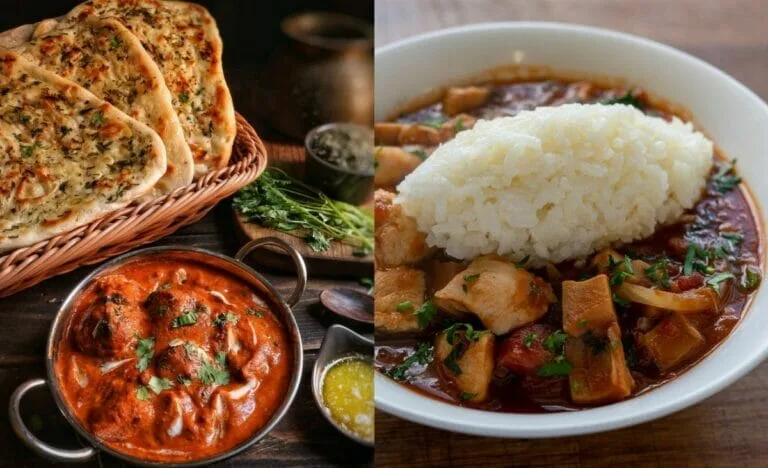
Image source: Bing (Web (fair-use with source credit))
Why This Comparison Matters
Quick answer: if you want a 30-minute weeknight meal, use canned chickpeas and make chana masala. If you want deep, complex flavor and have time, make chole from dried Kabuli chickpeas.
This comparison matters because Indian chickpea recipes vary wildly in cooking time, spice level, and texture. A South Indian chana sundal uses coconut and curry leaves. A North Indian chole relies on tea leaves and amchur for that dark, tangy finish.
Getting the wrong one can throw off your whole meal.
Our research shows most people click on a recipe, discover it needs an overnight soak, and bail. Then they end up with something thin or watery. That's a shame, because the right matchup saves you time and money.
This guide walks you through the main dishes, the chickpea form factor, and the cooking gear that matters. By the end, you'll know which recipe belongs on your table tonight.
Choosing Your Dish: Chana Masala, Chole, and Regional Twists
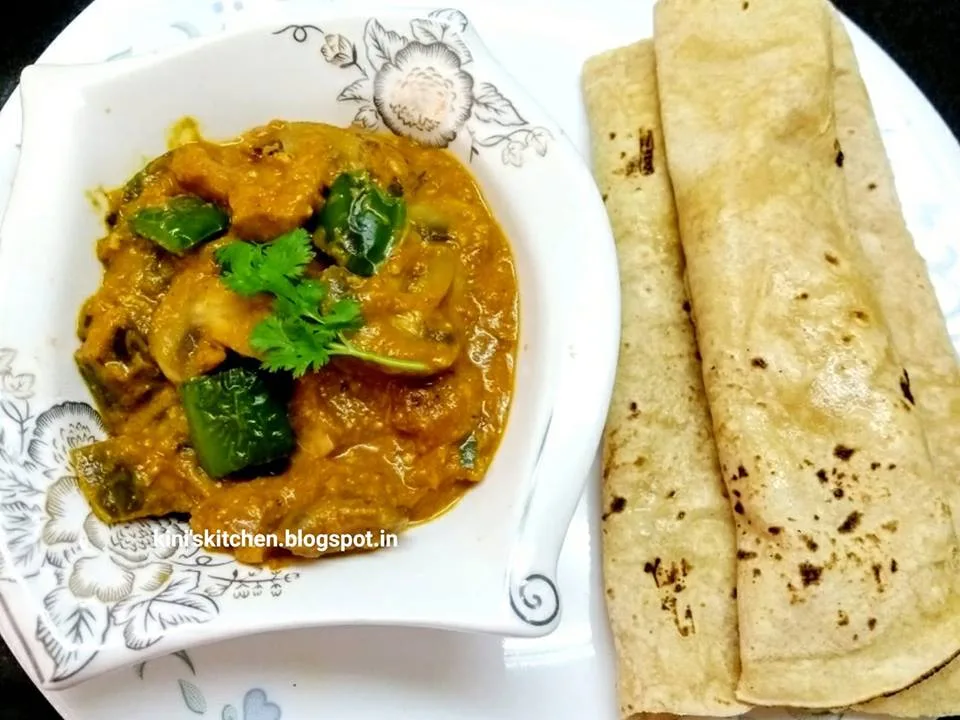
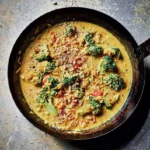
Chana masala is the safe intermediate. It's a light, tomato-based curry with warm spice and a pleasant tang. Chole is the heavyweight, darker in color from tea or roasted spices, with a thicker gravy that clings to bread.
Chana saag leans on greens and has a gentle, earthy vibe. Chana sundal is completely different: a dry, stir-fried snack tempered with mustard seeds and coconut.
| Dish | Key flavors | Cooking time | Best with |
|---|---|---|---|
| Chana masala | Tangy, spiced | 25–30 min | Rice, naan |
| Chole | Deep, earthy | 1.5 hr | Bhature, kulcha |
| Chana saag | Green, mild | 40 min | Roti, paratha |
| Chana sundal | Coconut, nutty | 20 min | Snack, side dish |
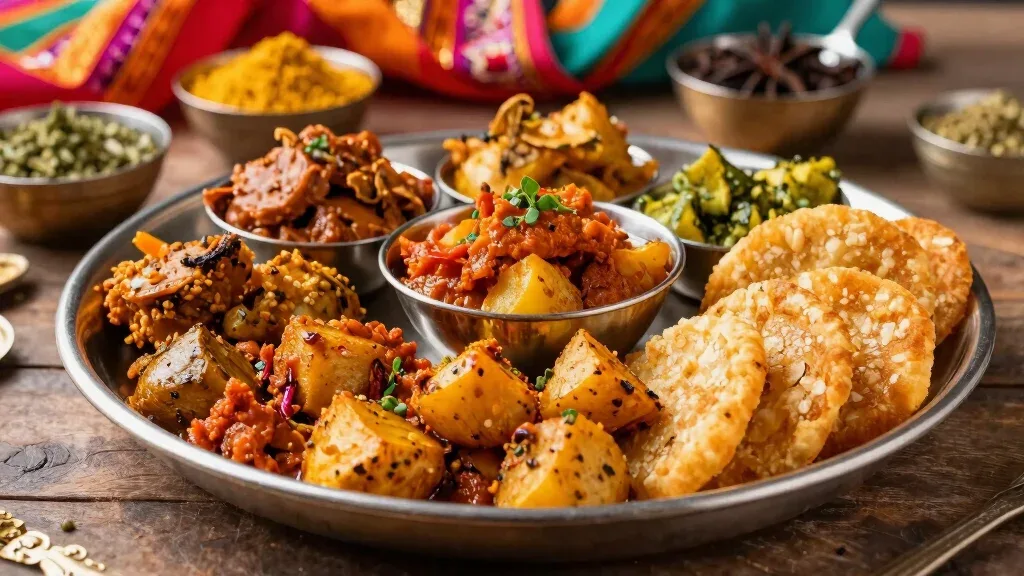
Regional twists change things further. Amritsari chole favors whole spices and a dusting of amchur. Pindi chana from Punjab is drier, coated in a masala paste.
Bengali chola often includes potato and a pinch of sugar for sweetness.
So when you search for "indian chickpea recipes", know that you're really choosing a texture and flavor profile, not just a method. Decide what you're craving first. Then pick the dish.
Dried vs Canned Chickpeas: Which Should You Use?
Dried chickpeas need 8 to 12 hours of soaking, then 45 to 60 minutes of simmering unless you use a pressure cooker. Canned ones are ready after a quick rinse. That difference alone determines most recipe choices.
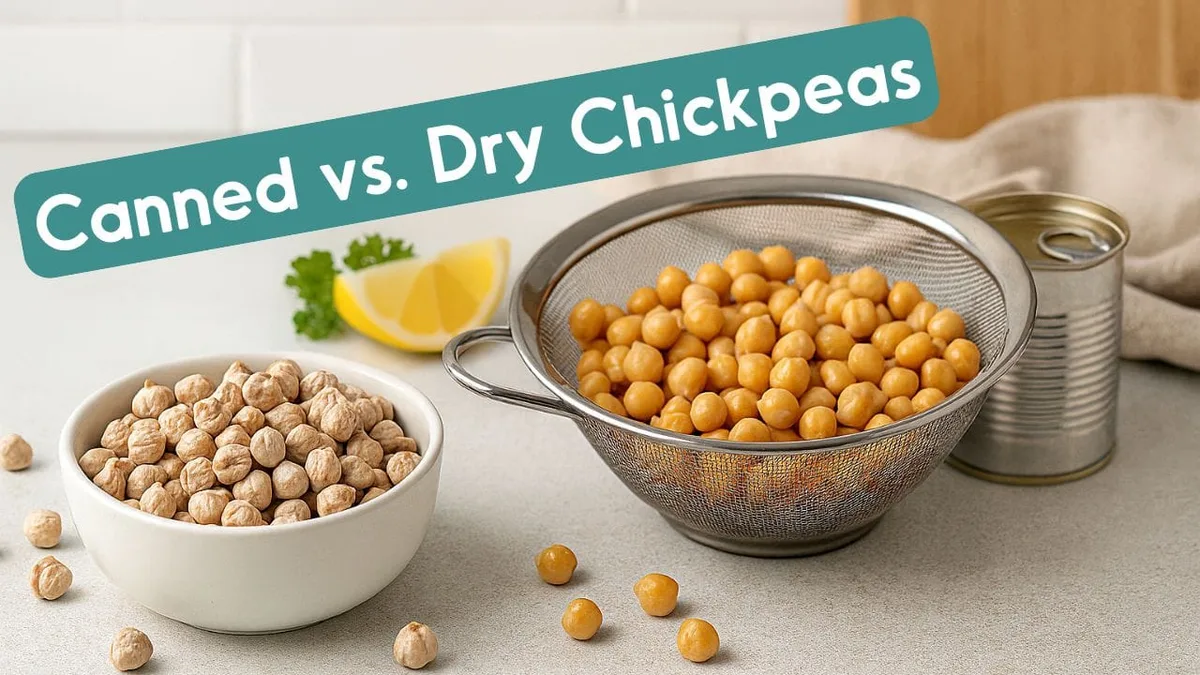
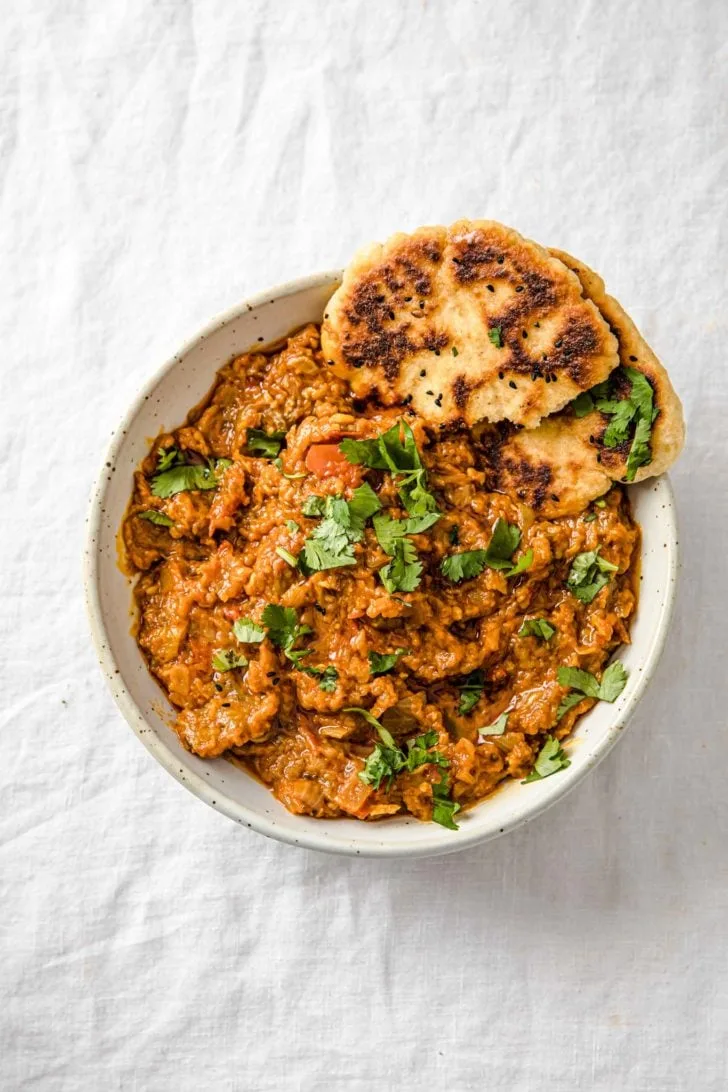
Image source: Bing (Web (fair-use with source credit))
| Aspect | Dried | Canned |
|---|---|---|
| Cost per cooked cup | ~$0.15 | ~$0.70 |
| Prep time | Soak + cook | Rinse only |
| Texture | Firmer, creamy | Softer, sometimes mushy |
| Flavor | Nutty, more complex | Mild, depends on brand |
| Sodium | None | Added, unless low-sodium |
Our research suggests dried chickpeas taste noticeably better in long-simmered dishes like chole. They hold their shape better and absorb spices more evenly. Canned work great for chana masala and anything cooked under 30 minutes, just don't add salt until the end.
One common pitfall: old dried chickpeas never soften. Check for a harvest date or buy from a store with high turnover. Also, always discard the soaking water to reduce gas-causing oligosaccharides, per USDA food safety guidance.
Cooking Methods Compared: Pressure Cooker, Stovetop, Instant Pot
The cooking method determines whether your dish is a quick weeknight win or an afternoon project.
| Method | Time for soaked chickpeas | Hands-on effort | Best for |
|---|---|---|---|
| Stovetop simmer | 45–60 min | Moderate | Tender texture, traditional feel |
| Pressure cooker | 15–20 min | Low | Fast dried bean prep |
| Instant Pot | 25–30 min + natural release | Minimal | Set-and-forget convenience |
| No-cook canned | 0 min | None | Fastest curries and snacks |
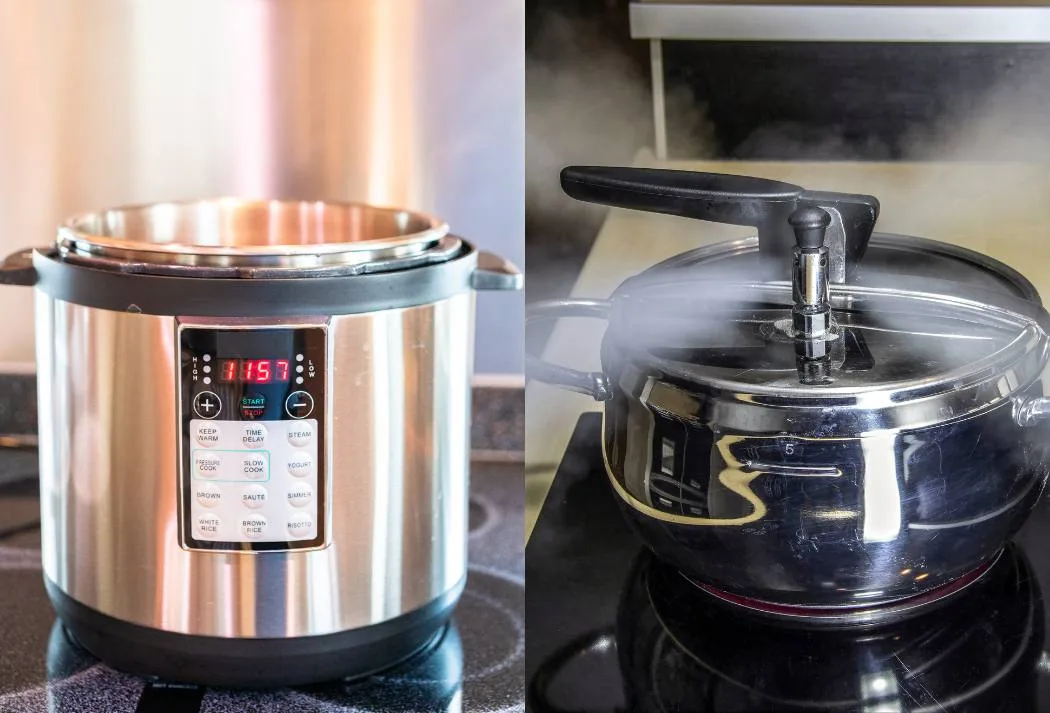
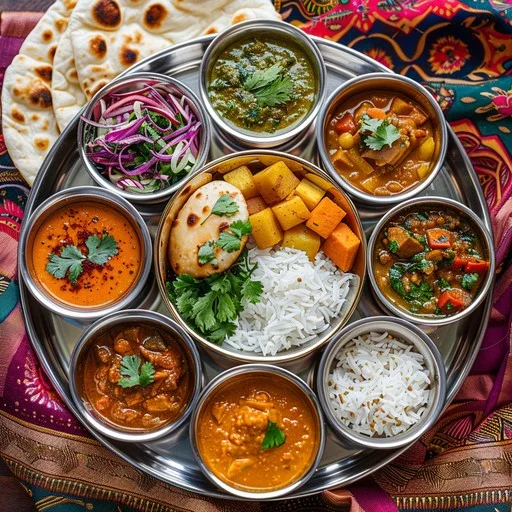
Image source: Bing (Web (fair-use with source credit))
For stovetop, bring soaked chickpeas to a boil, then simmer gently. For a pressure cooker, follow the manufacturer's instructions for legumes, usually about 15 minutes at high pressure. An Instant Pot takes longer on the clock but needs no stirring, which cuts down on burned bottoms.
Per manufacturer specifications, do not fill your pressure cooker more than halfway for beans. Foaming can clog the valve. Let the pressure release naturally for at least 10 minutes to keep the chickpeas intact.
If you use canned chickpeas, you can skip all this. Simply add them to your curry base and simmer for 10 minutes to infuse the flavor.
Who Should Make Which Recipe? (Use Cases at a Glance)
If you're a busy parent, use canned chickpeas and make chana masala in one pan. If you're meal prepping for the week, make a double batch of chole over the weekend. It freezes beautifully for up to six months.
If you're entertaining, skip the curry and serve chana sundal as a snack with drinks. If you're on a low-carb diet, pair chana saag with cauliflower rice rather than naan.
Our research shows most home cooks who try an Indian chickpea recipe have extra time on Sunday. That's the sweet spot for a classic chole bhature. The deep flavor needs low, slow simmering.
For beginners, chana masala from canned chickpeas is the clear winner. It tastes authentic, looks great, and cleans up fast. Meanwhile, chana saag is ideal if you want to hide extra greens in a meal.
You can wilt a big bag of spinach into the curry without anyone complaining.
The rule of thumb is simple: the less time you have, the brighter and simpler the dish. Save the complex spice blends for days when cooking is the main event.
Common Mistakes That Ruin Your Chickpea Curry (and How to Fix Them)
The most common mistake is skipping the soak. Dried chickpeas need 8 to 12 hours in cold water. Starting them dry leads to crunchy centers and a grainy gravy.
Fix it by soaking overnight, then draining the water before cooking.
Another frequent error is burning the masala base. The onion-tomato paste needs medium heat and patience. Rushing it on high heat turns the spices bitter.
Stir frequently until you see oil separate from the paste.
Bland curry usually means your spices are stale. Ground coriander and turmeric lose potency after six months. Also add salt at the end, because canned chickpeas already carry sodium.
Taste before serving and adjust with salt or amchur for tang.
| Mistake | Result | Quick fix |
|---|---|---|
| Skipping soak | Hard chickpeas | Use canned or quick-soak method |
| Burning masala | Bitter, dark gravy | Use medium heat, stir more |
| Watery gravy | Thin sauce | Simmer uncovered 10–15 min |
| Old spices | Dull flavor | Toast spices or buy fresh |
| Over-mixing canned beans | Mushy curry | Fold gently, don't stir hard |
Overcooking canned chickpeas is the last big one. They soften fast. Add them in the final 10 minutes and simmer gently.
That keeps their shape and prevents a mushy mess.
Frequently Asked Questions
Can I use canned chickpeas instead of dried?
Yes, absolutely. Canned chickpeas work perfectly for chana masala, chana saag, and salads. Just rinse and drain them first to remove excess sodium and the metallic can taste.
For chole, dried beans give a deeper flavor, but canned works in a pinch.
How do I make chana masala less spicy?
Reduce the red chili powder and use Kashmiri chili for color instead. You can also add a splash of coconut milk or heavy cream to mellow the heat. Serve with plain yogurt on the side.
Why are my chickpeas still hard after cooking?
Old dried chickpeas may never soften, no matter how long you cook them. Also, hard water slows cooking. Add a pinch of baking soda to the pot or use filtered water.
Always pressure cook for 15 to 20 minutes after soaking.
What goes best with chickpea curry?
Steamed basmati rice and naan are the classics. For a lighter option, serve it with jeera rice or a side of pickled onions. A simple cucumber salad cuts the richness nicely.
Can I freeze leftover chickpea curry?
Yes, chickpea curry freezes well for up to six months. Cool it completely first. Store in airtight containers and leave headspace for expansion.
Reheat gently on the stovetop with a splash of water.
The Final Verdict: Which Indian Chickpea Recipe Fits You?
If you're in a hurry, grab canned chickpeas and make chana masala. It's forgiving, fast, and tastes great with rice or bread. That's the best starting point for beginners.
If you have an afternoon free, invest in dried chickpeas and make chole. The deeper flavor rewards your patience. Pressure cook the beans and let the curry simmer slowly.
For a healthy weeknight, chana saag checks every box. It packs greens into a hearty bowl that freezes well. And when you want something light, chana sundal comes together in 20 minutes with pantry staples.
Our research is clear: no single recipe wins for everyone. The best Indian chickpea recipe for you depends on your schedule, your spice tolerance, and whether you prefer creamy or firm beans. Start with chana masala.
Then explore the rest, because chickpeas are one of the most versatile staples in Indian cooking.

Similar Posts