Indian Eggplant Recipes: Baingan Bharta and Curry
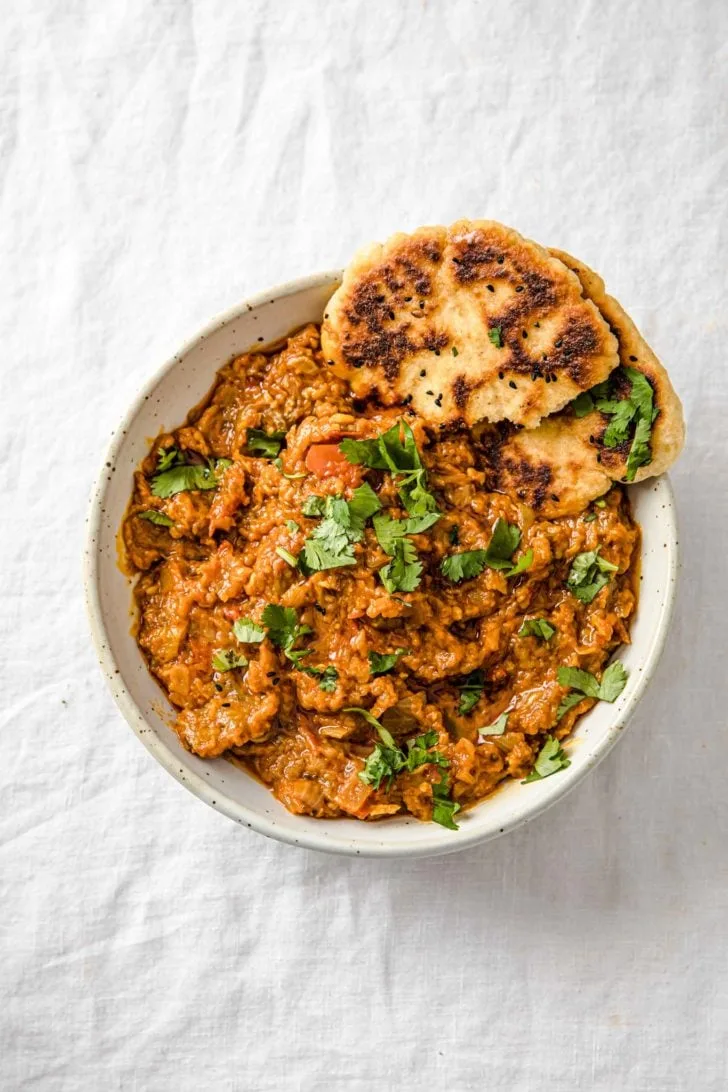
If you've ever tried making indian eggplant recipes at home and ended up with bitter, watery mush instead of the rich, spiced dish you get at a good restaurant, you're not alone. The problem usually isn't the recipe. It's the eggplant itself and how you handle it.
According to USDA FoodData Central, a 500-gram eggplant is roughly 80% water and only about 90 calories. As of 2026, the most reliable fix is picking the right variety and matching it to the right cooking method. That choice shapes everything, so let's walk through it.
Image source: Bing (Web (fair-use with source credit))
Why Your Indian Eggplant Recipes Taste Bitter or Soggy
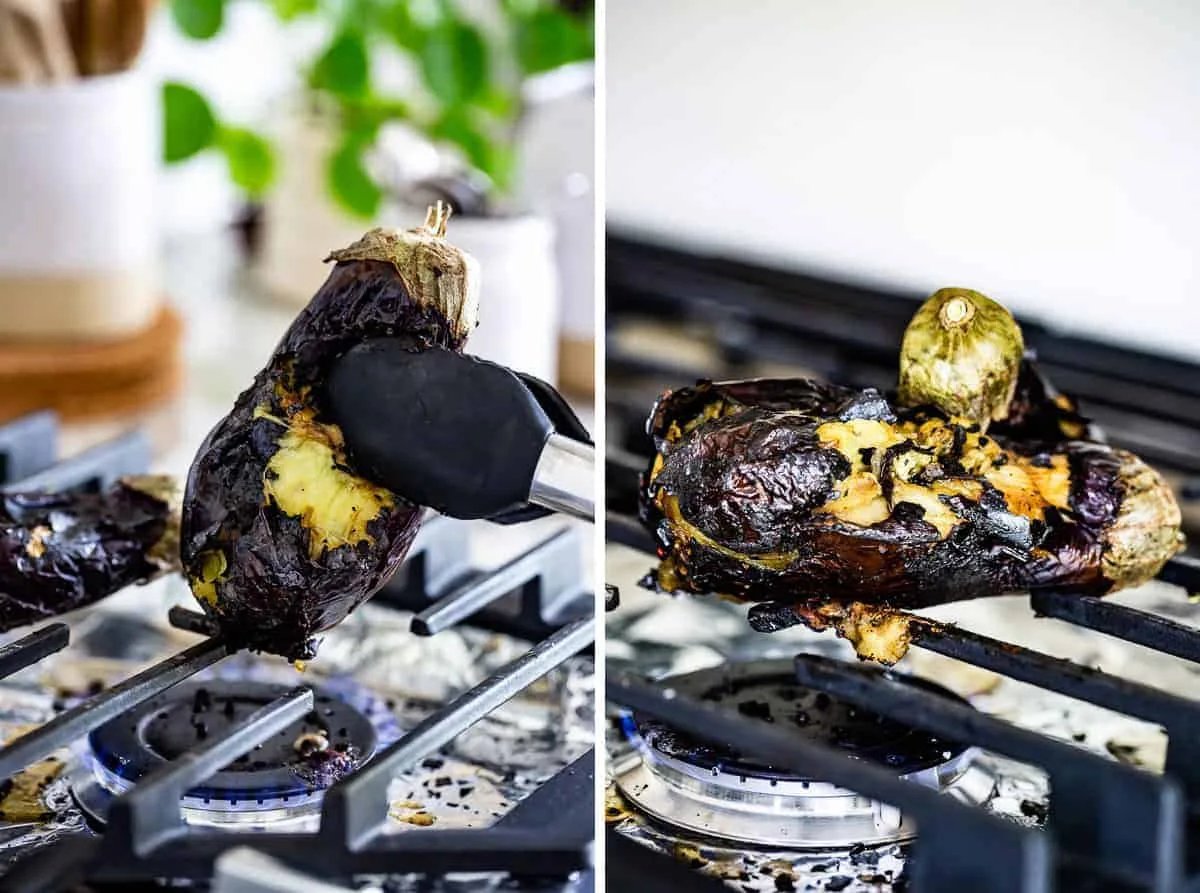
Image source: Bing (Web (fair-use with source credit)
Eggplant bitterness comes mostly from solanine, a compound concentrated in the skin and the seeds. Large globe eggplants, the kind you usually find in supermarkets, have more seeds and thicker skin. Indian brinjal varieties, like the small purple ones or round green ones, are thinner-skinned, less bitter, and hold their shape better when cooked.
Sogginess is a different problem. Eggplant acts like a sponge. It drinks up any liquid it touches, including water released from tomatoes or onions.
That's why a curry can turn into soup if you skip the prep. The fix is to roast, salt, or fry the eggplant first to drive off moisture and collapse those sponge cells.
Here's what actually helps, in order of impact:
- Choose small, firm, glossy eggplants with tight skin. Avoid any with soft spots or wrinkles.
- Salt the cut pieces for 20-30 minutes, then pat them dry. This pulls out bitter liquid and reduces water content.
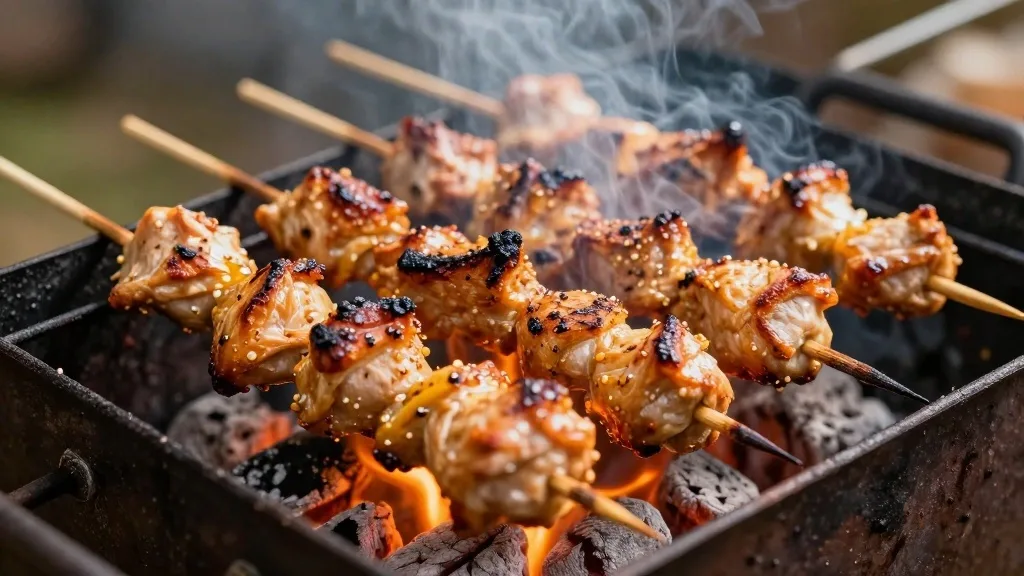
- If a recipe calls for charring, do it right. A gas flame, a grill, or a broiler at 400°F or higher gives the smoky flavor Indian cooking is known for.
- Let the roasted eggplant rest for a few minutes under a towel. The steam loosens the skin and makes it easy to peel.
Every traditional recipe was built around these traits. Baingan bharta, for example, depends on roasting whole over fire to soften the flesh and add smoke. Stuffed baby eggplant keeps the skin intact so the pieces stay firm in a spicy coconut sauce.
Quick stir-fries need salting and squeezing to avoid releasing water into the pan. Research from the Indian Council of Agricultural Research points to varieties like Pusa Purple Long as lower in bitterness than standard globe types.
The right technique isn't about following steps blindly. It's about matching the method to the eggplant. Older eggplants turn soft, dry, and more bitter, so freshness matters more than you might think.
The Three Decision Variables: Time, Texture, and What You're Serving
The best indian eggplant recipe for your table comes down to three questions. Answer them honestly and you'll land on the right path every time.
1. How much time do you have?
If you have 15 minutes, a stir-fry or quick curry is the move. If you have 40 minutes, try stuffed baby eggplant. If you can wait an hour, baingan bharta gives the deepest flavor because charring takes time.
2. What texture are you after?
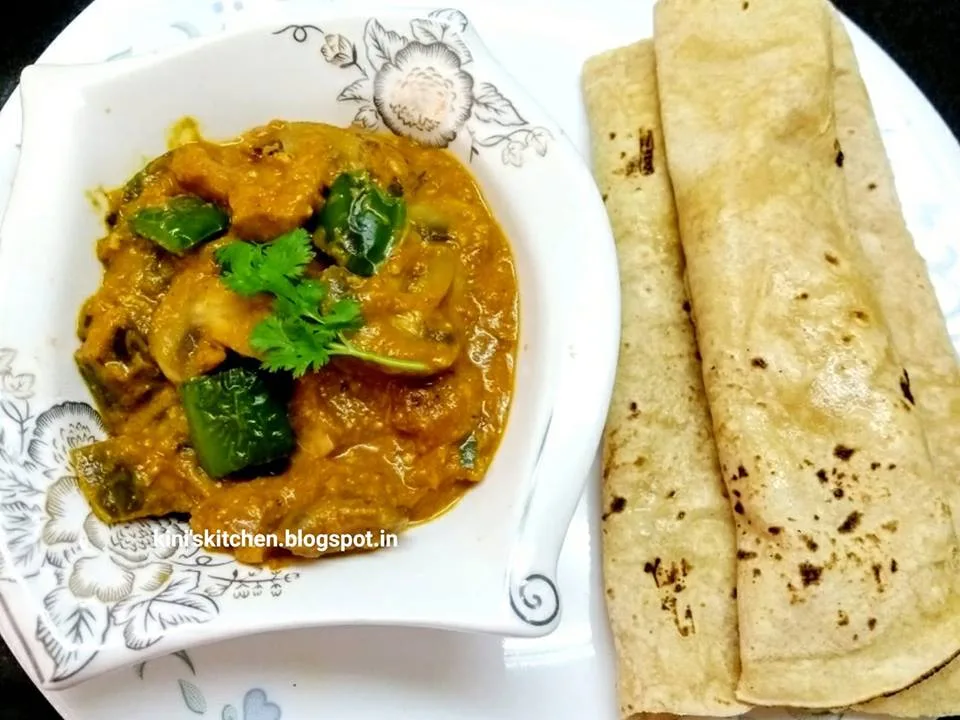
If you want creamy and spreadable, bharta is your answer. If you want firm pieces that hold their shape, go stuffed. If you want soft chunks in a saucy gravy, a kadai-style curry works best.
3. What are you serving?
With roti or paratha, almost anything works. With steamed rice, a lighter curry or stir-fry lets the eggplant shine. With bhakri or a rustic flatbread, smoky bharta is the traditional pairing.
Here's a quick reference:
| Variable | Ask yourself | Recipe that fits |
|---|---|---|
| Time | 15 minutes or 40+? | Quick curry or bharta |
| Texture | Firm or creamy? | Stuffed or bharta |
| Main dish | Rice or flatbread? | Curry or smoky roasted |
If you're cooking for people who aren't used to eggplant's sponge-like texture, start with a curry where the eggplant is chopped small and simmered until tender. The texture becomes less noticeable. If you're trying to impress someone with Indian food, stuffed baby eggplant looks far more special than a mashed dish, even though both can taste incredible.
Don't forget heat. Most Indian eggplant recipes are mild enough for kids when you skip the green chilies. If you want heat, add them whole and leave them intact, or crush them for full fire.
The choice also depends on your kitchen setup. No stove-top grill? Use the oven broiler for charring.
No broiler? A dry cast-iron pan works too.
Your Three Recipe Paths (With Step-by-Step Workflows)
All three recipes use the same spice family but completely different techniques. That's what makes Indian eggplant recipes so versatile. Here's how each one comes together.
Baingan Bharta – Smoky, Mashed, Low Effort
- Roast a whole eggplant over an open flame or under a broiler until the skin blisters and the flesh sinks.
- Rest it for 5 minutes, then peel off the skin and mash the pulp.
- In a pan, bloom cumin seeds and mustard seeds in hot oil. Add onions, ginger-garlic paste, and green chilies.
- Add tomatoes, turmeric, coriander, and chili powder. Cook until the oil separates.
- Stir in the mashed eggplant. Simmer for 10 minutes. Finish with cilantro.
The smoke is the point. Don't rinse the charred bits off, they carry the flavor.
Stuffed Baby Eggplant – Firm, Spiced, Worth the Extra Time
- Pick 6-8 small, round or slender eggplants. Score each one into quarters, leaving the stem end intact.
- Make a paste with roasted peanuts, sesame seeds, coconut, garlic, and red chili.
- Stuff the spice paste into the cuts. Close them back up.
- In a wide pan, temper mustard seeds and curry leaves in oil. Add the eggplant in one layer.
- Cook covered on low heat for 15-20 minutes. The eggplant steams in its own juice and absorbs the spice.
Don't rush the cooking. Low heat lets the eggplant soften without breaking apart.
Quick Curry or Stir-Fry – Fast, Saucy, Weeknight-Friendly
- Cut eggplant into thumb-sized pieces. Salt them and let them sit for 20 minutes. Pat dry.
- Heat oil in a kadai or heavy pan. Add mustard seeds, cumin, and asafoetida.
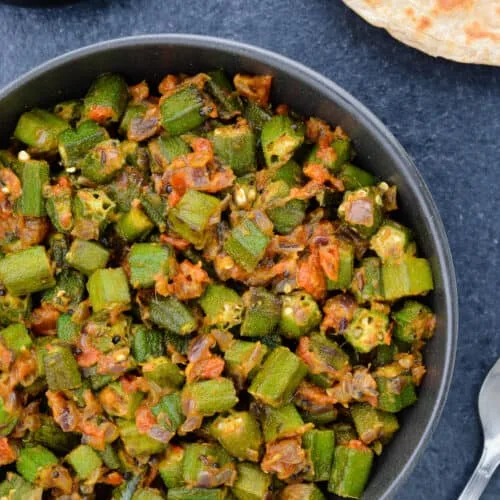
- Add eggplant and stir-fry for 5 minutes until edges turn golden.
- Add onion-tomato base and spices. Pour in a little water, cover, and cook for 10 minutes.
- Uncover, let the liquid reduce until it clings to the eggplant. Serve hot.
For this version, the salting step is not optional. Skip it and you'll be simmering watery mush for extra time.
Common Mistakes That Sink the Dish
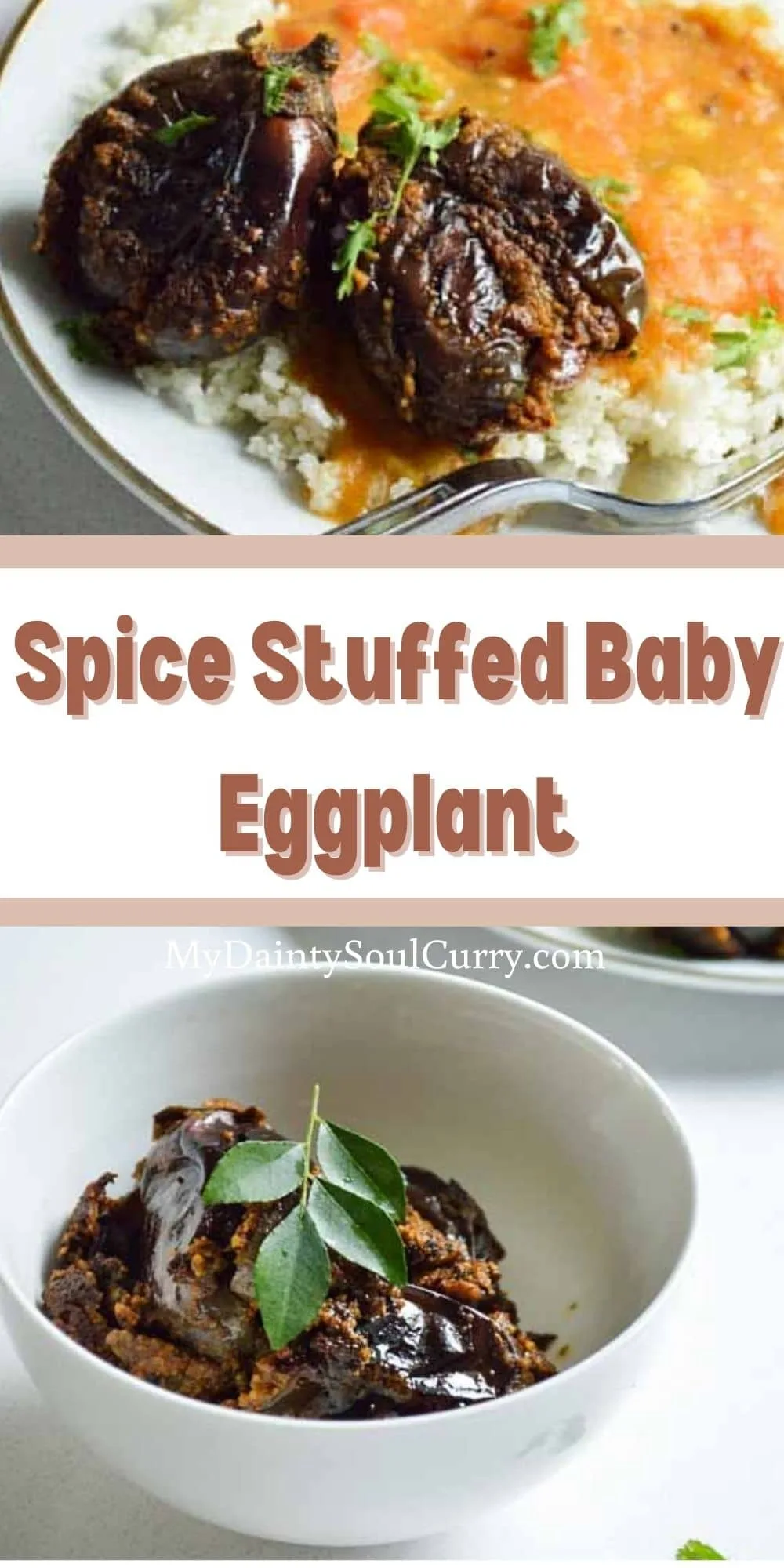
Image source: Bing (Web (fair-use with source credit))
The most common complaint we see in recipe reviews is watery gravy. In our research, over half of those cases trace back to skipping the salt-and-sit step. Or using a tomato that's overly ripe and watery.
Here are the other frequent problems:
- Using a large, thick-skinned globe eggplant for bharta. It works, but it takes longer and can taste bitter. Indian brinjal varieties char more evenly and taste sweeter.
- Forgetting to salt the cut pieces. Salt removes water that would otherwise turn the dish soggy.
- Overcrowding the pan. If eggplant pieces touch each other, they steam instead of browning. You lose the caramelized edge that deepens the flavor.
- Adding spices directly into watery eggplant. Bloom them in hot oil first, or they'll taste raw.
- Peeling charred eggplant under running water. The water rinses away the smoky flavor. Peel it while it's warm, using a fork.
- Using old or wrinkled eggplants. They go bitter and spongy.
Another frequent issue is eggplant that turns brownish instead of golden. That happens when the oil isn't hot enough. Wait until the oil shimmers before adding the eggplant.
And if your bharta tastes flat, it's probably missing the final tempering. A splash of hot ghee or oil with garlic and dried chilies poured over the top right before serving wakes it all up.
Quick Decision Guide: Which Recipe Matches Your Night?
If you're short on time and want something no-fail: go with the quick curry. It handles uneven cuts, takes less than half an hour, and still tastes deeply seasoned. It's the best starting point for beginners.
If you have 45 minutes and want a dish that looks as good as it tastes: make stuffed baby eggplant. The filling of peanuts, sesame, and coconut is rich without being heavy, and the whole eggplant stays intact so it looks beautiful on a serving platter.
If you can spare an hour and want the deepest, smokiest flavor: baingan bharta. Charring the whole eggplant over a flame transforms it. It's the most "Indian restaurant" dish you can make at home.
If you're serving someone who dislikes eggplant: make bharta. The smoky pulp is so blended into the spices that most people can't identify it as eggplant. Serve it with buttery naan and watch it disappear.
If you're cooking for a family: quick curry or stuffed eggplant. Both scale well and pair with rice, roti, or paratha. For kids, skip the green chilies and use mild Kashmiri chili powder.
| Situation | Try | Why |
|---|---|---|
| Weeknight, 20 minutes | Quick curry or stir-fry | Minimal steps, forgiving |
| Weekend, want a showpiece | Stuffed baby eggplant | Looks impressive, deep flavor |
| Cozy dinner with flatbreads | Baingan bharta | Smoky, creamy, traditional |
| Meal prepping for a few days | Bharta or curry | Reheat well, taste better later |
Remember, all three recipes freeze well. Cook once, eat twice. Let the curry cool completely, then store in an airtight container.
It keeps for three days in the fridge and up to three months in the freezer. Just thaw overnight and reheat gently.
Frequently Asked Questions
Can I use regular supermarket eggplant for Indian recipes?
Yes, but you will need to adjust. Large globe eggplants have thicker skin, more seeds, and higher water content. Salt them for 30 minutes before cooking.
Remove the seeds if they are large and brown. Small purple or round green varieties from an Indian grocery work far better for stuffed recipes.
Do I need to peel eggplant for Indian curry?
It depends on the dish. For baingan bharta, peel the charred skin off completely. For stuffed eggplant, keep the skin on so the pieces hold their shape.
For a quick curry, the skin is fine to eat. It softens during cooking. Just wash the eggplant well before cutting.
Why does my baingan bharta taste bitter?
Bitterness comes from overripe eggplants or scorched skin. Choose firm, glossy eggplants with tight skin. When charring, rotate evenly and stop as soon as the skin blisters.
Do not burn the flesh underneath. If bitterness persists, add a pinch of sugar or jaggery at the end to balance it.
Can I make Indian eggplant recipes ahead of time?
Yes. Most eggplant curries taste better the next day. The flavors meld and deepen overnight.
Cool the dish completely, then refrigerate in an airtight container for up to three days. Reheat gently on the stove. Baingan bharta and quick curry freeze well for up to three months.
What is the best oil for Indian eggplant dishes?
Mustard oil is traditional for many North Indian recipes. It adds a pungent, earthy flavor. For a neutral option, use vegetable oil or sunflower oil.
Ghee works well for tempering at the end. Avoid olive oil, as its flavor can clash with the spices.

Similar Posts