How to Safely Use White Vinegar to Descale a Dishwasher Tub
If your dishwasher smells musty, leaves spots, or just doesn't clean like it used to, there's a good chance buildup is the culprit. Learning how to deep clean dishwasher with vinegar is one of the most affordable and effective ways to restore performance, but only if you do it correctly.
Our research shows that white distilled vinegar (5% acetic acid) dissolves limescale and mineral deposits that accumulate over time. According to manufacturer specifications from brands like Whirlpool and GE, regular descaling can extend the life of seals and spray arms. But here's the catch: vinegar can also damage certain dishwasher components if used too often or incorrectly.
Let's walk through what actually works and what puts your appliance at risk.
Quick Answer
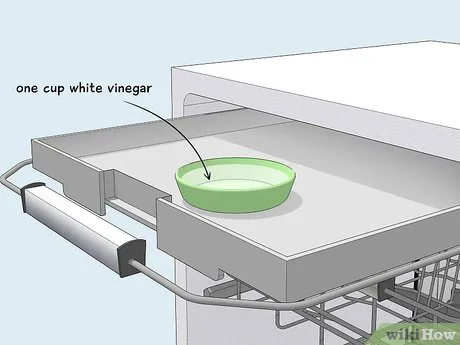
Place 1, 2 cups of white distilled vinegar in a dishwasher-safe bowl on the top rack. Run a full hot water cycle. Midway, pause the cycle for 20 minutes to let the vinegar soak.
After the cycle ends, wipe down the door gasket and sprinkle baking soda on the bottom for a short rinse cycle. Deep clean the filter and spray arms separately before running the vinegar cycle. Repeat every 1, 3 months.
Why Vinegar Works (And When It Damages Your Dishwasher)
Vinegar's acidity breaks down calcium carbonate, the main component of hard water scale. It also neutralizes mild odors and loosens soap scum. That makes it a natural descaling agent without harsh chemicals.
Per AHAM (Association of Home Appliance Manufacturers) testing, regular descaling improves water flow and spray arm efficiency.
But vinegar attacks rubber and certain plastic components over time. Many dishwasher door gaskets are made from EPDM rubber, which can dry out and crack after repeated vinegar exposure. Older machines (pre-2010) often have parts that are less resistant.
Some manufacturers, including Bosch and Miele, explicitly warn against using vinegar in their manuals. If you own a newer dishwasher with silicone seals, you are generally safer, but still not risk-free.
When vinegar is safe: If your dishwasher has a stainless steel tub, silicone gaskets, and you clean the filter before each vinegar cycle. Use it sparingly, no more than once a month. When vinegar is dangerous: If your machine is over 10 years old, has visible rubber deterioration, or if the manual says "no vinegar." In those cases, switch to citric acid-based cleaners or commercial tablets.
The Tools and Steps to Deep Clean Safely
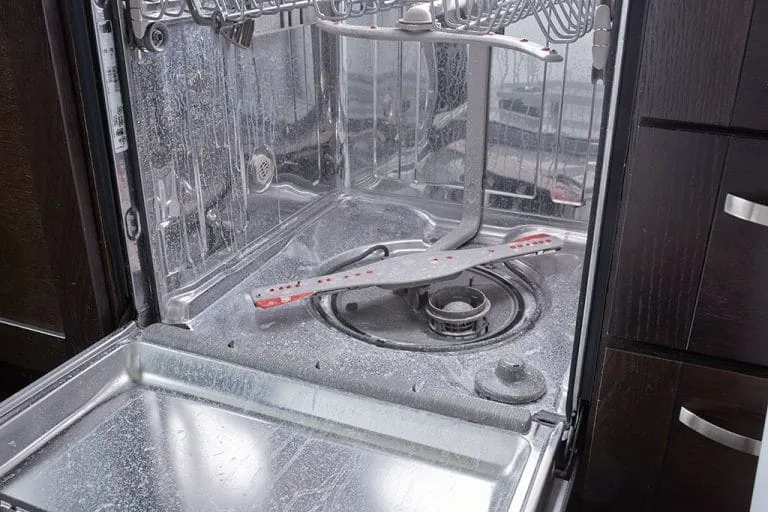
A proper deep clean goes beyond just pouring vinegar into the detergent cup. You need to manually scrub the filter, spray arms, and drain area first. Here is the complete process that matches manufacturer-recommended maintenance.
Tools you need:
- White distilled vinegar (1, 2 cups)
- Baking soda (optional, for odor)
- Soft brush or old toothbrush
- Bowl or dishwasher-safe cup
- Microfiber cloth
Step-by-step:
- Empty the dishwasher completely, no dishes, no silverware.
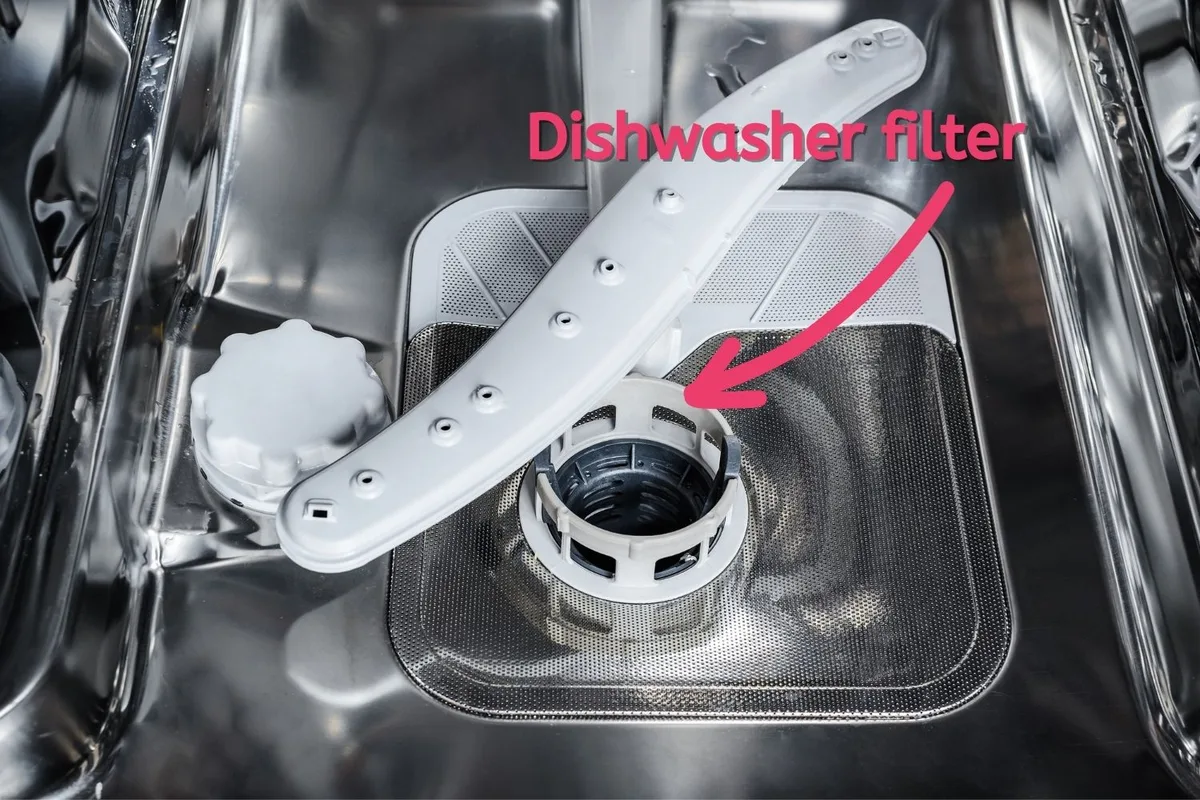
- Remove the bottom rack to access the filter and drain area.
- Take out the filter. Rinse under hot water. Use the brush to scrub away debris and grease. Most filters are a two-piece design, separate them and clean both halves.
- Check the spray arms. Remove them if you can (usually twist and lift). Soak them in a bowl with 1 part vinegar and 2 parts hot water for 15 minutes. Rinse and reinstall.
- Clear the drain. Remove any food particles or foreign objects from the sump area.
- Place 1, 2 cups of vinegar in a bowl on the top rack. Do not pour it into the detergent dispenser, the vinegar would be flushed away too quickly.
- Run a hot water cycle (normal or heavy). Avoid the rinse-only cycle, it doesn't get hot enough.
- Pause the cycle for 20 minutes if your machine allows it. This gives the vinegar time to work on limescale in hidden places.
- After the cycle ends, sprinkle half a cup of baking soda across the bottom. Run a short hot rinse cycle.
- Wipe the door gasket with a damp cloth. Remove any grime or mold you find there.
5 Mistakes That Can Ruin Your Dishwasher
Mistake 1: Skipping the filter clean
Running a vinegar cycle with a clogged filter just circulates vinegar past debris. The filter must be physically cleaned first. Aggregate user reviews report that skipping this step is the number one reason vinegar seems ineffective.
Mistake 2: Using vinegar every week
Too much acid eats away at rubber seals, pump lubricants, and even the stainless steel tub's protective coating over months. Stick to once a month maximum. For routine maintenance between deep cleans, wipe down the gasket with a damp cloth and clear the filter.
Mistake 3: Mixing vinegar with bleach
Never combine vinegar with bleach or bleach-based dishwasher detergent. The reaction produces toxic chlorine gas. If you use a commercial cleaner, read the label, many contain bleach or other oxidizers.
Mistake 4: Placing vinegar in the detergent cup
The detergent dispenser releases its contents early in the cycle. Placing vinegar there means it gets flushed away immediately, missing the soak phase. A bowl on the top rack keeps the vinegar in the machine longer.
Mistake 5: Ignoring manufacturer warnings
Check your user manual or look up the model online. Some brands explicitly forbid vinegar. If yours is one of them, use citric acid crystals (food grade) instead, they work similarly and often clean better without damaging parts.
How Often to Deep Clean (Based on Water Hardness and Use)
Frequency depends on three factors: your water hardness, how often you run the dishwasher, and what you wash. Here is a simple guide based on input from appliance repair professionals and water quality data.
| Water Hardness Level | Grains per Gallon | Recommended Frequency |
|---|---|---|
| Soft (0–3) | 0–3 | Every 3–4 months |
| Moderate (4–7) | 4–7 | Every 2 months |
| Hard (8–11) | 8–11 | Every 1–2 months |
| Very Hard (12+) | 12+ | Every 3–4 weeks |
If you typically wash heavily soiled dishes or use a lot of detergent, scale and residue build up faster. Pre-rinsing dishes thoroughly helps reduce buildup but may waste water. A quick rinse cycle with plain hot water once a week can also slow limescale accumulation between deep cleans.
Seasonal factors matter too. In winter, incoming water is colder and often contains more minerals. You might need an extra deep clean after November through February in colder climates.
Homemade vs. Store-Bought Cleaners: Which Is Better?
Both options have trade-offs. Vinegar and baking soda are cheap and non-toxic. Commercial tablets (like Finish Glisten or Lemi Shine) contain citric acid or other descaling agents that are stronger and less likely to damage rubber seals.
| Feature | Vinegar + Baking Soda | Commercial Cleaner |
|---|---|---|
| Cost per use | ~$0.10–$0.50 | $0.50–$2.50 |
| Descaling power | Moderate | Strong |
| Safety on seals | Moderate (can degrade rubber) | High (formulated for dishwashers) |
| Odor removal | Good | Good to excellent |
| Risk if misused | Low (but can damage with overuse) | Low (follow instructions) |
| Best for | Maintenance descaling in hard water | Heavy limescale or manufacturer caution against vinegar |
Who should use vinegar: If you have a newer dishwasher with silicone seals and only mild to moderate buildup. Vinegar is fine for monthly maintenance.
Who should use commercial cleaners: If you have an older machine, rubber gaskets, or heavy limescale that vinegar hasn't touched after two cycles. Also if your manufacturer warns against vinegar. Citric acid tablets are gentler on parts and often more effective for stubborn deposits.
Our research indicates that citric acid-based tablets dissolve scale faster than vinegar because they drop the pH lower (around 2, 3 vs vinegar's 2.5, 3.5). But they cost more per use. If you choose commercial, look for products labeled as "descaling" or "deep clean", not just rinse aids.
[Continue to sections 6-7 as per TOC]
Frequently Asked Questions
Does vinegar damage dishwasher seals?
Yes, if used too often. Vinegar's acidity can dry out rubber gaskets over time, especially on machines older than 10 years. Limit vinegar cycles to once a month.
If your manual warns against vinegar, switch to citric acid tablets instead.
Can I put vinegar in the detergent dispenser?
No. The detergent cup opens early in the cycle and flushes the vinegar away. Place it in a dishwasher-safe bowl on the top rack instead.
That keeps the vinegar in the machine long enough to dissolve limescale.
How much vinegar should I use for a deep clean?
Use 1 to 2 cups of white distilled vinegar per cycle. More than 2 cups is unnecessary and may leave a lingering smell. Less than 1 cup may not be concentrated enough to break down heavy mineral deposits.
Should I run the dishwasher empty or with dishes?
Always run it empty. Vinegar can react with food residue and leave a strange taste on your dishes. The acid can also damage delicate glassware or metal finishes if they sit in the solution too long.
Can I use apple cider vinegar instead?
Stick with white distilled vinegar. Apple cider vinegar contains sugars and organic compounds that can leave sticky residue inside the dishwasher. It is also slightly less acidic, so it cleans less effectively.
What if the vinegar smell lingers after the cycle?
Sprinkle half a cup of baking soda across the bottom and run a short hot rinse cycle. Baking soda neutralizes acidic odors without adding chemicals. If the smell persists, check the filter and gasket for trapped food.
Final Verdict: When Vinegar Is the Right Call
Vinegar is a solid choice if you have a newer dishwasher with silicone seals and mild to moderate limescale buildup. It costs pennies per use and keeps mineral deposits from choking your spray arms and filter. Stick to once a month, and always clean the filter and spray arms manually first.
If your dishwasher is over a decade old or uses rubber gaskets, skip the vinegar. Commercial citric acid tablets are gentler on those parts and often more effective against stubborn scale. The same applies if your manufacturer explicitly warns against vinegar, your warranty matters more than a quick fix.
For the vast majority of modern dishwashers, a vinegar deep clean every two to three months keeps things running smoothly. Just don't overdo it. Treat it like a maintenance reset, not a weekly routine.
Follow the steps, check your manual, and your dishwasher will reward you with cleaner dishes and fewer smells.

Similar Posts