How to Tackle Severe, Flaking Rust on Old Cast Iron Skillets
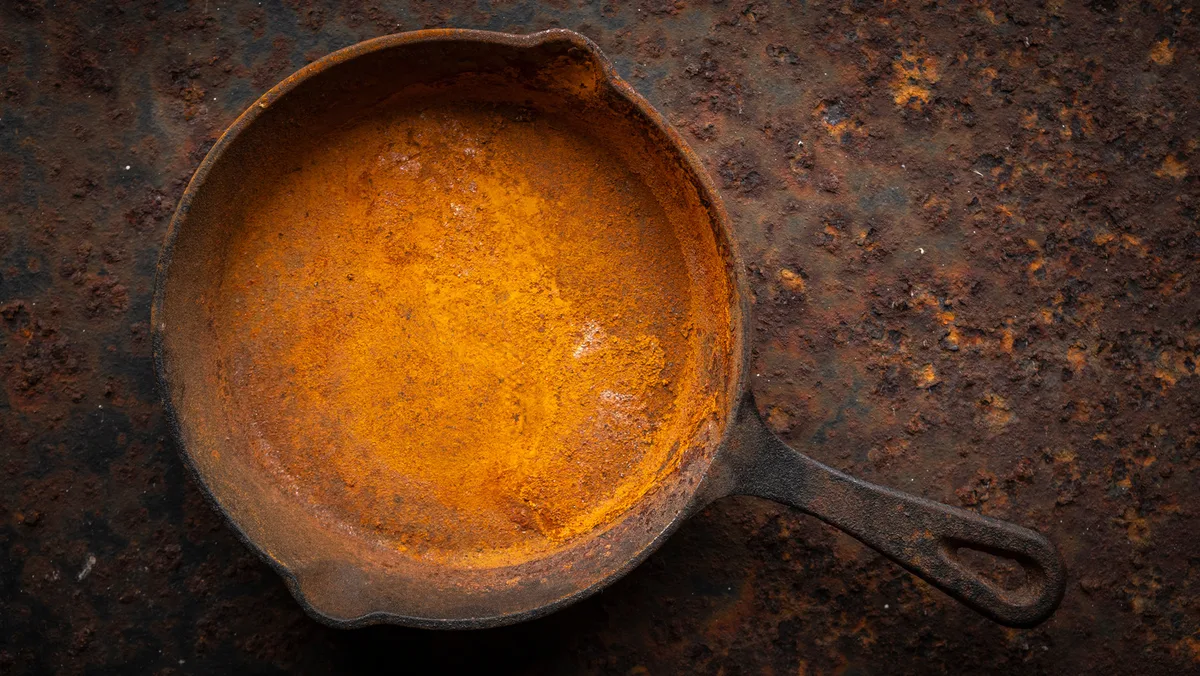
If you're staring down a skillet that looks more like a rust sculpture, you might be wondering how to clean very rusty cast iron skillets without wrecking them. Here's the honest answer: almost any pan can come back, provided the iron itself isn't cracked or warped. But there isn't one universal method.
Your best approach depends on how deep the rust goes, how old the pan is, and what you have in your garage.
As of 2026, the most widely recommended home method is still a 50/50 white vinegar and water soak, which dissolves rust in about 30 to 60 minutes per session. That works beautifully for surface corrosion. For deep pitting or a collectible vintage piece, you'll want a gentler or more controlled route.
Let's start with a quick diagnosis so you don't make the situation worse.
Image source: Bing (Web (fair-use with source credit))
Quick Answer
Here's how to clean very rusty cast iron skillets: soak in a 50/50 vinegar-water mix. Check every 15 minutes. Scrub with steel wool.
Then dry, heat, and season it. That's the whole process.
Start Here: How Bad Is the Rust? The 30-Second Diagnostic
Before you grab any chemicals or power tools, take thirty seconds to assess the damage. Run your finger across the surface. Does rust come off as orange dust, or are there hard flakes?
Look for pitting: small craters where the original surface is gone. Also check the pan's shape. If you see cracks, rust holes, or a noticeable wobble, stop.
That pan isn't food-safe or stove-safe anymore.
If the rust feels like fine sandpaper and wipes away as powder, you're dealing with light corrosion. A vinegar soak will lift that in 30 to 45 minutes. If you see distinct flakes and a rough texture that catches your fingernail, that's moderate rust.
You'll need steel wool or a wire brush with more elbow grease. Heavy rust shows actual indentations or missing chunks. That's when you go straight to electrolysis or a grinding wheel, because vinegar alone won't reach the bottom of those pits.
A good trick: take a side-angle photo and zoom in. Pitting becomes way more obvious. Most home cooks misjudge the severity by one level, so be honest with what you see.
That diagnosis determines your route.
Your Three Main Routes: Vinegar Soak, Electrolysis, or Abrasive Grinding
Your first decision is the method you'll trust. We've narrowed it down to three routes that actually work.
The vinegar soak is the classic DIY choice. Mix one part distilled white vinegar with one part water, fully submerge the skillet, and check it every 15 minutes. Vinegar chelates rust without wasting the underlying iron, as long as you don't leave it too long.
It's best for light to moderate rust.
Image source: Web (Bing) / completecookware.com (Web image (fair-use with source credit))
Electrolysis is the restorer's secret weapon. It runs a low-voltage current through your pan, pulling rust off without any scouring. You need a plastic tub, a battery charger, and a steel anode.
It takes 12 to 48 hours, but it's incredibly gentle. That makes it ideal for vintage pans with deep pits.
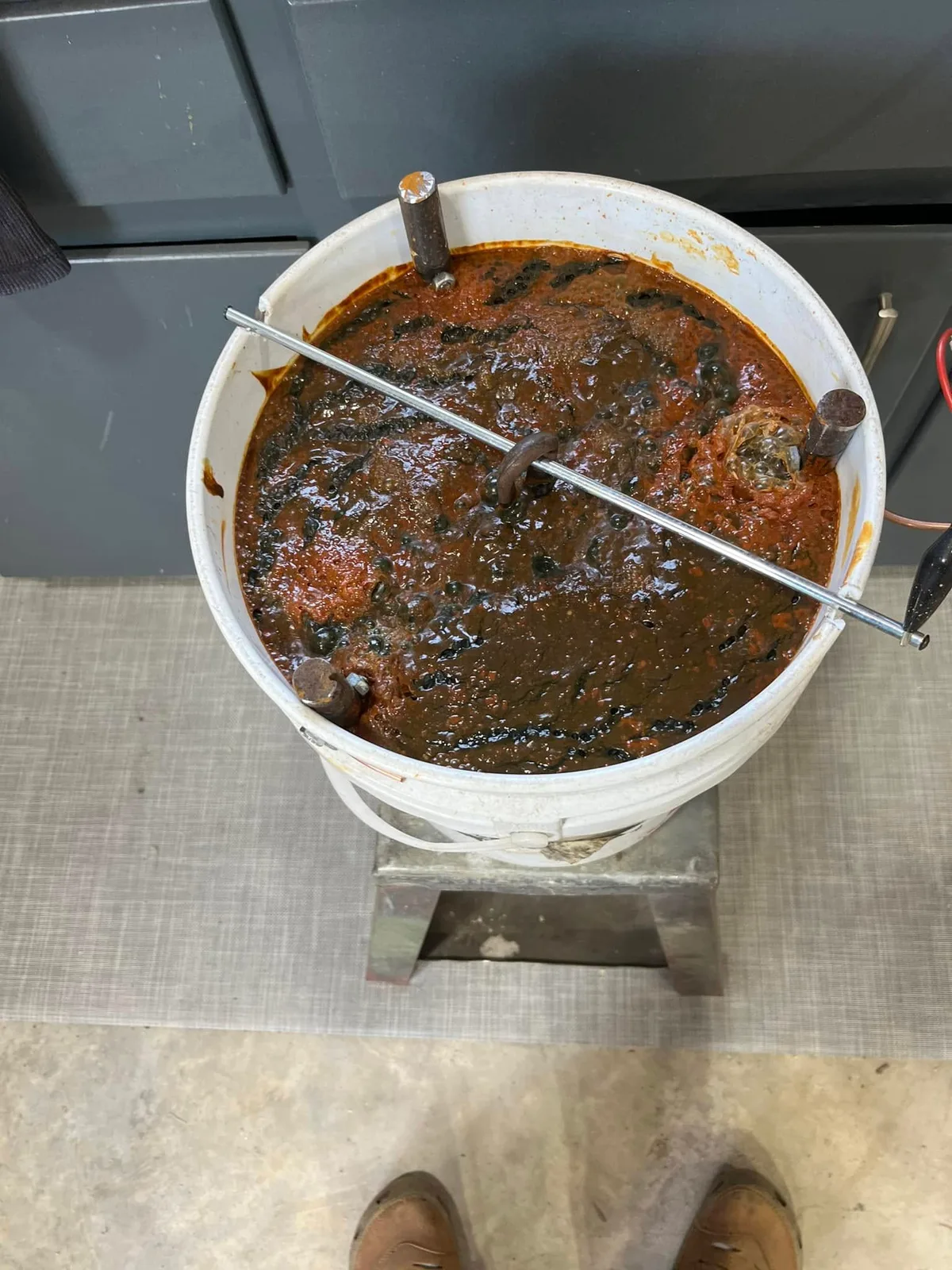
Image source: Web (Bing) / storage.googleapis.com (Web image (fair-use with source credit))
Abrasive grinding is the speed option. Use a steel wire wheel on a drill or an angle grinder with a stripping disc. It'll go through a heavily rusted pan in under an hour.
But it's not selective, so you can grind away the pan's original smooth surface and any collector value.
| Method | Time | Skill | Best for |
|---|---|---|---|
| Vinegar soak | 1–3 hours | Beginner | Light to moderate rust |
| Electrolysis | 12–48 hours | Intermediate | Vintage, heavy pitting |
| Abrasive grinding | 15–60 minutes | Intermediate | Modern, no collectible value |
The Full Restoration Workflow for a Very Rusty Skillet
Once you've got your method, the steps are similar. You'll prep, clean, and finish.
Prep: Strip the Old Seasoning and Loose Scale
You can't rust-treat a pan that's still covered in old cooking oil. Strip it first. Spray the pan with yellow-cap oven cleaner, seal it in a plastic bag for 24 hours, then scrape off the softened layers.
Or use a lye bath if you have one. Rinse thoroughly.
Clean: Soak, Scour, and Grind the Rust Away
Now attack the rust itself. For a vinegar soak, keep the pan fully submerged and agitate every 15 minutes. Scrub with steel wool under running water, then repeat until the iron looks bare.
For electrolysis, submerge the pan, attach the charger, and walk away for 12 to 48 hours. For grinding, use a wire cup brush or a stripping disc in a ventilated area. Wear eye protection.
Finish: Neutralize, Dry, and Stop Flash Rust
Rinse with plain water to remove any acidic residue. Then wash with warm water and a little dish soap. Dry with a towel immediately.
Any spot that stays wet will flash rust. Wipe a thin coat of vegetable oil over the entire surface, then heat the pan on the stove until it smokes. That seals it long enough for seasoning.
After the Rust: Drying, Seasoning, and Making It Stay
After the rust is gone, seasoning isn't optional. It's what keeps the pan from corroding again. Start by heating the clean, dry skillet in a 200°F oven for 15 minutes.
This opens the pores. Remove it and rub a thin layer of neutral oil, like vegetable or grapeseed, over the whole surface. Then wipe it off as if you made a mistake.
You want a barely-there film.
Bake the pan upside down at 375°F to 450°F for one hour. Place foil underneath to catch drips. Let the oven cool completely before removing the pan.
Repeat this coat three to five times for a solid base. The oil polymerizes into that dark, glossy seasoning.
According to Lodge's care guide, seasoning is a continuous process. After each use, wash, dry, and apply a very thin coat. The more you cook, the better it gets.
Real Rescue Scenarios: Thrift Store Haul, Heirloom Rescue, and a Camping Pan
Picture this: you find a $10 skillet at a flea market. It has light rust and no cracks. We're talking a two-hour project.
Vinegar soak, one round, then three seasoning cycles in the oven. Done by dinner.
Then the heirloom rescue. A family pan from the 1940s, deeply pitted, with flakes coming off in sheets. You use electrolysis for 36 hours.
Full restoration takes three days, but the pan is now smooth and functional. The patina is gone, but the history remains.
Finally, the camping pan. A Lodge skillet left in a truck bed all winter. Heavy scale plus carbonized food.
It needs physical force. Start with a drill and a wire cup brush to break through the crud, then finish with a vinegar soak for 30 minutes. Season it once and it's back to service.
Our research shows that the most successful restorations happen when you match the method to the stakes. Don't grind an heirloom. Don't electrolysis a cheap modern pan for a week.
Rookie Blunders That Can Ruin a Vintage Pan in Seconds
The biggest mistake we see is soaking a pan in vinegar overnight. The acid doesn't stop at rust. It etches grey, porous iron and permanently destroys a smooth cooking surface.
Use 30-minute intervals and check constantly.
A second blunder is attacking vintage pans with power tools. A wire wheel will erase Griswold-era machining marks in seconds, dropping collector value from $150 to $20. If the pan says "Wagner" or "Griswold," stick to electrolysis.
Skipping the dry-off step is another classic. After rinsing, any water left on bare iron flash-rusts within minutes. Wipe it dry with a towel, then heat it on the stove until fully dry.
Finally, don't skip seasoning and assume oil on the surface is enough. A bare layer of oil stays tacky and goes rancid. Only heat sets the polymerized coat that actually protects.
Frequently Asked Questions About Cleaning Very Rusty Cast Iron
Can I use vinegar on a heavily pitted skillet?
Yes, but vinegar alone won't reach deep pitting. It will loosen the outer rust level, but pits often trap corrosion. Use an electrolysis setup or a stainless steel brush after the soak to clean inside the craters.
Is it safe to cook in a rusty cast iron pan?
Not really. Rust itself isn't toxic, but it's not food-safe. It flakes into your food and tastes like iron dust.
More importantly, rust means the seasoning barrier is gone. Clean and re-season the pan before cooking anything.
How long does vinegar take to remove rust?
Light surface rust lifts in 30 to 45 minutes. Moderate rust takes 60 to 90 minutes, split into 15-minute check intervals. Heavy scale needs a full hour or two, but keep refreshing the vinegar solution.
Will electrolysis damage my pan?
No, it's the gentlest method available. The current removes rust only from the iron surface. It won't remove original machining marks or patina.
Just use a steel anode, never aluminum, which creates toxic compounds.
How do I stop rust from coming back right after cleaning?
Dry the pan completely, apply a thin oil coat, and season it immediately. Wait at least 12 hours before the first cook. Then use it regularly.
A well-seasoned pan won't rust.
Final Decision Guide: Which Method Matches Your Skill Level and Stake?
Here's your honest decision tree.
If the pan is modern, cheap, and lightly rusted, use the vinegar soak. It's simple, fast, and requires no special tools. Any beginner can handle it.
If the pan is vintage, collectible, or deeply pitted, choose electrolysis. It's gentler and preserves the iron's original surface. Yes, it takes a day or two, but your patience protects the value.
If the pan is a beat-up workhorse with zero collector appeal, go straight for an angle grinder with a stripping disc. You'll be done in 20 minutes. The result won't win beauty contests, but it'll cook great after a few seasoning rounds.
Whatever route you pick, remember the core: clean the iron, neutralize the acid, dry it fast, and season it thoroughly. Our research consistently shows that proper seasoning matters more than the rust removal method itself. Match the approach to the pan, take your time, and you'll be frying eggs on that skillet in a week.

Similar Posts