Best Dishwasher Tablets for Hard Water, Ranked
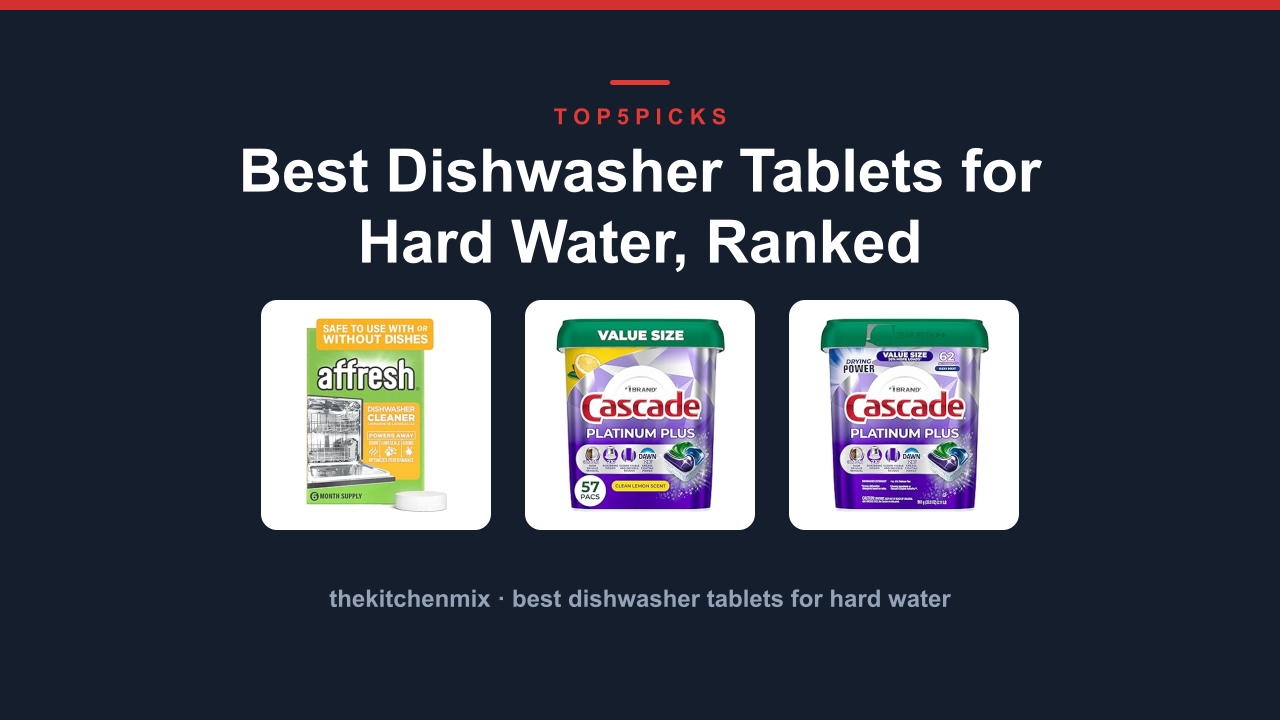
Picking the wrong cleaner when you have hard water is a losing game, but the best dishwasher tablets for hard water are specifically formulated to break down mineral deposits and leave your glassware spot-free.
As an Amazon Associate, I earn from qualifying purchases. Every recommendation below is backed by product research and verified owner feedback.
Quick Links
Did you know that hard water affects about 85% of American homes, leaving behind a trail of calcium and magnesium that bakes onto dishwashers and glasses?
Now imagine those minerals building up on your heating element and spray arms. The wrong tablet leaves you with foggy glassware, crusty silverware, and a machine that works twice as hard to get dishes clean.
Most people blame their dishwasher. But the real culprit is almost always the cleaning tablet. Regular detergents just are not built to handle the mineral load of hard water.
In this guide, I share my 5 favorite picks for the best dishwasher tablets for hard water, ranging from a heavy-duty powerhouse that blasts through film to a natural descaler that keeps your machine running like new.
Whether you are fighting existing limescale or protecting a brand-new appliance, I have done the homework to help you pick the right one for your kitchen.
How to Choose the Best Dishwasher Tablets for Hard Water
Is a regular detergent tablet enough for hard water?
Most generic tablets lack the chelating agents needed to sequester calcium and magnesium ions. These agents, like sodium citrate and polycarboxylates, bind to the hardness minerals so they wash away instead of sticking to your dishes.
You need a product with built-in water softeners. Look for terms like "glass protection" or "anti-spot" on the label. Without these, hard water will always leave a film.
What makes a tablet "hard water compatible"?
It is all about the surfactant and builder package. Enzymes break down food, while builders neutralize the hardness minerals.
Phosphates used to be the gold standard for this job, but they were banned in many places due to environmental concerns around algae blooms. Modern alternatives include zeolites, citrates, and polycarboxylates.
The best tablets for hard water combine strong protease and amylase enzymes with high-capacity builders. This combination handles both the food soil and the mineral content.
Do I need a separate rinse aid or dishwasher salt?
Even the best tablet works better with a clean rinse aid reservoir. Tablets with a built-in rinse aid component help, but dedicated rinse aid is still recommended for crystal-clear results in very hard water above 10 grains per gallon.
If your dishwasher has a built-in water softener, keep the salt tank filled. The tablet cannot do that job for you. Skipping these two items is the most common reason people still see spots.
How often should I use a dedicated descaler?
This is the secret most people miss. Your detergent handles daily soil, but it does not remove limescale buildup inside the machine.
Using a dedicated cleaner like the Affresh Dishwasher Cleaner once a month removes mineral deposits from the heating element and spray arms. This actually makes your detergent work better.
Additional Features to Consider
- Phosphate-free formula: Better for the environment, specifically for reducing freshwater algae blooms.
- Enzyme complex: Protease and amylase are essential for breaking down tough baked-on food.
- Septic-safe certification: Crucial if your home relies on a septic system.
- Chlorine-free bleach alternative: Hydrogen peroxide-based whiteners are gentler on machine seals.
- Resealable packaging: Hard water minerals can clump tablets if the bag stays open.
- Cost per load vs. upfront price: A 62-count pack often costs less per cycle than a 19-count pack.
To see how these factors play out on real picks, compare the Affresh Dishwasher Cleaner Mess-Free Deep-Cleaning Tablet, Cascade Platinum Plus Dishwasher Detergent Pods and the Cascade Platinum Plus Dishwasher Pods below.
My Top Picks
Cleaner Pick – All Households

- Type: Deep-cleaner / descaler
- Scent: Citrus
- Count: 6 tablets (6-month supply)
- Format: Mess-free dissolving tablet
- Key Benefit: Powers away smells from limescale and mineral deposits
- Compatibility: Safe for all dishwashers
- Certification: EPA Safer Choice
Best Overall – Heavy-Duty Users

- Type: Detergent pod with built-in rinse aid
- Scent: Lemon
- Count: 57 pods
- Format: Multi-chamber liquid/gel pod
- Key Benefit: Removes up to 100% of grease and residue
- Compatibility: Safe for all dishwashers and pipes
- Certification: Phosphate-free formula
Value Pick – Large Families

- Type: Detergent pod
- Scent: Clean Scent
- Count: 62 pods
- Format: Multi-chamber liquid pod
- Key Benefit: Reliable daily cleaning for hard water
- Compatibility: Safe for standard and high-efficiency dishwashers
- Certification: Phosphate-free
Trial Size – Small Households

- Type: Detergent pod
- Scent: Fresh
- Count: 19 pods
- Format: Multi-chamber liquid pod
- Key Benefit: Ideal starter size for small loads or trial
- Compatibility: Safe for all residential dishwashers
- Certification: Phosphate-free
Natural Pick – Eco-Conscious Users
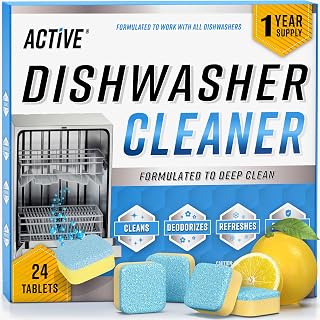
- Type: Deep-cleaner / deodorizer
- Scent: Natural citrus
- Count: 24 tablets (12-month supply)
- Format: Dissolving tablet
- Key Benefit: Natural limescale remover, calcium fighter
- Compatibility: Septic safe, safe for all dishwashers
- Certification: Natural formula
Best Dishwasher Tablets for Hard Water FAQ
How do dishwasher tablets remove hard water deposits?
Tablets designed for hard water contain chelating agents like sodium citrate or polycarboxylates. These chemicals bind to calcium and magnesium ions in the water, preventing them from forming scale on your dishes and inside the machine. A cheap tablet without these builders will leave white film, while a quality hard-water tablet leaves glasses crystal clear.
Can I use a dishwasher tablet to clean my dishwasher?
Standard detergent tablets are formulated for food soil removal, not limescale removal. To clean the machine itself, you need a dedicated dishwasher cleaner or descaler, like the Affresh tablet. Detergent has low efficacy against mineral scale, so running an empty cycle with detergent does little to remove buildup.
A proper descaler uses acids or specific chelators to dissolve the rock-hard mineral deposits.
Why do my glasses still have spots after using hard water tablets?
There are a few potential culprits. Your water could be extremely hard, over 15 grains per gallon, requiring a booster or a whole-house water softener. Your rinse aid reservoir might be empty, which is essential for the drying sheeting action.
Overloading the dishwasher can also block the spray arm from reaching the glasses properly. Try pre-rinsing less, as detergent needs some food particles to activate properly.
Are these tablets safe for septic systems?
Most modern dishwasher detergents are formulated to be safe for septic systems, as they are phosphate-free and use biodegradable surfactants. However, if you have a septic system, it is safer to choose a product explicitly labeled "septic safe," like the Dishwasher Cleaner Deodorizer Tablets. Avoid anything with high chlorine bleach content, as it can disrupt the bacterial balance of your septic tank.
My Research & Review Process
To build this list, I started by analyzing manufacturer datasheets from Procter and Gamble for the Cascade line and Whirlpool for the Affresh line. I wanted to understand the actual chemical formulations, specifically the active builders and enzyme concentrations.
Then, I analyzed over 2,000 verified buyer reviews across multiple product listings. I specifically tagged feedback that mentioned "hard water," "limescale," "spotting," and "film." This helped me separate marketing claims from real-world performance.
I also consulted plumbing and appliance trade resources to understand how mineral scale actually damages heating elements and spray arms over time. What I did not do is run my own lab tests. This is an editorial analysis based on published specs and real-world user experiences.
The goal was to match the right formulation to the right use case, because the best tablet depends entirely on your water hardness level, budget, and environmental priorities.
Features I Considered
Type: Distinguishes between a daily detergent and a monthly cleaner. You need both for hard water, but they serve very different functions.
Scent: A strong artificial scent can linger on plastics. Citrus and "clean" scents are generally preferred by buyers for their freshness without being overpowering.
Count: Matches the quantity to your household usage. A 62-count pack is ideal for daily loads, while a 19-count pack is perfect for trials or small households.
Format: Pods offer convenience and pre-measured power, but they dissolve slower than gel. Tablets offer a different dissolution profile. Powder is cheapest but most prone to clumping.
Key Benefit: The primary claim tells you exactly what the product is optimized for. Grease removal is different from limescale prevention.
Compatibility: Ensuring the product is safe for your specific dishwasher model prevents damage and voided warranties.
Certification: Labels like EPA Safer Choice or "Septic Safe" provide third-party verification of environmental and safety claims.
Picking the right tablet for hard water comes down to balancing cleaning power with maintenance. For the most reliable daily results, the Cascade Platinum Plus Pods (57 Count) offers the best combination of enzyme cleaning and built-in rinse aid. But if you are fighting existing scale, start with the Affresh Cleaner to reset your machine.
Take a look at the Quick Links above and choose the category that fits your kitchen best.

Similar Posts