7 Quick Ways to Deodorize a Stinky Microwave
Got a microwave that smells like a science experiment gone wrong? You’re not alone. Learning how to get stink out of microwave is one of those kitchen skills nobody teaches you, but everyone needs.
The good news is that most microwave odors come from simple, fixable causes. Per manufacturer specs, a standard 1200-watt microwave only needs 3 to 5 minutes of steam treatment to loosen the worst of it. The trick is matching the right method to the specific smell.
Image source: Bing (Web (fair-use with source credit))
Quick Answer
To get stink out of microwave, steam a bowl of water with vinegar or lemon. Let it sit five minutes. Wipe everything down.
Remove the turntable and wash it. For burnt smells, add baking soda paste. For lingering odors, use activated charcoal overnight.
Why Your Microwave Smells (And Why a One Size Fits All Fix Fails)
Microwave odors aren’t random. They come from food residue that gets baked onto interior surfaces. The heat dries it out.
The smell gets trapped in the plastic, the rubber door gasket, and even the vent filter.
Here’s the problem with a one size fits all fix. If you try steaming with just water, you might lift grease but not neutralize the odor. If you use vinegar on a burnt plastic smell, you could end up with sour vinegar plus burnt plastic.
Not an upgrade.
The key is to figure out what kind of smell you’re dealing with first. Burnt popcorn creates a dry, acrid smell that clings to surfaces. Fish and garlic leave behind sulfur compounds that need an acid to break down.
Moldy smells from moisture require thorough drying plus a deodorizer.
A single method won’t cover all three. That’s why the decision tree approach works better. You diagnose first, then treat accordingly.
The 2 Minute Smell Test: Diagnose Your Odor Type
Before you grab any cleaner, take 60 seconds to sniff test your microwave. Open the door and lean in. Don’t stick your head inside, just get close enough to identify the character of the smell.
Here’s how to classify what you’re dealing with:
- Burnt smell, dry, sharp, like scorched popcorn or burnt toast. Usually caused by overheated food or spilt liquids that charred.
- Fishy or garlicky smell, pungent, sulfurous. Comes from leftover oils and amino acids that didn’t get wiped away.
- Sour or musty smell, damp, like wet towels. Means moisture got trapped, possibly from leaving the door closed after steaming.
- Plastic or chemical smell, artificial, sharp. Often happens with a new microwave or when a plastic container melted inside.
Once you know the type, you can pick the right first step. If you’re not sure, go with the universal steam clean below. It handles most mild to moderate odors.
For a quick reference, here’s a simple matching guide:
| Odor Type | Best First Method | Backup if Needed |
|---|---|---|
| Burnt | Vinegar steam + baking soda paste | Activated charcoal overnight |
| Fishy / garlicky | Lemon steam | White vinegar steam |
| Sour / musty | Vinegar steam + dry thoroughly | Fresh air + charcoal bag |
| Plastic / chemical | Baking soda paste + air out | Coffee grounds overnight |
The Universal First Step: Steam Clean with Lemon or Vinegar
No matter what the smell is, start with a steam clean. It loosens stuck-on residue and gets the whole interior damp enough to wipe.
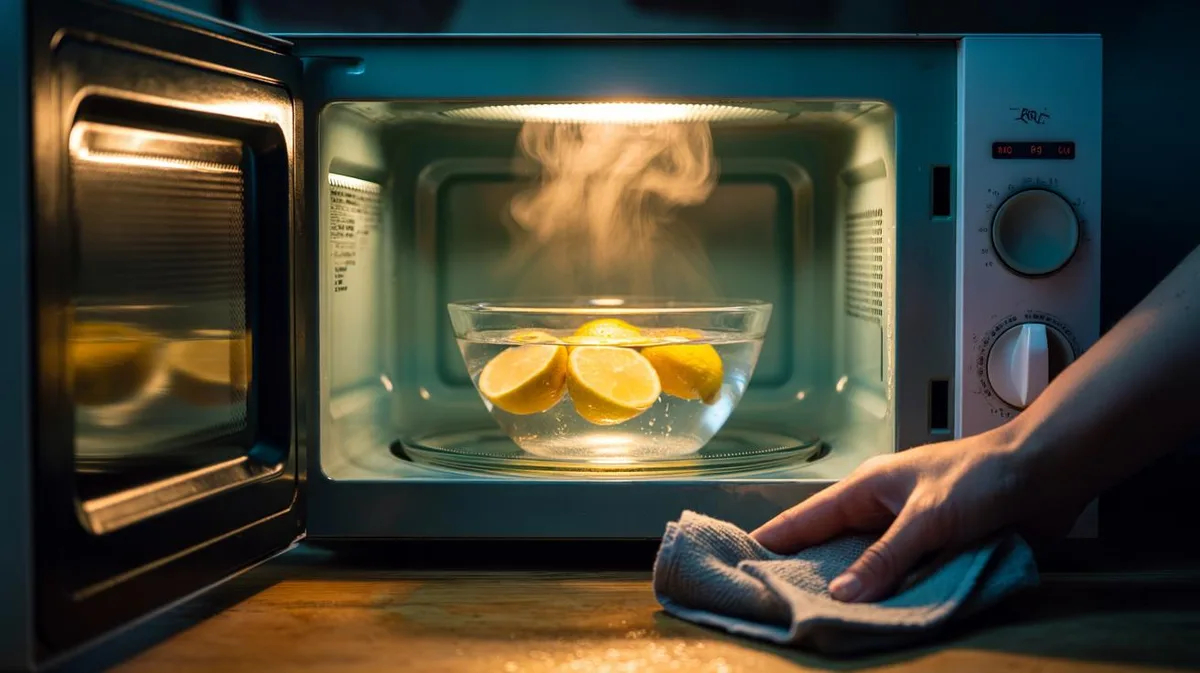
You’ll need a microwave safe bowl, water, and either fresh lemon slices or white vinegar. Both work because the acid neutralizes alkaline odor compounds.
For the vinegar method, mix one cup of water with two tablespoons of white vinegar. For the lemon method, slice one lemon into a bowl with one cup of water. Place the bowl in the center of the turntable.
Run the microwave on high for three to five minutes. You want the water boiling hard enough to steam up the windows. Let the bowl sit inside for another five minutes after the timer goes off.
This lets the steam condense on all surfaces, including the ceiling.
Carefully remove the bowl with an oven mitt. Then take out the turntable and roller ring. Wash them in hot soapy water separately.
Wipe down every interior surface with a soft sponge or microfiber cloth. Pay attention to the door gasket, the corners, and the vent slots. These are where residue hides.
If the smell is gone or much lighter, you’re done. If it’s still strong, move to the targeted treatments below.
For Burnt or Baked On Smells: When to Add Baking Soda Paste
Steam alone won’t always cut through burnt on crust. If you still smell char after the steam clean, it’s time for baking soda paste.
Baking soda is a mild abrasive. It scrubs away the carbonized layer without scratching the microwave’s interior finish. It also neutralizes acid based odors, which burnt smells often are.
Mix three parts baking soda with one part water. Stir until you get a thick spreadable paste. It should be wet enough to apply but not runny.
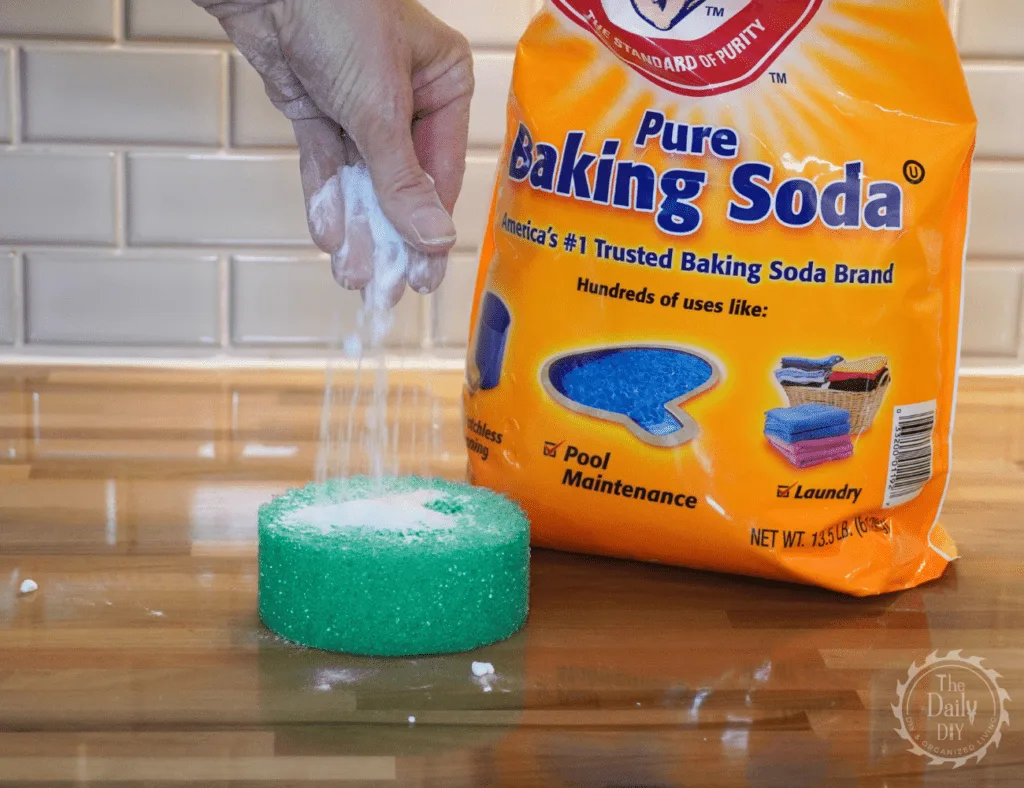
Image source: Bing (Web (fair-use with source credit))
Apply the paste directly to the burnt spots. Use a rubber spatula or your fingers (with a glove). Spread it evenly over the stained area.
Let it sit for five to ten minutes. Don’t let it dry out completely; a little moisture helps the scrubbing action.
Scrub gently with a soft sponge in small circles. You should see brownish residue lifting off. Rinse the sponge frequently.
After scrubbing, wipe away the paste with a damp cloth. Then rinse with a clean wet sponge to remove any baking soda dust.
Dry the interior with a microfiber towel. Run the microwave empty for 60 seconds to evaporate any leftover moisture. This step prevents moldy smells later.
If you still see burnt specs, repeat the paste application. For really stubborn stains, let it sit for 30 minutes covered with a damp paper towel.
For Lingering or Absorbed Odors: Activated Charcoal or Coffee Grounds
Sometimes the smell has already soaked into the plastic interior. You can scrub and steam, but the odor comes back after a few hours. That’s when you need a passive absorber.
Activated charcoal is the most effective option. It works by trapping odor molecules in its porous structure. A standard charcoal bag meant for odor control will pull smells out of the microwave without any effort.
Place an activated charcoal bag inside the microwave. Close the door. Leave it for 12 to 24 hours.
The longer you leave it, the more it absorbs. For an over the range microwave, check if the charcoal filter needs replacement. A clogged filter can recirculate odors.
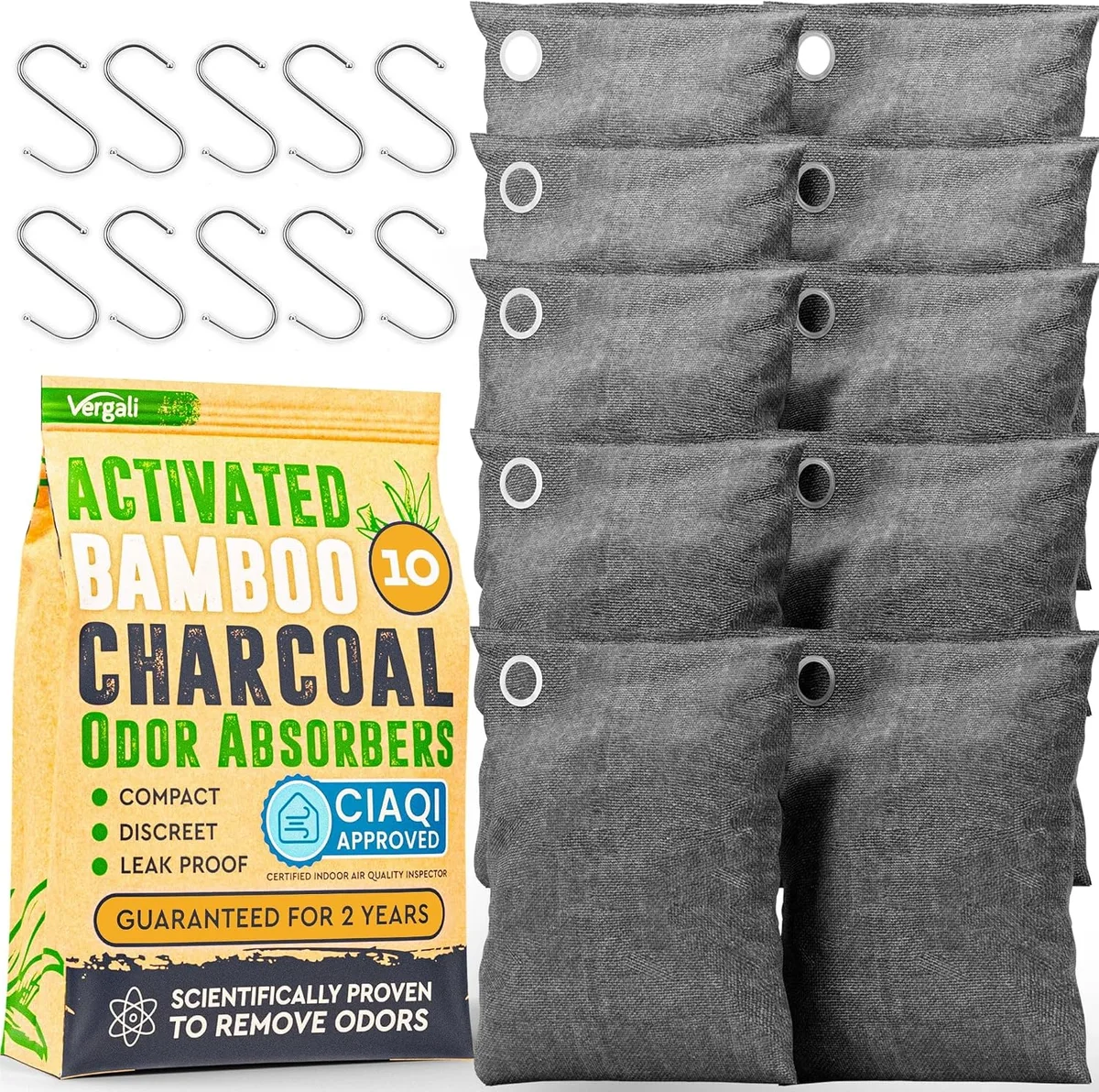
Image source: Bing (Web (fair-use with source credit))
If you don’t have a charcoal bag, use coffee grounds as a backup. Put a small bowl of dry, unused coffee grounds inside the microwave. Leave it for a full day.
The grounds will absorb the smell and leave a mild coffee scent. This works best for mild lingering odors.
Avoid using vanilla extract or essential oils on their own. They mask the smell temporarily but don’t remove the source. By the next day, the original odor often returns.
Common Mistakes That Make the Smell Worse
A few well intentioned moves can lock odors in instead of removing them. Avoid these.
Skipping the turntable and roller ring. These pieces trap grease and food particles under the glass plate. If you only wipe the walls, the smell stays. Wash them in hot soapy water every time you steam clean.
Using bleach or ammonia. Harsh chemicals can damage the interior coating. More importantly, they leave behind fumes that mix with food odors. The result is a chemical smell on top of the burnt smell.
Stick to vinegar, lemon, or baking soda.
Spraying cleaner directly on the heating element or vents. Liquid pooling near the magnetron vent can cause electrical damage or even a short. Always spray onto a cloth first, then wipe.
Leaving the door closed after cleaning. Moisture trapped inside creates musty, moldy smells. After wiping, prop the door open for at least 15 minutes. Run the microwave empty for 60 seconds to speed up drying if you're in a hurry.
Forgetting the charcoal filter. For over the range microwaves, a saturated charcoal filter recirculates odors every time you run the vent. Replace it every six months or check your manual for specific intervals. A dirty filter can undo all your cleaning work.
Using abrasive scrubbing pads. Steel wool or green scrubbers scratch the interior finish. Scratches create rough surfaces where residue and odors cling more stubbornly. Use a soft sponge or microfiber cloth instead.
Quick Maintenance to Keep the Smell Away
Prevention is faster than removal. Build these habits into your routine and you will rarely deal with stubborn odors.
Cover your food. A microwave safe lid or a splatter guard catches almost all mess before it happens. Loose fitting covers let steam escape while preventing explosions. This single step cuts cleaning frequency by more than half.
Wipe spills immediately. The moment the microwave stops, open the door and wipe any splatters with a damp paper towel. Dried on residue bakes into the surface with each subsequent use. A quick wipe takes 10 seconds.
Air out after cooking. Leave the door open for two to three minutes after heating strong smelling food like fish or curry. This releases trapped steam before it condenses and soaks into the plastic.
Run a steam clean weekly. Even if you don't smell anything, microwave one cup of water with a tablespoon of vinegar for three minutes once a week. Wipe down the interior. This prevents buildup before it starts.
Check the door gasket monthly. Run your finger along the rubber seal. If it feels greasy or sticky, wipe it with a mild soap solution. The gasket absorbs odors more than any other part.
Replace charcoal filters on schedule. If your model uses one, note the replacement date. Many filters have a six month lifespan. Set a calendar reminder.
A fresh filter keeps the microwave smelling clean even when the fan runs.
Frequently Asked Questions
Does vinegar leave a smell in the microwave?
White vinegar has a strong smell while steaming, but it dissipates completely once the surfaces dry. If you notice a lingering sour scent, wipe the interior with a clean damp cloth afterward and leave the door open for 10 minutes.
Can I use lemon juice instead of fresh lemon?
Yes. Bottled lemon juice works fine. Use two tablespoons mixed with a cup of water.
It provides the same acidity to break down odors. Fresh lemon adds a slightly brighter scent but both are effective.
How long should I steam the microwave for a really bad smell?
For heavy odors, steam for five full minutes at high power. Let the bowl sit inside for another five minutes afterward. If the smell remains, repeat the process with fresh water and vinegar before moving to baking soda paste or charcoal.
Is it safe to microwave baking soda?
Do not microwave dry baking soda alone. It can release carbon dioxide and create a mess. Always mix it with water into a paste first.
The paste is safe to microwave for short intervals, but you do not need to microwave it. Apply it after steaming and let it sit.
My microwave smells even after cleaning. What am I missing?
Check the charcoal filter, the door gasket, and the area under the turntable. Also look inside the vent slits on the top or back. These hidden spots trap grease and food particles.
Dislodge buildup using a toothbrush and warm soapy water.

Similar Posts