Easy Instant Pot Shrimp & Rice Recipes
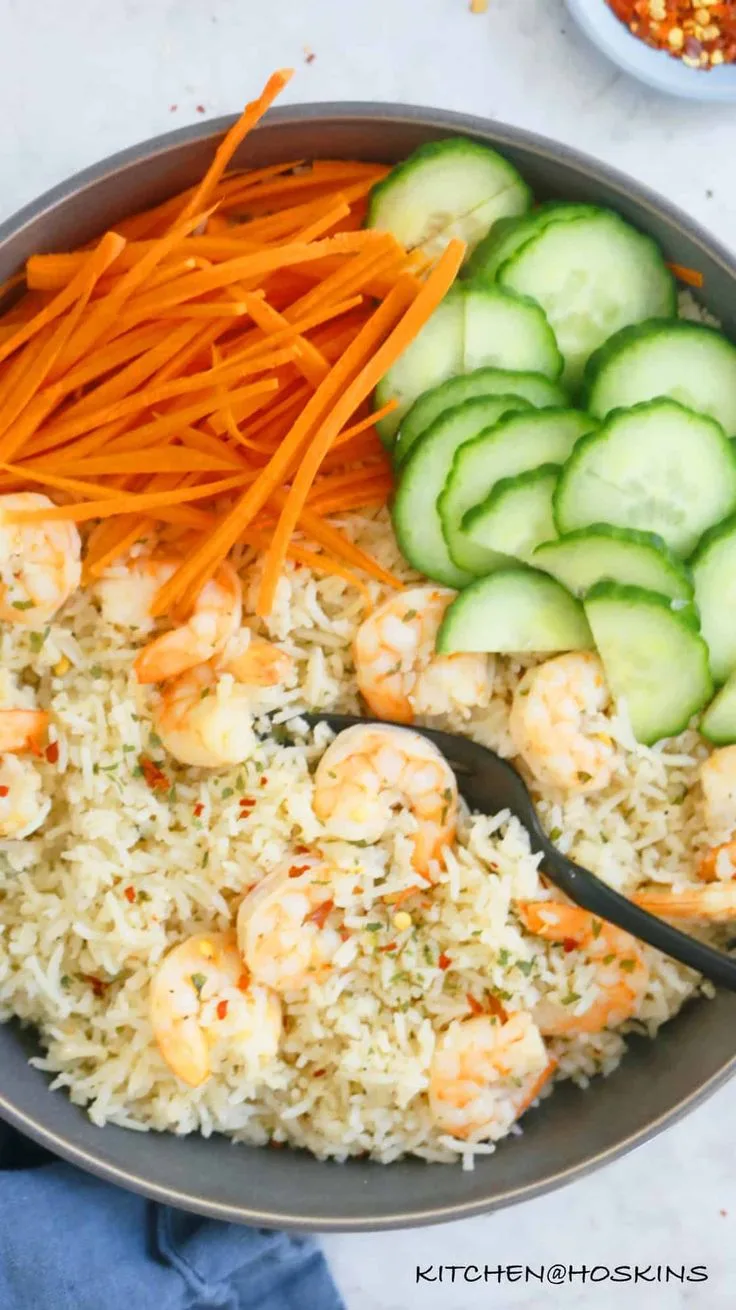
If you've ever tried making instant pot shrimp and rice recipes by tossing everything in and hitting start, you probably wound up with one of two things: perfectly cooked shrimp on a bed of crunchy rice, or fluffy rice with rubbery shrimp. That's because shrimp and rice don't cook at the same speed under pressure. Shrimp is done in a minute or two.
Rice needs several minutes plus a natural release.
The USDA recommends cooking shrimp to an internal temperature of 145°F, which happens fast in a pressure cooker. White rice, meanwhile, needs about 4 to 6 minutes at high pressure and a 10-minute natural release for the best texture. That timing gap is the central challenge of any one-pot shrimp and rice recipe.
Our research on pressure cooker dynamics shows this is the most common failure point for home cooks. Here is how to bridge that gap.
Quick Answer
The best way to make instant pot shrimp and rice recipes is to cook the rice first. Then add the shrimp after the pressure releases. This avoids rubbery shrimp and gummy rice.
Use the sauté function to finish the shrimp in butter or seasoning. Adjust times based on rice type and shrimp freshness.
Image source: Bing (Web (fair-use with source credit))
Why Shrimp and Rice Rarely Cook at the Same Speed
Rice needs that natural release to absorb excess steam and set its texture. If you quick-release the pressure after cooking rice, you force all that steam out. The result is often starchy, sticky, or undercooked rice.
Shrimp, on the other hand, cannot handle extended heat without turning tough. At high pressure, fresh shrimp is fully cooked in about one minute. Frozen shrimp needs two to three minutes tops.
Any longer inside a pressurized pot turns them into little rubber bullets.
So if you cook them together from the start, you have two choices. Set the timer for the rice, and the shrimp overcooks. Set it for the shrimp, and the rice stays crunchy.
Neither option works. That's why the best recipes separate their cooking times.
The Three Decision Branches: Frozen vs. Fresh Shrimp and Rice Type
Your first decision point is whether your shrimp is frozen or fresh. This changes how much liquid you need and when you add the shrimp.
If your shrimp is frozen and straight from the bag, it will release water as it thaws inside the pot. That extra liquid can throw off your rice ratio. You need to reduce your added liquid by about two tablespoons per cup of frozen shrimp to compensate.
If your shrimp is fresh or fully thawed, you have more control. You can cook the rice to perfection and add the shrimp at the end without worrying about extra moisture.
Your second decision point is rice type. White rice, jasmine, and basmati all cook in 4 to 6 minutes at high pressure with a 10-minute natural release. Brown rice needs 20 to 22 minutes at high pressure and a full natural release.
That longer cook time makes it trickier to pair with shrimp.
Image source: Bing (Web (fair-use with source credit))
The Best Method: Sauté the Shrimp After, Fluff the Rice Perfectly
This method separates the cooking into two stages. It takes a little more hands-on time, but the results are consistent every time.
Here is the step-by-step workflow:
- Use the sauté function to cook aromatics like onion, garlic, and bell pepper in butter or oil for two to three minutes.
- Add your rice and stir for another minute to toast the grains. This step improves flavor and reduces stickiness.
- Pour in your measured liquid. For white rice, use a 1:1 ratio. One cup of rice gets one cup of broth or water. Stir to combine and scrape the bottom of the pot to release any stuck bits. This prevents the burn warning later.
- Lock the lid and cook at high pressure. White rice needs 4 minutes. Jasmine or basmati needs 4 to 5 minutes. Brown rice needs 20 to 22 minutes.
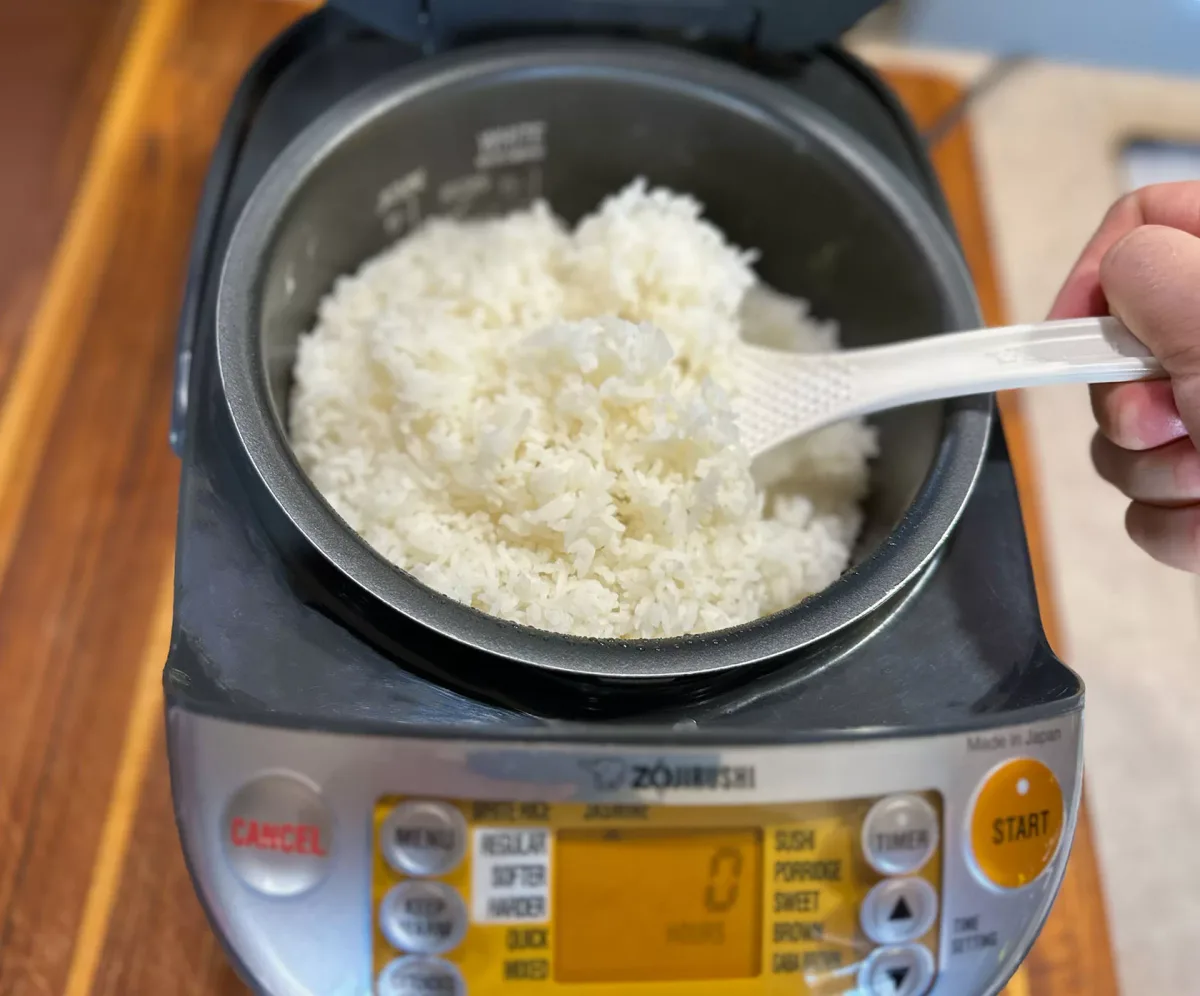
- Let the pressure release naturally for 10 minutes. Do not quick release. After 10 minutes, quick release any remaining pressure. Open the lid and fluff the rice with a fork.
- Remove the rice to a bowl. Add a tablespoon of butter to the empty pot and use the sauté function again. Cook your shrimp for one to two minutes per side until they are pink and opaque. Season with salt, pepper, garlic powder, or Cajun spices.
- Stir the shrimp back into the rice and serve immediately.
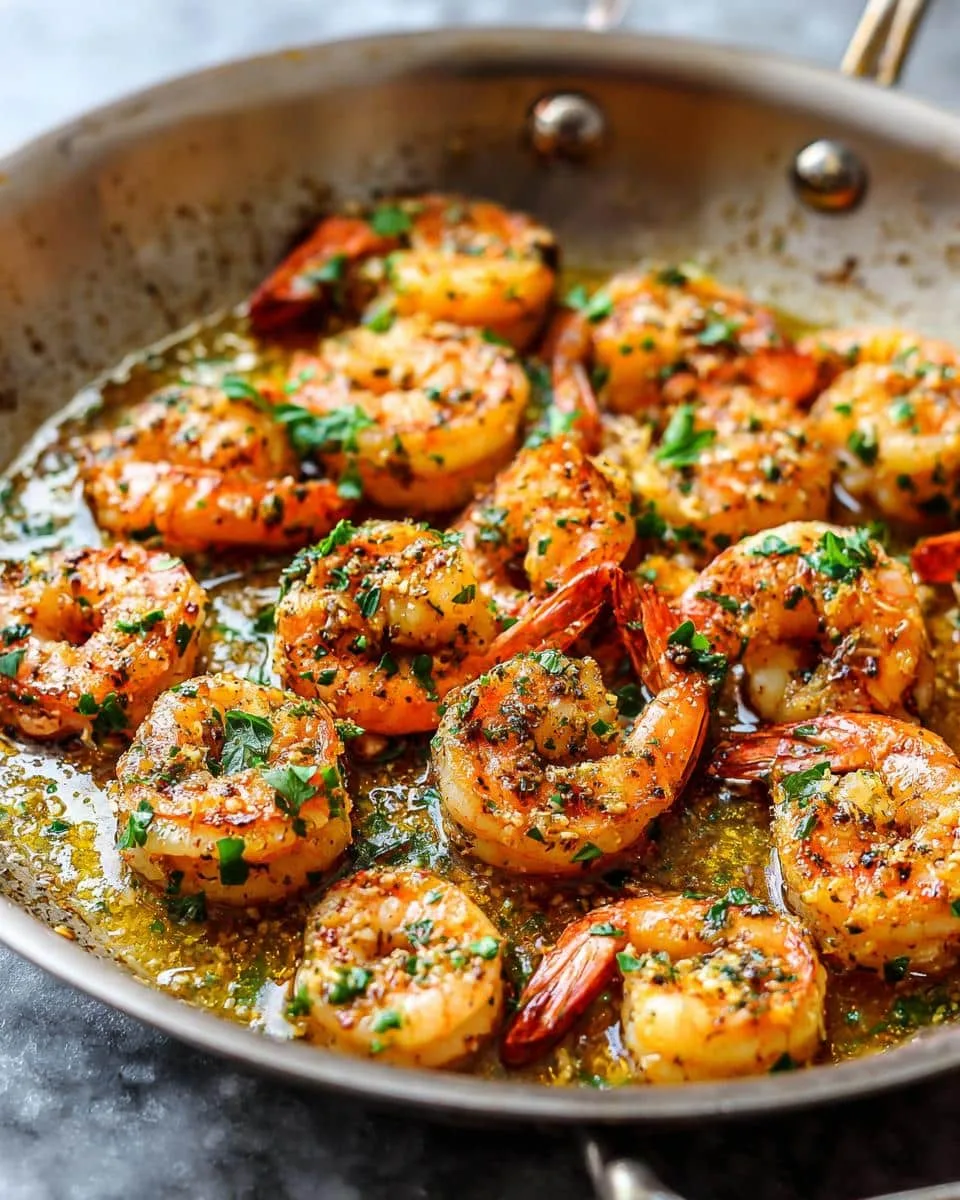
Image source: Bing (Web (fair-use with source credit))
The Same-Pot Shortcut: When It Actually Works
There is one scenario where cooking shrimp and rice together in the pot works well. That scenario is when you use the pot-in-pot method or when you add the shrimp on top of the rice after the pressure builds.
Here is the trick. Cook the rice as usual but do not stir the shrimp into the rice before pressure cooking. Instead, place the raw shrimp on top of the rice and liquid in a single layer.
Do not stir. The shrimp will steam on top of the rice during the cook time.
This only works with white or jasmine rice because the cook time is short enough. Brown rice takes too long and will overcook the shrimp.
Set the timer for the rice. For example, 4 minutes for white rice at high pressure. Quick release immediately after the cook time ends.
Do not let it natural release. The shrimp will be done right as the pressure releases.
You lose some flavor infusion compared to the sauté method, but you save one step. This is a good shortcut for busy weeknights when you want a one-pot meal.
Common Mistakes That Ruin Instant Pot Shrimp and Rice
Let's cover the mistakes that turn a promising meal into a disappointing one.
The first and most common mistake is cooking shrimp and rice together for the same amount of time. As we have established, this leads to either rubbery shrimp or undercooked rice.
The second mistake is using too much liquid with frozen shrimp. Frozen shrimp thaws in the pot and releases water. If you do not reduce your added liquid, you end up with soupy, mushy rice.
The third mistake is quick releasing the pressure after cooking rice. Rice needs that natural release to set its texture. Quick releasing forces out all the steam and leaves you with sticky, gummy rice.
The fourth mistake is forgetting to deglaze the pot after sautéing aromatics. Any bits stuck to the bottom can trigger the burn warning and stop the cooking cycle.
The fifth mistake is using the wrong rice-to-liquid ratio. Brown rice needs more liquid than white rice. Using a 1:1 ratio for brown rice will leave it crunchy.
Quick-Reference Cook Times and Liquid Ratios
Here is the reference table you need for any instant pot shrimp and rice recipe. These numbers come from standard pressure cooker guidelines and manufacturer specifications.
| Rice Type | Liquid per 1 Cup Rice | High Pressure Time | Release Method |
|---|---|---|---|
| White rice | 1 cup | 4 minutes | 10-min natural |
| Jasmine | 1 cup | 4 minutes | 10-min natural |
| Basmati | 1 cup | 5 minutes | 10-min natural |
| Brown rice | 1.25 cups | 22 minutes | Full natural |
For the shrimp, freshness changes the timing. Fresh raw shrimp cooks in 1 to 2 minutes under high pressure. Frozen raw shrimp takes 2 to 3 minutes.
If you are using the sauté method after the rice, cook shrimp for about 90 seconds per side.
As of 2026, the USDA still recommends an internal temperature of 145°F for shrimp. Use an instant-read thermometer if you are unsure.
Frequently Asked Questions
Can you use frozen shrimp straight from the bag in the Instant Pot?
Yes, you can use frozen shrimp without thawing. Reduce your added liquid by about two tablespoons per cup of frozen shrimp. The thawing shrimp releases water into the pot.
Frozen shrimp also needs one extra minute of cooking time compared to fresh.
Do you need to rinse the rice before pressure cooking it?
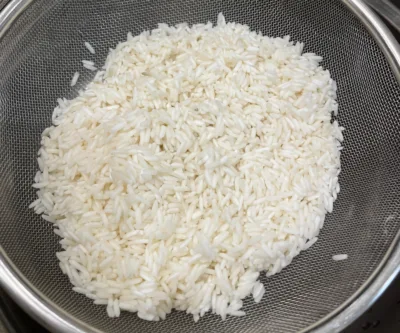
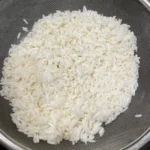
Yes, rinse white rice until the water runs clear. Excess starch makes the rice gummy and can trigger the burn warning. Use a fine-mesh strainer for best results.
This takes 30 seconds and noticeably improves texture.
Can you make brown rice work with shrimp in the Instant Pot?
Brown rice works, but you cannot cook it with the shrimp at the same time. Brown rice needs 22 minutes at high pressure plus a full natural release. That is far too long for shrimp.
Use the sauté method and add the shrimp after the rice is done.
Why does my Instant Pot display the burn warning when making shrimp and rice?
The burn warning usually appears when starch has collected on the bottom of the inner pot. Toasting rice in the sauté step can also leave stuck bits behind. Deglaze thoroughly with liquid after sautéing.
Stir the bottom well before sealing the lid.
Can I freeze leftover shrimp and rice from the Instant Pot?
Yes, you can freeze leftovers in airtight containers for up to three months. Shrimp may turn slightly softer after reheating. Warm the dish gently in a microwave or skillet with a splash of broth to restore moisture.
The Final Decision Guide: Which Method Should You Use?
Choose your method based on your shrimp state and rice type. If you have fresh shrimp and white rice, use the sauté-after method for the best texture and flavor. If you have frozen shrimp, reduce the liquid and either use the same-pot shortcut or the sauté method.
If you are using brown rice, never pressure cook it with shrimp. Always finish the shrimp after the rice.
For most weeknights, the sauté-after method is worth the extra five minutes. You get perfectly fluffed rice, tender shrimp, and consistent results every time. The same-pot shortcut works in a pinch, but the texture is not as reliable.
Start with the sauté method until you feel confident, then experiment with the shortcut when you are short on time.

Similar Posts