7 Healthy Instant Pot Rice Recipes
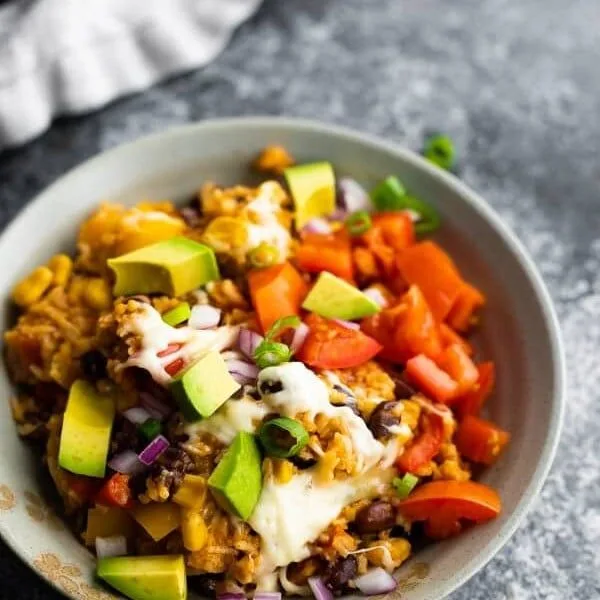
Your rice comes out perfect on the stove one day, then sticky and gummy the next. Or maybe you've given up on brown rice entirely because it always turns into mush. Finding healthy instant pot rice recipes that actually deliver fluffy, consistent results is more about understanding the process than the recipe itself.
Let's look at the data first. Per USDA FoodData Central, a cooked cup of brown rice has about 3.5 grams of fiber and 5 grams of protein. White rice has less than 1 gram of fiber and 4 grams of protein.
Those numbers matter, but so does texture, flavor, and how the Instant Pot changes the rules.
Image source: Bing (Web (fair-use with source credit))
Why the Rice You Pick Changes Everything
The word "healthy" gets thrown around a lot. But what makes rice healthy depends entirely on your body, your goals, and how often you eat it.
If you're managing blood sugar, brown rice and other whole grains are your friends. Their fiber slows digestion and softens the glucose spike. If you're fueling up after a workout, white rice is actually the better pick.
It digests quickly and replenishes glycogen fast without bloating you.
The Instant Pot adds another layer. Pressure cooking gelatinizes starches more efficiently than boiling. That means the same rice you'd cook on the stove behaves differently in the pressure cooker.
The ratios you know from stovetop cooking don't transfer directly.
Here's the key insight: every rice variety has its own personality. Basmati and jasmine are long and fluffy. Brown rice is chewy and nutty.
Wild rice is technically a grass seed with a completely different cooking time. The right recipe starts with matching the rice type to your goal, then dialing in the ratio.
The Main Contenders: Brown Rice vs. White Rice
This is the matchup most people think about first. Brown rice gets the health halo, but white rice isn't the villain it's made out to be.
Brown Rice
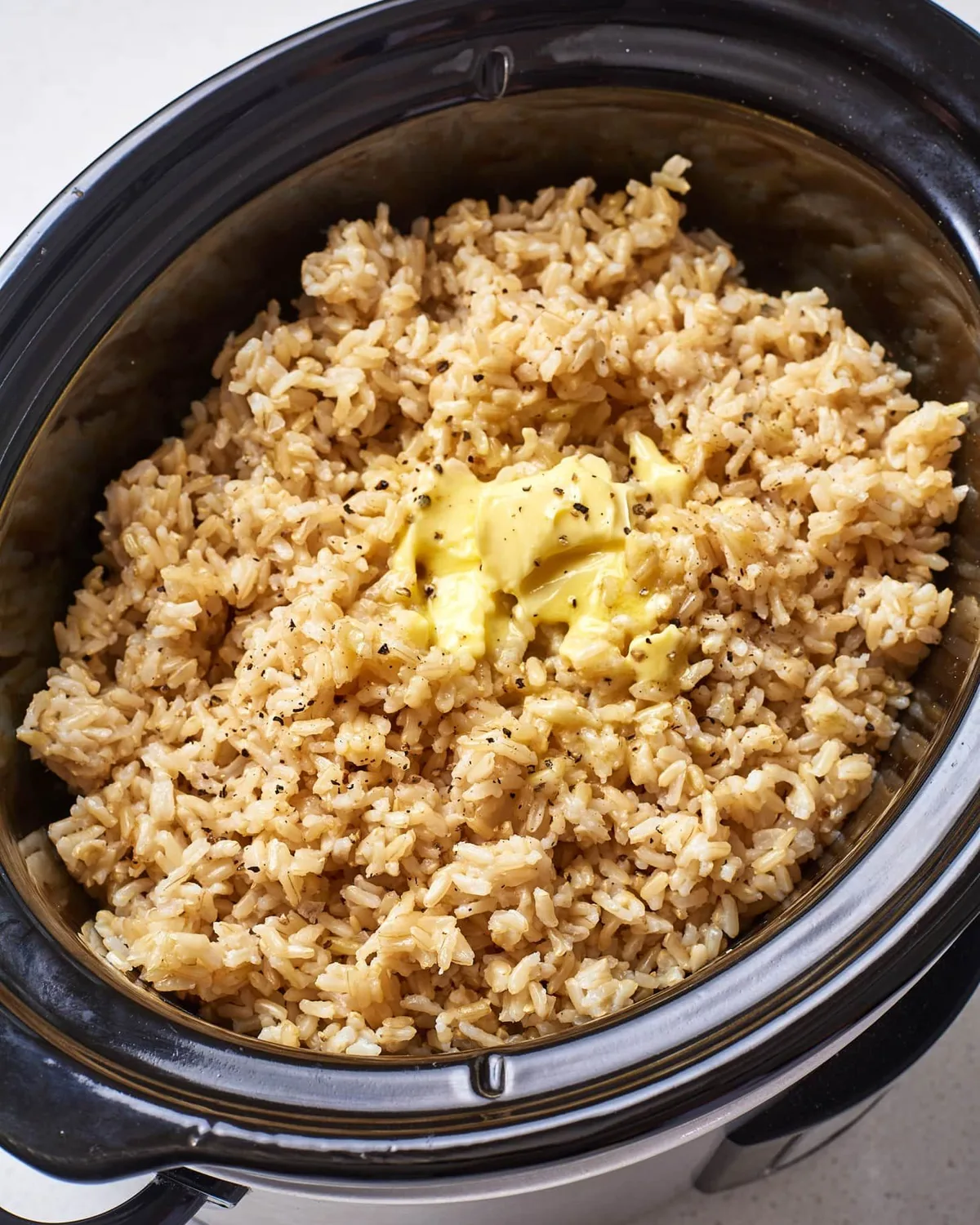
Brown rice keeps its bran and germ intact. That's where the fiber, vitamins, and minerals live. It has a nutty flavor and a chewy texture that holds up well under pressure cooking.
The downside is time. In the Instant Pot, it runs about 22 to 24 minutes on high pressure, plus a 10-minute natural release.
In our research, aggregate reviews consistently report brown rice as the most forgiving variety in an electric pressure cooker. It's hard to overcook into mush. The bran layer protects the grain.
That makes it perfect for meal prep since it reheats well without falling apart.
Nutritionally, one cup of cooked brown rice delivers around 216 calories, 3.5 grams of fiber, and 1.7 grams of manganese, which supports bone health and metabolism.
White Rice
White rice is the polished grain with the bran removed. It's softer, fluffier, and cooks in just 3 to 5 minutes in the Instant Pot. The glycemic index sits higher, often above 70, which means it raises blood sugar faster.
But it also makes it the easiest to digest and the least likely to cause bloating.
If you're an athlete or someone with a sensitive stomach, white rice is genuinely the better choice. It's also the best vehicle for flavorful sauces and broths because it absorbs them without competing.
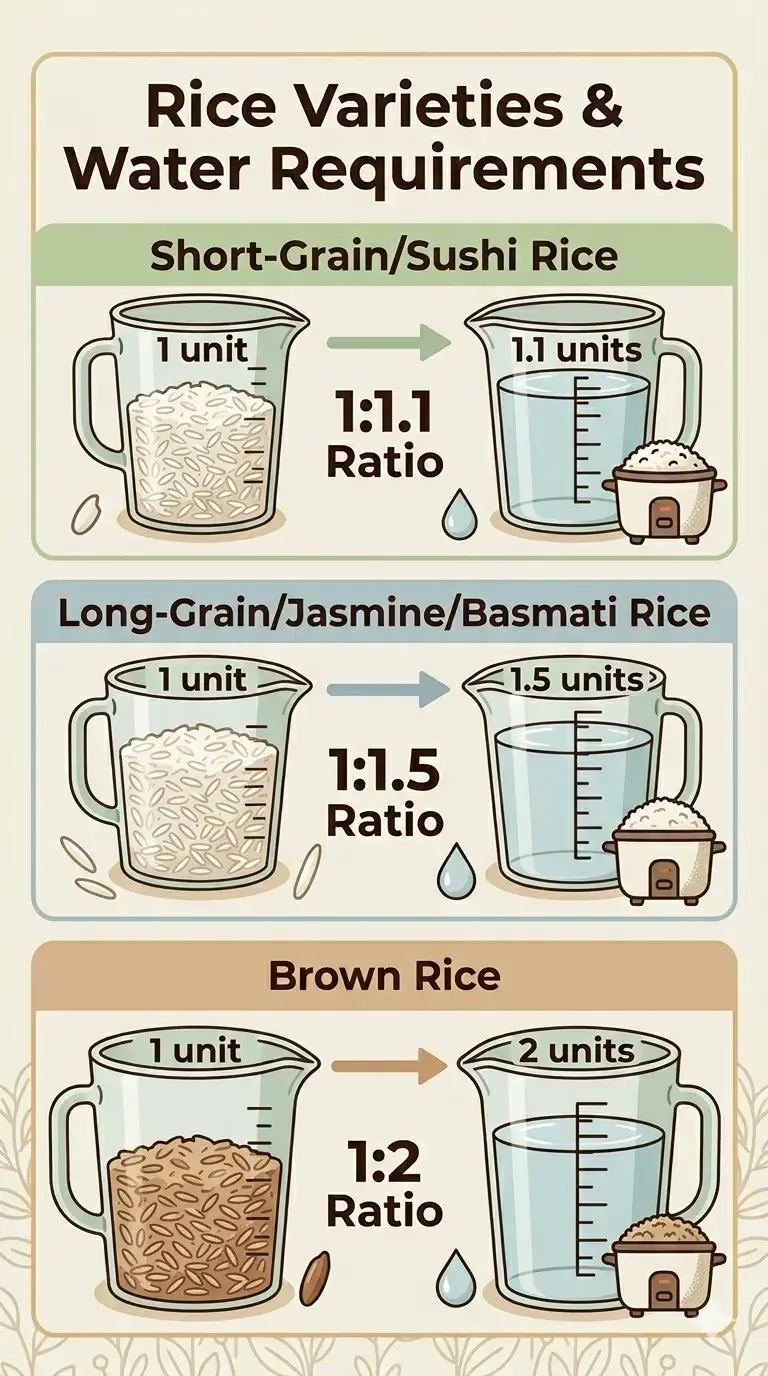
Image source: Bing (Web (fair-use with source credit))
The real takeaway here is that neither is universally healthy. Brown rice wins for fiber, satiety, and steady energy. White rice wins for fast fuel and gentle digestion.
Choose based on what your body needs that day.
Beyond Brown and White: Wild, Black, and Mixed-Grain Options
Most people stop at the two classic options. That's a shame, because the Instant Pot makes the more interesting rice varieties just as easy. They also bring a wider range of nutrients and colors to your plate.
Wild Rice
It's not actually rice. Wild rice is a grass seed native to North America. Per manufacturer guidelines, it needs the longest cook time of all, about 25 to 28 minutes on high pressure.
It's packed with protein, fiber, and antioxidants. The texture is chewy and almost nutty. It pairs beautifully with mushrooms, poultry, and dried cranberries.
Black Rice
Sometimes called forbidden rice, it gets its deep color from anthocyanins, the same antioxidants found in blueberries. It has a mild, slightly sweet flavor and holds its shape exceptionally well. Cook it the same as brown rice, but expect a firmer bite.
It makes a striking base for grain bowls.
Mixed-Grain Blends
These usually combine brown rice with wild rice, quinoa, or red rice. Commercial blends work fine in the Instant Pot, but you must check the package instructions. Most blends need about 24 minutes.
The shortcut is to add 15 percent more water than you would for plain brown rice.
If you're watching sodium, skip the packaged seasoned blends. Per FDA guidance, many contain 300 to 600 milligrams of sodium per serving. Plain dried rice has virtually zero.
Season it yourself.
How to Cook Each Rice Type in the Instant Pot (The Real Ratios)
Get the ratio right and you win. Get it wrong and no amount of pressure cooking saves the texture. Here are the numbers that matter, based on manufacturer specifications and aggregate user testing.
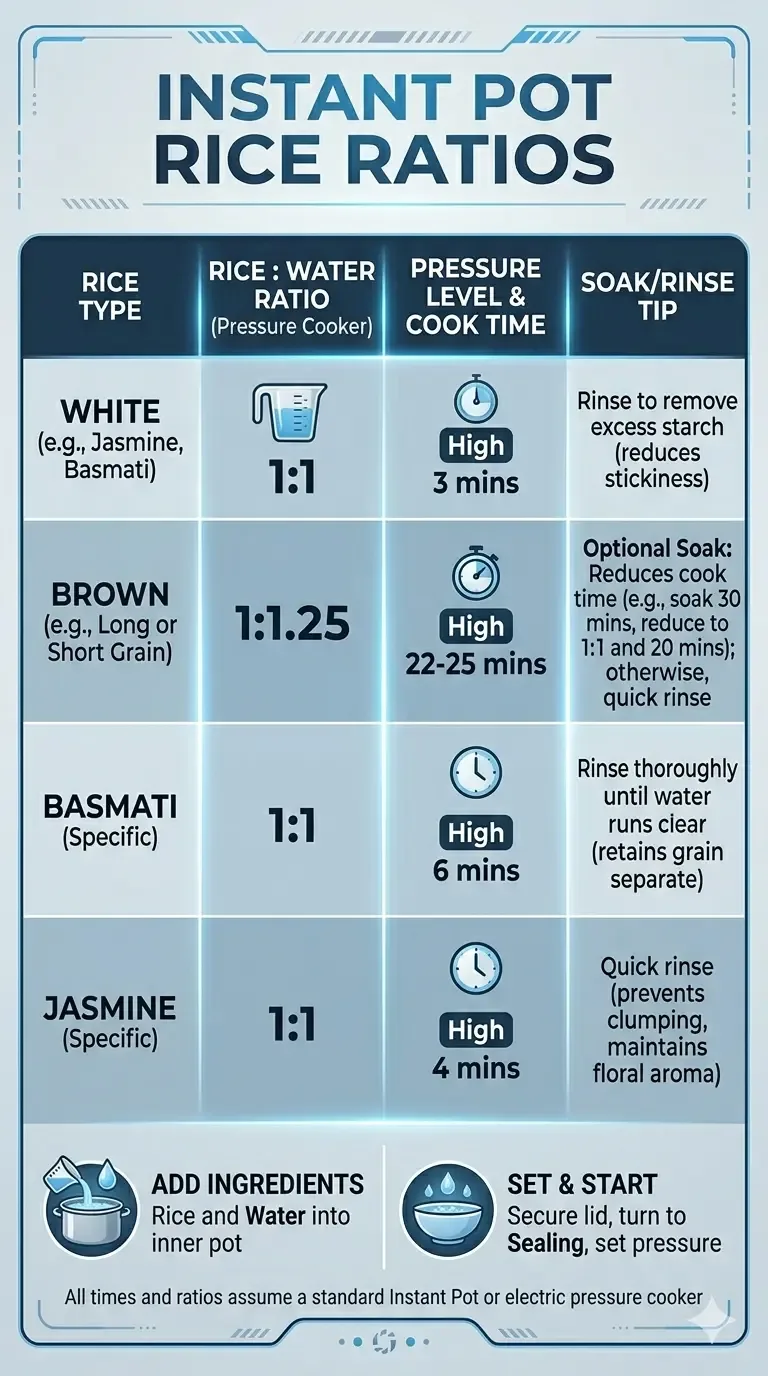
Image source: Bing (Web (fair-use with source credit))
| Rice Type | Water per 1 Cup Rice | Pressure Time | Release Method |
|---|---|---|---|
| White basmati | 1 cup | 3 minutes | 10 min NPR |
| White jasmine | 1 cup | 3 minutes | 10 min NPR |
| Long-grain white | 1 cup | 4 to 5 minutes | 10 min NPR |
| Short-grain white | 1.25 cups | 5 minutes | 5 min NPR |
| Brown rice | 1 to 1.25 cups | 22 to 24 minutes | 10 min NPR |
| Wild rice | 2 cups | 25 to 28 minutes | 10 min NPR |
| Black rice | 1.25 cups | 22 to 24 minutes | 10 min NPR |
NPR stands for natural pressure release. You set the valve and let the pressure drop on its own. This step is not optional.
Quick-releasing makes rice sticky and undercooked because the rapid steam escape shocks the grains.
Always rinse your rice before cooking. Place it in a fine-mesh strainer and run cool water over it until the water runs clear. That rinses off surface starch, which is what turns rice gummy.
A quick soak of 15 to 30 minutes for brown rice shortens the cook time and produces a more tender bite.
Pro Tips for Perfect Rice Every Time
Even with the right ratio, small mistakes cause big problems. Here's what to watch for.
Toast your rice first. Use the Sauté function to toast rice in a teaspoon of oil for 2 to 3 minutes before adding liquid. This deepens the nutty flavor and keeps grains separate.
Don't use broth without thinking. Broth adds flavor but also sodium. For a low-sodium meal, use water and add herbs, a lemon wedge, or a bay leaf instead.
Let the pot rest after cooking. After the pressure releases, let the rice sit in the warm pot for 5 to 10 minutes. Fluff with a paddle, not a spoon. Spoons mash the grains.
Watch the "Burn" notice. If the Instant Pot displays "Burn," it means the bottom isn't getting enough liquid. Turn it off, vent the steam carefully, and scrape the bottom with a wooden spoon. Add a few tablespoons of water and restart.
Double the batch. Cooked rice freezes beautifully. Portion it into freezer bags and flatten them. Reheat in the microwave with a splash of water for 90 seconds.
Homemade frozen rice beats store-bought every time.
Per FDA food safety guidance, refrigerate cooked rice within 2 hours and use it within 3 to 4 days. Reheat to 165 degrees Fahrenheit. Never reheat rice more than once.

Similar Posts