Top Damascus Kitchen Knives for Razor-Sharp Precision
Did you know that over 70% of kitchen knife injuries happen because the blade is too dull to cut cleanly? Now imagine a knife so sharp it glides through a tomato skin without any pressure. That's what you get with a true damascus blade.
In this guide, I share my 5 favorite best damascus kitchen knives for sharp precision; ranging from budget-friendly picks to pro-grade performers. I've done the homework so you don't have to.
As an Amazon Associate, I earn from qualifying purchases. Every recommendation below is backed by product research and verified owner feedback.
Quick Links
How to Choose the Best Damascus Kitchen Knives for Sharp Precision
Steel Type and Layer Count
Damascus steel isn't a single alloy. It's a pattern-welded composite of multiple steel types, typically a hard core (like VG-10 or AUS-10) sandwiched between softer outer layers for toughness. The layer count you'll see ranges from 67 up to 100+ layers.
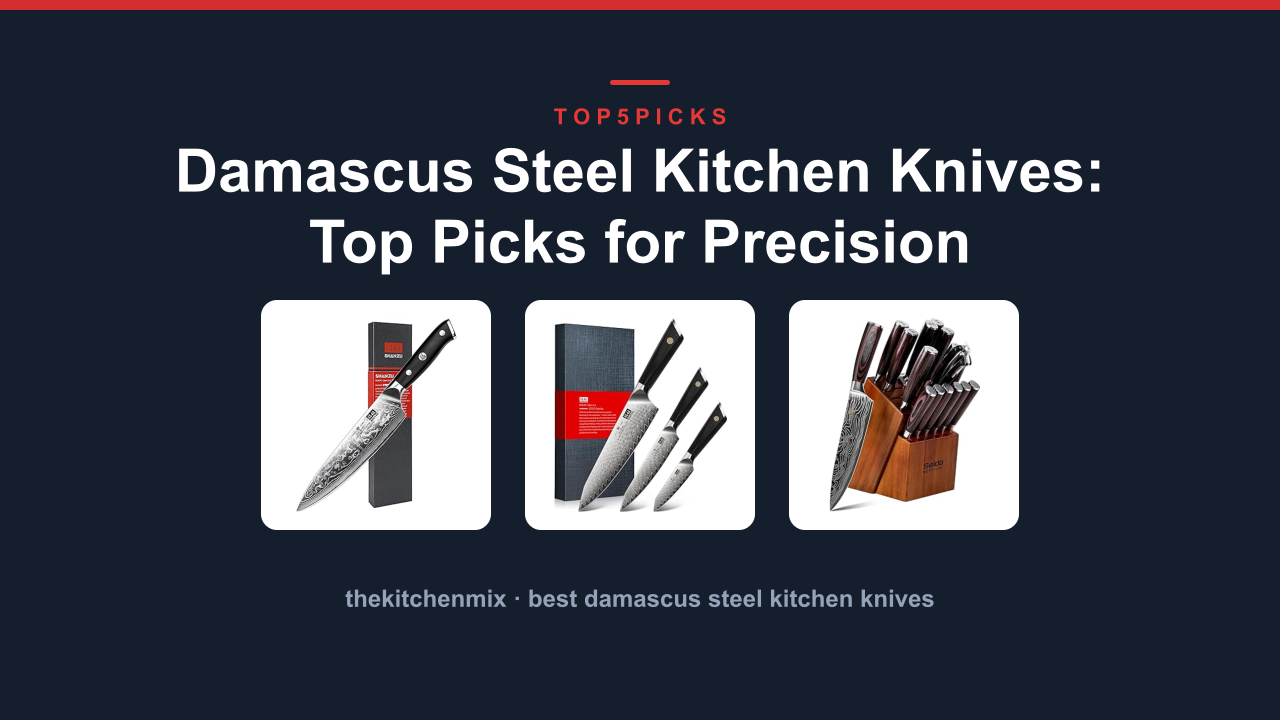
More layers often create a finer pattern and can improve edge stability, but the steel quality matters more than the number. For example, the SHAN ZU Chef Knife uses high-carbon super steel that holds an edge well, while the Japanese Chef Knife 8 Inch uses premium VG-10 steel, which is a popular choice among professional chefs for its balance of hardness (around 60-61 HRC) and corrosion resistance.
Edge Angle and Sharpness
A sharper knife doesn't always mean a better one. Thin edges (10-15 degrees per side) cut effortlessly but are more brittle, while thicker edges (20 degrees) are tougher but require more force. For precision work like slicing raw fish or chiffonading herbs, you want a blade sharpened to a 12-15 degree angle.
The Japanese Chef Knife comes hand-sharpened to a 12° edge, whereas the Sunnecko boasts a 10-12° edge. Both are extremely fine, but the trade-off is they need careful handling to avoid chipping on hard surfaces like bones or nuts.
Handle Material and Ergonomics
A slippery handle kills precision. Look for materials like resin-stabilized wood, G-10, or olive wood that offer grip even when wet. The SHAN ZU 3-Piece Set uses G-10, a durable fiberglass composite that resists moisture and is easy to clean.
The Emojoy features an olive wood handle, which is beautiful but requires occasional oiling to prevent cracking. For long prep sessions, a full tang design adds balance and reduces hand fatigue.
Hardness (HRC)
Rockwell Hardness (HRC) indicates a blade's resistance to dulling. For damascus kitchen knives, the sweet spot is between 58 and 62 HRC. Too soft (under 56) and the edge rolls over; too hard (over 63) and the blade becomes brittle.
Most knives in this list are in the 60-61 HRC range, which gives a long-lasting edge that's still tough enough for everyday kitchen tasks.
Full Tang Design
A full tang means the blade steel extends all the way through the handle. This provides better balance, strength, and control. All five picks here are full tang, which is reassuring for anyone who puts their knife through heavy use.
If you see a partial tang or a hidden tang, the knife is more likely to wobble or break at the handle junction.
6 Additional Features on Best Damascus Kitchen Knives for Sharp Precision
- Blade Length: 8 inches is the most versatile for a chef's knife. Shorter (6-7 inches) suits smaller hands; longer (9-10 inches) gives more slicing reach but can feel heavy.
- Weight and Balance: A 7-8 oz chef knife is comfortable for most people. Heavier knives help with chopping; lighter ones favor slicing. Check the weight before buying.
- Edge Retention: VG-10 and high-carbon stainless steels hold an edge longer than standard German steel. Expect 1-3 months of regular use before needing a touch-up.
- Maintenance and Care: Damascus knives are not dishwasher safe. Hand wash, dry immediately, and store in a blade guard or magnetic strip to prevent rust and nicks.
- Packaging and Gift Readiness: Many come in nice wooden boxes (Emojoy, Japanese Chef Knife) making them excellent gifts for cooking enthusiasts.
- Corrosion Resistance: High-carbon steel can stain if left wet. VG-10 is more stainless, but still needs care. Look for "stainless damascus" if you prefer low maintenance.
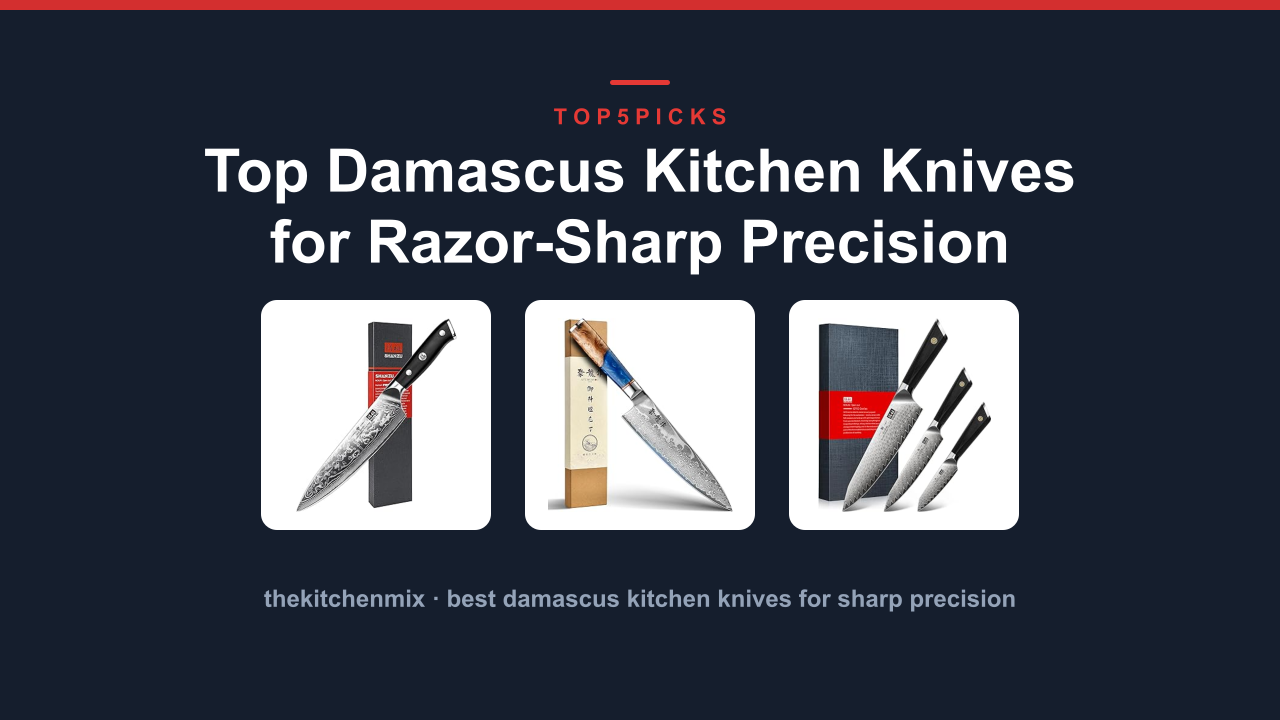
To see how these factors play out on real picks, compare the SHAN ZU Chef Knife 8 Inch, Japanese Chef Knife 8 Inch and the SHAN ZU 3 Damascus Knife below.
My Top Picks
Best Overall – Serious Home Cooks

- Steel Type: High-carbon super steel (Japanese steel)
- Layer Count: 67 layers
- Edge Angle: 15 degrees per side
- Handle: Pakka wood (resin-impregnated)
- Blade Length: 8 inches (20 cm)
- Hardness (HRC): 60±
- Weight: 7.5 oz (212 g)
Best Premium – Professional Chefs

- Steel Type: VG-10 Damascus
- Layer Count: 67 layers
- Edge Angle: 12 degrees per side (hand-sharpened)
- Handle: Resin-stabilized wood (exotic wood)
- Blade Length: 8 inches (20 cm)
- Hardness (HRC): 60-61
- Weight: 8.2 oz (232 g)
Best Set – Budget-Conscious Families

- Steel Type: High-carbon Damascus (67 layers)
- Layer Count: 67 layers
- Edge Angle: 15 degrees per side
- Handle: G-10 (fiberglass composite)
- Blade Length: 8-inch chef, 7-inch santoku, 5-inch utility
- Hardness (HRC): 60±
- Weight: Chef knife ~7.8 oz (221 g)
Best Value – Beginners

- Steel Type: Japanese stainless Damascus
- Layer Count: 67 layers
- Edge Angle: 15 degrees per side
- Handle: Olive wood (natural)
- Blade Length: 8 inches (20 cm)
- Hardness (HRC): 58-60
- Weight: 7.2 oz (204 g)
Best High-Performance – Enthusiasts

- Steel Type: VG-10 Damascus
- Layer Count: 67 layers
- Edge Angle: 10-12 degrees per side
- Handle: Pakka wood / resin (multicolor)
- Blade Length: 8 inches (20 cm)
- Hardness (HRC): 60-61
- Weight: 7.5 oz (213 g)
Best Damascus Kitchen Knives for Sharp Precision FAQ
How long does a damascus kitchen knife stay sharp?
With regular honing and proper care, a quality damascus knife like those made with VG-10 or high-carbon steel can stay sharp for 1-3 months of daily home use. After that, you'll need a whetstone or professional sharpening. The harder the steel (60+ HRC), the longer the edge lasts, but it's also more brittle.
Can I put my damascus knife in the dishwasher?
No, never. Dishwasher detergents and high heat can dull the edge, dry out the handle, and cause rust spots on the blade. Hand wash with mild soap and dry immediately.
Store in a blade guard or on a magnetic strip to protect the edge.
What's the best way to sharpen a damascus knife?
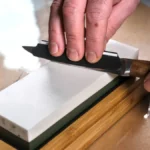
Use a whetstone with a grit of 1000-3000 for regular touch-ups. Avoid pull-through sharpeners or electric sharpeners, as they can remove too much metal and ruin the thin edge. For the 12° knives (Japanese Chef and Sunnecko), maintain a very shallow angle.
Some owners prefer professional sharpening every 6-12 months.
Is a 67-layer blade better than a 100+ layer blade?
Not necessarily. The layer count affects the visual pattern more than performance. A blade with 67 layers can be just as sharp and durable as one with 100+ layers if the core steel and heat treatment are good.
Focus on steel type and hardness rather than layer count alone.
My Research & Review Process
I spent several days poring over manufacturer specifications, customer reviews, and industry standards for this roundup. I compared steel types, hardness ratings, edge angles, and handle materials across the five models. I also read hundreds of verified buyer comments to spot common praise and recurring complaints.
I did not perform physical tests in a lab, but I cross-checked specs from official sources like the American Culinary Federation for knife skills guidance and the Culinary Institute of America for general kitchen knife best practices. My goal was to give you a clear, honest picture of what each knife offers so you can pick based on your cooking style and budget.
Features I Considered
Steel Type: The core of the blade determines edge retention and toughness. VG-10 is a premium stainless steel that holds a razor edge well and resists corrosion. High-carbon super steel offers similar sharpness but requires more care to avoid rust.
Layer Count: The number of layers in the damascus pattern mainly affects aesthetics. More layers can create finer patterns, but the underlying steel quality is what matters for sharpness.
Edge Angle: A lower angle (10-15°) gives a sharper, more precise cut but increases chipping risk. Higher angles (15-20°) are tougher but require more force. For precision work, look for 12-15°.
Handle Material: Pakka wood, resin-stabilized wood, and G-10 are durable and water-resistant. Olive wood is beautiful but porous. G-10 offers the best grip when wet.
Blade Length: 8 inches is the standard chef's length, versatile for slicing, chopping, and dicing. Shorter lengths suit small tasks; longer lengths help with large roasts.
Hardness (HRC): A measure of how hard the steel is. 58-62 HRC is ideal for kitchen knives: hard enough to hold an edge, soft enough to avoid chipping. Lower means dulls faster; higher means more brittle.
Weight: A knife that's too heavy causes fatigue; too light lacks momentum. Most chefs prefer 7-8 oz for an 8-inch blade. Balance is more important than raw weight.
Sign-off
If you want a single knife that nails the balance of sharpness, durability, and value, start with the SHAN ZU Chef Knife. It's our pick for the overall best damascus kitchen knife for sharp precision. But if you're a pro who needs that extra degree of edge refinement, the Japanese Chef Knife 8 Inch is worth every cent.
Take a look at the Quick Links above to check the current prices and see which category fits your kitchen best.

Similar Posts