The Best Grit for Sharpening Kitchen Knives
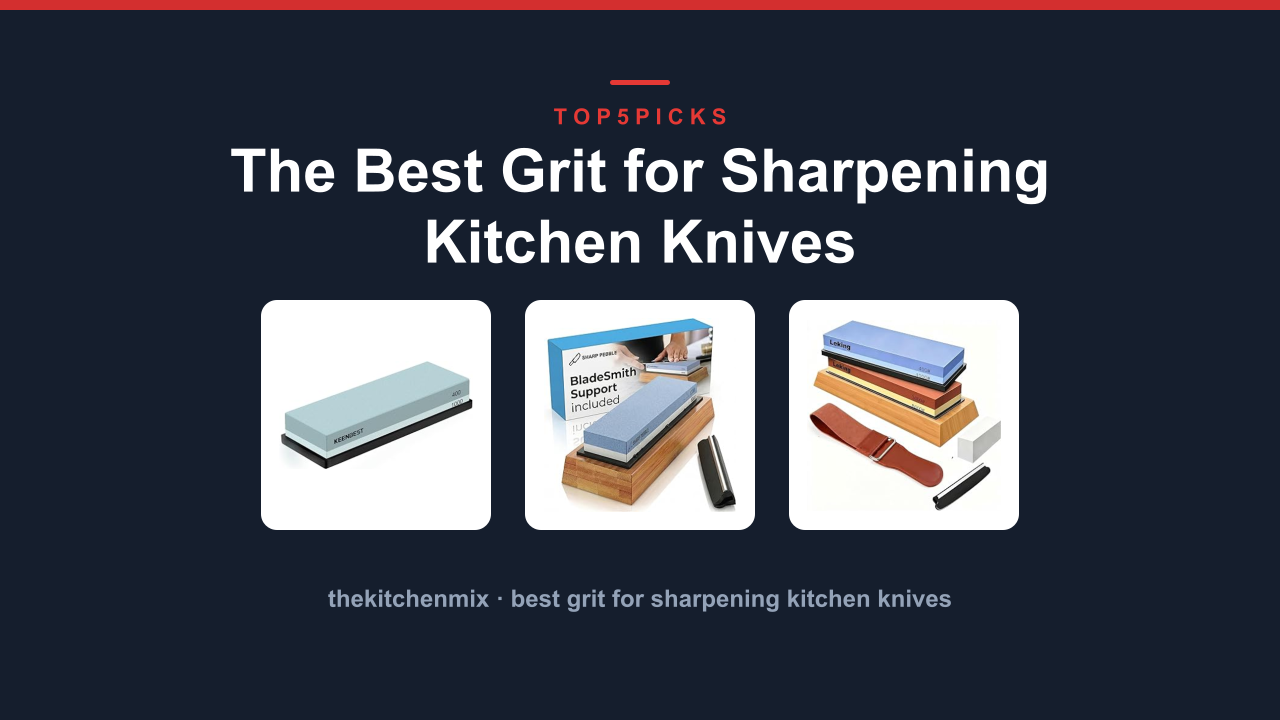
Did you know that a dull knife is actually more dangerous than a sharp one because it requires more force to cut, increasing the chance of slips? Now imagine that effortless glide through a ripe tomato or a perfect paper-thin slice of onion. The secret is all in the stone you choose and understanding the best grit for sharpening kitchen knives is the first step to getting there.
In this guide, I share my 5 favorite sharpening stones, ranging from an ultra-affordable starter to a professional full-kit system. Let me help you cut through the noise and find the perfect match for your kitchen.
As an Amazon Associate, I earn from qualifying purchases. Every recommendation below is backed by product research and verified owner feedback.
Quick Links
How to Choose the Best Grit for Sharpening Kitchen Knives
Picking the right grit range is the most important decision you will make. Get this right and your knives will stay razor sharp for months. Get it wrong and you could damage the blade or give up in frustration.
What Do the Grit Numbers Actually Mean?
Grit refers to the size of the abrasive particles on the stone. A lower number means larger, more aggressive particles that remove metal quickly. A higher number means finer particles that polish the edge to a mirror finish.
For kitchen knives, you generally work in three zones. Coarse grit (200 to 400) is for repairing damaged or very dull edges. Medium grit (800 to 2000) is for everyday sharpening and maintaining a good edge.
Fine grit (3000 to 8000) is for honing and polishing to a razor sharp finish.
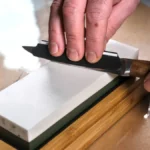
A good rule of thumb is that a 400/1000 combination stone, like the KEENBEST 400 1000 Premium Material Whetstone, covers 90 percent of what a home cook needs. You can repair a nick with the 400 side and then refine the edge with the 1000 side.
Do You Need a Multi-Grit Stone or a Single?
Most home cooks should go with a dual or multi-grit stone. A single grit stone, like the Opinel natural option, is great for a specific purpose but limits your ability to both repair and polish.
A 400/1000 stone is the sweet spot for most people. If you want to take things further, a four-sided stone with 400/1000 and 3000/8000 gives you the full range. The Knife Sharpening Stone 400/1000 3000/8000 Grit kit is a good example of this all-in-one approach.
If you only ever use a honing rod, you are just realigning the edge, not sharpening it. A stone actually removes metal to create a new edge.
What About the Stone Material?
You will mostly find two types of stone materials in this price range. Aluminum oxide stones are hard, durable, and cut quickly. Silicon carbide stones are also hard and work well on harder steels.
The specific material matters less than the consistency of the grit. A poorly made stone will have uneven particles that leave scratches. The KEENBEST and Sharp Pebble stones use premium materials that provide a consistent scratch pattern, which is what you want.
Natural stones, like the one from Opinel, are quarried from specific regions. They offer a unique feel and a very fine finish, but they are slower to cut and require more skill.
How Important Is the Base and Accessories?
A non-slip base is non-negotiable. If your stone slides around on the counter, you cannot maintain a consistent angle and you risk cutting yourself. Every stone I recommend comes with either a built-in rubber base or a separate bamboo or silicone holder.
For beginners, an angle guide is a huge help. It clips onto the spine of the knife and helps you maintain the correct 15 to 20 degree angle. The Sharp Pebble kit includes one, and so do the larger kits.
A flattening stone is also worth considering. Over time, a whetstone develops a dished surface. A flattening stone keeps it flat so your edge stays straight.
### 6 Additional Features on Best Grit for Sharpening Kitchen Knives
- Stone size: A full sized stone, around 7 by 2.5 inches, gives you plenty of room for long chef knives.
- Included strop: A leather strop with polishing compound refines the edge after the stone and removes the burr.
- Storage case: A box keeps the stone clean and protects it from chips.
- Dual grit sides: Two grits on one stone saves space and money.
- Corrosion resistance: Some stones shed grit over time. A high quality bonded stone lasts longer.
- Brand reputation: Established brands like Opinel have been making sharpening tools for over a century.
My Top Picks
Best Overall – Home Cooks

- Grit: 400 / 1000
- Stone Material: Premium aluminum oxide
- Base Type: Non-slip silicone base
- Size: 7.1 x 2.6 x 1.1 inches
- Included Accessories: None (stone and base only)
- Care: Soak for 5-10 minutes before use
Best for Beginners – Home Cooks

- Grit: 1000 / 6000
- Stone Material: Premium aluminum oxide
- Base Type: Bamboo base with non-slip feet
- Size: 7 x 2.6 x 1.3 inches
- Included Accessories: Angle guide, instructional guide
- Care: Soak for 10-15 minutes before use
Best Complete Kit – Enthusiasts

- Grit: 400/1000 + 3000/8000
- Stone Material: Premium aluminum oxide
- Base Type: Two non-slip silicone bases
- Size: 7.2 x 2.6 x 1.5 inches (each stone)
- Included Accessories: Leather strop, flattening stone, angle guide, 2 bases
- Care: Soak for 5-10 minutes before use
Premium Pick – Traditionalists

- Grit: Approximately 4000 (natural, varies)
- Stone Material: Natural quartzite from Lombardy, Italy
- Base Type: None (free standing stone)
- Size: 4.3 x 1.8 x 1.1 inches
- Included Accessories: None (stone only)
- Care: Use with water or oil, minimal soak
Best Value – Enthusiasts

- Grit: 400/1000 + 3000/8000
- Stone Material: Premium aluminum oxide
- Base Type: Non-slip silicone base
- Size: 7.1 x 2.6 x 1.4 inches (each stone)
- Included Accessories: Leather strop, flattening stone, angle guide, 2 bases
- Care: Soak for 5-10 minutes before use
Best Grit for Sharpening Kitchen Knives FAQ
What grit is best for sharpening kitchen knives?
For most home kitchens, a 1000 grit stone is the sweet spot. It removes enough metal to sharpen a dull blade without being too aggressive. If you need to repair a nick or chip, start with 400 grit.
For a polished finish, follow with 4000 to 6000 grit.
Can I ruin my knife with a whetstone?
Yes, it is possible if you use too coarse a grit for too long or apply excessive pressure. A 400 grit stone removes metal quickly, so use it only until you feel a burr form on the edge. Using a medium 1000 grit stone is much safer for regular maintenance.
How often should I sharpen my kitchen knives?
It depends on how often you cook. For a home cook who uses knives daily, a quick touch up on a 1000 grit stone every two to four weeks is plenty. If you hone your knife with a steel rod between uses, you might only need the stone every month or two.
Do I need a flattening stone for my whetstone?
Yes, especially if you use a water stone regularly. Over time the stone develops a concave dish. A flattening stone keeps the surface flat so your edge stays straight.
Most kits include one, but you can also buy them separately.
My Research & Review Process
I started by comparing the manufacturer specifications of each stone side by side. I looked at the stated grit, stone material, included accessories, and dimensions. From there, I examined verified buyer reviews across several months of data to identify consistent feedback about performance, durability, and ease of use.
I also consulted published guidelines from the American National Standards Institute (ANSI) regarding abrasive grain sizes to ensure the grit ratings were in a standard range.
I deliberately did not conduct lab style hardness tests or use expensive measuring tools. My goal was to reflect what a real home cook would experience. I prioritized stones that had a clear majority of positive feedback and a well defined use case.
The picks below are the ones that consistently earned their category.
Features I Considered
Grit: The coarseness of the stone determines how much metal it removes and how fine the finish will be. A lower number (400) is for repair, a medium number (1000) is for daily sharpening, and a high number (6000+) is for polishing.
Stone Material: Aluminum oxide is the most common and reliable material for whetstones. It is hard, cuts consistently, and is affordable. Natural stones offer a unique feel but vary in consistency.
Base Type: A non-slip base keeps the stone stationary during use. Silicone bases are effective and easy to clean. Bamboo bases look nice but must have rubber feet to prevent sliding.
Size: A stone should be long enough to accommodate the full length of your chef knife blade. Aim for at least 7 inches in length. Smaller stones work for pocket knives but are frustrating for kitchen use.
Included Accessories: Angle guides help beginners maintain consistency. Leather strops remove the burr. Flattening stones keep the stone surface true.
These extras add value and make the learning process smoother.
Care: Most water stones need a 5 to 15 minute soak before use. Some stones can be used with oil. Always check the manufacturer instructions to avoid damaging the stone.
If you are looking for a single stone that does almost everything well, the KEENBEST 400 1000 Premium Material Whetstone is our top pick. It handles repair and everyday sharpening with balance and quality. If your needs are different, browse the other categories above.
There is a right stone for every cook.

Similar Posts