Top High-Quality Knife Sets for Discerning Cooks
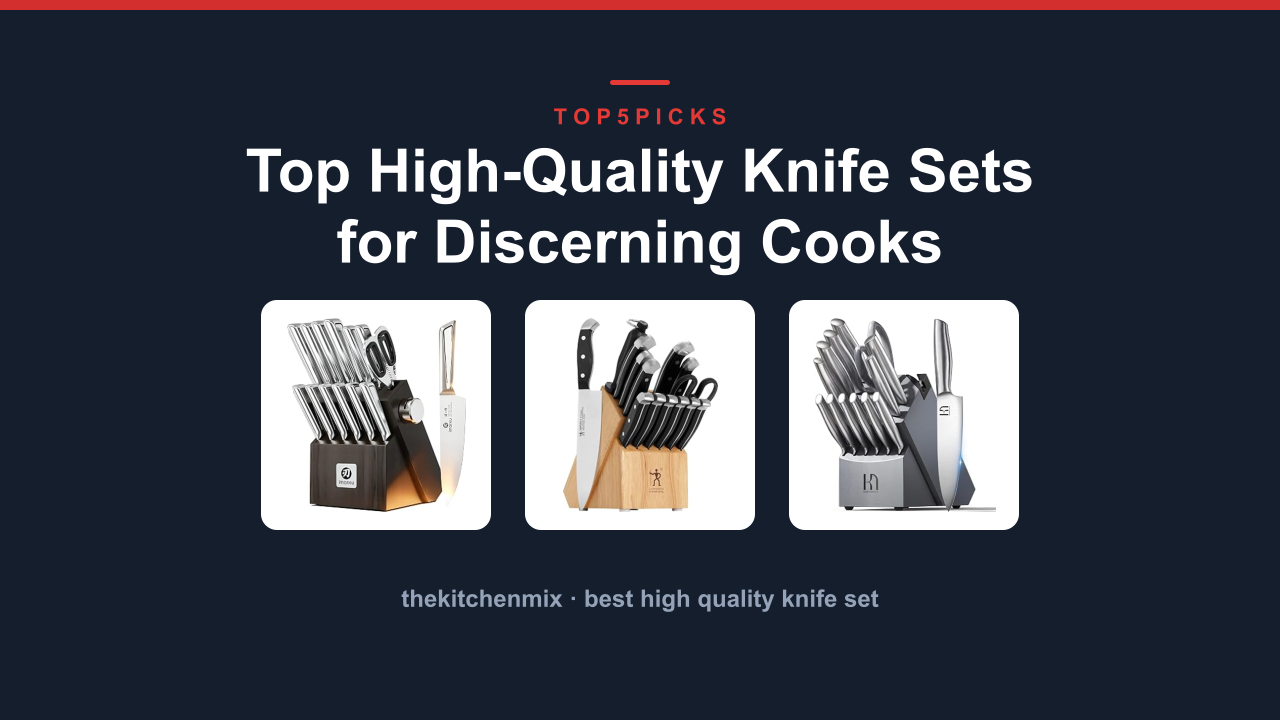
Did you know that a dull knife is actually more dangerous than a sharp one? It slips more easily, requiring extra force that often ends in a cut. Now imagine prepping a week’s worth of meals with a set of blades that glide through tomatoes like butter and stay sharp for months between honing.
That’s the difference a truly great best high quality knife set can make.
As an Amazon Associate, I earn from qualifying purchases. Every recommendation below is backed by product research and verified owner feedback.
Quick Links
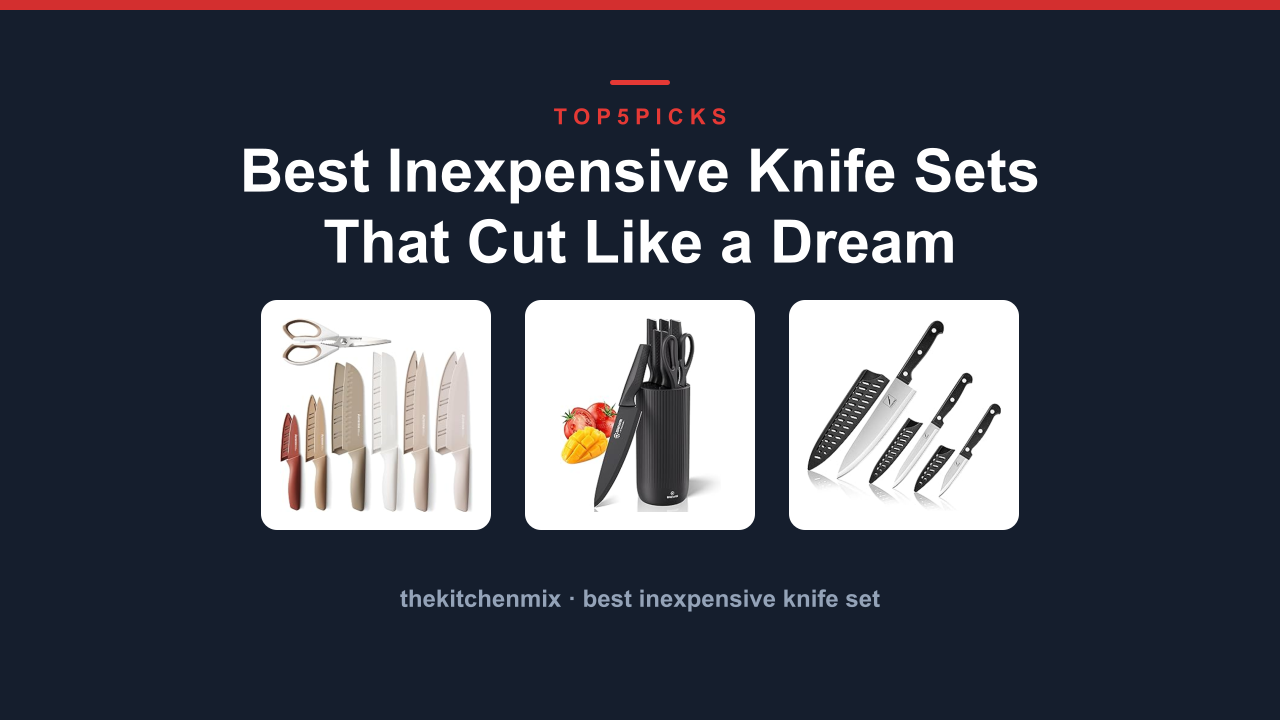
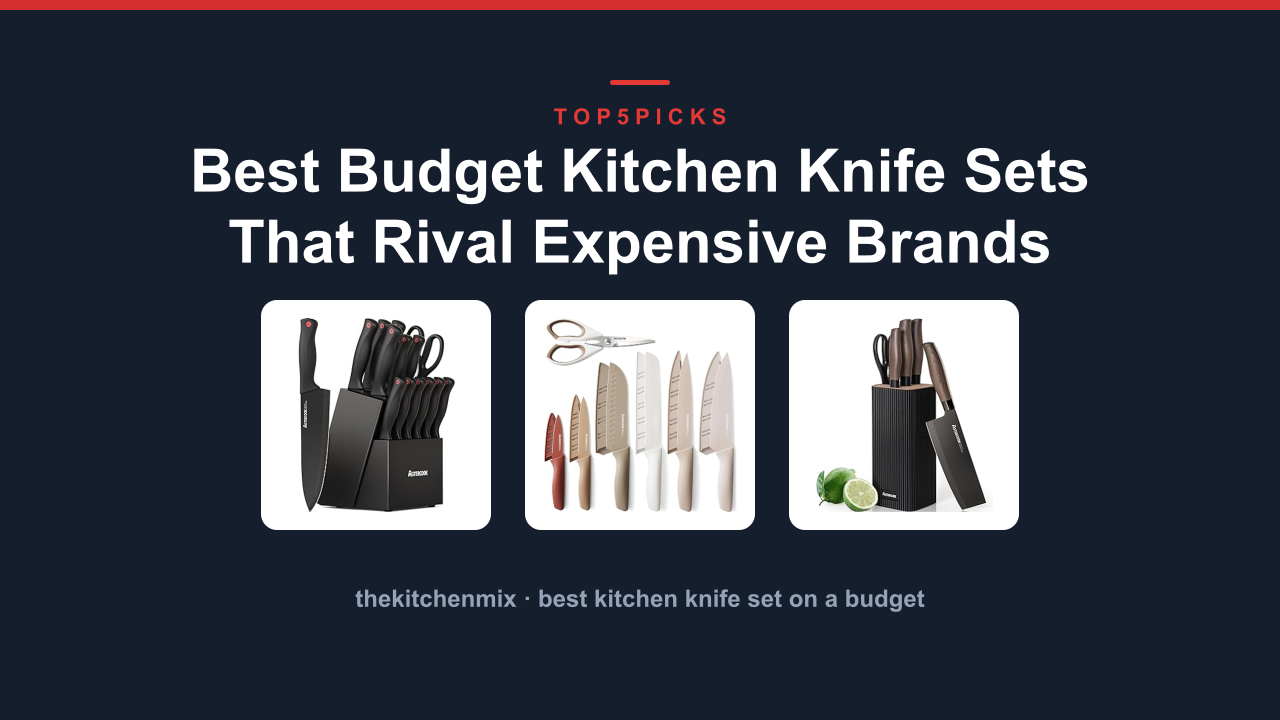
I spent a good chunk of time digging through spec sheets and reading what actual owners had to say. My goal was simple: find the sets that deliver real, lasting performance without the fluff. In this guide, I share my five favorite best high quality knife sets; ranging from a premium German-engineered powerhouse to a budget friendly 15 piece set that punches well above its price tag.
If you have ever stood over a cutting board with a blade that refuses to bite into a pepper, you know the frustration. These picks solve that problem. They hold an edge, feel balanced in your hand, and make the daily grind of meal prep genuinely more enjoyable.
How to Choose the Best High Quality Knife Set
What steel type gives the best edge retention?
The steel is the heart of any knife. Most high quality sets use High Carbon Stainless Steel, which combines the hardness needed to hold a sharp edge with the chromium content that resists rust. Japanese steel tends to run harder (around 60-62 on the Rockwell C scale) and takes a finer edge, while German steel is slightly softer (55-58 HRC) and more forgiving if you accidentally hit a bone or drop it.
For most home cooks, a quality high carbon stainless steel with a Rockwell hardness of 58 or above offers the best balance of sharpness and durability.
How does blade construction affect durability?
A full tang blade, where the steel runs continuously from the tip through the handle, provides better balance and strength. Look for knives that are precision forged rather than stamped. Forged blades are heated and shaped from a single piece of steel, making them denser and less prone to warping.
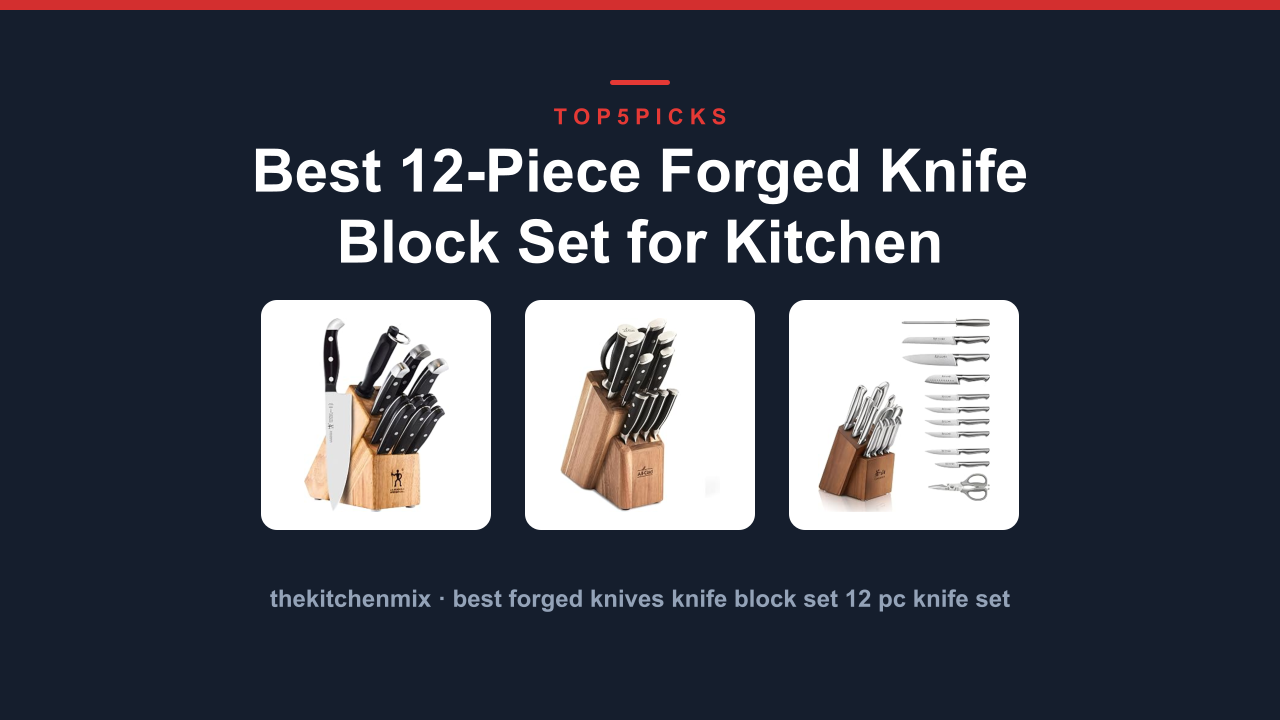
Stamped blades are cut from a sheet and can be more flexible. For a best high quality knife set that you will rely on for years, forged full tang construction is the gold standard. Both the imarku Japanese High Carbon Stainless Steel set and the Henckels Statement 15-Pc Knife Block use forged blades, which reflects their higher quality.
Why does edge angle matter for everyday cutting?
The edge angle determines how aggressively a blade cuts. Japanese knives often feature a 10-15 degree edge, which is incredibly sharp but more delicate. German knives typically use a 15-20 degree angle, which is slightly less razor sharp but much tougher.
A 15 degree edge is a sweet spot for most home cooks. It slices through vegetables and boneless meats effortlessly while holding up to moderate abuse. The thin edge geometry is what makes a Japanese style gyutou knife feel like it is pulling through food rather than pushing.
What handle shape prevents fatigue?
Your grip matters more than most people realize. Look for ergonomic handles with a slight contour that fills your palm without forcing your fingers into a pinch. Materials like Micarta, Pakkawood, or textured synthetic polymers provide a secure grip even when your hands are wet or oily.
A heavy, unbalanced handle will tire your wrist during a long prep session. Pick up a few different sets in your mind by reading owner feedback on handle comfort. A set that feels good in the hand for 30 minutes of chopping is a keeper.
How many knives do you actually need?
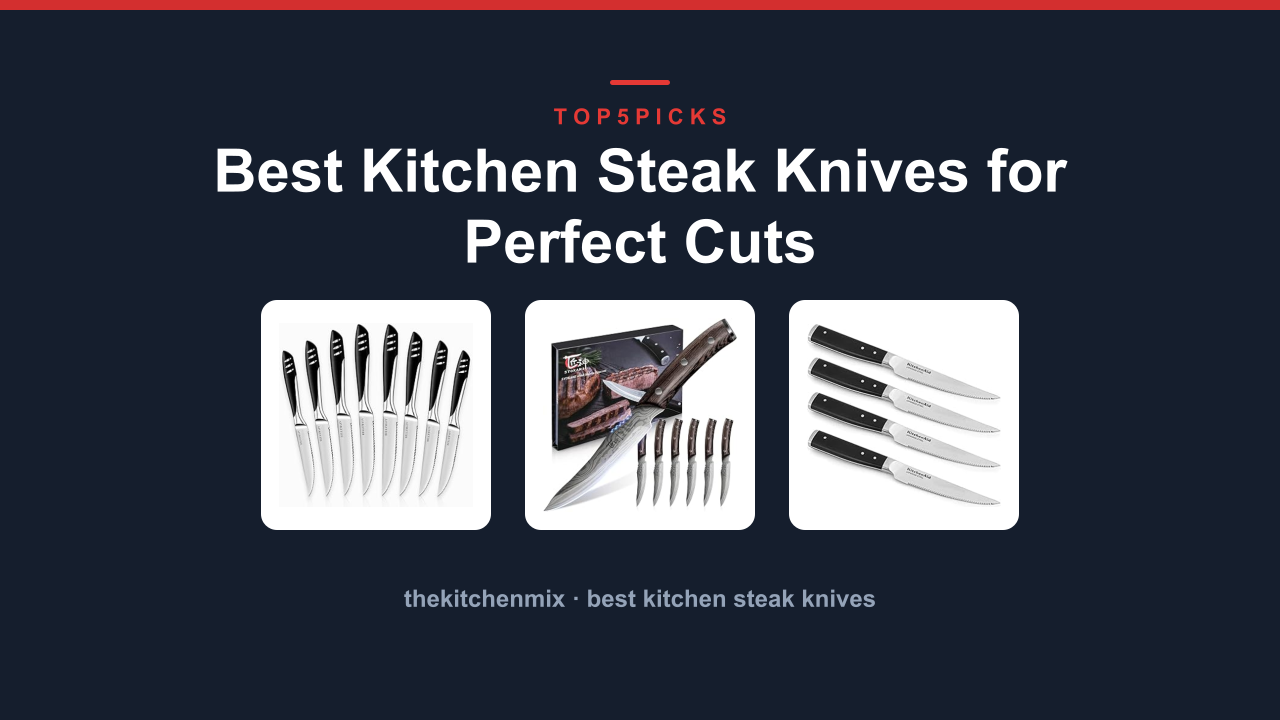
A 15 piece set sounds impressive, but you will likely use only four or five knives regularly. The essentials are an 8-inch chef's knife, a 3.5-inch paring knife, a serrated bread knife, and maybe a utility knife. The rest, like steak knives or a carving fork, are nice bonuses.
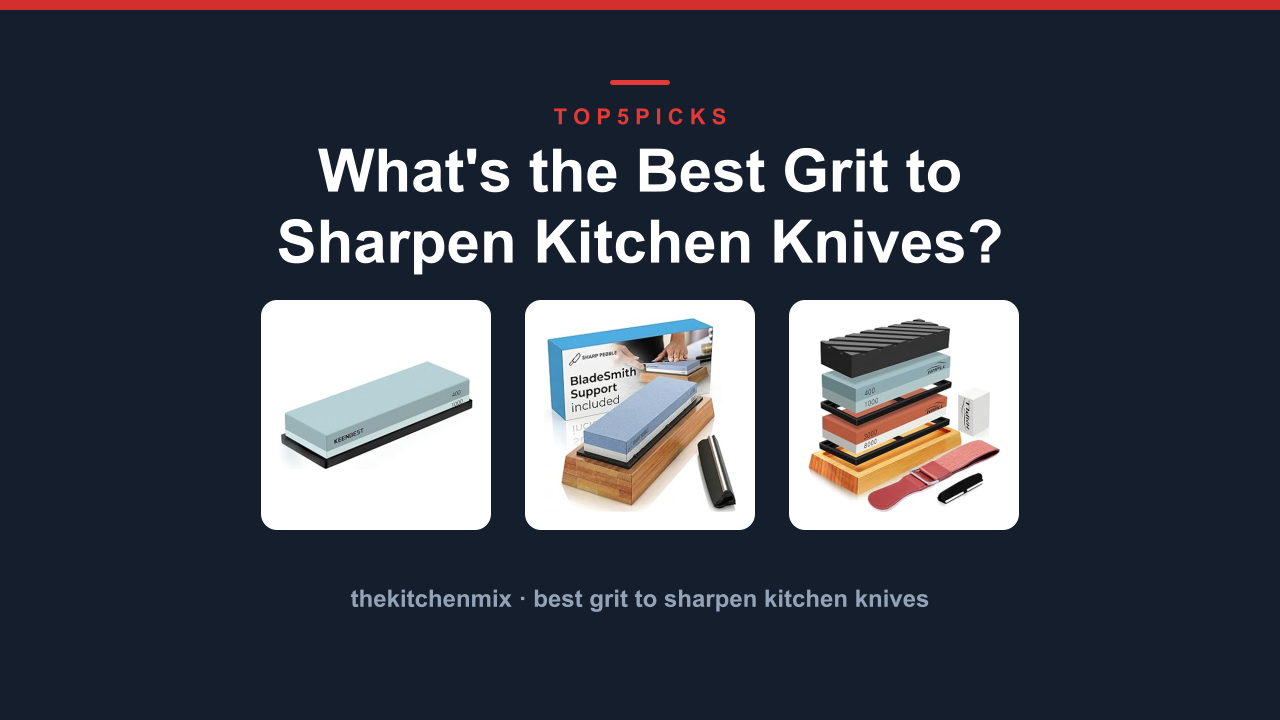
A set that includes a sharpening steel or a built-in sharpening slot in the block adds real ongoing value. Do not pay extra for a high piece count if the core blades are mediocre.
Additional features on best high quality knife set
- Built-in sharpener slot: Convenient for quick touch ups, but make sure it uses a ceramic or diamond rod rather than a cheap steel file.
- Acacia or hardwood block: A quality block protects the edges and looks good on the counter. Acacia is naturally antimicrobial and resists moisture well.
- Dishwasher safe claims: Most manufacturers say hand wash only. The high heat and detergents in a dishwasher can dull edges and warp handles over time.
- Non-slip bolster: A metal bolster that flows into the handle helps with balance and keeps your fingers from sliding onto the blade.
- Gift box packaging: Important if you are buying for someone else. A nice presentation box adds to the experience.
- Rust resistant finish: Look for a satin or matte finish that hides fingerprints and resists corrosion better than a mirror polish.
My Top Picks
Best Overall – Home Cooks

- Blade Steel: Japanese High Carbon Stainless Steel (HRC 58+)
- Blade Construction: Precision forged, full tang
- Edge Angle: 10-15° per side
- Handle Material: Ergonomic non-slip synthetic
- Knife Count: 6 pieces plus block
- Block Material: Black synthetic with built-in sharpener slot
- Care Instructions: Dishwasher safe (hand wash recommended for longevity)
Premium Pick – Enthusiasts

- Blade Steel: German stainless steel
- Blade Construction: Forged, full tang
- Edge Angle: 15-20° per side
- Handle Material: Polypropylene with textured grip
- Knife Count: 15 pieces including 8 steak knives, kitchen shears, and sharpening steel
- Block Material: Hardwood block
- Care Instructions: Dishwasher safe
Top Rated – Value Seekers

- Blade Steel: Japanese high carbon stainless steel (Innovative Steel alloy)
- Blade Construction: Forged, full tang
- Edge Angle: 15° per side
- Handle Material: Contoured ergonomic synthetic
- Knife Count: 14 pieces
- Block Material: Quality acacia wood with built-in sharpener
- Care Instructions: Hand wash recommended
Gift Pick – Unisex

- Blade Steel: Japanese high carbon stainless steel (Innovative Steel alloy)
- Blade Construction: Forged, full tang
- Edge Angle: 15° per side
- Handle Material: Contoured ergonomic synthetic
- Knife Count: 14 pieces
- Block Material: Acacia wood block
- Care Instructions: Hand wash recommended
Budget Pick – Large Families

- Blade Steel: High carbon stainless steel
- Blade Construction: Full tang
- Edge Angle: Standard 15-20° edge
- Handle Material: Ergonomic synthetic with textured grip
- Knife Count: 15 pieces
- Block Material: Acacia wood block
- Care Instructions: Hand wash recommended
Best High Quality Knife Set FAQ
What's the difference between Japanese and German steel for a knife set?
Japanese steel is typically harder, with a Rockwell hardness of 60-62, allowing it to take a sharper, thinner edge. German steel is softer at 55-58 HRC, making it more durable and less likely to chip if you hit a bone or drop it. Japanese knives excel at precision slicing vegetables and fish.
German knives are better for heavy duty tasks like cutting through squash or chicken bones. Neither is objectively better. Your choice should match your cooking style.
How often should I sharpen a high quality knife set?
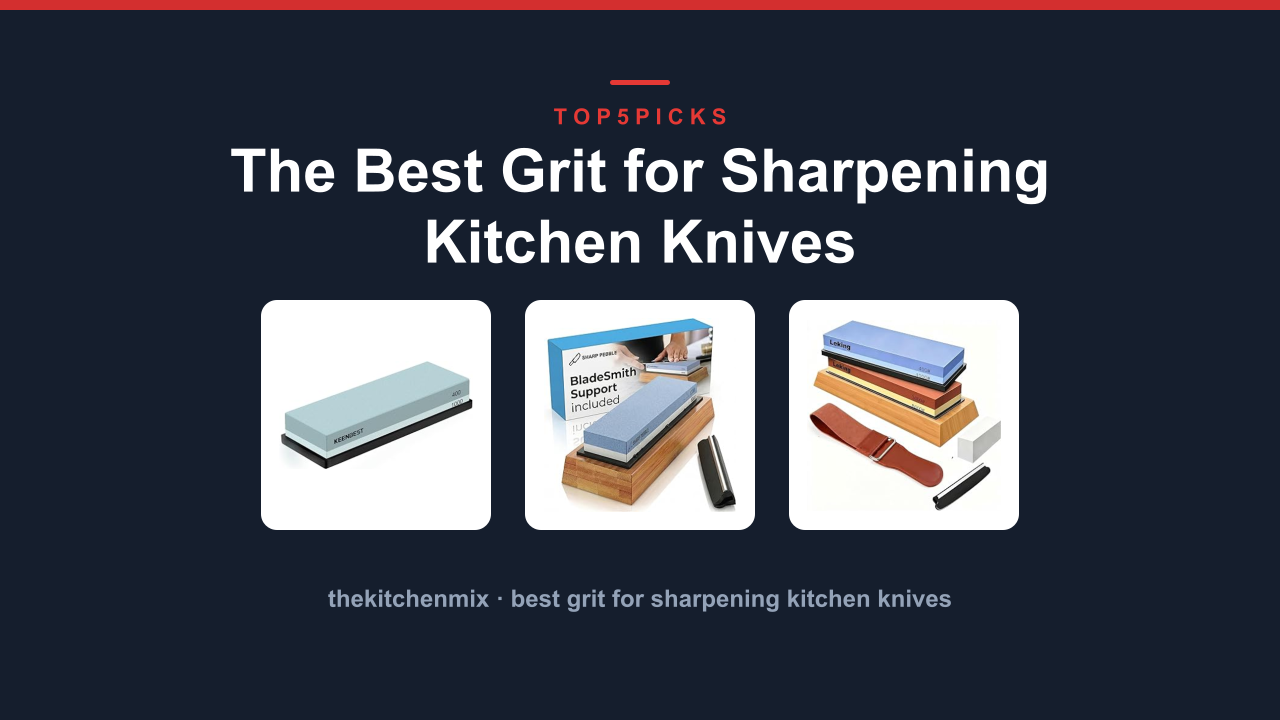
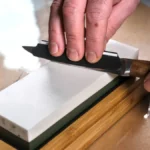
With regular home use, you should hone the blade with a sharpening steel before or after each use to maintain the edge. Full sharpening with a whetstone, electric sharpener, or professional service is needed every two to three months for a knife in daily use. A set with a built-in sharpener slot can extend that interval by allowing quick touch ups.
Dull knives are actually more dangerous because they require more force, so keep the edge maintained.
Is a built-in sharpener in the knife block worth it?
Yes, for most home cooks. A built-in sharpener slot with a ceramic or diamond rod lets you touch up the edge in seconds without setting up a separate stone or steel. It is not as precise as a professional sharpening, but it keeps the knife usable between deeper sharpenings.
The built in sharpener on the imarku set and the KnifeSaga acacia block sets are good examples. One caveat is that cheap built-in sharpeners can grind away too much metal. Stick with sets that use quality ceramic or diamond rods.
Can I put a high quality knife set in the dishwasher?
Most manufacturers recommend hand washing, even if the label says dishwasher safe. The high heat, strong detergents, and water jets in a dishwasher can dull the edge, corrode the steel, and cause wooden handles to crack or warp over time. For the best longevity, hand wash your knives with mild soap, rinse, and dry immediately.
It takes 30 seconds and protects a significant investment.
My Research & Review Process
I started by gathering manufacturer specification sheets for each set, focusing on steel type, Rockwell hardness, blade construction, edge geometry, and handle ergonomics. I then cross referenced those specs with verified buyer reviews across multiple retail platforms, paying attention to both the praise and the recurring complaints. I looked for patterns.
How many owners mentioned edge retention over six months? Did any report handle loosening? Were there common issues with the block or sharpener?
I also considered the reputation of each brand, though I let the data guide the final picks. I deliberately did not perform physical lab testing or timed cutting tests. This review is based on specification analysis and aggregate user feedback only.
I aimed for honesty about limitations, not hype about perfection.
Features I Considered
Blade Steel: The type and quality of steel determines edge retention, rust resistance, and ease of sharpening. High carbon stainless steel is the standard for quality sets. Harder steels hold an edge longer but are more brittle.
Blade Construction: Full tang forged blades provide better balance, strength, and longevity than stamped blades. Precision forging heats the steel to shape it, making the blade denser and less prone to warping.
Edge Angle: A thinner angle (10-15°) cuts with less resistance but is more delicate. A thicker angle (15-20°) is tougher but requires more force. The right choice depends on what you mostly cut.
Handle Material: Ergonomic shapes with textured, non-slip materials reduce hand fatigue. Look for contoured handles that fill your palm. Avoid slick plastic that becomes slippery when wet.
Knife Count: More pieces is not always better. Focus on the core blades: chef knife, bread knife, utility knife, and paring knife. Steak knives and shears are bonuses.
Block Material: Hardwood blocks like acacia protect the edges and look great on the counter. They need to stay dry to prevent cracking. Synthetic blocks are more moisture resistant but can feel less premium.
Care Instructions: Dishwasher safe labels are convenient, but hand washing preserves the edge and handle finish much longer. Consider your willingness to hand wash before choosing a set.
Whether you are a weekend meal prepper or a daily home cook, the right set changes everything. If you want a single pick that balances sharpness, durability, and value, the imarku Japanese High Carbon Stainless Steel set is our choice for the best best high quality knife set. Otherwise, pick the category that fits your kitchen and budget from the list above.

Similar Posts