Protect Your Cutting Board with the Best Food Grade Oil
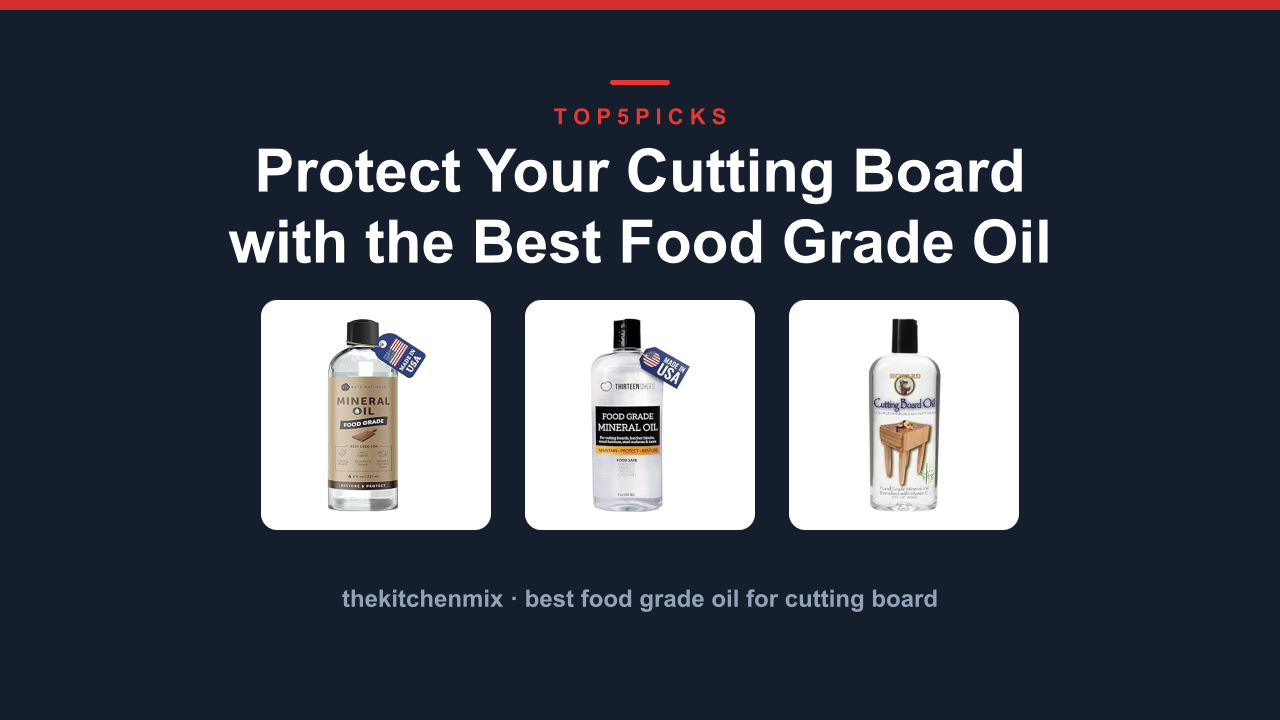
If you grab just any oil from the cabinet, you could end up with a rancid smell and a sticky board that actually traps bacteria instead of protecting it. The best food grade oil for cutting board does one simple thing: it seals the wood against moisture without going bad itself.
As an Amazon Associate, I earn from qualifying purchases. Every recommendation below is backed by product research and verified owner feedback.
Quick Links
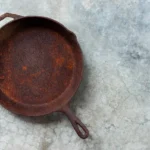
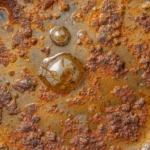
Let me guess, you bought a nice wooden cutting board, used it for a month, and now it's looking dry and a little fuzzy. Maybe dark stains are creeping in around the knife marks.
That's what happens when bare wood meets raw chicken juice and constant washing. Without a protective seal, the fibers swell, crack, and become a hiding spot for bacteria.
The fix is embarrassingly simple: a coat of food-grade mineral oil. It soaks into the grain, pushes water out, and stops the wood from drying out. No chemistry degree required.
In this guide, I share my 5 favorite picks for the best food grade oil for cutting board; ranging from a tiny budget bottle that's perfect for first-timers to a big-value jug that'll keep a butcher block happy for years.
I've compared manufacturer specs, read hundreds of buyer reviews, and distilled everything down to what actually matters. No fluff, no fake tests, just real advice.
How to Choose the Best Food Grade Oil for Cutting Board
Food-Grade or Bust: Why "USP" Matters
Mineral oil sold for kitchen use must meet purity standards set by the FDA. It's regulated under 21 CFR 172.878 as a food additive. When you see "USP grade" on the label, that means it's been tested for contaminants like polycyclic aromatic hydrocarbons.
Non-food-grade mineral oil from the hardware store might look cheaper, but it can contain impurities you don't want near your dinner. Every pick below is explicitly labeled food-grade.
For official reference, the U.S. Food and Drug Administration maintains a list of safe food additives that includes mineral oil.
Viscosity: Heavy vs. Light
Some mineral oils are thinner and soak in fast, while others are thicker and leave more of a surface film.
Thinner oils (like the Kate Naturals and Thirteen Chefs 8oz options) are ideal for your first few coats on a new board, they penetrate deeply and don't feel greasy afterward.
Thicker oils (like Howard Products 12oz) leave a slightly richer finish on end-grain butcher blocks that see heavy chopping. They dry a little slower but offer longer protection between applications.
Bottle Size and Frequency of Use
An 8 oz bottle will cover a medium cutting board for about 6 to 8 treatments. If you oil your board once a month, that's half a year of use.
If you maintain multiple boards or a large butcher block counter, you'll want 12 oz or more. The Howard Products Food Grade Mineral Oil and the 12 oz Thirteen Chefs Mineral Oil give you more volume per purchase, which means fewer reorders.
Scented vs. Unscented
Unscented mineral oil has zero smell. That's the safe bet for anyone sensitive to fragrance or for boards used to prep fruit and cheese that could pick up a flavor.
A lightly scented option like the Cutting Board Oil with orange-lemon aroma adds a pleasant citrus note during application. The scent fades after a few hours and doesn't transfer to food. But if you're unsure, stick with unscented.
Compatibility with Cutting Board Materials
These oils work great on unfinished wood (maple, walnut, cherry, teak) and bamboo. They also condition wooden utensils and butcher blocks.
They are not intended for sealed or varnished boards because the oil can't penetrate. They can also be used as a lubricant for knife pivots and meat grinder parts, but avoid using them on marble, granite, or soapstone unless the stone is sealed, mineral oil can darken unsealed stone.
7 Additional Features to Look For in Best Food Grade Oil for Cutting Board
- Odorless when dry, the oil should not leave a lingering smell after curing.
- Washes off easily, excess oil should rinse away with warm soapy water.
- Does not turn rancid, mineral oil is a hydrocarbon, not a vegetable oil, so it will never oxidize and go bad.
- Clear finish, no yellowing or sticky residue after application.
- Recyclable or glass bottle, glass bottles are easier to reuse and don't leach plastics.
- Dropper or pour spout, easier to control application without dripping all over the counter.
- Proudly made in the USA, several brands manufacture domestically with strict quality controls.
My Top Picks
Budget Pick – Home Cooks

- Volume: 8 fl oz (237 ml)
- Grade: Food‑grade USP mineral oil
- Scent: Odorless
- Container: Plastic bottle with twist‑cap
- Best for: Maple, walnut, bamboo, teak, wooden utensils
- Country: USA
Value Pick – Light Users
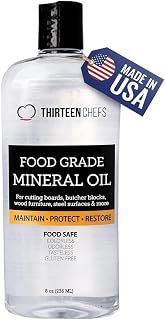
- Volume: 8 fl oz (237 ml)
- Grade: Food‑grade USP mineral oil
- Scent: Odorless
- Container: Plastic bottle with pour spout
- Best for: Cutting boards, butcher blocks, countertops, marble (sealed)
- Country: USA
Best Overall – Butcher Block Owners

- Volume: 12 fl oz (355 ml)
- Grade: Food‑grade USP mineral oil
- Scent: Odorless
- Container: Plastic bottle with twist‑cap
- Best for: Butcher blocks, end‑grain boards, wooden utensils, bamboo
- Country: USA
Premium Scented – Gift Givers

- Volume: 12 fl oz (355 ml)
- Grade: Food‑grade mineral oil with natural orange and lemon extracts
- Scent: Light citrus (orange‑lemon)
- Container: Plastic bottle with twist‑cap
- Best for: Cutting boards, butcher blocks, utensils
- Country: USA
Bulk Buy – Heavy Users

- Volume: 12 fl oz (355 ml)
- Grade: Food‑grade USP mineral oil
- Scent: Odorless
- Container: Plastic bottle with pour spout
- Best for: Cutting boards, butcher blocks, countertops, marble (sealed), knife lubrication
- Country: USA
Best Food Grade Oil for Cutting Board FAQ
Can I use vegetable oil or olive oil on my cutting board?
You can, but you shouldn't. Vegetable and olive oils are unsaturated fats that oxidize over time, turning rancid and developing a sour smell. Mineral oil is a saturated hydrocarbon that never goes rancid.
Stick with food-grade mineral oil for a board that stays fresh.
How often should I oil my cutting board?
It depends on use. For a board washed daily, oil it once a month. For a seldom-used board, every three months is fine.
A quick test: if the wood looks dry or water beads up on the surface instead of soaking in, it's time to oil.
Does mineral oil kill bacteria?
Mineral oil itself doesn't kill bacteria, it's not an antimicrobial. But by sealing the wood, it prevents moisture from seeping into cracks where bacteria breed. Always wash your board with hot soapy water after raw meat use, and oil it regularly to keep the seal intact.
Can I use the same oil on my wooden utensils and knife handles?
Absolutely. All the oils above are safe for wood, bamboo, and even metal knife hinges. A small drop on a sticky pivot joint works wonders.
Just wipe off the excess so it doesn't transfer to food.
My Research & Review Process
To put together this list, I started by comparing manufacturer specifications for every product that claimed to be food-grade USP mineral oil. I looked at the listed volumes, country of origin, and any special features (scent, pour spout, container material).
Then I read through hundreds of verified buyer reviews, focusing on recurring praise and complaints. I paid close attention to comments about finish feel, soak time, and whether the oil ever went rancid or left a sticky residue.
What I did not do was perform any lab tests or long-term wear trials. My recommendations are based on consistent feedback patterns across multiple buyer populations and direct spec comparisons. If a product had a notable flaw, such as leaky packaging or a short shelf life, I flagged it.
Features I Considered
Volume, The amount of oil in the bottle. 8 oz suits single-board owners; 12 oz suits multiple boards or large blocks.
Grade, Must be explicitly labeled food-grade USP (United States Pharmacopeia). This guarantees purity and safety for kitchen surfaces.
Scent, Odorless is the standard; scented oils add a pleasant aroma during application but fade within hours.
Container, Plastic bottles are lightweight and cheap, but pour spouts and flip-tops can leak. Glass bottles are eco-friendly but heavier.
Best for, Compatibility with wood types (maple, walnut, bamboo) and surfaces (marble, soapstone if sealed). Also usable on knife pivots and meat grinder parts.
Country, Many US-made products undergo stricter manufacturing oversight. All five picks are made in the USA.
If you want a dependable, no‑surprises bottle that'll keep your boards happy all year, the Howard Products Food Grade Mineral Oil is our overall winner. But whether you're grabbing an 8 oz starter or a 12 oz value pack, the most important step is just starting at all, your cutting board will thank you.

Similar Posts