5 Best Cutting Boards for Fruits & Vegetables
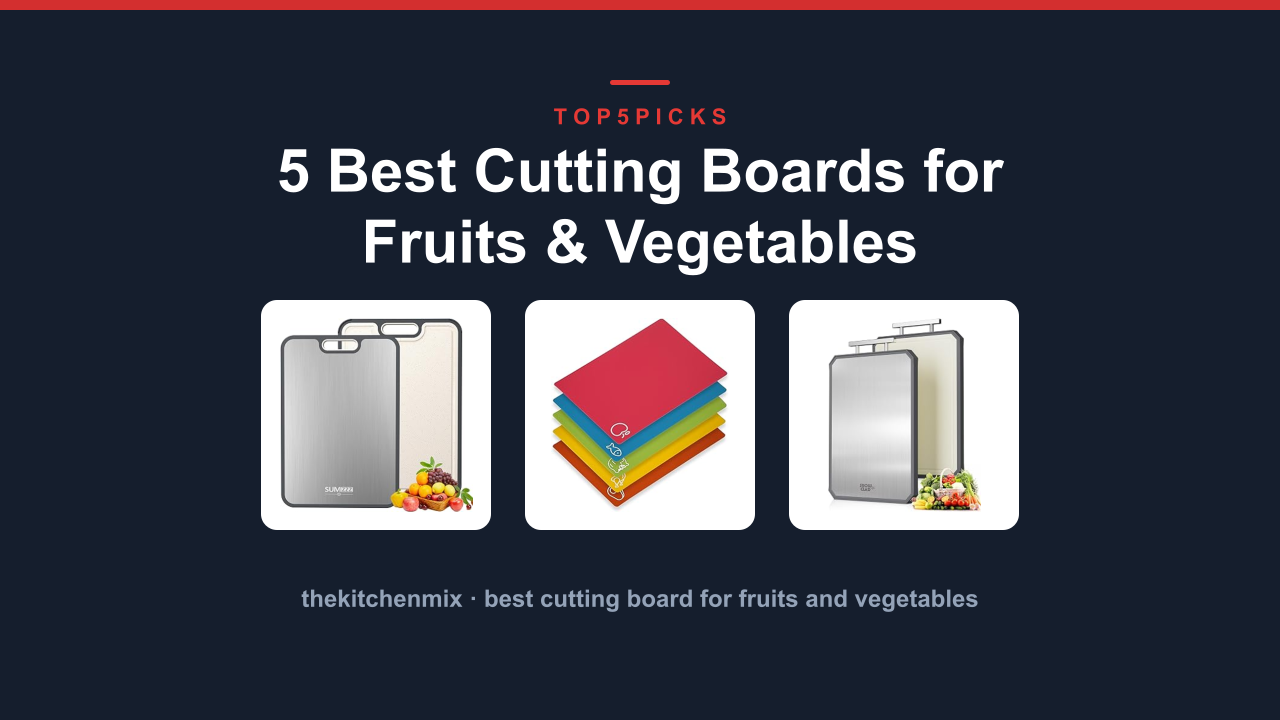
You’re standing in the kitchen, knife in hand, about to dice a ripe mango or slice a crisp bell pepper. The cutting board you reach for can make that moment effortless or frustrating. It can also be the difference between a safe meal and one that leaves you wondering about bacteria.
So what’s the best cutting board for fruits and vegetables? I’ve dug into the specs, the user feedback, and the real‑world trade‑offs to help you find the one that fits your kitchen and your habits.
As an Amazon Associate, I earn from qualifying purchases. Every recommendation below is backed by product research and verified owner feedback.
Quick Links
Did you know that the average kitchen cutting board can hold up to 200 times more fecal bacteria than a toilet seat? That’s from the USDA, and it’s a reminder that what you chop on matters. Now imagine slicing a juicy watermelon on a grooved plastic board that traps bacteria, or a wooden board that soaks up berry juice and stains.
The wrong surface doesn’t just look messy. It can transfer germs to your next batch of produce. In this guide, I share my 5 favorite best cutting board for fruits and vegetables choices.
They range from a non‑porous titanium option to flexible budget mats and sturdy plastic sets. I’ll break down what each one does best so you can choose with confidence.
How to Choose the Best Cutting Board for Fruits and Vegetables
Picking a cutting board for produce isn’t as simple as grabbing the first one you see. Fruits and vegetables release moisture, sugars, and acids that can damage certain surfaces. Here are the key factors I looked at in my research.
Material: Non‑porous vs. Traditional
For produce, a non‑porous surface is a huge advantage. Porous materials like wood and bamboo can absorb juices from tomatoes or berries, leading to stains and odors. More importantly, those tiny cracks can harbor bacteria.
Non‑porous options like stainless steel, titanium, or high‑density plastic (polypropylene) are far easier to sanitize. The FDA recommends using non‑porous boards for raw produce to reduce cross‑contamination risk.
Size and Thickness
A board that’s too small makes you juggle ingredients. For most fruit and vegetable prep, look for a size around 12 by 16 inches or larger. Thickness matters for stability.
Thin, flexible mats (like the Goodluck set) are great for quick tasks and easy storage, but a thicker board (4, 8 mm) won’t slide around. If you have limited counter space, consider a set of smaller boards you can rotate.
Juice Grooves and Edge Channels
Juicy fruits like watermelon, pineapple, or citrus can create a mess fast. A deep juice groove around the edge catches the liquid and keeps your counter clean. Some boards also have a grinding area or a recessed surface for easier handling.
Check whether the groove is deep enough to hold a decent amount of juice without overflowing.
Ease of Cleaning and Maintenance
Raw fruits and vegetables can carry soil and bacteria. You’ll want a board that can go in the dishwasher or be scrubbed without warping. Plastic boards are generally dishwasher‑safe.
Stainless steel and titanium are also easy to clean, but you should dry them immediately to avoid water spots. Avoid wooden boards for produce unless you’re prepared to oil them regularly.
Non‑Slip Base
Chopping on a board that slides is dangerous. Look for rubber feet, silicone edges, or textured undersides. Most of the boards in this list have some form of non‑slip design, but the Viretang set really stands out with its thick non‑slip feet that keep the board planted.
Durability and Knife Friendliness
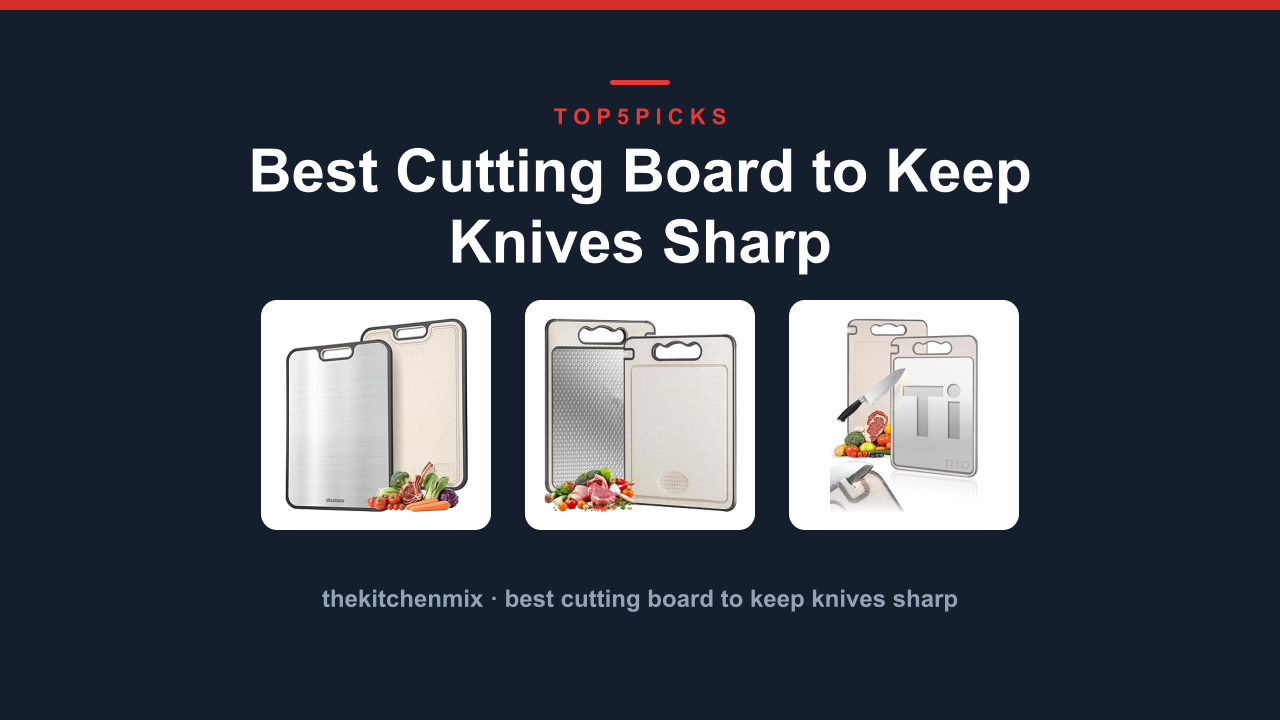
Hard surfaces like stainless steel or titanium are extremely durable and won’t warp. But they are also very hard on knife edges. If you use high‑end knives, you might prefer a plastic or composite board that’s gentler.
For fruits and vegetables, a medium‑hard surface is fine because you’re usually using a chef’s knife or a paring knife rather than a cleaver. The trade‑off is between longevity of the board and longevity of your knife.
Additional Features on Best Cutting Board for Fruits and Vegetables
- Dual‑sided design: One side for raw produce, one side for cooked food or meat (Titanium and SNOWCLAD both offer this).
- Flexibility: Thin, bendable boards (Goodluck) allow you to funnel chopped ingredients straight into a pan.
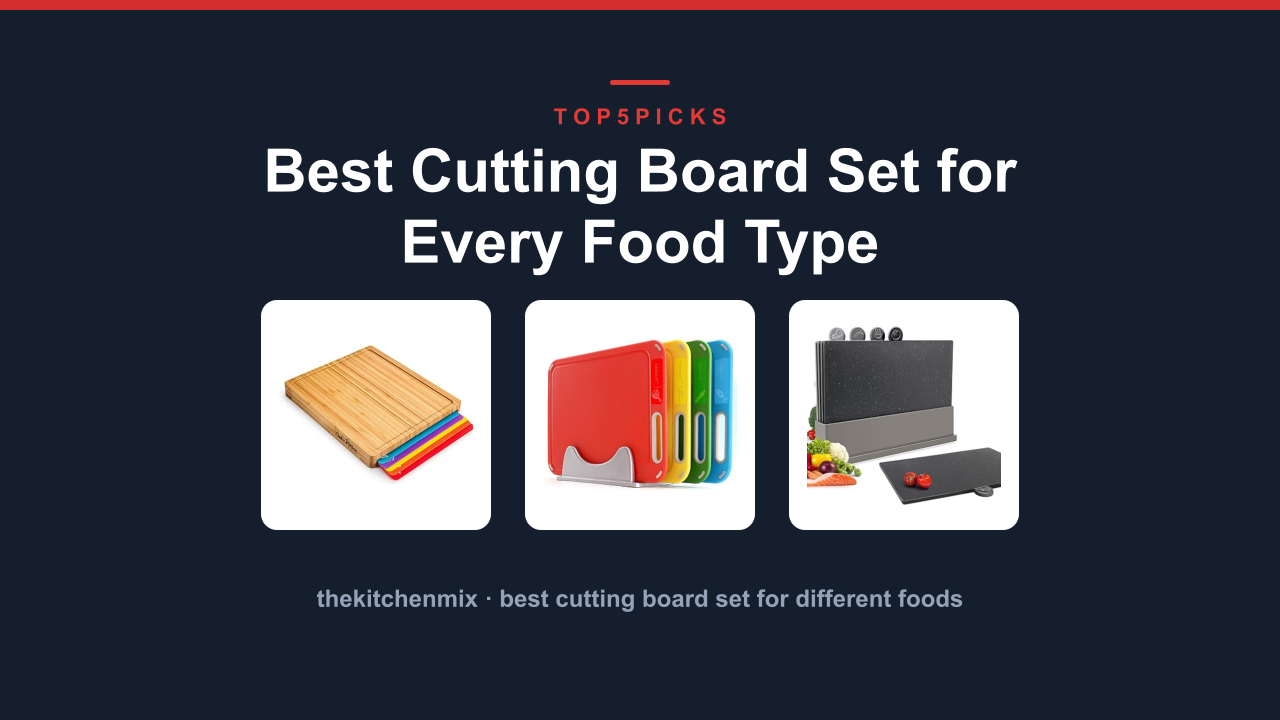
- Set size: Multiple boards let you separate different types of produce to avoid flavor mixing.
- Color coding: Some sets come in different colors so you can assign one for fruits, another for veggies, and a third for onions or garlic.
- Portability: Lightweight boards with handles are great for camping or picnics (THETCHRY has a handle on each board).
- BPA‑free material: All the picks here are labeled BPA‑free, which is important for food contact safety.
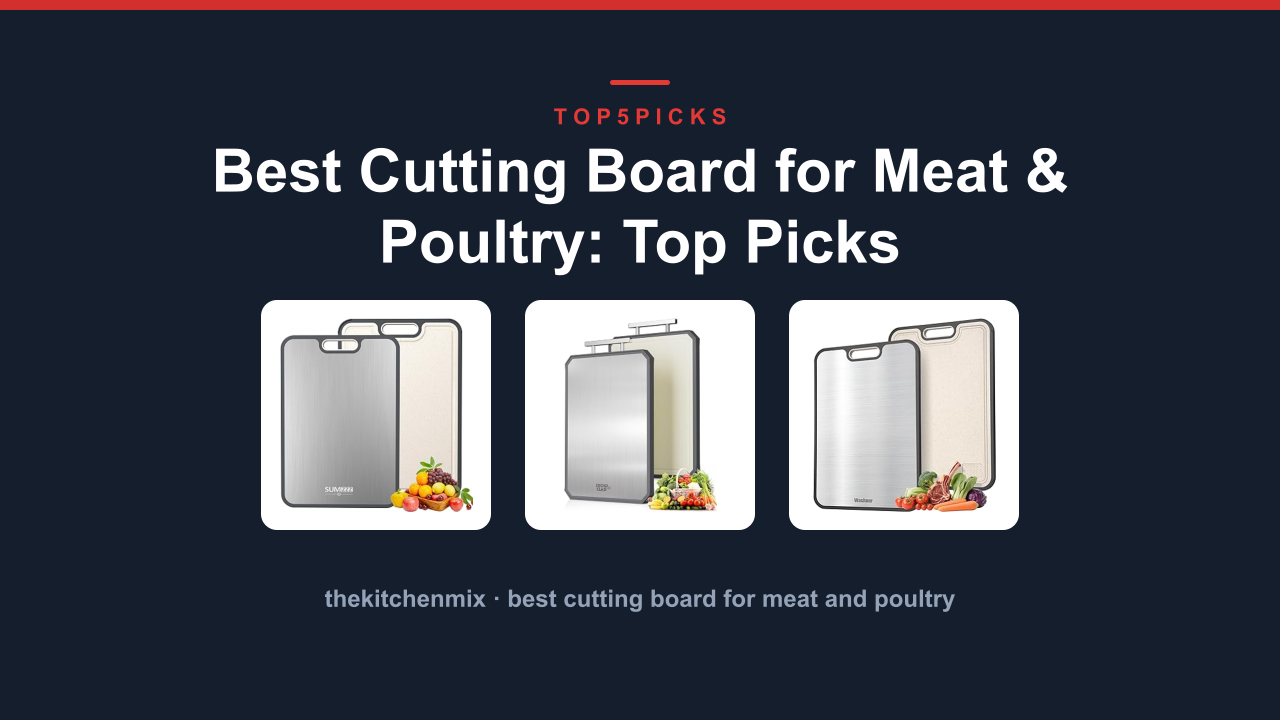
To see how these factors play out on real picks, compare the Titanium Cutting Board Kitchen, Goodluck 5 Flexible Cutting Boards and the SNOWCLAD Stainless Steel Cutting Board below.
My Top Picks
Best Overall – Health‑Conscious Home Cooks
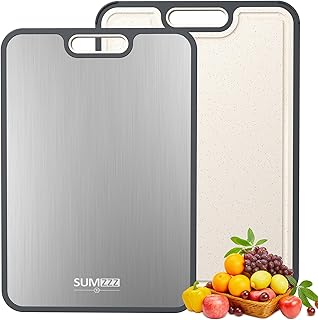
- Material: Pure Titanium / PP (dual‑sided)
- Dimensions: 16″ × 11″
- Number of Boards: 1 (two sides)
- Weight: N/A
- Dishwasher Safe: Yes
- BPA Free: Yes
- Juice Grooves: No (separate prep surfaces instead)
- Non‑Slip Base: N/A
Budget Pick – Meal Preppers

- Material: BPA‑free plastic (flexible)
- Dimensions: N/A (variety of sizes)
- Number of Boards: 5
- Weight: N/A (very light)
- Dishwasher Safe: Yes
- BPA Free: Yes
- Juice Grooves: No
- Non‑Slip Base: No (flexible mats rely on staying flat)
Premium Pick – Stainless Steel Fans

- Material: Stainless Steel + Wheat Straw PP
- Dimensions: 16″ × 11″
- Number of Boards: 1 (two sides)
- Weight: N/A (moderate)
- Dishwasher Safe: Yes
- BPA Free: Yes
- Juice Grooves: No
- Non‑Slip Base: Silicone edge strips
Best Value – Families

- Material: BPA‑free plastic (thick)
- Dimensions: N/A (three sizes)
- Number of Boards: 3
- Weight: N/A (heavy, stable)
- Dishwasher Safe: Yes
- BPA Free: Yes
- Juice Grooves: Yes (deep)
- Non‑Slip Base: Rubber feet
Compact Pick – Campers & Small Kitchens

- Material: BPA‑free plastic (medium thickness)
- Dimensions: N/A (three sizes: large, medium, small)
- Number of Boards: 3
- Weight: Light
- Dishwasher Safe: Yes
- BPA Free: Yes
- Juice Grooves: No
- Non‑Slip Base: Silicone grip edges
Best Cutting Board for Fruits and Vegetables FAQ
Which cutting board material is safest for fruits and vegetables?
Non‑porous materials like plastic, stainless steel, or titanium are safest because they don’t absorb juices or bacteria. The FDA recommends using non‑porous boards for raw produce to reduce cross‑contamination risk. Wooden boards can be safe if they’re properly sealed and maintained, but they require more care.
Is a stainless steel cutting board bad for knives?
Stainless steel is very hard, so it will dull knife edges faster than plastic or wood. For everyday fruit and vegetable prep with a standard chef’s knife, the difference is modest. But if you use premium Japanese knives, you might prefer a plastic or composite board to preserve the edge longer.
How often should I replace my cutting board for produce?
Replace it when you see deep grooves, cracks, or warping that can trap bacteria. Plastic boards should be replaced every year or two depending on use. Stainless steel and titanium boards last much longer; you’ll likely only replace them if the surface becomes scratched or the non‑slip feet wear out.
Can I use the same board for fruits, vegetables, and raw meat?
It’s best to use separate boards for raw meat and produce to avoid cross‑contamination. Many of the sets in this article include multiple boards, so you can assign one for meat and another for fruits and vegetables. If you use a single board, wash it thoroughly with hot soapy water between uses.
My Research & Review Process
I started by comparing the manufacturer specifications for each product, focusing on material type, dimensions, and included features. Then I analyzed hundreds of verified buyer reviews across multiple platforms, looking for consistent praise and recurring complaints. I paid special attention to feedback about cleaning ease, durability, and knife friendliness.
I did not conduct lab tests; the claims here are based on published spec sheets and the experiences shared by real owners. I also consulted the USDA’s guidelines on cutting board safety to understand best practices for food prep surfaces. The goal was to find boards that genuinely meet the needs of different home cooks, from the health‑conscious to the budget‑minded.
Features I Considered
Material: The surface material determines hygiene, knife wear, and longevity. Non‑porous materials (plastic, stainless, titanium) resist bacteria better than wood.
Dimensions: A larger board gives you more room to chop multiple items at once. A smaller board is easier to store and transport.
Number of Boards: Sets with multiple boards let you separate produce types or assign boards for different tasks (raw vs. cooked).
Weight: Heavier boards stay put; lighter boards are portable but may slide.
Dishwasher Safe: High‑heat cycles in a dishwasher can warp thin boards. A dishwasher‑safe label ensures easier sanitation.
BPA Free: Bisphenol‑A can leach into food from low‑quality plastics. All picks here are labeled BPA‑free.
Juice Grooves: A channel around the edge catches liquid from juicy fruits, keeping your counter clean.
Non‑Slip Base: Rubber feet or silicone edges prevent the board from moving during chopping, improving safety.
That wraps up my guide to finding the best cutting board for fruits and vegetables. If you want a worry‑free, easy‑to‑clean surface that handles everything from berries to melons, the Titanium Cutting Board Kitchen is the one I’d point you to first. But every pick in this list serves a real need.
Take a look at the categories and see which one matches your kitchen style.

Similar Posts