How to Clean a Rusty Cast Iron Skillet Without Ruining It
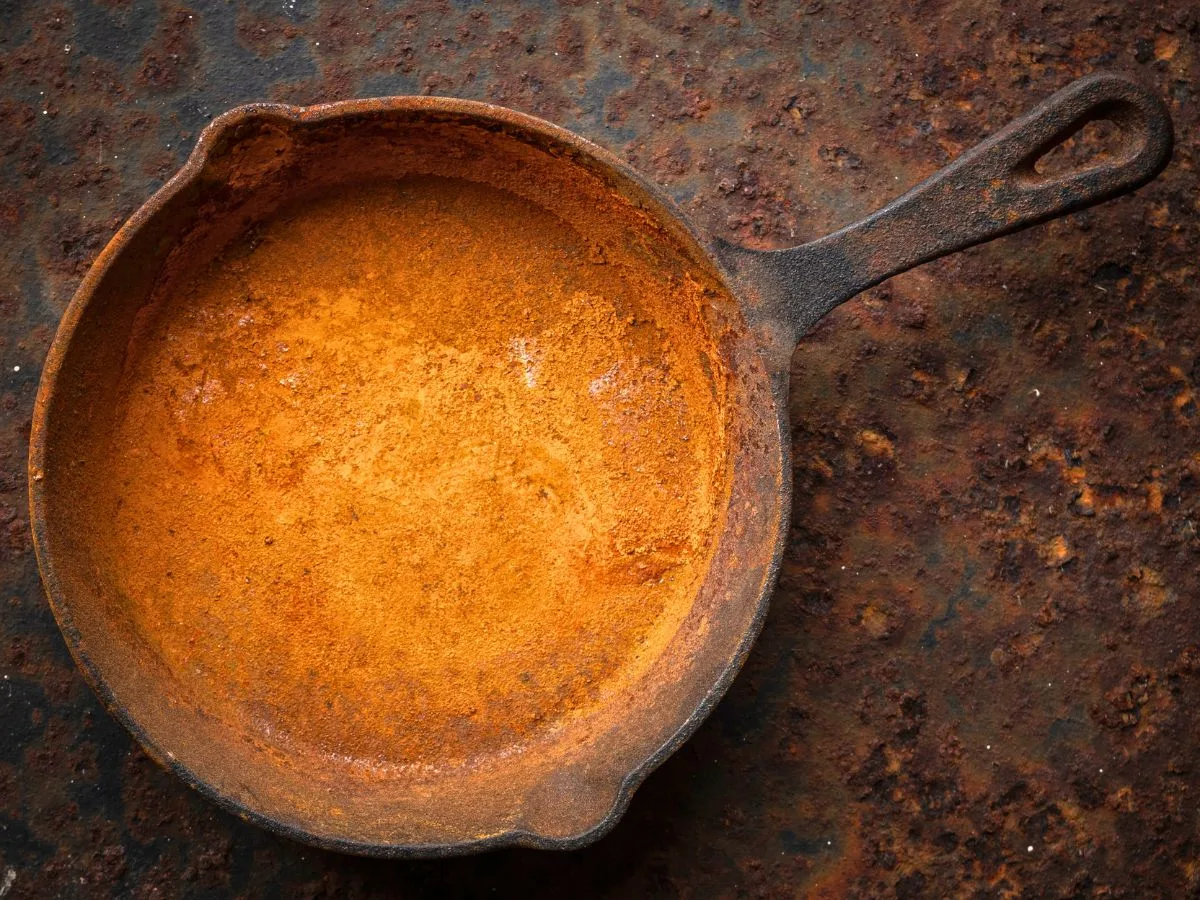
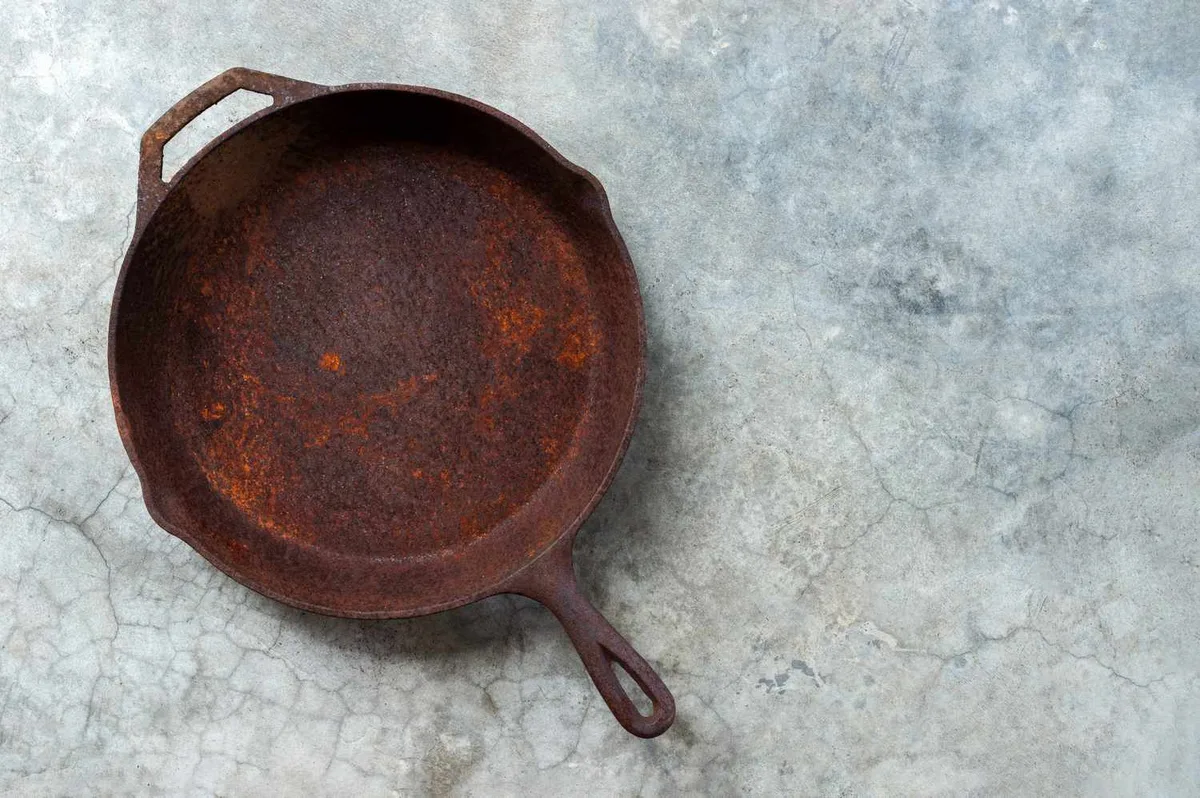
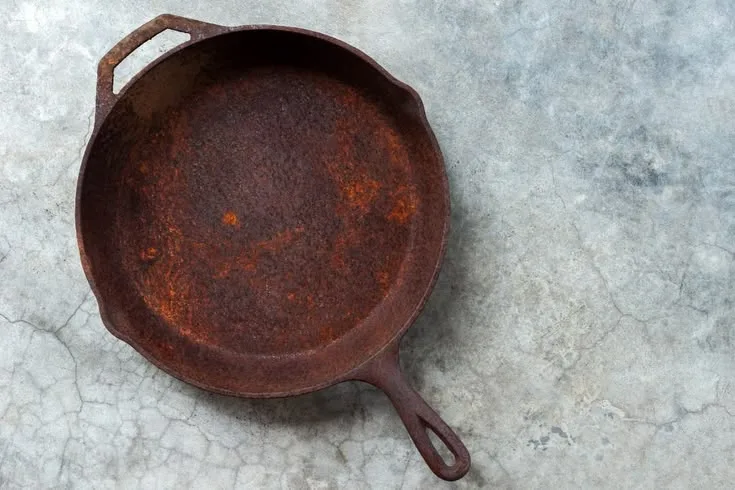
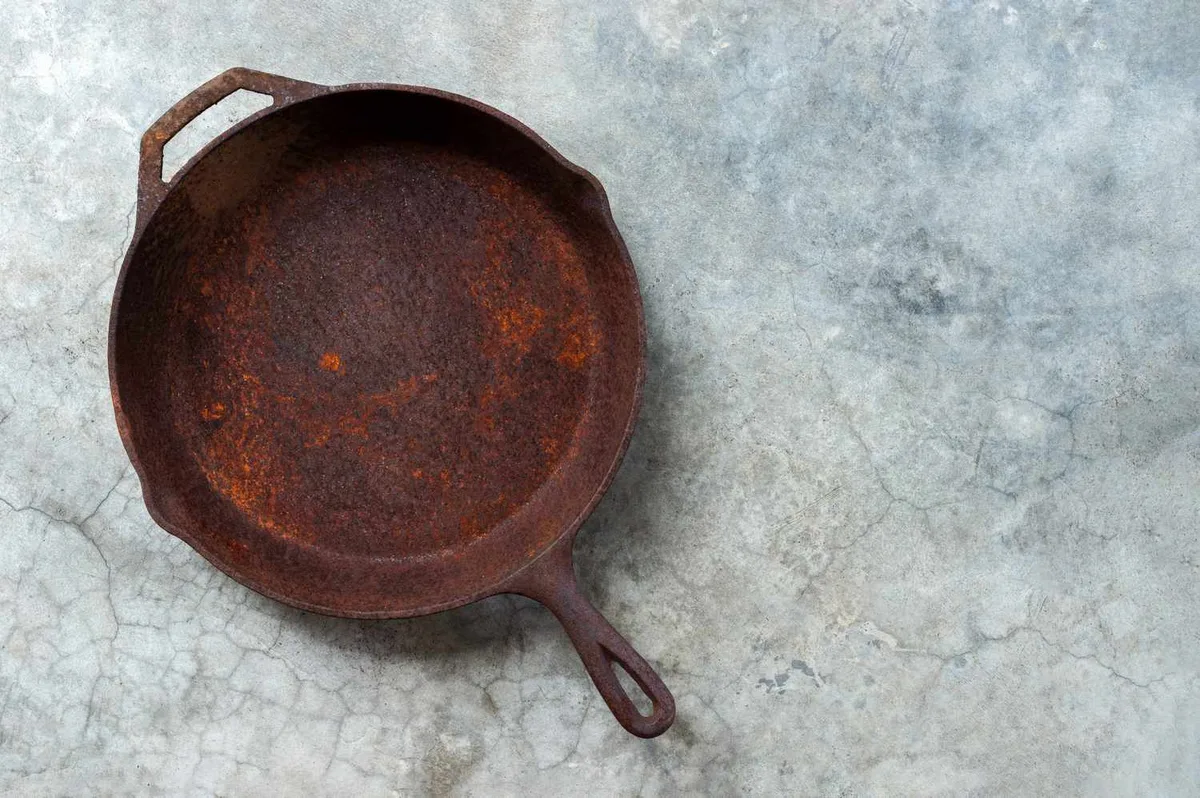
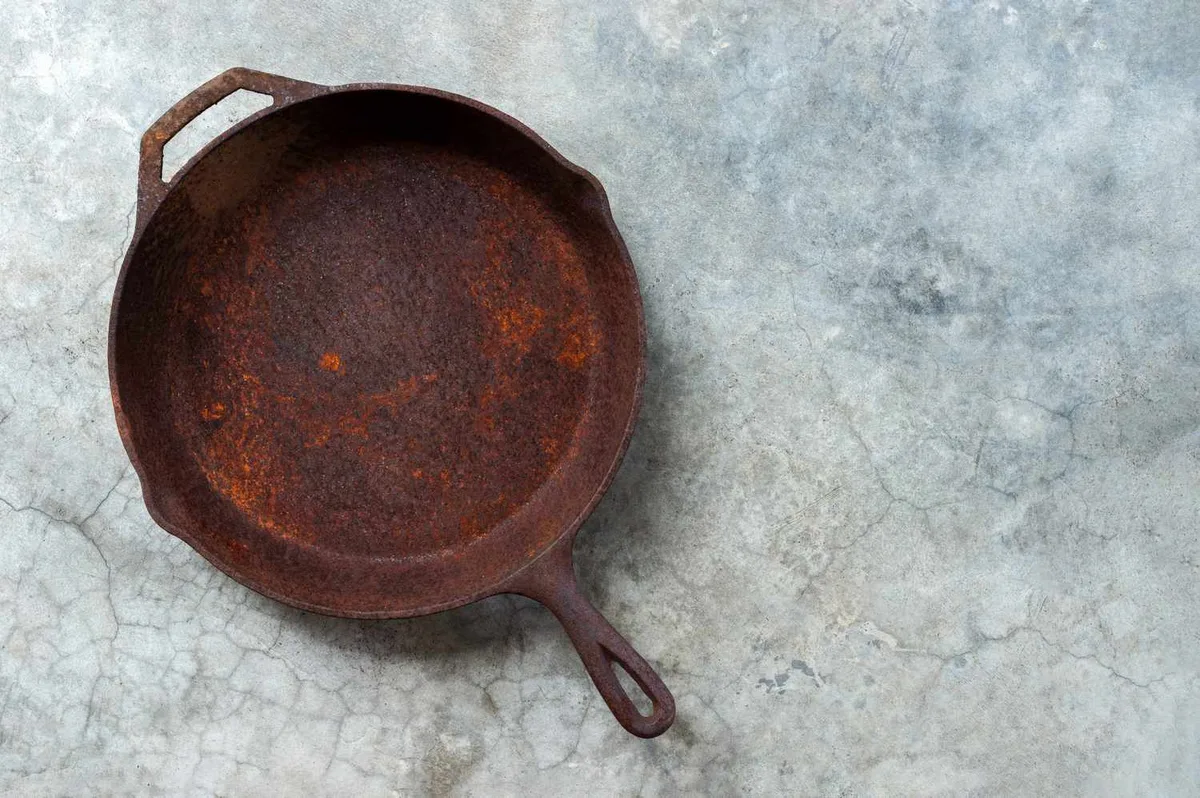
If you’ve pulled a cast iron skillet out of storage, a thrift store, or grandma’s basement and found orange flakes staring back at you, you’re not alone. Knowing how to clean a rusty cast iron skillet is a completely normal skill to learn, rust happens to nearly every bare iron pan at some point, and it’s almost always fixable without buying anything fancy.
The key is matching your method to how bad the rust is. Per manufacturer care guidelines from Lodge Cast Iron, surface rust can be removed in under an hour if you catch it early, while heavy scaling may require a full chemical strip that stretches over a couple of days. Let’s walk through which path fits your skillet right now.
Quick Answer
Scrub loose rust with steel wool. For light rust, scrub and re-season. For moderate rust, soak in equal parts white vinegar and water for 30 minutes, then scrub.
For heavy rust, use a lye-based oven spray or electrolysis. Always dry completely and apply a thin oil layer before storing.
Image source: Bing (Web (fair-use with source credit))
Diagnose Before You Scrub: Why the Right Method Depends on the Rust
Not all rust is the same. If you grab steel wool and start grinding away at a pan that has deep pitting, you’ll end up with a rough surface that never holds seasoning well. On the other hand, you don’t need to soak a pan with just a few flecks of rust in vinegar for hours, that over-treatment can etch the iron.
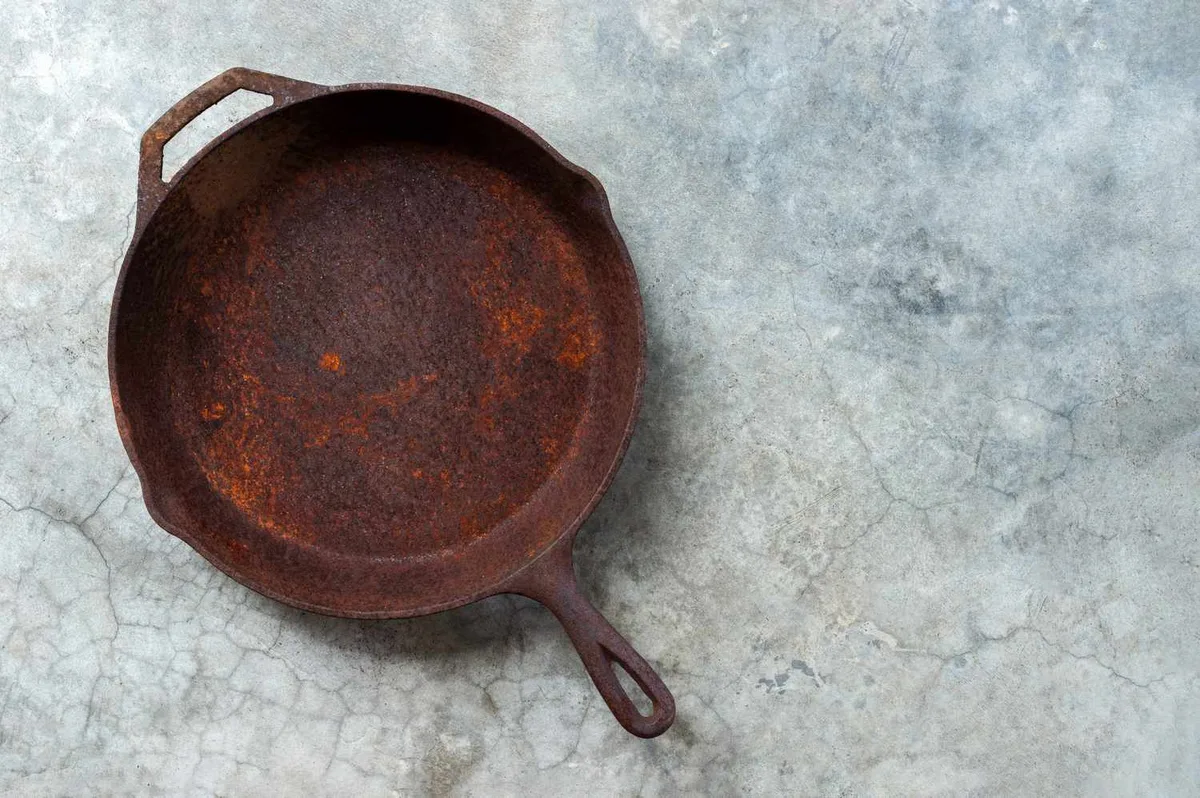
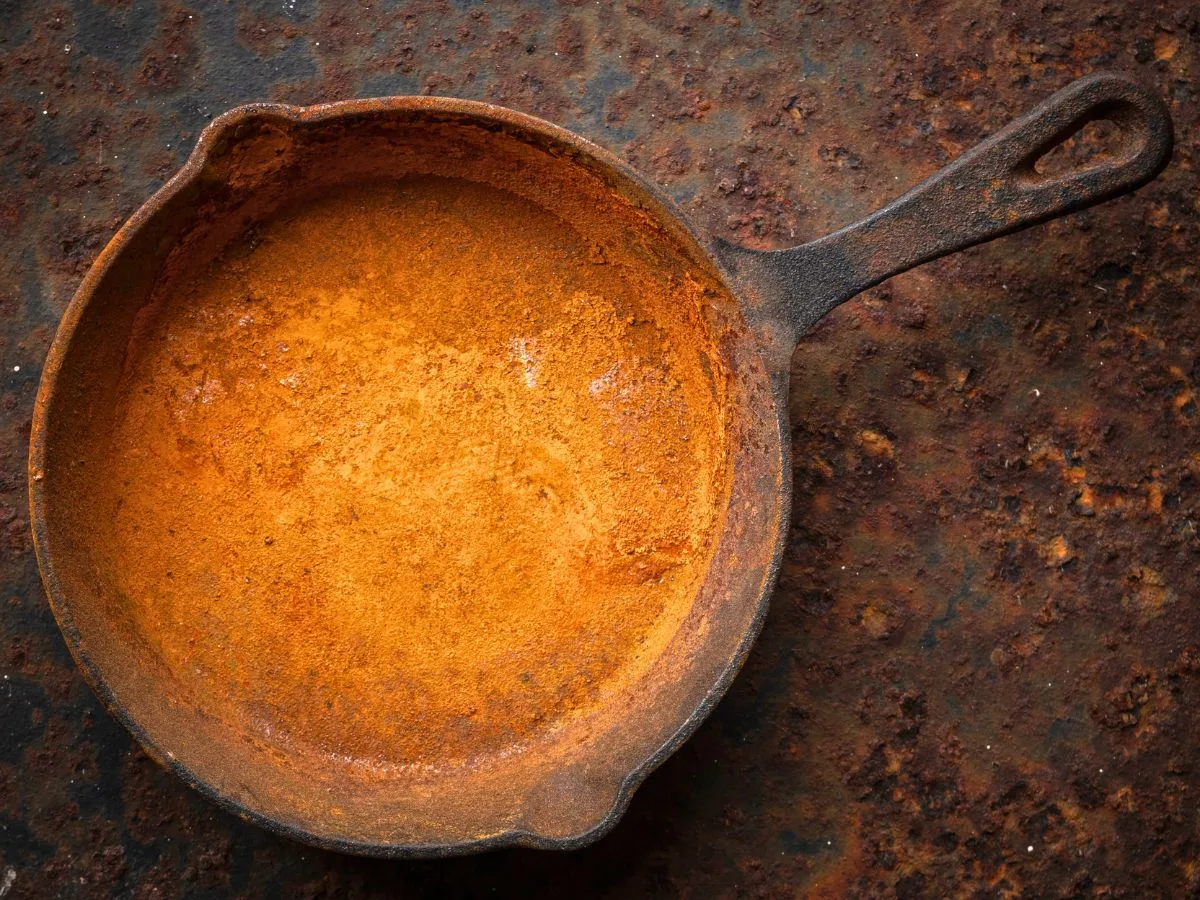
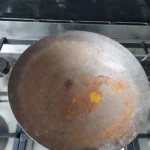
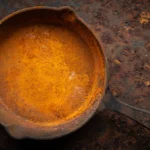
Start by wiping the skillet with a dry paper towel. If the rust comes off as a fine orange dust, you’re looking at surface rust. That’s the easiest fix.
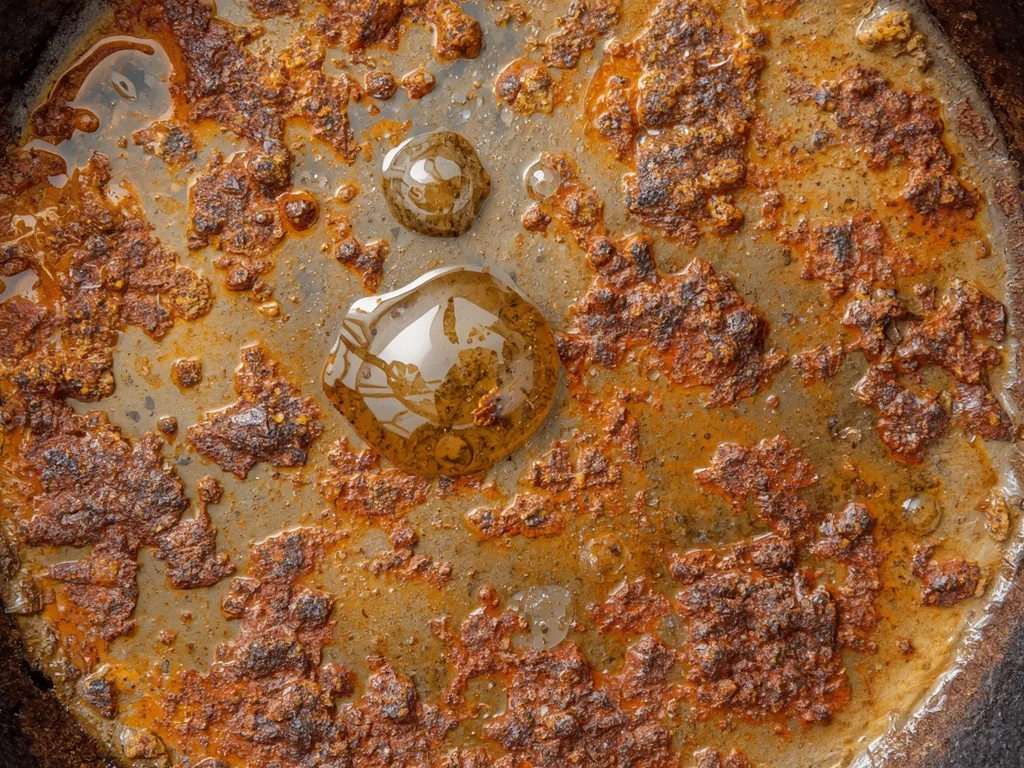
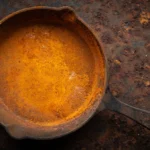
If the rust feels rough under your fingers and doesn’t wipe away, you’ve got moderate scaling. If you see flaking rust that leaves pits or craters in the metal, that’s heavy corrosion.
The decision tree splits here. Surface rust needs a quick scrub and re-season. Moderate rust needs an acid soak.
Heavy rust needs a full strip. One more fork matters before you choose: is the pan bare cast iron or enameled? Let’s check that next.
Start Here: Bare Iron vs. Enameled — The First Fork in the Road
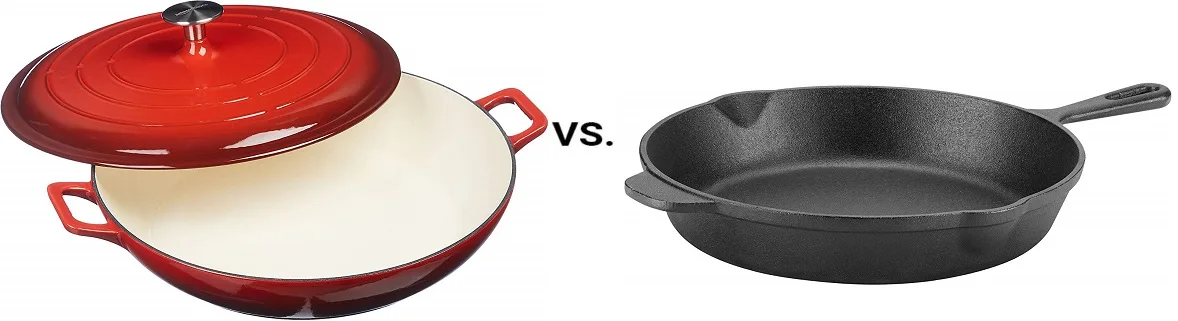
Image source: Bing (Web (fair-use with source credit))
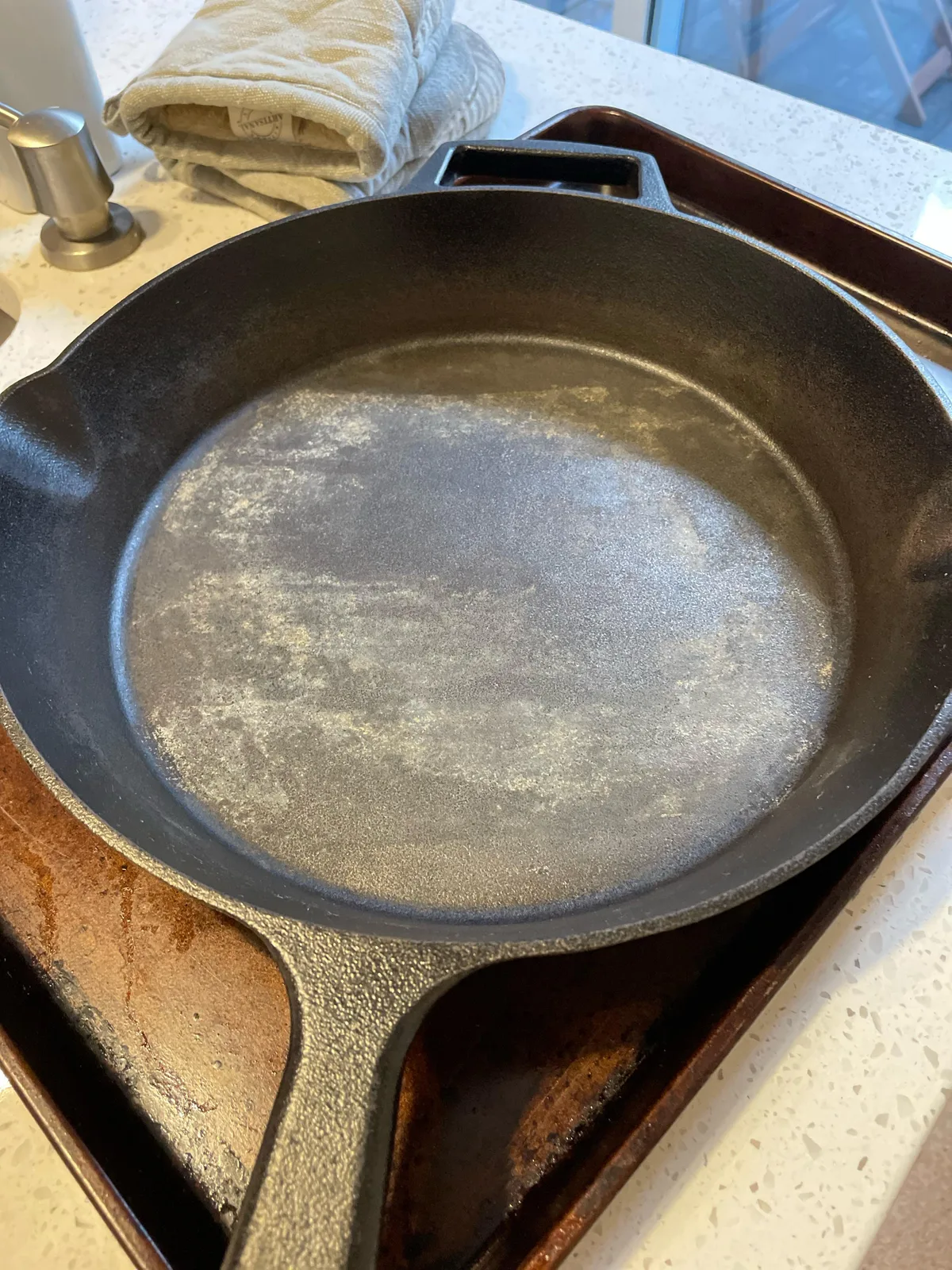
If your skillet has a glossy, glass-like interior coating in white, cream, or a dark color, it’s enameled cast iron. Rust on enameled pans is actually rust on the enamel itself or on exposed iron where the enamel has chipped. Soaking an enameled skillet in vinegar or scrubbing it with steel wool will damage the coating permanently.
For enameled pans, wash with mild dish soap and a non-abrasive scrub pad. If rust is coming from a chipped spot, that pan may not be safe to cook in anymore, the exposed raw iron can rust further, but more importantly, glass shards could break loose. Manufacturer specs generally recommend retiring chipped enameled cookware.
For bare cast iron (the rough, matte-black surface that comes pre-seasoned or raw), every method we’re about to discuss is fair game. If you’re unsure, check the bottom of the pan. Most vintage and modern bare iron skillets have a visible casting seam and no smooth enamel coating.
In our research, people who skip this check are the ones who end up replacing a ruined pan.
Light Rust: The 20-Minute Scrub-and-Season Fix
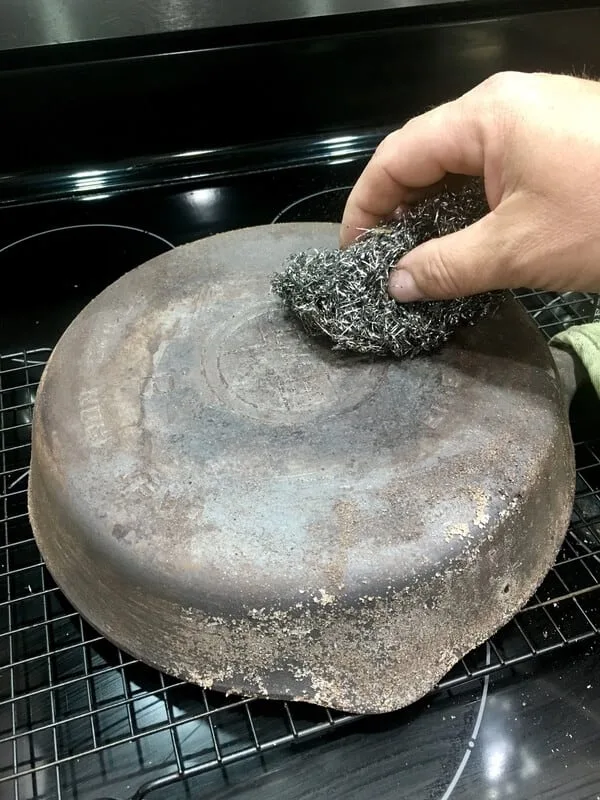
If the rust is just a light dusting, the kind that shows up after a skillet sits in a damp cabinet for a few weeks, you can fix it in under half an hour. Run the pan under warm water and use a chainmail scrubber or fine steel wool to gently abrade the rusty spots. You don’t need to strip the entire seasoning.
Just focus on the rusty areas until the orange is gone.
Wash the skillet with a small amount of mild dish soap to remove any metal dust. Dry it thoroughly with a towel, then place it on a stovetop burner on low heat for 2, 3 minutes to evaporate any trapped moisture. Apply a drop of vegetable oil to a paper towel and rub it all over the pan, inside, outside, and the handle.
Wipe until it looks like there’s almost no oil left. That thin layer is what will polymerize into new seasoning.
Place the skillet upside down in a 400°F oven for 45 minutes, with a sheet of aluminum foil on the rack below to catch any drips. Let it cool in the oven with the door cracked open. That’s it.
Your pan is back in business.
Moderate Rust: The Vinegar Soak Method (With Timing Rules)
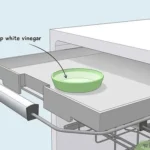
If the rust covers a larger area or feels rough to the touch, a vinegar soak is the standard go-to. Mix a 1:1 solution of white vinegar and warm water. Submerge the skillet fully.
Check it every 15 minutes. For moderate rust, 30 minutes is usually enough. If the rust hasn’t loosened after 45 minutes, replace the solution and continue, but never exceed 2 hours total.
Vinegar is acidic and will start to corrode the iron itself if left too long.
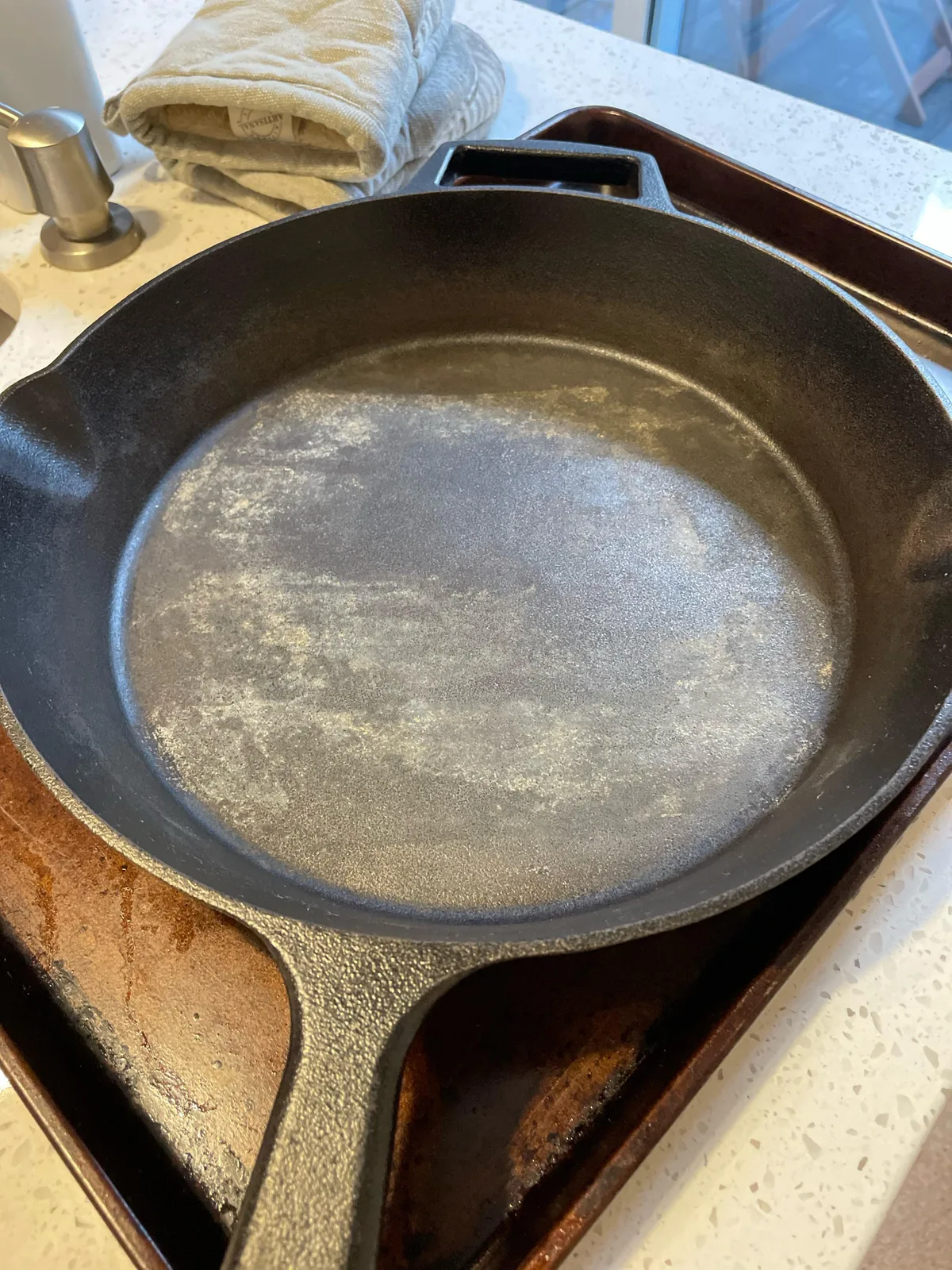
Image source: Bing (Web (fair-use with source credit))
After the soak, scrub with steel wool or a stainless steel scrubber under running water. The rust should lift away easily. Rinse thoroughly.
Here’s the tricky part: once the rust is gone, the bare iron is very reactive. It will flash-rust within minutes if you let it air-dry. Immediately dry the pan with a towel, then place it on a burner over medium heat for 3, 5 minutes to drive off all moisture.
While the pan is still warm, apply a thin coat of oil and wipe it nearly dry. Then bake at 400°F for 45 minutes to set the seasoning. One coat is enough to protect it, but three coats is better for a durable finish.
In aggregate reviews from home cooks, the most common mistake is pulling the pan out of the vinegar soak and walking away. That five-minute pause is enough to create a new layer of orange rust that you’ll have to scrub off again.
Heavy Rust: The Full Strip — Lye Bath, Oven Cleaner, or Electrolysis
If the rust covers the entire cooking surface or has created visible pits, a quick scrub or vinegar soak won’t cut it. You need to strip the pan down to bare metal and start the seasoning from scratch. There are three reliable methods.
A lye bath uses a solution of sodium hydroxide and water. It dissolves old seasoning and rust without damaging the iron. You’ll need a plastic container, rubber gloves, and eye protection.
Submerge the skillet for 24, 48 hours. The lye will loosen all buildup, and a scrub with steel wool afterward reveals clean metal. This method is best for vintage pans that you don’t want to scratch.
Oven cleaner offers the same chemistry in spray form. Coat the entire skillet, seal it in a plastic garbage bag, and leave it in a warm place for 24 hours. Rinse and scrub.
Works well for single pans, but the fumes are strong, work outside or in a ventilated garage.
Electrolysis uses a low-voltage current and a sacrificial metal electrode to pull rust off the iron. It’s the most effective for deep pitting and doesn’t use harsh chemicals, but it requires a battery charger, a bucket, and a length of rebar. If you’re restoring a lot of pans, it’s worth learning.
For one skillet, oven cleaner is simpler.
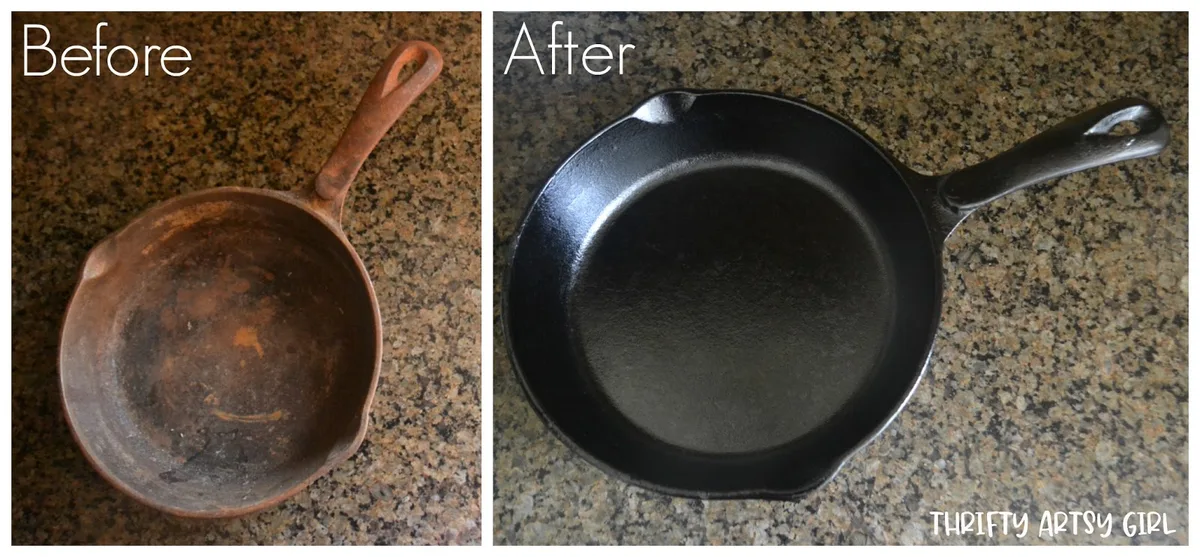
After any of these strips, the pan will be completely bare and prone to flash rust. Rinse it thoroughly, dry immediately on the stove, and apply your first layer of oil within two minutes. Plan on at least three seasoning cycles before the pan looks dark and smooth again.
Our research shows that skippers who stop after one coat often complain of food sticking, three thin coats are worth the extra hour.
Common Mistakes That Ruin a Skillet Mid-Restoration
One wrong move can undo an hour of rescue work. Here are the big ones, and how to avoid them.
- Air-drying after rinsing. It sparks flash rust. Dry the pan fast, then heat it over the burner to evaporate leftover moisture.
- Using too much oil. A thick coat stays sticky and never hardens. Wipe it back off like you’re trying to remove it.
- Scrubbing with a brass-wire wheel. It can press metal particles into the iron. Fine steel wool is safer for the surface.
- Skipping the bake. An oiled but unbaked pan turns tacky and collects dust. The oven heat sets the seasoning.
- Storing without oil. A bare pan rusts even in a dry cabinet. A faint oil layer forms a protective barrier.
If you catch these before they happen, you’ll save yourself a second round of scrubbing.
After the Clean: Re-Seasoning and Keeping Rust From Coming Back
Once the rust is gone, the real work begins. Seasoning is a thin layer of oil baked into hot iron. That polymerized layer is what gives cast iron its non-stick quality.
For the best base, use an oil with a high smoke point. Canola, vegetable, and grapeseed all work well. Flaxseed oil gets a lot of hype, but verified buyer feedback shows it flakes in many cases.
Crisco is a solid classic choice.
| Oil | Smoke Point | Best For |
|---|---|---|
| Canola | 400°F | High-temp seasoning |
| Vegetable | 400°F | Good all-rounder |
| Grapeseed | 420°F | Smooth, durable finish |
| Flaxseed | 225°F | Let it flake risk |
Preheat your oven to 450°F. Rub oil over the whole pan, then wipe it dry with a clean towel. The pan should look dry, not glossy.
Place it upside down on the middle rack with foil below to catch drips. Bake for 60 minutes, then turn off the oven and let the pan cool inside.
Three thin coats build a solid base. Let the skillet cool between coats. After that, regular cooking keeps the seasoning strong.
For daily upkeep, wash with mild soap if needed. Dry thoroughly, then set the pan on a low burner for a few minutes. Rub in a tiny drop of oil before storing.
Our research shows pans that get this two-minute routine rarely rust again.
Frequently Asked Questions
Can I use dish soap on a seasoned cast iron skillet?
Yes. Mild dish soap won’t damage a well-seasoned pan. The seasoning is polymerized oil that has bonded to the iron, so it won’t wash away like grease.
Just dry the pan completely afterward.
Why does my skillet rust again after cleaning?
Because the surface is exposed to moisture. If you scrubbed through the seasoning or stripped the pan, the bare iron has no protection. Dry it quickly and apply a thin oil layer.
That barrier keeps oxygen and water out.
Is it safe to cook on a rusty cast iron skillet?
Trace amounts of iron oxide are not toxic, but they taste bitter. Rust also flakes into food and leaves a rough texture. Clean it before cooking to protect both flavor and your pan’s non-stick surface.
How long should I let cast iron sit in vinegar?
For light rust, 15 to 30 minutes is enough. For moderate rust, up to 2 hours in a 1:1 water-to-vinegar mix, checking every 15 minutes. Anything longer risks etching the iron.
Can I use a drill with a wire brush attachment?
It’s not worth it. Wire brush attachments can pit the iron and leave behind metal particles that create new rust. Fine steel wool or a chainmail scrubber gives you better control with less damage.

Similar Posts