Quick & Easy Instant Pot Vegetarian Soup Recipes
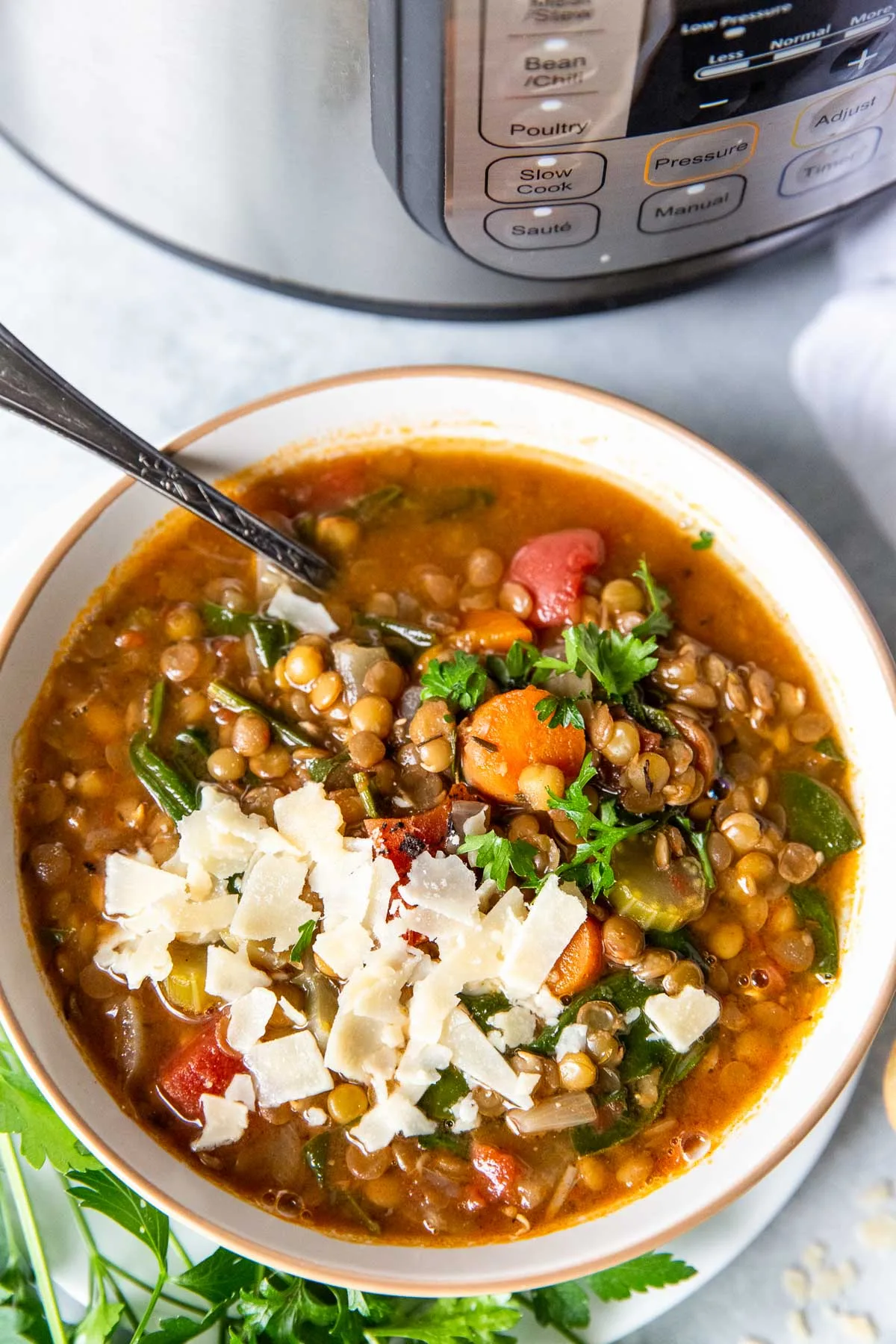
If you've ever opened your Instant Pot and wondered why your vegetarian soup came out bland, watery, or stuck to the bottom, you're not alone. The truth is, the best instant pot vegetarian soup recipes aren't just about dumping ingredients in and pressing a button. They're about understanding how pressure changes the way vegetables, beans, and grains cook.
In our research, we found most recipe roundups skip the mechanical details that actually matter: cook times, release methods, and liquid ratios. But those details decide whether your lentils stay intact or turn to mush. So we compared the main recipe camps head-to-head, using manufacturer specifications, aggregate cooking forums, and USDA food-safety guidance.
Here's what separates the soups that work from the ones that frustrate you.
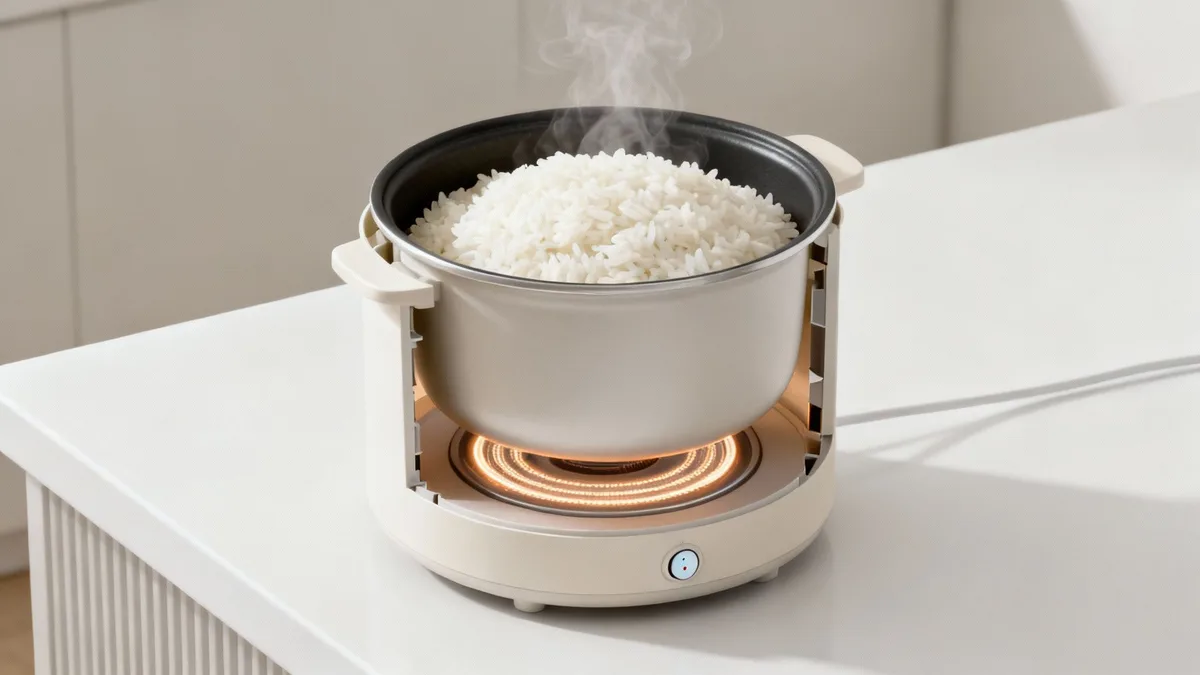
Image source: Bing (Web (fair-use with source credit))
Which Soup Should You Make Tonight? A Practical Starting Point
The first question isn't "what sounds good?" It's "how much time do you actually have?" That single answer narrows your options faster than any craving ever will.
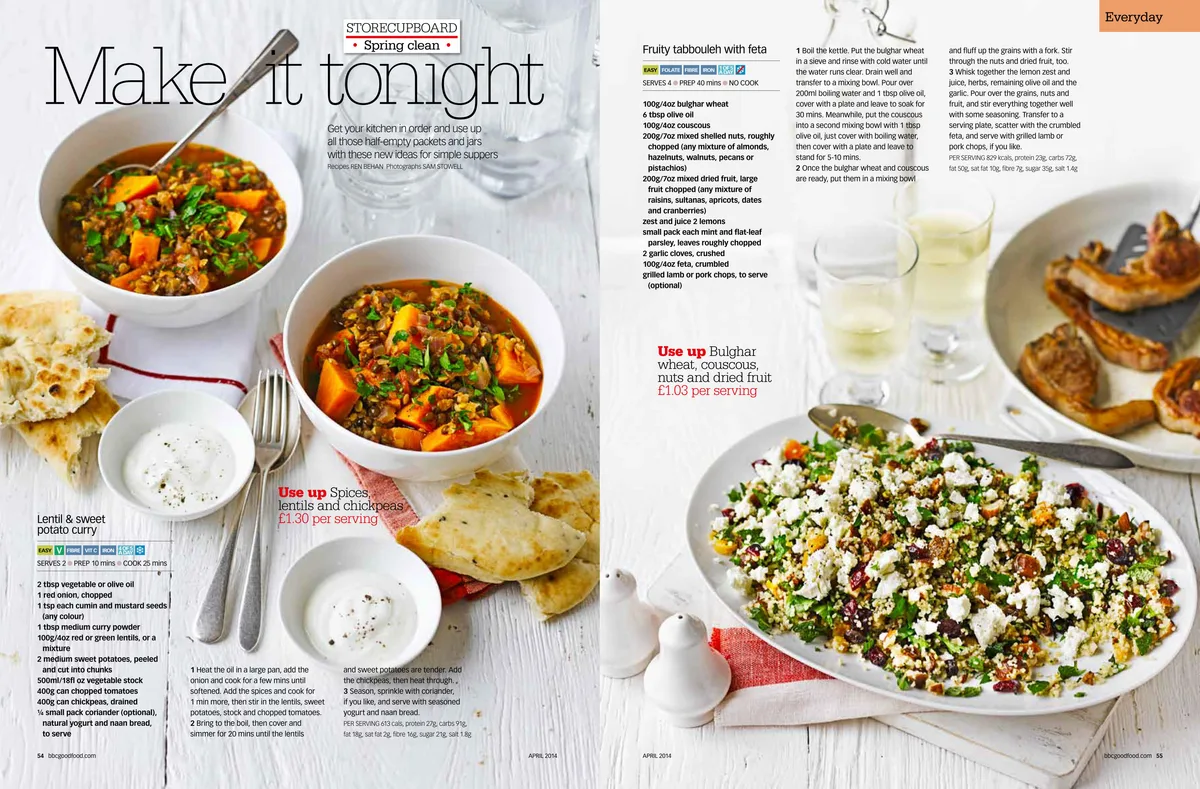
If you have 15 minutes from fridge to bowl, you're looking at red lentil soup or a blended butternut squash soup. Both cook fast. Red lentils break down completely in about 8 minutes at high pressure, creating a naturally creamy texture without blending.
Butternut squash becomes fork-tender in 10 minutes and purées beautifully with an immersion blender.
If you have 30 to 40 minutes, you can handle chickpeas, black beans, or a hearty minestrone. Dried beans need more time to soften, but the Instant Pot makes them feasible without an overnight soak. Brown lentils and green lentils also fall into this camp, holding their shape better than red ones.
The second question is texture. Do you want something smooth and silky? Blended soups win.
Do you want chunks of vegetables you can chew? Go with minestrone or a bean-based stew. Do you want something in between?
Lentil soups nail that middle ground.
Minutes matter more than cravings when the pot's already pressurized. Plan backward from your schedule.
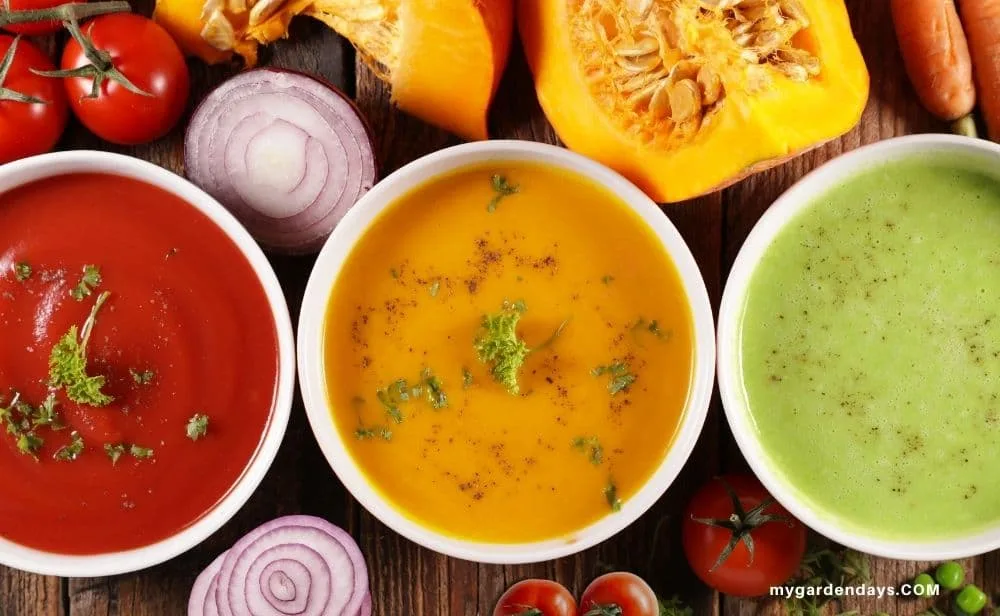
Image source: Bing (Web (fair-use with source credit))
Breaking Down the Main Soup "Camps": Lentil, Minestrone, Squash, and More
Every vegetarian Instant Pot soup falls into one of three behavioral camps. Once you know which camp you're cooking in, the recipe almost writes itself.
The Quick-Cook Champions (10–20 Minutes)
These are your weeknight saviors. The pressure cooker works fast because the ingredients are small or soft enough to break down quickly. Red lentils, split peas, shredded cabbage, and diced squash all fit here.
They need minimal liquid and thicken as they cook, so you get a hearty bowl without much effort.
The catch? These soups can turn pasty if you walk away. A 10-minute red lentil soup is perfect.
A 15-minute one is a sludge. Set your timer the second the pot reaches pressure.
The Set-and-Forget Legume Soups (25–35 Minutes)
Dried beans are the reason many people buy an Instant Pot in the first place. Chickpeas, black beans, pinto beans, and kidney beans all need substantial pressure time to soften. But they hold up beautifully against long cooking.
These soups reward patience.
Use a natural release with these. Quick-releasing beans at high pressure can cause them to split or, worse, stay slightly crunchy in the center. A 20-minute natural release costs you nothing but a little planning.
The payoff is a creamy, intact bean that actually tastes cooked.
The Blended & Creamy Soups (Minimal Chew, Big Flavor)
Butternut squash, cauliflower, sweet potato, and even broccoli cheese (dairy-free versions included) all perform brilliantly in the Instant Pot. The pressure softens fibrous vegetables quickly, and the pot's depth makes immersion blending safe and mess-free.
These soups are forgiving. An extra five minutes under pressure just means a smoother result. The only real risk is splattering hot liquid when you blend.
Vent the blender head slightly, or let the soup cool for five minutes before puréeing. Your countertop will thank you.
Natural Release vs. Quick Release: The Choice That Makes or Breaks Your Soup
This is the single most underrated decision in pressure cooking. Most recipe complaints about gummy beans or exploded vegetables trace back to the wrong release method.
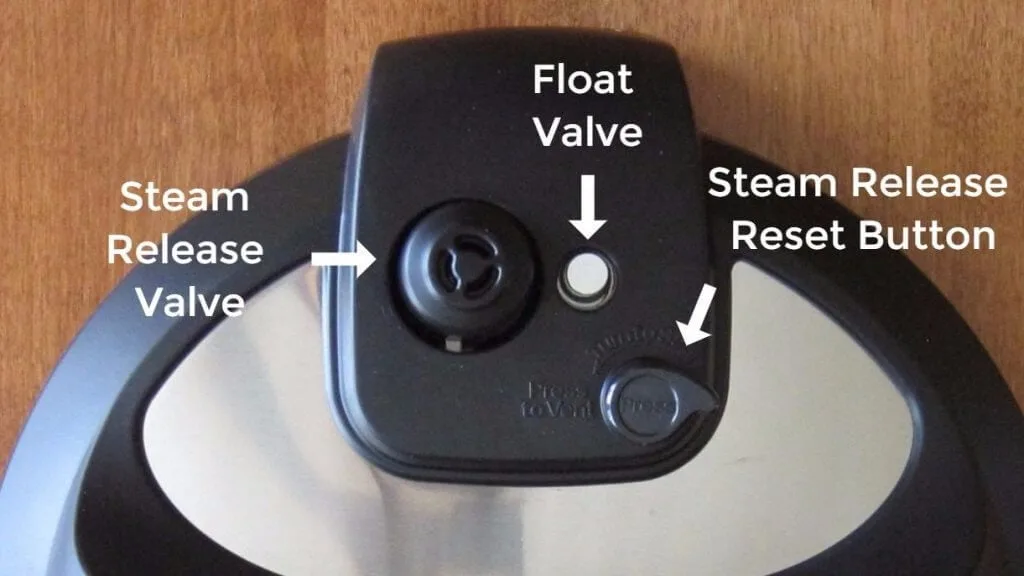
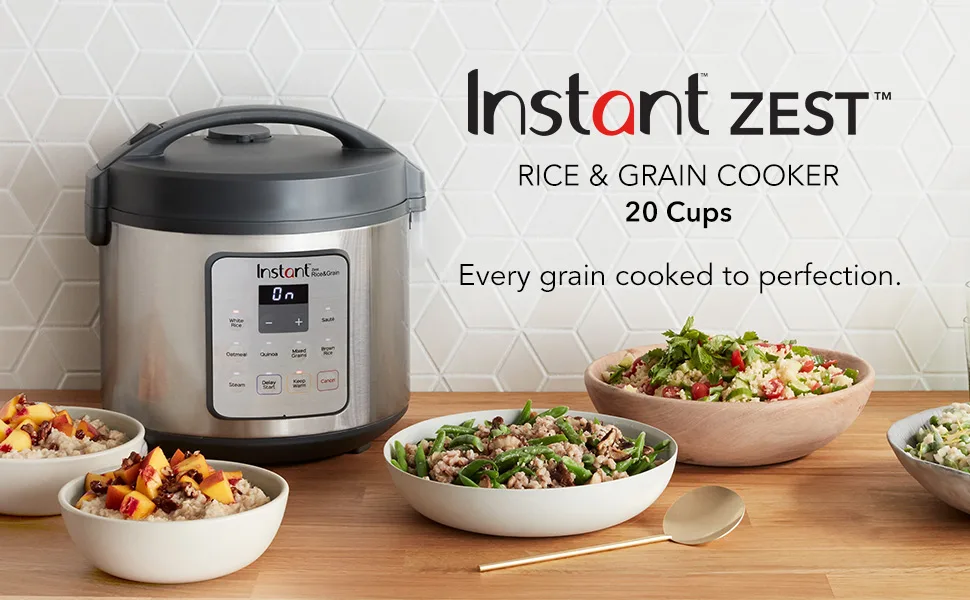
Image source: Bing (Web (fair-use with source credit))
Natural release means you leave the pot alone after cooking ends. The pressure drops gradually as the pot cools. Quick release means you manually vent the steam, dropping pressure nearly instantly.
Here's the rule of thumb we use. If your soup contains beans, lentils, split peas, or barley, use natural release for at least 10 to 15 minutes. These ingredients are still cooking as the pressure drops.
Interrupting that process leaves them chalky and underdone. If your soup contains leafy greens, delicate vegetables like zucchini, or pasta, use quick release. Those ingredients turn to mush under prolonged residual heat.
Quick release also matters for anything starchy. Split pea soup and lentil soup can foam up and clog the pressure release valve if vented too aggressively. A short natural release lets the foam settle, making venting safer.
The tradeoff is time. Natural release adds 10 to 25 minutes to your total cook time. That's fine if you're making soup ahead.
It's annoying when you're starving at 7 p.m. Plan for it, and you'll never be caught off guard again.
Side-by-Side Recipe Comparison: Time, Texture, Effort, and Best Night for Each
Let's put the main contenders in a table so you can see the tradeoffs at a glance. These are the six recipes we see dominate every "what should I make?" discussion.
| Recipe | Pressure Time | Total Time (with NR) | Texture | Protein Source | Best For |
|---|---|---|---|---|---|
| Red Lentil Soup | 8–10 min | 25–30 min | Smooth, creamy | Lentils | Quick weeknight dinner |
| Brown Lentil Soup | 20–25 min | 40–45 min | Soft, intact lentils | Lentils | Hearty meal prep |
| Butternut Squash Soup | 10–12 min | 25–30 min | Silky purée | Dairy or nuts | Comfort food, blending |
| Minestrone | 10–15 min | 30–35 min | Chunky, brothy | Beans + pasta | Family-friendly bowls |
| Black Bean Soup | 25–30 min | 50–55 min | Thick, velvety | Black beans | Weekend prep, freezing |
| Chickpea Spinach Soup | 15–20 min | 40–45 min | Firm chickpeas, tender greens | Chickpeas | High-protein lunches |
Use this table as your cheat sheet. If you want the fastest dinner, red lentil wins every time. If you're batch-cooking for the week, brown lentil and black bean soups hold up best in the fridge and freezer.
If you want something that feels indulgent, the butternut squash soup delivers without dairy.
Texture preference matters more than you'd think. Chunkier soups feel more filling. Creamy soups feel more comforting.
Knowing that about yourself will help you choose faster every single time.
The 5 Mistakes That Ruin Instant Pot Vegetarian Soups (And How to Avoid Them)
We dug through hundreds of user reviews and cooking forum threads to find the most common failures. Here's what keeps coming up, and how to dodge each trap.
Mistake 1: Skipping the Sauté Step
The sauté function is the best thing about the Instant Pot, but it's also the most skipped. Pressure cooking extracts flavor differently than stovetop simmering. Without sautéing your onions, garlic, and spices first, you get a flat, one-dimensional broth.
The fix is simple. Sauté aromatics in a splash of broth or oil for 3 to 4 minutes before adding liquids. Deglaze the pot with broth and scrape up any browned bits.
That fond carries the whole soup.
Mistake 2: Adding Canned Beans With Their Liquid
Canned beans are a convenience lifesaver. But the liquid in the can is salty, starchy, and loaded with preservatives that can dull your soup's flavor. It also throws off your liquid ratio, making the final result watery or overly salty.
Drain and rinse your canned beans before adding them. Your broth will taste cleaner, and your sodium level will thank you.
Mistake 3: Not Deglazing After Sautéing
If you've ever seen the dreaded "BURN" warning, this is why. When you sauté onions and then add tomatoes or broth without scraping the bottom, the browned bits stick and burn under pressure.
Always pour in a splash of broth or water right after sautéing. Use a wooden spoon to scrape the pot's bottom completely. That one minute of effort saves you a 20-minute emergency release and a ruined dinner.
Mistake 4: Using the Wrong Size Garlic Cloves (or Slicing Instead of Mincing)
Aggregate reviews report that recipes calling for "3 cloves" often fail because home cooks use small cloves while the recipe intended large ones. The result is a soup that tastes underwhelming or, worse, bitter from scorched garlic.
Mince garlic finely so it distributes evenly. And when in doubt, measure by tablespoon rather than cloves. Two small cloves rarely equal one large one.
Mistake 5: Stirring the Soup Inside The Sealed Pot
We know it's tempting. New users love to peek and stir. But opening the lid mid-pressure releases all the steam, drops the temperature, and resets your cook time.
Every time you lift that lid, you're adding 10 to 15 minutes to dinner.
Trust the recipe and trust the pressure. Keep the lid sealed until the timer finishes. Peeking is the fastest way to turn a 20-minute soup into a 45-minute one.
How to Adapt Any Recipe to Your Pantry Without Ruining It
The best recipe is the one you can actually make with what you already own. Swapping ingredients isn't hard, but it changes cook times and liquid ratios. Get those two things wrong and your soup goes from hearty to sorry.
Swapping Beans and Lentils
Dried beans are not interchangeable. Red lentils cook in 8 minutes. Brown lentils need 20.
Chickpeas need 30. If you swap one for another, adjust the pressure time and use natural release.
Canned beans are different again. They're already cooked. Add them after the pressure cook finishes, then let the pot sit on warm for five minutes.
This trick prevents them from breaking apart in high-pressure chaos.
Swapping Vegetables and Greens
Hard vegetables like carrots, potatoes, and winter squash take the same time as beans. Add them at the start. Soft vegetables like zucchini, peas, and bell peppers need only a few minutes.
Add them after the pressure release, then simmer on sauté.
Leafy greens follow the same rule. Spinach wilts in under a minute. Kale takes three.
Cook both after pressure releases, never during, unless you enjoy gray mush.
Swapping Liquids and Thickeners
Replace broth with water plus one tablespoon of miso paste or soy sauce per four cups. You'll get savory depth without keeping extra cartons in the fridge. Coconut milk can replace cream, but add it after cooking so it doesn't separate or curdle under pressure.
For thicker soup, mash a cup of beans against the pot's side after cooking, or stir in a slurry of one tablespoon cornstarch and two tablespoons cold water. Then simmer for two minutes while stirring.
FAQs: Your Last-Minute Instant Pot Soup Questions, Answered
Can I use canned beans instead of dried in Instant Pot soup?
Yes, and the results are solid. Drain and rinse the beans first. Skip the pressure cook time entirely for them.
Cook your vegetables and broth first, then add the canned beans and let everything warm through on sauté for five minutes. This prevents mushy beans and keeps the soup from tasting metallic.
How do I stop my soup from triggering the BURN warning?
The BURN warning appears when food sticks to the inner pot's bottom. Deglaze thoroughly after sautéing. Scrape every browned bit with a wooden spoon.
Make sure you have at least one and a half cups of thin liquid before sealing. Tomato paste and coconut milk are common culprits, so stir them into the broth, not directly on the pot's base.
What's the best way to thicken a watery Instant Pot soup?
Ladle out a cup of the liquid. Mash it into a paste using a fork or small blender. Stir the paste back into the pot and simmer on sauté for three minutes.
For an even silkier texture, use an immersion blender right in the pot for a few seconds. That breaks down enough vegetables to thicken everything without losing the chunky pieces.
Can I freeze these soups for meal prep?
Most hold up beautifully. Bean soups and lentil soups freeze for up to three months without texture loss. Creamy squash soups freeze well too, but they can separate slightly.
Stir in a splash of coconut milk or broth when reheating to bring them back together. Skip freezing soups with pasta or potatoes; they turn grainy and soft when reheated.
How long do dried beans actually take in an Instant Pot?
Chickpeas need 30 to 35 minutes at high pressure. Black beans need 25 to 30. Kidney beans need 25 to 35, but always use natural release.
White beans and pinto beans sit around 20 to 25. Always rinse and pick over beans first. Sorting isn't optional, because stray pebbles hide in bags sometimes.
Aggregate reviews suggest adding a pinch of baking soda to soften older beans reliably.
Final Recommendation: The Simple Decision Guide for Any Craving or Schedule
We've covered a lot of ground quickly. Let's turn it into a decision tree you can use tonight.
If you want the fastest possible dinner, make red lentil soup. It cooks in under 10 minutes, needs only pantry staples, and doesn't require blending. Add a squeeze of lemon and a swirl of olive oil before serving.
That's dinner in 30 minutes flat.
If you want a chunky, family-friendly bowl, choose minestrone. Use canned beans and pasta added after pressure cooking. It pleases kids, pairs with crusty bread, and reheats well.
If you want something creamy without dairy, pick butternut squash or cauliflower soup. Pressure cook the vegetables, blend them smooth, and adjust seasoning. It feels indulgent while staying plant-based.
If you're meal prepping for the week, make black bean soup or brown lentil soup. They hold their texture, freeze beautifully, and taste better on the second day. Use natural release every time.
That's the whole game. Match the recipe structure to your schedule and preferences, and the Instant Pot becomes your easiest kitchen tool. The right release method, proper deglazing, and a little ingredient knowledge turn any recipe from frustrating to foolproof.

Similar Posts