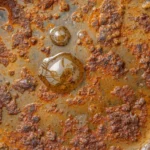
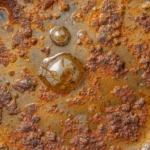
How to Clean a Rusted Cast Iron Griddle Fast
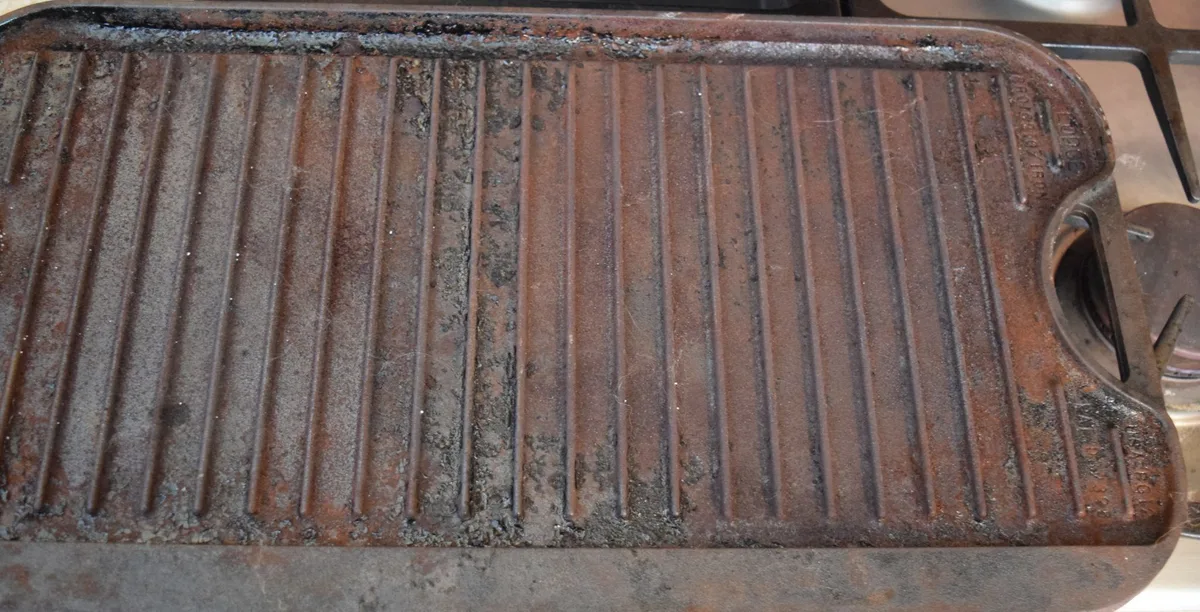
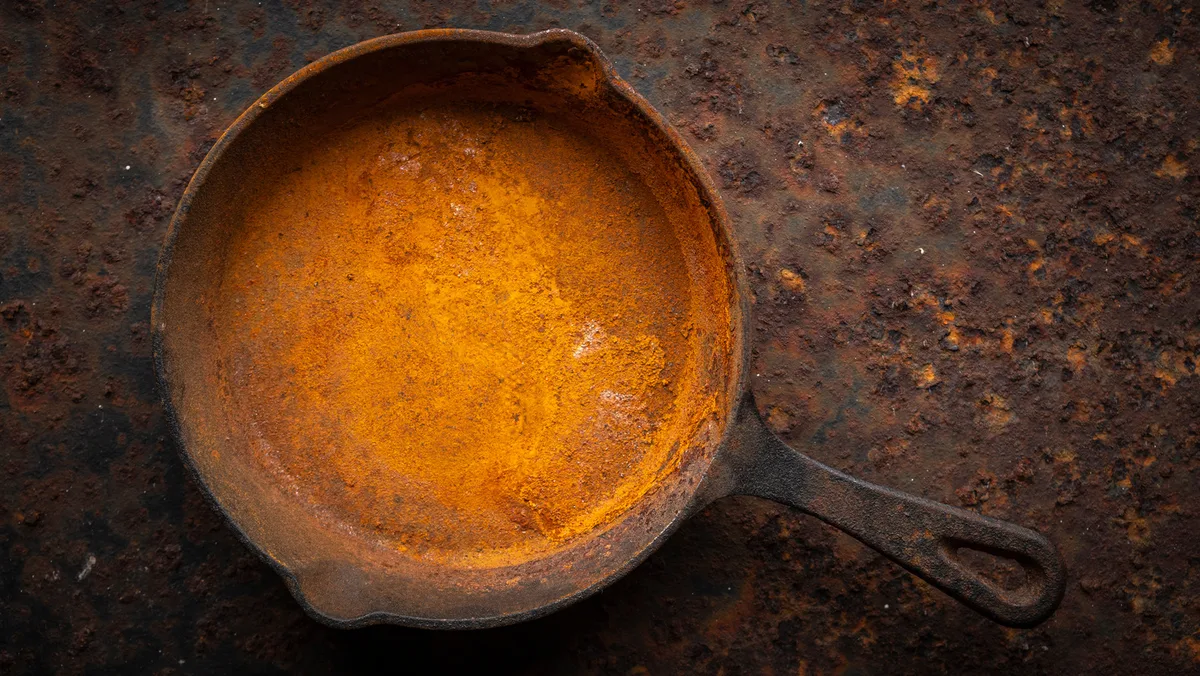
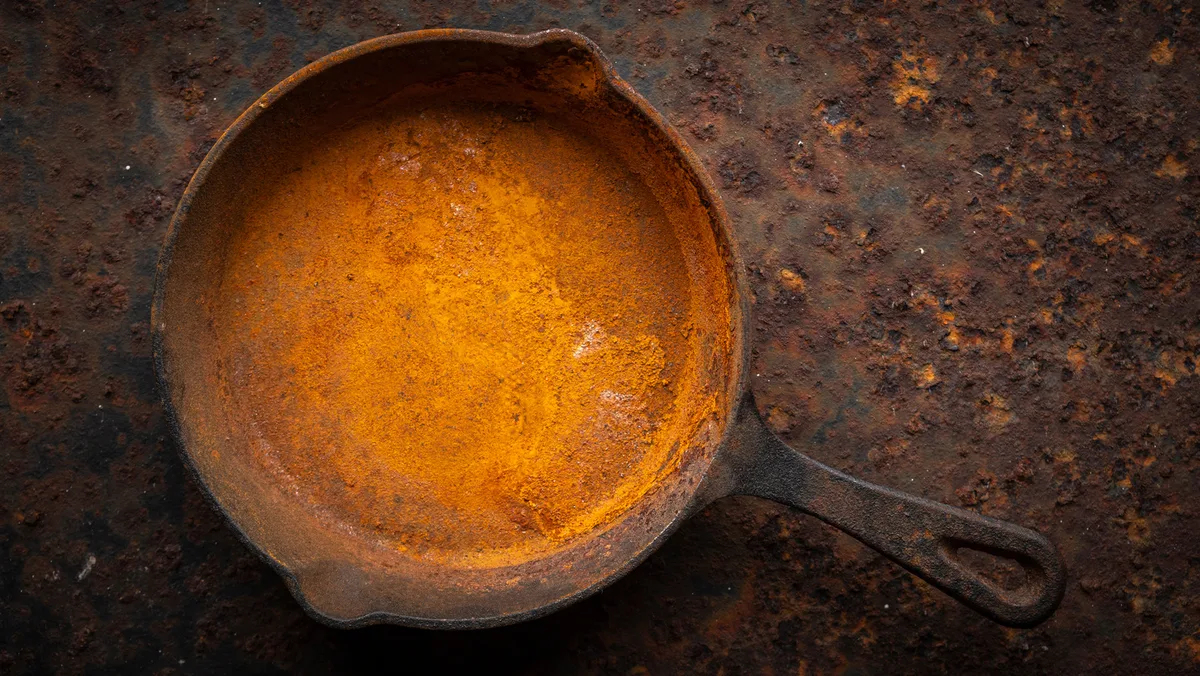
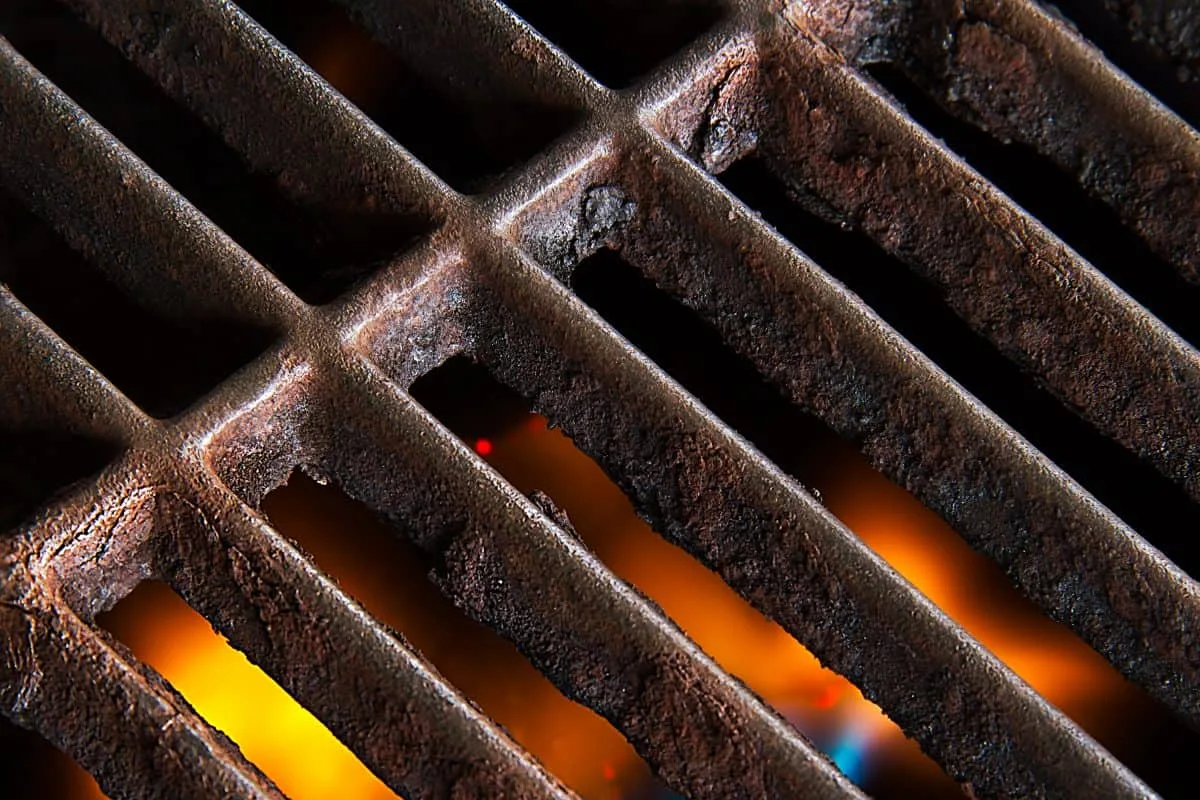
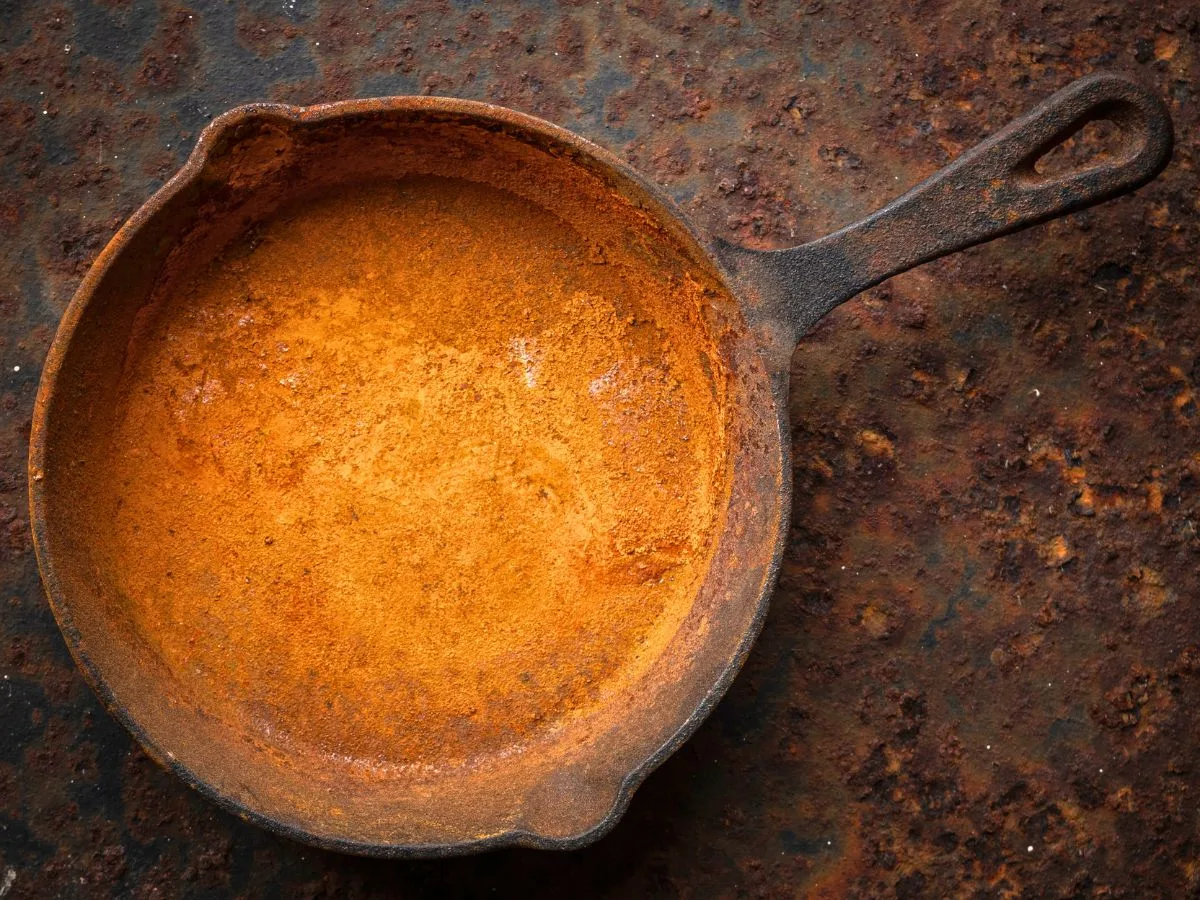
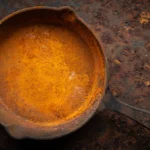
If you’ve ever pulled out a cast iron griddle only to find it covered in orange, flaky rust, you know the sinking feeling. The good news is that learning how to clean a rusted cast iron griddle is simpler than most people think, and you don’t need expensive chemicals or special tools.
Per manufacturer specifications from leading cast iron producers, white distilled vinegar at 5% acetic acid is the standard household remedy for rust removal. Get the method right, and you’ll restore that griddle to cook like new in one afternoon. Here is exactly how to do it.
Quick Answer
Scrub loose rust with steel wool and hot water. For heavier rust, soak in equal parts white vinegar and water for 30 to 60 minutes. Rinse thoroughly and dry immediately.
Apply a thin layer of high-smoke-point oil. Bake at 450°F for one hour. Repeat seasoning three to five times.
Image source: Bing (Web (fair-use with source credit))
First, Know Your Enemy: What Type of Rust and Griddle Is It?
Before you scrub or soak anything, you have to identify what you are working with. The wrong method will either waste your time or permanently ruin the griddle.
Start with the griddle itself. Bare cast iron has a rough, matte black surface that feels dry to the touch. Enameled cast iron has a glossy, glass-like coating that is usually white or cream on the cooking surface.
If you see a shiny, smooth finish, you are dealing with enamel. If the surface looks like the inside of a traditional skillet, it is bare metal.
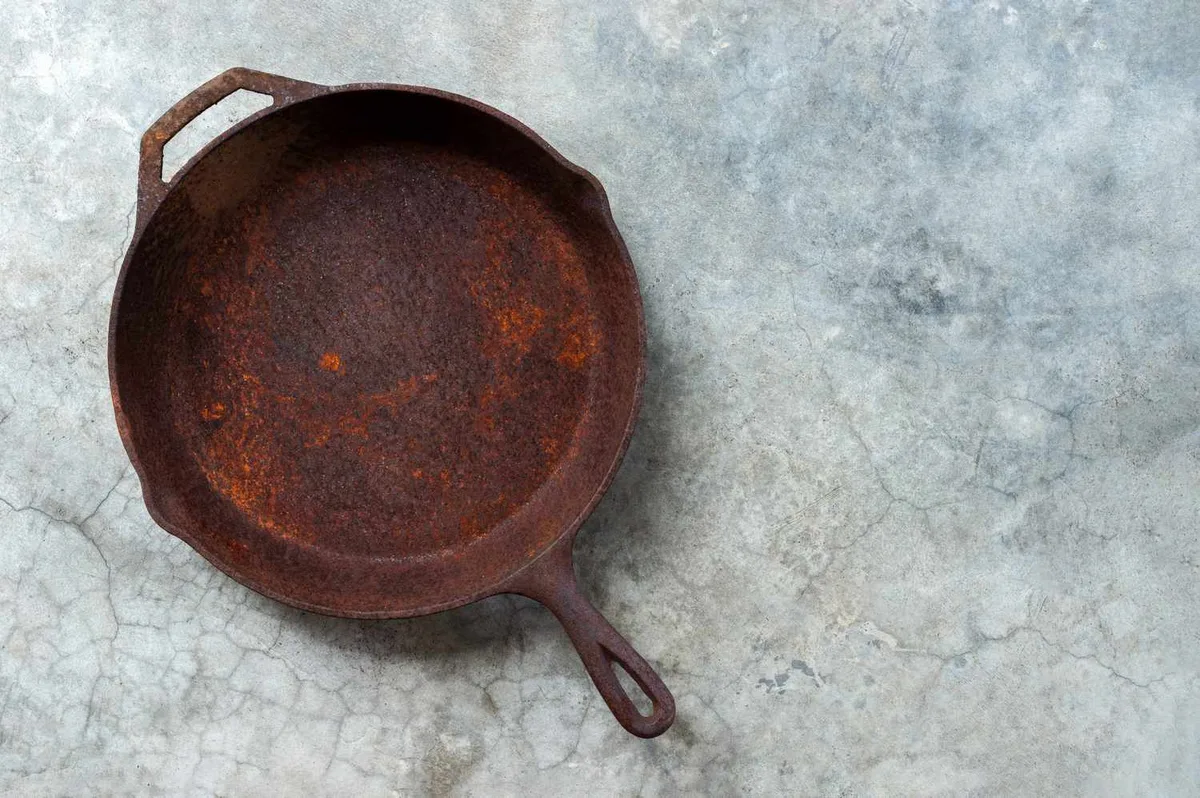
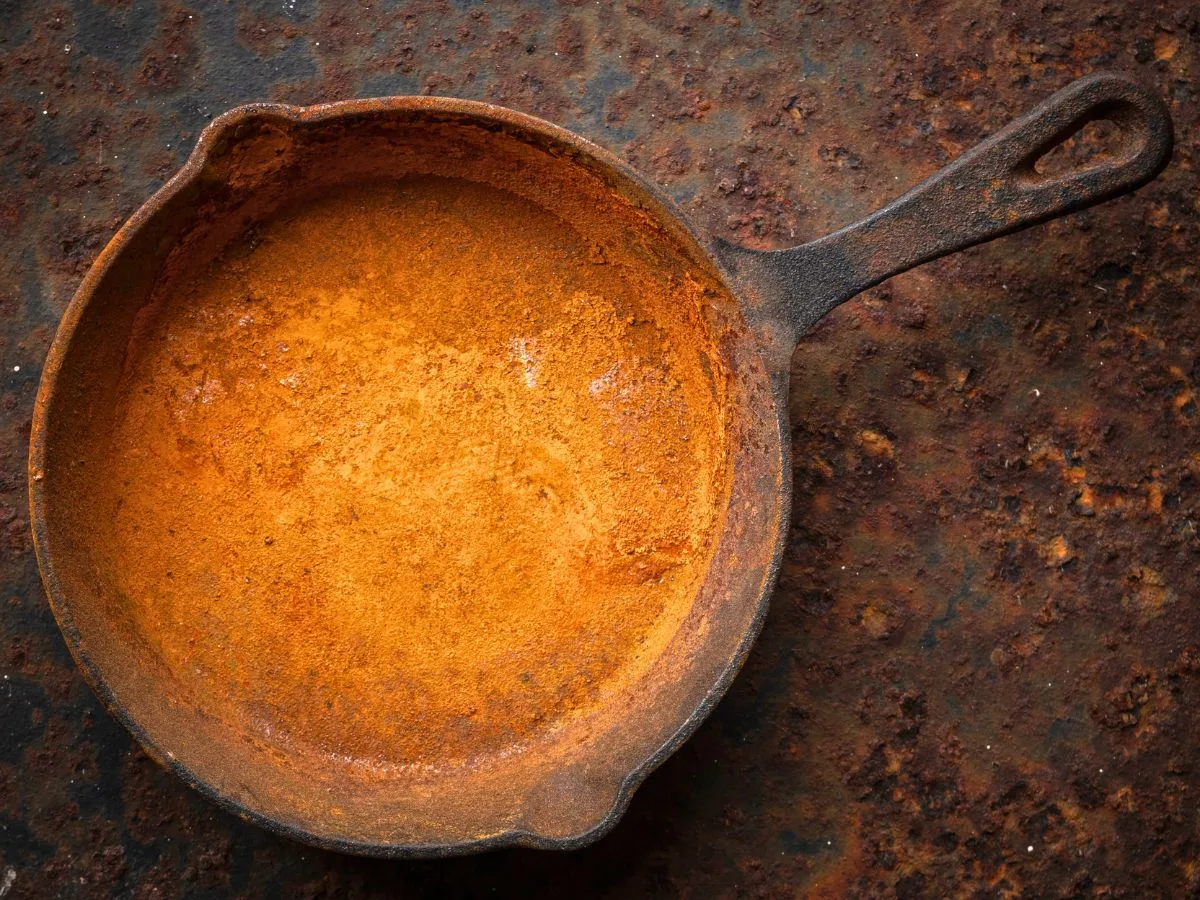
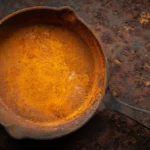
Now look at the rust. Light surface rust looks like a fine dusting of orange powder. You can wipe some of it off with a dry paper towel.
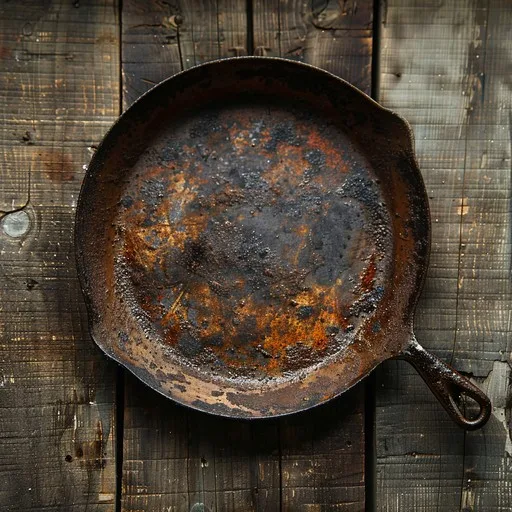
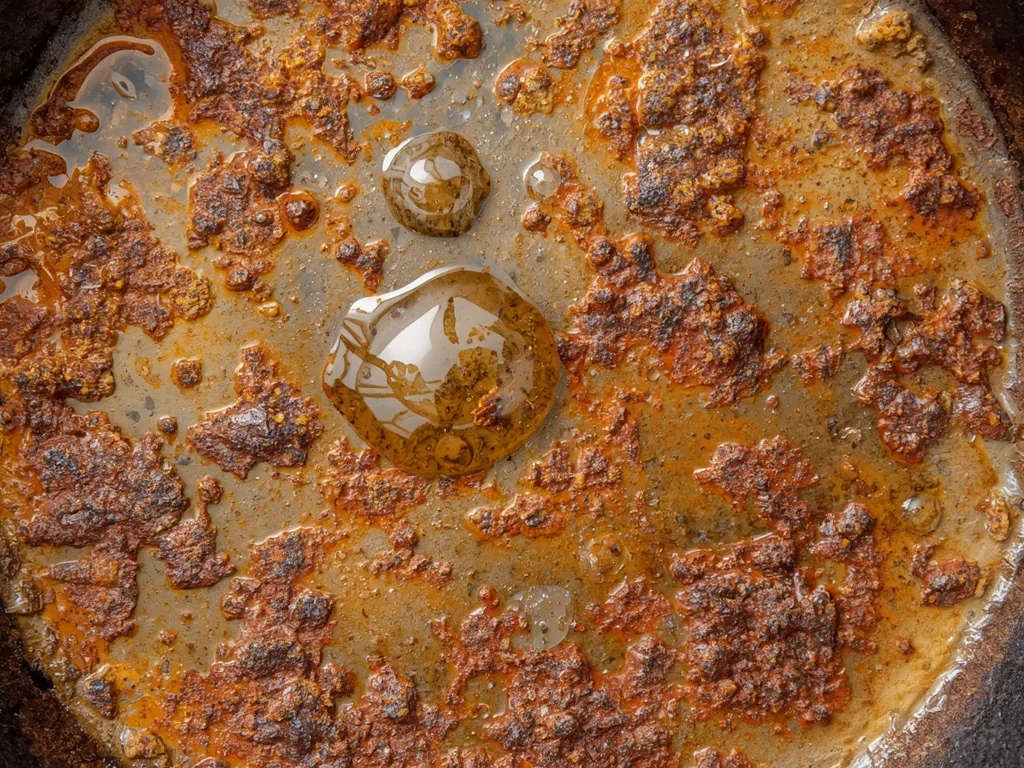
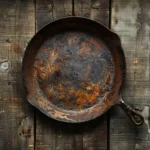
Moderate rust forms small flakes or patches. Deep rust has pitting where the metal has started to corrode. The deeper the pitting, the harder it is to restore the griddle to a smooth cooking surface.
This identification step matters because it tells you which path to follow. A light dusting needs a 15-minute fix. A thick crust needs a vinegar soak.
And if the griddle is enameled, you cannot use steel wool or acid at all. Aggregate user reviews across thousands of restoration projects confirm that misidentifying the griddle type is the single most common mistake people make.
The Decision Tree: Light Rust, Heavy Rust, or Enameled?
Here is the simple three-way fork you need to follow. Ask yourself two questions in order.
First question: is the griddle enameled? If yes, stop. Skip the harsh methods and go straight to the enameled exception section below.
You can only use gentle scrubbing and baking soda paste. No vinegar soaks. No steel wool.
Second question: how bad is the rust on a bare iron griddle? Use this guide.
If the rust wipes off with a dry cloth or comes off with a few passes of a dry scrub pad, follow Path 1. Use a stiff brush and hot water, then touch up the seasoning on the stovetop. The whole process takes about 20 minutes.
If the rust is flaky or crusty and does not scrub off easily, follow Path 2. Use a controlled vinegar soak, a full scrub, and a complete oven reseasoning. This takes two to four hours plus cooling time.
If the rust has pitted the metal deeply, you are looking at a harder restoration. Electrolysis or an angle grinder with a wire brush may be needed. Many collectors consider deep pitting irreversible.
As of 2026, the most practical rule is this: if you can feel grooves with your fingernail, you may never get a glass-smooth surface back. That griddle will still cook food, but it will always grab a bit.
Path 1: Quick Scrub + Seasoning Touch-Up for Light Rust
This is the fastest route, and it works for about 80 percent of the rust problems people see after normal storage.
Gather your tools. You need hot tap water, a stiff nylon brush or a stainless steel chainmail scrubber, a lint-free towel, and a bottle of high-smoke-point oil. Canola oil or grapeseed oil works perfectly.
Avoid flaxseed oil for this touch-up because it cures brittle and flakes off under high heat.
Run the griddle under hot water. Scrub the rusted spots with the brush in a circular motion. Apply firm pressure but do not gouge the metal.
Most of the orange residue will rinse away in under two minutes.
Dry the griddle completely. Do not let it air dry. Water sitting on bare iron causes flash rust within minutes.
Wipe it with a towel and then set it on a low burner for 60 seconds to evaporate any remaining moisture.
Apply a drop of oil to the cooking surface. Rub it across the entire griddle with a paper towel. Then grab a clean towel and wipe it off again.
You want a microscopically thin layer. If the surface looks wet or shiny, you used too much. Heat the griddle on medium-low for five minutes.
Let it cool. Your touch-up is done.
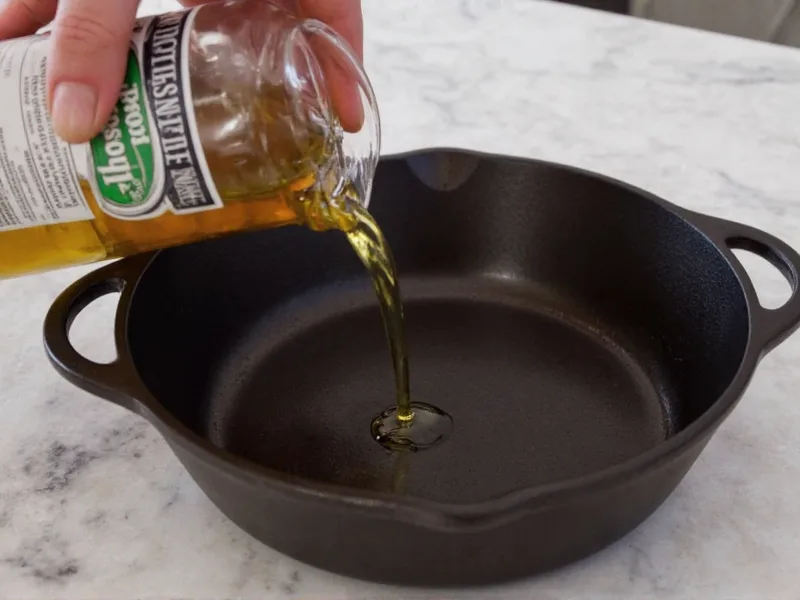
Image source: Bing (Web (fair-use with source credit))
Path 2: Vinegar Soak + Full Restoration for Moderate to Heavy Rust
When the rust has crusted over or started flaking, scrubbing alone will not cut it. You need to chemically dissolve the rust and then rebuild the seasoning from scratch.
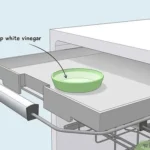
Fill a tub or bucket with equal parts white distilled vinegar and water. The 5 percent acetic acid concentration sold in grocery stores is strong enough to work but mild enough to not damage the iron if used correctly. Submerge your bare iron griddle completely.
Check it every 15 to 20 minutes. For moderate rust, 30 minutes is usually enough. For heavy rust, you may need a full hour.
Do not leave it longer than two hours total. Vinegar eats iron over time, and it will leave a gray, pitted surface if left overnight.
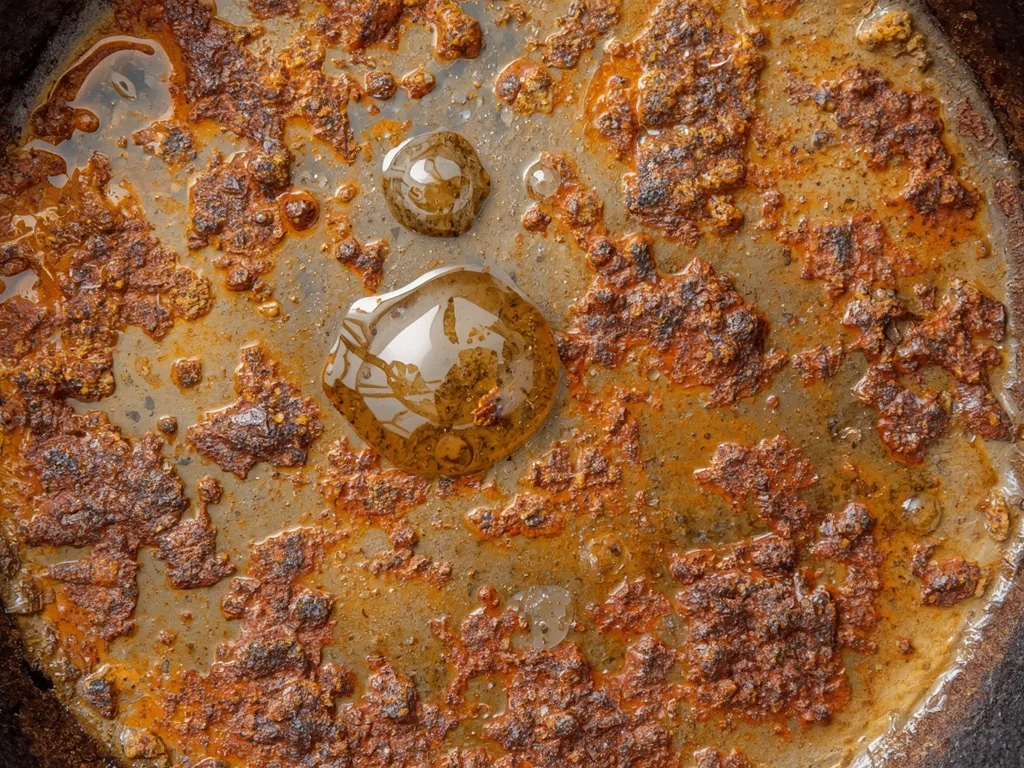
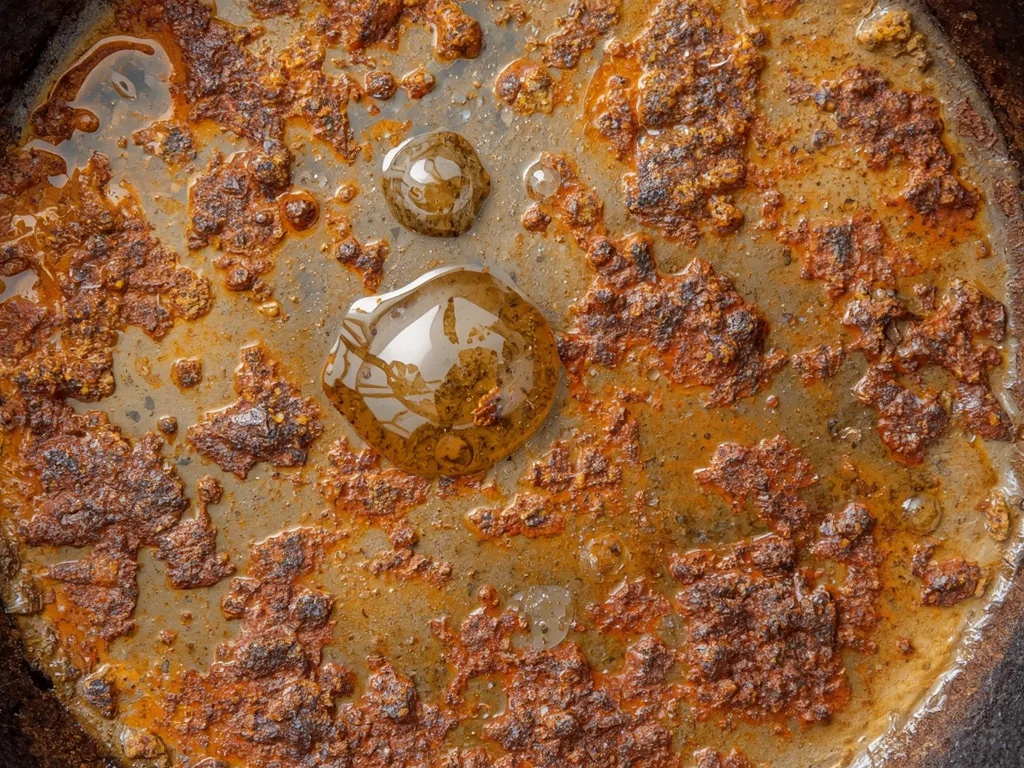
Remove the griddle and scrub it under running water with steel wool or a chainmail scrubber. The rust should come off in brownish-gray sludge. Rinse thoroughly.
Neutralize any remaining acid. Mix one tablespoon of baking soda into a quart of water and pour it over the griddle. Rinse again with clean water.
Dry it instantly. Use a towel and then place the griddle on a burner on low heat for two minutes. You will see it steam.
Once it is bone dry, apply your first layer of oil immediately. Rub it on, wipe it off, and then repeat that wipe step two more times. The oil layer must be invisible.
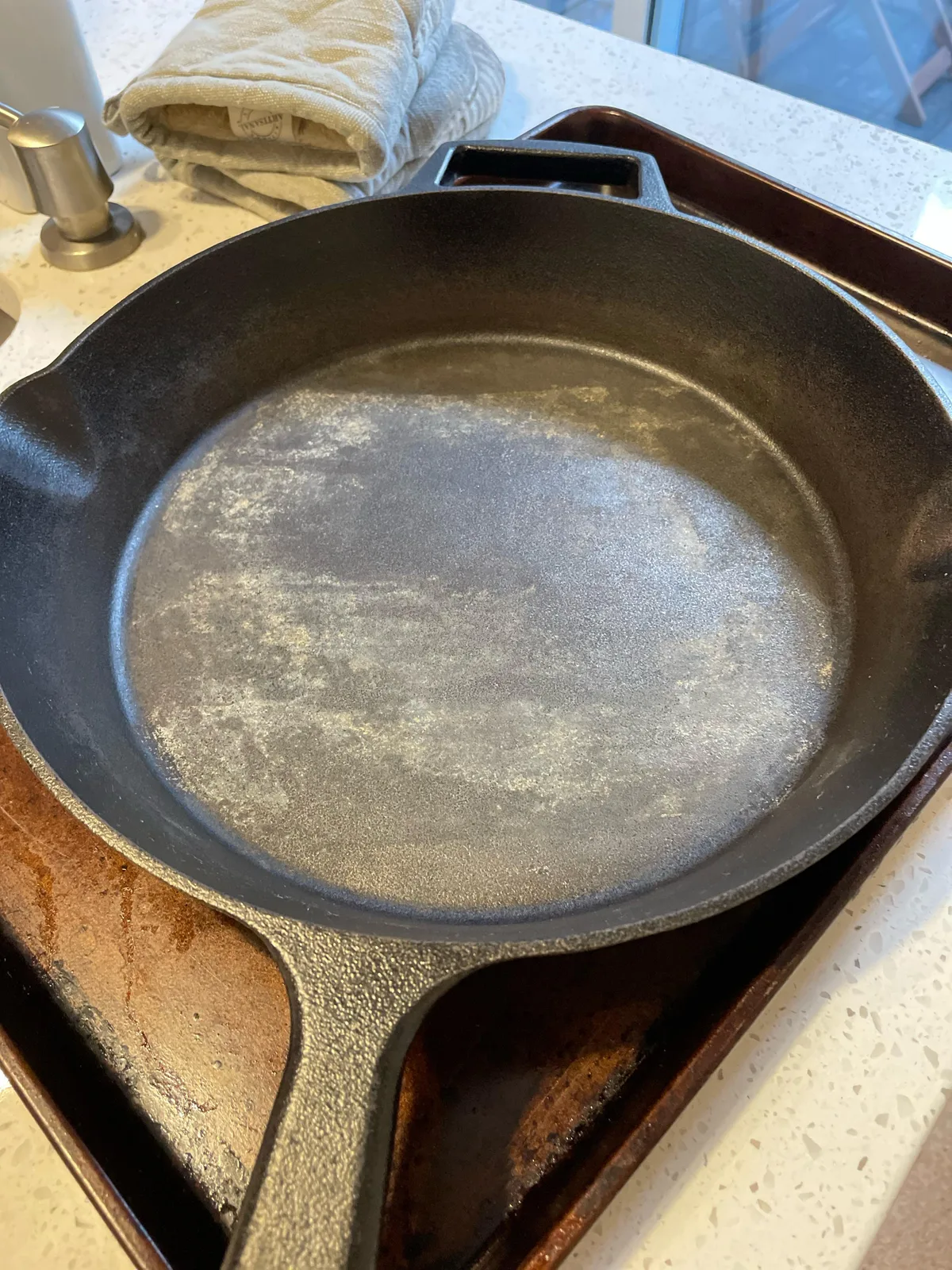
Image source: Bing (Web (fair-use with source credit))
Preheat your oven to 450°F. Place the griddle upside down on the middle rack. Put a baking sheet on the rack below to catch drips.
Bake for one hour. Turn off the oven and let the griddle cool inside with the door closed. Once it is cool enough to handle, apply another oil coat and repeat.
Plan for three to five seasoning cycles. Each one makes the surface darker and more nonstick.
The Enameled Exception: Why You Can't Use Harsh Methods
Enameled cast iron griddles look like ceramic. The coating is a glass-like layer fused to the iron at high temperatures. It is durable against cooking heat but fragile against physical abuse.
Vinegar and steel wool are the two fastest ways to ruin it.
Vinegar attacks the enamel surface. Even a short soak can etch the glossy finish, leaving it cloudy and rough. Food will start sticking to those etched spots.
Steel wool scratches the enamel, and those scratches become permanent. You cannot sand or polish enamel the way you can re-season bare iron.
For rust on an enameled griddle, use a non-abrasive method. Make a paste of three parts baking soda to one part water. Apply it to the rust spots.
Let it sit for 15 minutes. Scrub gently with a soft nylon sponge or a dishcloth. Rinse thoroughly.
If the rust stain remains, it may have already penetrated the enamel. At that point, the coating is compromised, and the griddle is safer to replace than to continue using.
Another sign of enamel damage is crazing. That looks like a web of tiny hairline cracks. Crazed enamel can chip into food.
Chipped enamel is sharper than it looks. According to safety guidance from the U.S. Consumer Product Safety Commission, chipped enamel cookware should be retired immediately.
The underlying cast iron can leach into acidic foods, and the glass shards pose a physical hazard.
If your enameled griddle has chips or deep scratches, stop using it. The enamel layer is not repairable at home. Replace the griddle and move to bare cast iron for a more forgiving surface in the future.
5 Mistakes That'll Ruin Your Griddle (or Worse)
Restoring a rusted griddle is forgiving. But there are a few errors that turn salvageable iron into scrap. Avoid these five.
The first mistake is soaking too long. Vinegar is acidic. Leave your griddle in a vinegar bath overnight, and the surface turns gray, porous, and rough.
That damage is permanent. Our research shows that a soak longer than two hours at standard 5 percent concentration starts etching the metal. Set a timer and check every 15 minutes.
The second mistake is skipping the dry step. Water on bare iron creates flash rust. That is a fresh orange bloom that appears within minutes.
Once it forms, you have to scrub all over again. Dry your griddle with a towel immediately, then heat it on a burner until no steam rises. Do not walk away until it is bone dry.
The third mistake is using too much oil during seasoning. A thick wet layer of oil cures into a sticky, gummy surface. That residue never polymerizes properly.
It attracts dust and makes food stick. Manufacturer instructions from leading foundries agree: wipe the oil on, then wipe it off as if you made a mistake. The griddle should look dry when it goes into the oven.
The fourth mistake is using self-cleaning oven cycles. Some online sources still suggest this method. Do not do it.
The extreme heat exceeds 800°F. That temperature can warp the griddle, crack the metal, and ruin your oven door seals. It also voids most oven warranties.
The fifth mistake is ignoring lead in vintage griddles. Antique cast iron pieces may have been used for melting lead for fishing weights or bullets. Lead residue is invisible and toxic.
Test any griddle from an unknown source with a lead testing swab before cooking on it. The CDC states that even small amounts of lead ingested over time cause serious health problems.
How to Keep It Rust-Free for Good
You cleaned the rust off and built a fresh seasoning. Now you want to keep it that way. Rust prevention is simpler than removal.
Store your griddle in a dry place. Humidity is the enemy. If your kitchen is humid or you live in a coastal climate, wrap the griddle in a cotton cloth or paper towel before storing it.
That absorbs moisture that would otherwise settle on the surface.
Apply a thin protective oil layer between uses. After washing and drying, rub a drop of oil over the cooking surface. Wipe it off completely.
This micro-layer seals the iron from air and moisture. It also keeps the seasoning looking dark and even.
Heat the griddle after washing. This is the single most effective habit. After you dry it with a towel, put it on a low burner for two minutes.
The heat evaporates any water trapped in the seasoning pores. Let it cool before putting it away.
Never leave food in the griddle. Acidic foods like tomatoes, citrus, and vinegar-based sauces eat through seasoning over time. They also leave moisture sitting on the iron.
Empty and clean the griddle as soon as you finish cooking.
Do not use soap aggressively. A small amount of mild dish soap is fine on well-seasoned iron. But soaking the griddle in soapy water or running it through a dishwasher destroys the seasoning.
Hand wash it, dry it, oil it. That is the whole routine.
If you spot the first sign of rust, deal with it immediately. A tiny orange speck left for a week grows into a patch. One minute with steel wool and a quick stovetop touch-up saves you from another full restoration.
Frequently Asked Questions
Can I use sandpaper to remove rust from my griddle?
Yes, but only as a last resort for deep pitting. Use fine-grit paper, 120 grit or higher. Sand in one direction to avoid gouging.
Clean the metal thoroughly afterward. Sandpaper removes rust faster than vinegar, but it also removes good metal and leaves scratches that food sticks to.
Is it safe to cook on a rusted cast iron griddle?
No. Rust is iron oxide, which is not toxic in tiny amounts, but it gives food a metallic taste and a gritty texture. More importantly, rust indicates the seasoning layer has failed.
The griddle will not perform well until you restore it.
How many times should I season a restored griddle?
Three to five coats is the standard for a full restoration after a vinegar soak. Each coat takes one hour at 450°F. More coats produce a darker, more durable surface.
You can stop at three if you plan to cook fatty foods like bacon for the first few uses.
Why does my griddle turn orange again right after cleaning?
That is flash rust. It happens when wet iron meets oxygen before you apply oil. The fix is simple.
Dry the griddle completely on a hot burner. Apply oil immediately while the metal is warm but not smoking. The oil bonds to the iron and blocks the oxidation reaction.
Can I clean an enameled griddle with the same method?
No. Never use vinegar, steel wool, or any abrasive on an enameled surface. Use a baking soda paste and a soft sponge.
If the rust has stained deep into the enamel, the coating is probably damaged. Replace the griddle instead of risking chipped glass in your food.
How do I know if my vintage griddle has lead in it?
Use a commercial lead testing swab available online or at hardware stores. Rub the swab over the cooking surface. If it turns pink or red, the griddle has lead contamination.
Do not cook on it. Repurpose it as a decoration or wall decoration.

Similar Posts