How to Descale a Coffee Maker Without Vinegar
If your drip coffee maker is brewing slower than usual or your espresso shots taste off, mineral scale is likely the culprit. Learning how to descale a coffee maker without vinegar is the best solution if you dislike the smell or worry about damaging certain parts. Vinegar is acidic enough to work, but it can corrode aluminum heating elements and leave a lingering taste.
Manufacturer specifications indicate that many modern coffee makers with aluminum boilers should never see vinegar. The Specialty Coffee Association recommends descaling every three months, but the method matters as much as the frequency. Let us walk through the safer, more effective vinegar-free options.
Image source: Bing (Web (fair-use with source credit))
Quick Answer
Mix one to two tablespoons of citric acid powder with four cups of water. Pour the solution into the reservoir and run a brew cycle. Let it sit for 15 to 30 minutes.
Then run two or three full cycles of fresh water to rinse. That is the most reliable vinegar-free method.
Why Go Vinegar-Free? The Real Problem with Traditional Descaling
Vinegar works, but it comes with trade-offs that many people overlook. The acetic acid in vinegar can attack aluminum parts, including the heating element and internal tubing found in many drip machines and espresso makers. Over time, this leads to pitting, leaks, or even a burnt-out boiler.
Another issue is the smell. Vinegar fumes linger in the machine and your kitchen. Aggregate reviews report that even after multiple rinse cycles, a faint sour note can sneak into your morning cup.
That is not just unpleasant; it means residual acid is still inside the machine.
Then there is the taste issue. Vinegar residue can cling to plastic and rubber seals. No matter how many times you rinse, that first brew after descaling often tastes off.
If you have ever taken a sip and instantly regretted it, you know exactly what I mean.
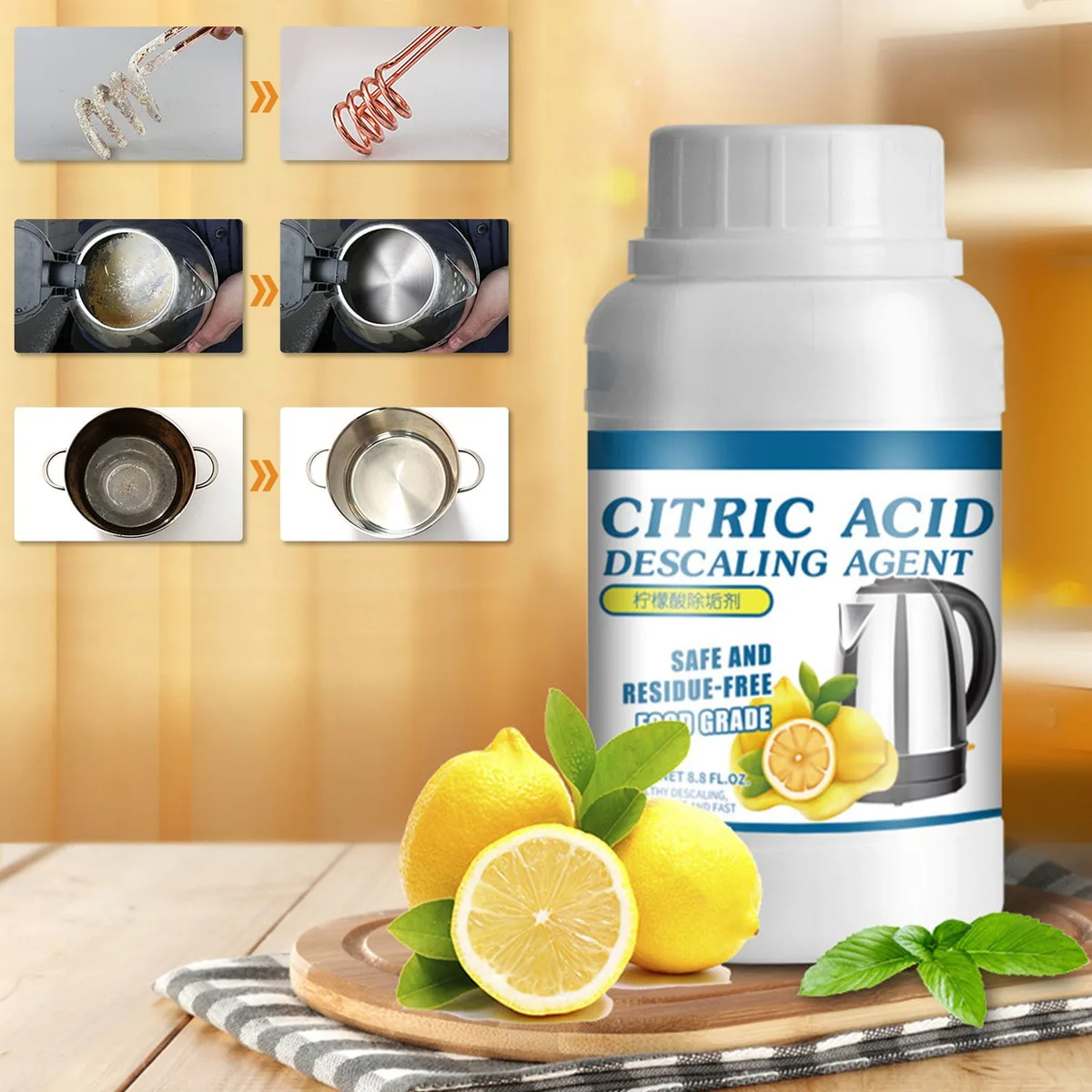
Citric acid and lemon juice solve all these problems. They are food-safe, dissolve mineral scale quickly, and leave no odor behind. As of 2026, citric acid is listed on the FDA’s Generally Recognized as Safe (GRAS) list, meaning it is considered safe for food contact surfaces.
That gives you a solid green light to use it without worry.
The bottom line is clear: skip the vinegar if you value your machine’s lifespan and your coffee’s flavor. The alternatives work just as well, if not better, and cost pennies per use.
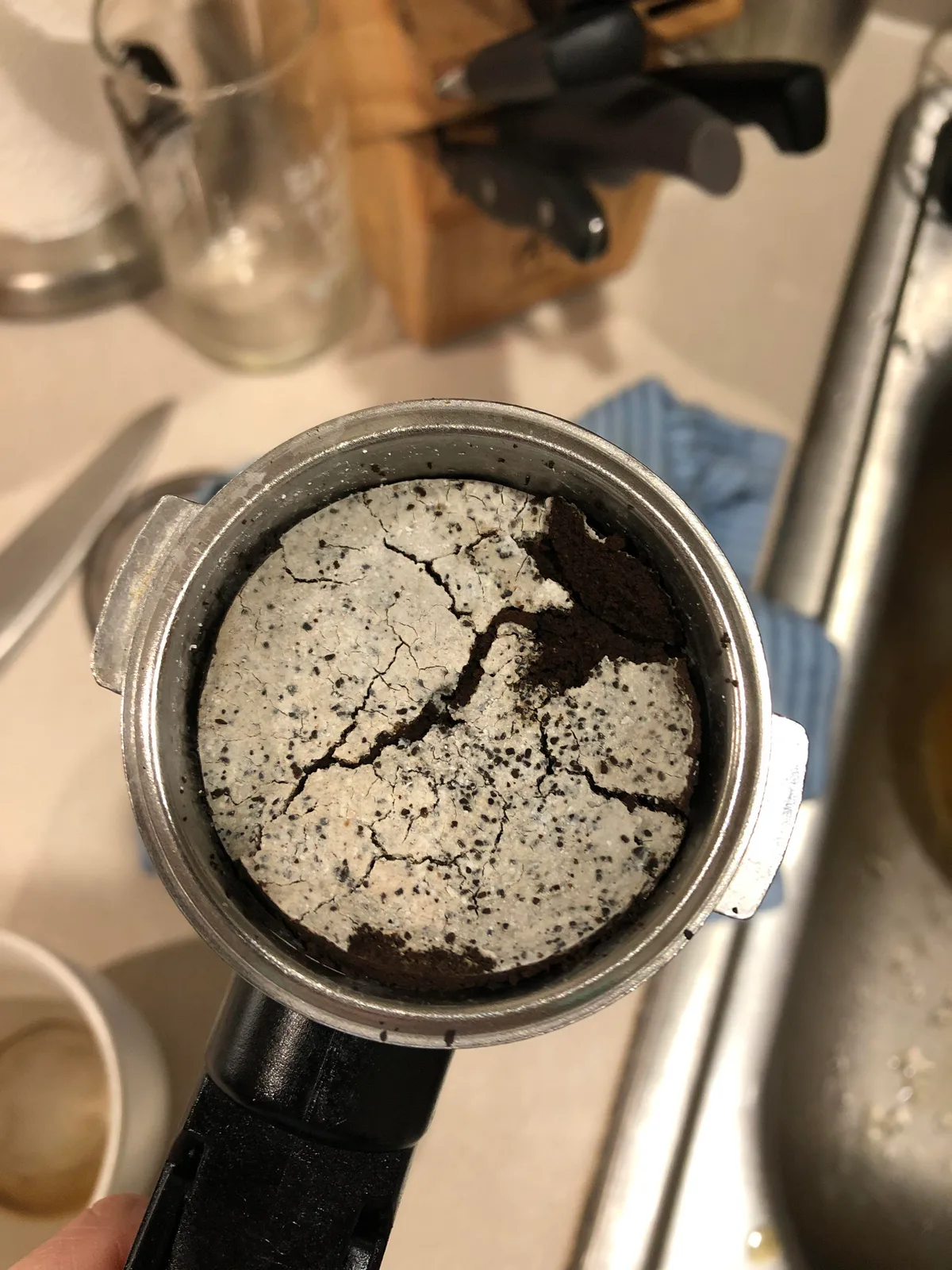
Image source: Bing (Web (fair-use with source credit))
The Two Best Vinegar-Free Descaling Agents (and When Each Works Best)
You have two proven options: citric acid powder and lemon juice. Each has strengths, and the best choice depends on what you have on hand and how heavy the scale is.
Citric Acid Powder
This is the gold standard for vinegar-free descaling. It comes as a white crystalline powder sold in bulk online or in the canning section of grocery stores. Citric acid is more concentrated than lemon juice, so you use less.
It dissolves even thick, crusty limescale in under 30 minutes.
| Aspect | Citric Acid Powder | Lemon Juice |
|---|---|---|
| Concentration | 1–2 tbsp per 4 cups water | Equal parts juice and water |
| Cost per descaling | ~$0.10–$0.30 | ~$0.50–$1.00 |
| Effectiveness on heavy scale | Excellent | Moderate |
| Scent during use | Odorless | Mild citrus smell |
| Residue after rinse | None | Can leave a slight citrus note |
Lemon Juice
Fresh or bottled lemon juice works in a pinch. The citric acid content is naturally present but less concentrated, so the solution is weaker. That means longer soak times and more rinse cycles.
Bottled lemon juice has added preservatives, but it still works fine for light to moderate scale.
When to choose each:
- Citric acid is best for routine descaling on any machine, especially if you have hard water.
- Lemon juice is a good backup when you cannot find citric acid. Use it only if your machine’s boiler is stainless steel or lined plastic (not raw aluminum).
How to Choose Your Method: Machine Type, Water Hardness, and Scale Level
Not all coffee makers are alike. The right descaling method depends on three factors: the material of the internal components, how hard your water is, and how much scale has built up.
Machine Type
- Drip coffee makers (glass carafe, plastic reservoir), safe for both citric acid and lemon juice. Avoid vinegar if the heating element is aluminum (most standard models).
- Single-serve pod machines (Keurig, Nespresso), citric acid is ideal. Lemon juice can clog the needle if it contains pulp. Always check the manual first.
- Espresso machines (with aluminum boiler), only use citric acid. Lemon juice is too weak for heavy boiler scale and may leave sugars behind. Vinegar is destructive on aluminum.
Water Hardness
Hard water (over 7 grains per gallon or 120 ppm) causes scale to build up faster. If you live in a hard water area, descale every month with a stronger citric acid solution (2 tablespoons per 4 cups). Soft water areas can get away with every three months and a weaker solution.
Scale Level
To gauge scale severity, look at the heating element or the bottom of the water reservoir. Light scaling looks like a thin white haze. Heavy scaling is a thick, crusty layer that flakes off.
Use the table below to decide.
| Scale Level | Citric Acid Amount | Soak Time |
|---|---|---|
| Light haze | 1 tbsp per 4 cups | 15 minutes |
| Moderate buildup | 1.5 tbsp per 4 cups | 20 minutes |
| Heavy crust | 2 tbsp per 4 cups | 30 minutes |
If your machine has an automatic cleaning cycle that pauses for a soak, use that feature. If not, manually stop the brew halfway through and let the solution sit before finishing the cycle.
Step-by-Step: Descaling with Citric Acid (The Most Reliable Path)
This method works for nearly every coffee maker. Here is the exact process.
What You Will Need
- Citric acid powder (food-grade)
- Tap water (filtered is fine, but not distilled for the descaling solution)
- A measuring spoon
- A container to mix the solution
The Steps
- Empty the reservoir and remove any used grounds or pods.
- Mix 1 to 2 tablespoons of citric acid powder with 4 cups of warm water until fully dissolved. Use the higher amount for heavy scale.
- Pour the solution into the water reservoir.
- Run a brew cycle without coffee. For pod machines, run the brew cycle with an empty pod holder or use the rinsing function.
- Pause the cycle after about half the water has flowed through (or use the machine’s pause setting). Let the solution sit for 15 to 30 minutes.
- Complete the cycle. Discard the solution.
- Refill the reservoir with fresh water and run a full brew cycle. Discard the water.
- Repeat the rinse cycle two more times to ensure no citric acid residue remains.
- Wipe down the carafe, drip tray, and exterior with a clean cloth.
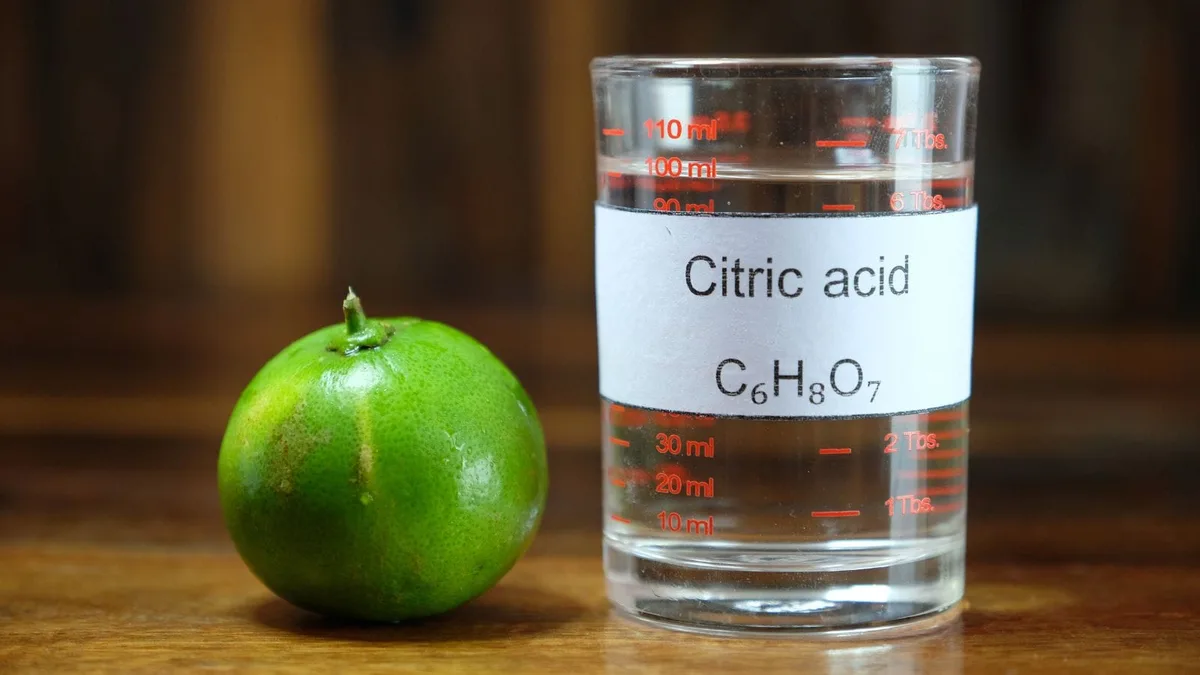
Image source: Bing (Web (fair-use with source credit))
Pro Tips
- If the scale is extremely thick, repeat the process with a fresh batch of solution.
- Always rinse until you cannot taste any sourness in the water. That usually takes three cycles.
- Do not use citric acid on any surface that is not meant for food contact (like the outside of the machine). It can dull finishes.
This method is safe, effective, and leaves your coffee maker clean and odor-free. The whole process takes about 30 to 45 minutes, including rinse cycles.
Step-by-Step: Descaling with Lemon Juice (When Citric Acid Is Not Available)
Lemon juice is a convenient substitute, but you have to adjust the process slightly for best results.
What You Will Need
- Lemon juice (fresh squeezed or bottled, no pulp)
- Water
- A measuring cup
The Steps
- Mix equal parts lemon juice and water. For a standard 12-cup machine, use 2 cups of lemon juice and 2 cups of water.
- Pour the mixture into the reservoir.
- Run a brew cycle.
- Pause and let it soak for 20 to 30 minutes.
- Complete the cycle and discard the liquid.
- Run at least three full rinse cycles with fresh water. You may need a fourth if you still smell lemon.
- Wash the carafe and any removable parts with mild soap and water.
When Lemon Juice Falls Short
- It takes longer and may not fully dissolve thick crust.
- The natural sugars in lemon juice can leave a sticky residue if not rinsed thoroughly.
- Avoid it entirely on machines with aluminum boilers, the acidity is still enough to cause slow corrosion over time.
Lemon juice works best as a maintenance descale when scale buildup is light. For heavy deposits, citric acid is far more reliable. Use lemon juice only if you cannot get citric acid quickly.
5 Common Mistakes That Can Ruin Your Coffee Maker (and How to Avoid Them)
Even with the right descaling agent, small errors can cause big problems. Here are the most common ones and how to sidestep them.
Mistake 1: Using Too Much Citric Acid
More is not better. A concentration above 2 tablespoons per 4 cups can attack rubber seals and plastic tubing. Stick to the ratios in the table above.
If you are unsure, use less and repeat if needed.
Mistake 2: Skipping the Rinse Cycle
Citric acid residue left inside the machine will make your next brew taste sour. It can also corrode internal parts over time. Always run at least three full rinse cycles.
Test by brewing a small cup of plain water and tasting it. If it tastes off, rinse again.
Mistake 3: Forgetting to Remove the Paper Filter or Pod
Descaling solution bypasses the brewing chamber. If you leave a used pod or paper filter in place, the solution picks up old coffee oils and grinds. That gunk then gets pushed through the machine.
Always empty the filter basket and pod holder first.
Mistake 4: Letting the Solution Sit Too Long
A 30-minute soak is plenty. Leaving citric acid or lemon juice in the reservoir for hours can damage the water level sensor and internal seals. Set a timer so you do not forget.
If scale is stubborn, run a second shortened cycle instead of one long soak.
Mistake 5: Descaling Too Often or Not Often Enough
Over-descaling wears down components faster. Under-descaling lets scale harden into a crust that is harder to remove. A good rule of thumb from manufacturer guides: descale every three months for soft water, every month for hard water.
Watch for slow brewing or a flashing descale light as your cue.
FAQ: Your Most Common Descaling Questions Answered
Can I use baking soda instead of vinegar?
Baking soda is not a descaler. It is mildly alkaline and does not dissolve mineral scale. It is fine for cleaning coffee oils, but it will not remove limescale.
Stick with citric acid or lemon juice.
How do I know if my machine has an aluminum boiler?
Check your user manual. If the manual says "do not use vinegar," the boiler is likely aluminum. Many manufacturers also stamp the material on the base plate.
When in doubt, use citric acid to be safe.
Is it safe to descale a Keurig with citric acid?
Yes. Keurig's official descaling solution is primarily citric acid. Our research shows citric acid works well.
Just follow the same steps: run the solution, let it soak, and rinse thoroughly. Make sure to remove the K-Cup holder before starting.
How often should I descale my espresso machine?
Every one to two months for most home espresso machines. Hard water areas need monthly descaling. If your machine has a steam wand, descale both the brew circuit and the steam circuit separately according to your manual.
Can I mix citric acid with other cleaning agents?
Never. Do not combine citric acid with bleach, ammonia, or any commercial descaler. Mixing can release harmful fumes or create a chemical reaction.
Use only the citric acid and water mixture described here.
What if my coffee maker still tastes sour after descaling?
You likely did not rinse enough. Run three more full water cycles. If the taste persists, remove the water reservoir and wash it by hand with mild soap.
Residual citric acid can hide in crevices. A final brew with a fresh paper filter helps absorb any last traces.

Similar Posts