How to De-Rust and Oil a Cast Iron Charcoal Grill Surface
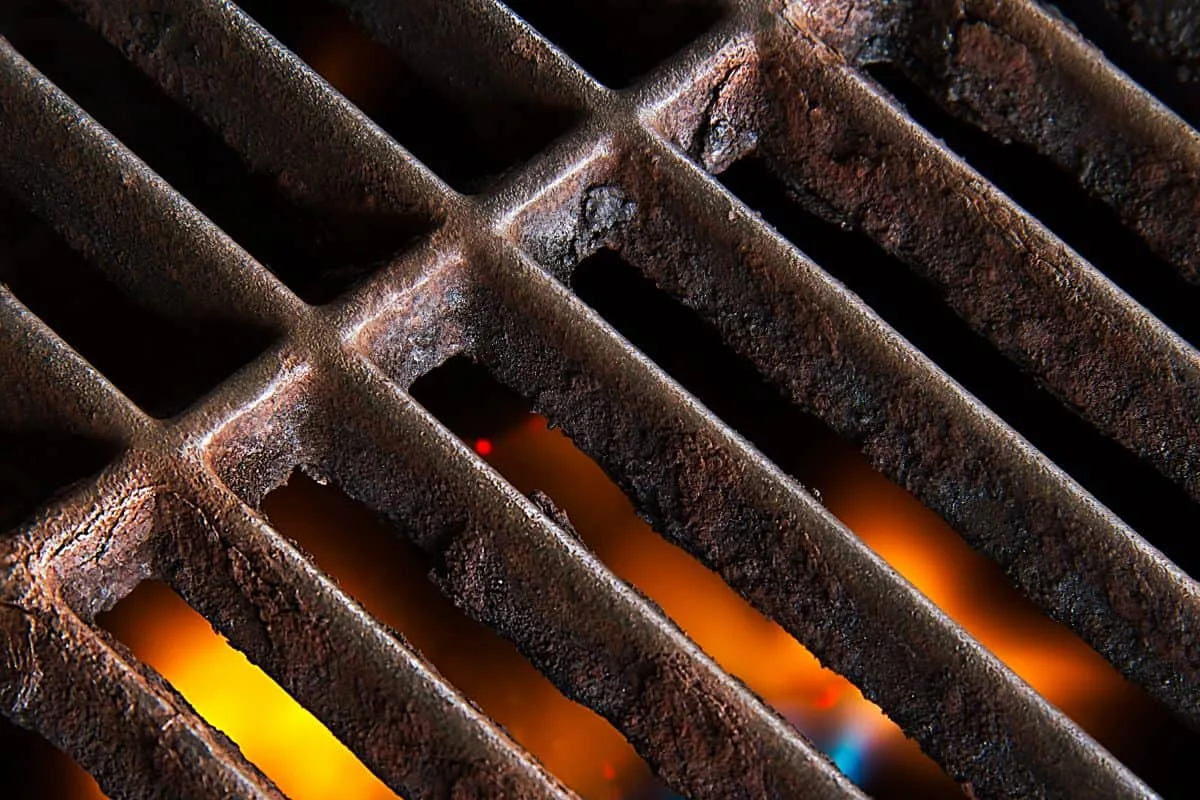
If you're searching for how to get rust off cast iron grill grates, you've probably pulled back the lid to find an orange crust where your slick cooking surface should be. Good news: that rust is almost always fixable. You don't need expensive chemicals or a whole new set of grates.
You just need the right method for the type of rust you're dealing with.
Per ASTM A48 standards for gray iron castings, properly maintained cast iron can hold up for decades. But rust left untreated doesn't just look bad. It creates pits that trap food, compromise heat transfer, and can flake into your cooking.
That's why matching the removal method to the rust depth matters more than most people realize.
Image source: Bing (Web (fair-use with source credit))
The Real Problem: Why Rust Is More Than a Surface Issue
Rust isn't just a cosmetic problem, though it definitely looks ugly. When iron oxide forms on your grates, it's literally eating away the metal. That orange powder is your grill turning into dust.
The real issue is what happens underneath. Rust creates tiny craters called pitting. Those pits become traps for grease and food particles.
They also ruin the smooth surface that makes cast iron naturally non-stick. Once you lose that surface, everything sticks. Everything.
There's a food safety angle too. Rust itself isn't toxic in small amounts. The human body actually needs trace iron.
But the problem is what rust enables. Those pits harbor bacteria that survive high heat because they're shielded by layers of debris. A 2019 study from the USDA Food Safety and Inspection Service confirmed that pitted cooking surfaces are harder to sanitize than smooth ones.
Your seasoning layer is your main defense against rust. Seasoning is polymerized oil that bonds to the iron, creating a barrier against moisture and oxygen. When that layer flakes or wears away, the bare metal underneath starts oxidizing within hours in humid conditions.
As of 2026, manufacturer guides from major cast iron producers still recommend the same core fix: strip the rust, reestablish the bare metal, and rebuild the seasoning from scratch.
The takeaway is simple. Surface rust is a quick fix. Deep pitting is a bigger project.
The decision tree below helps you figure out which one you're facing.
Quick Answer: Pick Your Path Based on Rust Type
The method you choose depends on your rust depth. Light surface rust needs only a scrub and re-season. Moderate rust with peeling seasoning requires a vinegar soak.
Heavy rust with pitting may need full restoration or even replacement.
Decision Flowchart (text-based)
Start here: Is the rust just a thin orange dust on top of intact seasoning?
Yes → Light surface rust. Skip the vinegar. Go straight to scrub and re-season.
No → Is the seasoning flaking off and exposing bare metal with visible rust?
Yes → Moderate rust. Strip the old seasoning first. Use a vinegar soak, then scrub, then re-season.
No → Look closer. Do you see deep grooves or craters in the metal?
Yes → Heavy rust with pitting. This needs electrolysis or a commercial rust remover. Replacement may be faster.
No → You're likely in the moderate category. Strip and soak.
If you're unsure, scrape a fingernail across the rusted area. Light rust scrapes off as powder and reveals shiny seasoning underneath. Moderate rust feels rough and the seasoning comes off with it.
Heavy rust has visible divots you can feel with your finger.
One quick rule of thumb. If you can scrub the rust off with steel wool and plain water in under two minutes, you're in the light category. If it takes more effort or the rust comes back after drying, you need the full strip and soak process.
The 3 Rust Types and How to Identify Yours
Getting this wrong is the most common mistake people make. Using heavy methods on light rust wastes hours. Using light methods on heavy rust wastes money when you have to redo it or buy new grates.
Light Surface Rust (Flash Rust)
This is the most common type. It looks like a fine orange dust sitting on top of your seasoning. It forms when slightly damp grates are left in open air overnight.
The iron hasn't been damaged. The seasoning layer underneath is still intact.
How to spot it: Rub a dry paper towel across the surface. If orange powder comes off and the grate underneath looks dark and smooth, that's flash rust. It wipes away easily.
You can fix it in about 30 minutes including reseasoning time.
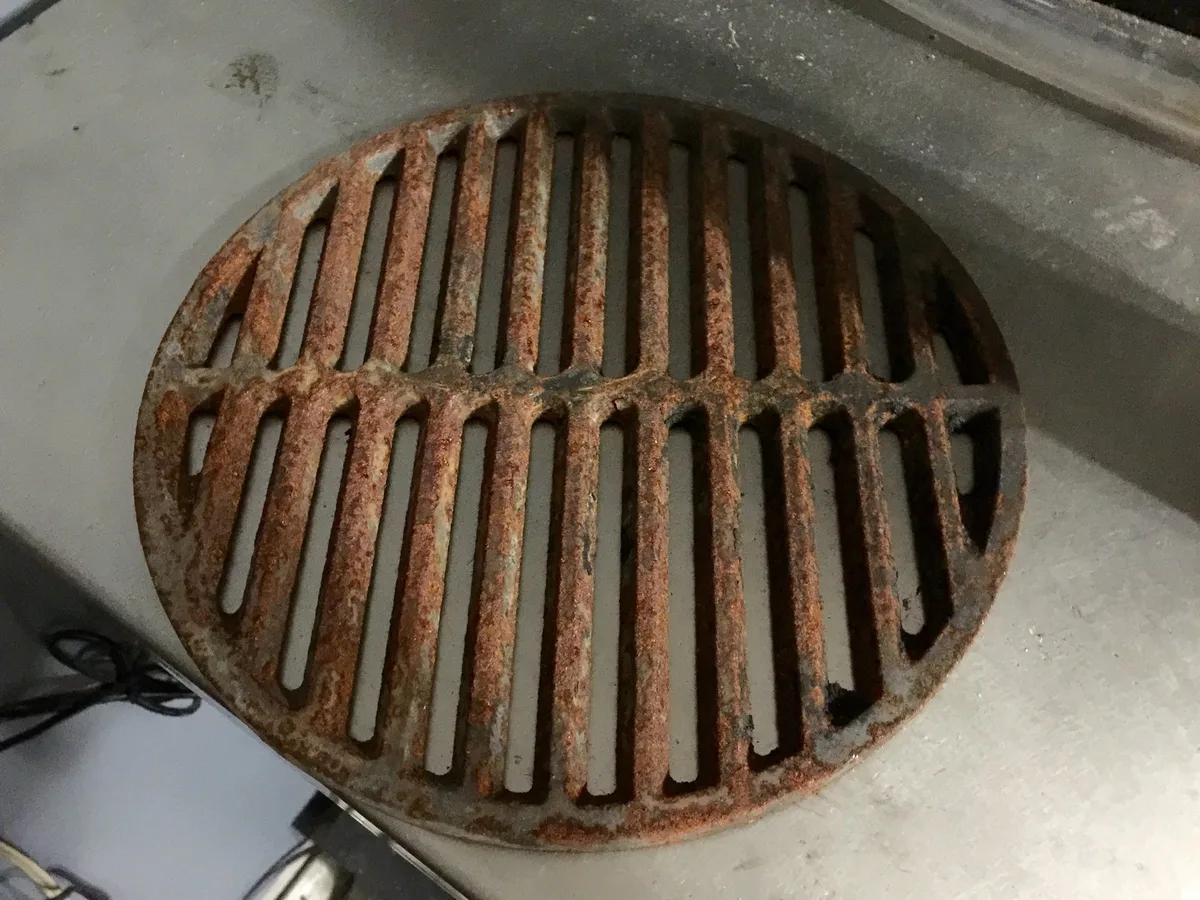
Image source: Bing (Web (fair-use with source credit))
Moderate Rust with Peeling Seasoning
This is the "I left my grill out all winter" scenario. The seasoning has failed in patches. Rust has formed on the bare iron beneath.
You'll see a mix of black seasoning, orange rust, and gray bare metal.
How to spot it: The surface feels rough and uneven. Scraping with a fingernail lifts flakes of seasoning. The rust isn't just on top.
It's bonded to the metal. This needs a full strip to bare iron before you can reseason. Budget about two to three hours active work plus overnight drying.
Heavy Rust with Deep Pitting
This happens when moisture sits on bare iron for weeks or months. The rust eats into the metal surface, creating visible divots and grooves. The grate may feel thinner in spots.
How to spot it: Run your finger across the surface. If you feel craters or sharp edges, that's pitting. The rust layer may be thick and flaky, not just powdery.
This is the hardest to fix. Electrolysis or commercial chemical removers are your best options. Replacement often becomes the practical choice when pitting is widespread, especially on thinner grates that cost less than $50 to replace.
Step-by-Step: Removing Rust the Right Way
Each rust type needs a different approach. Using the wrong method wastes time and can damage your grates further.
Method 1: Light Rust – Scrub and Re-Season
You need steel wool (grade 0000 for fine work or grade 0 for faster scrubbing), dish soap, water, paper towels, and oil for reseasoning.
- Step 1. Run the grates under warm water. Add a drop of dish soap. Scrub with steel wool in circular motions. Focus on the orange areas.
- Step 2. Rinse thoroughly. Dry immediately with paper towels. Rust forms fast on wet cast iron.
- Step 3. Heat the grates on your grill or in an oven at 200°F for 10 minutes. This drives off any remaining moisture.
- Step 4. Apply a thin layer of oil (vegetable, grapeseed, or flaxseed). Use a paper towel. Wipe it on, then try to wipe it all off. The grates should look nearly dry.
- Step 5. Heat to 450°F for one hour. Let them cool in the turned-off oven or grill.
That's it. Light rust is usually fixed in one session.
Method 2: Moderate Rust – Strip, Soak, Scrub, and Re-Season
White vinegar is the safest and most effective household rust remover for cast iron. The acid dissolves iron oxide without damaging the underlying metal when used correctly.
- Step 1. Mix a 50:50 solution of white vinegar and water in a container large enough to submerge your grates. A plastic storage tub works well.
- Step 2. Submerge the grates completely. Check them every 20 minutes. Most moderate rust lifts in 30 to 40 minutes. Do not leave them longer than one hour. Over-soaking causes etching and gray discoloration.
- Step 3. Remove the grates. Scrub immediately with steel wool or a chainmail scrubber under running water. The rust should come off as gray sludge.
- Step 4. Rinse thoroughly. Dry with paper towels. Heat at 200°F for 10 minutes.
- Step 5. Apply oil and season at 450°F. Repeat the oil-and-heat cycle three to four times for a durable finish.
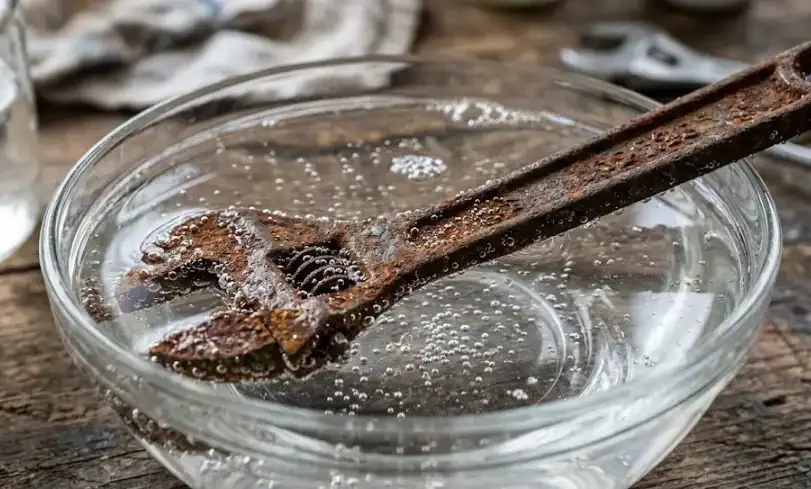
Image source: Bing (Web (fair-use with source credit))
Method 3: Heavy Rust – Full Restoration or Replace
For deep pitting, household methods may not cut it. Two options work best.
Electrolysis. This uses a low-voltage electrical current to lift rust off the metal. It requires a battery charger, plastic bucket, washing soda, and a sacrificial steel anode. It takes 12 to 24 hours but leaves bare iron with zero scrubbing.
It's the safest method for preserving the original metal thickness.
Commercial rust removers. Products like Evapo-Rust use chelation to dissolve rust chemically. Submerge the grates, wait four to eight hours, rinse, and dry. These are more expensive than vinegar but gentler on the metal.
When to replace. If pitting is deeper than 1/16 inch across more than 30 percent of the cooking surface, replacement is usually the smarter call. New grates cost $30 to $120 depending on the brand. Heavy restoration can take two days and may still leave a rough cooking surface.
Mistakes That Ruin Cast Iron Grates (and How to Avoid Them)
Most damaged grates I see come from well-meaning owners using the wrong techniques. Here are the six most common errors.
Soaking vinegar too long. This is the number one mistake. Vinegar is acidic. It dissolves rust, but it also starts etching the iron after about 60 minutes.
The result is a dull gray finish that never seasons properly. Set a timer. Check every 20 minutes.
Remove the grates the moment the rust lifts.
Using soap on seasoned grates. Modern dish soap is mild enough that it won't damage good seasoning. But during a rust removal process, soap strips the remaining oil. That's actually what you want during the strip phase.
The mistake is using soap after reseasoning. Once you've built new seasoning, use only hot water and a stiff brush for cleaning.
Skipping the dry step. Cast iron rusts fast. Really fast. A wet grate left on the counter can develop flash rust in under five minutes.
Always dry with paper towels immediately after rinsing. Then heat the grates at 200°F for 10 minutes to drive out moisture from the pores.
Applying oil too thick. Thick oil doesn't polymerize evenly. It gets sticky and tacky, which attracts dust and creates a gummy surface. The right amount of oil is "wipe on, then wipe off." If it looks wet, you've used too much.
Using the wrong scrubber. Wire brushes with steel bristles can break off tiny metal shards. Those shards end up in your food. For rust removal, use steel wool or a chainmail scrubber.
For regular cleaning after seasoning, use a nylon brush or a bamboo scraper.
Skipping the multiple seasoning coats. One coat of oil at 450°F creates a thin seasoning layer. It's functional but fragile. Three to four coats build up a durable barrier that actually resists rust.
Rush this step and you'll be back to scrubbing rust in a month.

Similar Posts