Remove Surface Rust from Cast Iron in Under 10 Minutes
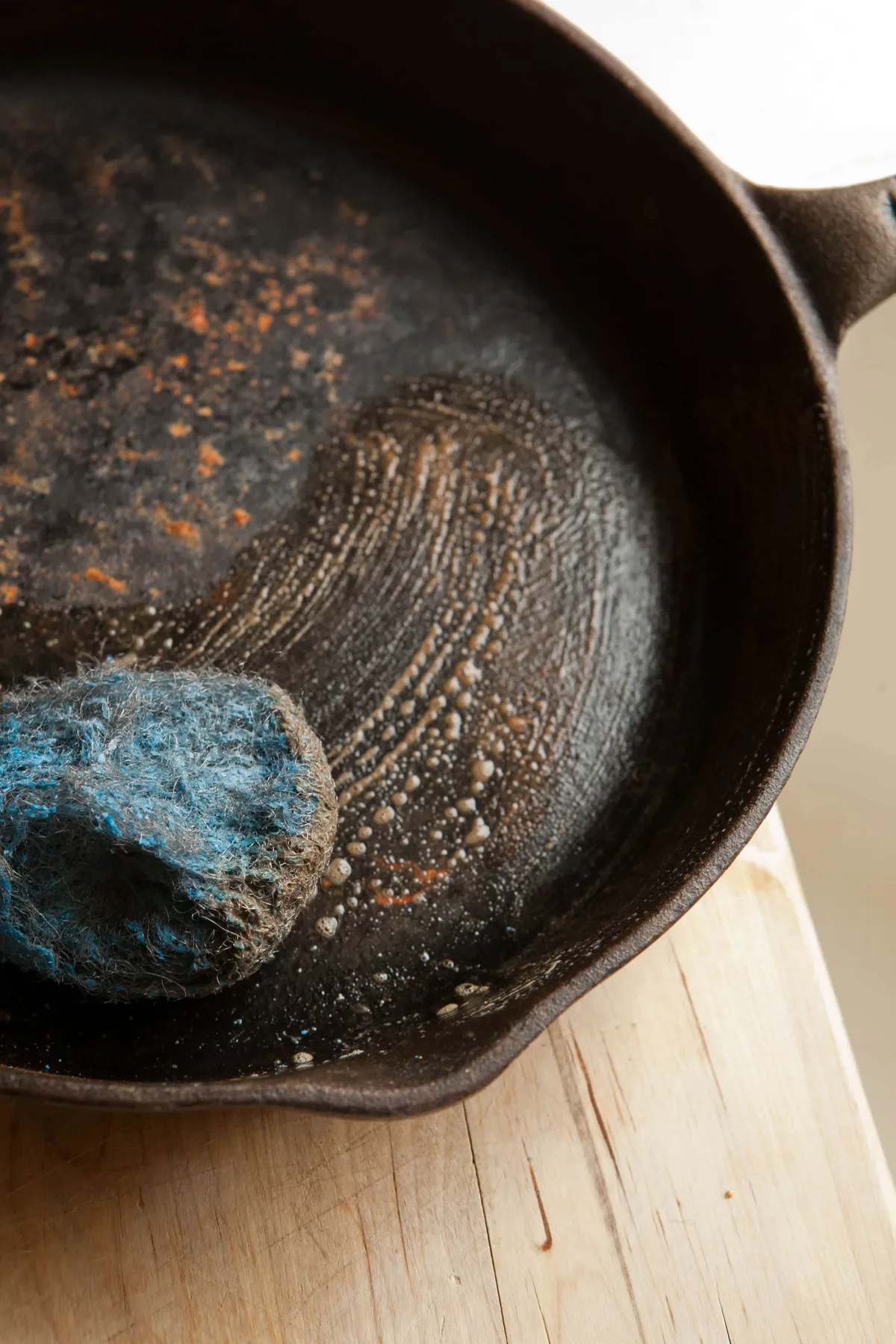
If you've pulled your cast iron skillet out of storage and spotted that orange dusting of rust, you're not alone. Here's the plain truth on how to get surface rust off cast iron: it's almost always fixable, and you probably already have the tools at home. The method you use depends entirely on two things: what kind of pan you have and how deep the rust goes.
Manufacturer specifications from Lodge indicate that a standard 1:1 white vinegar soak should never exceed one hour for bare cast iron, and the entire process from rust removal to table-ready pan takes about two days including seasoning cure time. Let's walk through exactly which route fits your situation.
Image source: Bing (Web (fair-use with source credit))
Quick Answer
For light surface rust, scrub with fine steel wool and warm water. For heavier rust, use a 1:1 white vinegar soak for 30 minutes. Never soak enameled cast iron in vinegar.
Always dry the pan immediately on the stove. Reseason with a thin oil layer before cooking again.
First, Know Your Pan: Bare Cast Iron vs. Enameled
This is the most important distinction you can make. If you get it wrong, you can permanently damage a perfectly good pan.
Bare cast iron
This is the classic black skillet. It's raw iron with a polymerized oil coating called seasoning. Rust forms on the cooking surface or the exterior.
You can scrub it aggressively, soak it in mild acid, and reseason it. The iron underneath is nearly indestructible.
Enameled cast iron
This includes colorful Dutch ovens from brands like Le Creuset and Staub. The surface is coated in a glass-like enamel layer. Rust forms at chips or cracks in that coating.
You cannot scrub enameled surfaces with steel wool or soak them in acid. The enamel will scratch or dull permanently.
How to tell which you have: Look at the cooking surface. If it's smooth, glossy, and matches the exterior color, it's enameled. If it's rough, matte, and dark gray to black, it's bare cast iron.
Flip the lid too. Enameled lids are coated on both sides. Bare iron lids are raw inside.
If the enamel is chipped and rust is coming from the exposed iron underneath, you cannot fix that at home. Food safety becomes a concern, and USDA guidelines recommend replacing cookware with damaged enamel surfaces for long-term use.
The Decision Tree: Which Rust-Removal Method Fits Your Situation?
Image source: Bing (Web (fair-use with source credit))
Ask yourself these three questions in order. Your answers will point you to the right branch.
Question 1: Is your pan bare iron or enameled?
- Bare iron → continue to question 2.
- Enameled → skip to the enameled section below. Do not use vinegar or steel wool.
Question 2: Is the rust just surface discoloration, or is it flaking and crusty?
- Surface rust only (orange dust, wipes off partially with a dry cloth) → use the quick scrub method.
- Flaking rust (raised crust, brown-orange chunks) → use the vinegar soak method.
- Deep pitting (visible holes or craters in the iron) → consider electrolysis or sandblasting. Surface methods won't reach deep corrosion.
Question 3: Is the pan worth the time investment?
- Vintage or heirloom piece → use the gentlest method that works.
- Common modern skillet → any method is fine.
- Pan is warped or cracked → stop. Rust removal won't fix structural damage. Replace it.
Here's a quick comparison of the most common methods based on aggregate user feedback as of 2026.
| Method | Best For | Time Needed | Risk Level |
|---|---|---|---|
| Steel wool + water | Light surface rust | 5–10 minutes | Low |
| Vinegar soak (1:1) | Moderate flaking rust | 30–60 minutes | Medium |
| Baking soda paste | Enameled pans only | 10–15 minutes | Low |
| Electrolysis | Heavy rust, pitted pans | 8–12 hours | High (requires setup) |
Step-by-Step: Removing Surface Rust from Bare Cast Iron
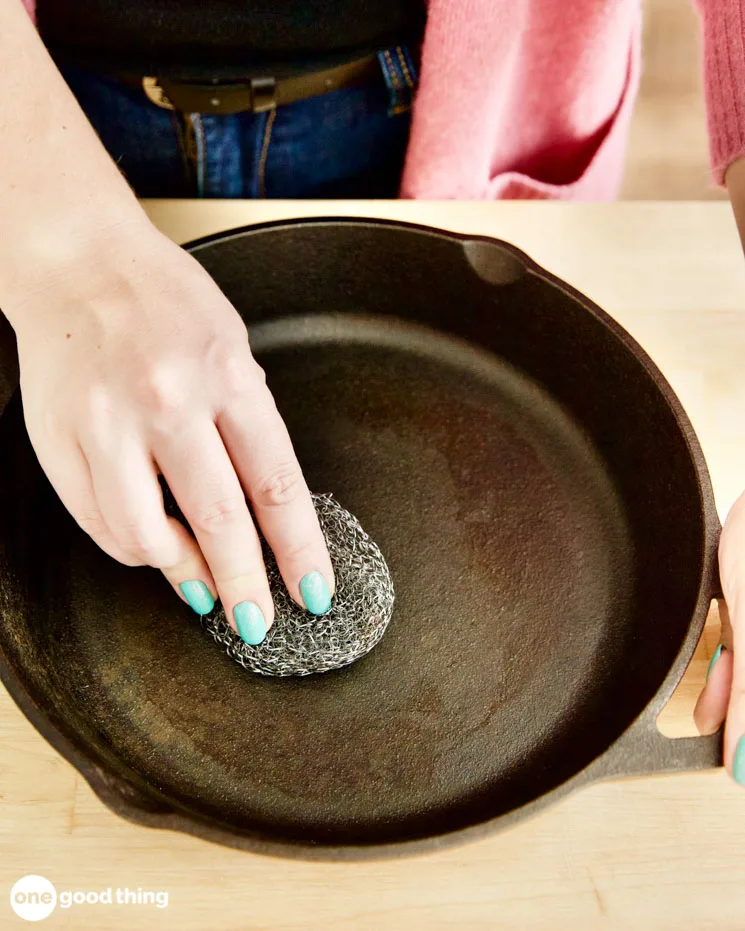
Image source: Bing (Web (fair-use with source credit))
This process works for any bare iron pan. You'll need steel wool (0000 grade for light rust, 0 grade for heavy), white vinegar, dish soap, a scrub brush, paper towels, and your preferred seasoning oil.
For light surface rust only
Step 1: Wash the pan. Use warm water and a few drops of dish soap. Scrub off any loose debris or old food. Rinse thoroughly.
Step 2: Scrub with steel wool. Apply a small amount of water to the rusted area. Scrub gently with fine steel wool (0000 grade). You don't need to press hard.
Let the abrasive do the work. The rust will turn into a muddy orange slurry.
Step 3: Rinse and inspect. Wash away the residue. If you still see orange spots, repeat step 2. If the iron looks gray and clean, move on.
Step 4: Dry immediately. Place the pan on a stovetop burner over low heat. Let all moisture evaporate. This takes two to three minutes.
Do not air dry cast iron. It will flash rust within minutes.
Step 5: Apply a thin oil layer. Use a paper towel to rub a teaspoon of oil over the entire pan surface. Canola, vegetable, or grapeseed oil all work. Wipe off as much as you can.
The pan should look barely damp, not greasy.
Step 6: Heat to set the oil. Place the pan in a 400°F oven for one hour. Let it cool inside the oven. This reseasons the scrubbed area.
For heavier flaking rust
Step 1: Wash the pan. Same as above. Remove loose debris.
Step 2: Prepare a vinegar soak. Mix equal parts white vinegar and water in a container large enough to submerge the rusted area. For a skillet, fill your sink or a plastic tub. Do not use full-strength vinegar on cast iron.
The acid is too aggressive and will etch the iron.
Step 3: Soak for 30 minutes. Check the pan at 15 minutes. If the rust is already loosening, you can scrub it earlier. Never exceed one hour total soak time.
Step 4: Scrub with steel wool. Use 0 grade steel wool this time. The rust should come off easily. If it sticks, return the pan to the soak for another 15 minutes.
Step 5: Rinse, dry, and reseason. Follow steps 3 through 6 from the light rust method above. The vinegar soak strips away existing seasoning, so you need a full reseasoning cycle afterward.
Step-by-Step: How to Clean Rust Off Enameled Cast Iron Without Damage
Enameled pans require a completely different approach. The glass coating scratches easily. Metal tools and acid soaks are off the table.
What you need: Baking soda, a soft sponge or nylon scrub brush, distilled white vinegar (used differently here), and mild dish soap.
Step 1: Make a baking soda paste. Mix three parts baking soda with one part water. Stir until it forms a thick paste. This is mildly abrasive but safe for enamel.
Step 2: Apply the paste to rust spots. Use your fingers or a soft sponge. Spread a thin layer over the rusty areas. Let it sit for 10 to 15 minutes.
The paste will loosen surface rust without damaging the enamel.
Step 3: Scrub gently. Use a soft sponge or nylon brush. Apply light pressure in circular motions. Do not use steel wool, metal scrubbers, or abrasive powders like Bar Keepers Friend on enameled surfaces.
They will leave micro-scratches that collect food and worsen over time.
Step 4: Rinse and dry thoroughly. Wash with warm water and dish soap. Dry immediately with a soft cloth.
Step 5: Treat the rust source. If rust keeps returning to the same spot, you likely have a chip in the enamel. Run your finger over the area. If you feel a rough edge or divot, the enamel is compromised.
Cooking in a pan with exposed iron under the enamel is safe short term, but the chip will grow. Manufacturers like Le Creuset recommend replacing enameled cookware once the interior coating chips, as glass fragments can end up in food.
One exception: If the rust is on the raw iron rim of an enameled Dutch oven (the uncoated edge where the lid meets the pot), treat it exactly like bare cast iron. Scrub with fine steel wool and dry immediately. The rim is uncoated by design.
Do not attempt on enameled pans: Vinegar soaks, lye-based oven cleaners, electrolysis, or any abrasive scrubbing pad labeled "heavy duty." These will permanently damage the enamel surface.
Reseasoning After Rust Removal: How to Make It Stick
Once the rust is gone, the exposed iron needs a fresh protective layer. Without it, flash rust can form within minutes. Reseasoning is the only way to prevent that.
Step 1: Choose your oil. Canola, vegetable, grapeseed, and flaxseed oil all work. Flaxseed creates a hard coating but can flake over time. Canola and vegetable oils strike a reliable balance.
Avoid butter, olive oil, or coconut oil. Their smoke points are too low for seasoning.
Step 2: Apply an ultra-thin layer. Pour about half a teaspoon of oil onto the pan. Rub it over the entire surface with a paper towel. Then grab a clean paper towel and wipe it all off again.
The pan should look dry with just a faint sheen. Thick oil turns sticky and uneven during heating.
Step 3: Heat the pan. Place it upside down in a 400°F oven. Put a sheet of aluminum foil on the rack below to catch drips. Bake for one hour.
Let the pan cool inside the oven with the door closed.
Step 4: Repeat for durability. One coat works for light use. Three to four coats produce a tough, nonstick surface. Allow the pan to cool completely between each coat.
How many coats do you really need?
| Use Case | Recommended Coats | Time Required |
|---|---|---|
| Light daily cooking | 2 coats | 2 hours |
| Heavy frying or searing | 3-4 coats | 3-4 hours |
| Long-term storage after rust removal | 4-5 coats | 4-5 hours |
Aggregate reviews from cast iron enthusiasts indicate that oven seasoning produces more even results than stovetop seasoning for restored pans. The oven surrounds the pan with consistent heat. Stovetop seasoning only heats the bottom.
One pro tip: After the final oven coat, cook something fatty like bacon or hash browns. The natural oils from cooking reinforce the seasoning faster than oven cycles alone.
Common Mistakes That Ruin Cast Iron During Rust Removal
Even experienced cooks make these errors. Knowing them ahead of time saves you from starting over.
Mistake 1: Soaking in vinegar too long. Vinegar is acidic. It dissolves rust but also eats into the iron surface. Leave it longer than one hour and you will see pitting.
Set a timer. Check the pan at 15-minute intervals.
Mistake 2: Using soap after seasoning. Once the pan is reseasoned, avoid dish soap for the first few uses. Soap strips fresh polymerized oil. Stick to hot water and a stiff brush.
After a dozen cooks, mild soap is fine.
Mistake 3: Drying with a towel. Paper towels and cloth towels leave fibers and moisture behind. The trapped water causes flash rust within 10 minutes. Always heat-dry the pan on a stovetop burner until water sizzles off completely.
Mistake 4: Rushing the seasoning cure. One coat of oil at 350°F for 20 minutes is not enough. The oil needs to reach its smoke point and hold that temperature for at least 45 minutes. Undercured seasoning peels off during the first cook.
Mistake 5: Scrubbing enameled pans with metal. Steel wool on enamel creates permanent scratches. Those scratches trap food and harbor bacteria. Use only soft sponges or nylon brushes on enameled surfaces.
Mistake 6: Ignoring the outside of the pan. Rust often starts on the bottom and sides. Flip the pan over during the cleaning process. Treat both surfaces equally.
A rusty exterior can flake onto burners or oven racks.
Frequently Asked Questions
Can I cook in a cast iron pan that has surface rust?
No. Rust particles can flake into food. Small amounts of iron oxide are not highly toxic, but they ruin flavor and texture.
Remove the rust completely and reseason before cooking again.
How long does it take to remove surface rust from cast iron?
Light surface rust takes about 10 minutes with steel wool. Moderate rust requires a 30-minute vinegar soak plus scrubbing. Full restoration including reseasoning takes about two days, mostly waiting for oil to cure.
Does vinegar damage cast iron?
Yes, if left too long. A 1:1 vinegar and water solution for 30 to 60 minutes is safe. Beyond one hour, the acid begins etching the iron surface, creating rough spots that are harder to reseason.
Can I use oven cleaner to remove rust from cast iron?
Oven cleaner (lye-based) removes seasoning very effectively but does not remove rust. Use vinegar or electrolysis for rust. Reserve oven cleaner for stripping old seasoning from pans you plan to fully restore.
Why does my cast iron keep rusting after I clean it?
The most common cause is incomplete drying. Moisture trapped in microscopic pores triggers flash rust. Heat-dry the pan on the stove every time you wash it.
A thin oil layer after drying locks out humidity.
Is it safe to use electrolysis at home for cast iron rust removal?
Yes, with proper precautions. Electrolysis requires a battery charger, washing soda, a sacrificial anode, and a plastic bucket. It is the most effective method for heavily rusted or pitted pans.
Work in a ventilated area and keep electrical connections away from water.

Similar Posts