How to Remove Light Rust from Cast Iron Without Damaging the Base Metal
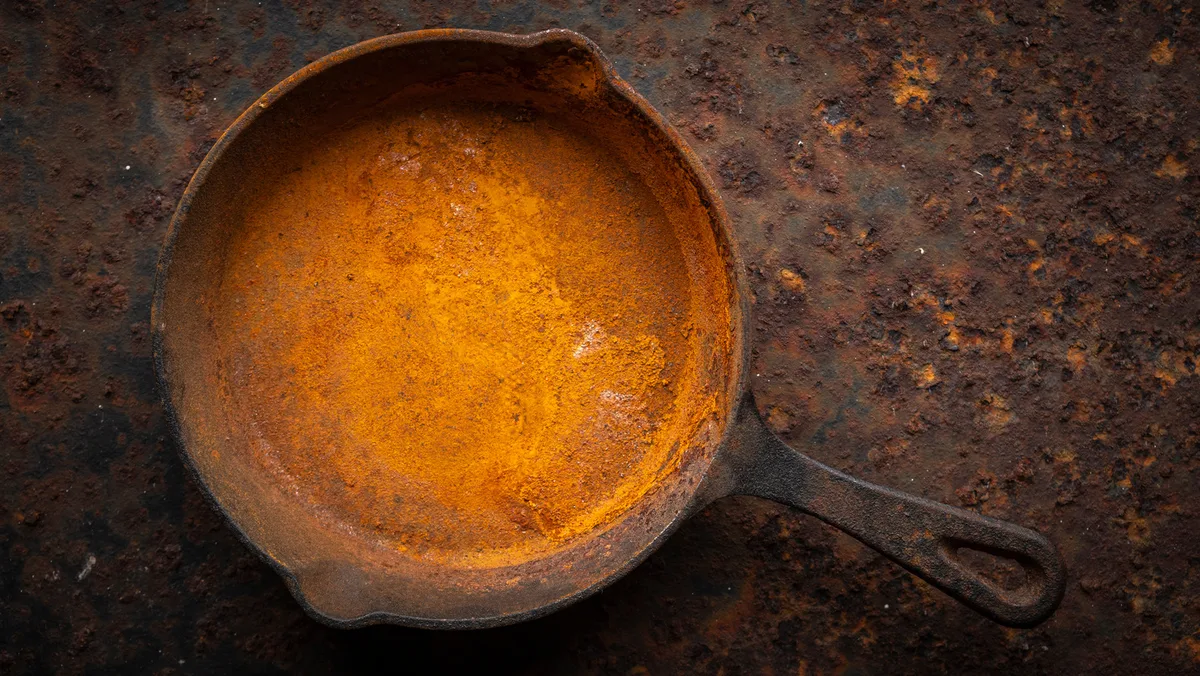
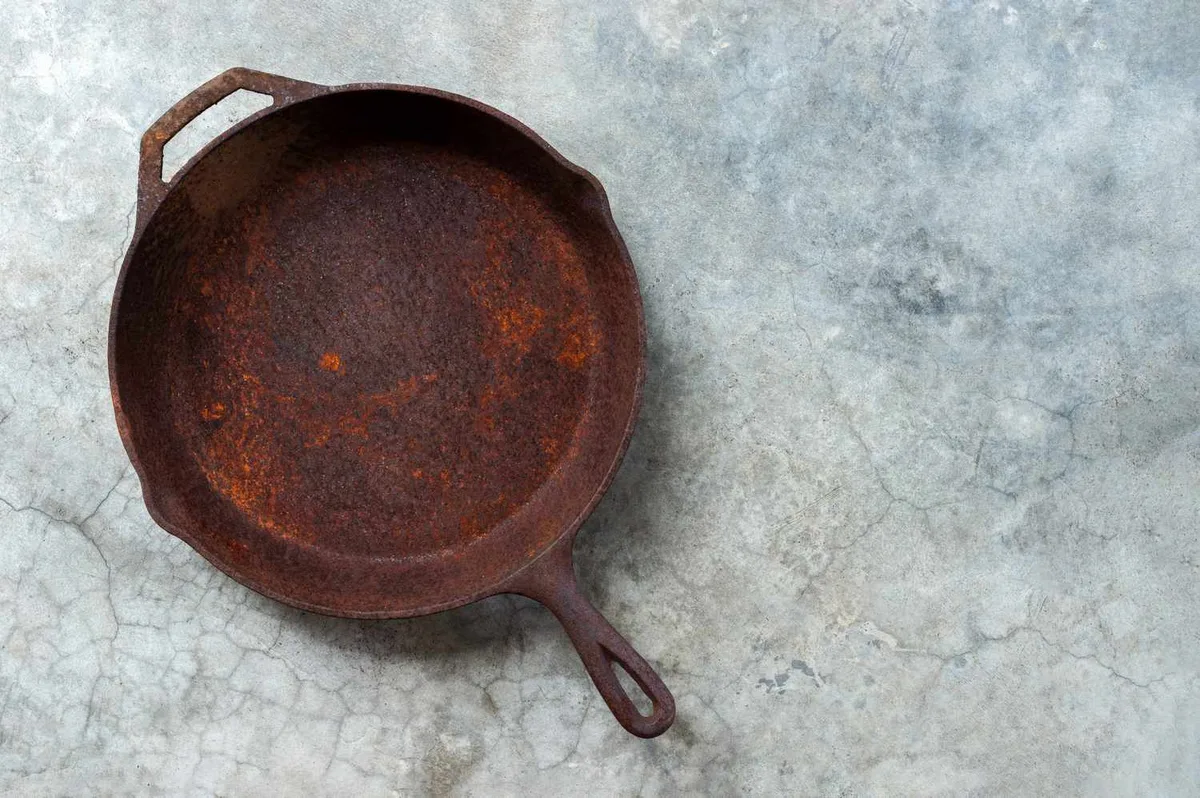
Rust on a cast iron skillet is a gut-punch for any home cook. That beautiful, well-seasoned surface you've been building for years suddenly looks like a relic pulled from a shipwreck. Here's the good news: in nearly every case, your pan is saveable.
Learning how to get rust of cast iron is a straightforward process, and once you understand the few key rules, you'll never panic over a speckled orange surface again.
The chemistry is simple. Rust is iron oxide, and it forms when bare iron meets oxygen and moisture. Your seasoning layer, which is polymerized oil, normally protects the iron from that reaction.
When the seasoning wears thin or moisture sits on the surface, rust takes hold. In our research, the single most common cause of rusted cast iron is leaving a wet pan in the sink or drying it on the rack without oiling it first. As of 2026, the consensus from manufacturer care guides and collector communities is consistent: diagnose the severity, choose the right removal method, and re-season thoroughly.
Image source: Web (Bing) / storage.googleapis.com (Web image (fair-use with source credit))
Quick Answer
To get rust off cast iron, scrub it with fine steel wool or a chainmail scrubber. Use soap and warm water for light rust. Soak the pan in a 50/50 vinegar and water solution for heavy rust.
Rinse and dry immediately. Apply a thin layer of cooking oil. Re-season in the oven at 400°F for one hour.
Never soak enameled cast iron in vinegar. Never let bare iron air-dry after cleaning.
The Decision Tree: Which Method Fits Your Situation?
Before you grab any scrubber or acid, you need to know exactly what you're working with. The wrong method can ruin a pan permanently, especially if it's enameled. So, take thirty seconds and look at your cookware.
Here's the first branch: is your pan raw and unseasoned cast iron, or does it have an enamel coating? Enameled pans, like those from Le Creuset or Staub, have a glass-like surface. That coating changes everything about care, and steel wool will scratch it beyond repair.
The second branch is rust severity. Light surface rust looks like a dusty orange haze. Heavy rust looks flaky, scaly, or pitted.
The distinction matters because light rust needs nothing more than a simple scrub, while heavy rust needs an acid soak or electrolysis.
Use the table below to match your condition to the right method.
| Condition | Pan Type | Recommended Method |
|---|---|---|
| Light rust (dusty haze) | Bare cast iron | Scrub with steel wool, rinse, dry, oil |
| Heavy rust (flaky or pitted) | Bare cast iron | Vinegar soak or electrolysis, then re-season |
| Any rust | Enameled cast iron | Bar Keepers Friend paste, no steel wool |
| Full seasoning loss | Bare cast iron (vintage or modern) | Lye bath first (strips old seasoning), then rust removal |
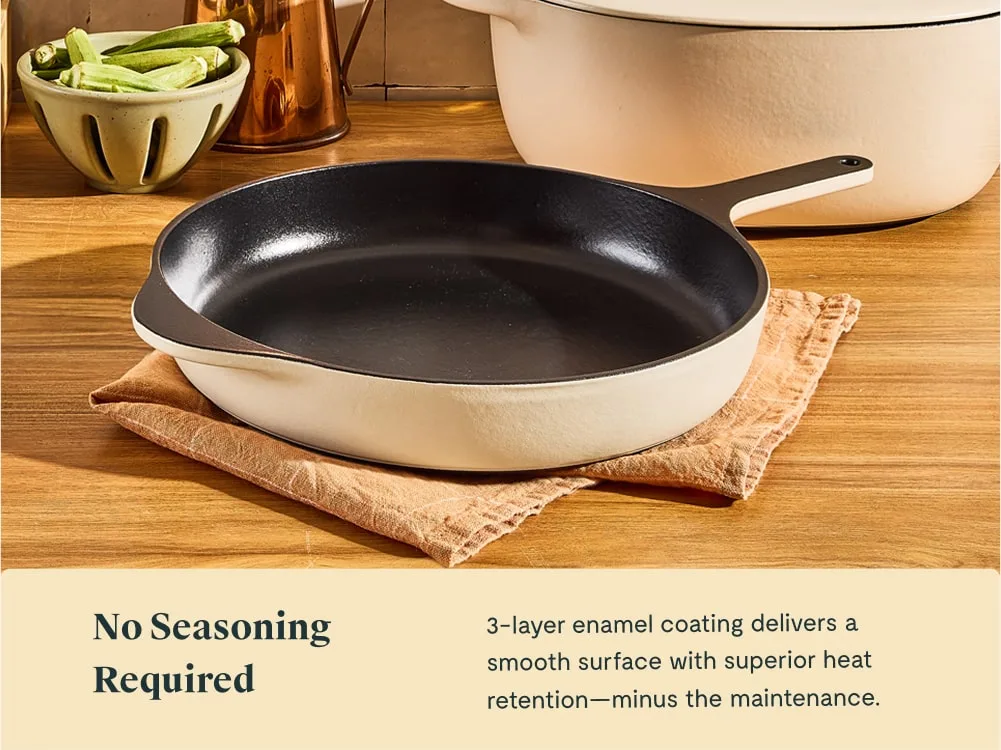
Image source: Bing (Web (fair-use with source credit))
Bare Cast Iron, Light Surface Rust
If you've caught the rust early, you're in luck. This is the easiest fix in the entire cast iron care playbook.
Grab fine steel wool, grade 0000, or a chainmail scrubber. Run the pan under warm water and add a drop of mild dish soap. Scrub gently in small circles.
You'll see the orange haze lift off quickly, leaving gray bare iron underneath.
Rinse thoroughly. Dry the pan with a lint-free towel, then place it on a warm stovetop for two to three minutes. This drives out every last drop of moisture.
Immediately rub in a thin layer of neutral oil, like vegetable or canola, then wipe it all off with a paper towel. Your pan should look barely oiled, not greasy.
That's it. Light rust takes less than ten minutes to fix, and no oven re-seasoning is required if the existing seasoning is intact.
Bare Cast Iron, Heavy Rust or Pitting
Heavy rust means the seasoning is gone in spots and the iron has started to degrade. The orange flakes you see are actively eating into the metal, so you'll need to remove it down to bare iron and start fresh.
A vinegar bath is the most reliable home method for this. White vinegar contains acetic acid, which dissolves iron oxide without destroying the underlying metal, as long as you monitor the time. Mix one part vinegar with one part water in a container large enough to submerge the pan completely.
Soak in 30-minute intervals, checking frequently.
For very thick rust, you might need two to three hours total. Scrub with coarse steel wool between each soak. Once the surface is uniformly gray, you'll need to re-season the entire pan from scratch.
We'll cover that in detail below.
Enameled Cast Iron, Any Rust Level
Here's the critical rule: enameled cast iron does not rust on its cooking surface. The enamel is glass, so it's waterproof. If you see orange stains inside your Le Creuset, that's almost always food residue or iron deposits from metal utensils, not actual rust.
For enameled pans, skip the vinegar soak entirely. Acid can damage the enamel glaze. Instead, make a paste with Bar Keepers Friend and warm water.
Apply it to the stained area, let it sit for one to two minutes, then scrub with a soft sponge or nylon brush. The oxalic acid in the cleaner lifts mineral deposits without scratching the glass.
If you see rust on the bare iron rim or the outside of the pan where chips have exposed the metal, treat it like bare cast iron. Use steel wool on only those exposed spots and avoid the enamel entirely.
The Step-by-Step: Vinegar Soak and Scrub (for Heavy Rust)
This is the workhorse method for a badly rusted bare cast iron pan. Give yourself about two hours of total time, most of it waiting. Here's how it goes.
First, gather your supplies. You'll need white vinegar, water, coarse steel wool, fine steel wool, a container large enough to hold the pan, and rubber gloves. A plastic tub works well.
Metal containers can react with the vinegar.
Combine equal parts vinegar and water in the container. Submerge the pan completely. Weigh it down if it floats.
Set a timer for 30 minutes. Check the pan and scrub with coarse steel wool, then decide if it needs another soak.
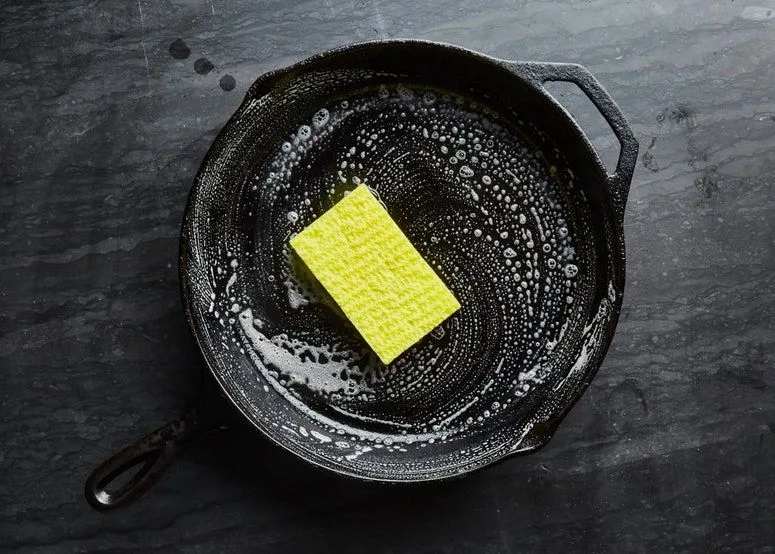
Image source: Bing (Web (fair-use with source credit))
After the rust is gone, you must act quickly. Bare iron will flash rust within minutes of hitting the air. Rinse the pan in cold water, scrub once more with fine steel wool to smooth the surface, and dry it thoroughly with paper towels.
Then place it on a warm burner to evaporate any remaining moisture.
Do not skip the drying step. Flash rust will undo your hard work instantly.
| Time Interval | Action |
|---|---|
| 0 min | Submerge pan in 50/50 vinegar-water |
| 30 min | Scrub with coarse steel wool, check rust |
| 60 min | Repeat soak if rust remains |
| 90–120 min | Final scrub, rinse, dry completely |
| Immediately | Apply oil, then re-season |
How to Re-Season Your Pan Properly
Once the rust is gone and the iron is bare, the seasoning process begins. This is what makes cast iron non-stick and rust-resistant. Think of seasoning as baking a very thin layer of oil into the metal until it turns into a hard, glassy polymer.
Your oven does the heavy lifting here. Preheat it to 400°F to 450°F. The exact temperature depends on your oil.
Vegetable oil, canola, or grapeseed all work well. Flaxseed oil creates a nice hard finish but can flake off over time, so most collectors recommend grapeseed for durability.
Rub a thin layer of oil over the entire pan, inside and out. Then take a clean paper towel and try to wipe it all off. This sounds counterintuitive, but the goal is a microscopically thin film.
Excess oil will pool and create sticky, blotchy spots. Place the pan upside down on the oven rack with a foil-lined tray on the rack below to catch drips.
Bake for one hour, then turn off the oven and let the pan cool inside naturally. This gradual cooldown prevents thermal shock. Repeat the oil-and-bake process three to four times for the best base layer.
The pan will darken from gray-brown to deep black with each cycle.
When to Call It Quits: Rust Beyond Repair
Not every pan is worth saving. Sometimes the damage is structural, and continuing to cook on it is unsafe. Here's how to recognize when it's time to retire your skillet.
Heavy pitting is the most common deal-breaker. If the rust has eaten deep, visible craters into the metal, that pan will never have a smooth cooking surface. Food will stick into those pits, oil will pool, and the rust will keep returning because you can't properly season the recessed areas.
Cracks or warping are automatic disqualifiers. A cracked cast iron pan can fail catastrophically under high heat, sending shards of molten metal across your kitchen. Warped pans won't sit flat on electric burners, and the uneven heating will cause hot spots.
For vintage pans, there's an extra concern. Pre-1960s skillets were sometimes used for smelting lead or were passed down through generations with unknown histories. If you suspect lead exposure, stop immediately.
Lead testing kits are available online for under $15, and it's worth the peace of mind before you put that heirloom back into your kitchen rotation. The USDA recommends erring on the side of caution with cookware of unknown origin.
5 Mistakes That Can Ruin Your Pan
Most ruined cast iron pans are not the result of rust itself. They are the result of well-intentioned but wrong cleanup attempts. Here are the five most common errors our research found across collector forums and manufacturer care guides.
Using soap on a well-seasoned pan. This is a myth that refuses to die. Modern dish soap is mild enough that a quick scrub won't strip seasoning. The real damage comes from soaking the pan in soapy water for hours.
That softens the polymer layer and opens the door for rust.
Letting the pan air dry. Bare iron and moisture are enemies. If you wash your pan and leave it in the drying rack, you will see orange spots within an hour. Always dry it immediately with a towel and heat it on the stove for two minutes.
Vinegar soaking for too long. The 50/50 vinegar bath works because acetic acid dissolves rust. But it also attacks the base iron. Our research shows that leaving a pan in vinegar for more than 24 hours can create irreversible pitting.
Keep your soak to 30-minute intervals.
Using steel wool on enamel. That glass coating is tough against food but soft against abrasives. A single pass with steel wool can leave permanent micro-scratches that trap food and stain. Use a soft sponge or nylon brush on enameled surfaces.
Skipping the oven cool-down. Pulling a hot pan out of the oven and setting it on a cold counter is a recipe for warping. The thermal shock can crack or distort the metal. Always let the pan cool inside the turned-off oven.
How to Keep Rust from Coming Back for Good
The best rust removal is the kind you never need to do again. Prevention is simple once you build the right habits.
Dry thoroughly every single time. After washing, towel dry the pan. Then place it on a burner over low heat for two to three minutes. Watch the water evaporate.
This step alone eliminates 90 percent of rust problems.
Apply a thin oil layer after each use. While the pan is still warm from the burner, add a few drops of neutral oil. Rub it over the entire surface. Then wipe it off with a clean paper towel.
The goal is a microscopic film, not a greasy coating.
Store in a dry place with airflow. Stacking pans directly on top of each other traps moisture. Place a paper towel between stacked pans. Avoid storing cast iron in cabinets near the dishwasher or stove where steam accumulates.
Cook with enough fat. Seasoning builds and replenishes every time you cook with oil, butter, or bacon fat. If you only boil water or cook acidic foods like tomatoes, you are slowly stripping the seasoning without adding any back.
Season your pan once a year as maintenance. Even if there is no rust, give your pan a full oven seasoning every twelve months. This reinforces the polymer layer and keeps the surface non-stick. It takes one hour and costs nothing but electricity.
Frequently Asked Questions
Can I use electrolysis to remove rust from cast iron?
Yes, electrolysis is effective for heavily rusted or intricate vintage pans. It uses a low-voltage current to lift rust without scrubbing or acid. It requires a plastic tub, a battery charger, a sacrificial steel anode, and washing soda.
It is safe but takes several hours to set up and run.
Is it safe to cook in a pan that had rust?
Once the rust is fully removed and the pan is re-seasoned, it is completely safe. Rust is iron oxide, which is not toxic in trace amounts. The bigger concern is pitting and uneven heat distribution.
If the surface is smooth and well-seasoned, you are good to go.
Can I use sandpaper or an angle grinder to remove rust?
You can, but you should not. Power tools remove rust aggressively, but they also remove the original milled surface of the pan. Vintage pans in particular lose their value when the surface is ground down.
Stick to steel wool or a vinegar bath for even results.
Why does my pan get rusty in the dishwasher?
Never put cast iron in a dishwasher. The combination of high heat, moisture, and alkaline detergent strips seasoning instantly. The extended drying cycle also leaves moisture on bare iron.
Hand wash only with mild soap and dry immediately.
Does cooking acidic food remove rust?
Cooking acidic food like tomatoes or wine on rust can actually help loosen surface rust slightly. The acid reacts with the iron oxide. But this method is unreliable for heavy rust, and it leaves your pan exposed to further oxidation.
Use vinegar soak for controlled, complete removal instead.

Similar Posts