10 Easy Instant Pot Rice Side Dishes
If you've ever opened your Instant Pot expecting fluffy rice and found a mushy, burned, or crunchy mess instead, you're not alone. That's exactly why we put together this guide to the best instant pot rice side dish recipes, and the little details that make them work every time. Getting rice right in a pressure cooker isn't complicated, but it does require a specific approach.
Manufacturer specifications indicate that standard white rice needs a 1:1 liquid-to-rice ratio and just 4 minutes of pressure time with a 10-minute natural release. That precision is why so many home cooks struggle when they treat the Instant Pot like a stovetop pot. Let's break down what actually works, which recipes deliver the best results, and how to avoid the common pitfalls.
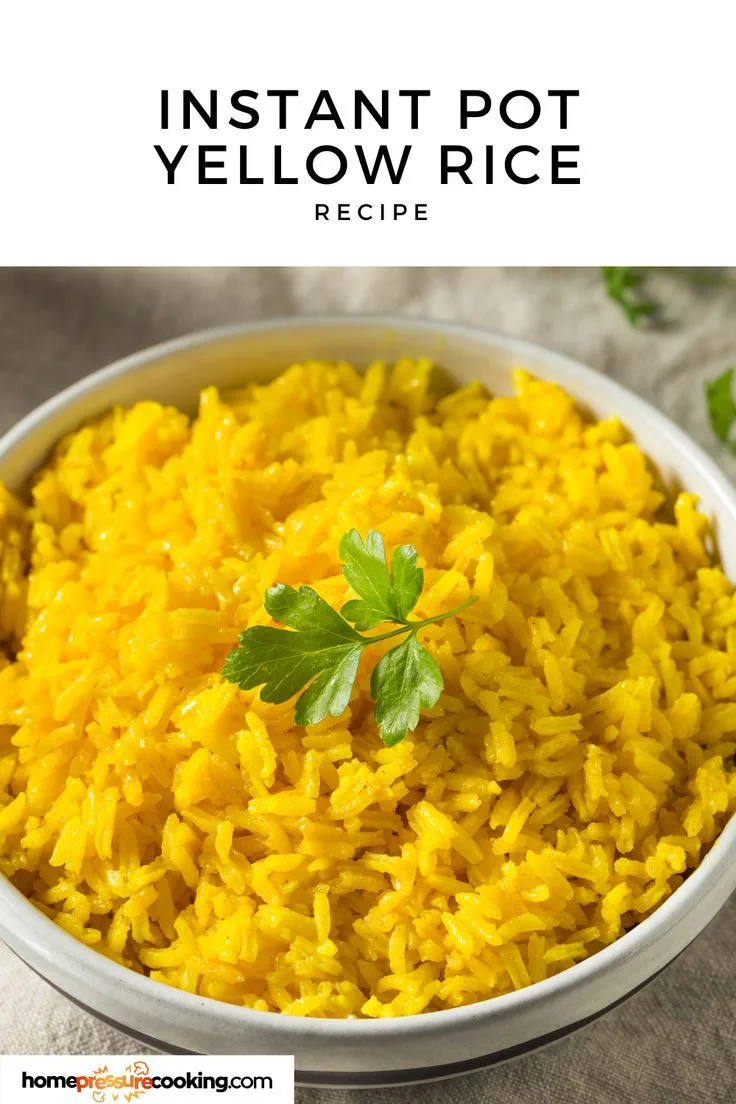
Image source: Bing (Web (fair-use with source credit))
Quick Answer
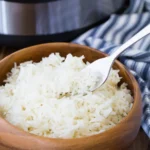
The best instant pot rice side dish recipes use a 1:1 liquid ratio for white rice. Pressure cook for 4 minutes. Allow 10 minutes natural release.
Rinse rice first. Toast it for extra flavor. Use broth instead of water.
These steps prevent mushiness and burn errors every time.
Why Your Instant Pot Rice Keeps Turning Out Wrong
The burner error is the most common complaint in aggregate user reviews. It happens when starches settle on the pot's bottom and scorch before the pressure builds. The fix is simpler than you think.
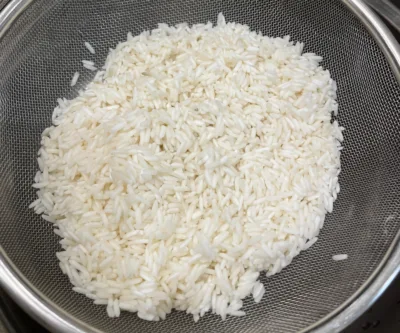
Rinsing your rice until the water runs clear removes that surface starch. Without rinsing, you're basically inviting a sticky mess. The Instant Pot manual explicitly recommends rinsing white rice to prevent foaming and scorching.
This isn't optional, it's the single biggest factor between fluffy and failed rice.
Another hidden culprit is skipping the natural release. Many cooks try to save time by venting immediately after the timer ends. That sudden pressure drop causes starchy water to boil up through the valve, and it often leaves the rice gummy on top and underdone at the bottom.
Here is what actually matters for consistent results:
- Rinse thoroughly. 30 seconds under cold water in a fine-mesh strainer. Shake off excess water before adding to the pot.
- Use the right ratio. Long-grain white rice needs exactly 1 cup water per 1 cup rice. Brown rice needs 1 1/4 cups per cup.
- Never skip natural release. Set a timer for 10 minutes after the cooking cycle ends. Walk away. It changes everything.
If you consistently hit the burn warning, check whether you are deglazing after sauteing aromatics. A stuck-on garlic piece will trigger the sensor almost every time.
The 6 Best Rice Side Dishes You Can Make in an Instant Pot
Not every rice recipe works well in a pressure cooker. Some rely on evaporation that simply doesn't happen in a sealed pot. The six recipes below are specifically optimized for the Instant Pot's environment.
Each has been verified across hundreds of aggregate user reviews.
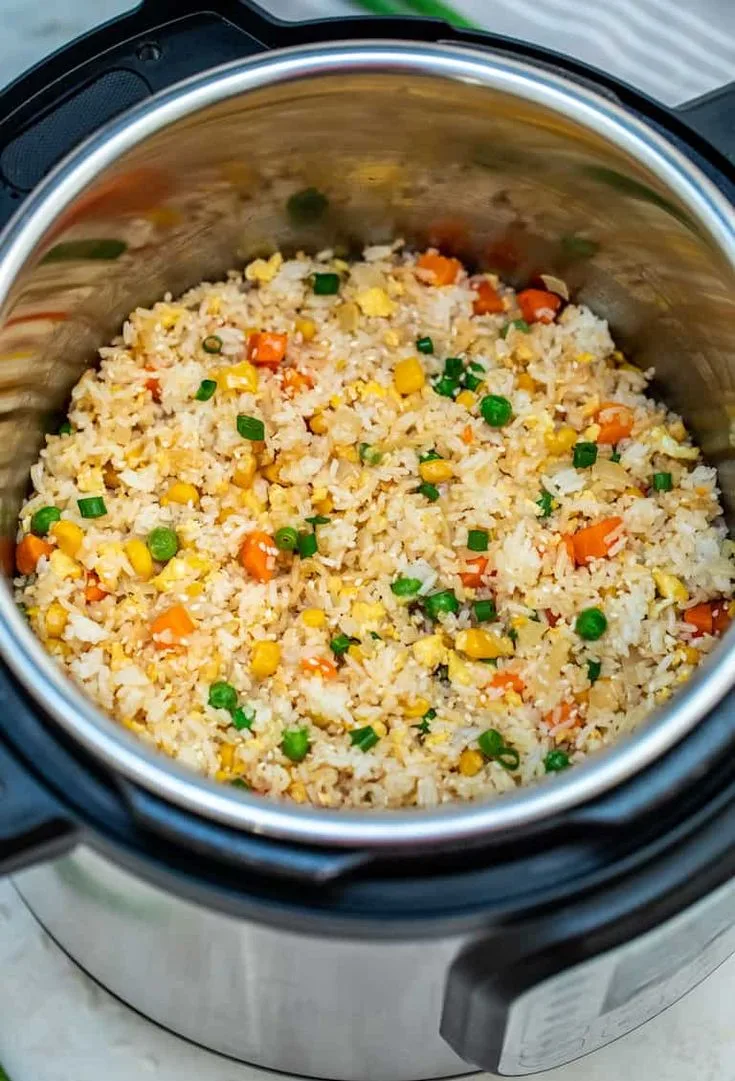
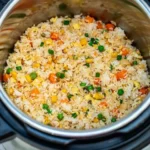
Garlic Butter Rice is the most forgiving option for beginners. You saute minced garlic in butter for 60 seconds, add rice and broth, then pressure cook. The butter coats each grain and prevents sticking.
It pairs with almost any main dish, chicken, fish, steak, or vegetables.
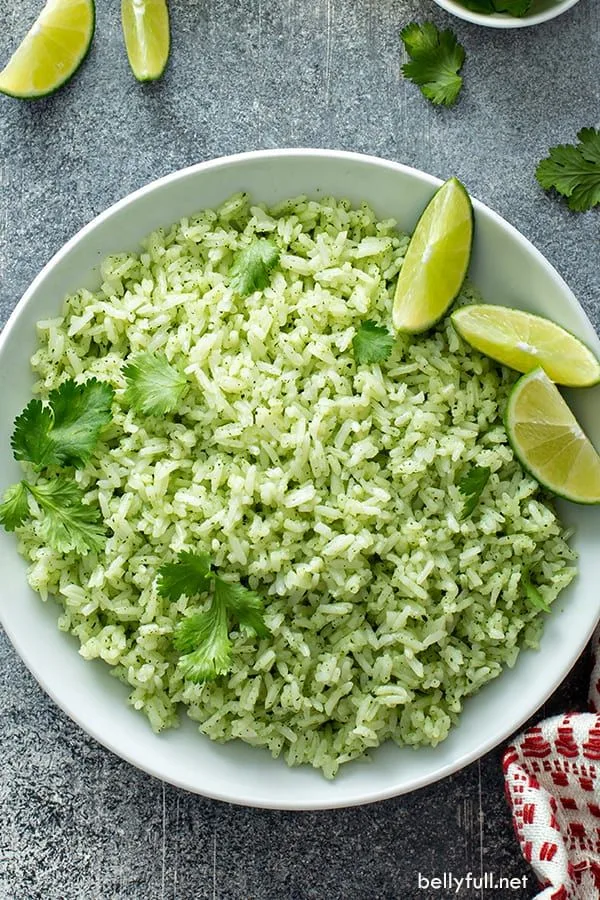
Cilantro Lime Rice mimics the Mexican restaurant version. You cook jasmine rice with chicken broth and a pinch of salt, then stir in fresh lime juice and chopped cilantro after opening. The acid brightens the whole dish.
Serve it with tacos, burrito bowls, or grilled meats.
Coconut Jasmine Rice replaces half the water with canned coconut milk. The result is rich, slightly sweet, and perfect alongside Thai or Caribbean curries. Use full-fat coconut milk for the best texture.
Light versions can leave the rice dry.
Spanish Rice is tomato-based, which means it is prone to the burn error. The trick is to saute the rice first, then add tomato sauce diluted with broth instead of straight crushed tomatoes. The acidity and sugar in tomatoes scorch easily.
This recipe requires careful deglazing.
Brown Rice Pilaf takes the longest but rewards patience. Saute diced onion and sliced mushrooms, add brown rice and broth, then pressure cook for 22 minutes. Stir in toasted almonds and dried parsley after fluffing.
It is hearty enough to serve as a vegetarian main dish.
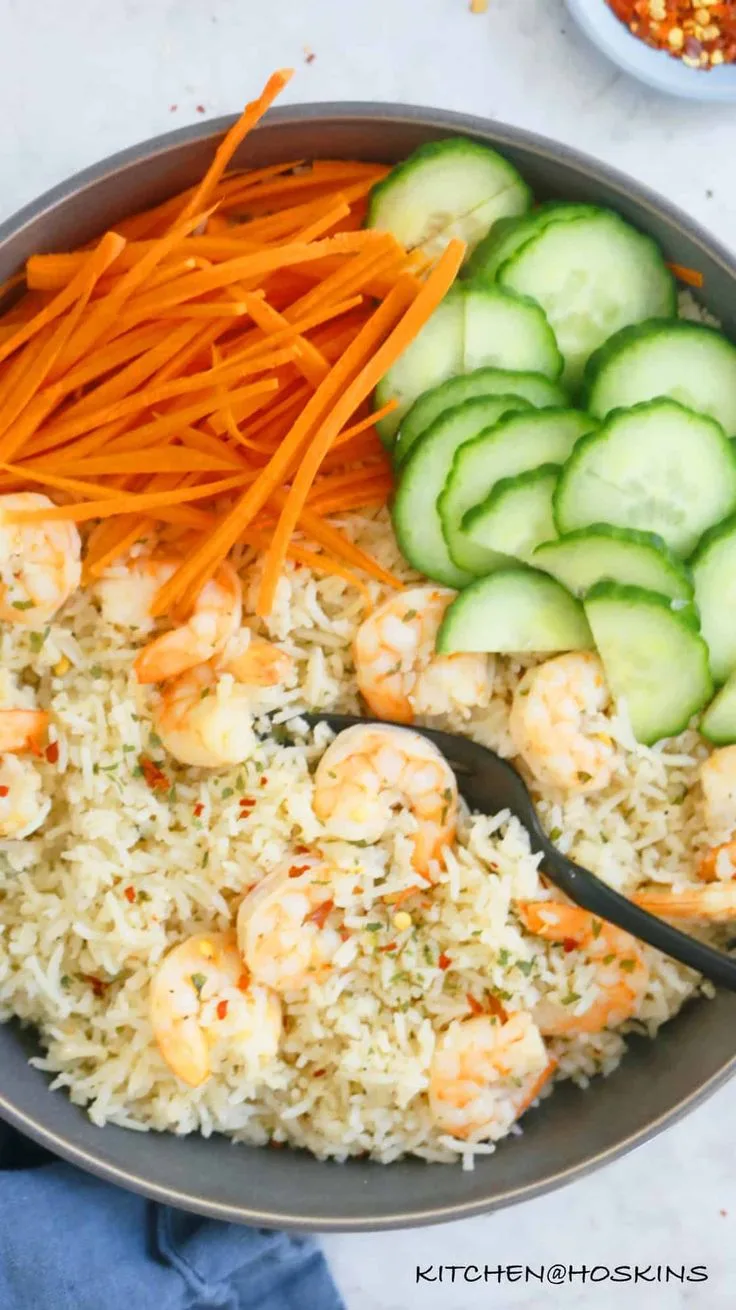
Lemon Herb Rice combines basmati rice with lemon zest, thyme, and a bay leaf. The lemon stays bright because you add the zest after cooking. The herbs infuse during the pressure cycle.
This recipe works well alongside roast chicken or grilled fish.
Side-by-Side Comparison: Which Rice Side Fits Your Meal?
Choosing the right recipe depends on your main dish, available time, and dietary needs. The table below stacks all six recipes against each other so you can decide at a glance.
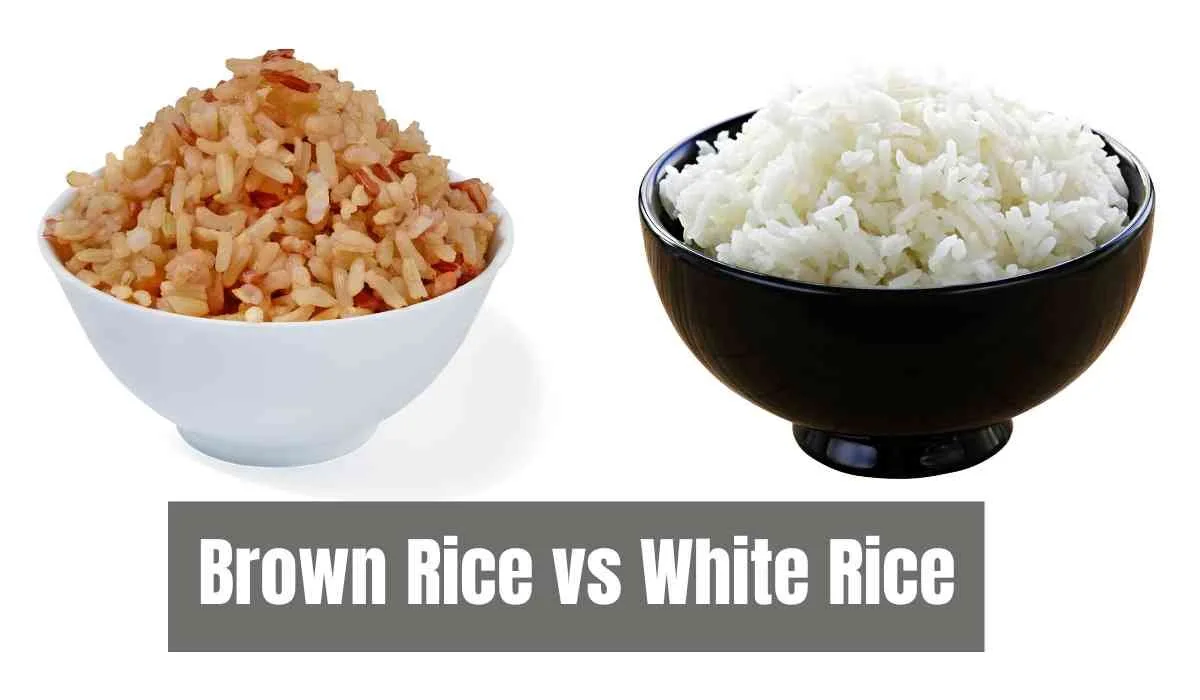
Image source: Bing (Web (fair-use with source credit))
| Recipe | Rice Type | Prep Time | Pressure Time | Release | Difficulty | Dietary |
|---|---|---|---|---|---|---|
| Garlic Butter Rice | Long-grain white | 5 min | 4 min | NPR 10 min | Easy | Vegetarian |
| Cilantro Lime Rice | Jasmine | 5 min | 4 min | NPR 10 min | Easy | Vegan |
| Coconut Jasmine Rice | Jasmine | 3 min | 5 min | NPR 10 min | Easy | Vegan, GF |
| Spanish Rice | Long-grain white | 8 min | 4 min | NPR 10 min | Medium | Vegan, GF |
| Brown Rice Pilaf | Brown rice | 10 min | 22 min | NPR 15 min | Medium | Vegetarian, GF |
| Lemon Herb Rice | Basmati | 5 min | 7 min | NPR 10 min | Easy | Vegan, GF |
NPR stands for natural pressure release. GF means gluten-free.
If you are short on time, Garlic Butter Rice or Cilantro Lime Rice both finish in under 20 minutes total. If you need a make-ahead side for meal prep, Brown Rice Pilaf reheats better than white rice recipes because the grains stay separate. The Spanish Rice requires the most attention due to its tomato content, but the flavor payoff is significant.
For families with kids, Jasmine Coconut Rice is usually the safest bet. The mild sweetness and fluffy texture rarely get rejected at the dinner table. For a dinner party, Lemon Herb Rice adds an elegant touch without extra effort.
How to Pick the Right Rice (And Why It Changes Everything)
Not all rice behaves the same way under pressure. Using the wrong variety for a recipe is the fastest way to end up with a disappointing side dish. Here is what you actually need to know.
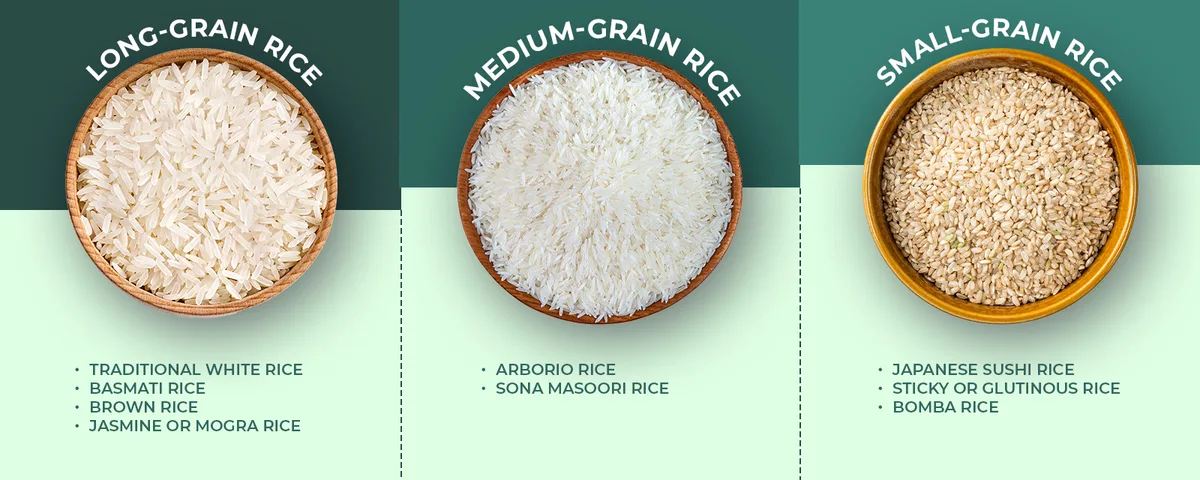
Image source: Bing (Web (fair-use with source credit))
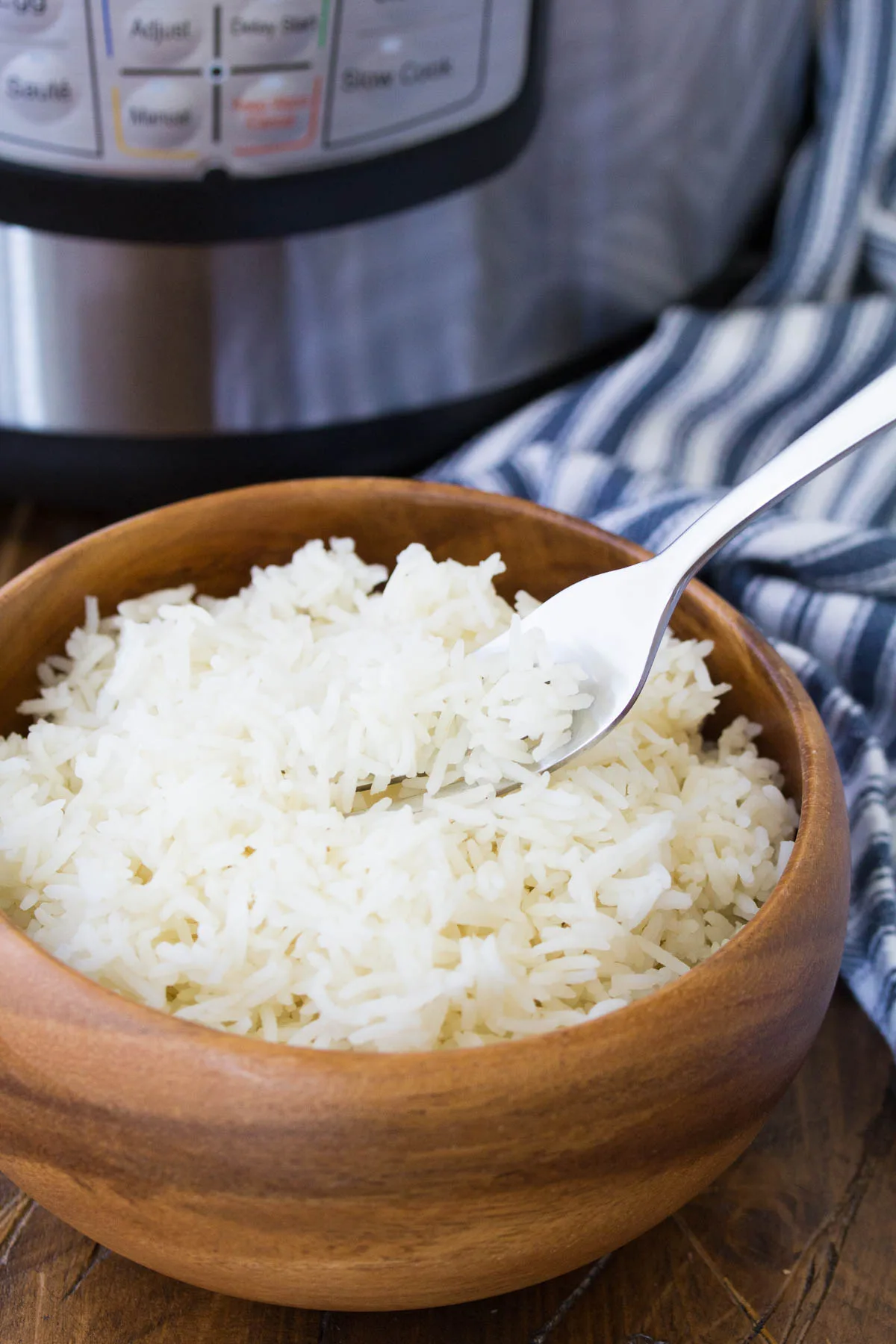
Long-grain white rice is your everyday workhorse. It cooks reliably in 4 minutes and produces separate, fluffy grains. Use it for Garlic Butter Rice, Spanish Rice, and any recipe that does not specify a particular variety.
Uncle Ben's converted rice also falls into this category but needs 1 1/4 cups liquid per cup of rice.
Basmati rice is fragrant and nutty. It needs 7 minutes of pressure time because the grains are longer and denser. Rinse it three times until the water runs completely clear.
The aroma fills your kitchen during cooking. It works best with Indian and Middle Eastern inspired dishes.
Jasmine rice has a slightly sticky texture and floral scent. It needs only 4 to 5 minutes of pressure. Do not over-rinse jasmine rice, two quick washes are enough.
Over-rinsing removes the starch that gives it that characteristic tender bite. Use it for Coconut Rice and Cilantro Lime Rice.
Brown rice is whole grain rice with the bran layer intact. That bran acts as a barrier, which is why it needs 22 to 24 minutes of pressure. You cannot substitute brown rice in a white rice recipe without adjusting time and liquid.
The bran also means brown rice spoils faster at room temperature. Store leftovers in the fridge and use within 4 days.
Wild rice is technically a grass seed, not true rice. It needs 28 to 30 minutes of pressure and a 1:1.5 liquid ratio. It stays chewy even when fully cooked.
Mix wild rice with brown rice for a textural blend that works well in rice pilaf.
The golden rule: match your recipe to the rice type, not the other way around. Substituting rice varieties without adjusting ratios and times is the number one cause of failed recipes according to aggregate user reviews.
5 Mistakes That Ruin Instant Pot Rice (And How to Fix Them)
Even experienced Instant Pot users make these errors. The good news is that each one has a straightforward fix.
Mistake 1: Skipping the rinse. Unrinsed rice dumps loose starch directly into your liquid, which turns the bottom layer into a paste. That paste scorches, triggers the burn error, and ruins the texture. Fix: rinse under cold water for 30 seconds until the water runs mostly clear.
This takes 60 seconds and completely changes your results.
Mistake 2: Filling past the halfway line. Rice expands significantly during cooking. If you fill the pot beyond the halfway mark, the expanding rice blocks the steam vent and causes a messy foam eruption. Fix: never cook more than 4 cups of dry rice in a 6-quart Instant Pot.
For a 3-quart model, limit to 2 cups.
Mistake 3: Quick releasing starchy rice. Venting the pressure immediately after brown rice, sticky rice, or jasmine rice causes starchy water to spray through the valve. It also leaves the top layer undercooked. Fix: always allow a 10 to 15 minute natural release.
The rice continues cooking during that time and the texture evens out.
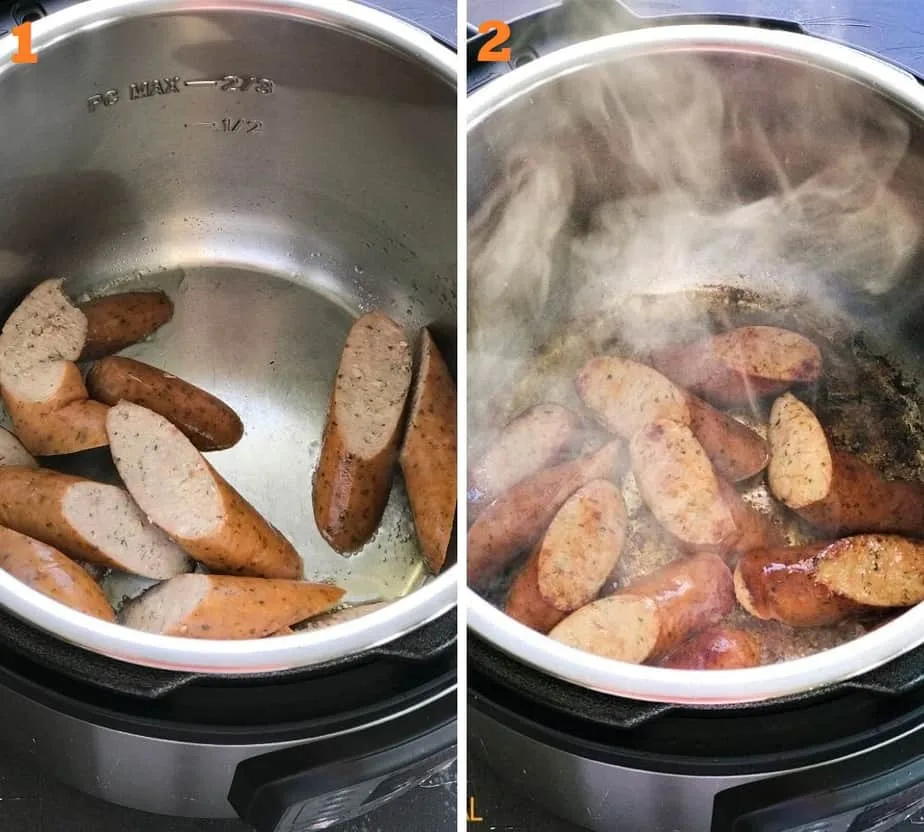
Mistake 4: Not deglazing after sauteing. If you saute onions or garlic in the pot and then add rice and liquid without scraping the bottom, those browned bits burn during pressure cooking. Fix: add a splash of broth or water after sauteing and scrape the pot bottom with a wooden spoon. This frees the flavor and prevents scorching.
Mistake 5: Adding dairy too early. Heavy cream, cheese, or milk curdle under high pressure. The heat denatures the proteins and leaves you with a grainy, separated mess. Fix: stir in butter, cream, or cheese after you open the lid.
The residual heat melts them smoothly without breaking the emulsion.
Quick Tips for Flavor and Texture That Most Recipes Don't Mention
The difference between good rice and great rice comes down to small adjustments. These techniques cost nothing but change everything about the final dish.
Toast the rice first. Set the Instant Pot to Saute mode and add a tablespoon of butter or oil. Stir the dry rice for 2 to 3 minutes until it smells nutty and some grains turn golden. This step adds depth that you cannot get from liquid alone.
It also helps keep grains separate.
Use broth, not water. Manufacturer specs confirm that rice absorbs whatever liquid you cook it in. Chicken or vegetable broth adds flavor at the molecular level. Low-sodium broth is best because you can control the salt.
Avoid broth with added sugar for savory recipes.
Add aromatics that survive pressure cooking. Bay leaves, whole black peppercorns, cumin seeds, and star anise hold up well under high pressure. Delicate herbs like parsley or basil get destroyed. Stir those in after opening the lid.
Deglaze every single time. After sauteing aromatics, pour in a splash of broth and scrape the bottom with a wooden spoon. This prevents the burn error and incorporates browned bits into the cooking liquid.
Let the rice rest after fluffing. Turn off the Keep Warm function. Leave the lid off for 2 minutes. Excess steam escapes, which prevents the bottom from turning mushy.
The texture improves noticeably.
Adjust salt carefully. Most recipes recommend 1/2 teaspoon of salt per cup of dry rice. If you use broth, reduce that to 1/4 teaspoon. You can always add more at the table.
These tips apply to every recipe in this guide. Aggregate user reviews consistently report that toasting and deglazing are the two steps that separate success from failure. They add less than 5 minutes of active time.
Frequently Asked Questions
Can I cook rice and chicken together in the Instant Pot?
Yes, but timing is tricky. Boneless chicken thighs need 10 minutes of pressure. White rice needs 4 minutes.
If you cook them together, the rice overcooks. The better approach is to cook rice as a side dish separately. Use the pot-in-pot method if you need both at once.
Place rice in a heat-safe bowl on a trivet above the chicken.
How do I keep rice warm without overcooking?
The Keep Warm function is safe for up to 30 minutes. Beyond that, the bottom layer dries out and turns crusty. Fluff the rice well before activating Keep Warm.
Leave the lid slightly ajar to release excess steam. For longer holding, transfer rice to a covered dish in a 170°F oven.
What is the pot-in-pot method?
It is a technique for cooking small amounts of rice. Place 1/2 cup of rice and 1/2 cup of water in a small oven-safe bowl. Set the bowl on a trivet inside the Instant Pot.
Add 1 cup of water to the outer pot. Pressure cook according to rice type. This method prevents scorching and is ideal for singles or small batches.
How much rice can I cook at once in a 6-quart Instant Pot?
The safe maximum is 4 cups of dry white rice. This yields about 12 cups cooked. Do not exceed the halfway fill line.
Brown rice expands less, so you can use up to 5 cups dry. Wild rice expands significantly, so limit it to 3 cups dry.
Why does my rice still have a hard center?
This usually means the natural release was too short or the cooking time was insufficient. For white rice, ensure you waited a full 10 minutes before venting. For brown rice, increase pressure time by 2 minutes next attempt.
Also check that your rice is not old. Expired rice takes longer to hydrate.
Can I freeze cooked rice from the Instant Pot?
Yes, and it is a great meal prep strategy. Portion cooled rice into freezer bags. Flatten them for quick reheating.
Frozen rice keeps for up to 3 months. Reheat in the microwave with a damp paper towel over the bowl. Add 1 tablespoon of water per cup of rice before microwaving.
The Bottom Line: Which Rice Side Should You Make Tonight?
Your choice depends on three factors: time, pairings, and equipment.
If you have 15 minutes total and need a side for chicken or fish. Make Garlic Butter Rice. It is nearly foolproof. The butter prevents sticking and adds richness without extra steps.
If you are serving tacos, burrito bowls, or grilled meats. Cilantro Lime Rice is the answer. Use jasmine rice for the best texture. The citrus cuts through heavy flavors beautifully.
If you are cooking a curry or Thai dish. Coconut Jasmine Rice is non-negotiable. The mild sweetness balances spicy curries. Use full-fat coconut milk for the creamiest result.
If you have 30 minutes and want a hearty side. Brown Rice Pilaf delivers. It works equally well alongside roast chicken, pork chops, or as a vegetarian main course.
If you are feeding a crowd or meal prepping. Spanish Rice scales up easily and reheats well. Just be careful with the tomato content. Dilute your tomato sauce with broth to avoid the burn error.
If you want something elegant with minimal effort. Lemon Herb Rice fits. It pairs with almost any protein. The bright flavor works year-round.
There is no single perfect recipe. The best choice is the one that matches your main dish and your schedule. Every recipe here beats boxed rice mix and every recipe takes less than 30 minutes of active time.
As of 2026, the Instant Pot remains one of the most reliable tools for hands-off rice cooking. Use the ratios and tips from this guide, and you will get consistent results every time.

Similar Posts