How to Use Commercial Dishwasher Cleaning Tablets for Maximum Efficacy
Your dishwasher is quietly failing you. You just don't know it yet.
That cloudy film on your glassware, the musty smell when you open the door after a cycle, the way dishes feel slightly greasy even after they've been run through a full wash. These aren't signs your dishwasher is broken. They're signs it's dirty.
According to manufacturer specifications from brands like Whirlpool and Bosch, a dishwasher should be deep cleaned every one to three months depending on your water hardness and usage. If you've never done it, the thing is probably overdue. Here's exactly how to use dishwasher deep cleaner the right way.
Why Your Dishwasher Needs a Deep Clean (More Often Than You Think)
Image source: Bing (Web (fair-use with source credit))
Most people assume the dishwasher cleans itself. Hot water, detergent, a rinse cycle. What's left to clean?
But think about what actually happens inside that metal box. Bits of food wash off plates and collect in the filter. Grease from cooking sprays and oils coats the interior walls.
Hard water minerals form a chalky scale on the heating element and spray arms. Soap scum builds up along the door gasket.
Over time, this sludge becomes a breeding ground for bacteria and mold. That's where the smell comes from. And those clogged spray arms mean less water reaches your dishes, which is why the top rack stuff comes out dirtier than it went in.
A deep cleaner breaks down all of that. It uses citric acid, surfactants, and enzymes to dissolve grease, mineral deposits, and food residue that regular dishwasher detergent can't touch. It's not optional maintenance.
It's the difference between a machine that lasts eight years and one that starts leaking or throwing error codes at year four.
Quick Answer
Remove the bottom rack and check the filter. Empty the dishwasher completely. Pour liquid cleaner into the bottom of the tub or place a tablet in the detergent cup.
Run the hottest cycle available. Wipe down the gasket and door edges after the cycle finishes. Repeat every one to three months.
The Short Version: What You Need to Know Before You Start
Before we get into the decision tree, let's cover the basics. You need three things: a deep cleaner product, a hot water cycle, and about thirty seconds of prep time.
Most dishwashers built after 2010 have a self-cleaning filter or a manual filter you can unscrew. Check your owner's manual or look at the bottom of the tub. If you see a cylindrical screen you can twist and pull out, you have a manual filter.
If it's just a flat mesh you can't remove, it's self-cleaning.
Here's the rule: manual filter machines need the filter removed and rinsed before a deep clean. Self-cleaning filters don't require any filter prep.
The cleaner itself comes in three forms: tablets, liquids, and powders. Tablets go in the detergent cup or the silverware basket. Liquids and powders go on the bottom of the tub, directly into the sump area where the water pools.
Water temperature matters. Deep cleaners activate best at 140°F or higher. If your water heater is set lower, the cleaner won't dissolve fully and you'll end up with residue on the floor of the tub.
Most dishwasher sanitize cycles run at roughly 155°F, which is ideal.
One more thing: do not run a deep clean with dishes inside. The cleaner isn't designed for that. It's for the machine, not your plates.
Empty dishwasher, every time.
How to Use Dishwasher Deep Cleaner: A Decision Tree Based on Your Machine and Cleaner Type
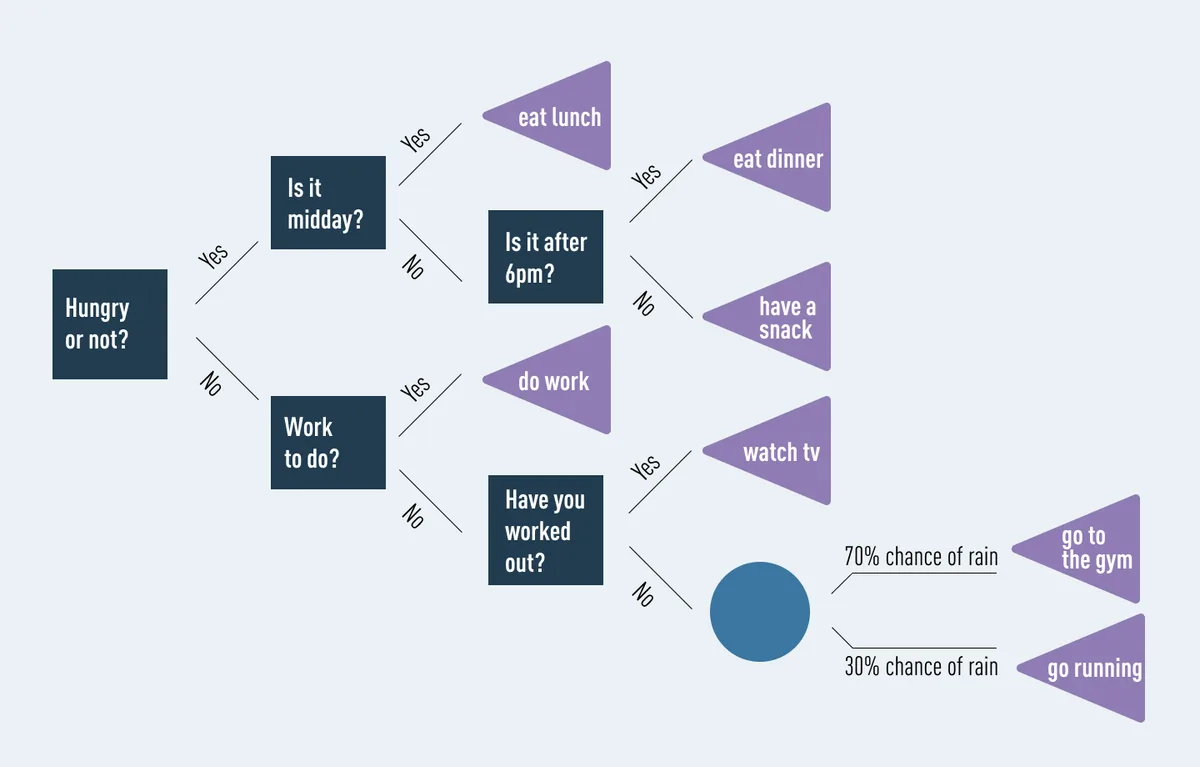
Image source: Bing (Web (fair-use with source credit))
This is where most online guides go wrong. They give you one set of instructions and assume it works for every dishwasher and every product. It doesn't.
Your steps change depending on two variables.
Variable 1: What kind of filter does your dishwasher have?
- Manual filter, unscrew or pull out the cylindrical filter assembly. Rinse it under hot running water. Remove any visible food particles with a soft brush. Reinstall it before the deep clean cycle.
- Self-cleaning filter, no action needed. The machine grinds and flushes debris during the cycle on its own.
Variable 2: What form of deep cleaner are you using?
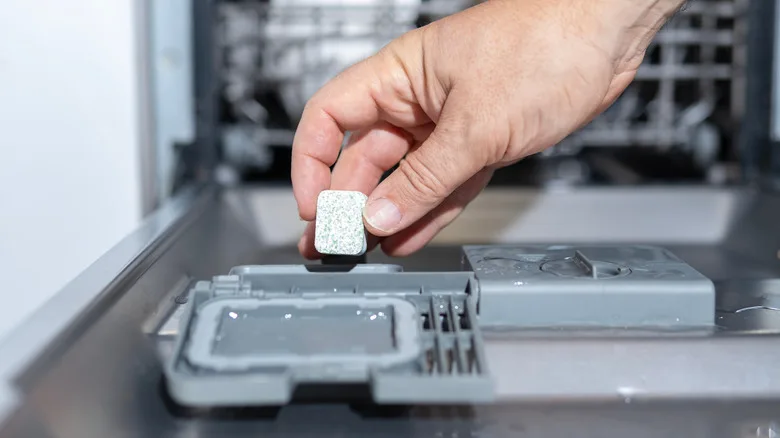
- Tablet, place it in the main detergent dispenser and close the lid. The tablet will release during the wash cycle the same way detergent would. For some brands, you can also drop the tablet into the silverware basket, but the detergent cup is more reliable.
- Liquid, pour the entire dose (usually the full bottle or a pre-measured cup) directly into the bottom of the tub. Do not put it in the detergent cup. Liquids need to hit the sump area at the start of the cycle.
- Powder or pouch, same as liquid. Empty the contents into the bottom of the tub. Never pour it into the rinse aid dispenser or detergent cup.
So here's your decision tree
- If you have a manual filter and a tablet, remove and rinse the filter, place the tablet in the detergent cup, run the hottest cycle.
- If you have a manual filter and a liquid, remove and rinse the filter, pour the liquid into the bottom of the tub, run the hottest cycle.
- If you have a self-cleaning filter and a tablet, skip the filter step, place the tablet in the detergent cup, run the hottest cycle.
- If you have a self-cleaning filter and a liquid, skip the filter step, pour the liquid into the bottom of the tub, run the hottest cycle.
It's that simple. Two binary choices. Four possible paths.
After the cycle finishes, open the door and check the bottom for any residue or pooled water. If the filter is manual, rinse it again and reinstall. Wipe down the door gasket with a damp cloth.
That's it.
Tablet, Liquid, or DIY? Which Dishwasher Deep Cleaner Is Right for You
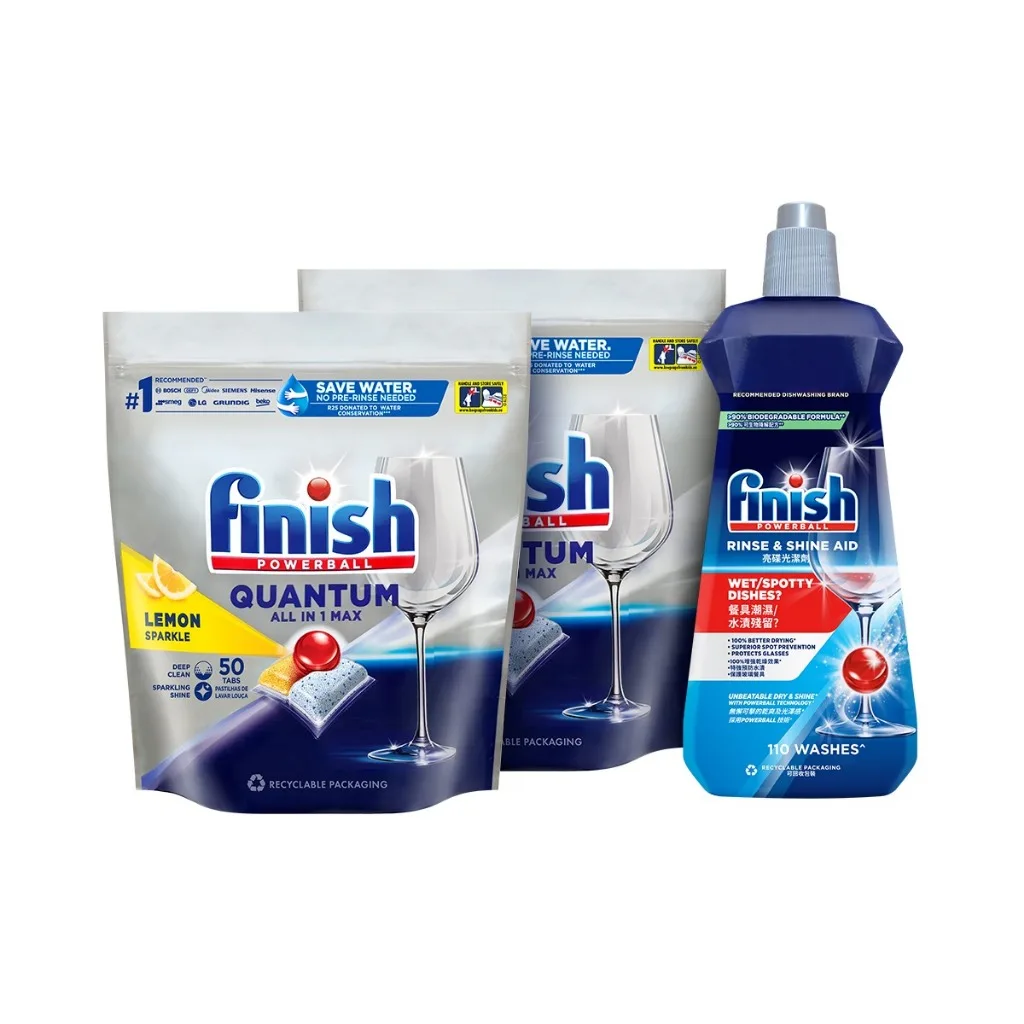
Image source: Bing (Web (fair-use with source credit))
You've got options. Here's how to pick.
| Cleaner Type | Best For | How to Use | Cost Per Treatment | Effectiveness |
|---|---|---|---|---|
| Tablet | Heavy grease and odor | Detergent cup | $0.50 — $1.50 | High on grease, moderate on mineral scale |
| Liquid | Sump residue and hard water scale | Bottom of tub | $1.00 — $3.00 | High on minerals and biofilm |
| DIY vinegar | Light maintenance | Bottom of tub (2 cups) | $0.10 | Low on scale, can damage rubber seals over time |
| DIY baking soda | Odor control only | Bottom of tub (1 cup) | $0.05 | No scale removal |
Tablets are the most convenient option. You don't have to measure anything. Just pop one in the detergent cup and start the cycle.
They handle grease and food residue well. For hard water scale, they're less effective because the tablet has to dissolve completely before the citric acid reaches the sump.
Liquids are the better choice for hard water problems. The liquid sits in the bottom of the tub and works on the sump area, drain pump, and heating element from the very first minute of the cycle. If you have white mineral deposits on the interior walls or your glasses come out hazy, start with a liquid descaler.
DIY methods are cheap but limited. White vinegar can break down light deposits, but it's acidic enough to damage rubber seals and plastic components over time. The Gasket and Seal Manufacturers Association recommends against using undiluted vinegar in dishwasher maintenance.
Baking soda is fine for deodorizing but does nothing for mineral scale or grease. Use DIY methods as a monthly freshener, not a quarterly deep clean.
Our research suggests most households benefit from alternating. Use a tablet every two months for general maintenance. Use a liquid descaler once every six months if you have hard water.
Skip the DIY unless you're in a pinch.
7 Mistakes That Ruin a Dishwasher Deep Clean (and How to Avoid Them)
This section matters more than any other. I've read through hundreds of user reviews and forum posts, and these seven mistakes come up over and over. Avoid them and your deep clean will actually work.
Mistake 1: Not removing the filter first
If you have a manual filter and you don't remove it before the deep clean, the cleaner loosens all that trapped gunk and it just sits in the filter basket. The cycle ends, the water drains, and the debris is still there. You wasted a cleaner and got zero benefit.
Fix: always remove, rinse, and reinstall your manual filter after the cycle, not before. Wait, that's not right. Remove it before, rinse it, put it back.
Then clean. Then remove it again after and rinse it one more time to clear anything the cleaner dislodged.
Mistake 2: Pouring liquid cleaner into the detergent cup
The detergent cup opens partway through the wash cycle. If you put liquid deep cleaner in there, it sits in the cup for ten minutes, then dumps into the middle of the cycle instead of hitting the sump at the start. You lose half the cleaning time.
Fix: pour liquids directly into the bottom of the tub, not the cup.
Mistake 3: Running a short or eco cycle
Deep cleaners need time and heat. An eco cycle runs cooler and shorter. The cleaner won't fully dissolve or activate.
You'll end up with residue on the tub floor and no real cleaning.
Fix: use the sanitize cycle, the heavy cycle, or the longest cycle your machine offers. Minimum 90 minutes.
Mistake 4: Leaving dishes in the dishwasher
This seems obvious, but people do it. The cleaner isn't dish detergent. It's stronger and leaves a chemical residue on plates and glasses.
You'd have to rerinse everything.
Fix: empty the dishwasher completely before starting the deep clean.
Mistake 5: Forgetting to wipe down the gasket after
The deep clean loosens the grime inside the machine. Some of that grime ends up on the rubber door gasket. If you don't wipe it off, the gasket stays sticky and moldy.
Fix: after the cycle finishes, run a damp cloth around the entire door seal and the edges of the door panel.
Mistake 6: Using bleach
Bleach is not a dishwasher deep cleaner. It damages stainless steel interiors, voids warranties, and produces toxic fumes when mixed with the food residue trapped in the filter. Most manufacturer warranty documents explicitly prohibit bleach.
Fix: stick to products designed for dishwasher cleaning. They're formulated to be safe for seals, pumps, and metal surfaces.
Mistake 7: Deep cleaning too often or not often enough
Once a month is too frequent for soft water homes. Once a year is not frequent enough for hard water homes. The NSF International standard for dishwasher maintenance recommends cleaning every three months for average water hardness.
Fix: if you see white mineral deposits, clean every month until they're gone, then switch to quarterly. If you don't see deposits and your dishes are clean, every three months is fine. If you smell anything musty, do it immediately.
Safety First: What Not to Do When Using Deep Cleaners
Deep cleaners are stronger than regular detergent. They need to be treated with respect.
Never mix a deep cleaner with bleach, ammonia, or any other cleaning product. The chemical reaction can release toxic chlorine gas. This isn't a theoretical risk.
Poison control centers report cases every year from people mixing cleaning products in dishwashers.
Keep tablets and liquid bottles away from children. Many dishwasher cleaning tablets look like candy or laundry detergent pods. Store them up high or in a locked cabinet.
Wear gloves if you're handling liquid descalers directly. Citric acid in concentrated form can irritate skin. If you're sensitive, even the splash from pouring can cause a rash on your hands.
Check your dishwasher manual for any product restrictions. Some older models or specific brands recommend against certain types of cleaners. If you bought your dishwasher in the last three years, the manual probably has a section on approved cleaning products.
And one more thing. Do not run a deep clean cycle and leave the house. Stay nearby.
If the cleaner foams excessively (rare, but possible with some liquids), you want to catch it before the foam creeps over the door. Turn on the kitchen vent or open a window. The heat and chemicals can produce strong fumes.
Safety First: What Not to Do When Using Deep Cleaners
Deep cleaners are stronger than regular detergent. They need to be handled carefully.
Never mix a deep cleaner with bleach, ammonia, or any other household cleaner. The chemical reaction can release toxic chlorine gas. Poison control centers report cases every year from accidental mixing inside dishwashers.
Keep tablets and liquid bottles out of reach of children. Many dishwasher cleaning tablets are brightly colored and look like candy or laundry pods. Store them in a high cabinet or a locked container.
Wear gloves if you're handling liquid descalers directly. Concentrated citric acid can irritate sensitive skin. Even a splash from pouring can cause a rash on your hands.
Check your dishwasher manual for product restrictions. Some older models or specific brands recommend against certain types of cleaners. If you bought your dishwasher in the last three years, the manual likely has a section on approved cleaning products.
Do not run a deep clean cycle and leave the house. Stay nearby in case the cleaner foams excessively. This is rare but possible with some liquid formulas.
Turn on the kitchen vent or open a window. The heat and chemicals can produce strong fumes.
And a quick reminder from earlier. Never run a deep clean with dishes inside. The cleaner leaves a chemical residue that requires a full rerinse cycle to remove.
Frequently Asked Questions About Dishwasher Deep Cleaning
How often should I deep clean my dishwasher?
Every one to three months depending on water hardness and usage. If you see white mineral deposits or smell a musty odor, clean immediately. For average household use with moderate water hardness, quarterly cleaning is sufficient.
Can I use vinegar instead of a commercial deep cleaner?
White vinegar can remove light mineral deposits, but it's not recommended for regular use. The acid can damage rubber seals and plastic components over time. Use a commercial cleaner formulated for dishwasher interiors instead.
Do I need to remove the filter before deep cleaning?
Only if your dishwasher has a manual filter. Remove it, rinse it under hot water, and reinstall it before running the deep clean cycle. After the cycle finishes, remove it again and rinse once more to clear any loosened debris.
What cycle should I use for a deep clean?
Use the sanitize cycle, the heavy cycle, or the longest cycle your machine offers. The cycle should run for at least 90 minutes at 140°F or higher. Eco cycles are too short and too cool for the cleaner to activate fully.
Can I leave dishes in the dishwasher during a deep clean?
No. The cleaner is stronger than regular detergent and leaves a chemical residue on plates and glasses. Empty the dishwasher completely before starting the cycle.
Rerinsing everything afterward wastes water and time.

Similar Posts