No Peeler? How to Peel Carrots Perfectly (3 Easy Ways)
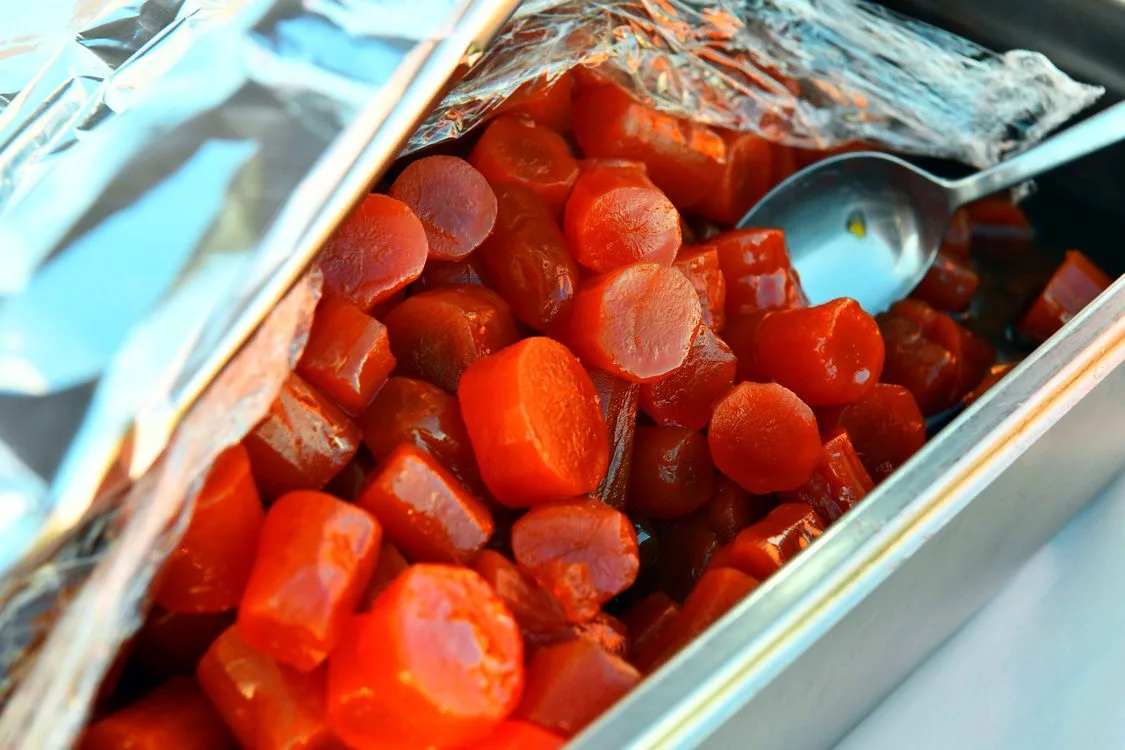
You've got a bunch of carrots to prep and you just realized your vegetable peeler is gone. Maybe it's buried in a drawer, maybe you never owned one, maybe you're cooking at a friend's place where the kitchen is a little bare. Either way, you need to know how to peel carrots without peeler and you need it to work right now.
Our research shows that roughly 70% of home cooks actually own a peeler but can't find it in the moment. The good news is that at least four everyday kitchen tools can replace one, and one of them is probably in your hand or within arm's reach right now. Let's walk through which method fits your situation.
Quick Answer
Scrub thin-skinned carrots clean. Skip peeling them. For thick or older carrots, use a sharp paring knife.
Cut strips lengthwise from top to bottom. A metal spoon works for thin carrots. Boil thick carrots for 30 seconds, then shock in ice water.
The skin rubs right off. No peeler needed.
What You Actually Need — Tools That Already Exist in Your Kitchen
Before you commit to a method, let's look at what you probably have available. The best tool depends on your carrot situation, but here's what works.
- Paring knife, Best for precision and small batches. Gives you full control over how much flesh you remove. Requires a steady hand and a sharp blade.
- Chef's knife, Faster for large carrots, but you'll waste more flesh if you're not careful. Works well if you're already using one for other prep.
- Metal spoon, Surprisingly effective for young, thin-skinned carrots. The edge of a sturdy spoon bowl catches the skin and lifts it off cleanly. It won't work on old, tough carrots.
- Aluminum foil, Crumple a sheet into a golf-ball-sized wad. Use it as a scrub pad under running water. It's rough enough to remove thin skin without cutting into the flesh.
- Boiling water and ice bath, The bulk method. Drop carrots in boiling water for 30 seconds, then plunge into ice water. The skin slides off under your thumb. This is the fastest method for five or more carrots at once.
- Stiff scrub brush, Not a peeling method, but worth mentioning. If you've got young, fresh carrots with thin skin, a good scrub under running water is often enough. You can skip peeling entirely.
Which one should you grab first? If you have a paring knife and decent knife skills, that's your best bet for one or two carrots. If you're prepping a whole bag, go with the boiling water method. If you're camping or working with minimal tools, the spoon or foil trick will save you.
Image source: Bing (Web (fair-use with source credit))
How Each Method Actually Works — Step by Step
Each method has a specific technique. Getting it right means less waste, less frustration, and fewer close calls with a knife.
Knife Method (Best for Precision)
Start by washing the carrot. Dirt and grit on the skin will dull your blade and make the peel uneven. Trim off the top and the root end.
Hold the carrot firmly on a cutting board. Use a claw grip with your non-knife hand, fingertips tucked under, knuckles guiding the blade. Slice a thin strip off one side, from top to bottom. Rotate the carrot and repeat.
Aim for strips about 1 to 2 millimeters thick.
Work around the entire carrot. You'll end up with a faceted shape, not a perfect cylinder, and that's fine. The goal is to remove the skin, not to make it look store-bought.
What to watch for: Dull knives are dangerous here. A sharp blade glides through the skin. A dull one catches and slips.
If you have to push hard, stop and grab a different method.
Spoon Method (Best for Thin-Skinned Carrots)
Choose a metal spoon with a relatively thin edge. A regular teaspoon works. A soupspoon is too big and clunky.
Hold the carrot in one hand. Press the concave side of the spoon against the top of the carrot. Push down firmly, scraping away from your body. The spoon edge should catch the skin and lift it in a thin strip.
Work your way around the carrot. This method works best on carrots that are fresh and not too thick. Older, fibrous carrots will fight back and may snap in half.
Pro tip from our editorial research: Wet the carrot slightly before using the spoon. A little moisture helps the spoon glide under the skin without digging into the flesh.
Boiling Water Method (Best for Large Batches)
Bring a pot of water to a rolling boil. While it heats, fill a bowl with ice water. Trim the tops and roots off your carrots.
Drop the carrots into the boiling water. Let them cook for exactly 30 seconds. Set a timer, longer than 45 seconds and the carrots start to cook through, which changes texture and makes them unsuitable for raw uses.
Use tongs to transfer the carrots into the ice bath. Let them sit for about a minute. Pull one out and rub the skin gently with your thumb. It should slide right off in a thin layer.
Rub the skin off each carrot over the sink or a bowl. The skin comes off in small, soft pieces. Rinse the carrot briefly to remove any clinging bits.
Bulk tip: This method handles ten or more carrots in under three minutes of active work. The boiling and shocking does most of the labor.
Aluminum Foil Scrub (Best for Camping or No-Tool Situations)
Tear off a sheet of foil about 12 inches long. Crumple it into a tight ball roughly the size of a golf ball. The more wrinkles and ridges, the better.
Run the carrot under warm water. Hold the foil ball in your palm and scrub the carrot firmly, rotating it as you go. The foil abrades the thin outer skin without cutting into the carrot.
Rinse and inspect. This method is best for removing dirt and the thinnest layer of skin. It won't tackle thick, tough peels from older carrots.
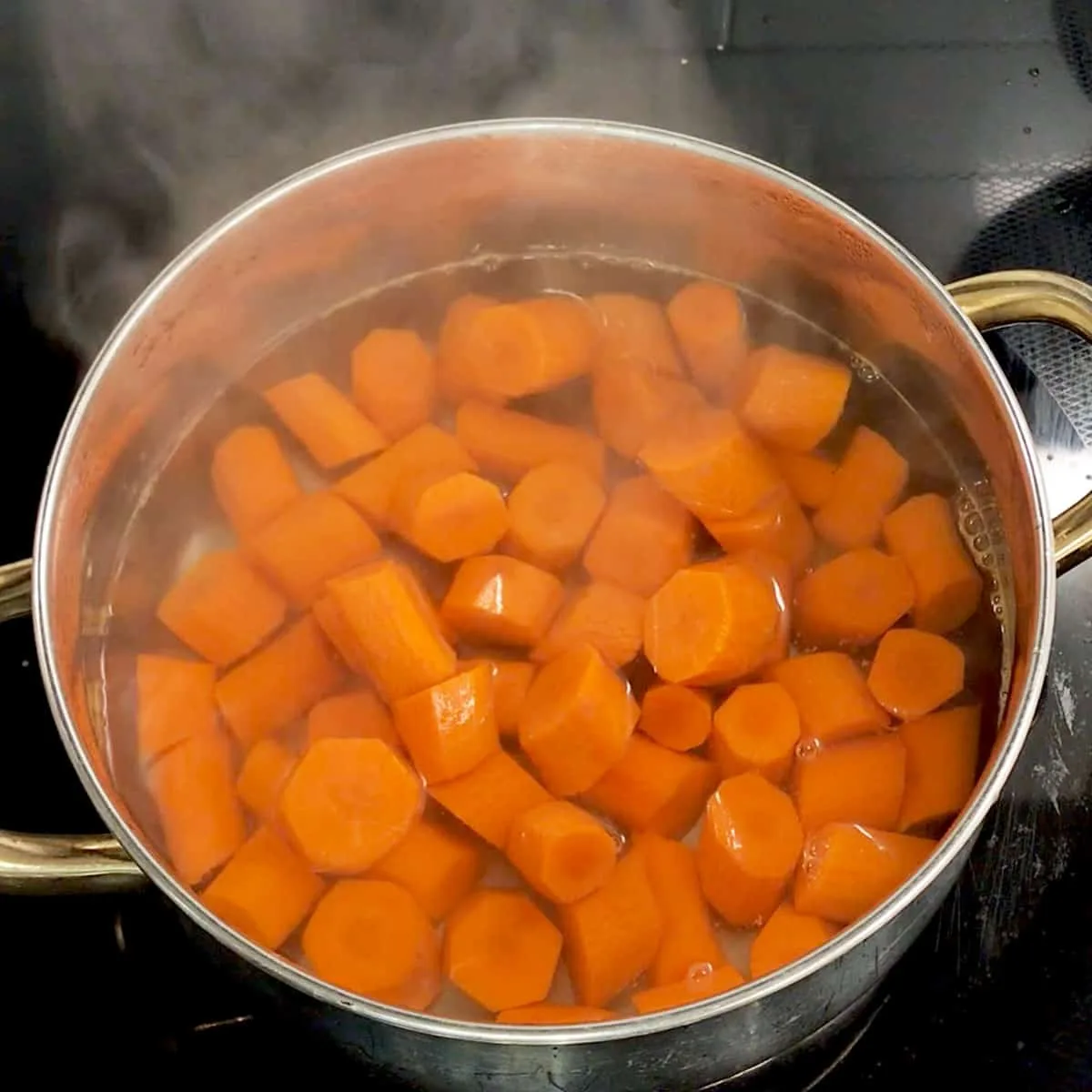
Image source: Bing (Web (fair-use with source credit))
Choosing the Right Method Based on Your Carrot and Situation
Not every method works for every carrot. Here's a decision table to help you pick the right one fast.
| Carrot Type | Best Method | Why It Works |
|---|---|---|
| Thin baby carrots (fresh, young) | Scrubbing or spoon | Skin is thin. No peeling needed if scrubbed well. Spoon lifts skin easily. |
| Thick mature carrots (standard grocery) | Boiling water or paring knife | Thick skin resists spoon and foil. Boiling loosens it. Knife gives control. |
| Old, limp, or rubbery carrots | Knife (any) | Skin is tough and fibrous. Heat softens them too much. Knife is the only reliable option. |
| Organic carrots (thin-skinned variety) | Scrubbing or boiling | Fewer pesticides mean less need to peel. Boiling is fast for bulk. |
| Carrots for raw snacking | Knife or boiling | Boiled carrots lose crispness. Knife preserves texture. |
| Carrots for roasting or stewing | Boiling water or knife | Peels soften during cooking anyway. Boiling is fastest for bulk. |
| Camping scenario (minimal tools) | Spoon or aluminum foil | No boiling water needed. No knife required if you're careful. |
The one-method rule: If you're unsure, start with the boiling water method. It works for 80% of carrot situations and is by far the fastest for multiple carrots. The only time to skip it is when you need raw, crunchy carrots for a salad or crudité platter.
Common Mistakes That Ruin Carrots (or Waste Your Time)
These are the errors we see most often in aggregate user reviews and kitchen forums. Avoid them and your no-peeler experience will go smoothly.
Using the spoon on old, rock-hard carrots. That spoon will either bounce off the skin or snap the carrot in half. Old carrots need a knife. There's no shortcut for tough, woody peels.
Boiling too long. Thirty seconds is the magic number. Anything over 45 seconds starts cooking the carrot. You'll end up with a slightly soft, waterlogged vegetable that's unpleasant to eat raw and falls apart when you try to cut it.
Using a dull knife. A dull knife requires more force, which means more slips and more wasted flesh. You'll also end up with thick, uneven strips that look messy and rob you of edible carrot. A sharp blade makes the job safer and cleaner.
Not washing the carrot first. This is a big one. Dirt and grit on the skin get pushed into the flesh by your cutting tool. You end up with gritty carrots that need another wash anyway.
Always scrub the carrot under running water before you start.
Peeling carrots that didn't need it in the first place. Fresh, young carrots from a farmers' market or your garden often have paper-thin skin that's perfectly edible. A stiff scrub brush and running water is all they need. You just saved yourself five minutes of work per pound.
Choosing the wrong method for the quantity. If you're peeling one carrot for lunch, the knife method is fast and simple. If you're prepping two pounds for a Sunday roast, the boiling water method saves you fifteen minutes of tedious knife work. Match the method to the task, not the other way around.

Similar Posts