Clean Your Oven Naturally: Non-Toxic Guide
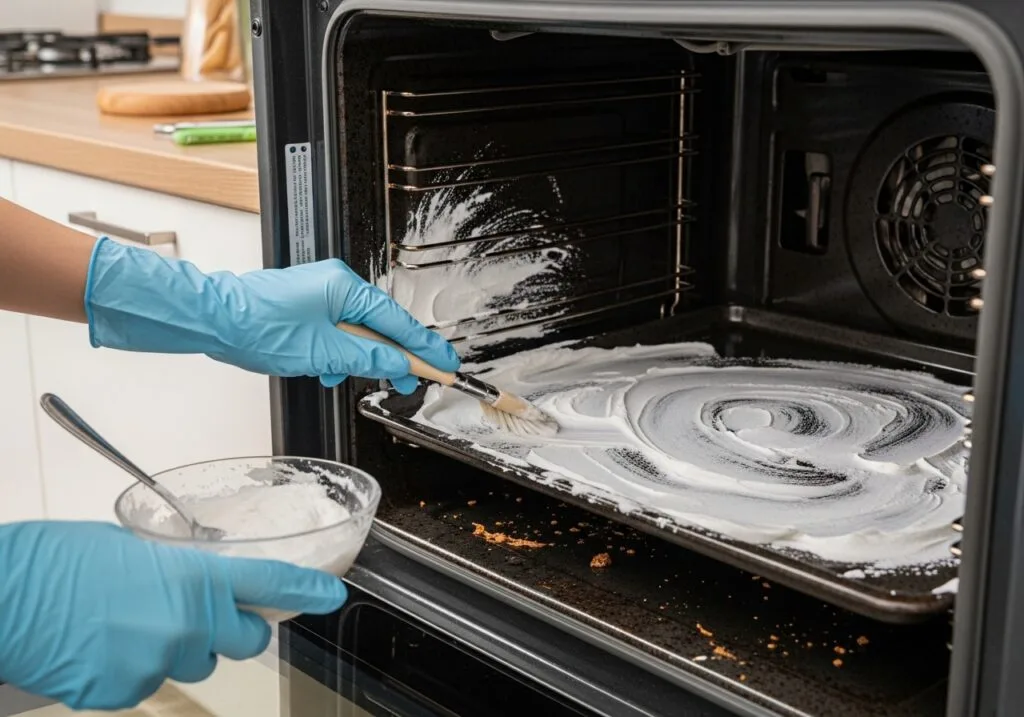
Getting the caked-on grease out of your oven without filling your kitchen with chemical fumes is a real challenge. If you've ever searched for how to clean oven non toxic, you already know the struggle: most store-bought sprays are loaded with sodium hydroxide and ammonia that linger on surfaces and in the air. But the good news is that a simple paste of baking soda and water tackles the same grime without the downsides.
Per the EPA Safer Choice program, the active ingredient in baking soda (sodium bicarbonate) is recognized as a low-toxicity substance for household cleaning. When used correctly, it breaks down grease through a mild alkaline reaction rather than harsh solvents. Manufacturers of porcelain-enamel ovens, including major brands like GE and Whirlpool, also explicitly recommend avoiding abrasive chemical cleaners to protect the finish.
So let's walk through what actually works.
Image source: Bing (Web (fair-use with source credit))
The Real Problem: Oven Grime vs. Toxic Fumes
Most oven cleaners rely on lye (sodium hydroxide) or monoethanolamine to break down carbonized grease. These chemicals work fast, but they leave a residue that can off-gas for hours after cleaning. The National Capital Poison Center has documented cases of respiratory irritation from inadequate rinsing.
And if you have kids, pets, or anyone with asthma in the house, the risk is higher than many people realize.
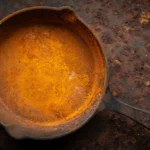
The organic buildup in an oven is essentially burnt fats and sugars. Baking soda, with a pH around 8, is alkaline enough to soften that carbon without damaging the enamel coating. The trick is giving it enough time to work.
In our research, letting a baking soda paste sit for at least 8 hours on moderate grime lifted the majority of residue without scrubbing. For heavy, years-old buildup, you may need two applications, but that still beats breathing in something that requires a "danger" warning label.
Quick Answer
Mix 1 cup baking soda with ⅓ cup water. Spread the paste over cool oven surfaces. Let it sit 8 to 12 hours.
Spray with white vinegar. Wipe away the gunk with a damp cloth. Rinse with water and dry.
How to Choose Your Method: A Simple Decision Flow
Not every oven needs the same approach. Your choice depends on three things: oven type, grime level, and your available time.
If your oven has a steam-clean function (common on newer Samsung and LG models), use that first. It uses only water and heat to loosen light spills. But for baked-on carbon, steam alone won't cut it, you'll still need a paste.
If your oven has a self-cleaning (pyrolytic) cycle, be cautious. The high heat (800°F+) can produce smoke and odor that bothers sensitive households. Many manufacturers now advise against using it frequently.
For routine upkeep, the baking soda method is safer.
If you have heavy black carbon that's been there for months, skip the steam and go straight to a baking soda paste soak. If the grime is light (recent spills), a quick spray of vinegar followed by a wipe may be enough.
Here's a quick decision table:
| Your Situation | Recommended Method |
|---|---|
| Light spills, weekly wipe | White vinegar spray + microfiber cloth |
| Moderate grease, monthly clean | Baking soda paste, 8-hour soak, vinegar spray |
| Heavy carbon, oven never cleaned | Baking soda paste, 24-hour soak, two passes |
| Steaming function available | Use steam first, then paste for remaining spots |
| Self-cleaning cycle but no smoke issues | Use bake cycle rarely; use paste for most cleans |
Step-by-Step: Baking Soda Paste – The Most Versatile Method
This method works on nearly every oven surface: porcelain enamel, stainless steel, and glass doors. Here's exactly how to do it without damaging anything.
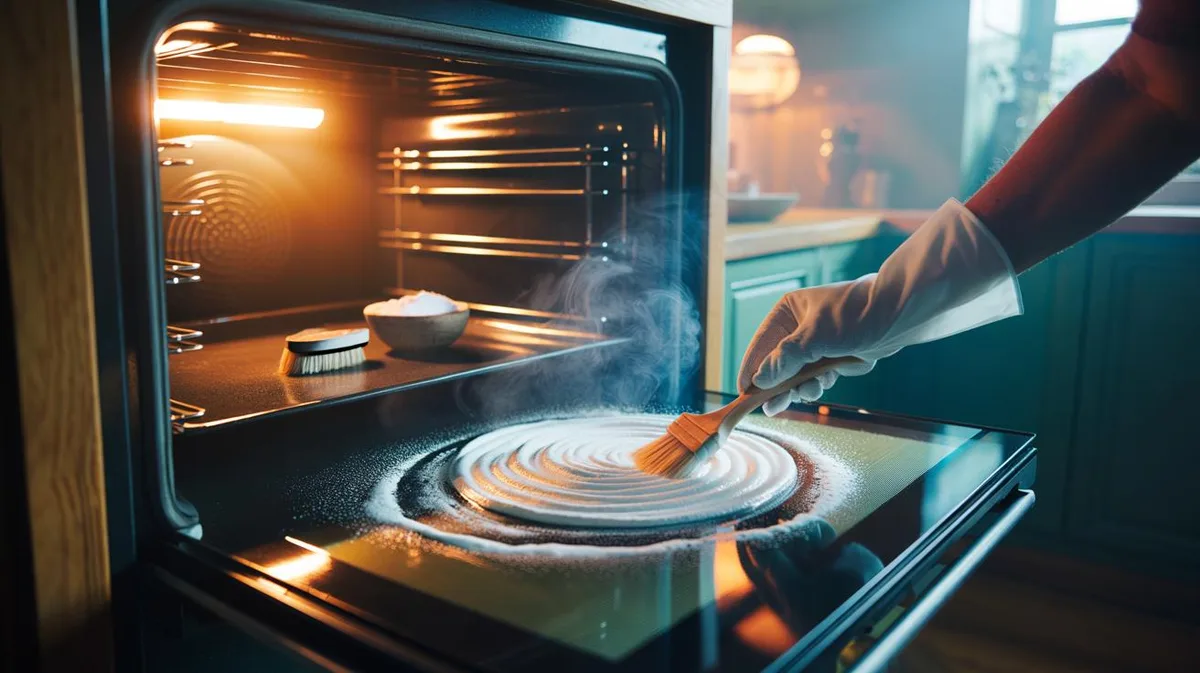
Step 1: Remove the racks and drip pans. Soak them separately in hot water with a squirt of dish soap. If they're greasy, add ¼ cup baking soda to the soak.
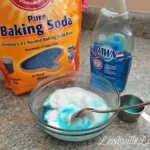
Step 2: Make the paste. In a small bowl, combine 1 cup baking soda with ⅓ cup water. Stir until it forms a thick, spreadable paste. It should not be runny.
Step 3: Apply the paste. Use a damp cloth or gloved hand to spread a generous layer over all soiled oven surfaces. Avoid the heating elements (coils or gas burner tubes) and the temperature sensor. Do not cover the door gasket.
Step 4: Let it sit. Close the oven door and wait 8 to 12 hours. For extremely heavy buildup, leave it overnight (up to 24 hours). The paste will dry slightly, which is fine.
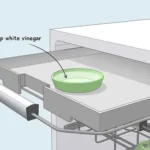
Step 5: Spray with vinegar. Fill a spray bottle with white vinegar (5% acidity). Mist the dried paste until it fizzes. The reaction helps lift the baked-on grime.
Step 6: Wipe away the mess. Use a damp microfiber cloth to wipe the loosened residue. Rinse the cloth frequently. For stubborn spots, use a plastic scraper or a non-abrasive sponge.
Step 7: Rinse with clean water. Wipe down all surfaces with a damp cloth several times to remove any baking soda residue. Dry with a clean cloth.
Step 8: Replace racks and drip pans. Scrub them clean if needed, then slide them back in. Leave the oven door open for 30 minutes to air out.
Common Mistakes That Ruin Ovens (and How to Avoid Them)
Using steel wool or abrasive pads. The scratches they leave in enamel create rough spots where grease sticks harder next time. Stick with microfiber cloths, soft sponges, or a plastic scraper.
Applying vinegar to hot glass. Vinegar can etch tempered oven glass if the glass is hot from a previous cleaning cycle. Always let the oven cool completely before using any liquid.
Getting paste into the heating element openings. Baking soda can damage electric coils or gas burner ports. Apply paste carefully, leaving a 1-inch border around all elements.
Not rinsing thoroughly. Leftover baking soda residue can affect the taste of food (it's bitter). Rinse at least three times with clean water, then do a final wipe with a damp cloth.
Using self-cleaning cycle too often. The extreme heat can damage oven door seals and electronic controls over time. The U.S. Consumer Product Safety Commission has received reports of door lock failures.
Reserve pyrolytic cleaning for once a year at most.
Skipping the soak time. The paste works through slow chemical softening. If you scrub after only 30 minutes, you'll just spread the grease around. Patience is the active ingredient here.

Similar Posts