How to Clean a Burnt Stainless Steel Griddle Fast
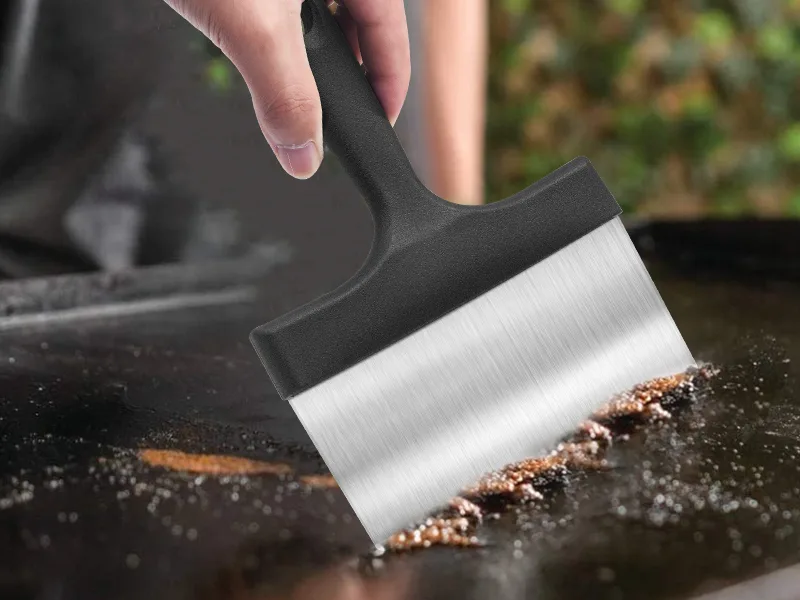
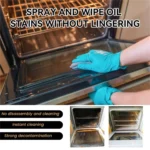
You don't have to live with a black, crusted cooking surface. Knowing how to clean burnt stainless steel griddle properly keeps your cooktop in service for years instead of forcing an early replacement. The trick is that burnt food and oil form a tough bond that ordinary dish soap can't break.
Manufacturer specifications for 304-grade stainless steel show that polymerized oil starts forming once the surface passes roughly 400°F. That layer is stubborn, but it's not invincible. The right sequence uses heat, chemistry, and mechanical action in the correct order.
Here's the safe route to a shiny, non-stick surface again.
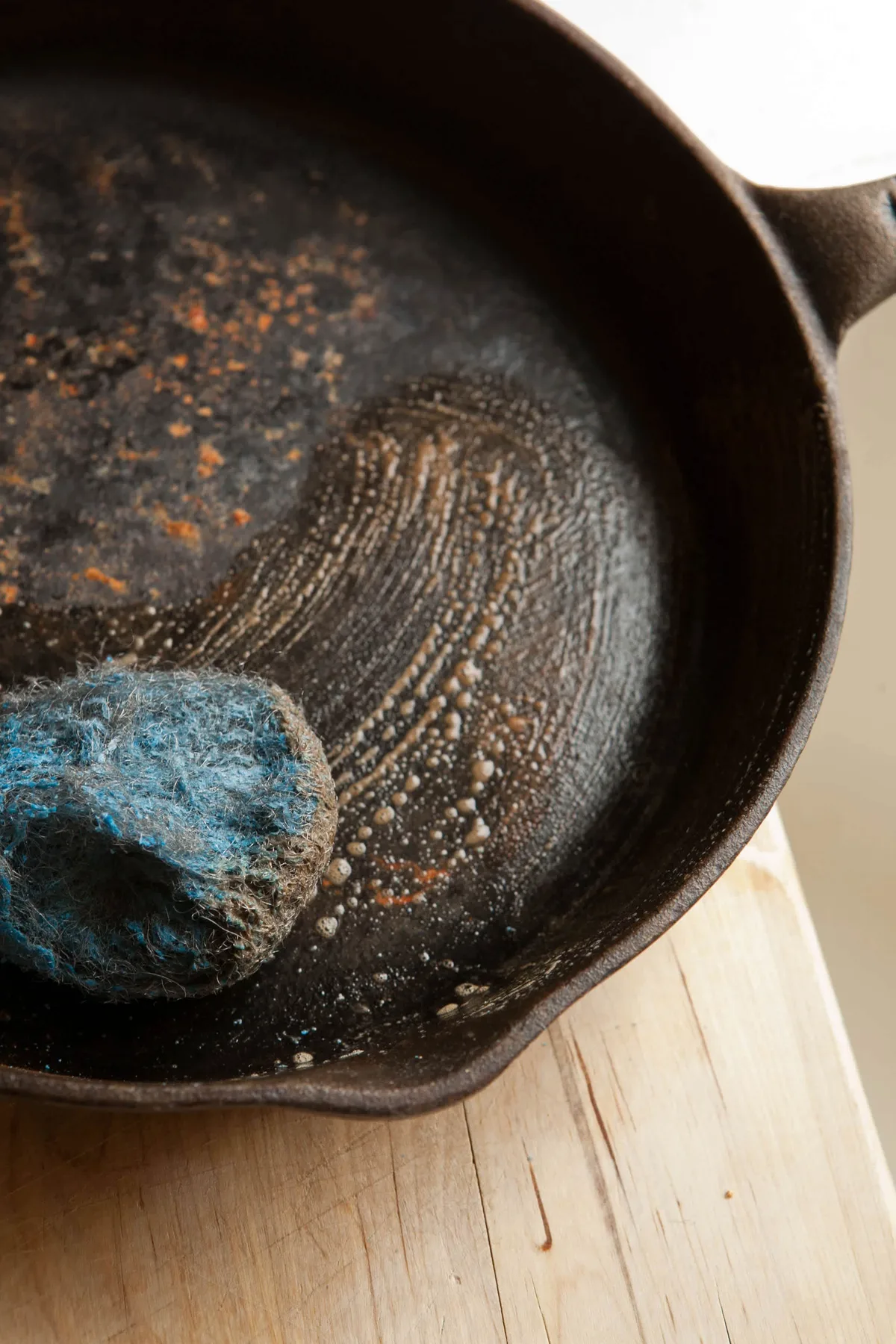
Image source: Bing (Web (fair-use with source credit))
Why Cleaning a Burnt Griddle Right Actually Matters
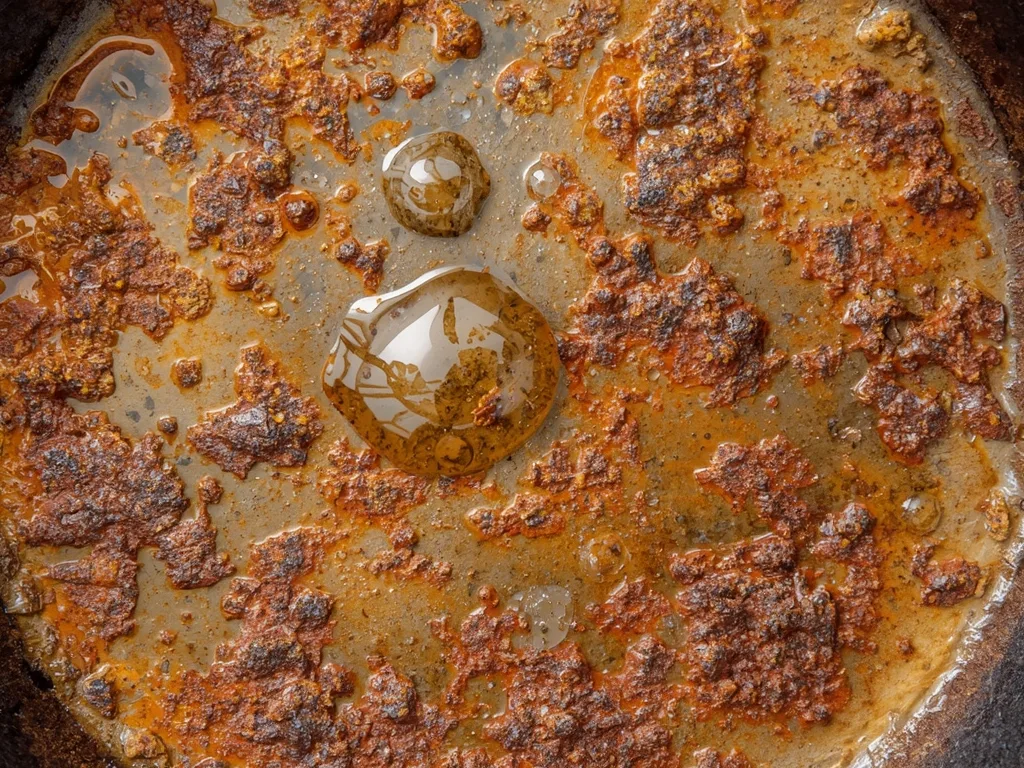
A burnt griddle isn't just an eyesore. That black layer is polymerized oil and carbonized food, and it affects how your next meal cooks. Burnt spots create a sticky, uneven surface.
They also reheat and release acrid smoke that can ruin the taste of whatever you're making.
There's a safety angle too. The USDA's food safety guidance says to remove all food residue from cooking surfaces between uses. Carbonized meat drippings can harbor bacteria and, when reheated, release compounds that aren't great to breathe in.
Most home cooks won't get sick, but it's a needless risk.
Then there's cost. As of 2026, a replacement top for a popular flat-top gas grill runs anywhere from $50 to $200. A full griddle unit costs far more.
The wrong cleaning method, like heavy steel wool or a wire brush, can scratch the surface and shorten its life.
Get the deep clean right and you'll bring back:
- A genuinely non-stick surface for eggs and pancakes
- Even heat distribution across the full cooking area
- A clean, neutral taste to your food
- Years of extra service from a tool you already own
Cleaning done right takes about an hour. Cleaning done wrong can damage a griddle permanently. Before you grab a scraper, it helps to understand what you're actually up against.
What You're Scraping Off: Grease, Polymerized Oil, and Steel Grain
Most people think a burnt griddle is just charred food. In reality, there are two separate layers at play.
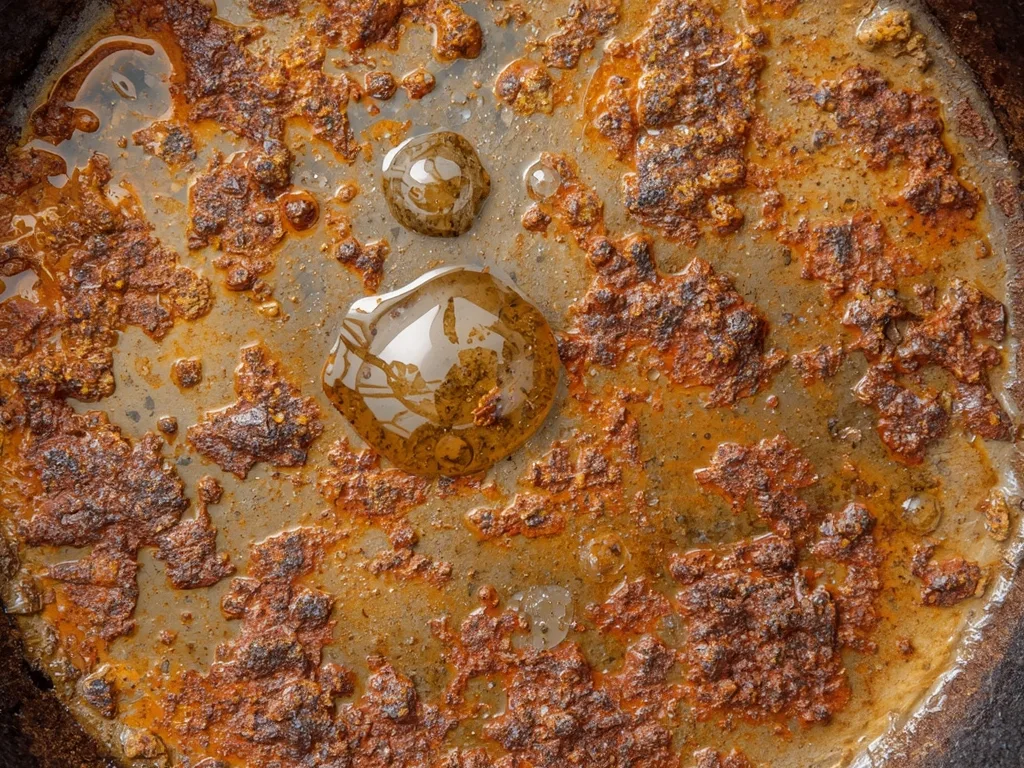
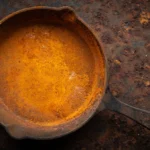
The first is loose carbon: bits of burger, bacon, or marinade cooked to a crisp. The second is polymerized oil. When cooking oil hits around 400°F, its molecules link together into a plastic-like film.
That film is the same process that seasons cast iron, except here it's uneven and burnt.
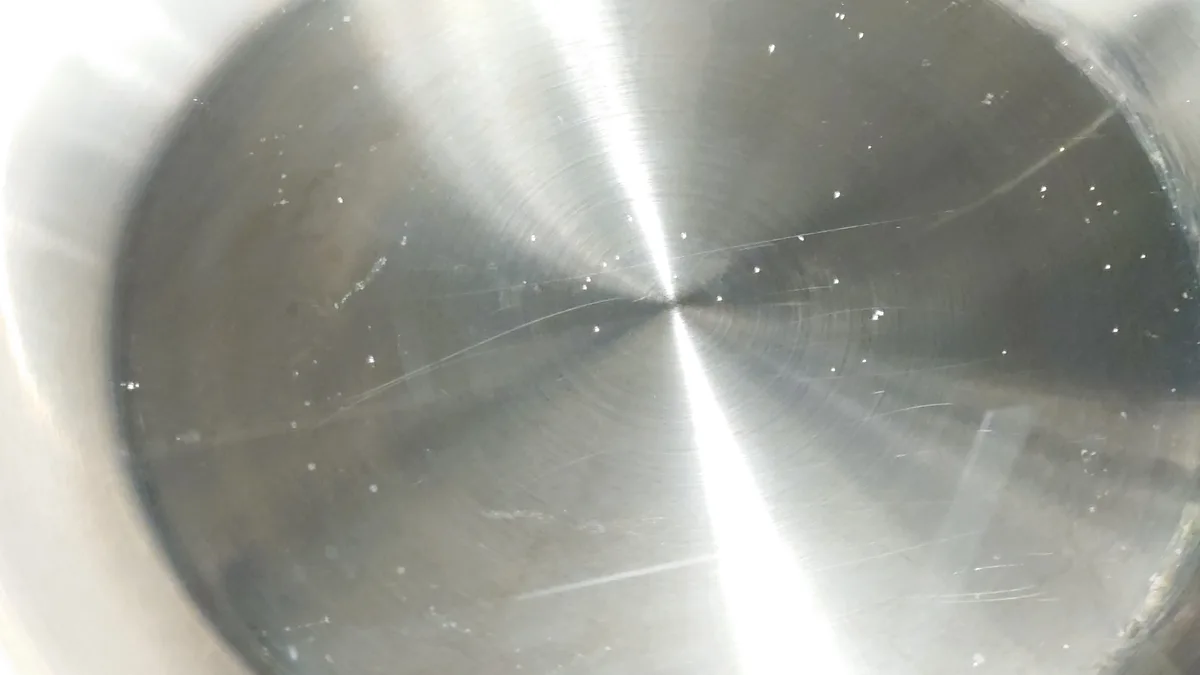
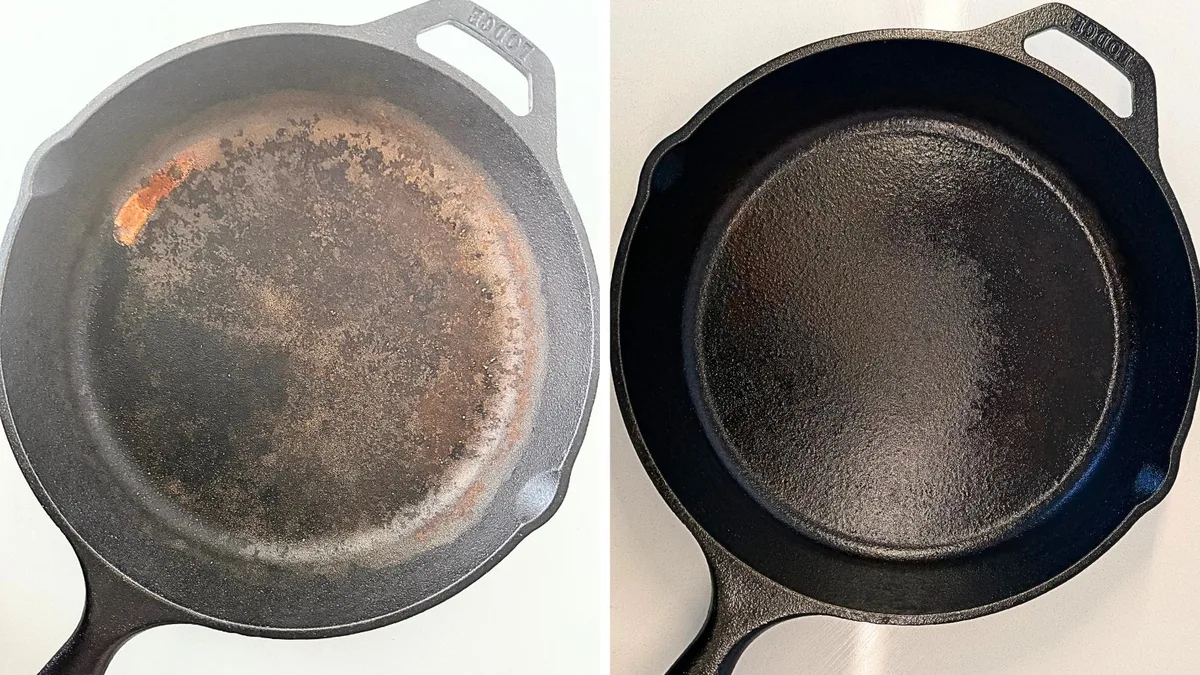
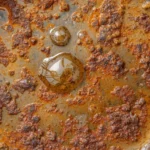
Image source: Bing (Web (fair-use with source credit))
You'll spot it as a brown or black glossy patch. It resists soap, water, and regular scrubbing because it's no longer oil. Heat has turned it into an entirely different material.
Stainless steel matters here too. Most griddles use 304 chromium-nickel alloy with a brushed finish. That finish has microscopic grain lines running in one direction.
Scrub against the grain with anything abrasive and you'll leave visible scratches. Those scratches become future hiding spots for carbon.
That's why a griddle scraper or non-scratch pad beats steel wool. The right tool removes the polymerized layer without tearing the steel's surface. This isn't about brute force.
It's about matching your method to the crust.
Watch for these signs of polymerized buildup:
- Dark brown or black glossy patches
- A sticky layer that won't wash off
- A cloudy haze across an otherwise clean surface
Recognize that layer and you're halfway to removing it.
The Safe Deep-Clean Sequence for a Burnt Stainless Steel Griddle
There's no single magic trick, but there is a reliable order of operations that works across every burn level.
Assess the Damage: Light, Moderate, or Severe Burn
Start by identifying the layer you're dealing with. Light burn shows as pale brown or golden splotches, usually after a high-heat sear. Moderate burn has dark brown spots that won't wipe off.
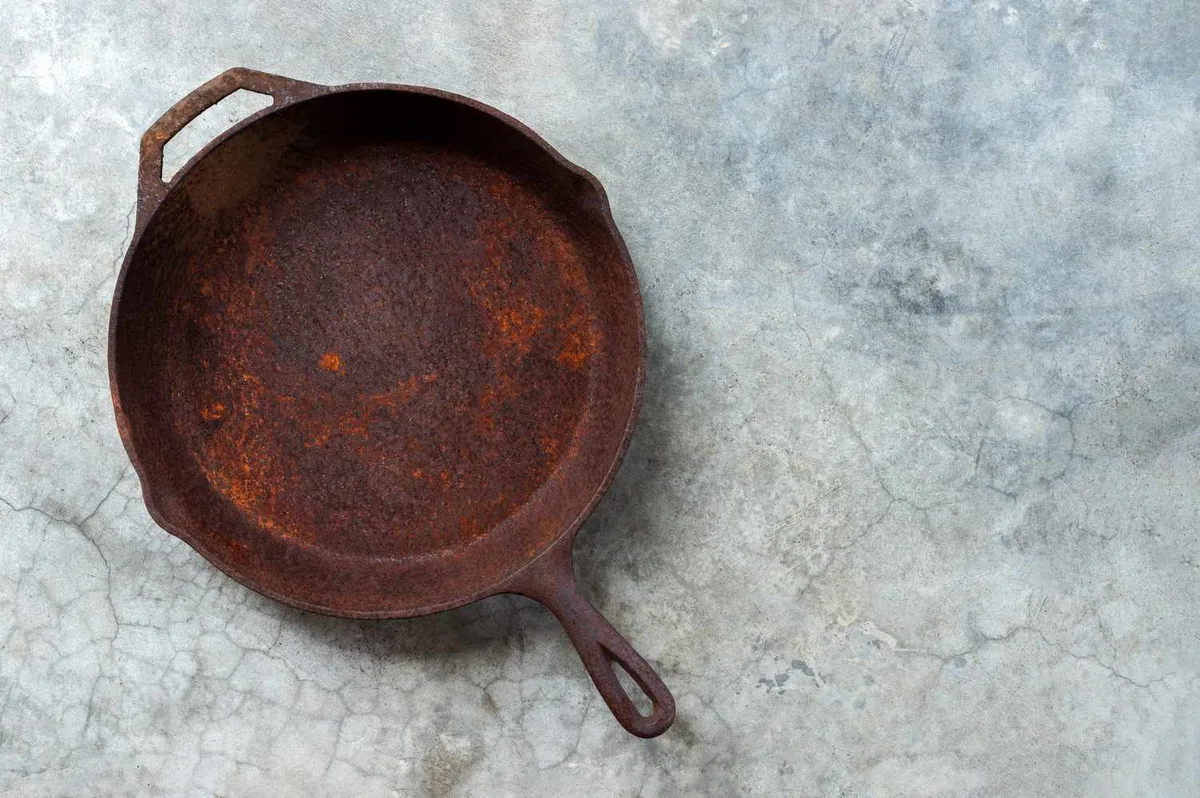
Severe burn looks like a thick black crust you can catch with a fingernail.
| Burn level | Visual clue | First step |
|---|---|---|
| Light | Pale brown stains | Deglaze with water, wipe clean |
| Moderate | Dark patchy residue | Deglaze, then soft scrub pad |
| Severe | Thick black crust | Heat burn-off, scrape, then degreaser |
Deglaze First: Water and Steam vs. Ice
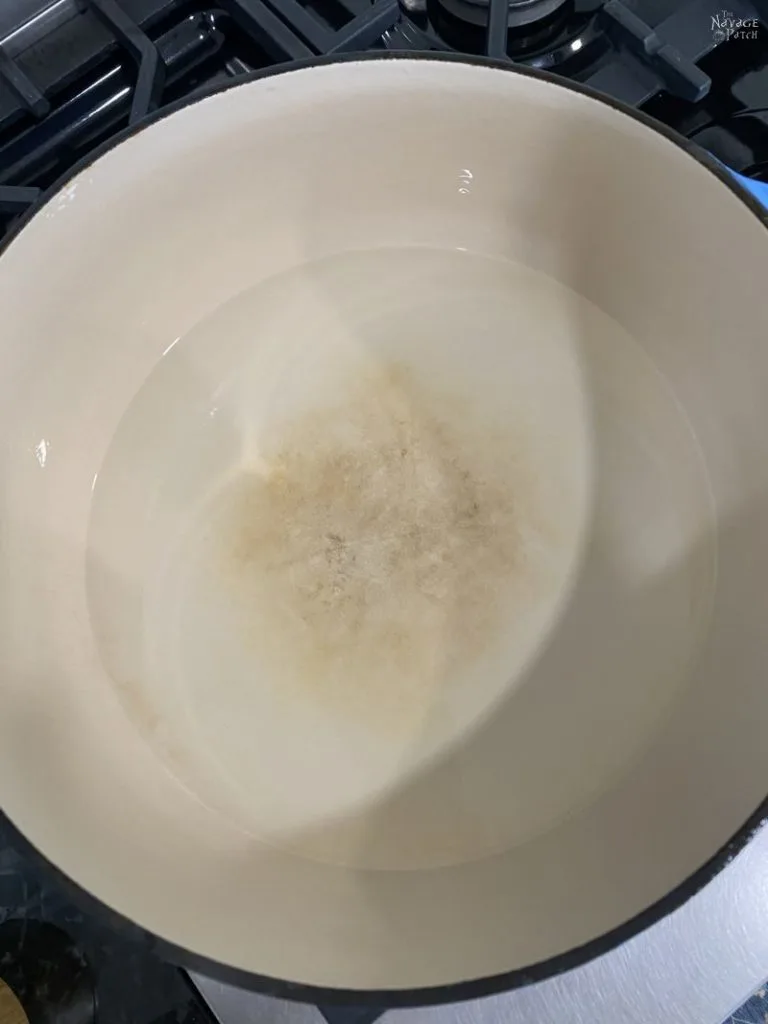
Deglazing is the single best trick for a burnt stainless steel griddle. Heat the surface to medium and pour about a cup of water across the hot plate. It flashes to steam instantly and lifts the crust.
You can also drag a block of ice across the surface for the same effect.
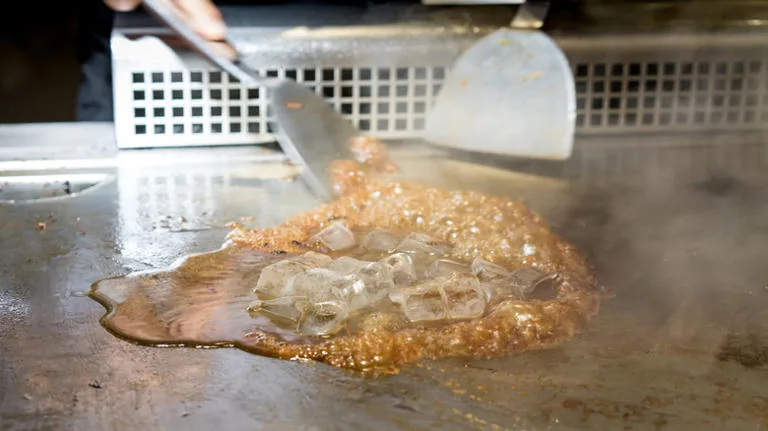
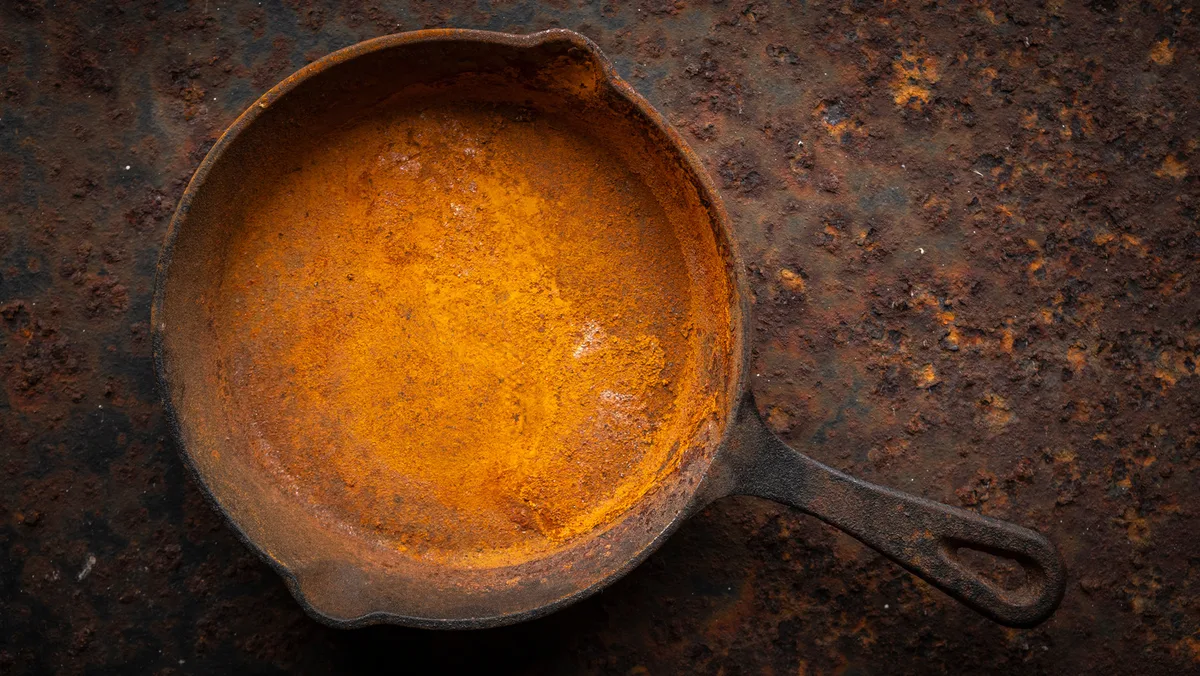
Image source: Bing (Web (fair-use with source credit))
Let the steam work for about 30 seconds, then scrape the softened residue toward the grease trough. Never dump ice water on a red-hot griddle. Thermal shock like that can warp the steel.
Matching the Right Tool and Cleaner to the Burn Level
For light and moderate burns, a griddle scraper or a non-scratch scrubbing pad is enough. For severe burns, add a dedicated stainless steel cleaner or degreaser. Apply it, let it sit for 10 to 15 minutes, then scrub gently with a nylon brush.
Check the label to confirm the cleaner is safe for food-contact surfaces.
Scrub With the Grain: Technique, Pressure, and Rinsing
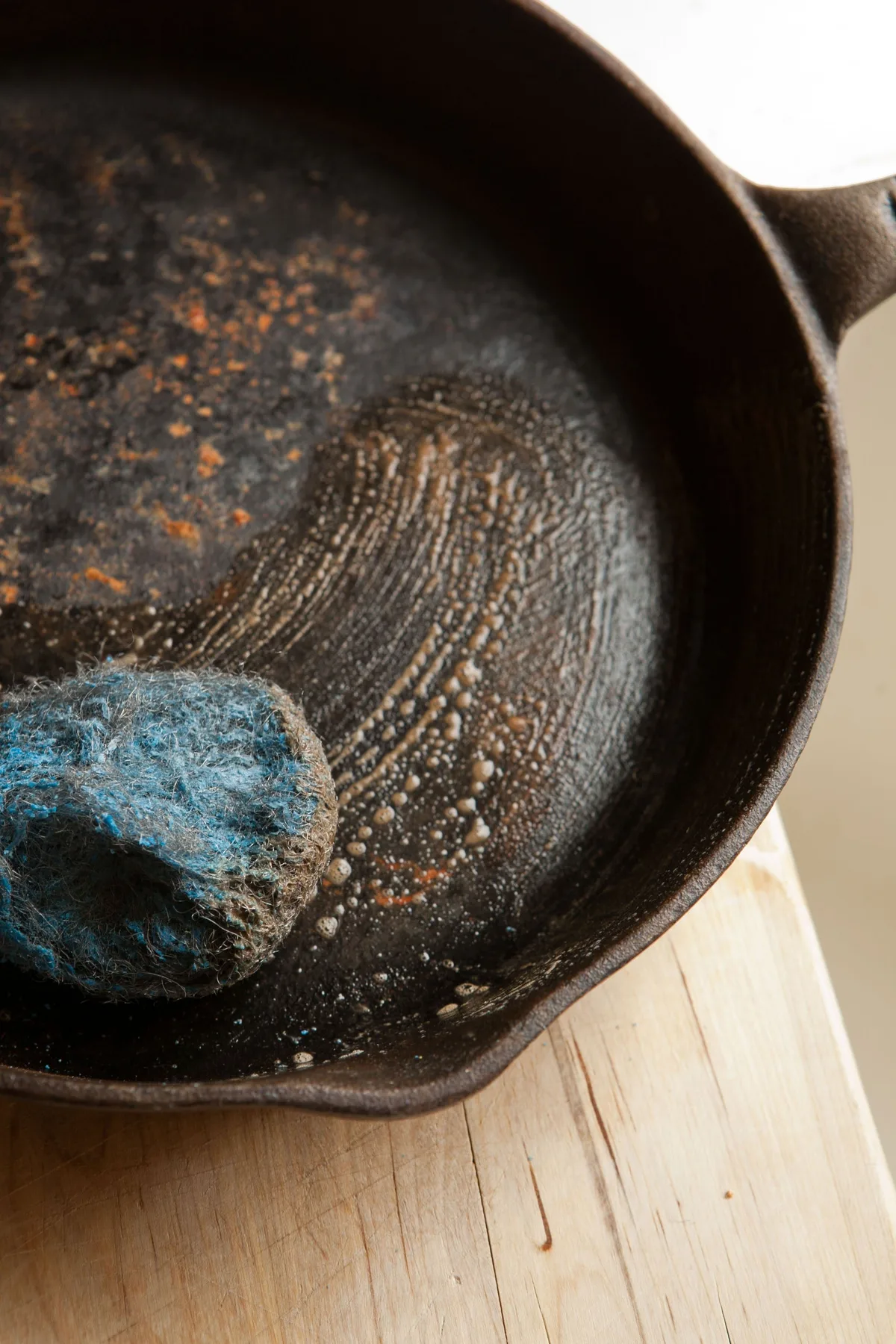
Whatever tool you're using, move in the same direction as the existing brush marks. That's usually left to right. Let the steam, heat, and cleaner do the work.
Keep pressure light, then rinse the whole surface with plain water and dry it completely.
Mistakes That Permanently Damage Your Griddle
Most griddle damage happens in the five minutes after someone decides to just scrub harder. Here are the mistakes we see most often, and what to do instead.
- Steel wool on stainless steel. Steel wool leaves tiny embedded particles that rust and speckle the surface. Use a stainless steel pad or nylon brush.
- Cold water on a hot griddle. Thermal shock can warp a flat-top, and warping can't be fixed. Let it cool a bit before deglazing.
- Bleach or ammonia-based cleaners. These react badly with food residue and some degreasers, creating fumes you don't want to inhale. Stick to products labeled safe for food surfaces.
- Skipping deglazing. Scraping a cold, dry griddle just moves the carbon around. Always add steam or liquid first.
- Re-seasoning a dirty surface. Wiping oil over a burnt layer bakes old residue into a new hardened coating. Clean first, season second.
- Using too much pressure. Pressing hard with an abrasive pad gouges the steel. Let chemistry soften the buildup, then scrub gently.
If you're already seeing scratches, stop and reassess. Deep scratches can sometimes be polished out with a fine abrasive pad. A warped top is a different story entirely and usually needs replacement.
If the steel is pitted or flaking, replace it rather than risk rough metal touching your food.
None of these mistakes are fatal if caught early. The key is noticing them before the next layer of carbon goes on top.
Aftercare: Drying, Oiling, and Rebuilding the Non-Stick Surface
Once the griddle is clean and rinsed, the job isn't done yet. Bare stainless steel can flash-rust within hours in humid air. Full drying is the first step.
Set the griddle on low heat for a few minutes to drive off trapped water. Then wipe the entire surface with a thin layer of oil. Use a neutral, high-smoke-point oil like canola, grapeseed, or avocado.
| Oil | Smoke point | Best for |
|---|---|---|
| Canola | 400°F | All-around daily seasoning |
| Grapeseed | 420°F | Building a tougher layer |
| Avocado | 500°F | Heavy searing sessions |
Spread about a teaspoon of oil with a paper towel, then heat the griddle until the oil just starts to smoke. Wipe it off with a clean towel. That thin film bonds to the steel and becomes the first layer of new seasoning.
For the next few cooks, use a little extra oil and keep the heat moderate. Within four or five uses, the surface will darken slightly and release food more easily.
To keep it that way, scrape off loose food while the griddle is still warm after each cook. Wipe it down, then apply a tiny fresh coat of oil. That 60-second routine stops burnt buildup from ever returning.
When to Stop Scrubbing: Signs You Need a New Griddle or Professional Help
Not every burnt griddle can be saved. There comes a point where cleaning makes the damage worse, and you're better off replacing the cooking surface.
First, check for warping. Put a straight edge across the cooking area. If you can slide a business card under the center, heat has bent the steel.
A warped griddle causes oil pooling and uneven cooking, and scraping won't fix it.
Second, inspect for deep pitting. Small pits that catch a fingernail mean the stainless steel surface is compromised. Those pits hide food and rust.
They're impossible to clean fully.
Also look for cracks, holes, or flaking metal. These are structural failures, not cosmetic issues. Cooking on them risks metal fragments in your food.
For severe scratches, professional resurfacing exists. Commercial kitchens use specialty abrasive pads to restore brushed finishes. However, the cost often exceeds a new griddle top for home units.
Trust the symptoms:
- Surface ripples or dents visible
- Standing water pools after wiping
- Pitting that won't scrub out
- Visible discoloration after repeated cleaning
If the base structure is still flat and smooth, keep cleaning. If it's warped or pitted, stop. Replacement is the safer and cheaper route long-term.
Frequently Asked Questions
Can I use oven cleaner on my stainless steel griddle?
Most oven cleaners contain lye and can stain or etch stainless steel. Check the label for "safe on stainless steel" before use. If the cleaner is for standard ovens, avoid it.
Stick to degreasers labeled for food-contact surfaces instead.
How do I remove the brown haze after cleaning?
That brown film is polymerized oil that didn't fully release. Heat the griddle, deglaze with water, and scrub with a stainless steel pad. Repeat as needed.
A dedicated stainless cleaner also helps lift the haze.
How long should I dry the griddle before oiling?
Dry it completely with a paper towel, then set the heat to low for about five minutes. You want zero visible moisture. Apply a thin coat of oil afterward to prevent flash rust.
Why does my griddle keep turning brown?
Oil is polymerizing unevenly, usually at temperatures above 400°F. This is normal on steel, but a too-thick oil layer makes it worse. Wipe off excess oil after seasoning.
Let the griddle cool before storage.
Is it safe to scrape while the griddle is hot?
Yes, using a metal scraper on a slightly hot surface is the standard method. Let the griddle sit for a few minutes after the burner is off. A red-hot griddle can cause serious burns.
Keep the scraper handle angled away from your hand.

Similar Posts