Don’t Throw Kitchen Knives in the Trash: Do This Instead
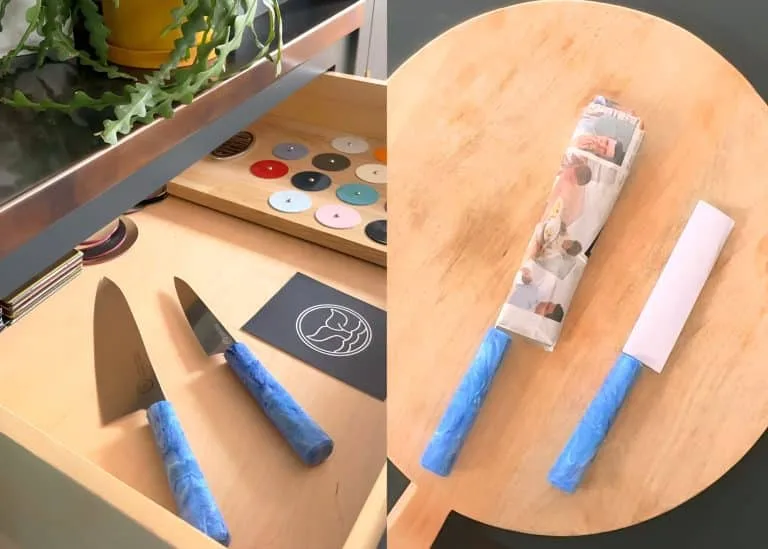
So you're wondering how to get rid of kitchen knives without hurting yourself or breaking any rules. Good question. A dull blade you've been meaning to replace has been sitting in your drawer for months.
You want it gone, but you know you can't just toss it in the bin like a broken spatula.
According to the National Recycling Coalition, metal objects like stainless steel knife blades are fully recyclable, but only if they're separated from the trash. Many local waste authorities classify knives as "sharp waste" with specific disposal rules. That's where most people get stuck.
Let's walk through exactly what to do.
Image source: Bing (Web (fair-use with source credit))
Quick Answer
Wrap blades securely in tape or cardboard. Never toss loose knives in the bin. Donate if the blade is still sharp and in good condition.
Recycle the metal if your local scrap yard accepts knives. Trash them only after securing the blade and checking your city's sharp waste rules. As of 2026, many municipalities require knives to be in a sealed, labeled container.
The Right Way to Get Rid of Kitchen Knives (And Why It's Tricky)
The tricky part isn't the knife itself. It's the safety and legal layers around it. A sharp blade can cut through a plastic trash bag and injure a sanitation worker.
A ceramic blade can't be recycled with metal. And a fancy German chef's knife that's still in good shape? Throwing it away is wasteful, but donating it isn't always straightforward either.
Here's the core problem: most people default to "throw it in the trash," but that's rarely the best option. If the knife is still functional, you're sending usable steel to a landfill. If it's ceramic, it shatters in the landfill and never breaks down.
If it's rusty, it might not be safe to donate. The right path depends on three things: the knife's condition, its material, and your local regulations.
| Knife Type | Condition | Best Option |
|---|---|---|
| Stainless steel – sharp | Good | Donate or sell |
| Stainless steel – dull or chipped | Fair | Recycle scrap metal |
| Ceramic – any condition | Usually trash (wrap carefully) | |
| Carbon steel – rusty | Poor | Scrap recycling if possible |
Your Disposal Options at a Glance
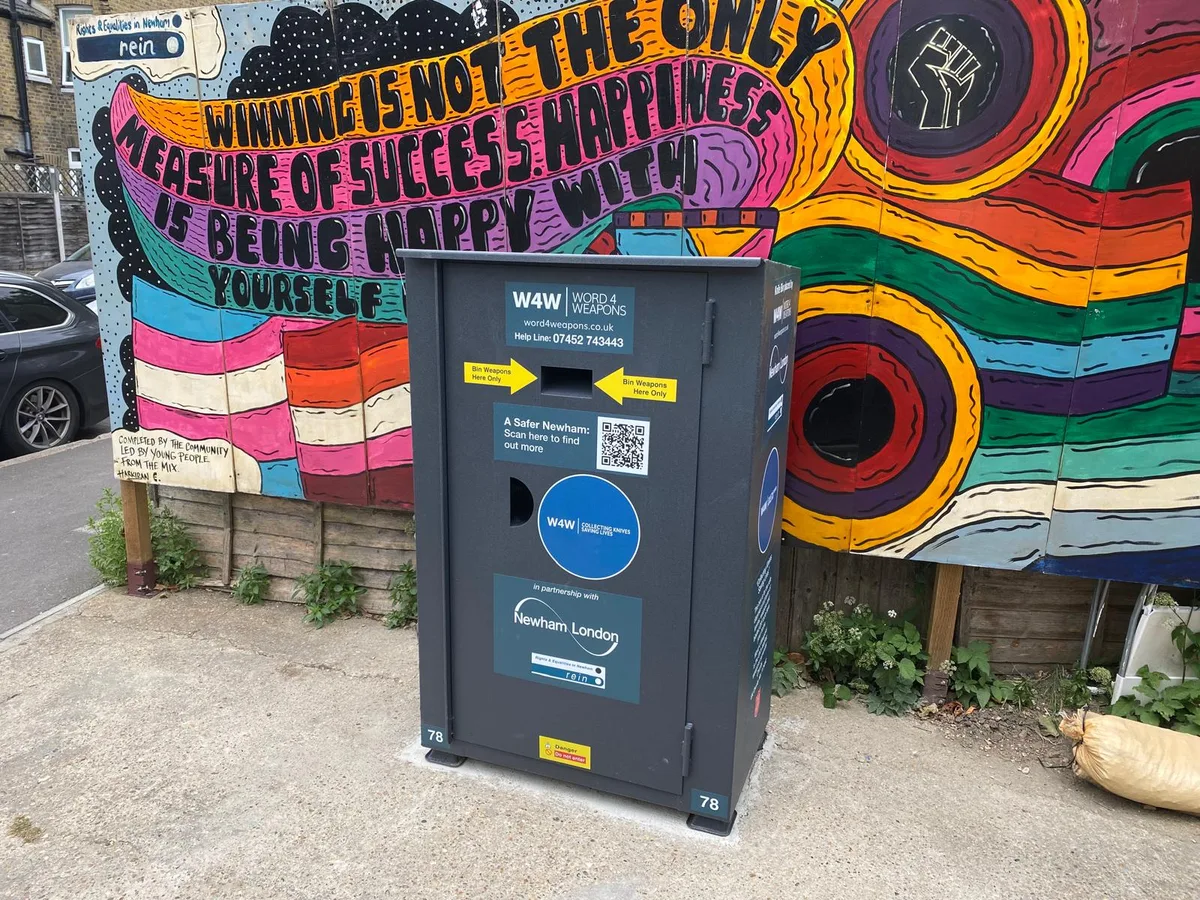
Image source: Bing (Web (fair-use with source credit))
You really only have three main paths. Let's look at each one.
Donate. This works if the knife is still sharp, rust‑free, and fully functional. Many thrift stores will accept knives, but call ahead, some refuse them outright. Culinary schools, community kitchens, and church food programs often welcome used knives.
Clean the blade, tape the edge, and label the bag "knives."
Recycle. Metal blades are valuable scrap. Stainless steel and carbon steel knives can go to a scrap metal yard. Remove handles if they're wood or plastic.
Call your local yard first. Some accept knives for free, others pay a few cents per pound. Ceramic blades cannot be recycled with metal.
Trash. This is your last resort. When you must throw a knife away, secure it inside a thick cardboard box or a plastic container labeled "sharp." Tape the blade's edge with several layers of duct tape. Check your city's waste management website, many municipalities have specific rules for sharp waste, including fines for improper disposal.
Before You Toss: Three Decisions That Change Everything
You have to answer three questions before you choose a path.
1. Is the knife still usable? A chef's knife with a chipped edge or a loose handle is dangerous. Don't donate a knife that could hurt someone.
If the blade is still sharp and the handle is solid, it's a candidate for donation. If it's worn out, recycling or trash is safer.
2. What material is the blade? Stainless steel and carbon steel are recyclable. Ceramic is not, it's essentially fired clay.
It can't go in the scrap metal bin. Ceramic blades must be wrapped securely and thrown in the trash. Some municipal waste programs accept them in mixed recycling as "glass," but that's rare.
Check locally.
3. What does your local waste authority say? This is the biggest variable. Some cities have dedicated "sharps" collection events.
Others require knives to be placed in rigid, leak‑proof containers. A few have outright bans on sharp objects in curbside recycling. The US EPA provides general household hazardous waste guidance, but the specifics are set by your city or county.
A quick search for "[your city] knife disposal" usually gives the answer in 30 seconds.
Your Decision Tree: Donate, Recycle, or Trash?
Image source: Bing (Web (fair-use with source credit))
Let's walk through the branches. Start with condition.
If the knife is sharp, rust‑free, and the handle is intact: Go with donate. You can drop it at a thrift store, list it on a local marketplace for free, or give it to a culinary program. If you want to avoid the hassle, check if a local knife sharpener accepts trade‑ins.
Some offer discounts on new knives when you bring in old ones.
If the knife is dull, chipped, or has a broken tip but is still stainless steel: Recycle. Scrap metal yards take steel blades by weight. You'll need to separate the handle if it's plastic or wood.
Some yards accept knives as‑is. Call ahead to confirm.
If the knife is ceramic and chipped or cracked: Trash only. Wrap the blade in several layers of newspaper, tape it tight, and put it in a small cardboard box. Mark "CAUTION: SHARP CERAMIC" on the outside.
Never toss a ceramic knife loose, the fragments can injure waste workers.
If you're unsure or just want the safest bet: Trash is the fallback, but do it properly. The cost of a mistake here is real. A knife that slices through a trash bag can cause a serious cut.
One more thing: if the knife has sentimental value (Grandma's old butcher knife that's now rusty), consider repurposing. You can have it professionally restored or turned into a spatula. That's a whole different conversation, but it's worth mentioning.
Common Disposal Mistakes (And How to Avoid Them)
Even well‑intentioned people mess this up. Here are the four most frequent errors.
Mistake 1: Tossing a knife loose in the trash. This is dangerous and sometimes illegal. Always secure the blade first. Use tape, a cardboard sheath, or a small plastic container.
Label it.
Mistake 2: Putting knives in the recycling bin. Curbside recycling facilities are not designed for metal blades. Knives get caught in sorting machinery, cause damage, and endanger workers. Scrap metal recycling is different, you take it to a dedicated yard.
Mistake 3: Donating a rusty or damaged knife. A charity doesn't want a knife that might break in use. It's a liability risk for them. If you wouldn't use it yourself, don't donate it.
Mistake 4: Assuming all metal is recyclable. Many scrap yards won't take knives with plastic handles still attached. And some won't accept knives at all due to safety concerns. Always call first.
Pro tip: If you're in a large metro area, search for "household hazardous waste collection event [your city]", many cities hold quarterly events where you can drop off nails, knives, and other sharp objects safely at no charge. It's often the easiest path.
Real‑World Examples: When Good Knives Go Bad
Let's look at three common scenarios you might recognize.
Scenario 1: The dull chef's knife. Sarah has a 10‑inch Wusthof chef's knife that's lost its edge. It's fully functional after a sharpening, but she wants to upgrade. She calls a local culinary school and learns they accept used knives for their knife‑skills class.
She wraps the blade in cardboard, drops it off, and gets a donation receipt. Outcome: reused, not wasted.
Scenario 2: The chipped ceramic blade. Mike's ceramic paring knife has a small chip near the tip. He can't sharpen it. He knows ceramic can't be recycled.
He wraps it in three layers of newspaper, tapes the bundle shut, seals it in a small takeout container labeled "SHARP CERAMIC," and puts it in the household trash. Outcome: safely landfilled.
Scenario 3: The rusty carbon steel cleaver. A home cook finds an old cleaver in her grandmother's kitchen. The blade is pitted with rust but the steel is thick. A local scrap metal yard confirms they accept knives as long as the handle is removed.
She pops off the wooden handle, drops the bare blade in the scrap bin, and receives a few cents per pound. Outcome: metal recycled, handle goes to compost.
These stories illustrate the decision tree in action. The condition, the material, and the local options determine the right path every time.
Frequently Asked Questions
Can I put kitchen knives in the recycling bin?
No. Curbside recycling facilities cannot safely process loose blades. Knives damage sorting machinery and endanger workers.
Take metal blades to a dedicated scrap metal yard instead.
What's the safest way to wrap a knife for disposal?
Tape the sharp edge with several layers of duct tape. Then slide the blade into a cardboard sleeve or a piece of thick corrugated cardboard. Place it in a rigid plastic container labeled "SHARP" on all sides.
Never use only a plastic grocery bag.
Do thrift stores accept used kitchen knives?
Some do, but policies vary widely. Call ahead to confirm. Goodwill and Salvation Army locations often accept them if the blade is clean and the knife is in working condition.
Smaller thrift stores may refuse due to liability.
Can I mail a knife to a recycling program?
A few manufacturers offer mail‑in recycling for their own knives. Check the brand's website. If you mail a knife, you must follow USPS and UPS regulations for sharp objects.
The blade must be securely sheathed and the package clearly marked. Expect to pay shipping.
What should I do with a knife that's still sharp but I just don't want?
Donate it to a culinary school, a community kitchen, or a food bank that runs cooking classes. You can also list it for free on a local buy‑nothing group. Many people appreciate a free, usable knife.
Are there penalties for throwing away knives improperly?
In some municipalities, yes. Cities with strict sharp‑waste ordinances can issue fines for loose blades in the trash. Check your local waste management website to avoid a surprise penalty.

Similar Posts