The Salt and Cooking Oil Scrub for Mild Cast Iron Surface Rust
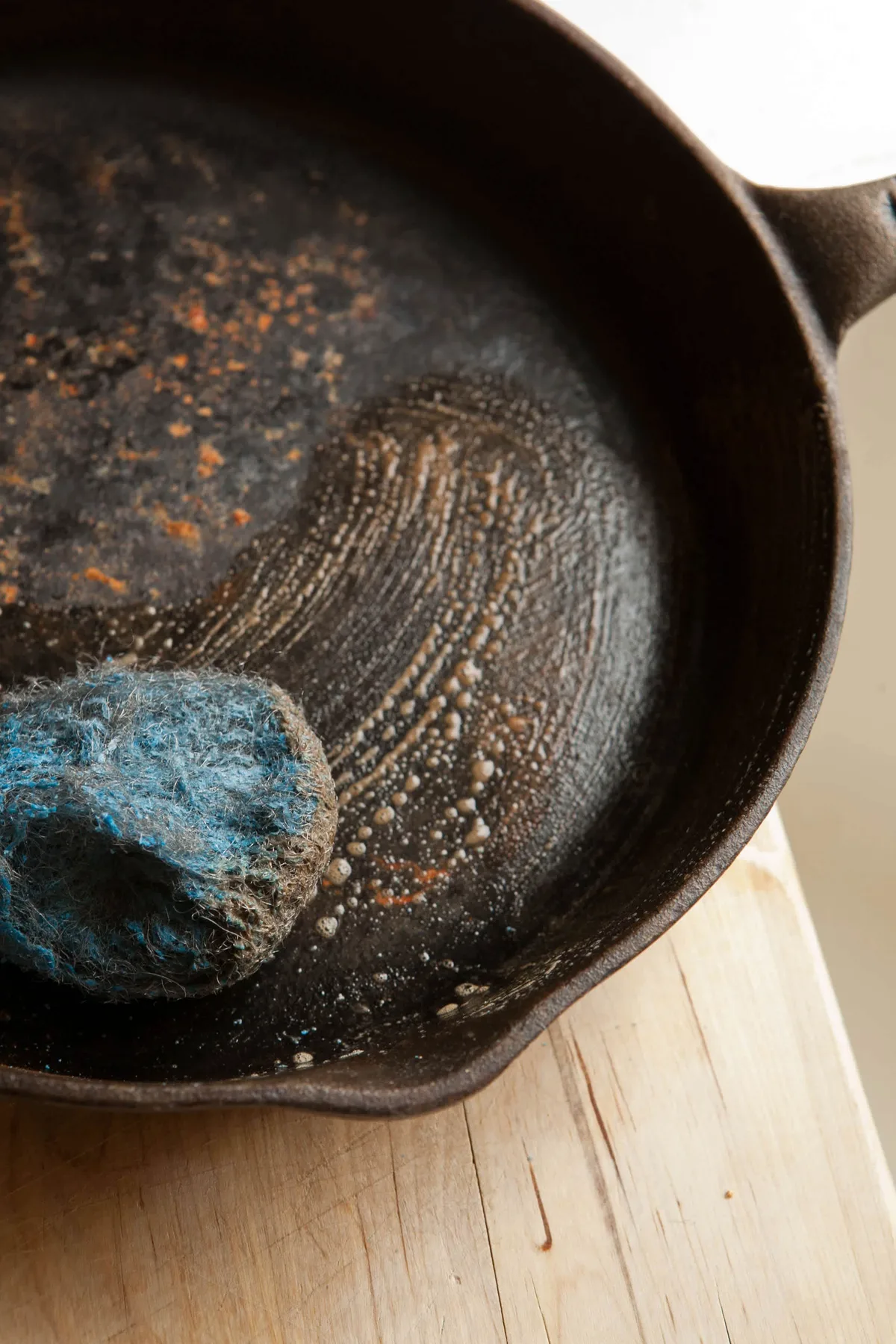
If you're here wondering how to de rust cast iron, you've probably pulled a pan out of storage or scored one at a flea market that looks worse than it really is. The good news is most rust is cosmetic. The bad news is the wrong method can ruin a collectible piece.
In our research, a standard vinegar and water soak at a 1:1 ratio handles about 90% of household rust cases. But soaking more than two hours can etch the surface. Per USDA guidelines on food contact surfaces, a properly seasoned cast iron pan is considered safe for cooking.
Let's start with the quick fix, then match your exact situation.
Quick Answer
Soak the pan in equal parts white vinegar and water for up to one hour. Scrub with steel wool. Rinse and dry immediately.
Apply a thin oil layer. Bake at 450 degrees Fahrenheit for one hour per coat. Repeat for three to five coats for a durable finish.
Image source: Bing (Web (fair-use with source credit))
What You're Dealing With: Surface Rust or Deep Pitting?
The first decision point is rust severity. Surface rust looks like a fine orange dust. It sits on top of the seasoning or bare iron.
Deep pitting shows as dark craters in the metal. It means the rust has eaten into the iron itself.
If the pan is a modern Lodge from the 1990s, a little pitting is not a crisis. If it's a Griswold from the 1930s, you want to preserve every bit of original surface. In our research, collectors prefer electrolysis for valuable pieces because it does not remove good metal.
For surface rust, a vinegar soak works well. For deep pitting, you need a method that reaches inside the pits. Electrolysis or chemical pastes work best here.
The value of the item guides your choice. A decision tree saves you from making the wrong call.
The Quick Test: Scratch, Smell, and How Long It's Been Sitting
Before you choose a method, run three checks. First, scratch the rusted area with a fingernail or plastic scraper. If the rust flakes off easily, it's surface level.
If it feels solid and rough, it may be deeper.
Second, smell the pan. A musty odor means moisture has been sitting for weeks or months. That often correlates with deeper rust.
Third, recall how long the pan sat unused. A pan stored in a dry closet for two years has light rust. A pan left in a damp basement for five years likely has pitting.
These three checks point you toward the right branch of the decision tree. Surface rust with a quick scratch test leads to vinegar. Deep, solid rust with a musty smell points to electrolysis or harsh chemicals.
You now know which path to take.
The Main Decision: Light, Medium, or Severe Rust?
Here is where the decision tree splits. Use this table to place your pan:
| Level | Appearance | Method | Time | Risk |
|---|---|---|---|---|
| Light | Orange dust, no pits | Vinegar soak | 30-60 minutes | Low |
| Medium | Rust with light texture | Vinegar soak plus steel wool | 1-2 hours | Medium |
| Severe | Black pitting, flaking | Electrolysis or oxalic acid | 4+ hours | High |
For light rust, a simple vinegar soak works. For medium rust, you may need a longer soak plus scrubbing. For severe rust, skip the vinegar.
The acid will etch the pits unevenly. Use electrolysis instead. Aggregate reviews from restoration groups confirm vinegar is the safest first step, but only for the top two categories.
Step by Step: The Vinegar Soak for Light to Medium Rust
This method is simple and fast. Mix one part white vinegar with one part warm water in a container large enough to submerge the pan fully.
- Submerge the pan completely.
- Check every 15 minutes.
- After 30 minutes, scrub rusted areas with fine steel wool.
- Rinse with warm water and dry immediately.
- Apply a thin coat of cooking oil to prevent flash rust.
- If rust remains, return to the soak for another 30 minutes.
Do not exceed two hours total. Manufacturer specifications indicate longer soaks can create an etched, dull surface. Rinse and dry thoroughly.
Proceed to seasoning right away.
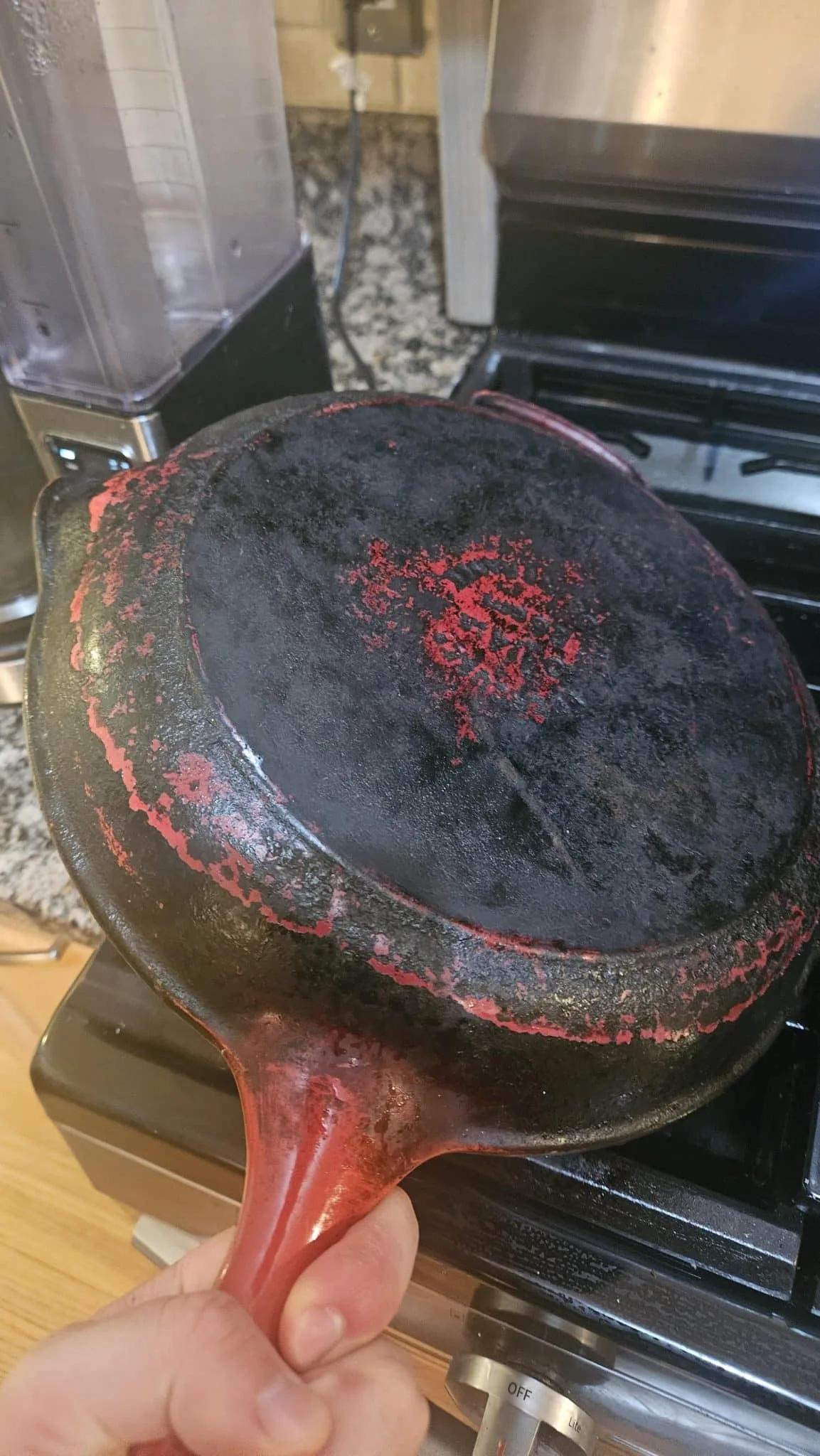
Image source: Bing (Web (fair-use with source credit))
When to Go Nuclear: The Electrolysis Method for Heavy Rust
For severe rust, electrolysis is the safest method. It uses a low voltage current to pull rust off the metal without damaging the iron.
- You need a plastic bucket, battery charger, steel rebar, and washing soda.
- Fill the bucket with water and washing soda.
- Attach the positive clamp to the rebar and the negative clamp to the pan.
- Submerge both in the solution, keeping clamps above water.
- Turn on the charger. Bubbles will appear on the pan.
- Wait 4 to 8 hours for heavy rust.
- Rinse the pan and scrub with a stainless steel brush.
Electrolysis removes old seasoning and rust completely, leaving a raw gray surface. You must season it immediately to prevent flash rust. This method is the gold standard for vintage collectors.
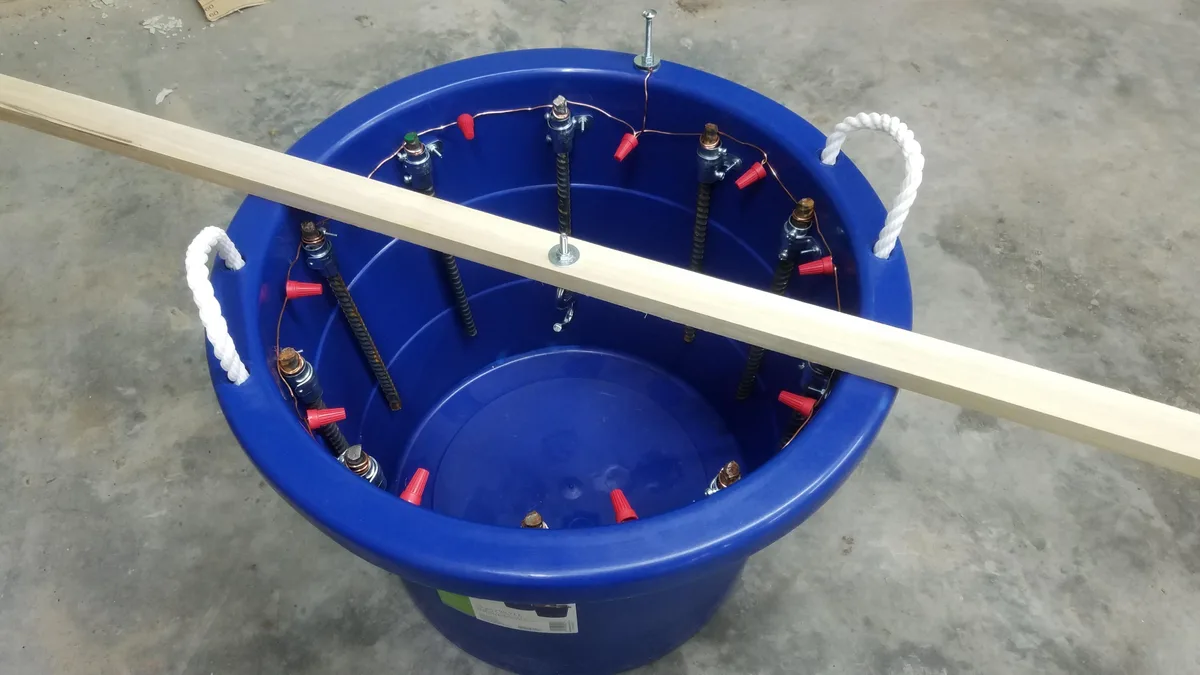
Image source: Bing (Web (fair-use with source credit))
Mistakes That Ruin a Pan: Timeouts, Etching, and Flash Rust
Three mistakes ruin more cast iron than rust itself. First, leaving vinegar on too long. That's the etching problem.
The acid eats away the seasoning and starts eating the iron. Surface rust becomes a rough, pitted mess.
Second, skipping the immediate oil after rinsing. Bare iron rusts in minutes. You rinse the pan, set it down to text someone, and come back to orange streaks.
Flash rust happens fast. Dry it and oil it before you do anything else.
Third, using an abrasive that's too aggressive. Steel wool is fine. A wire brush on a drill is overkill for light rust.
You'll scour grooves into the metal. Those grooves become spots where rust and food hide permanently.
If you're restoring a vintage piece, aggressive sanding destroys its value. Collectors notice the original surface. Patchy, dull metal drops the price significantly.
When in doubt, go gentler. You can always do a second pass.
The Final Step: Seasoning So the Rust Never Comes Back
No de-rusting job is done until the pan is seasoned. Seasoning is a thin layer of oil polymerized by heat. It creates a non-stick barrier that blocks oxygen and moisture.
That's what keeps rust away.
Here's the process that works across most modern pans:
- Preheat your oven to 450°F (232°C).
- Coat the entire pan with a high smoke point oil like grapeseed or flaxseed.
- Wipe it off like you're trying to remove it. You want a barely there film, not a pool.
- Place the pan upside down and set it on foil to catch drips.
- Bake for one hour. Turn off the oven and let the pan cool inside.
Repeat this two to three more times. Each layer bonds to the last. After three coats, the surface should look dark, smooth, and slightly glossy.
Per the Lodge Cast Iron care guide, this method builds a stronger layer than any natural non-stick coating.
If the pan is still sticky after baking, you used too much oil. Wipe it off and throw it back in the oven at 450°F for 30 minutes. Sticky seasoning is a fixable issue, not a death sentence.
Frequently Asked Questions
Can I use vinegar on enameled cast iron?
No. Vinegar will damage the enamel coating. Use a gentle scrub with baking soda and warm water instead.
Enameled iron doesn't need seasoning, so once the rust is off, it's ready to use.
How do I know when the vinegar soak has gone too long?
Look for a dull, gray, chalky surface. That's the iron etching. A normal soak leaves the metal bright and slightly rough.
If it's gray and powdery, you've crossed the line. Stop immediately, scrub it once, and start seasoning.
Will a rusted cast iron pan hurt you if you cook with it after cleaning?
No, provided you remove the rust and season the pan properly. Rust is iron oxide, and trace amounts in food aren't harmful. USDA standards indicate that iron cookware is safe for food contact.
Just don't cook on an actively rusted surface.
Is electrolysis worth the setup effort?
For a common modern pan, no. Vinegar and steel wool handle it faster. For a vintage Griswold, Wagner, or Erie, yes.
Electrolysis preserves every ounce of original iron and reaches pits no scrubber can. If you plan to restore more pans in the future, it's worth the one-time setup.
Which Method Deserves Your Time? A Decision Guide
Here's the final call based on what you're holding.
- Modern pan, light rust, bought for $20 at a yard sale. Use the vinegar soak. It's fast, cheap, and effective.
- Modern pan, heavy rust, pitted surface. Use electrolysis or a chemical rust remover.
- Vintage collectible, any rust level. Use electrolysis. Never sand or soak it in vinegar for long.
- Enameled French oven with rust. Skip all strong acids. Use baking soda paste and a soft scrub.
- Pan with suspected lead residue. Don't touch it. Lead testing services exist, and de-rusting won't remove lead. A $10 test kit beats poisoning your family.
Most people fall into the first category. The vinegar method takes about two hours of actual work. That's a lazy afternoon with a good podcast.
For severe cases, give electrolysis a shot. You'll learn a skill and protect a piece of history.
The real takeaway is simple: match the method to the damage. Light rust is a weekend chore. Heavy rust is a restoration project.
Both are manageable, affordable, and worth the effort. Your cast iron will outlast you either way.

Similar Posts