The Potato and Baking Soda Method for Cleaning Cast Iron Rust
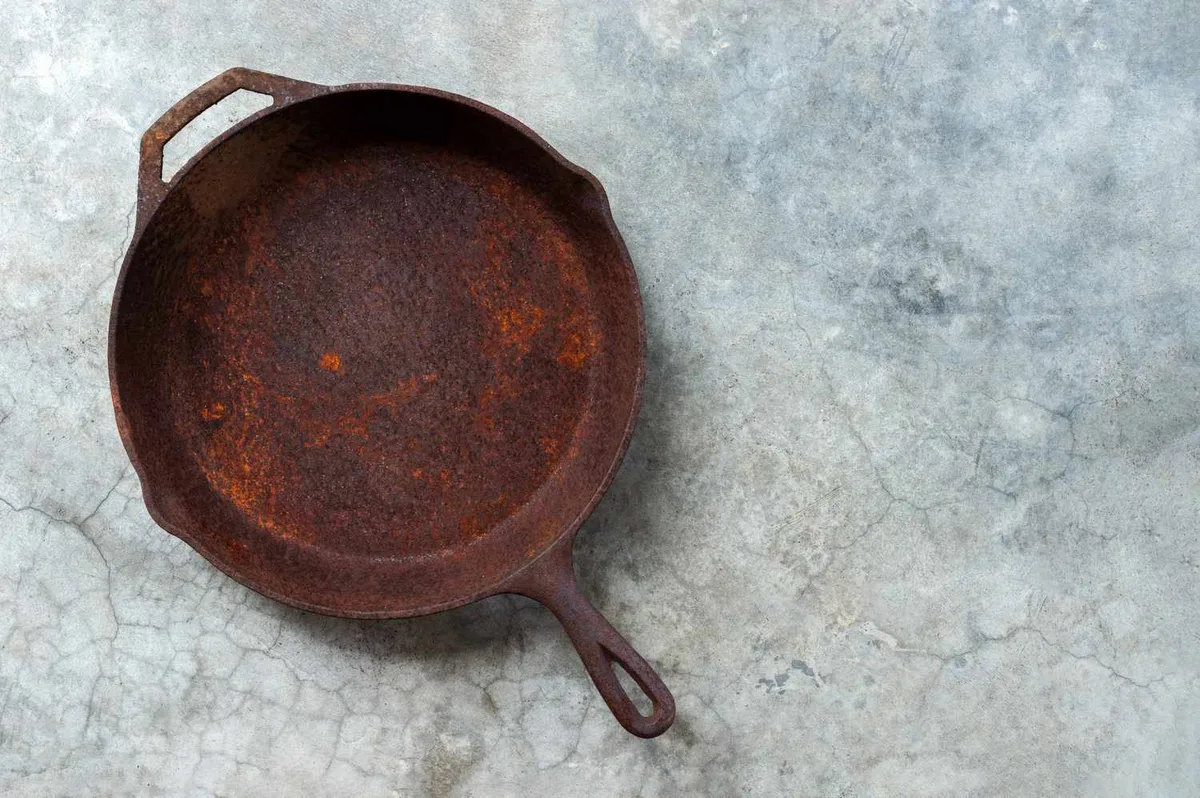
You don't have to toss a rusted skillet. You just have to learn how to de rust cast iron pan without damaging the metal underneath. Rust looks dramatic, but on bare iron it's mostly surface corrosion that you can dissolve, scrub away, or lift off with the right approach.
The right approach depends on the level of rust. Light orange dust needs a 15 to 30 minute vinegar soak, while deep pitting may require 2 to 12 hours of electrolysis. As of 2026, the core rule hasn't changed: strip all rust, dry quickly, then season immediately.
That final step is what keeps the rust from coming back.
Quick Answer
To de-rust a cast iron pan, scrub off loose rust. Soak it in a 1:1 white vinegar and water mix for 15 to 30 minutes. Rinse and dry it completely.
Coat the pan with a thin layer of oil and bake it at 450°F to reseason.
First, Know What You're Dealing With: Rusty Cast Iron Is Fixable
Image source: Web (Bing) / southernliving.com (Web image (fair-use with source credit))
Rust on cast iron is iron oxide, and it only forms where bare metal is exposed. Your pan's dark brown or black layer isn't rust. That's seasoning, a polymerized oil coating that protects the iron from moisture.
Take a close look at the surface. Red and orange dust means active rust. Hard black buildup is old seasoning.
A rough, pitted texture means the rust has been eating into the iron for a while.
One easy test: rub the area with a dry paper towel. Rust leaves orange streaks. Old seasoning leaves dark gray, almost powdery residue.
The difference matters because you only want to remove rust, not healthy seasoning.
This matters even more with enameled cast iron. If your pan has a glassy coating, don't touch it with steel wool or vinegar. Scrub that surface and you'll ruin the enamel.
Rust on enameled pans almost always means the coating chipped and the iron underneath is exposed.
For bare iron, any of the methods in this guide will work. The question is how aggressive you need to be. That's the decision tree coming up.
The De-Rusting Decision Tree: Choose Your Method by Pan Condition
Before you pick a method, answer three questions. How much rust is there? Does the pan have old seasoning?
Do you care about keeping the original surface and maker marks? Your answers change everything.
- Light rust, just orange dust: vinegar and steel wool.
- Moderate rust, brown flakes and rough patches: vinegar soak or an oxalic-acid cleaner.
- Heavy rust, deep pits, thick crust: electrolysis.
- Vintage or collectible pan: electrolysis, not sandblasting.
| Pan Condition | Best Method | Time | | Light surface rust | Vinegar soak + steel wool | 15–30 minutes | | Moderate rust and flaking | Vinegar or oxalic-acid cleaner | 30–60 minutes | | Heavy rust with pitting | Electrolysis | 2–12 hours | | Extremely thick rust | Electrolysis | Overnight |
Electrolysis is the clear winner for anyone who wants to preserve collector value. Sandblasting does work, but it's harsh. It can remove the original surface texture and leave the pan feeling like sandpaper.
If the rust is only on one spot, don't strip the whole pan. Spot-treat it with vinegar and stay away from the surrounding seasoning. Most daily-driver pans only need this lighter route.
How to De-Rust with Vinegar and Steel Wool (Light to Moderate Rust)
For light to moderate rust, white vinegar is the most direct tool you've got. The acetic acid dissolves iron oxide while leaving the good metal mostly alone. You do have to watch the clock, though.
Vinegar will etch bare iron if you let it soak too long.
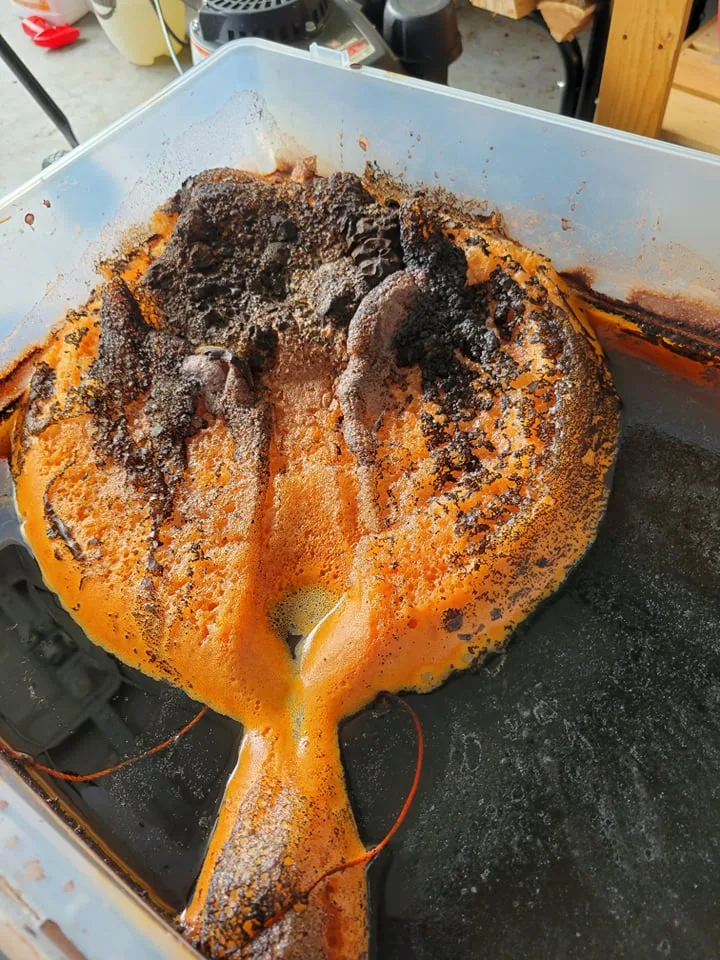
Image source: Bing (Web (fair-use with source credit))
Here's the workflow we recommend based on restoration write-ups and manufacturer specs.
- Scrub off loose rust with coarse steel wool or a wire brush.
- Mix white vinegar and water 1:1 in a plastic tub.
- Submerge the pan completely. If it floats, weigh it down with a brick.
- Check every 10 to 15 minutes and scrape the surface lightly.
- When the rust looks soft and lifts easily, pull the pan out.
- Rinse with warm water and scrub with fine steel wool.
- Make a paste of baking soda and water, then rub the pan down to neutralize the vinegar.
- Rinse again, dry with a towel, and set the pan on a burner over low heat to evaporate any remaining moisture.
For light rust, you'll usually hit step five in 15 to 30 minutes. For heavier spots, switch to a 1:3 vinegar-to-water ratio and soak up to an hour. Do not leave the pan in straight vinegar overnight.
Watch for flash rust. If you see orange water or a hazy orange tint as the pan dries, that's fresh oxidation appearing. Rub it down with oil and fine steel wool right away.
How to De-Rust with Electrolysis and Chemical Removers (Heavy Rust and Vintage Pans)
When vinegar won't cut it, you have two heavy-duty options. Electrolysis uses a low-voltage electrical current to pull rust off the surface. Chemical removers chelate the rust and lift it away.
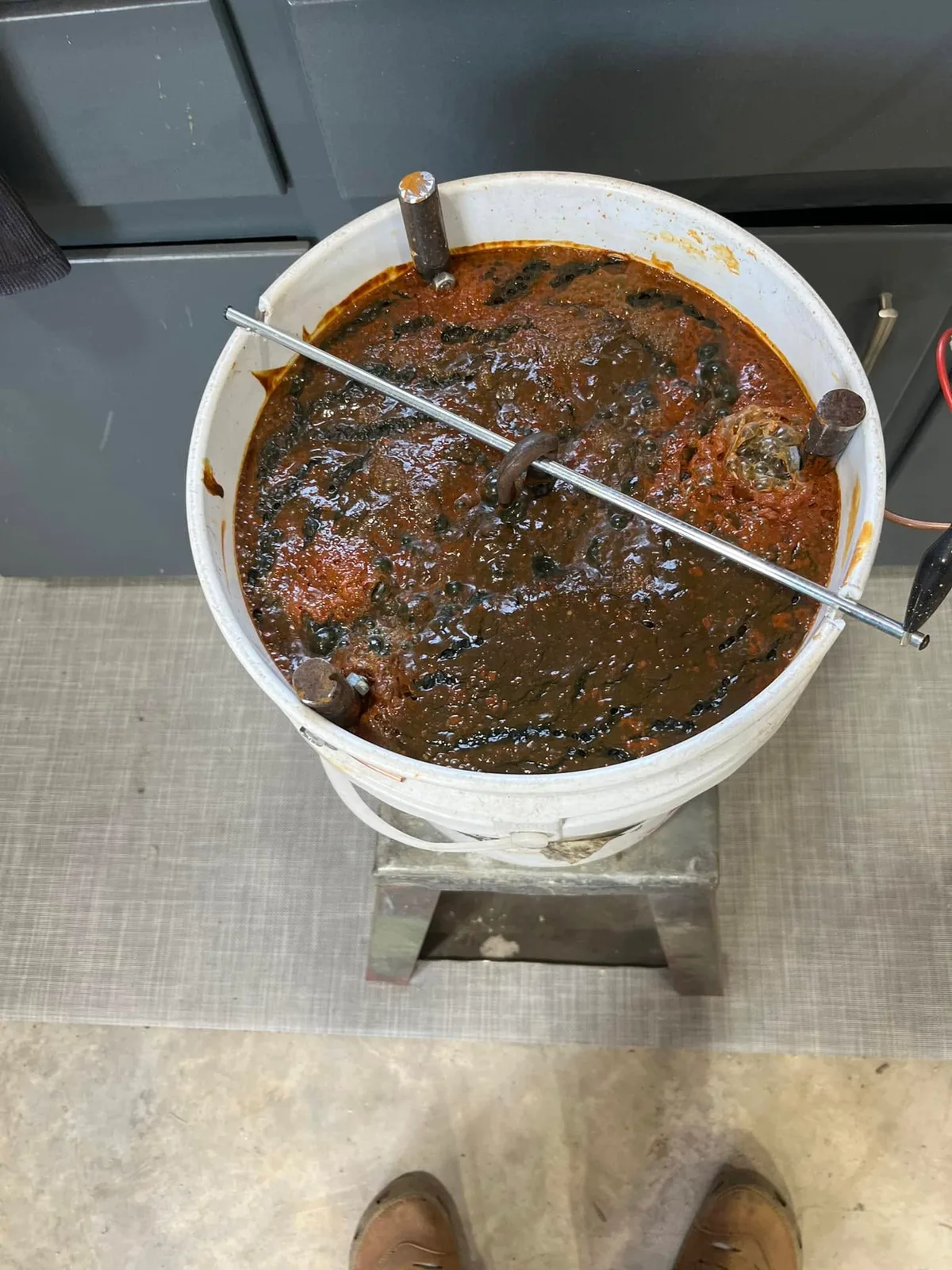
Image source: Bing (Web (fair-use with source credit))
Here's what a basic electrolysis setup needs: a plastic tub, washing soda, a car battery charger, and a sacrificial anode, like a piece of scrap cast iron or mild steel. The charger's positive clamp goes on the anode. The negative clamp goes on the pan.
The current converts rust into a dark sludge that rinses away.
Work in a well-ventilated space. Electrolysis creates hydrogen gas, which is flammable. Don't smoke near it.
Never use a galvanized anode. The zinc coating gives off toxic fumes when energized.
Timing varies. Most rusted pans come clean in 2 to 12 hours. Thick, crusty rust may need a full overnight run.
In our research, electrolysis also does the least damage to vintage pans. It removes rust but leaves original surface texture and maker marks intact.
Chemical removers work too. Evapo-Rust and Bar Keepers Friend are the two most common aggregate recommendations. They're less messy than electrolysis but slower on heavy pitting.
Follow the label, then rinse the pan very well with soapy water before reseasoning.
Reseasoning the Pan After De-Rusting: Lock In the Protection
De-rusting leaves your pan completely bare. Bare cast iron rusts in minutes. So reseasoning isn't optional.
It's the step that makes your work last.
The science is simple. Oil mixed with heat and time becomes polymerized plastic. That layer seals the iron from oxygen and moisture.
Without it, your fresh restoration starts corroding before dinner.
Here's the standard reseasoning process:
- Heat the pan on a stove burner to evaporate every trace of moisture.
- Apply a thin coat of oil to the entire surface, inside and out.
- Wipe it off with a paper towel. Leave the thinnest film you can, as if you didn't want to oil it at all.
- Put the pan upside down in an oven at 450°F to 500°F.
- Place a sheet pan on the rack below to catch drips.
- Bake for one hour, then turn off the oven and let the pan cool inside.
- Repeat 2 to 3 times to build a solid base layer.
Oil choice changes the finish. Oils with higher smoke points tend to polymerize more cleanly. Lower-smoke oils can leave a sticky layer if you rush the process.
| Oil | Smoke Point | Notes | | Grapeseed or canola | 400–420°F | The most reliable all-rounders | | Flaxseed | 225°F | Hard finish, but can flake for some users | | Vegetable shortening | 360°F | Classic, forgiving, cheap |
Manufacturer care guidelines confirm the same thing. Lodge's cast iron care guide recommends seasoning at 450°F for an hour.
After the last coat, the pan should look dark brown or gray, not shiny and wet. A greasy look means you used too much oil. Wipe it off and bake again.
Mistakes That Turn a Restoration Project Into a Ruined Pan
Most failed cast iron restorations aren't lost to bad luck. They're lost to fixable missteps. Here are the ones we see repeatedly in restoration forums and manufacturer care complaints.
Over-soaking in vinegar. The biggest killer, by far. Vinegar dissolves rust, but it also etches bare iron. Leave a pan in a 1:1 vinegar solution for several hours and you'll get a rough, gray surface that feels like fine sandpaper.
That texture makes future seasoning harder to stick. Stick to the 15 to 30 minute window, and check the pan every 10 minutes.
Scrubbing with the wrong abrasive. Steel wool is fine for bare iron from the coarse side down to 0000 grade. But wire wheels and sandpaper discs on an angle grinder are too aggressive. They remove rust and healthy metal together, leaving grooves that show up as bare spots after seasoning.
For vintage pans, skip sandblasting entirely. It can wipe out the mill marks that collectors value and reduce a $150 pan to a $30 beater.
Air-drying after rinsing. This one bites everyone at least once. The pan looks perfect, so you set it on the counter to dry while you clean up. Ten minutes later, it's covered in orange flash rust.
The fix is simple: towel dry immediately, then heat the pan on a burner to evaporate the moisture trapped in the iron's pores.
Skipping the reseasoning step. A de-rusted pan left bare is an active rust magnet. It can corrode within hours in humid air. Even if no rust appears, the metal surface is too reactive to cook on.
Always apply at least two or three seasoning coats before you store the pan.
Using too much oil when seasoning. A common newbie mistake. Glossy pans are sticky pans. The oil needs to be wiped on, then wiped off like you're trying to remove every drop.
What you leave behind is what polymerizes into seasoning.
Preheating too fast. High heat on a freshly seasoned pan can shock the new layers and cause flaking. Start low and give the pan time to come up to temperature gradually.
FAQs: Vinegar Ratios, Flash Rust, and When to Call It Quits
How much vinegar do I need for rust removal?
A 1:1 ratio of white vinegar to water works for light and moderate rust. Use 1:3 if you need a gentler soak. Always monitor the pan during the process.
Vinegar stops removing rust and starts damaging the iron if left too long.
What is flash rust and how do I stop it?
Flash rust is fresh orange oxidation that appears as a cleaned pan dries. It happens when bare iron meets humid air. Dry the pan immediately, then apply a thin oil coating right away.
It's not a disaster. Rub it down with fine steel wool and proceed.
Is vinegar or electrolysis better for a vintage pan?
Electrolysis is safer for collectibles. It removes corrosion without touching the original iron surface or any decorative markings. Vinegar works too, but it etches slightly and can blur crisp details.
Collector-grade pans are worth the extra setup time.
Can I use electrolysis on an enameled cast iron pan?
No. Electrolysis only works on bare metal. The enamel coating won't conduct current, and the process can chip or stress the coating.
For enameled pans, use a gentle baking soda paste and a soft sponge.
How long should I leave the pan in vinegar?
Check every 10 to 15 minutes. Light surface rust usually lifts within 15 to 30 minutes. Heavier scaling may take 45 to 60 minutes with a weaker solution.
Never soak overnight. Vinegar does not discriminate between rust and good iron.
When should I just buy a new cast iron pan?
If the pan has cracks, a warped bottom, or rust that has pitted right through the metal, replace it. Structural damage can't be fixed with seasoning. A new modern Lodge pan costs around $20, which is cheaper than the time you'll spend on a lost cause.

Similar Posts