How to Remove Rust Stains from Cast Iron Cooking Utensils and Ladles
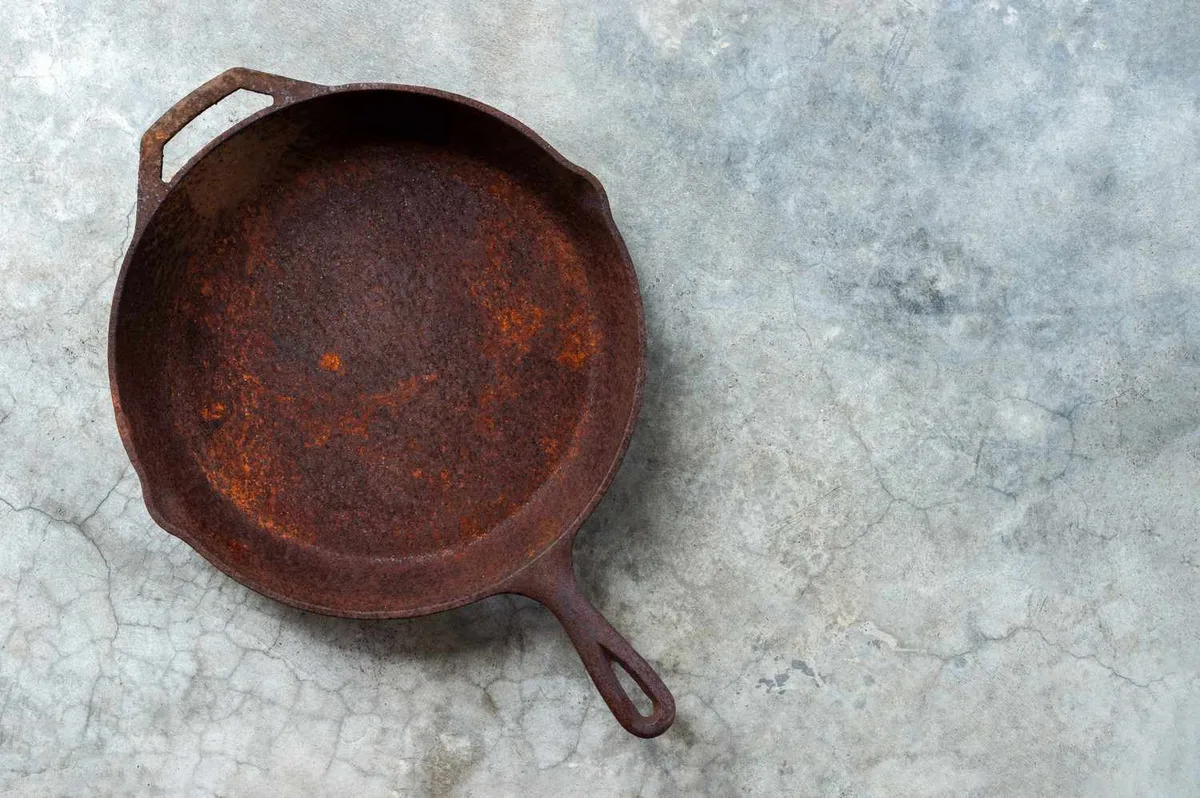
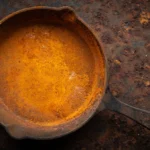
That orange dust on your skillet isn't the end of the world, and it isn't permanent damage. If you're wondering how to remove rust on a cast iron pan, the process starts with one simple idea: match your method to the rust level. A light dusting, a crusty patch, and deep pitting each need a different approach.
None of them are a death sentence for the pan.
Rust is iron oxide, and it forms when moisture touches bare metal that has lost its seasoning layer. That seasoning is a polymerized oil coating that shields the iron from water. Manufacturer care guides from brands like Lodge treat rust removal as routine maintenance, not a repair job.
As of 2026, the chemistry hasn't changed in over a century: remove the rust, rebuild the seasoning, and cook on.
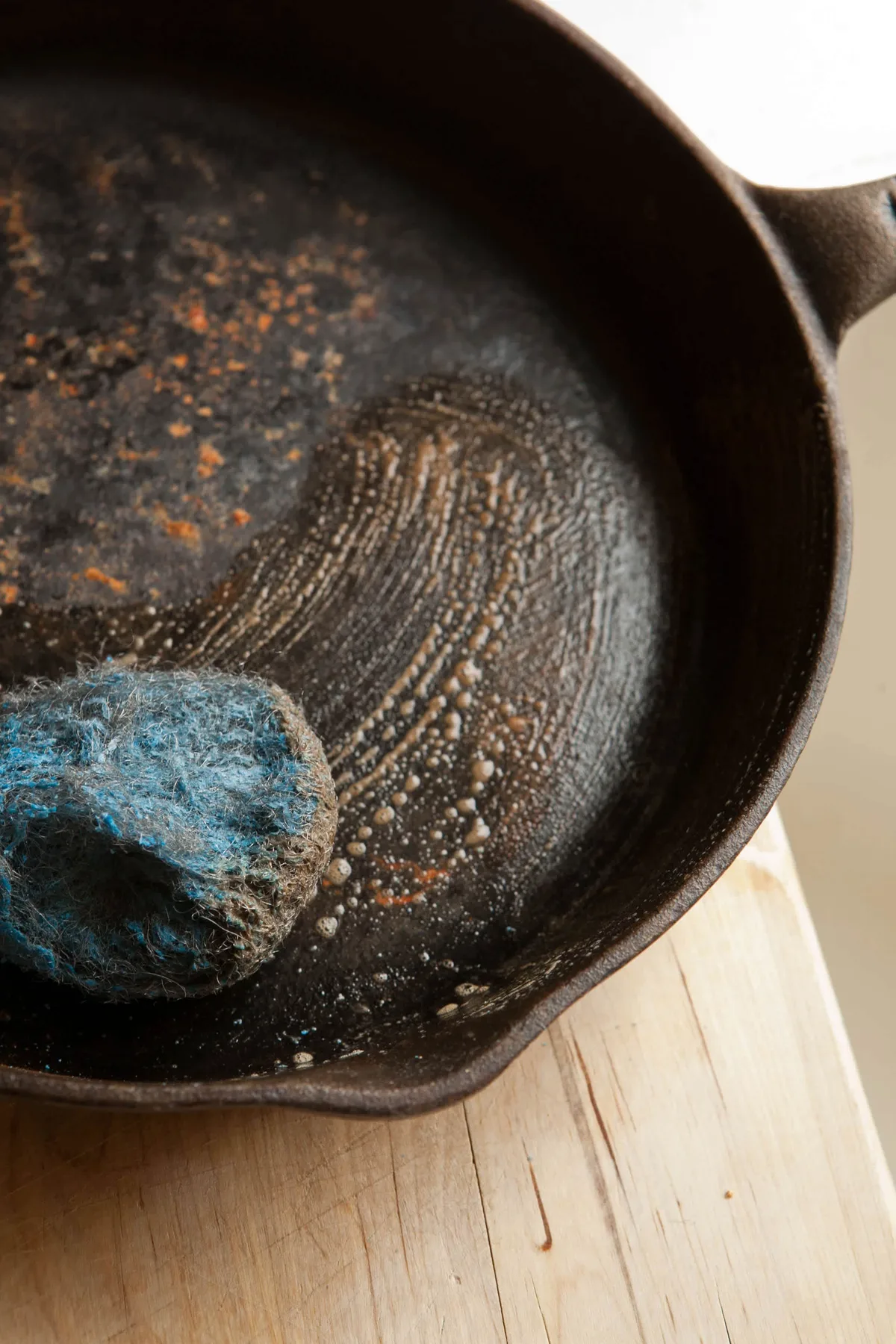
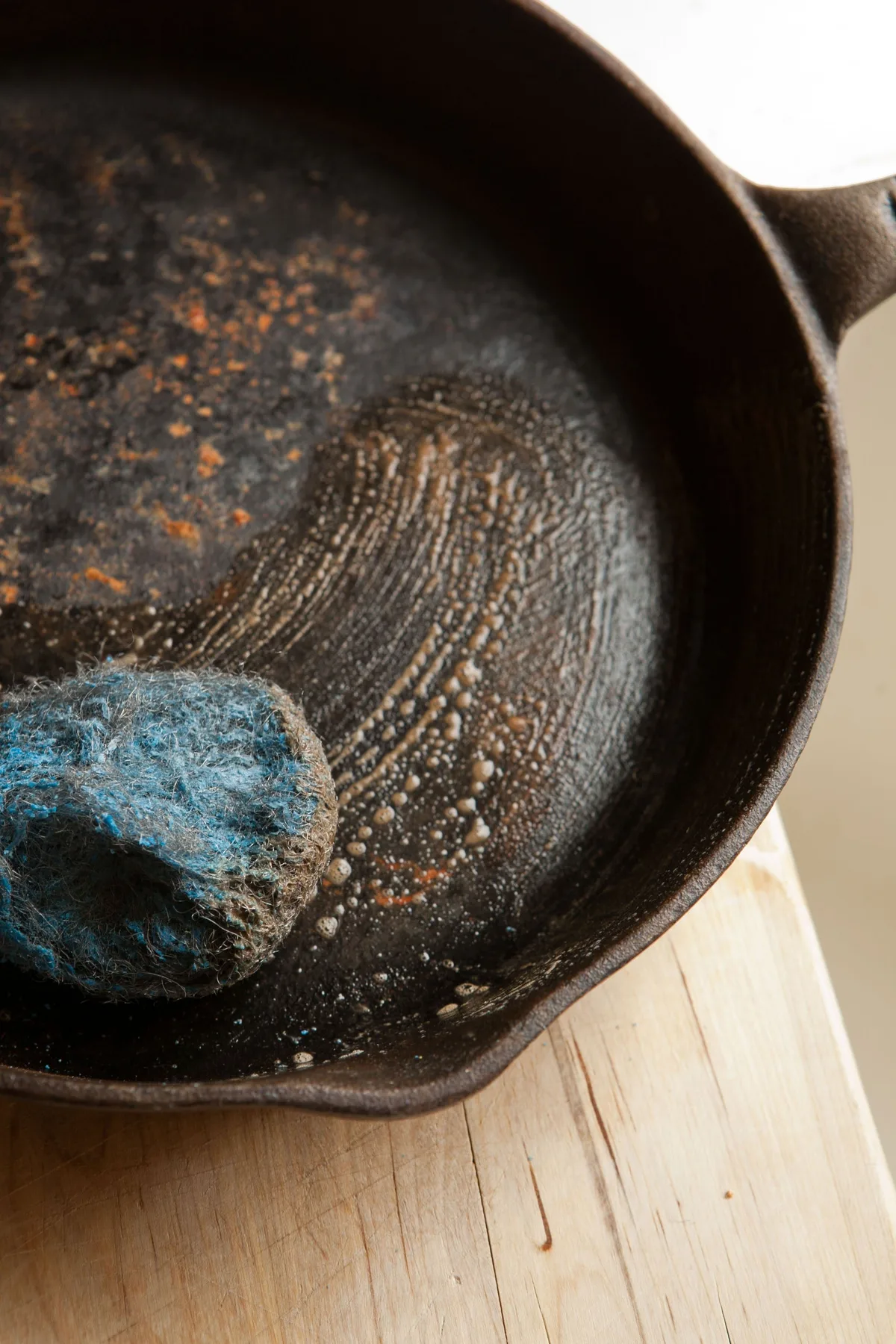
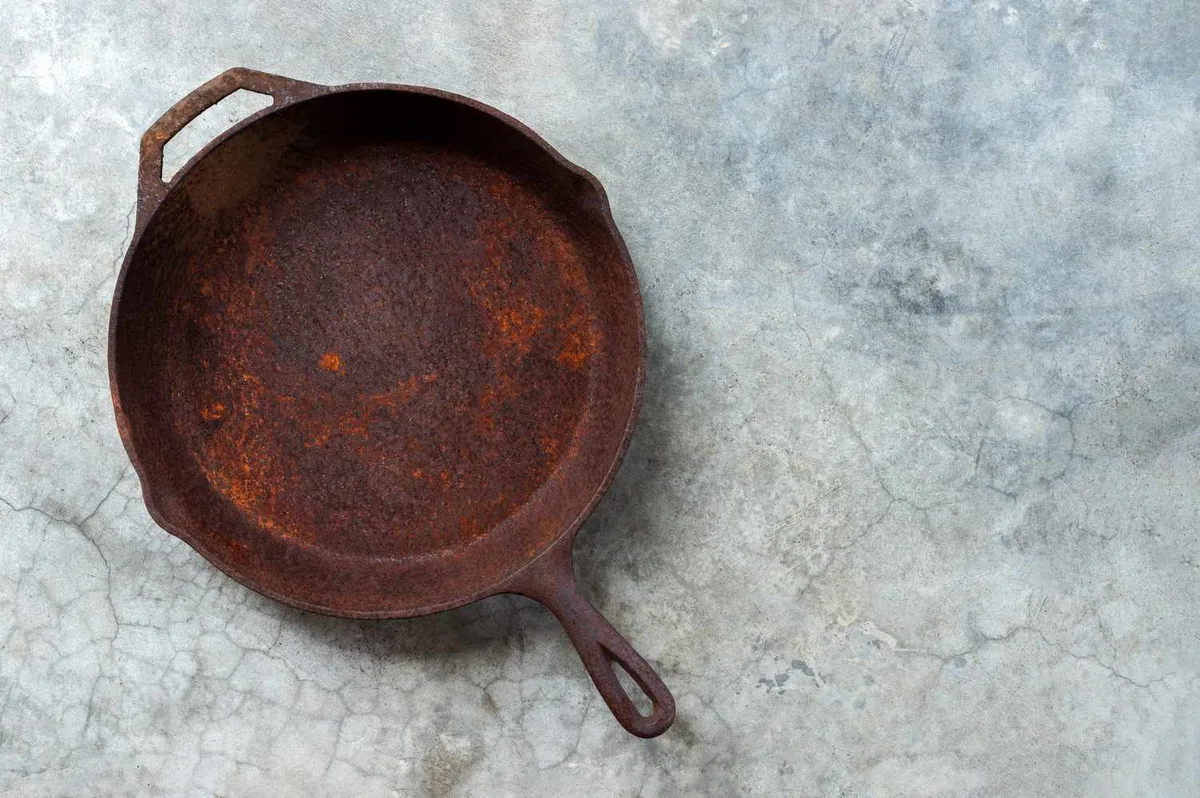
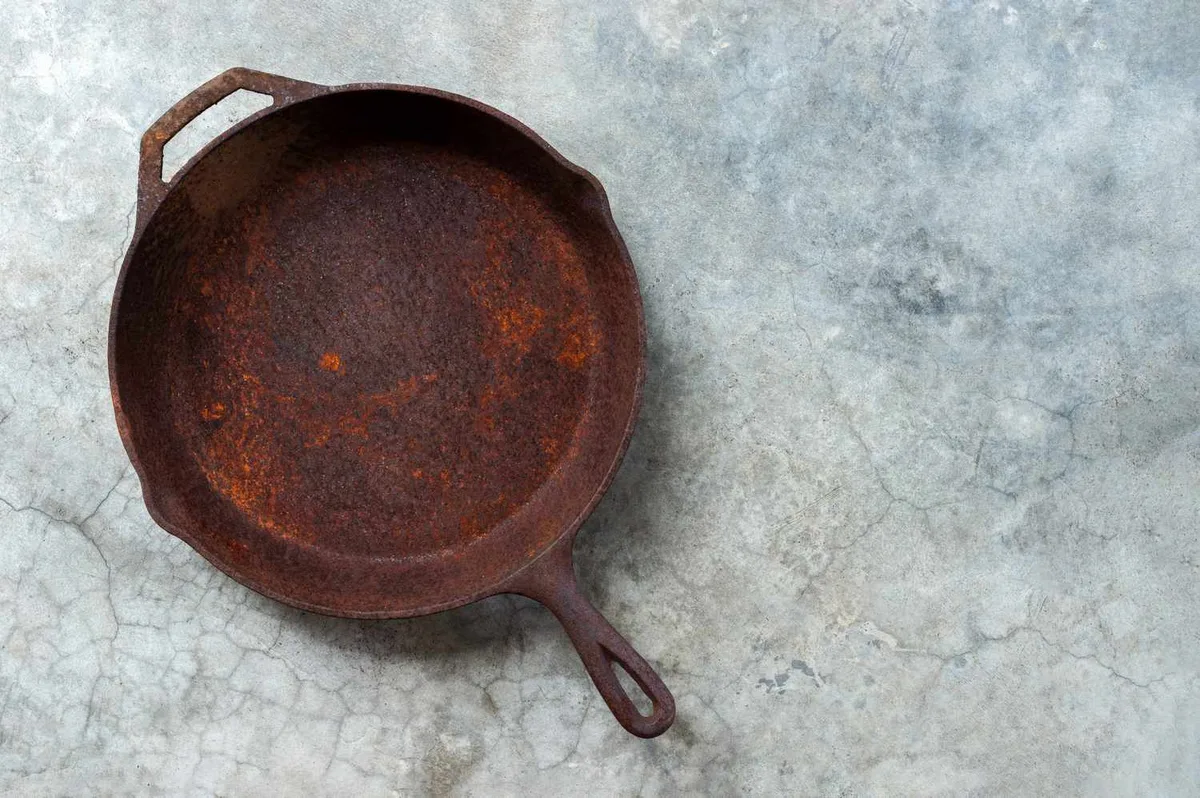
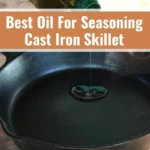
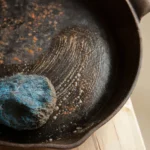
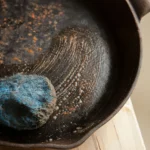
Image source: Web (Bing) / southernliving.com (Web image (fair-use with source credit))
Quick Answer
To remove rust on a cast iron pan, wash it and dry it completely. For light rust, scrub with a baking soda paste. For heavier rust, soak in a 1:1 white vinegar and water mix.
Check the pan every 15 minutes. Then scrub, dry, oil, and re-season in the oven.
Why Your Cast Iron Pan Got Rusty in the First Place
Cast iron rusts through a simple chemical reaction. Iron, oxygen, and water combine to form iron oxide, which is what we call rust. A well-seasoned pan has a barrier of polymerized oil sitting on the surface.
That barrier keeps moisture away from the bare metal.
The trouble begins when the seasoning breaks down. Every time you cook, scrub, or heat the pan, that protective layer thins. Eventually, bare iron gets exposed.
If water touches that spot for more than a few minutes, rust starts forming.
Most rust comes from a few everyday mistakes. The biggest one is leaving the pan in the sink to soak. Even twenty minutes in soapy water can start the process.
Storing a pan while it's still damp is another common problem. Humid air alone can do it too, especially in coastal climates or unheated cabins.
Here's the useful way to think about it: rust on a cast iron pan is a symptom, not the disease. The real issue is missing seasoning. That's why the fix always has two parts: remove the rust, then rebuild the seasoning.
Skip the second half, and the rust comes right back.
The good news is that seasoning is never truly gone as long as the pan's structure survives. Even badly rusted pans are recoverable. That's what the rest of this guide is for.
Before You Scrub: How to Grade the Rust on Your Pan
Not all rust needs the same treatment. The biggest mistake people make is grabbing the harshest tool they own and attacking a pan that only needed a light scrub. The first step is always assessment.
Take the pan to a bright window or hold it under a work lamp. Look at the surface like you're planning a repair. Rub your thumb across the rusty area.
Here's the grading system that maps directly to the right fix:
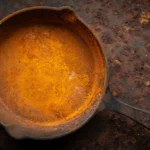
- Light rust: a light orange dust that wipes off as powder. The pan still has most of its black seasoning. Treat it in place with baking soda paste.
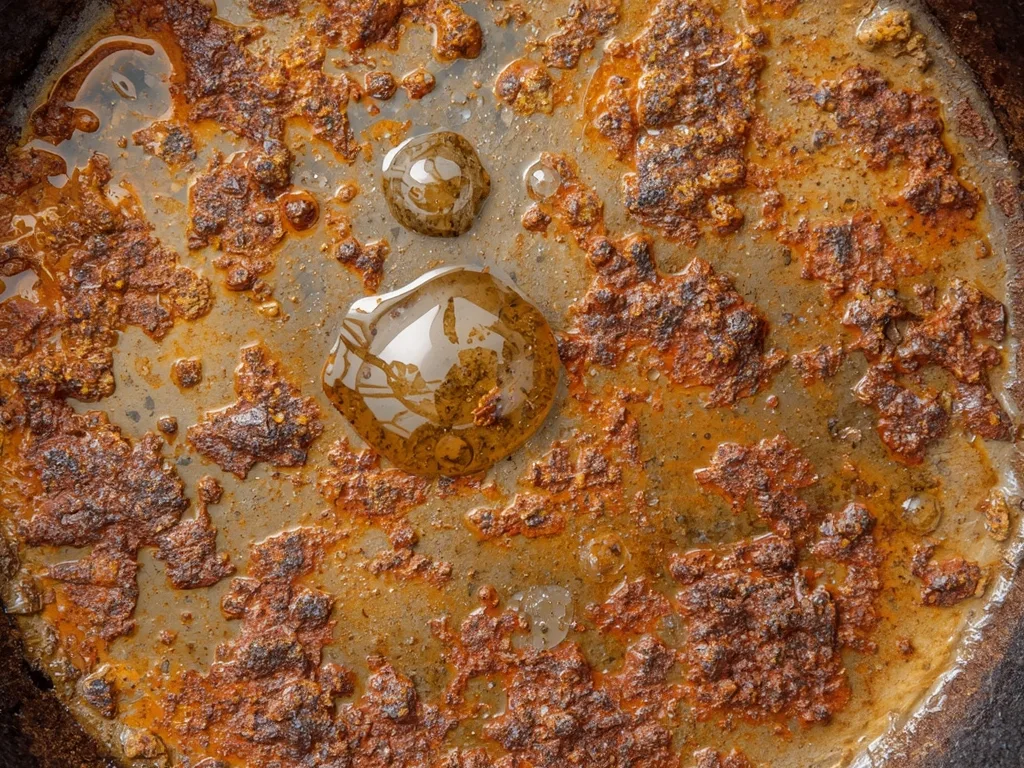
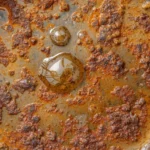
- Moderate rust: crusty patches or brown streaks that don't wipe away. The seasoning is broken in those spots. Use a white vinegar soak and steel wool.
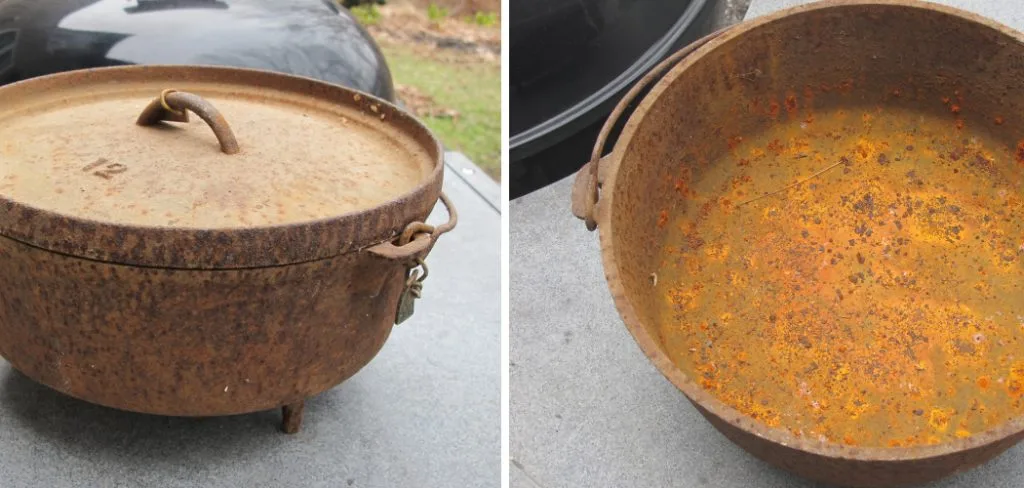
- Heavy rust: rough, flaking rust over large areas, often with pitting. The pan needs a full strip and rebuild from bare iron.
That's the decision tree in one glance. If you're unsure between two levels, treat it as the more severe one. A slightly longer soak does less damage than scraping a pan that needed chemical help.
One more caveat before you choose a path: enameled cast iron is a different animal. If your pan has a glassy, colored coating, none of these methods apply. Vinegar, steel wool, and power tools will ruin enamel.
We'll touch on enameled pans in the FAQs at the end.
Light Rust: The Baking Soda Paste Rescue
This is the easiest fix in the whole guide, and it works on pans that still look mostly healthy. You qualify if the rust is shallow, orange, and wipes off as powder when you rub it. The pan should still have visible black seasoning around the rusty areas.
The tools are simple: baking soda, water, a soft sponge or cloth, and a towel for drying. No harsh chemicals. No vinegar smell.
No power tools.
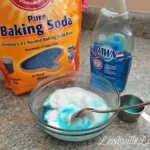
Mix three parts baking soda to one part water in a small bowl. You want the consistency of toothpaste: thin enough to spread, thick enough to stay put. Apply the paste generously over the rusty spots.
Now scrub in a circular motion, pressing firmly. The baking soda acts as a gentle abrasive. It lifts the iron oxide without cutting into the seasoning underneath.
Rinse with hot water, then dry the pan immediately. Don't leave it to air dry.
Finish with a quick stovetop conditioning. Set the pan over low heat for two minutes to drive out moisture. Rub in a drop of cooking oil, wipe it nearly dry, and let it cool.
That's the whole process.
In our research, this method takes about ten minutes from start to finish. It's also the only rust treatment that works on enameled pans, since it's purely abrasive and contains no acid. For anything heavier, move up to the vinegar soak.
Moderate Rust: Vinegar Soak, Steel Wool, and the 15-Minute Checks
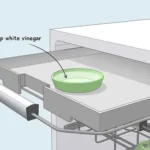
Once rust gets crusty, it's time to bring out the white vinegar. Plain white vinegar, the 5 percent acidity kind from the grocery store, dissolves rust chemically. We use it diluted, one part vinegar to one part water.
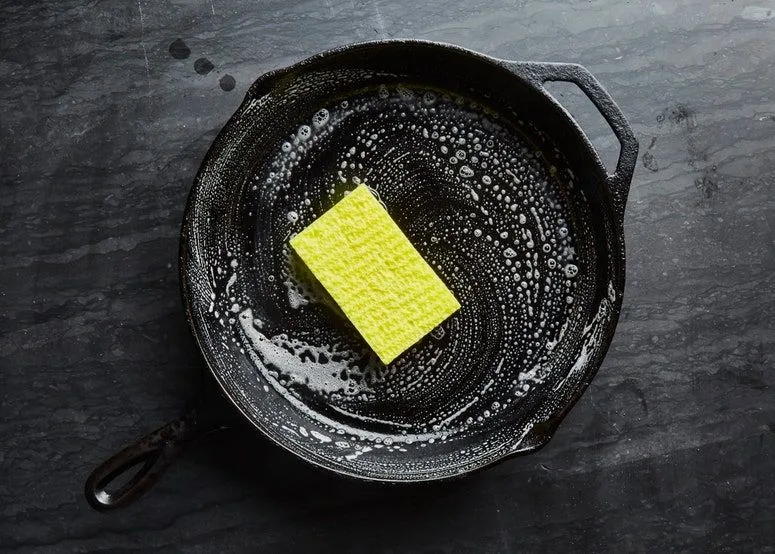
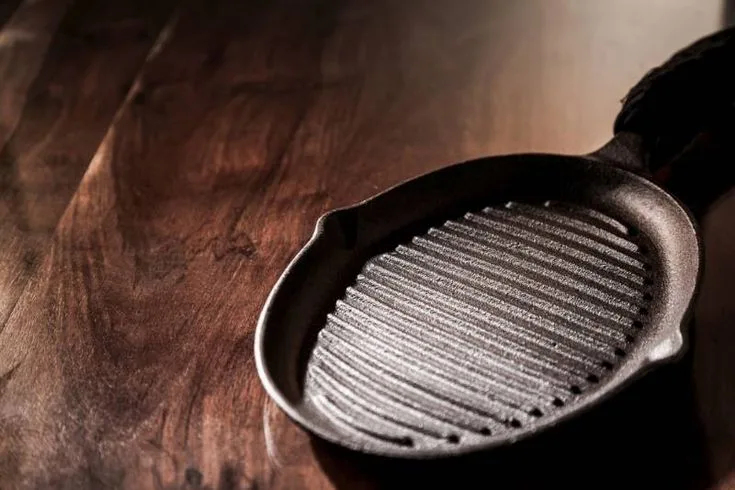
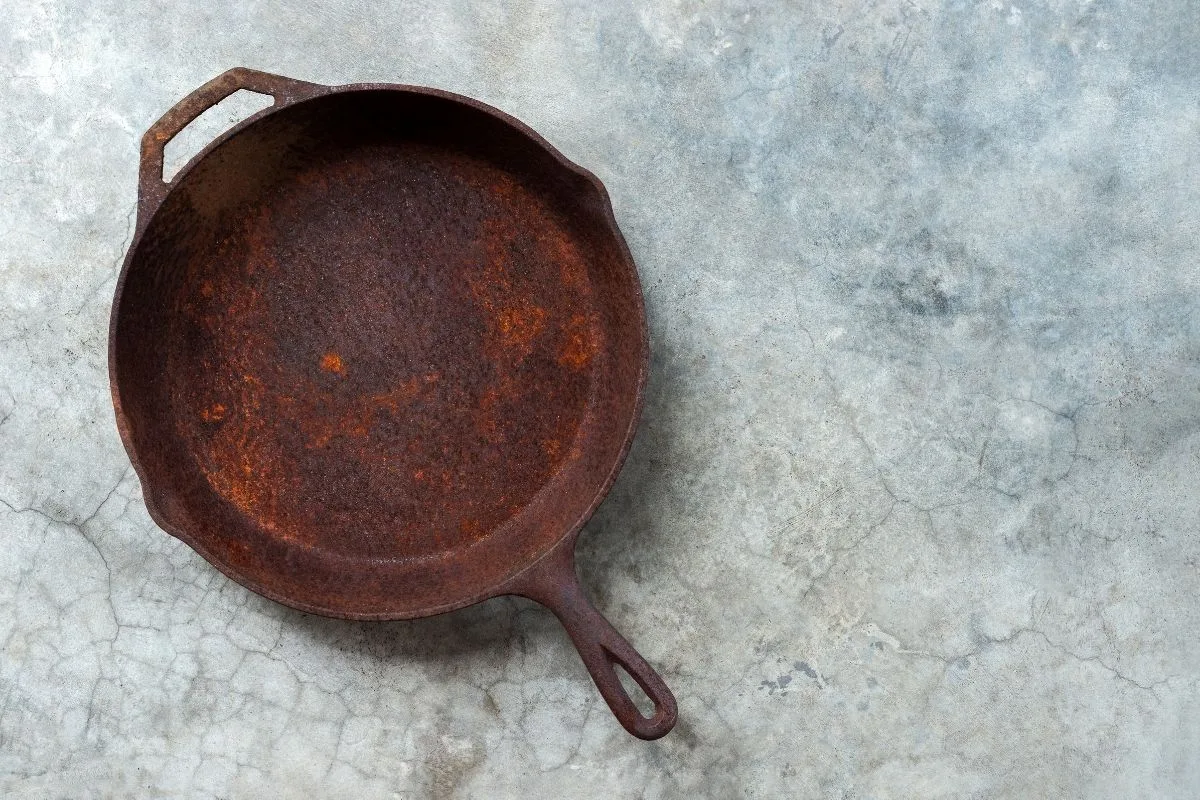
Image source: Bing (Web (fair-use with source credit))
Put the diluted vinegar in a plastic tub or directly in the pan, as long as the rusty spots are fully submerged. Set a timer for 15 minutes and walk away.
Here's the rule that saves pans: never let cast iron sit in vinegar for more than an hour total. Vinegar eats rust, but it also eats good iron once the rust is gone. That causes pitting, the tiny craters that make a pan surface feel rough forever.
Every 15 minutes, pull the pan out and scrub with fine steel wool. You'll see orange liquid and gray sludge. That's the vinegar doing its job.
Rinse, assess, and put it back if rust remains.
Once the rust is gone, move fast. Wash the pan with hot water and dish soap, then dry it completely. Set it over a low burner for two minutes to evaporate any leftover moisture.
You've now removed the rust, but you've also stripped seasoning in those spots. Don't cook right away. The next section covers the oil wipe and oven seasoning that rebuilds that barrier.
Heavy Rust and Pitting: Full Strip and Rebuild Before Re-Seasoning
If the rust is flaky, thick, or deep enough to feel with your fingernail, spot treatments won't cut it. The pan needs to go back to bare iron. This is real work, but the payoff is a pan that cooks like new.
There are three reliable ways to strip a heavily rusted pan:
- Vinegar soak, repeated. Soak in a 1:1 vinegar and water mix in 30-minute cycles, scrubbing with steel wool in between. Plan on two hours to overnight, depending on how deep the rust goes.
- Electrolysis. A plastic tub, water, a battery charger, and a sacrificial piece of metal pull rust off chemically. This is the gentlest method on the iron itself. A basic setup costs about forty dollars and runs 12 to 24 hours.
- Lye bath or oven cleaner. These strip seasoning, not rust. You'll likely need vinegar too if the pan is heavily rusted.
The one thing you should not do is reach for a power sander or wire wheel. Power tools cut into iron and leave permanent gouges. That ruins the cooking surface and, for vintage pans, the value.
It's the restoration mistake that makes collectors wince.
Once the pan is down to bare gray iron, wash it thoroughly and dry it completely. This is the blank-slate starting point. The next part of this guide walks you through the seasoning routine that makes rust a thing of the past.
Vintage pan hunters see this scenario all the time: a thrift store skillet buried under a coat of rust. In most cases, the original casting is in perfect condition underneath. Taking the time to strip it properly turns a five-dollar find into a family heirloom.
The Re-Seasoning Routine That Keeps Rust From Coming Back
You have a clean, dry, rust-free pan. Now comes the step that determines whether this restoration sticks. Re-seasoning builds that protective polymerized oil layer back onto the bare iron.
It's not complicated, but margin for error is small.
Start by preheating your oven to 450°F. While it warms, grab a high-smoke-point oil. Flaxseed oil creates a hard finish, but its smoke point of 225°F means you'll need lower oven temps and more cycles.
Grapeseed oil, canola oil, or vegetable oil all work well at 450°F with no special handling.
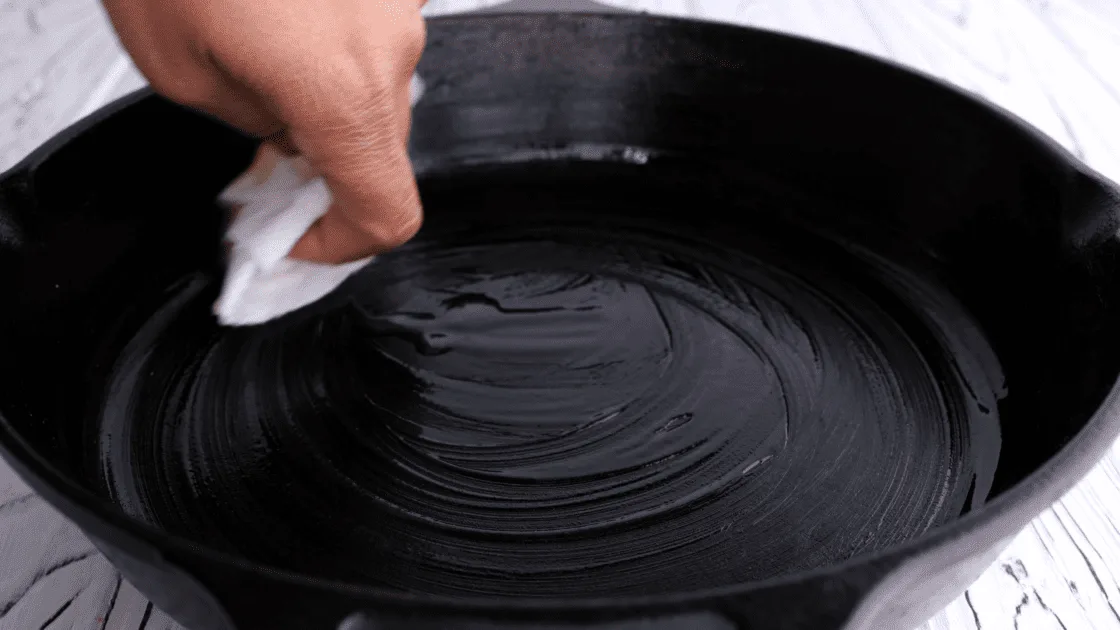
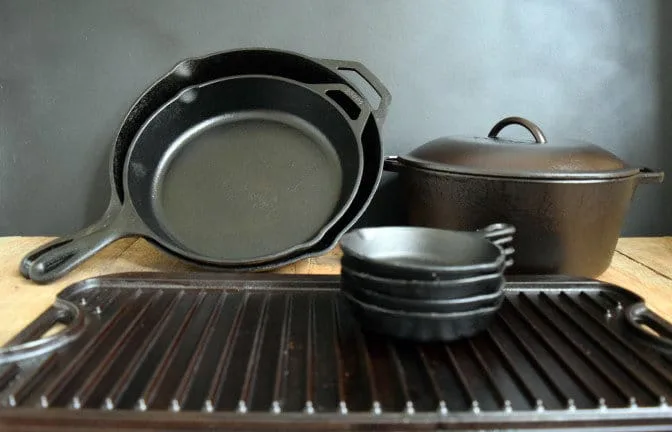
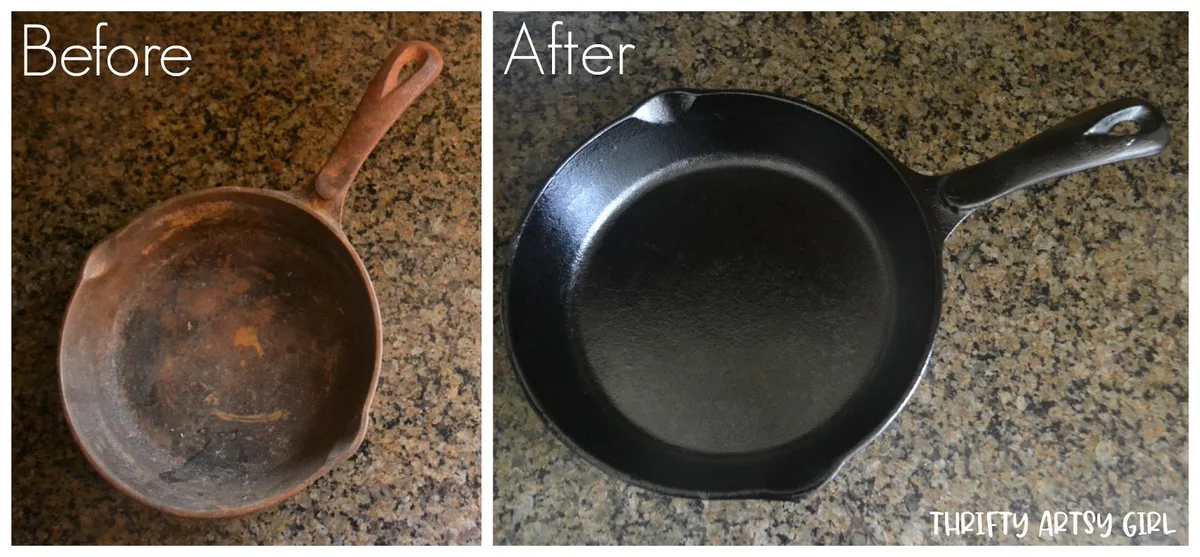
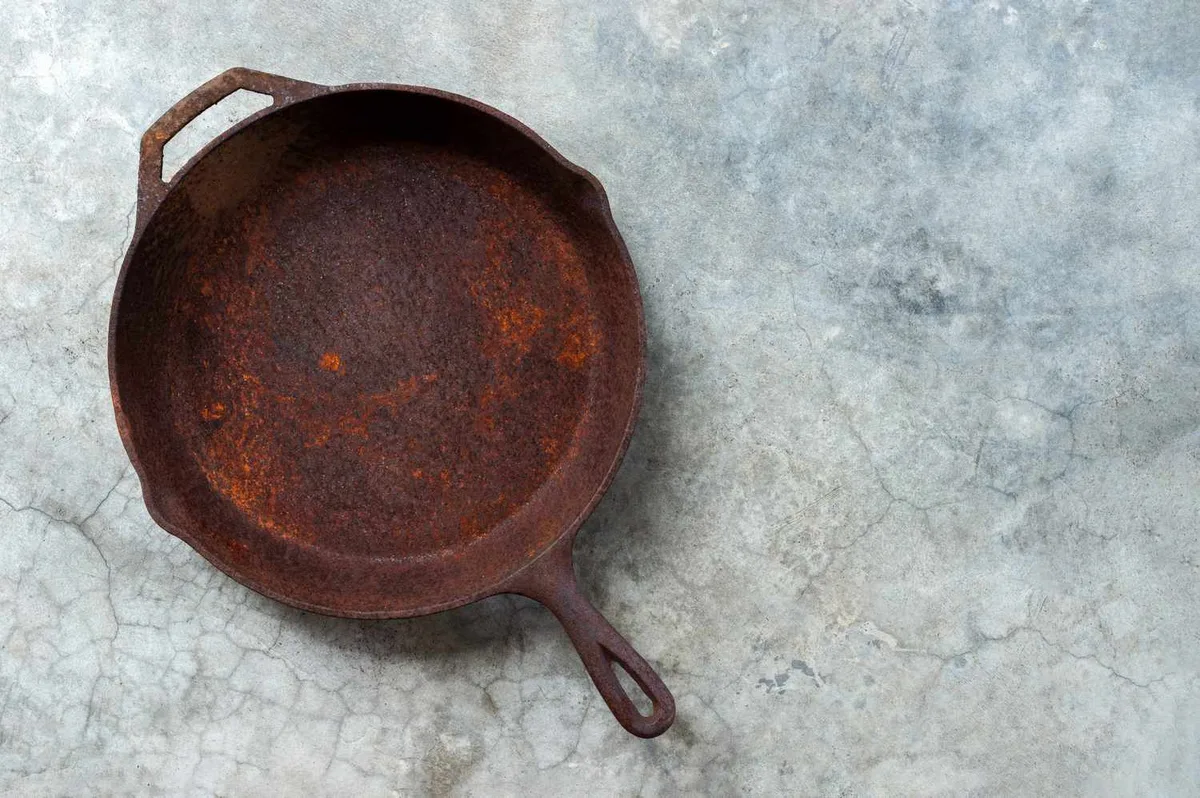
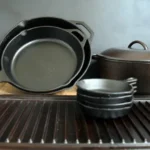
Image source: Bing (Web (fair-use with source credit))
Apply a very thin layer of oil to the entire pan. Use a lint-free cloth or paper towel. Then take a clean, dry cloth and wipe off as much oil as you possibly can.
The pan should look almost dry. That's the trick: excess oil pools into sticky, uneven patches during heating.
Put the pan upside down in the oven with a baking sheet on the rack below to catch drips. Bake for one hour. Then turn off the oven and let the pan cool inside.
Repeat this oil-and-bake cycle two to four times. Our research shows that three cycles is the sweet spot for most users. You get a durable, dark finish without spending half a day in the kitchen.
Let the pan cool completely before storing. A warm pan traps moisture inside a cabinet. That undoes all your work in a single night.
After that, use the pan right away. Frying bacon, sautéing vegetables, or making cornbread builds seasoning faster than any oven cycle ever could. The more you cook with it, the better the barrier gets.
Cast Iron Rust Mistakes That Make Everything Worse
Some well-intentioned repairs cause more harm than the rust itself. Knowing what not to do saves you from turning a salvageable pan into a damaged one.
The first big mistake is soaking cast iron in vinegar for too long. We touched on this in the moderate rust section, but it bears repeating. Vinegar eats rust, but it also etches iron.
A soak past 60 minutes creates pitting that holds food and makes seasoning difficult forever.
Power tools are the second trap. Angle grinders, wire wheels, and orbital sanders cut into the iron surface. Even fine-grit sandpaper removes the original machined finish.
Vintage pan collectors will tell you this destroys any resale value instantly.
Skipping the dry step is the third mistake. Restored pans need a hot, immediate drying. Setting a wet pan on a dish rack invites flash rust.
That orange bloom forms in minutes on bare iron.
Storing a pan with any moisture at all is the fourth. A humid kitchen, a damp cabinet, or a pan wrapped in a towel while still warm all lead to rust.
Here's a quick checklist of what to avoid:
- Don't soak cast iron in vinegar longer than 60 minutes total.
- Don't use power tools, sandpaper, or steel brushes on the cooking surface.
- Don't skip the stovetop drying after washing.
- Don't store a pan while it's warm or wet.
- Don't cook acidic foods like tomatoes or wine sauces in a freshly stripped pan. Wait until seasoning has built up over several cooks.
Following these don'ts keeps your restoration permanent instead of temporary.
Frequently Asked Questions
Is rusted cast iron safe to cook on?
Rust is not toxic in small amounts, but it's not good to eat. Iron oxide can flake into food and leave a metallic taste. More importantly, rust indicates missing seasoning, which means food sticks and the pan degrades faster.
Remove the rust before cooking again.
Can an enameled cast iron pan be fixed the same way?
No. Vinegar, steel wool, and high heat damage enamel. For light rust spots on enamel, use a baking soda paste and a soft sponge.
If the enamel is chipped or cracked, the pan is not repairable. Consider replacing it.
How do I stop rust from coming back on a camp or outdoor pan?
Outdoor pans face more moisture and less controlled storage. After each use, scrub with hot water, dry over the campfire or stove, and rub a thin layer of oil over the entire surface before storing in a dry bag. A dedicated camping pan that sees heavy rust can benefit from a light vinegar treatment every season.
How long does a full restoration take?
A light rust fix with baking soda takes about ten minutes. A moderate vinegar soak with three rounds of scrubbing takes roughly an hour. A full strip of a heavily rusted pan, including electrolysis or repeated soaks plus seasoning cycles, takes a day or two.
Plan accordingly and don't rush the drying steps.

Similar Posts