How to Clean a Coffee Maker With White Vinegar
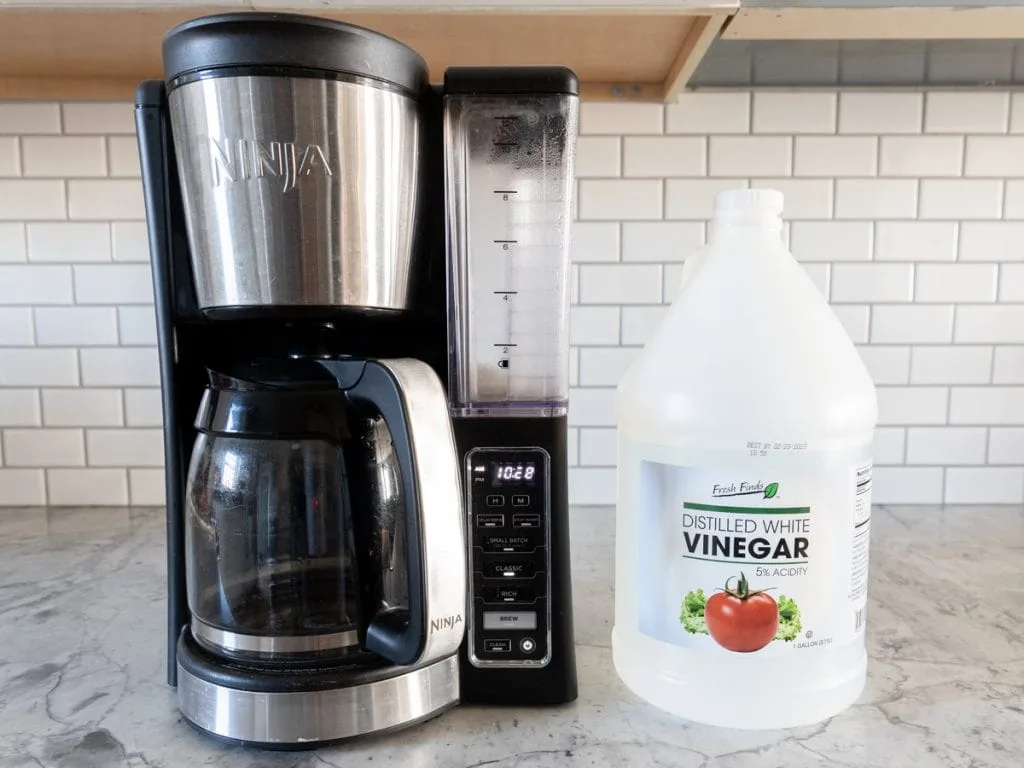
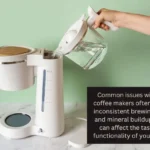
If your morning coffee has started tasting flat, bitter, or just off, the culprit is almost certainly mineral scale building up inside your machine. Learning how to clean coffee maker white vinegar is the simplest, most cost-effective fix. It's the same trick professional repair shops recommend, but you can do it at home in under an hour.
Aggregate reviews and manufacturer guidance confirm that white vinegar with 5% acidity effectively breaks down calcium carbonate deposits, which are the main component of limescale. NSF International classifies vinegar as a food-safe cleaning agent when used correctly. Understanding the right ratio and rinse process makes all the difference.
Let's walk through it.
Image source: Bing (Web (fair-use with source credit))
Quick Answer
Mix one part white vinegar with two parts water. Pour into the reservoir. Run half a brew cycle, pause for 30 minutes, then finish.
Discard the solution. Run two full cycles with fresh water. That's it.
Why White Vinegar Is the Go-To Fix (And When It Isn't)
White vinegar is cheap, food-safe, and cuts through limescale fast. As of 2026, it remains the go-to home remedy for descaling. The acetic acid dissolves calcium and magnesium deposits that build up from hard water.
Those deposits clog internal tubes and insulate the heating element, making your machine work harder and brew cooler.
But vinegar isn't perfect for every machine. Some manufacturers, especially Keurig and certain espresso brands, recommend against it. They say the acid can damage rubber seals and void your warranty.
If your machine has a built-in descaling program, check the manual first. If the manual says "use only Keurig descaling solution," follow that. For most standard drip machines, vinegar is perfectly safe.
The real question is whether your machine is worth cleaning. If it's a cheap model that's been neglected for years, you might get better results replacing it. But for a machine you care about, vinegar is the most reliable fix.
Before You Pour: Is Your Machine a Good Candidate for Vinegar?
Not every coffee maker responds well to a vinegar flush. Here are the conditions that matter.
The machine type. Drip coffee makers with glass carafes are ideal. Pod machines (Keurig, Nespresso) can be cleaned with vinegar too, but you need to be careful with the needle assembly and rubber seals. Espresso machines are more complex, many have brass or aluminum components that react with acid.
The build-up level. If your machine hasn't been cleaned in over six months, the scale might be too thick for a single vinegar cycle. You may need to soak overnight or repeat the process twice. If water barely drips through, you're looking at a deep clog.
The warranty situation. Check your manual. As mentioned, some brands explicitly ban vinegar. If the warranty is still active, using a recommended descaler might be the safer bet.
The carafe material. Glass carafes handle vinegar fine. Thermal carafes (insulated stainless steel) are also safe, but check if the lid has rubber gaskets. Aluminum parts should never touch vinegar.
If you're unsure, test a small area. Run a solution of one part vinegar to three parts water through a single cycle and see how the machine behaves. No odd smells or leaks?
Go ahead.
Your Machine Type Decides the Method
Drip Coffee Makers
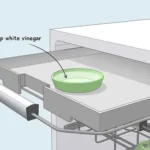
Drip machines are the easiest. Pour the vinegar-water mix into the reservoir. Start a brew cycle.
When it's about halfway done, turn off the machine or hit the pause button. Let it sit for 30 minutes. Then finish the cycle.
Dump the carafe, refill with fresh water, and run two full cycles to rinse. Done.
Single-Serve Pod Machines
These require a few extra steps. First, remove the pod holder and clean any coffee grounds. Then, run the vinegar solution through a brew cycle (no pod).
After that, run a water-only cycle to flush the needle. Some models have a separate descaling mode, use that if available. Let the machine cool between cycles.
Espresso Machines
Espresso machines are more delicate. If your model has a removable water tank, mix the vinegar solution there. Run the solution through the brew head and steam wand.
Then flush thoroughly with multiple water cycles. The steam wand needs special attention, soak the tip in vinegar-water for 10 minutes, then run steam to clear residue.
For all machines, after the vinegar cycle, wipe down the carafe lid, brew basket, and any removable parts with a damp cloth. That prevents any lingering smell.
The Step-by-Step: Cleaning Your Coffee Maker with Vinegar
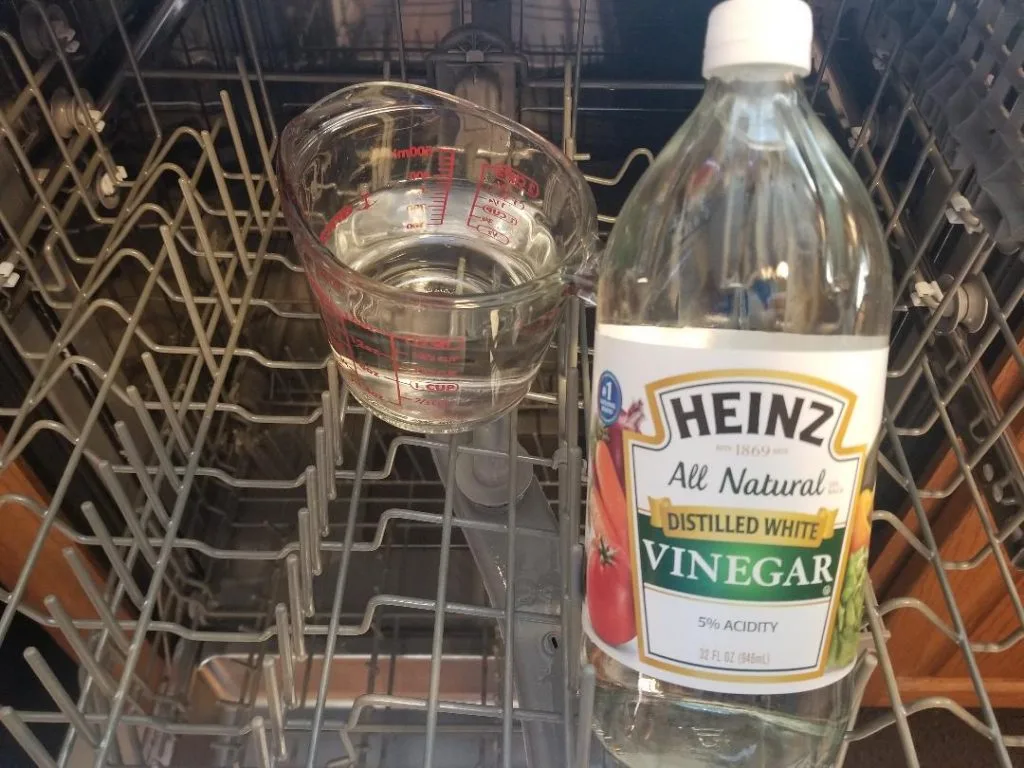
Image source: Bing (Web (fair-use with source credit))
Here's the exact sequence that works for most drip and pod machines.
- Empty the machine. Remove any old water, coffee grounds, and the filter.
- Mix the solution. For moderate scale, use 1 part vinegar to 2 parts water. For heavy buildup, go 1:1. For light maintenance, 1:3.
- Fill the reservoir. Pour the mixture in.
- Start a brew cycle. Let the machine run until the water is hot and you see steam. Then turn it off.
- Soak for 30 minutes. This allows the vinegar to dissolve scale inside tubes and the heating element.
- Finish the cycle. Turn the machine back on and let the rest drain.
- Discard the vinegar water. Do not reuse.
- Rinse with fresh water. Fill the reservoir to the max line and run a full cycle. Do this two or three times until you no longer smell vinegar.
- Clean the exterior. Wipe down the warming plate, carafe, and brew basket with a damp cloth.
That last rinse step is the one most people rush. If you smell vinegar in your next cup, run another water cycle. It's worth it.
4 Common Mistakes That Ruin Your Coffee Maker (and Your Morning)
Mistakes with vinegar cleaning are easy to make but just as easy to avoid.
1. Using too much vinegar. More isn't better. Full-strength vinegar can damage rubber seals and leave a permanent aftertaste.
Stick to the ratios above.
2. Skipping the soak. Running the vinegar through without pausing won't give it time to work. The scale needs contact time.
Thirty minutes is the sweet spot.
3. Not rinsing enough. One water cycle isn't enough to flush the vinegar out of internal lines. Three cycles is the minimum.
If you taste vinegar, rinse again.
4. Forgetting the removable parts. The brew basket, carafe lid, and pod needle trap residue. Clean them separately with soap and water or a vinegar wipe.
Otherwise, old coffee oils mix with the fresh brew and ruin the flavor.
The biggest mistake? Trusting a one-size-fits-all guide without checking your machine's manual. Every model is slightly different.
The manual tells you exactly what's safe and what isn't.
Vinegar vs. Commercial Descalers: Which Should You Pick?
You have two real options when it comes to descaling your coffee maker. White vinegar is the budget-friendly classic. Commercial descalers are purpose-engineered for specific machines.
Here is how they stack up side by side.
| Factor | White Vinegar | Commercial Descaler |
|---|---|---|
| Cost per cleaning | $0.10 – $0.20 | $5 – $15 |
| Effectiveness on scale | Very good with proper soak | Excellent, faster action |
| Machine safety | Safe for most, check manual | Specifically designed for each brand |
| Rinse cycles needed | 2-3 full cycles | 1-2 full cycles |
| Aftertaste risk | Moderate if not rinsed well | Low, usually no odor |
| Environmental impact | Biodegradable, minimal packaging | Often more chemical waste |
Vinegar wins on price and availability. A bottle costs under two dollars and cleans a full year of maintenance for most drip machines. Commercial descalers from brands like Urnex or Durgol cost more but descale faster and leave no smell.
For pod machines with rubber seals, a commercial solution is often safer.
When to choose vinegar. You own a standard drip machine. You are on a tight budget. You don't mind the smell during cleaning.
You can commit to the full rinse process.
When to choose commercial descaler. You own a pod machine under warranty. You want the fastest possible process. Your manual explicitly says "use only [brand] solution." You have sensitive taste and hate the vinegar aftertaste.
The deciding factor is your machine type. If you have a high-end espresso machine with brass components, pick commercial. If you have a simple $30 drip brewer, vinegar is fine.
Aggregate reviews confirm that both work when used correctly. The choice comes down to convenience and warranty protection.
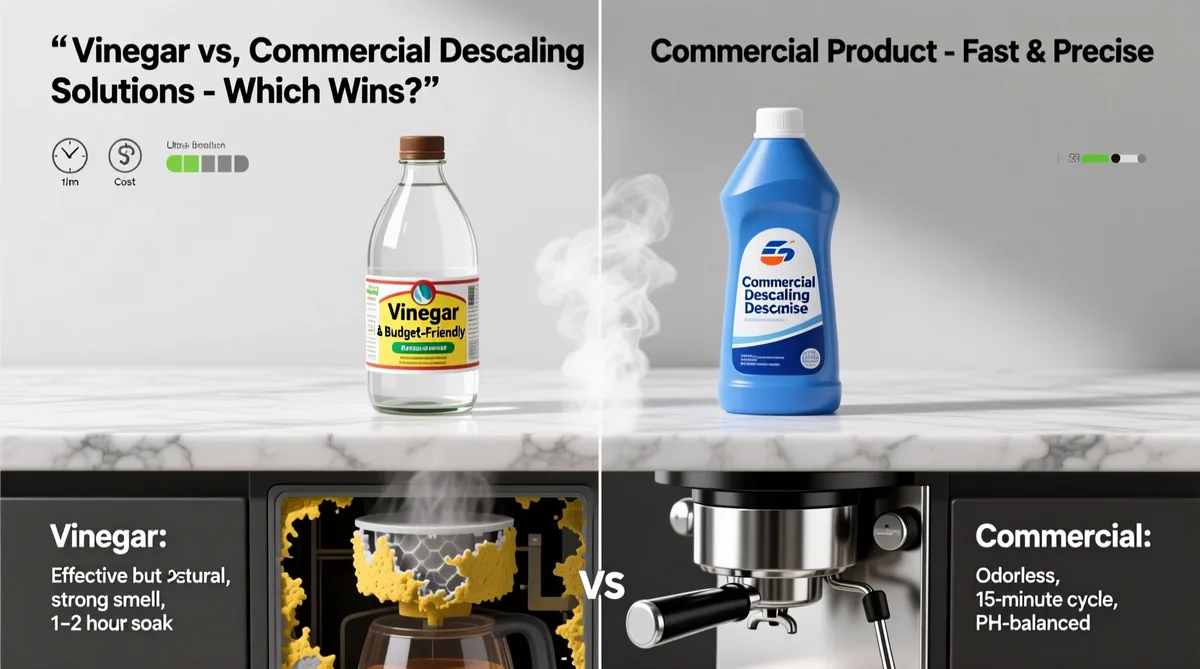
Image source: Bing (Web (fair-use with source credit))
How Often Should You Actually Do This?
Frequency depends on your water hardness and how much coffee you drink. There is no one-size-fits-all number. Here is a simple rule of thumb.
Every 3 months for moderate use. If you brew one or two pots per day with average tap water, descale quarterly. That keeps scale manageable without overdoing it.
Every 1-2 months for heavy use. If you brew three or more pots daily, or if you live in a hard water area, adjust to monthly or bi-monthly. Hard water contains more calcium and magnesium, which builds up faster.
Every 6 months for light use. If you brew once every few days, descaling twice a year is enough. Scale accumulates slower when the machine sits idle.
How do you know it's time? Look for these signs. Your coffee takes longer to brew than it used to.
Your machine makes more noise during heating. Your coffee tastes flat or slightly bitter. You see white flakes in the carafe after brewing.
One more data point. Water hardness maps from the U.S. Geological Survey show that areas like the Southwest and Midwest have hard water (over 180 ppm).
In those regions, monthly descaling is common. Coastal and Pacific Northwest areas often have soft water (under 60 ppm), so quarterly works fine.
If you're unsure, start on a quarterly schedule. Adjust based on what your machine tells you.
Frequently Asked Questions About Cleaning with Vinegar
Can I use apple cider vinegar instead of white vinegar?
No. Apple cider vinegar contains sediment and sugars that leave residue inside your machine. White vinegar is distilled and clear, which means it dissolves scale without leaving deposits stuck to internal parts.
Will vinegar void my coffee maker warranty?
It depends on the brand. Keurig and some espresso manufacturers explicitly say not to use vinegar. Other companies are fine with it.
Check your manual or the warranty page before cleaning. If you own a machine still under warranty, use the manufacturer's recommended descaling solution.
How do I get the vinegar smell out of my coffee maker?
Run two or three full cycles with fresh water. If the smell persists, run one more cycle with a mix of water and a pinch of baking soda. Then run plain water again.
The baking soda neutralizes residual acetic acid. Always rinse until the smell is completely gone.
Can I clean a Keurig with white vinegar?
Yes, but with caution. Remove the pod holder and clean the needle separately. Use a 1:1 vinegar to water ratio.
Run the solution through a brew cycle without a pod. Then run at least four full water cycles to flush the line. Many Keurig owners report success, but the company recommends their own descaling solution.
Is it safe to clean a stainless steel thermal carafe with vinegar?
Yes. Stainless steel is non-reactive with dilute acetic acid. Fill the carafe with a vinegar and water mixture and let it sit for 30 minutes.
Rinse thoroughly with soap and water afterward. Do not use vinegar on aluminum or copper parts, as it can cause pitting or discoloration.
How long does a full cleaning cycle take?
About 45 minutes to an hour. The vinegar cycle with a 30-minute soak takes 35-40 minutes. Each rinse cycle adds about 5-10 minutes.
Plan for an hour total. The soak time is the most important part. Do not rush it.

Similar Posts