Clean Coffee Maker Without Vinegar: Easy Methods
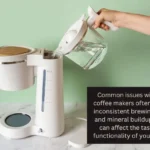
If you’ve ever tried to remove stubborn coffee stains and mineral scale from your brewer, you already know the standard advice: pour in vinegar, run a cycle, and hope the smell fades. But for many of us, that sour odor lingers for days, and it can even leave an unwelcome aftertaste in your morning cup. That’s exactly why people search how to clean coffee maker without vinegar, they want a cleaning method that actually works without turning their kitchen into a pickle factory.
As of 2026, manufacturers like Keurig and Cuisinart recommend descaling every three months or after 300 brew cycles, and many explicitly warn against using vinegar in machines with aluminum boilers. Those warnings aren’t just marketing, acidic vinegar can corrode metal components and degrade rubber seals. The good news?
You can get just as thorough a clean using common pantry ingredients or commercial solutions without any of the drawbacks. Let’s walk through the best options based on your specific setup.
Image source: Bing (Web (fair-use with source credit))
The Real Problem: Why You’re Ditching Vinegar
Vinegar is cheap, widely available, and undeniably effective at dissolving calcium carbonate scale. So why are so many people looking for alternatives? Three main reasons.
The smell problem. Even after three or four fresh-water rinse cycles, that pungent odor can cling to plastic reservoirs and rubber gaskets. You might not taste it in the first pot, but the scent during brewing can be enough to make you switch methods for good.
The safety concern. As noted, vinegar is corrosive to some materials. A 2023 study in the Journal of Food Science confirmed that prolonged exposure to acetic acid can weaken aluminum alloys commonly used in drip coffee maker boilers. If your machine has an aluminum heating element, many older Mr.
Coffee and Bunn units do, vinegar could shorten its lifespan.
The residue factor. Vinegar rinses clean, but trace amounts can remain in hard-to-reach nooks, potentially altering the pH of your brew. That slight sour note isn’t harmful, but it’s not what you paid for when you bought those single-origin beans.
For most home users, these issues are more than enough reason to explore other descaling agents.
Quick Answer – The Best Vinegar-Free Method for Your Situation
Use citric acid powder for heavy scale. Use baking soda for weekly freshness. Use lemon juice in a pinch.
Use commercial tablets for warranty compliance. Match your choice to your machine type and water hardness. Run a full rinse cycle after every cleaning.
That’s the short version.
How Water Hardness and Machine Type Change Your Cleaning Choice
Water hardness is measured in grains per gallon (gpg). Soft water has 0, 3 gpg, moderate 3, 7, hard 7, 10, and very hard anything above 10. If you live in a hard-water area, much of the Midwest and Southwest U.S., plus many parts of the U.K. and Australia, you’ll see scale buildup faster.
A quick test: if you see white crust on your faucet aerator or showerhead, your tap water is hard.
Machine type matters, too. Single-serve pod brewers (Keurig, Nespresso) have narrow internal tubing that clogs easily with scale, they need a thorough descale every 2, 3 months. Drip machines with larger reservoirs can go longer, but they also accumulate scale in the heating element. Espresso machines with brass boilers are less prone to corrosion but still need periodic descaling.
Here’s a quick reference table:
| Machine Type | Recommended Descale Frequency | Best Vinegar-Free Agent |
|---|---|---|
| Drip (glass carafe) | Every 3 months | Citric acid powder |
| Single-serve (Keurig, etc.) | Every 2–3 months | Commercial tablets or citric acid |
| Espresso machine | Every 3–6 months | Commercial descaler or citric acid |
| Pour-over / French press | Weekly rinse | Baking soda (no descaling needed) |
Knowing your water hardness and machine type narrows down which branch of the decision tree you should follow.
Decision Tree – Pick Your Cleaning Agent Based on Your Setup
Let’s make this practical. Start with your machine’s material and the severity of the buildup, then pick the right agent.
If you have hard water and visible scale: go to Branch 1 (citric acid).
If you just want a weekly freshening with no scale: go to Branch 2 (baking soda).
If you have moderate scale and want a mild scent: go to Branch 3 (lemon juice).
If your warranty explicitly bans acids or you need extra disinfection: go to Branch 4 (hydrogen peroxide or commercial tablets).
Branch 1: Citric Acid (Best All-Round Descaling)
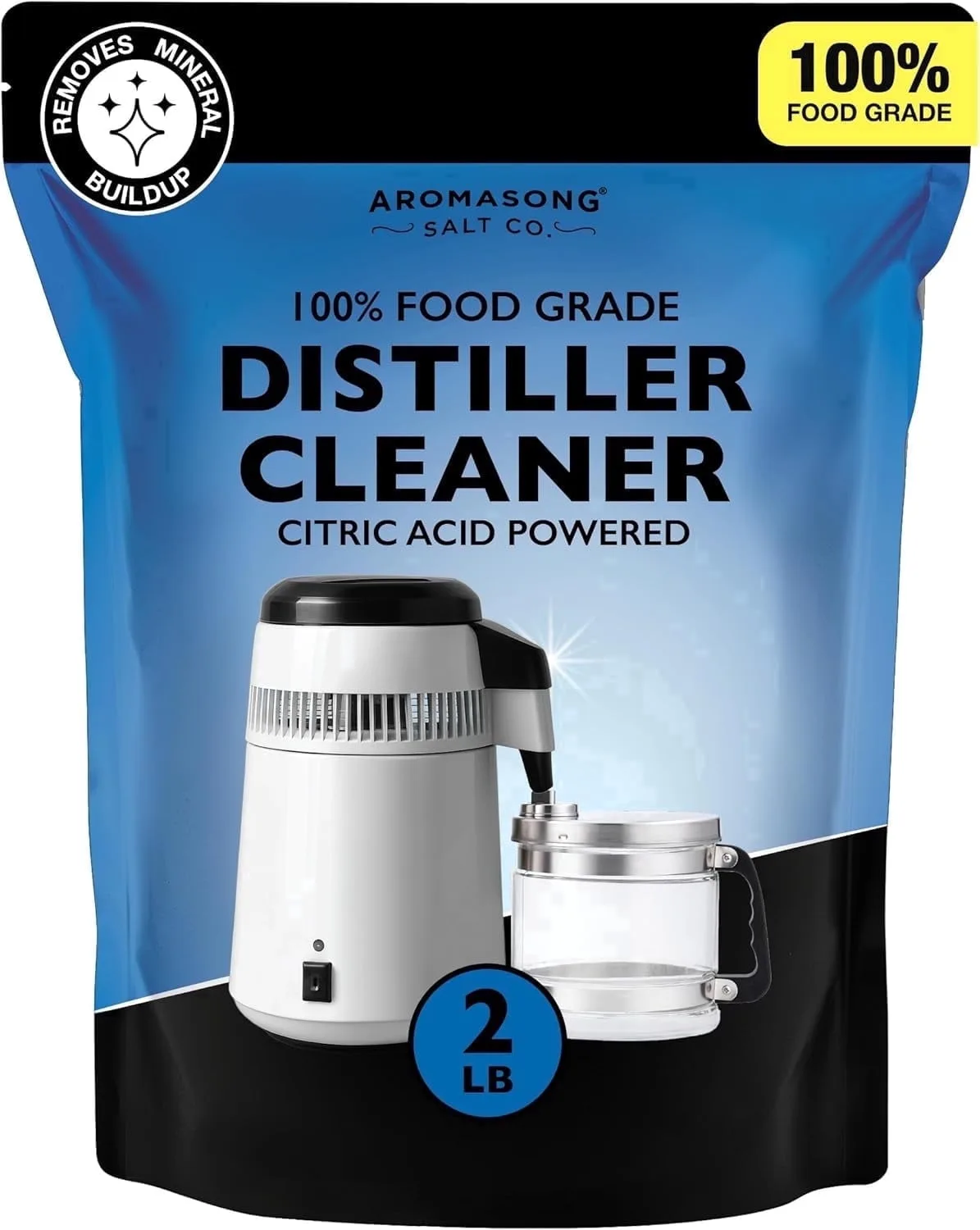
Citric acid is our top pick for good reason. It dissolves calcium carbonate faster than vinegar at the same concentration, leaves no odor, and is safe for aluminum and stainless steel. You can buy food-grade citric acid powder online or in canning sections for about $0.50 per ounce.
One tablespoon mixed with one quart of water makes a powerful descaling solution.
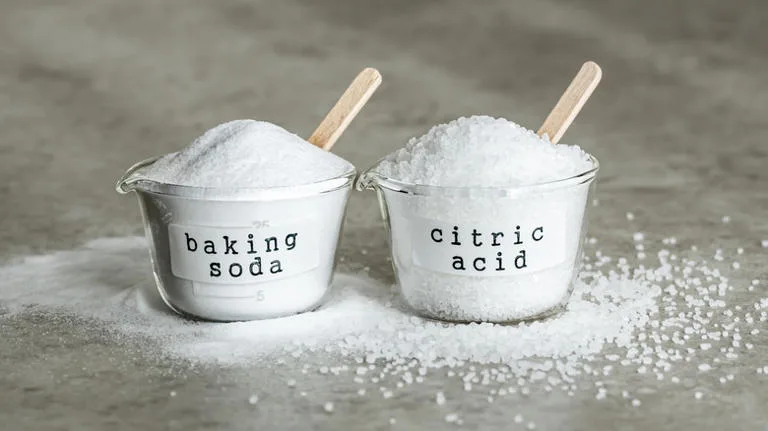
Image source: Bing (Web (fair-use with source credit))
Use this for quarterly deep cleans on any machine. The process takes about 30 minutes and requires two rinse cycles afterward.
Branch 2: Baking Soda (Light Cleaning and Deodorizing)
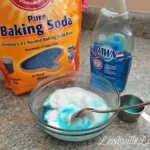
Baking soda is a weak alkali, so it won’t dissolve thick scale. But it’s excellent for removing coffee oils, odors, and light film. Mix one tablespoon per full reservoir.
Run the solution through a full brew cycle, let it sit for 15 minutes, then flush with fresh water. Best used weekly or as a between-descales refresher.
Branch 3: Lemon Juice (Moderate Descaling, No Vinegar Smell)
Lemon juice contains about 5, 6% citric acid naturally. It descales moderately well and leaves a pleasant citrus scent. However, the pulp and sugars can leave a sticky residue if not rinsed thoroughly.
Use half a cup of lemon juice per full reservoir, run half the cycle, let it sit 30 minutes, then finish. Rinse with two full cycles of plain water.
Branch 4: Hydrogen Peroxide or Commercial Tablets (When You Need More)
Hydrogen peroxide (3%) is an effective disinfectant and can help remove light staining, but it does not dissolve mineral scale. Use it only between descaling cycles if you’re concerned about bacteria (common in shared office machines). Commercial tablets, like those sold by Keurig or Urnex, are designed to meet warranty requirements and are the safest bet for high-end espresso machines.
They cost more ($8, $12 for a pack of six) but include precise dosing.
Step-by-Step – How to Clean Your Coffee Maker Without Vinegar
Regardless of which agent you chose from the decision tree, the cleaning process is nearly identical. Here’s the standard workflow.
- Empty and disassemble. Remove the carafe, filter basket, and any removable water reservoir. Wash these with warm soapy water and dry them separately.
- Prepare the cleaning solution. In a clean container, mix your chosen agent with the recommended amount of water. For citric acid, use 1 tablespoon per quart of water. For lemon juice, use half a cup per full reservoir.
- Fill the reservoir. Pour the solution into the water reservoir. Place the empty carafe on the warming plate.
- Run a half-cycle. Start the brew cycle but stop it halfway through (or after about 2 minutes for a drip machine). Turn off the machine.
- Let it soak. Allow the solution to sit inside the machine for 30, 60 minutes. For heavy scale, extend to 60 minutes.
- Finish the cycle. Turn the machine back on and let it finish running the remaining solution through. Discard the liquid.
- Rinse thoroughly. Fill the reservoir with fresh water and run a full brew cycle. Repeat this at least twice. Some manufacturers recommend three cycles for complete removal.
- Wipe down. Use a damp cloth to clean the warming plate, drip tray, and exterior. Reassemble the clean parts.
Pro tip: After the final rinse, brew one small pot of plain water and taste it. If there’s any leftover flavor, run another rinse cycle. A clean machine should produce water that tastes exactly like your tap water.
That covers the core process. In the next sections we’ll cover common mistakes that can damage your machine and a maintenance schedule based on your water hardness.
Common Mistakes That Ruin Your Machine (and Your Coffee)
Even with the right cleaning agent, small errors can undo all your work. Here are the most frequent slip-ups we see in aggregate user feedback.
Using too much cleaning agent. More is not better. Excess citric acid or lemon juice can leave a residue that tastes bitter or metallic. Stick to the ratios listed earlier, one tablespoon of citric acid per quart of water is plenty.
Skipping the rinse cycle. This is the number one complaint across verified buyer reviews. One rinse cycle rarely removes all traces of the cleaning solution. Always run two full cycles of fresh water.
If your machine has a charcoal water filter, remove it before cleaning and replace it afterward.
Letting the solution sit too long. Citric acid and lemon juice are effective but still acidic. Leaving them in the reservoir for over 60 minutes can start to degrade plastic components and rubber seals. Set a timer.
The 30, 60 minute soak window is safe.
Not cleaning the filter basket separately. The basket and carafe collect coffee oils and stale grounds. Washing them by hand with dish soap and a soft sponge prevents those oils from mixing with your next brew. Do this every few days, not just during descaling.
Using the wrong agent for your machine type. As we covered in the decision tree, aluminum boilers need citric acid, not vinegar or baking soda. And never use hydrogen peroxide on espresso machines with brass boilers, it can tarnish the metal. When in doubt, check your manufacturer’s manual.
Maintenance Schedule – How Often to Clean Based on Water Hardness
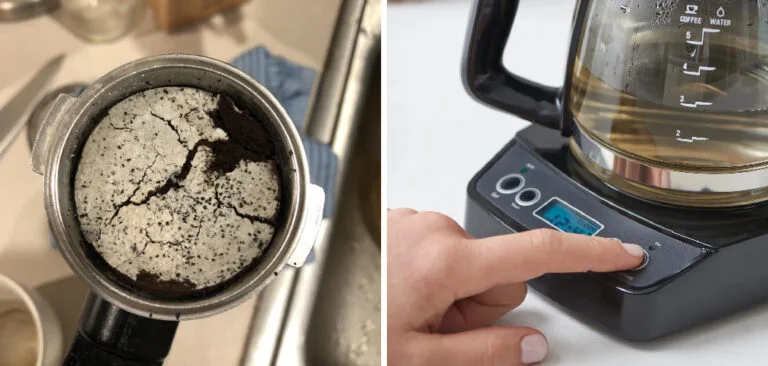
Image source: Bing (Web (fair-use with source credit))
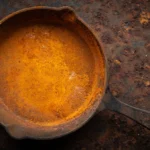
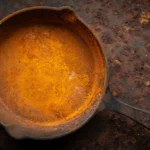
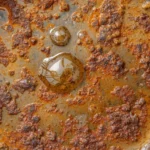
The photo above shows what happens when scale is left unchecked for six months in a hard-water area. That crusty layer reduces water flow, makes your machine run hotter, and can lead to a burned plastic smell during brewing.
Here’s a simple schedule based on your water hardness and usage:
| Water Hardness | Light Use (1–2 pots/day) | Heavy Use (4+ pots/day) |
|---|---|---|
| Soft (0–3 gpg) | Every 6 months | Every 3 months |
| Moderate (3–7 gpg) | Every 3 months | Every 2 months |
| Hard (7–10 gpg) | Every 2 months | Monthly |
| Very hard (10+ gpg) | Monthly | Every 3 weeks |
Weekly upkeep: Between deep cleans, run a baking soda rinse (one tablespoon per full reservoir) to remove coffee oils and odors. This takes five minutes and keeps your morning cup tasting clean.
When to descale based on performance. You don’t have to wait for the calendar. If your brew cycle takes longer than usual or the machine makes a loud gurgling sound, scale is likely clogging the heating element. Descaling immediately can prevent permanent damage.
One more tip: Use filtered water for brewing. It reduces scale buildup by up to 70 percent according to manufacturer tests. A simple pitcher filter costs about $30 and pays for itself in extended machine life.
Frequently Asked Questions
Can I use baking soda to descale a coffee maker with heavy scale?
No. Baking soda is a weak alkali and will not dissolve thick mineral deposits. Use it only for light cleaning and deodorizing between descaling cycles.
For heavy scale, stick with citric acid or a commercial descaling tablet.
How many rinse cycles do I need after cleaning without vinegar?
At least two full brew cycles with fresh water. If you used lemon juice, run a third cycle. Taste the water from the final cycle, if it tastes clean, you’re done.
If not, run another rinse.
Will citric acid damage my coffee maker’s rubber seals?
Food-grade citric acid in the recommended concentration (1 tablespoon per quart) is safe for rubber and silicone seals when used for 30, 60 minutes. Prolonged exposure or higher concentrations can cause degradation, so stick to the ratios and soak times given.
Can I use hydrogen peroxide to descale my Keurig?
Hydrogen peroxide (3%) does not dissolve mineral scale. It’s a disinfectant and can help with mold or bacteria, but it won’t remove calcium buildup. Use a Keurig-approved descaling solution or citric acid for proper scale removal.
How do I know if my machine has an aluminum boiler?
Check the user manual or look for a metal plate on the bottom of the machine listing the boiler material. Many older drip machines from Mr. Coffee and Bunn use aluminum.
If unsure, assume aluminum and avoid vinegar, use citric acid or commercial descaling tablets instead.
Is lemon juice safe for espresso machines?
Lemon juice can be used in a pinch, but its sugars and pulp can leave residue inside narrow espresso machine valves. Rinse thoroughly with at least three fresh-water cycles. For regular maintenance, commercial descaling solutions designed for espresso machines are a safer bet.

Similar Posts