How to Remove Rust from Cast Iron Pan Sidewalls and Rims
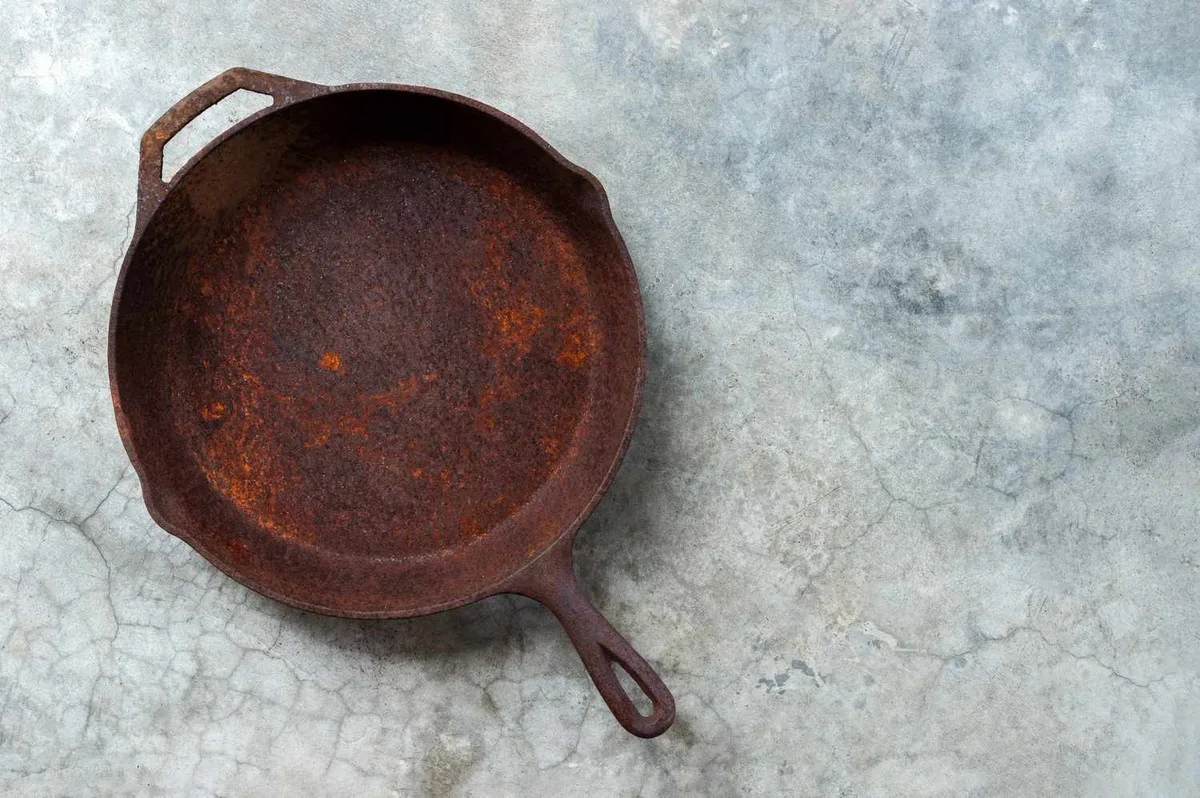
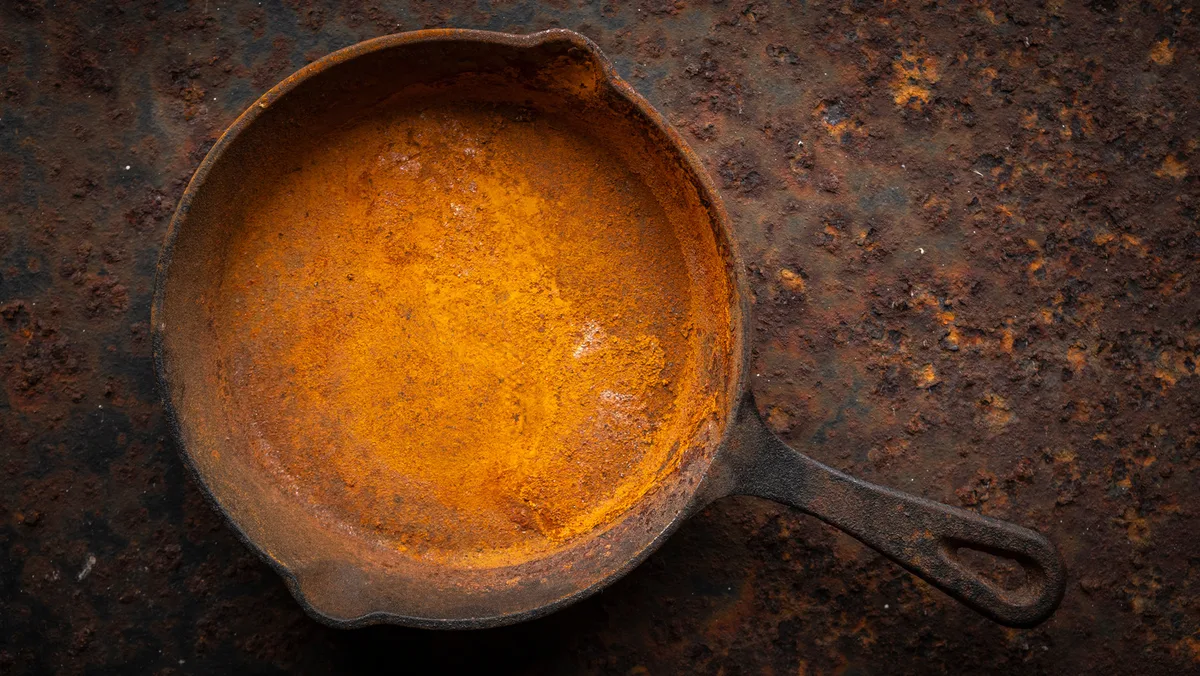
If you're staring at a rusty cast iron pan and wondering how to remove rust from cast iron pan, you're in the right place. Rust looks like a death sentence for your favorite skillet, but it's usually not. In most cases, you can bring a rusty pan back to life with a few household items and some elbow grease.
According to manufacturer guides, cast iron can handle decades of abuse if you reseason it properly. As of 2026, most cast iron makers recommend stripping rust and reseasoning with an oil that has a smoke point above 400°F. Let's walk through exactly how to decide if your pan is worth saving.
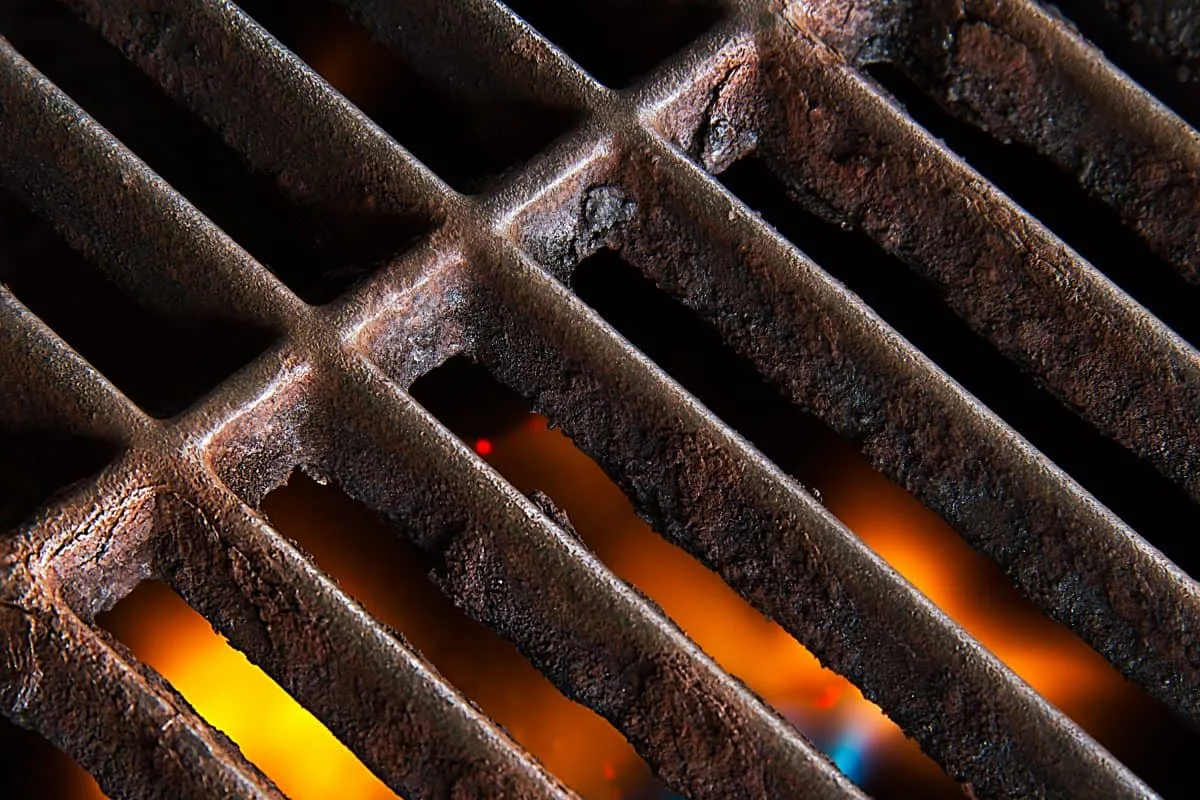
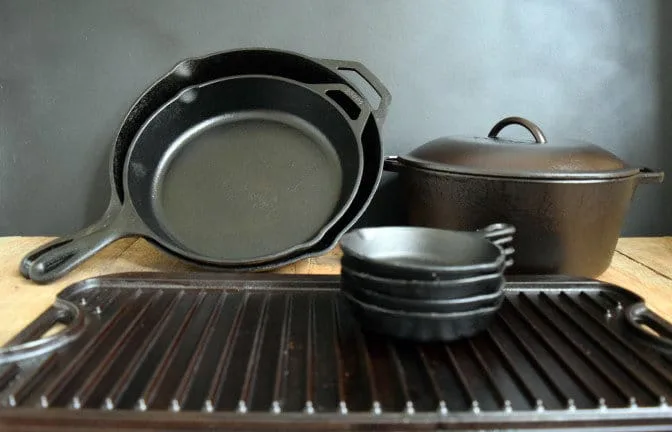
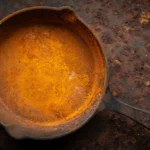
Image source: Web (Bing) / southernliving.com (Web image (fair-use with source credit))
Is That Rusty Pan Worth Saving or Should You Toss It?
Before you scrub anything, put the pan on your counter and inspect it. Not every piece of cast iron deserves a second chance. Look for cracks, warping, or holes.
A cracked skillet won't heat evenly, and a warped one won't sit flat on your stove. If you see any of those, toss it. Replacement pans cost $20 to $60, and no amount of rust removal fixes structural damage.
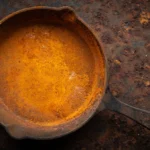
Next, check the rust itself. Run a finger across the surface. Is it flaky, powdery, or just a light orange haze?
Powdery rust means the oxidation is eating into the metal. That's still salvageable. Deep pits or holes that go all the way through are not.
Also, check for any strange smell or sticky patches. That could be old cooking oil, not rust, and it needs a different cleaning path.
Here's a quick decision break:
| Condition | Verdict |
|---|---|
| Cracks, warping, holes | Toss it |
| Light surface rust | Save it |
| Moderate rust, no pitting | Save it |
| Heavy rust, deep pitting | Save it, but it takes work |
| Holes or thin spots | Don't cook on it |
If your pan passes the structural check, it's worth saving. That's true even for vintage pieces with decades of grime. Once you've confirmed the pan is solid, the next step depends on how much rust you're dealing with.
That brings us to the easy fix.
Light Surface Rust: The 15-Minute Scrub Fix
Light rust looks like a thin orange dusting. It often appears after you wash a pan and don't dry it fully. It's the most common type, and it's also the easiest to fix.
You can handle this one in about 15 minutes with things you already own.
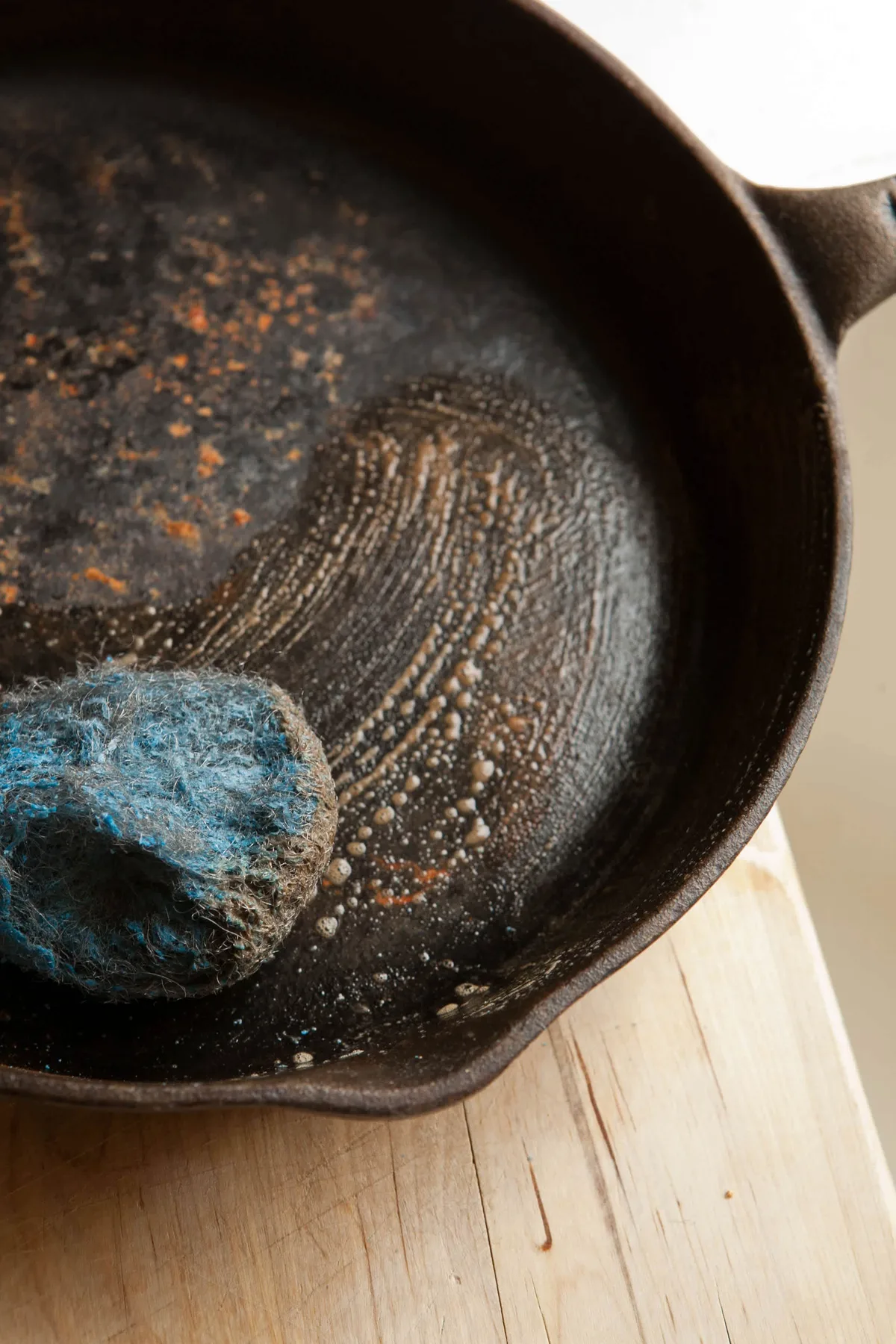
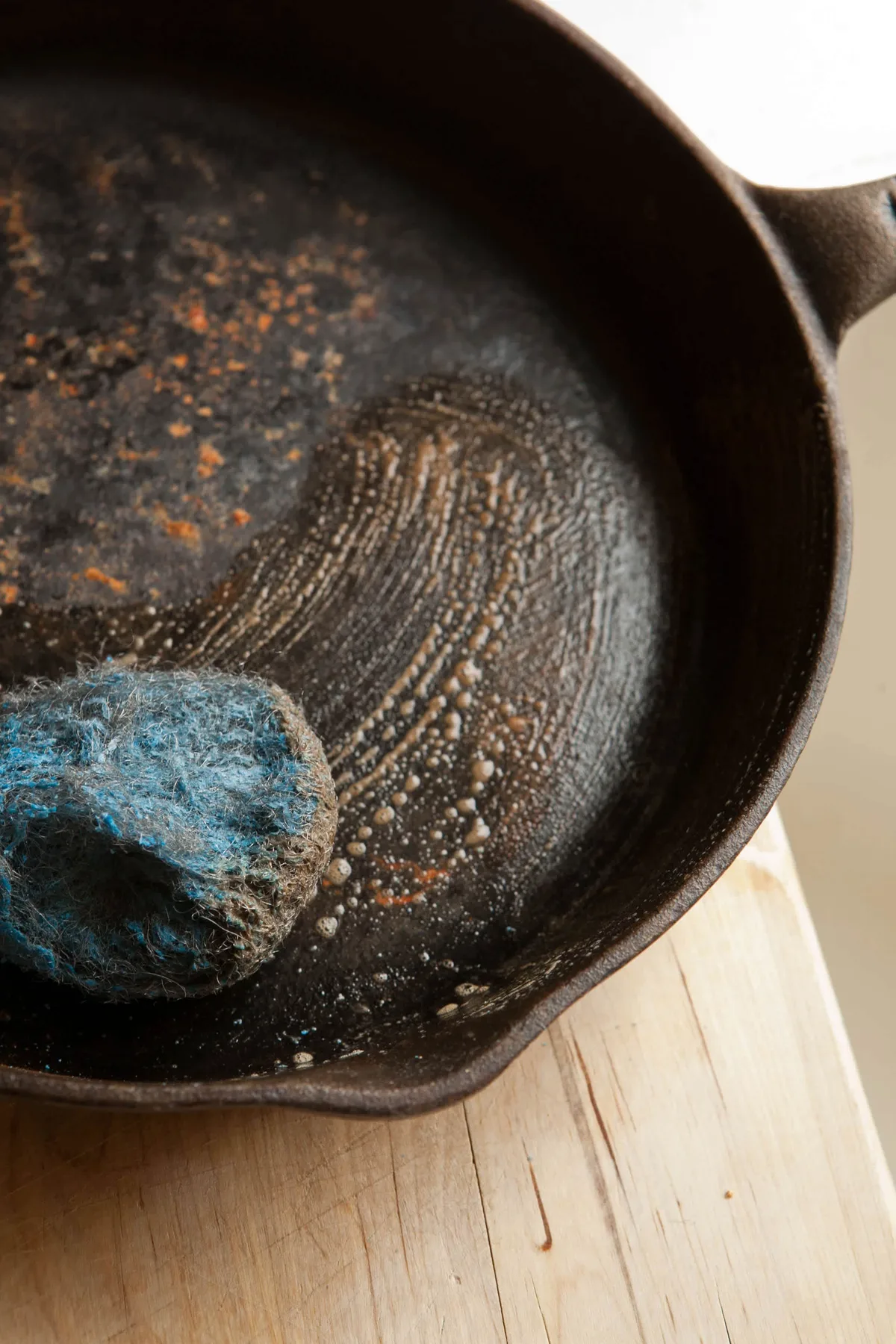
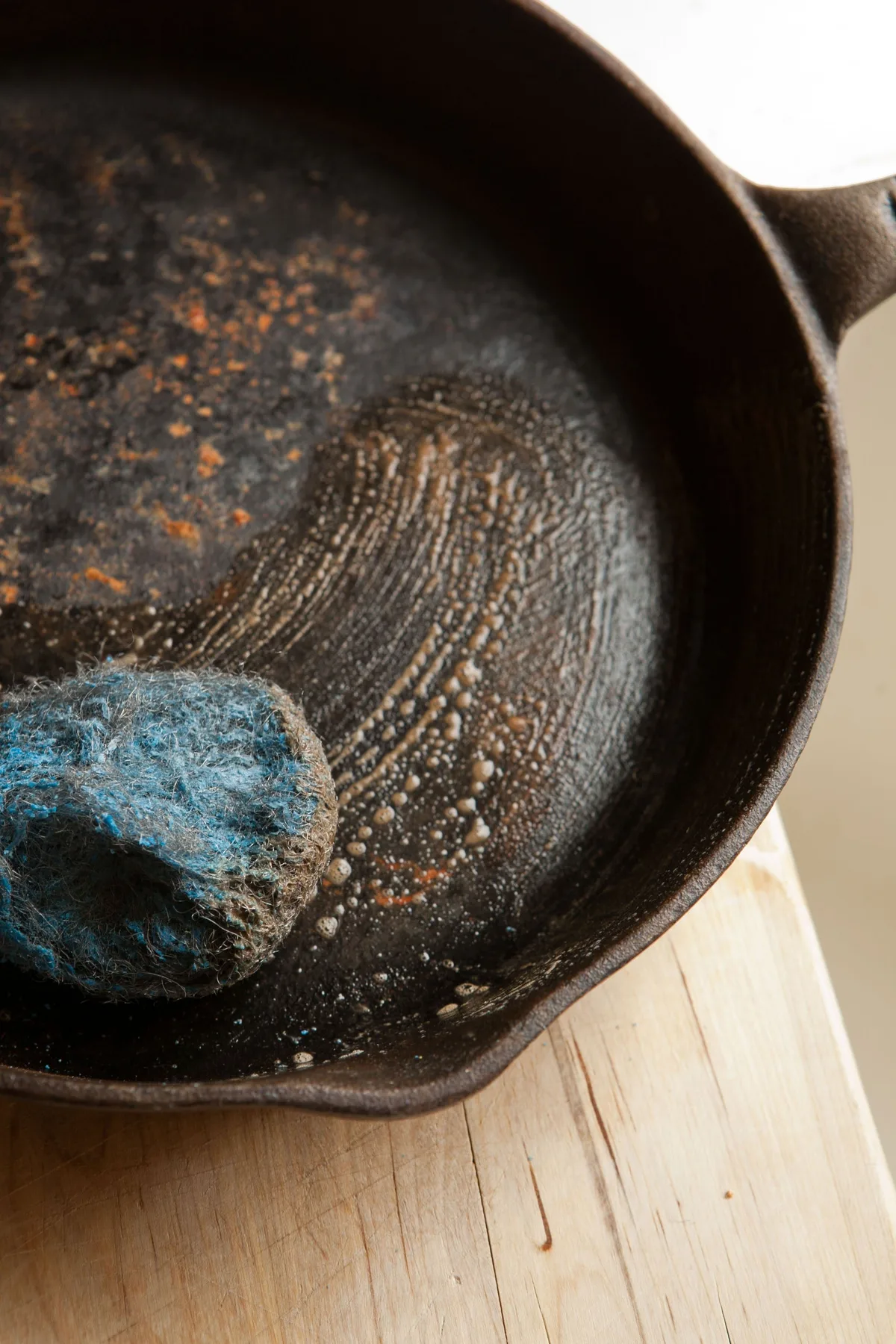
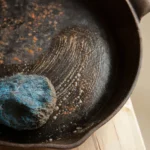
Grab a piece of fine steel wool, grade 0000 or a regular scrubbing sponge, and run warm water over the pan. Add a drop of mild dish soap if you want, but keep it light. Scrub in circular motions, focusing on the rusty spots.
You'll see the orange color transfer to the steel wool. Keep going until the metal feels smooth and looks gray, not orange.
Here's the key step: dry the pan completely. Put it on the stove over low heat for two or three minutes. This drives out all the moisture hiding in the pores.
Then apply a thin layer of cooking oil, like vegetable or canola. Use a paper towel and rub the entire surface, inside and out. Place it back on the warm stove for a few minutes to let the oil soak in.
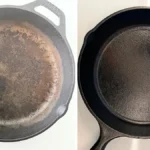
That's it. Your pan looks good as new, but it's not seasoned yet. You'll need a proper reseasoning pass to protect it long term.
For light rust, this scrub-and-oil fix buys you time, but it doesn't replace a full oven seasoning.
Moderate Rust: The Vinegar Soak Method
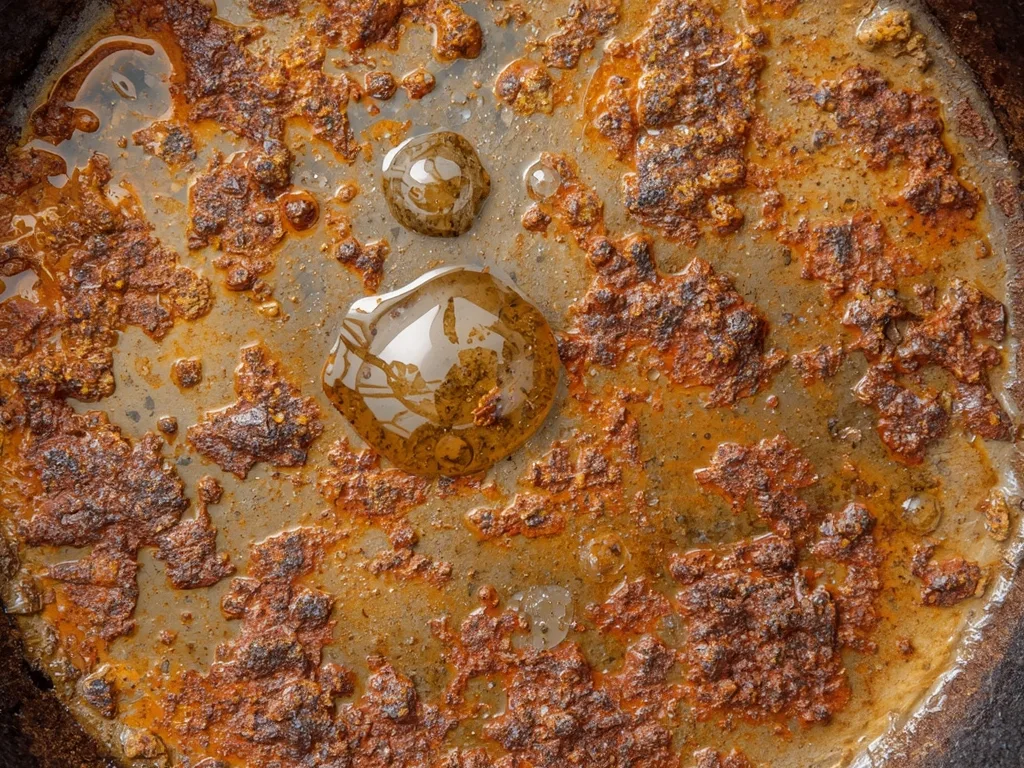
If the rust has turned brown or reddish and won't come off with a simple scrub, it's time for a vinegar soak. This method works for moderate rust, the kind that's spread across the surface but hasn't eaten deep holes. Vinegar is mildly acidic, and it dissolves the iron oxide without damaging the metal underneath, as long as you watch the clock.
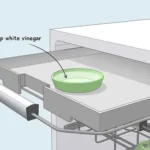
Mix a 50/50 solution of white vinegar and water. Fill a bucket or your sink deep enough to fully submerge the pan. Drop the pan in and let it soak.
This is where most people mess up. You don't leave it overnight. You soak in 30-minute increments, checking the pan each time.
After 30 minutes, pull it out and scrub with steel wool. If rust still remains, put it back in for another 30 minutes. Never go beyond two hours total, or the vinegar starts eating the good iron.
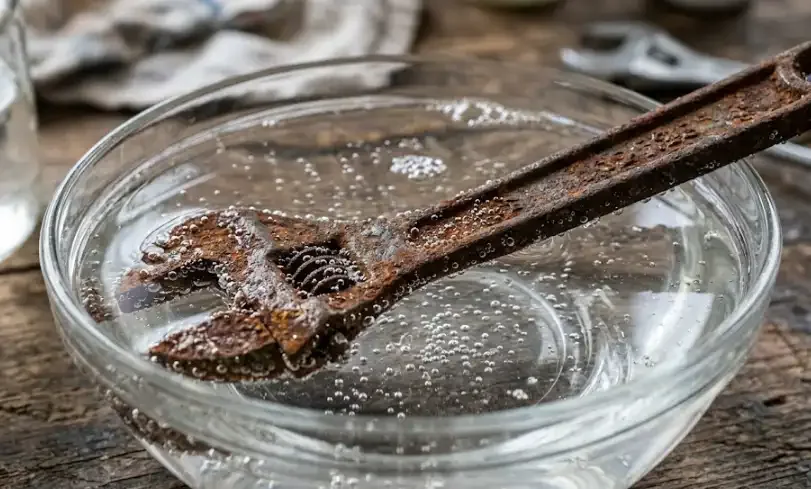
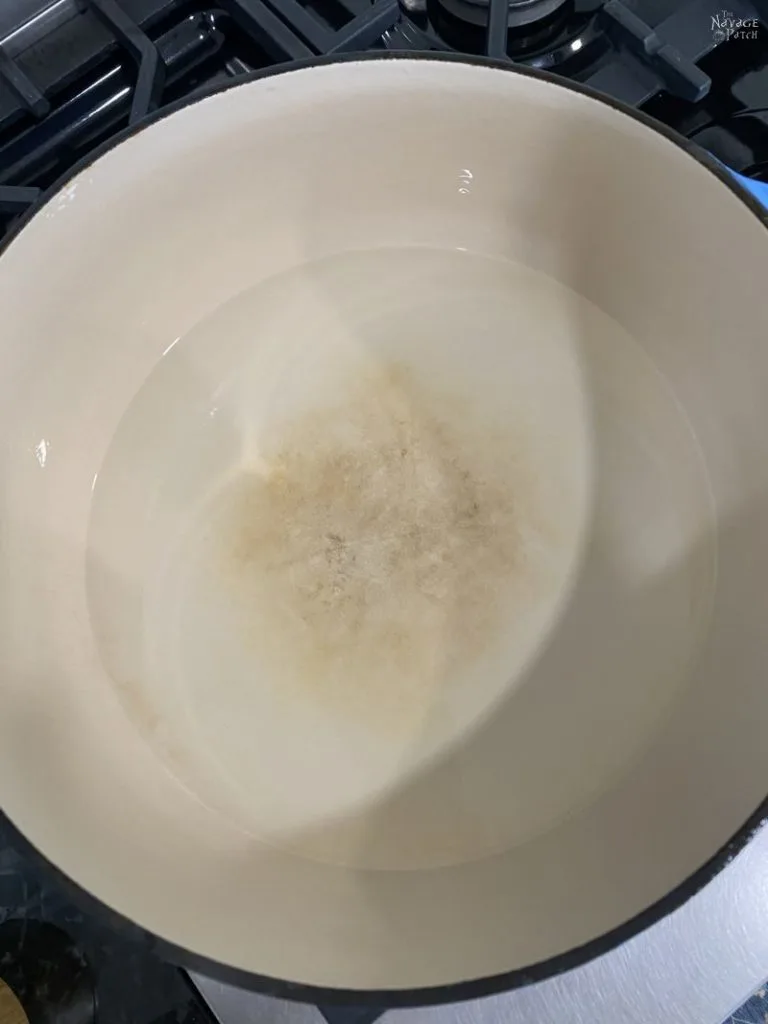
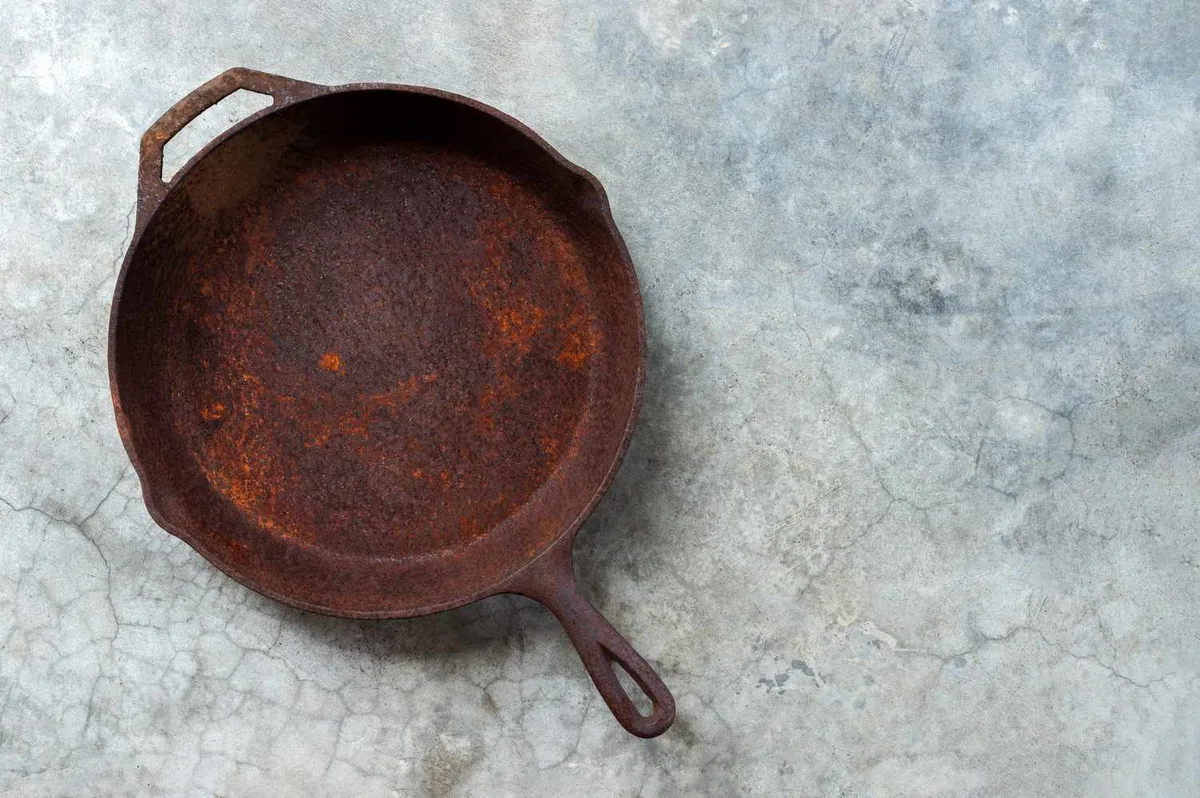
Image source: Bing (Web (fair-use with source credit))
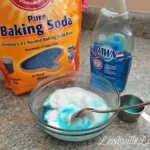
Once the rust is gone, you need to neutralize the acid. Rinse the pan under running water, then make a paste of baking soda and water. Rub it all over the pan.
This stops the vinegar from reacting any further. Rinse again, dry on the stove, and apply a light coat of oil immediately.
A few things to keep in mind. Don't use apple cider vinegar; white vinegar is cheaper and works better. If your pan is enameled, skip this method entirely.
The vinegar will etch the coating. For bare cast iron, you're safe, but only if you respect the time limits.
Heavy Rust or Pitting: The Electrolysis Route (or When to Walk Away)
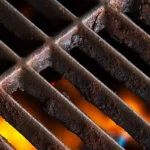
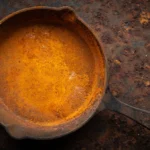
Heavy rust means thick, flaky, scaled corrosion. It often comes from pans left outside or in a damp basement for years. This type needs more than vinegar.
The most effective DIY method is electrolysis, which uses a battery charger to pull rust off the metal. It's not complicated, but it does require some setup and patience.
You'll need a plastic bucket, a battery charger, a piece of rebar or scrap steel, washing soda (not baking soda), and a couple of clamps. Fill the bucket with water and dissolve a few tablespoons of washing soda. Attach the rebar to the positive clamp and the cast iron pan to the negative clamp.
Make sure they never touch each other. Plug in the charger and let it run for 12 to 24 hours. The bubbling water lifts the rust right off the surface.
Electrolysis is safe for the pan, but it's slow. You also have to be careful with electricity near water, so keep the charger and outlets dry. If that sounds like too much hassle, a commercial rust remover like Evapo-Rust works too.
You just soak the pan in it for a few hours and rinse. Both methods are effective.
When should you walk away? If the pan has deep pitting that creates rough spots where food will constantly stick, or if you spot pinholes that go through the metal, it's not worth the effort. Vintage collectors sometimes restore severely pitted pans for display, but for everyday cooking, a pitted pan won't perform well.
In that case, buy a new one.
The Most Common Rust-Removal Mistakes (And How to Avoid Them)
Even experienced cooks make errors when dealing with rusty cast iron. Here are the pitfalls that cause the most frustration, based on aggregate user feedback and manufacturer care guides.
Over-soaking in vinegar. Leaving a pan in vinegar for hours or overnight damages the metal. Stick to 30-minute intervals and check frequently.
Using too much heat to dry. Crank the stove to high and you'll burn off the patina or even warp the pan. Use low heat and give it a few minutes.
Skipping the drying step. Rust comes back fast if you leave any moisture behind. Always dry on the stove after rinsing, even if it looks dry.
Applying too much oil after cleaning. A thick oil layer turns sticky and attracts dust. You need a thin, barely-there coat. Wipe it on, then wipe it off like you're trying to remove it.
Confusing rust with old seasoning. Burnt-on food and old seasoning look brownish, too. If your pan feels smooth in spots and rough in others, you might just need a good scrub, not a rust treatment. Test with a paper towel.
Rust comes off as orange. Seasoning doesn't.
Skipping the seasoning step. Removing rust exposes bare iron. If you don't reseason right away, the pan will rust again within hours. Have your oil ready before you start cleaning.
Avoid these and you'll save yourself a lot of time. Next up, we'll cover how to build a solid seasoning layer so your pan stays rust-free for years.
After the Rust Is Gone: Re-Seasoning and Long-Term Care
Once the rust is gone, the pan is bare iron. That means it will flash rust within minutes if you don't oil it. So have your oil and oven preheated before you finish scrubbing.
Start by preheating your oven to 400°F to 450°F. Choose an oil with a high smoke point. Flaxseed, grapeseed, and canola all work well.
Apply a thin coat to the entire pan. Wipe it down like you're trying to remove the oil, because too much creates a sticky surface.
Place the pan upside down on the top rack. This lets excess oil drip off instead of pooling. Put a sheet of foil on the rack below to catch any drips.
Bake for one hour, then turn off the oven and let the pan cool inside. That's one layer. For best results, repeat the process two or three times.
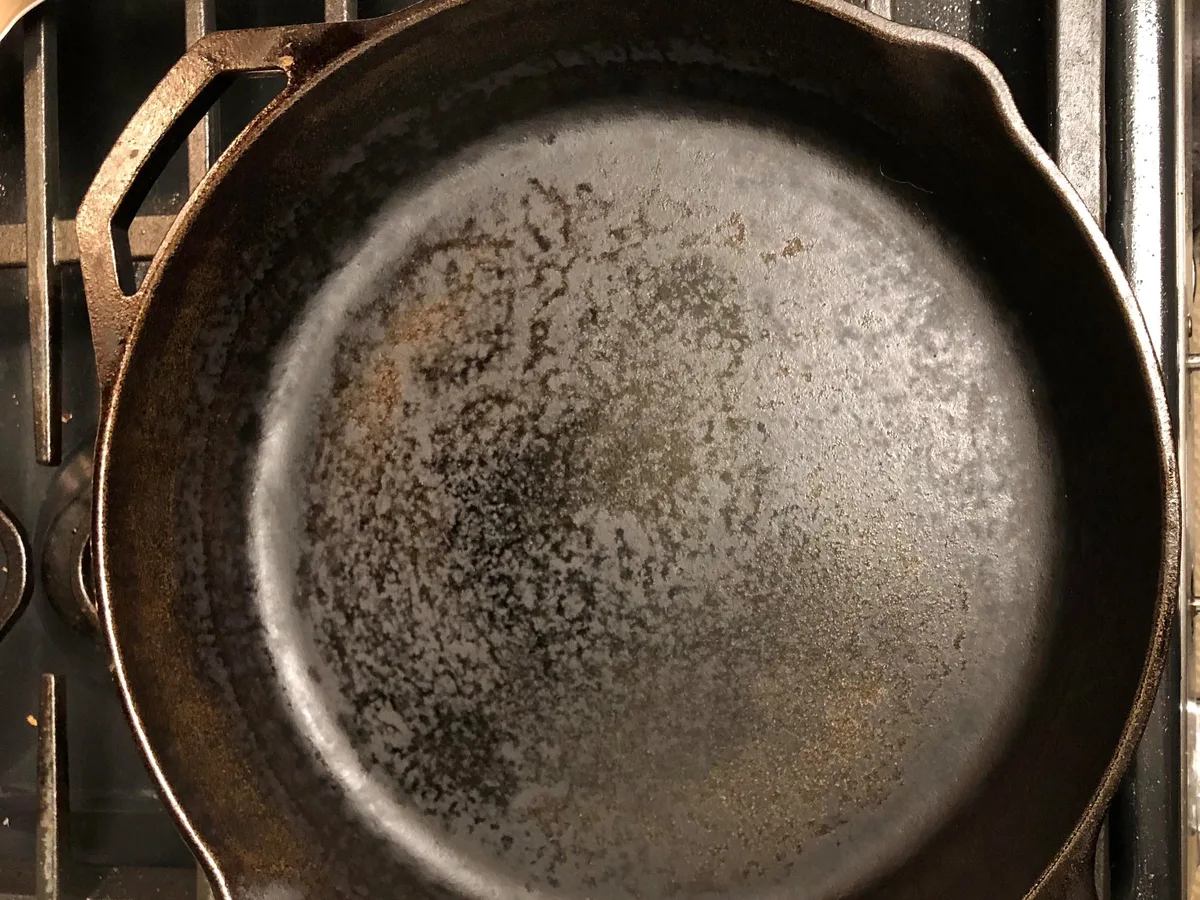
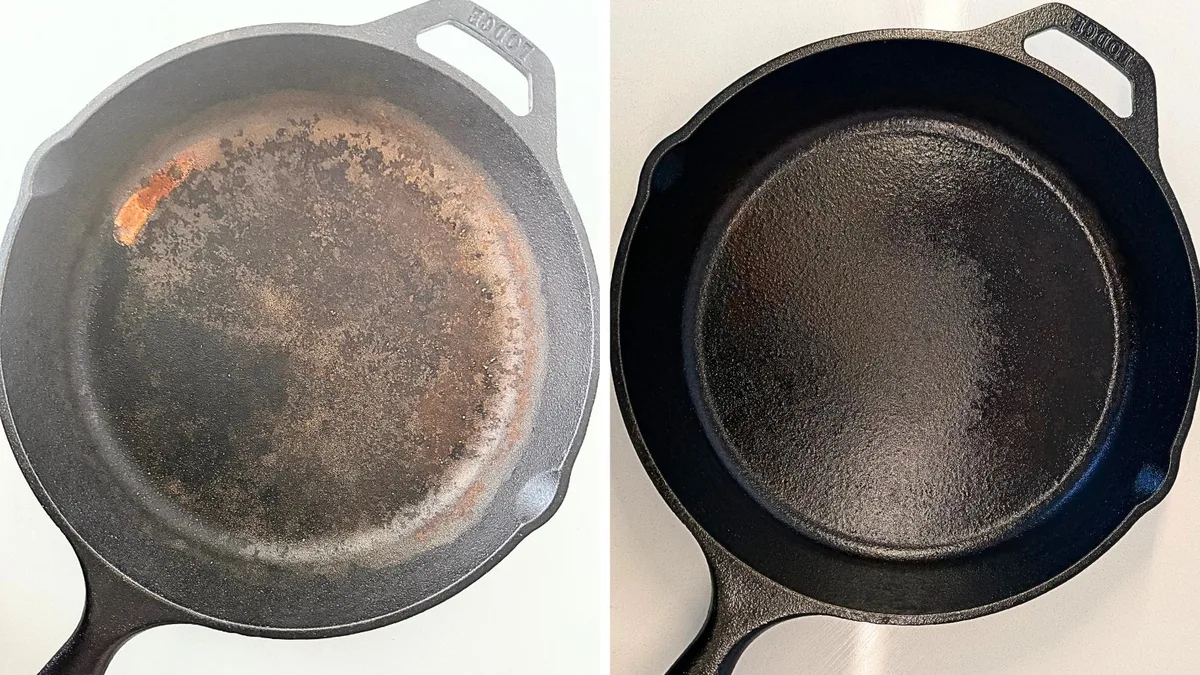
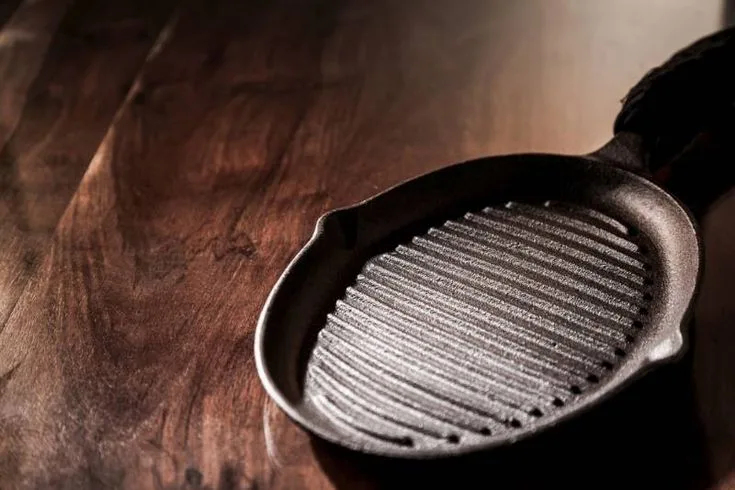
Image source: Bing (Web (fair-use with source credit))
Now for daily care. After cooking, scrape away food while the pan is still warm. Rinse with hot water and scrub if needed.
A little dish soap is fine once the seasoning is set. Dry it on the stove over low heat, then rub in a whisper-thin layer of oil. That's the whole routine.
If food starts sticking or the surface looks dull, add one seasoning layer. Most people only need a full reseason once or twice a year. Pans used for acidic foods like tomato sauce may need a touch-up sooner.
Keep it simple and your skillet will outlast you.
Frequently Asked Questions
Can I use dish soap on cast iron?
Yes. Modern dish soaps don't contain lye, so they won't strip your seasoning. Use a small amount and rinse thoroughly.
The real enemy is water, not soap. Dry the pan completely on the stove and apply a light oil coat before storing.
How long should I soak a pan in vinegar?
Limit each soak to 30 minutes. Check the pan and scrub it before deciding on another round. Two hours total is the maximum.
Leaving cast iron in vinegar overnight damages the metal surface and creates pitting that ruins the pan's cooking performance.
Will rust permanently ruin my cast iron?
No, rust doesn't penetrate the metal the way it does with other materials. Surface rust and even moderate scaling can be removed completely. Keep scrubbing until you see smooth gray iron underneath.
Deep pitting that eats all the way through is the only case where the pan is beyond saving.
Can I use these methods on enameled cast iron?
Never soak an enameled pan in vinegar or use steel wool on it. The vinegar dulls the enamel, and abrasives scratch the coating. Clean enameled cast iron with a soft sponge and baking soda paste instead.
Enamel doesn't rust, so it only needs the same treatment you'd give any ceramic surface.
Why does my pan keep rusting after I clean it?
The likely culprit is trapped moisture. Tiny droplets hide in the pan's porous surface after rinsing. That's why you must dry it over low heat, not just with a towel.
The second cause is a missing oil layer. Bare iron oxidizes within hours, so always finish with a thin coat of oil while the pan is warm.

Similar Posts