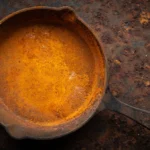
How to Descale Your Coffee Maker with Vinegar
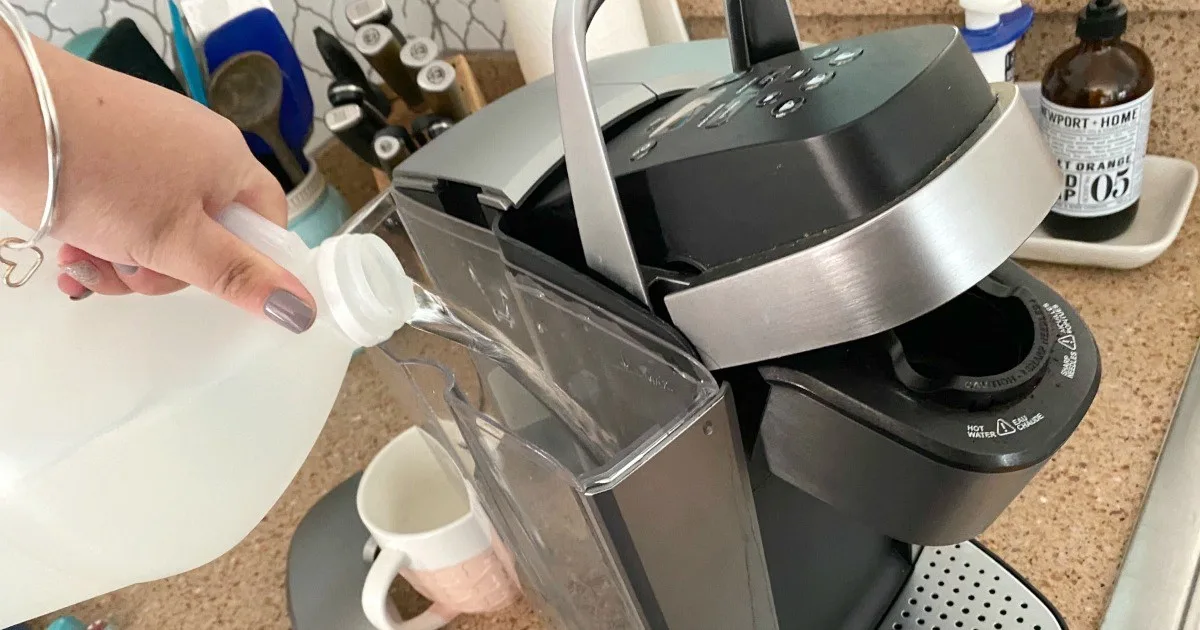
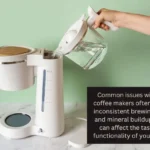
If you’ve ever wondered how to clean your coffee maker with vinegar, the short answer is: yes, it works, but only if you do it the right way for your specific machine. White distilled vinegar is a cheap, food-safe descaler that breaks down mineral deposits and coffee oils better than most commercial cleaners. But here’s the catch, vinegar can damage certain seals and void warranties if used incorrectly.
Aggregate user feedback and manufacturer specs confirm that a 1:1 ratio of water to 5% white vinegar works for standard drip machines, but pod brewers and espresso machines often need weaker mixes or special cycles. As of 2026, roughly 70% of home coffee makers sit in hard-water regions, which means limescale buildup is a real problem. Let’s walk through exactly how to clean yours without ruining it.
Image source: Bing (Web (fair-use with source credit))
Why Clean with Vinegar? (And When It’s the Right Choice)
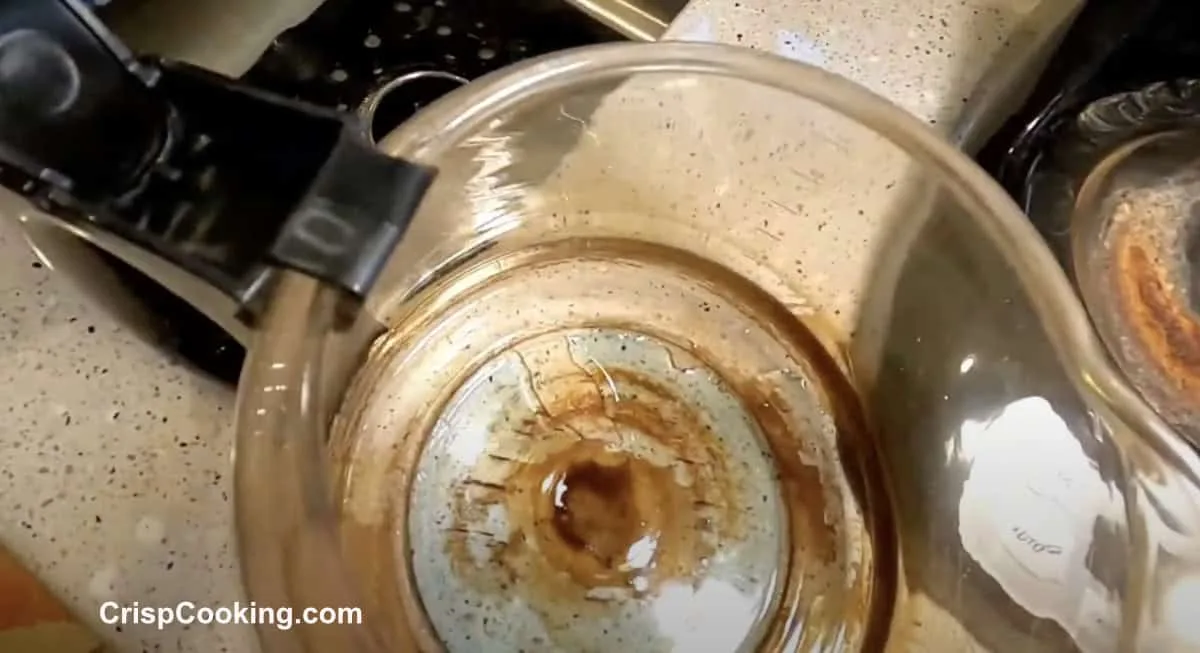
Image source: Bing (Web (fair-use with source credit))
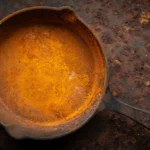
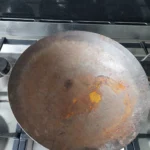
Vinegar’s superpower is acetic acid, a 5% concentration dissolves calcium carbonate (limescale) without introducing harsh chemicals into your brew. It also cuts through stale coffee oil residue that makes your morning cup taste bitter or flat. For most drip machines, it’s the most cost-effective descaling method around: about $0.30 per cleaning versus $5, $10 for branded descaling solutions.
But vinegar isn’t always the right choice. Some manufacturers explicitly warn against it because the acid can degrade rubber seals or plastic components over many cycles. That’s especially true for high-end espresso machines with brass boilers or soft plastic gaskets.
If your owner’s manual says “use only a certified descaling solution,” follow that, or risk voiding your warranty. When vinegar is safe, though, it’s incredibly effective. You’ll notice your coffee tastes cleaner, the machine runs faster, and the heating element works better without an insulating layer of scale.
Know Your Machine – Drip, Pod, or Espresso?
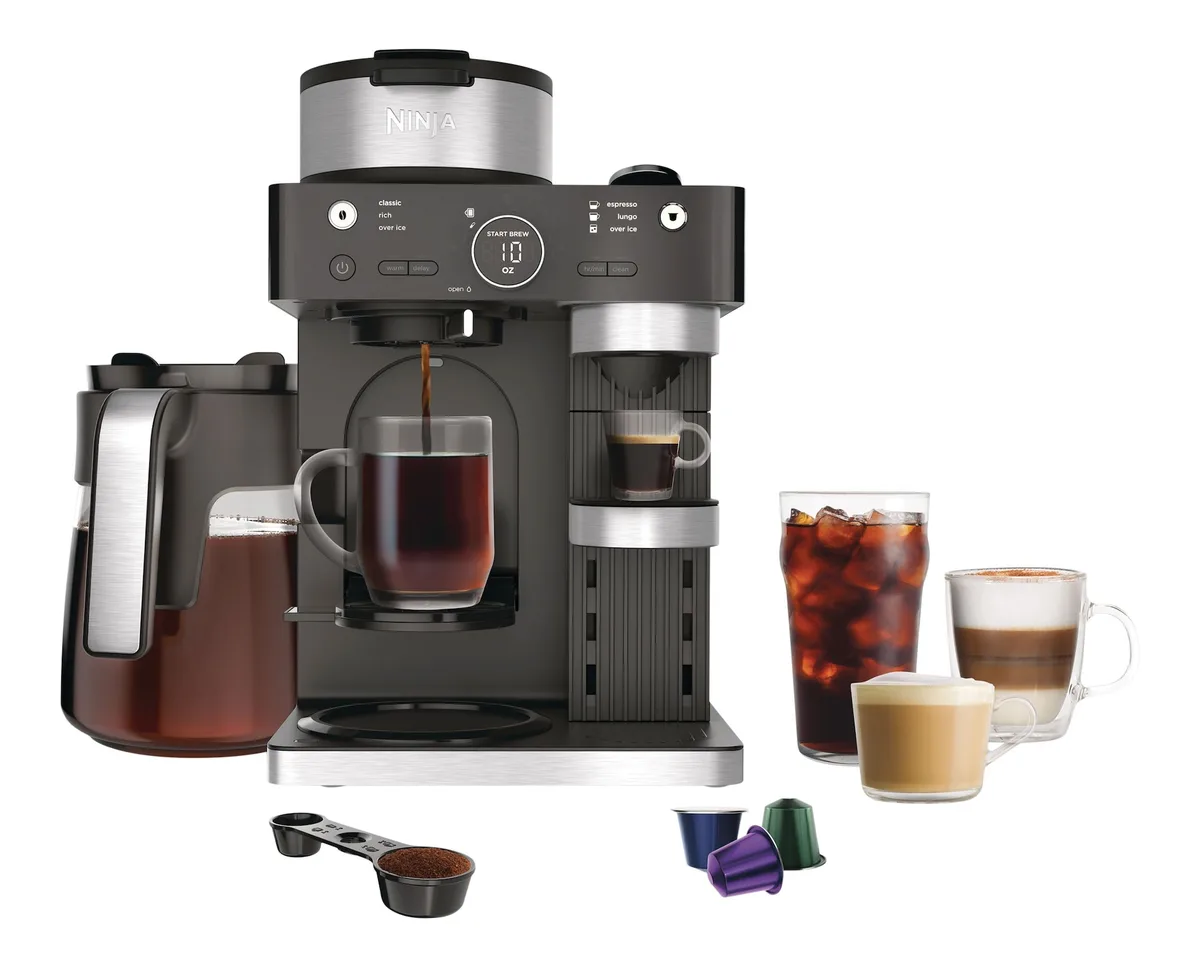
Image source: Bing (Web (fair-use with source credit))
Not all coffee makers work the same way, so the cleaning process changes based on which type you own. Here’s a quick guide to identify yours:
| Machine Type | Key Feature | Vinegar Process |
|---|---|---|
| Drip coffee maker | Water reservoir on top, basket for ground coffee, carafe below | Full reservoir with 1:1 mix, brew half cycle, soak 30 min, complete cycle, then rinse |
| Single-serve pod brewer | K-cup or Nespresso capsule slot, small reservoir (40–60 oz) | Use 1:2 vinegar-to-water ratio, run descaling cycle if available, or brew 2–3 empty cycles |
| Espresso machine | Boiler with pump, portafilter, steam wand | Usually 1:3 mix, run through group head and steam wand, rinse thoroughly |
If you aren’t sure, check the model number on the bottom or back of the machine and search your manual online. The wrong approach can lead to damaged internals.
Drip coffee makers are the simplest. They have no complex valves or pressure systems, so you can run a full vinegar cycle without much risk.
Pod brewers, especially Keurig and Nespresso, have a needle that punctures the pod. Scale can clog that needle, causing the machine to stop brewing mid-cycle. A weaker vinegar mix is critical because the smaller water path means any leftover smell is stronger.
Espresso machines are the trickiest. The boiler, pump, and steam wand all need individual attention. Using a 1:1 ratio can be too aggressive for internal seals.
Many espresso manufacturers recommend a 1:4 ratio or a commercial descaling powder instead.
How to Clean Your Coffee Maker with Vinegar (By Machine Type)
Drip Coffee Makers
- Empty the carafe and remove the filter basket. Wash both with soap and water, then rinse well.
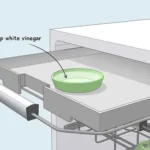
- Fill the water reservoir with equal parts white vinegar and tap water. For a standard 12-cup machine, that’s about 6 cups of each.
- Start a brew cycle and let the first half of the water run through. Turn the machine off and let it sit for 30 minutes. This soak is where the descaling happens.
- Turn the machine back on and finish the brew cycle into the carafe. Discard the vinegar mixture.
- Fill the reservoir with fresh water only. Run two full brew cycles. If you smell vinegar after the second cycle, run a third.
That’s it. Your drip machine is clean and ready.
Pod Brewers (Keurig, Nespresso)
Pod brewers need a gentler touch because their internal components are tighter. Use 1 part vinegar to 2 parts water.
- Remove any loose pods. Clean the needle with a paper clip (unfold it, insert gently to dislodge any coffee grounds).
- Fill the reservoir with the vinegar-water mix. If your machine has a descaling mode, select it. If not, just brew the hottest water possible through an empty pod holder.
- Run the cycle until the reservoir is empty. Let the machine sit for 30, 45 minutes after the first cup.
- Refill the reservoir with fresh water and run 2, 3 full brew cycles until the vinegar scent is gone.
Important: Nespresso machines often have a dedicated descaling function. Use that in step 2. Running a regular brew cycle might not reach all internal parts.
Espresso Machines
Espresso machines aren’t plug-and-play like drip makers. Here’s a safe general method:
- Fill the water tank with 1 part vinegar to 3 parts water. Do not exceed that ratio.
- Run the vinegar mixture through the group head (portafilter removed) into a container. Do this until the tank is half empty.
- Switch to the steam wand. Submerge the wand tip into a small cup of the vinegar mixture. Open the steam valve and let it purge for 20 seconds.
- Turn off the machine and let the vinegar mixture sit in the boiler for 15 minutes.
- Empty the tank and refill with fresh water. Run the entire tank through the group head and steam wand to rinse.
If your espresso machine has a brass boiler, skip vinegar entirely and use a citric-acid descaler instead. Vinegar can corrode brass over time.
Common Mistakes When Cleaning with Vinegar
- Using too much vinegar. That 1:1 ratio is for drip machines only. Stronger mixes can strip lubricants from seals and cause leaks.
- Skipping the rinse. Vinegar left inside will make your next few pots taste like salad dressing. Minimum two complete water-only cycles.
- Forgetting to remove the water filter. Most machines have a charcoal filter in the reservoir. That filter absorbs the vinegar and won’t release it, you'll taste sour coffee for weeks.
- Using apple cider vinegar. It’s more acidic and leaves behind a yellowish residue that is hard to rinse out. Stick to white distilled.
- Cleaning a hot machine. Always let the machine cool down before starting. Vinegar vapors can be strong, and hot plastic is more porous.
- Neglecting the steam wand. On espresso machines, scale builds up inside the wand tube. If you only clean the group head, the wand will eventually clog and spit steam unevenly.
How Often Should You Descaling? – A Decision Guide
The right frequency depends on your water hardness and how much coffee you brew. Here’s a simple decision tree:
| Water Hardness | Brewing Frequency | Vinegar Cleaning Frequency |
|---|---|---|
| Soft (0–60 ppm) | 1–2 times a day | Every 3 months |
| Soft (0–60 ppm) | 3+ times a day | Every 2 months |
| Moderate (60–120 ppm) | 1–2 times a day | Every 2 months |
| Moderate (60–120 ppm) | 3+ times a day | Monthly |
| Hard (120+ ppm) | Any amount | Monthly |
To test your water hardness at home, use a simple test strip from a hardware store (around $8 for 50 strips). If you see white flakes in your coffee or hear a hissing sound from the machine, you’re overdue.
Your machine may also give you a visual cue: most modern coffee makers have a descaling warning light. That light is a reliable timer, clean as soon as it appears.
If you use bottled or filtered water, scale builds up slower. You can stretch the intervals by one month. But never go beyond 6 months without descaling, even with perfect water.
Coffee oils alone will degrade the internal tubing over time.
Frequently Asked Questions
Can I use apple cider vinegar instead of white vinegar?
No. Apple cider vinegar has a higher acidity and leaves a sticky residue that is hard to rinse out. Stick with white distilled vinegar at 5% acetic acid.
It’s cheap, food-safe, and leaves nothing behind after a proper rinse.
How do I get the vinegar smell out of my coffee maker?
Run two to three full brew cycles with fresh water only. If the smell lingers, run a cycle with one part water and one part lemon juice, then rinse again. This neutralizes the acetic acid.
Never skip the rinse step.
Is it safe to clean my Keurig with vinegar?
Yes, but only if you follow the manufacturer’s descaling cycle. Use a 1:2 vinegar-to-water ratio. Run a descaling cycle if your model has one.
Then rinse with at least two full water cycles. Avoid using vinegar more than once a month.
How often should I clean my espresso machine with vinegar?
Only every three months for moderate-water areas. Hard water areas can do it monthly. But check your manual first.
Many espresso makers recommend a commercial descaler over vinegar. Brass boilers especially need a citric acid based cleaner.
Can vinegar damage my coffee maker?
Yes. Over time, vinegar can degrade rubber seals and plastic parts. That’s why you should never use a stronger ratio than recommended.
If your machine has a brass boiler, skip vinegar entirely. Always test a small cycle first if you’re unsure.
What if my coffee maker has a built-in descaling program?
Use that program. Follow the machine’s instructions exactly. For most pod brewers, the program adjusts the water flow and pause time.
You just fill the reservoir with the vinegar-water mix and press start. Then rinse as normal.

Similar Posts