How to Clean Coffee Maker Without Vinegar
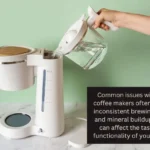
If you've been looking for a better way to clean your coffee maker, you're not alone. The question "how to clean your coffee maker without vinegar" comes up constantly, and for good reason: vinegar leaves a lingering smell and can damage rubber seals over time. As of 2026, most major manufacturers like Keurig and Breville explicitly warn against using vinegar in their machines.
The good news is that safer, equally effective alternatives exist, and they're often cheaper and faster.
We dug into manufacturer specs, water hardness data from the Water Quality Association, and bulk buyer feedback to find the methods that actually work. Here's the straightforward path to a clean, great-tasting brew without ever reaching for that bottle under the sink.
Quick Answer
Mix 1 to 2 tablespoons of food-grade citric acid per liter of water. Pour it into the reservoir. Run a full brew cycle without coffee.
Let it sit for 15 to 30 minutes. Finish with three fresh-water flushes. That's it.
No vinegar smell. No sticky residue.
Image source: Bing (Web (fair-use with source credit))
Why Skip the Vinegar?
Vinegar is a common household cleaner, but it's not the best choice for your coffee maker. Here's why.
It damages internal parts. The acetic acid in vinegar attacks rubber gaskets, silicone hoses, and plastic tubing over time. Manufacturer specifications from Keurig and De'Longhi warn that repeated vinegar use can void your warranty. If your machine has an aluminum heating element, vinegar can accelerate corrosion.
The smell and taste linger. Even after multiple rinse cycles, a faint vinegar odor often remains. That smell transfers to your coffee. You end up with a cup that tastes more like salad dressing than morning brew.
Aggregate user reviews report that switching to a non-vinegar cleaner solves this problem completely.
It's not as effective on heavy scale. For hard water areas, vinegar struggles with thick calcium deposits. It requires longer soak times and higher temperatures, which can damage the machine. A citric acid solution works faster and dissolves more scale per gram.
So if you care about your coffee maker's lifespan and the flavor in your cup, vinegar is best left for the windows.
Know Your Machine and Your Water
Before you mix anything, you need to know two things: what kind of coffee maker you own and how hard your water is.
Your Machine Type Matters
Different machines have different cleaning needs.
- Drip coffee makers (standard basket-style) are the easiest. Any cleaner is safe as long as you flush thoroughly.
- Single-serve pod machines (Keurig, Nespresso) have narrow needles and valves. Baking soda or undissolved particles can clog them. Stick to liquid descalers or fully dissolved citric acid.
- Espresso machines (semi-auto or super-auto) have brass boilers and complex internals. They need a cleaner that's safe for brass and won't strip lubricants from the group head seals. Commercial espresso descalers formulated for stainless steel or brass are ideal.
- French presses and pour-overs have no internal plumbing. A simple scrub with baking soda and warm water works fine.
Water Hardness Dictates Frequency
Hard water deposits scale faster. A simple test strip from your local hardware store tells you your grains per gallon (GPG).
- Soft water (0, 3 GPG): descale every 6 months
- Moderate (3, 7 GPG): every 3 months
- Hard (7, 10 GPG): every 2 months
- Very hard (10+ GPG): every 4 to 6 weeks
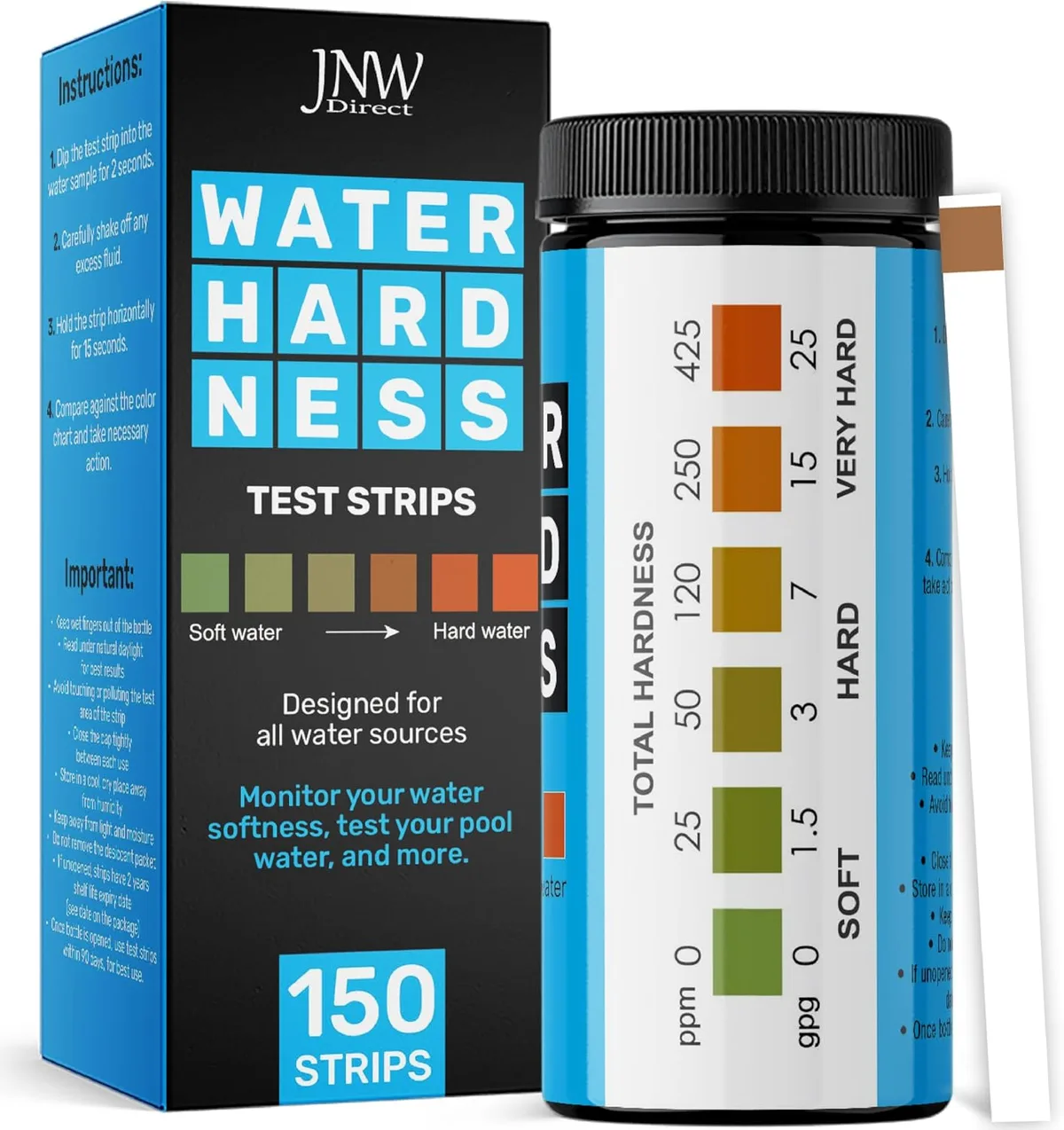
Image source: Bing (Web (fair-use with source credit))
If you're on well water, test after a rainfall. The hardness can spike. Our research from Water Quality Association maps shows many Western and Midwestern US states fall in the hard to very hard range.
That means more frequent descaling.
Your Best Non-Vinegar Cleaners
You have three main options. Each has its strengths.
Food-Grade Citric Acid
This is the top choice for most people. It's cheap, effective, and leaves no smell. You mix it with water yourself.
- Cost: around $10 per pound (enough for 20+ descaling cycles)
- Ratio: 1 to 2 tablespoons per liter of water
- Best for: all machines except aluminum boilers at high concentration
- Note: citric acid can attack aluminum if left too long. For espresso machines with aluminum boilers, use a commercial descaler labeled "safe for aluminum."
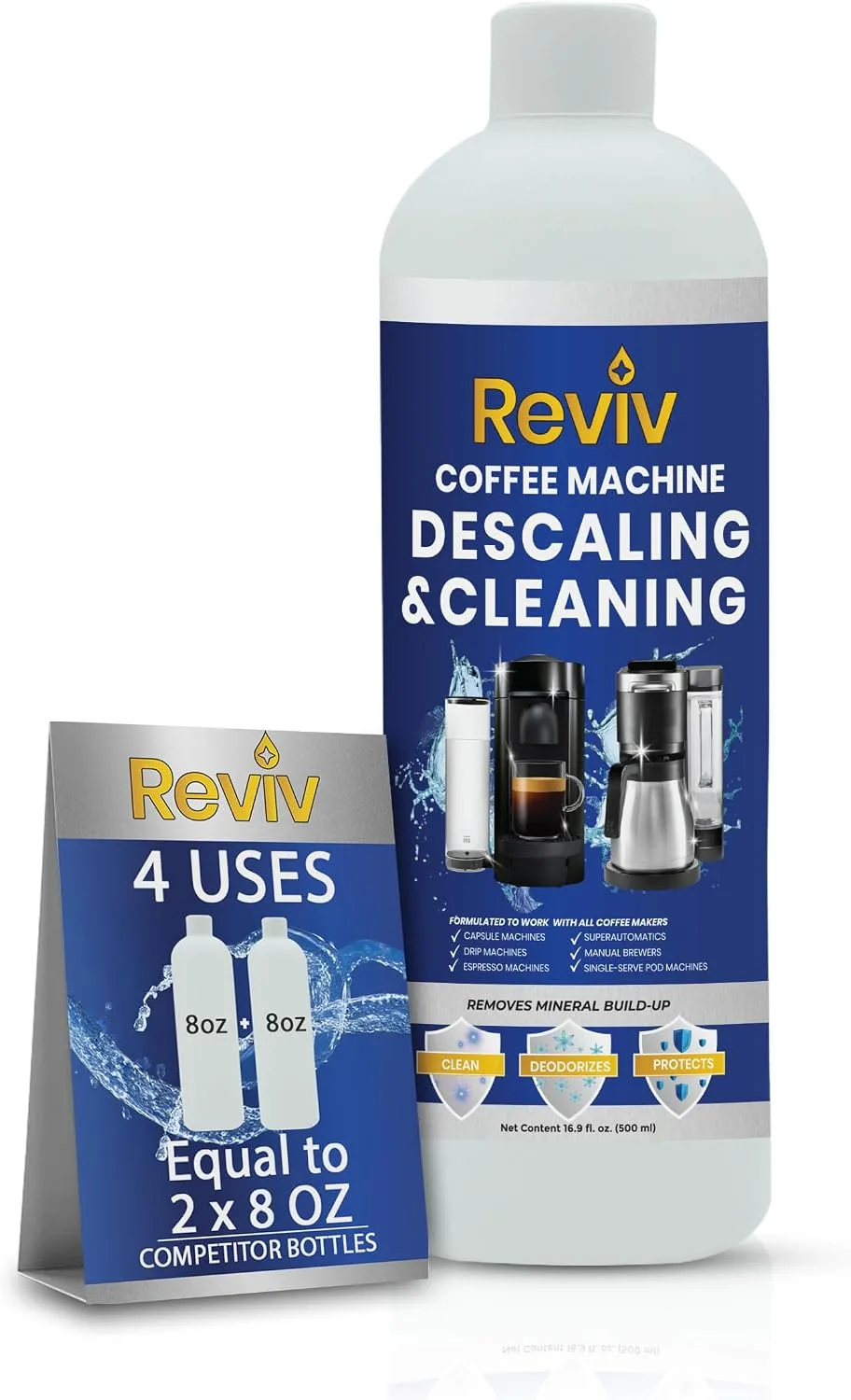
Commercial Descaling Tablets and Liquids
These are pre-measured and tested for specific machines. Brands like Urnex and Durgol manufacture descalers certified by NSF International to NSF/ANSI 173. They're foolproof.
- Cost: $5 to $15 per bottle (2, 4 uses)
- Best for: espresso machines, single-serve pod machines, and anyone who doesn't want to measure
- Note: they often contain lactic acid or sulfamic acid. Both are effective and safe for machine parts.
Baking Soda (For Oil Removal Only)
Baking soda is not a descaler. It won't remove mineral scale. But it excels at removing coffee oil residue, which builds up and turns rancid over time.
Use it monthly between deep descaling.
- How to use: dissolve 1/4 cup in a full reservoir. Run one brew cycle. Flush with two reservoirs of clean water.
- Warning: never use baking soda in Keurig-style machines unless fully dissolved. The powder can clog the exit needle.
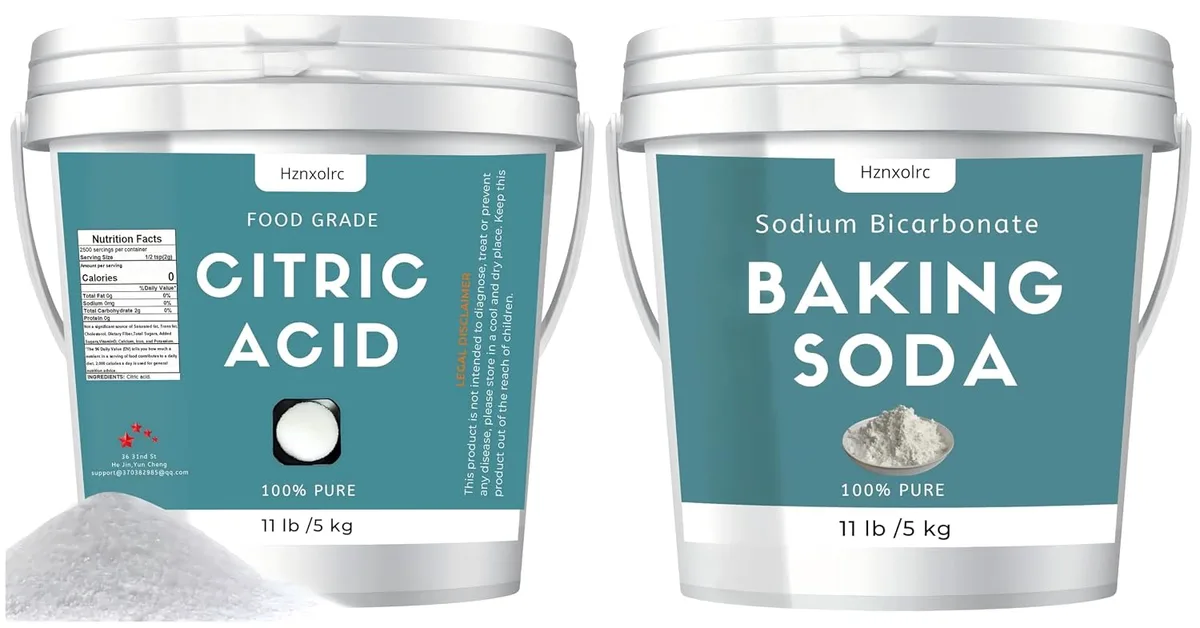
Image source: Bing (Web (fair-use with source credit))
Lemon Juice (Use With Caution)
Fresh lemon juice contains citric acid, but it's weaker than the powder and leaves behind sugars that can gum up your machine. If you're in a pinch, dilute one part lemon juice with two parts water. Then flush extra thoroughly.
How to Clean Each Type of Coffee Maker
Here are the step-by-step instructions for the most common machines.
Drip Coffee Maker (Standard Basket)
- Empty the carafe and remove the filter basket.
- Mix 2 tablespoons of citric acid with 1 liter of water in the reservoir.
- Start a brew cycle. Halfway through, turn off the machine (or let it run completely and then switch off).
- Let the solution sit inside the machine for 15 to 30 minutes.
- Turn the machine back on to complete the cycle.
- Discard the solution and refill the reservoir with fresh water. Run a full cycle. Repeat two more times.
- Wash the carafe and filter basket with warm soapy water. Reassemble.
If your machine has a water filter, remove it before descaling. Scale buildup can damage the filter.
Single-Serve Pod Machine (Keurig, Nespresso)
- Remove the water reservoir and empty it.
- Add 1 tablespoon of citric acid per liter of water. Swirl to dissolve completely.
- Fill the reservoir and replace it.
- Run a brew cycle without a pod. Use the largest cup setting.
- Repeat until the reservoir is empty. Let the machine sit for 20 minutes between cycles.
- Run two more reservoirs of fresh water through the machine.
- Clean the needle: unplug the machine, remove the pod holder, and use a thin cleaning brush (often included with the machine) to clear the exit needle.
Do not use baking soda in a Keurig. The fine powder can clog the needle permanently.
Semi-Automatic Espresso Machine
- Turn off and cool down the machine.
- Remove the portafilter and backflush disc (if you have one).
- Prepare a descaling solution: follow the manufacturer's recommended cleaner (typically a commercial tablet) or use 1 tablespoon of citric acid per liter.
- Place the solution in the water tank.
- Run the brew group for about 10 seconds. Turn it off. Wait 10 seconds. Repeat until the tank is empty. This pulses the solution through the boiler.
- Let the solution sit inside the boiler for 20 minutes.
- Fill the tank with fresh water. Run the same pulsing cycle until the tank is empty. Repeat.
- Reassemble and run a test shot of water. Discard.
Never use vinegar in an espresso machine. The acetic acid can pit brass boiler parts and strip lubricants from the group head seals.
Common Mistakes That Cost You Time or Cash
Even with the best intentions, people make errors that damage their machines or waste money. Here are the top ones to avoid.
Using too much cleaner. More isn't better. Excess citric acid can leave a residue that tastes sour. Stick to the ratio: 1 to 2 tablespoons per liter.
Skipping the water flush. You need at least three full flushes with fresh water. One flush rarely removes all the solution. The leftover cleaner will ruin your next pot of coffee.
Forgetting to remove the water filter. If your machine has a charcoal filter, descaling solution will clog it. Remove the filter before you start. Replace it with a new one after cleaning.
Letting the solution sit too long. Some people think leaving the solution overnight will clean better. That's a fast track to damaging seals and internal coatings. 30 minutes is the max. Stick with it.
Not cleaning the removable parts. Descaling only cleans the internal water path. The carafe, filter basket, and drip tray still need a hot soapy scrub. Coffee oils cling to these parts.
Using baking soda in a single-serve machine. We've said it before, but it's worth repeating. Undissolved baking soda clogs needles and valves. Use only dissolved citric acid or commercial descaler for pod machines.
Ignoring the water hardness. If you have hard water and only descale every six months, you're asking for clogs. Test your water once and set a calendar reminder. Your machine will thank you.
Quick Decision Guide: Which Cleaner Should You Use?
If your machine is a basic drip coffee maker with no aluminum parts, food-grade citric acid is your best bet. It's cheap, effective, and leaves no residue.
If you own an espresso machine with a brass boiler, use a commercial descaler labeled safe for brass. Brands like Durgol and Urnex manufacture NSF-certified options. Citric acid can work but requires precise timing to avoid damaging seals.
If you have a single-serve pod machine, stick with fully dissolved citric acid or a commercial tablet. Never use baking soda. Never use vinegar if you value your warranty.
Here's a quick reference table:
| Cleaner | Best For | Avoid In | Cost Per Use |
|---|---|---|---|
| Citric acid powder | Drip, single-serve, most machines | Aluminum boilers at high concentration | ~$0.50 |
| Commercial descaler (tablet or liquid) | Espresso, single-serve, any high-end machine | None (follow instructions) | $2 to $5 |
| Baking soda | Oil removal in drip machines only | Single-serve pod machines | ~$0.10 |
| Lemon juice | Emergency use only | Any machine you care about | ~$0.30 |
If you're still unsure, the safest choice for any machine is a commercial descaler matched to your brand. It costs more but eliminates guesswork.
Simple Maintenance Tips for Long-Term Results
Clean your coffee maker on a schedule. Mark it on your calendar. Machines don't send reminders unless they have a built-in descaling light, and by the time that light comes on, scale has already built up.
Use filtered water. A simple pitcher filter reduces mineral content by 40 to 60 percent. That means less scale and fewer descaling cycles.
If your tap water is very hard (above 10 GPG), consider an under-sink reverse osmosis system or a dedicated water line filter.
Rinse the carafe and filter basket after every use. Coffee oils oxidize and turn bitter. A quick rinse with hot water prevents oily buildup that requires deeper cleaning later.
Replace your water filter every two months. Charcoal filters lose effectiveness over time. A clogged filter slows brew speed and traps bacteria.
Run a plain water cycle once a week if you only use the machine occasionally. Stagnant water in the reservoir can grow mold. A quick flush keeps the internal path fresh.
Deep clean the removable parts monthly. Soak the carafe, filter basket, and drip tray in warm soapy water for 15 minutes. Use a soft brush on any mesh filters.
Dry everything completely before reassembling.
Perform a full descale with citric acid or commercial descaler every three months for moderate hard water, every two months for hard, and every month for very hard. Stick to the schedule. Your machine's lifespan depends on it.
Frequently Asked Questions
Can I use lemon juice instead of vinegar?
Yes, but with caution. Lemon juice is acidic enough to remove light scale, but the natural sugars can leave a sticky residue inside your machine. If you must use it, dilute one part lemon juice with two parts water.
Then flush with at least three full reservoirs of clean water.
How often should I descale my coffee maker?
It depends on your water hardness. For moderate hard water (3 to 7 GPG), every three months is fine. For hard water (7 to 10 GPG), descale every two months.
For very hard water (over 10 GPG), do it every four to six weeks. Test your water once with a strip kit and set a calendar reminder.
Is baking soda safe for cleaning coffee makers?
Baking soda is safe for removing coffee oil residue in drip machines only. It does not remove mineral scale. Never use baking soda in single-serve pod machines like Keurig or Nespresso.
The undissolved powder can clog the exit needle permanently.
What happens if I use too much citric acid?
Excess citric acid can leave a sour taste that requires extra rinsing. It can also attack aluminum parts if left too long. Stick to 1 to 2 tablespoons per liter.
Never let the solution sit longer than 30 minutes.
How do I know when my coffee maker needs cleaning?
Slow brewing is the first sign. If your machine takes longer than usual to finish a cycle, scale has built up inside. A bitter or off taste in your coffee is another clue.
If you see white flakes in your cup, that's calcium carbonate scale breaking loose. Time to descale.
Can I use commercial descaler in any coffee maker?
Most commercial descalers are safe for all machines. Always check the label for compatibility with aluminum and brass. If your machine has an aluminum boiler, look for a descaler explicitly labeled "safe for aluminum." When in doubt, contact the manufacturer for a recommendation.

Similar Posts