How to Remove Rust from Cast Iron Skillet Helper Handles and Pour Spouts
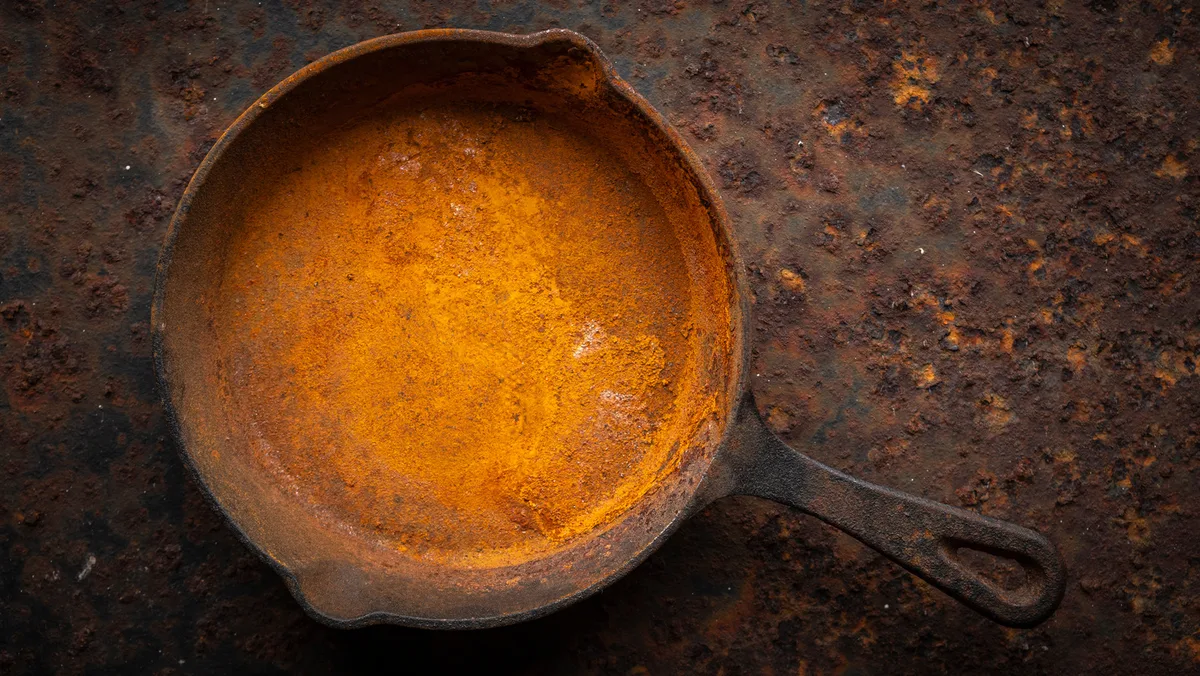
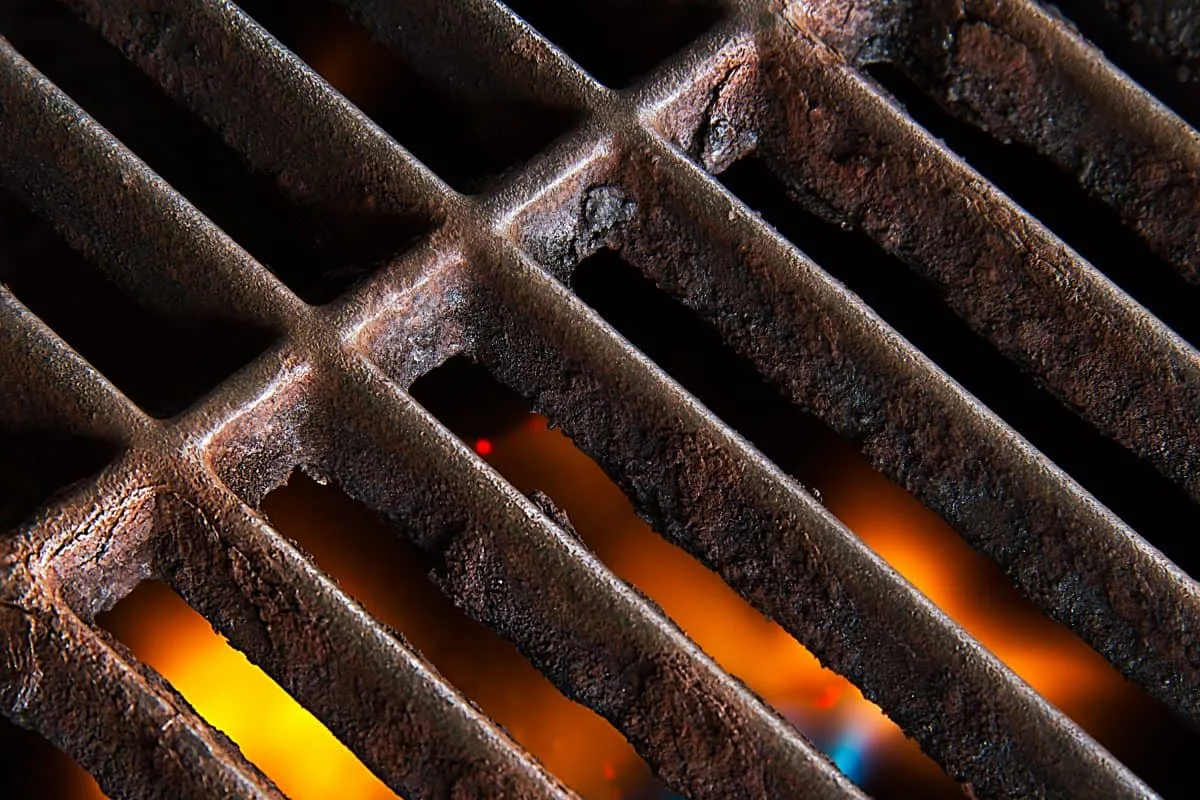
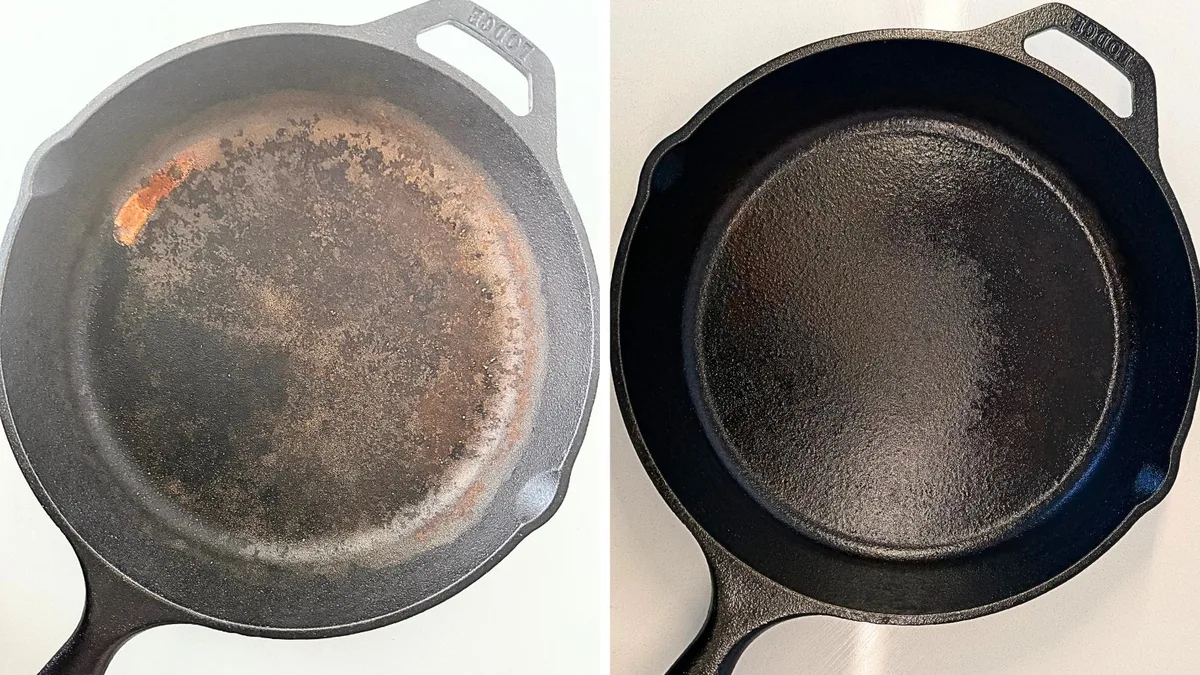
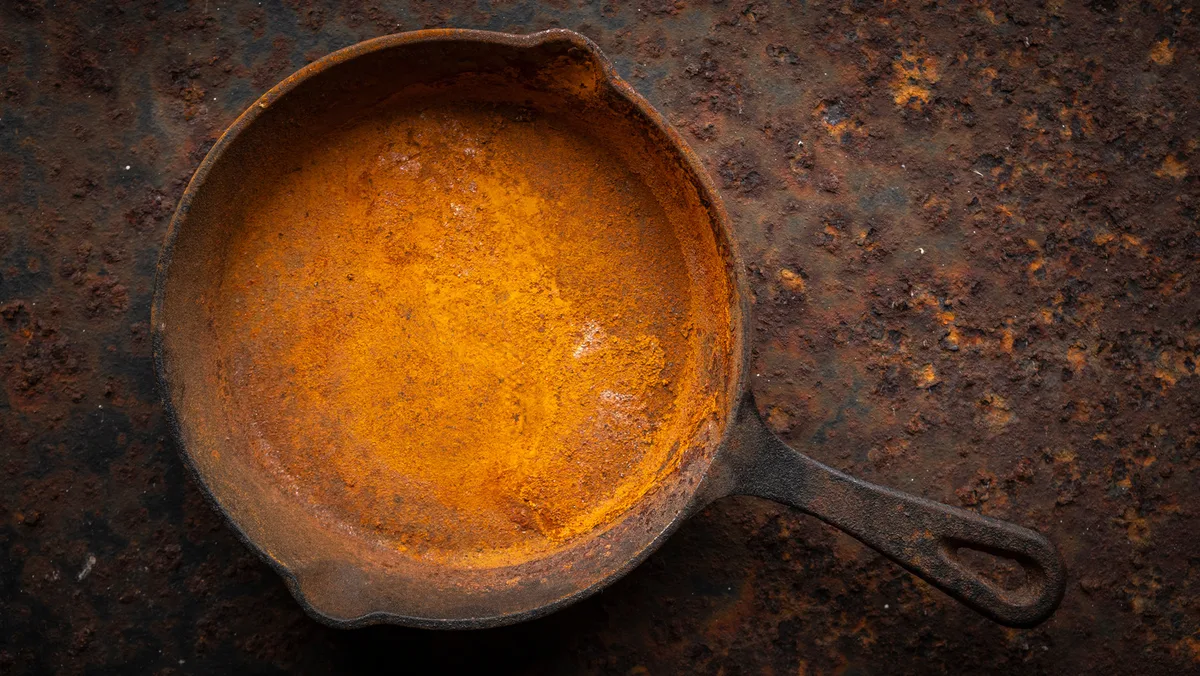
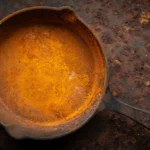
Rust spots on a cast iron skillet can feel like a death sentence. They're not. Whether you see a few orange specks or a flaky brown crust, you can fix it at home.
Knowing how to remove rust from cast iron skillet is a straightforward skill that takes anywhere from five minutes to a weekend.
The trick is matching the method to the rust level. Scrub too hard and you'll strip good seasoning. Soak too long and the acid can pit the iron.
As of 2026, the consensus among manufacturers and restorers is clear. Assess the damage first, then choose the right tool. This guide walks you through that decision tree, step by step.
Image source: Web (Bing) / storage.googleapis.com (Web image (fair-use with source credit))
Quick Answer
To remove rust from cast iron skillet, identify the rust level first. Light rust scrubs off with baking soda paste. Moderate rust needs a 50/50 vinegar soak.
Heavy rust requires electrolysis or a full restoration. Dry the skillet immediately. Then re-season before using it again.
Start Here: What Type of Rust Are You Dealing With?
Before you reach for steel wool, look at the pan. The right method depends on how deep the rust has eaten in. Run your finger across the surface.
Does it feel slightly rough or deeply flaky? That single touch tells you more than an hour of scrubbing.
Here's a quick way to sort the situation.
| Rust Type | What It Looks Like | Touch Test | Right Method |
|---|---|---|---|
| Light surface rust | Orange or brown dust, patchy | Gritty but flat | Baking soda paste scrub |
| Moderate rust | Thick brown crust, scaly | Raised flakes, rough | 50/50 vinegar soak |
| Heavy rust | Deep orange to black, pitted | Loose flakes, dimples | Electrolysis or full restore |
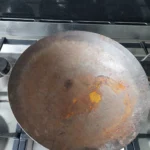
Light rust is the easiest fix. It appears when a washed pan sits in the sink overnight. The pan is still sound, and the seasoning underneath is mostly intact.
A quick scrub will clear it up.
Moderate rust means the seasoning has worn away. You'll see flakes that lift when touched. Vinegar works well here because the acid dissolves rust without eating into the iron.
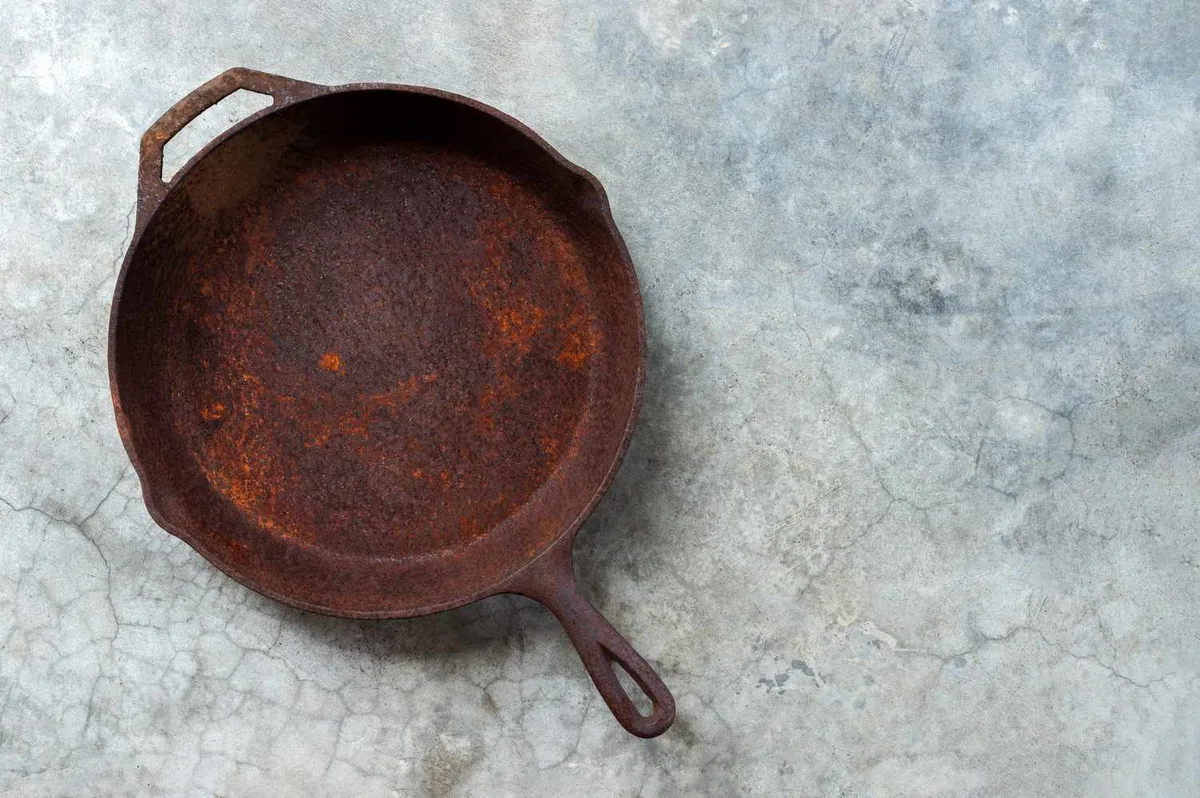
Heavy rust is a separate category. The surface may have pits, which means the rust has dug deeper than the original metal. A 5-minute scrub will not cut it.
You need the full restoration process, or an electrolysis bath. Trying to sand heavy rust smooth only hides active rust underneath.
One more thing to remember. Any bare iron that gets wet can flash rust in minutes. Dry your skillet in one continuous motion, then oil it right away.
Light Surface Rust: The 5-Minute Fix
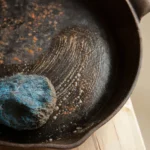
If your pan has light rust, skip the harsh chemicals. This method needs baking soda, water, and a chainmail scrubber. It's fast, cheap, and gentle on your seasoning.
Here's the process:
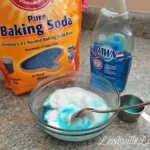
- Mix 3 parts baking soda with 1 part water to form a paste.
- Apply the paste directly to the rusted spots.
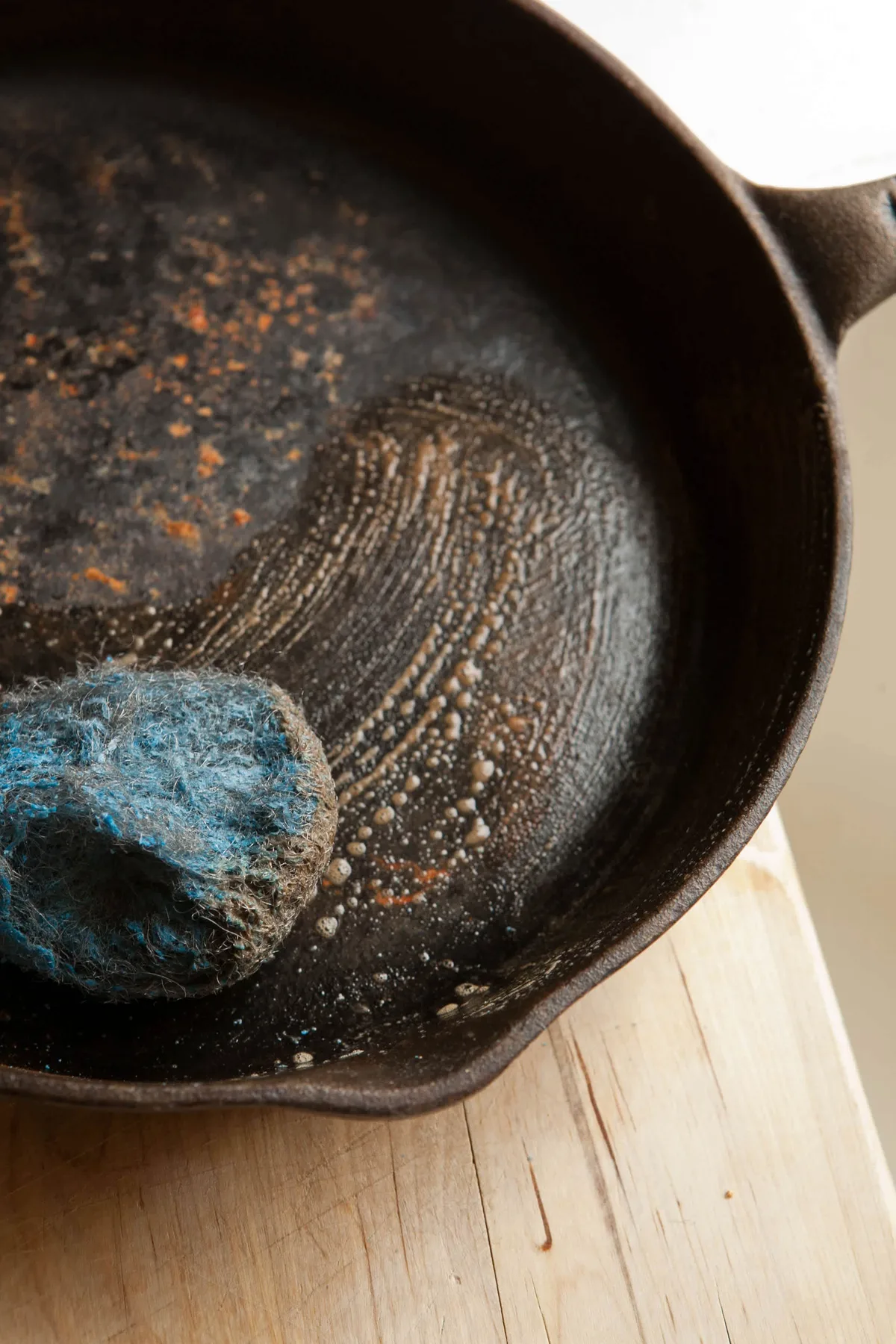
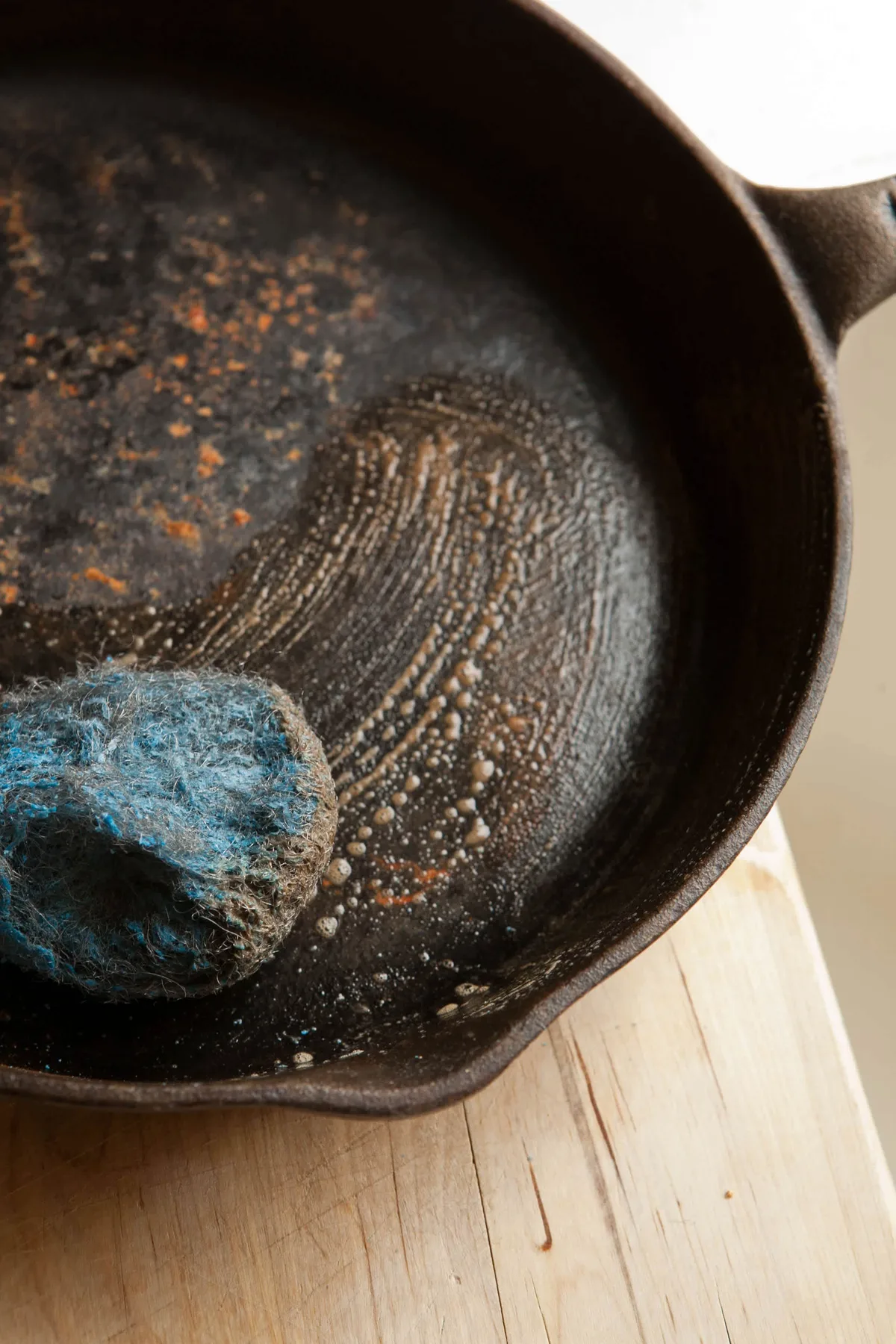
- Scrub with a chainmail scrubber or stiff nylon brush.
- Rinse the skillet under warm water.
- Dry it on a hot stove burner.
- Rub on a thin layer of cooking oil.
Why baking soda? It's mildly abrasive. It lifts rust without scratching the iron.
Steel wool, by contrast, can bite into the surface and leave gray streaks.
Manufacturer guidance lines up with this approach. Lodge's official skillet care guide recommends a metal scraper or chainmail for routine rust cleanup, not a power tool. For light rust, you shouldn't need anything more aggressive.
The entire process takes about five minutes. If the rust comes off easily, you're done. If it resists, then this isn't light rust.
Move up to the vinegar soak.
Test your work with a paper towel. Wipe the surface after drying. If you see orange, rust remains.
If it's clean, you're ready to season.
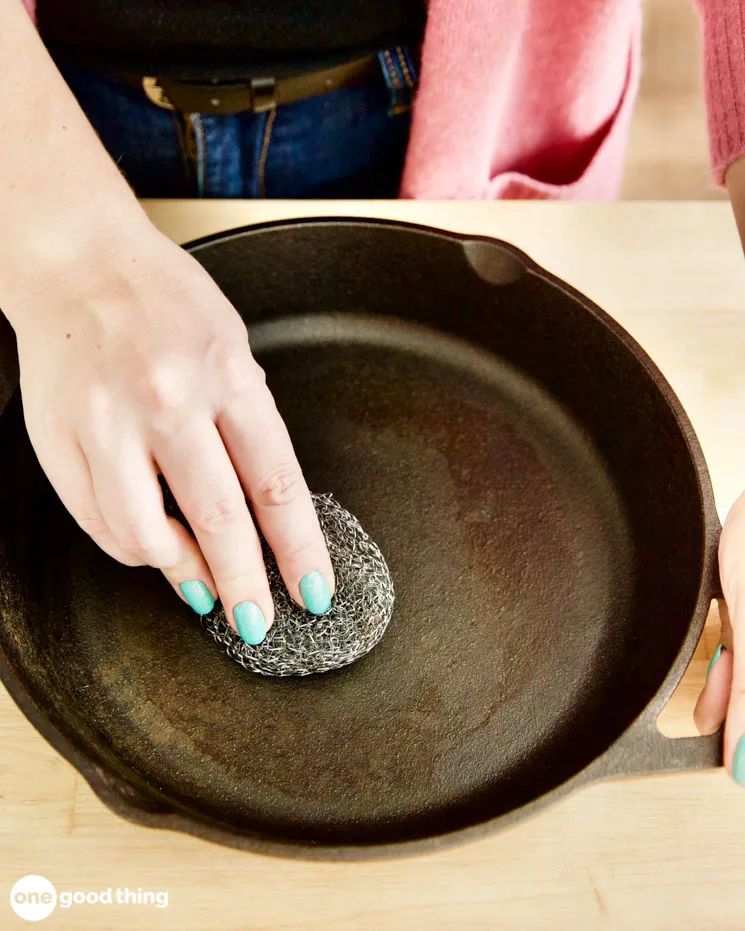
Image source: Bing (Web (fair-use with source credit))
Moderate Rust: When You Need a Vinegar Soak
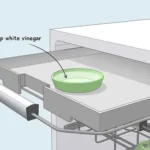
Moderate rust needs acid. White vinegar is the standard because it's safe and cheap. A 50/50 mix of vinegar and water dissolves rust quickly.
But watch the clock. Vinegar does not stop at rust. Soak too long and it will start etching the iron itself.
Here's the method:
- Fill a large tub or sink with equal parts white vinegar and warm water.
- Submerge the skillet completely.
- Soak for 30 minutes, then check the surface.
- If rust flakes remain, soak for another 30 minutes.
- Remove the pan and scrub with a nylon brush or steel wool.
- Rinse in a baking soda and water solution to neutralize the acid.
- Dry immediately over medium heat.
Do not soak longer than one hour at a time. Extended exposure leaves the iron looking dull gray and can create small pits. If one hour still isn't enough, let the skillet dry and repeat the soak another day.
Soaking repeatedly is safer than one long overnight bath.
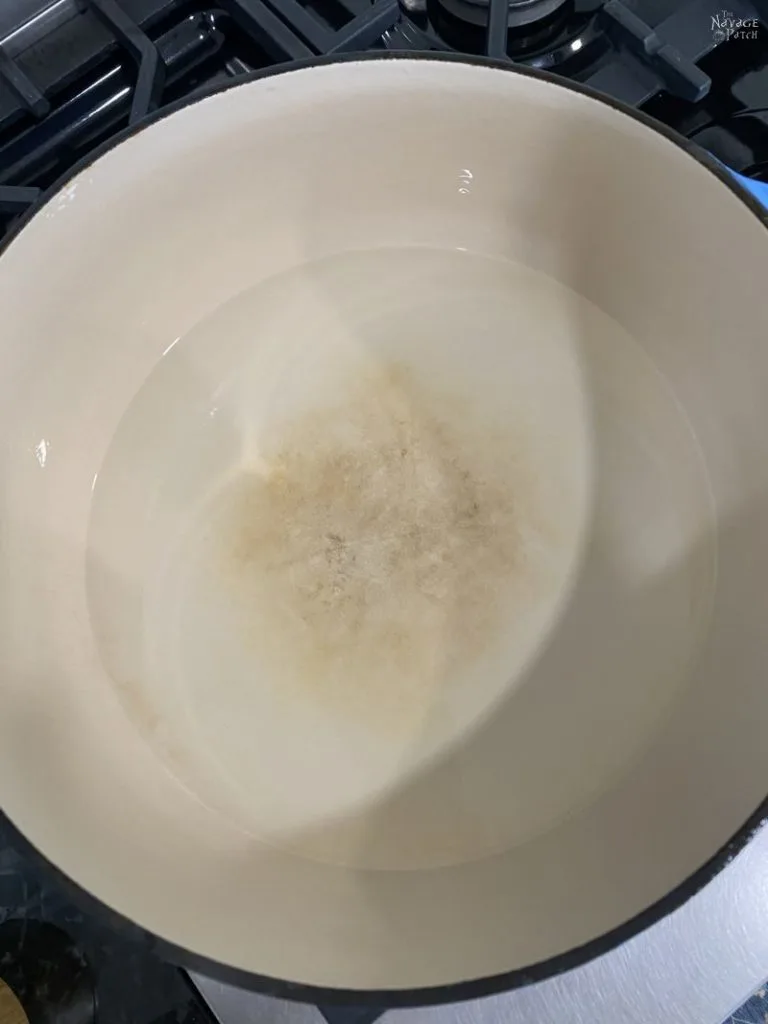
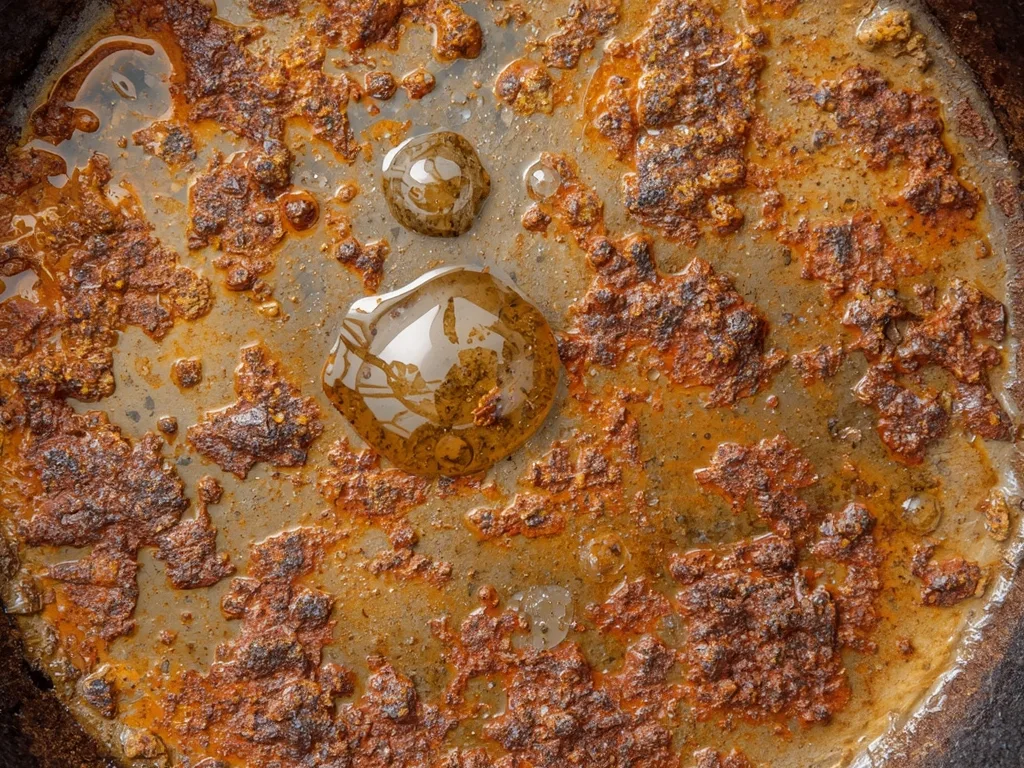
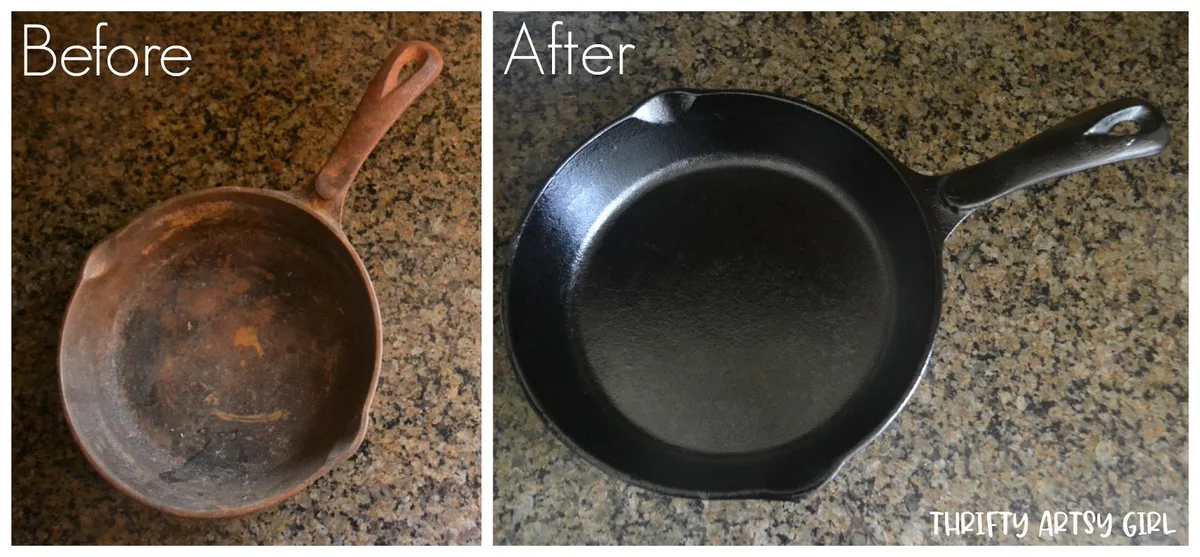
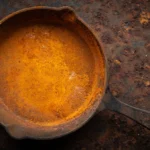
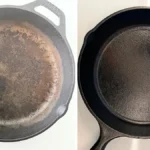
Check the photo below to see how the skillet looks mid-soak. The rust turns soft and lifts away from the surface.
Image source: Web (Bing) / pinterest.com (Web image (fair-use with source credit))
A practical note on size. A 10-inch skillet fits in most washing tubs. A 12-inch model often doesn't.
If your pan won't stay submerged, flip it every 15 minutes so both sides get equal time in the mix.
After the vinegar soak, the pan is completely bare. That makes flash rust almost certain. Have your oil ready before you dry the skillet.
Heavy Rust and Pitting: The Full Restoration
Heavy rust has eaten into the iron. A soak and scrub won't fix it. The rust sits deep in the metal's pores, and it will return unless you remove every trace.
That leaves three serious options.
Electrolysis is the first. It uses a low-voltage charger, washing soda, and a piece of scrap metal to pull rust off the skillet. It's the gentlest method for antique pans because it doesn't remove the original iron surface.
You can find detailed guides on how to set one up at home.
Commercial rust removers are the second choice. Products like Evapo-Rust work by soaking the pan for 12 to 24 hours. The rust rinses off afterward.
This is easier than electrolysis, but you'll need a sealed container large enough for the skillet.
The third option is a wire brush on an angle grinder. It works, but it's harsh. It can scratch the iron and destroy the value of vintage skillets.
Use this only on cheap, modern pans where appearance doesn't matter.
After any of these methods, the skillet is bare metal. It will rust the moment it touches air. Do not let it air-dry.
Move directly to the re-seasoning step.
One safety note. Electrolysis creates hydrogen gas as a byproduct. Run the setup in a well-ventilated area and keep sparks away from the container.
These safety details matter just as much as the restoration itself.
Re-Seasoning: The Critical Final Step
Once the rust is gone, your skillet is naked iron. Bare iron rusts almost instantly. That makes re-seasoning the most important part of the whole job.
You're not just adding oil. You're building a polymerized layer that protects the metal.
The oven method works best for a full restoration. Here's how to do it:
- Preheat your oven to 450°F.
- Coat the skillet in a thin layer of oil.
- Wipe it off as if you made a mistake.
- Place the skillet upside down on the oven rack.
- Bake for one hour.
- Let the pan cool completely inside the oven.
The "wipe it off like a mistake" trick is the secret. Too much oil leaves a sticky, gummy finish. You want only a microscopic film left on the surface.
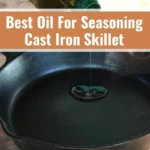
Which oil should you use? High-smoke-point oils build the hardest finish.
| Oil | Smoke Point | Best For |
|---|---|---|
| Grapeseed | 420°F | Hard, slick finish |
| Canola | 400°F | Budget-friendly |
| Vegetable | 400°F | All-purpose use |
Most cast iron experts recommend grapeseed if you want the most durable layer. Canola works fine for everyday pans. After the first coat cools, add a second coat for better nonstick performance.
Two coats are usually enough after rust removal.
Let the skillet cool completely before storing it. Moisture is the enemy now. Keep it in a dry place, and your restored pan will outlast anything you buy new.
Common Mistakes That Ruin Cast Iron
The biggest mistake is touching the pan when it's still wet. Bare iron flash rusts in under a minute. Always dry the skillet on a hot burner immediately after washing or rust removal.
Another common error is mistaking dark seasoning for rust. Seasoning is black or dark brown. Rust is orange or reddish.
Scrubbing the black areas strips your hard work. If you're unsure, wipe with a paper towel. Rust comes off on the towel.
Seasoning doesn't.
Vinegar soaks ruin more pans than rust does. Leaving a skillet in vinegar overnight etches the iron surface. Pitting becomes permanent, and the pan will rust faster forever.
Set a timer and check every 30 minutes.
Skipping re-seasoning is a fast way to repeat the whole process. A bare skillet left in the open rusts within hours. If you stop after removal, you haven't finished the job.
The oil layer is the armor.
Power tools, like angle grinders and wire wheels, should stay away from vintage skillets. They remove original smooth surfaces and slash resale value. For a modern Lodge pan, even a drill brush is overkill.
A chainmail pad and patience work fine.
| Mistake | Consequence | Safer Alternative |
|---|---|---|
| Soaking vinegar overnight | Pitted iron surface | Soak 30 min max |
| Scraping with metal tools | Deep scratches | Use chainmail or plastic scraper |
| Air-drying before oiling | Flash rust on bare iron | Dry on the stove, oil immediately |
| Using soap on stripped iron | Rust forms faster | Use hot water and nylon brush |
Frequently Asked Questions
How long does a vinegar soak take?
Most moderate rust needs between 30 and 60 minutes per soak. Check the skillet halfway through and scrub off loose rust. If rust remains, soak another 30 minutes.
Never exceed one hour in a single session.
Can I use a wire brush on my cast iron skillet?
Only on bare, modern skillets with heavy rust. Wire brushes scratch the surface and remove seasoning. For vintage pans, skip it entirely.
Use electrolysis or a commercial rust remover instead.
Why does my skillet flash rust after cleaning?
Bare iron reacts with oxygen and moisture instantly. The thin orange layer appears within seconds. Prevent it by drying the pan on a hot stove, then coating it with oil before it cools.
Do I need to re-season after removing rust?
Yes. Rust removal strips the protective layer, leaving bare iron exposed. Re-seasoning builds a new polymerized coating that prevents future rust.
Your skillet needs at least one full oven season before regular use.
What oil works best for re-seasoning?
Grapeseed and canola oils produce the hardest, slickest finish. They have high smoke points around 420°F. Flaxseed works but flakes easily.
Regular vegetable oil is a reliable, budget-friendly choice for everyday pans.
Is it safe to cook in a newly restored skillet?
After one full seasoning cycle in the oven, yes. The polymerized oil is food-safe. Wash the skillet, dry it, and cook on medium heat.
Avoid acidic foods like tomato sauce for the first few weeks.

Similar Posts