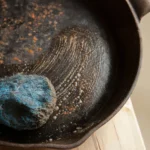
How to Remove Rust from a Cast Iron Cornbread Wedge Pan in 3 Steps
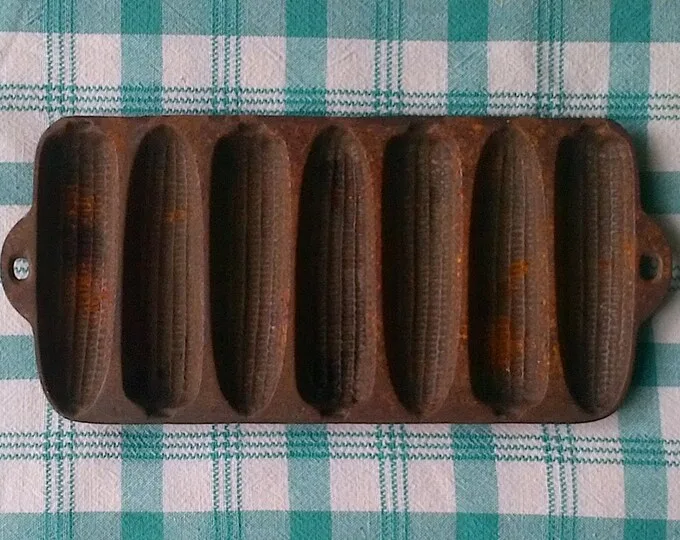
Rust on a cornbread pan looks worse than it is. You don’t need harsh chemicals to figure out how to clean rusty cast iron cornbread pan, but you do need a clear process. The short version is: assess the rust, remove it, dry it fast, and reseason.
That works for a thrift-store find or a family heirloom that got left in the sink.
In our research, most home cooks only need distilled white vinegar, baking soda, steel wool, and a little patience. Manufacturer specifications from cast iron brands indicate that a 1:1 vinegar-water soak for 15 to 30 minutes is enough for moderate rust. Longer soaks risk pitting.
As of 2026, this remains the most reliable DIY approach, so let’s figure out which path your pan takes.
Image source: Bing (Web (fair-use with source credit))
Check First: Is Your Cornbread Pan Bare Cast Iron or Enameled?
Before you touch any rust remover, flip the pan over and look at the surface. Bare cast iron is matte black or gray, with visible grain and often a rough texture. Enameled cast iron has a smooth, glossy coating in white, cream, or pastel colors.
If your pan has enamel, stop here. Vinegar soaks and steel wool will scratch or chip that glass-like layer, and the damage is permanent. This isn’t the same as surface rust.
Once the enamel chips, it can flake into food.
Check the cooking surface and the outside walls. Vintage cornbread pans from brands like Griswold or Wagner are usually bare iron. Modern Lodge pans are bare too.
Some cheaper pans have a nonstick coating that shouldn’t be treated like bare iron either. When in doubt, look for the maker’s mark and any care stamp on the bottom.
If you’re still unsure, run your fingertip over the surface. Enamel feels unnaturally smooth and cool. Bare iron feels dry, slightly rough, and can leave a faint rusty smell on your fingers.
One more check: tap the pan lightly. Enamel makes a glassy clink. Bare iron gives a lower, duller thump.
Only bare cast iron goes through the rust-cleaning process below. If the pan is enameled and rusted, the rust is typically on exposed iron where the enamel has chipped. That kind of damage usually means the pan is too far gone for safe cooking.
In that case, our research suggests retiring it as a planter or decorative piece rather than trying to salvage it.
Rate the Rust: Light Surface Rust, Heavy Scale, or Deep Pitting
Now that you know it’s bare iron, look closely at the rust. The right cleaning method depends on severity, not guesswork. Here’s how to sort what you see into three levels.
Light surface rust looks like a reddish-brown dust or haze. It wipes off on a paper towel and hasn’t changed the metal’s texture. This is the easiest fix and usually doesn’t require stripping the pan.
Heavy scale rust appears as flaky, orange-brown patches that come off in chunks. The surface may feel rough or bumpy, exposing gray iron underneath. At this stage, you need a soak.
Deep pitting is the worst. The rust has eaten into the metal, leaving craters, dark pits, or holes. No amount of scrubbing restores a perfectly smooth surface, but the pan can still be made functional.
Just expect to reseason heavily and accept some texture.
| Rust level | Signs | Best treatment | | Light | Dusty reddish haze, smooth metal | Scrub with steel wool or a chainmail scrubber | | Heavy scale | Flaky patches, rough surface | 1:1 vinegar-water soak for 15 to 30 minutes | | Deep pitting | Craters, holes, chipped edges | Vinegar soak plus repeated scrubbing, consider electrolysis |
Check inside the molds too. Cornbread pans hide rust in the ridges between each wedge. A flashlight helps.
The longer rust sits, the harder it becomes to remove, so don’t delay once you spot discoloration. For pans in humid kitchens or damp basements, a quick monthly inspection catches problems before they settle in.
Cleaning Light Rust on a Cornbread Pan: Step-by-Step
Light rust doesn’t need a soak. It needs friction and a little patience. Start by wiping the surface with a dry paper towel to knock off loose flakes.
Then grab fine steel wool. Grade 0000 works best for delicate work.
Scrub in small circles over the rusty spots. On a cornbread pan, pay extra attention to the ridges between each wedge mold. Those narrow grooves trap rust and old batter.
A toothbrush or small nylon brush reaches deep into the corners without gouging the iron.
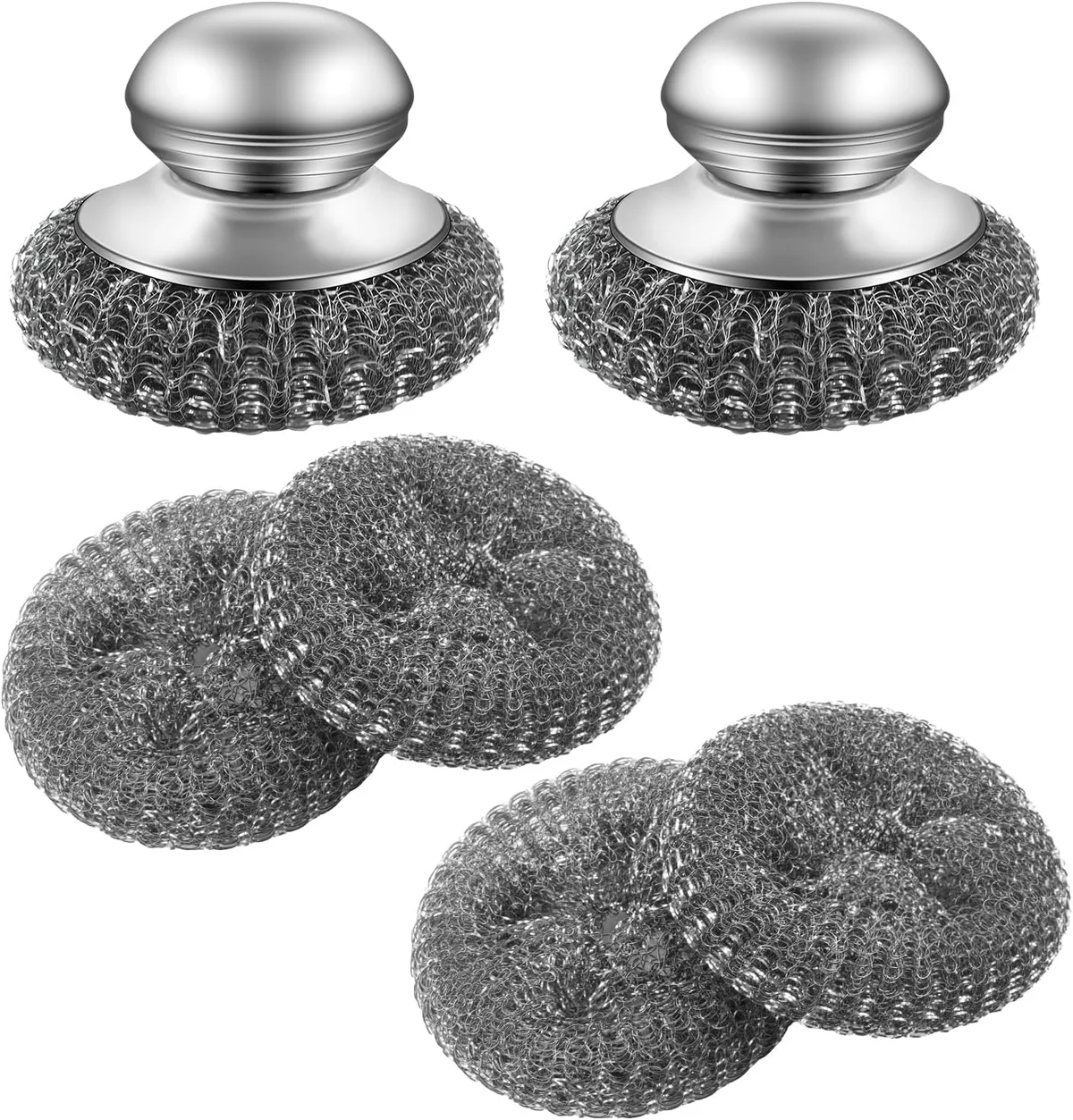
Image source: Bing (Web (fair-use with source credit))
Once the reddish dust stops lifting, rinse the pan under warm water. Use a drop of dish soap to clear away any remaining grime. Rinse thoroughly, then dry the pan immediately with a clean towel.
The metal should look gray and matte. If faint orange streaks remain, your rust is deeper than it first appeared. That means moving on to the vinegar soak.
If the surface is clean, skip straight to drying and reseasoning.
The Vinegar Soak Method for Stubborn Rust and Cornbread Mold Crevices
When rust has worked its way into the metal’s grain, scrubbing alone won’t cut it. Vinegar does the heavy lifting. Distilled white vinegar contains acetic acid, which dissolves iron oxide while leaving the good iron largely intact.
Mix a 1:1 solution of white vinegar and warm water in a large plastic or glass container. Submerge the pan completely, or work in batches if your pan is too big. Let it soak for 15 minutes, then check progress.
Heavy rust might need another 10 to 15 minutes. Don’t leave it in longer than that. Vinegar that sits too long starts eating into the bare iron, leaving permanent pits.
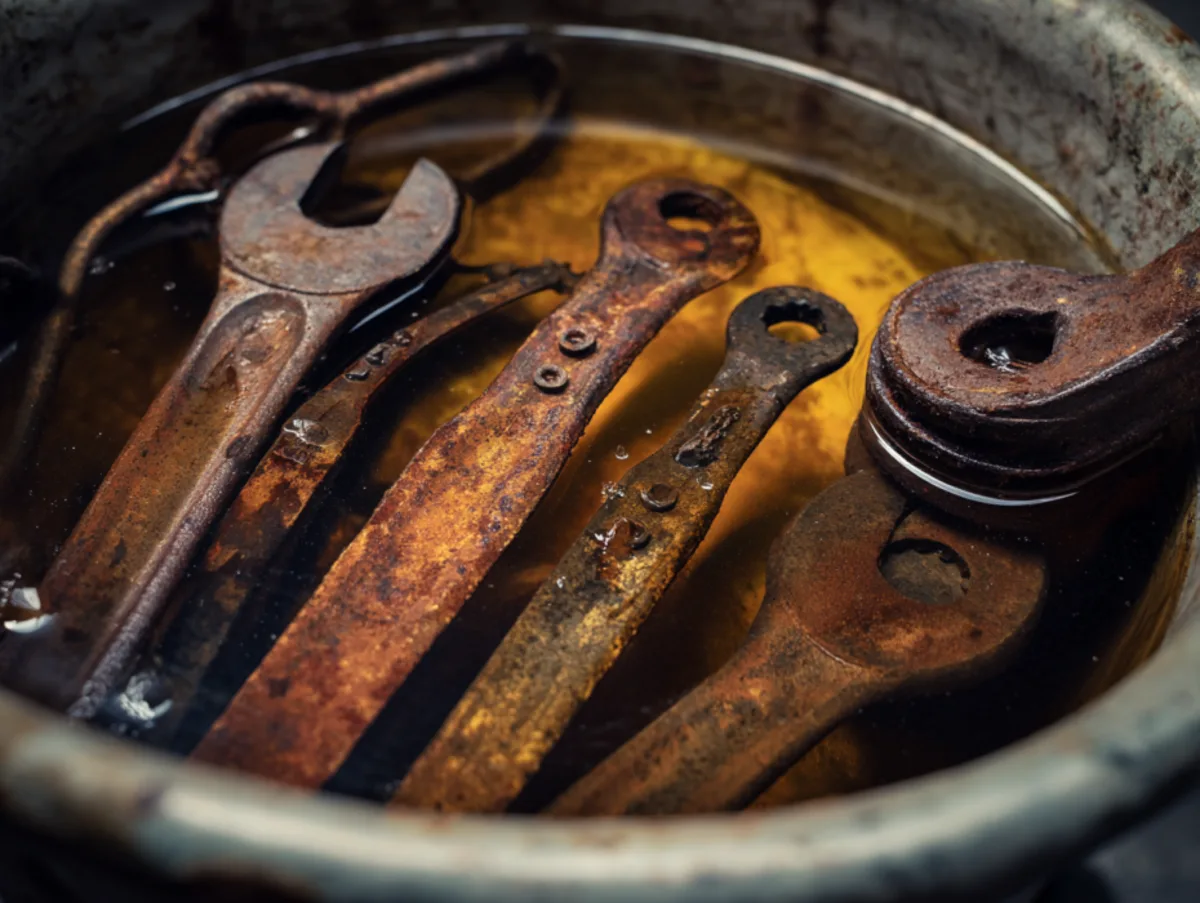
Image source: Bing (Web (fair-use with source credit))
After the soak, the rust should look chalky and loose. Scrub with steel wool or a stiff brush under running water. Repeating 10-minute soak cycles is safer than one long soak.
Once the iron looks evenly gray, neutralize the vinegar residue in a solution of 1 tablespoon of baking soda per quart of water. Rinse well and dry instantly.
Drying and Reseasoning So the Rust Doesn’t Come Back
Bare iron corrodes within minutes when left wet. Towel drying removes most moisture, but a cornbread pan’s deep mold crevices hold water in hidden spots. Place the pan on a stovetop burner over low heat for five minutes.
This drives trapped moisture out of the metal’s pores.
Now it’s time to season. Use a thin layer of vegetable oil, canola oil, or grapeseed oil. Manufacturer guidelines from Lodge Cast Iron recommend rubbing oil all over the pan, then wiping it off as if you made a mistake.
Excess oil creates sticky, blotchy seasoning, so barely a shine should remain.
Heat the pan in an oven set between 375°F and 450°F for 40 to 60 minutes. The oil polymerizes into a hard, protective layer. Turn the oven off and let the pan cool completely before handling it.
For a cornbread pan, repeat that oil-and-bake cycle two or three times. The extra layers protect the wedge molds, where cornbread batter tends to cling. After that, bake a batch of cornbread.
Regular cooking keeps the seasoning strong and rust at bay.
Common Mistakes That Ruin Cast Iron Cornbread Pans
The most common mistake is walking away from a vinegar soak. Anything past 30 minutes starts etching the iron itself. That leaves pits where rust and cornbread batter keep hiding.
Set a timer and check every 10 minutes.
Skipping the neutralization rinse quietly ruins the next step. Acid residue stays in the metal and fights your fresh oil. Seasoning can't bond properly.
A baking soda rinse takes seconds and fixes it.
Storing a pan that's only towel-dry is the fastest way to bring rust back. Bare iron flash rusts in humid air. Dry it on a low stovetop burner for a few minutes, then rub in a whisper of oil.
Many cooks try the self-cleaning oven trick to strip seasoning. It works, but high heat can warp or crack a cornbread pan. Warped molds bake unevenly.
Keep reseasoning temperatures below 500°F.
Power tools are usually overkill here. A wire wheel on a drill can gouge the iron surface in seconds. That damage shows up as permanent rough spots in the wedge molds.
Hand scrubbing works just fine on a pan this small.
Never run cold tap water across a hot cast iron pan. Thermal shock can crack the metal outright. Let the pan cool naturally first.
If you spot any of these issues, don't panic. Cast iron is forgiving. You can always strip the pan back down and start over.
The whole process takes a couple of hours and a few dollars in supplies.
Frequently Asked Questions
How long should I soak a rusted cast iron cornbread pan in vinegar?
Soak for no more than 30 minutes. Start with 15 minutes and inspect every 10. Pull it out once the rust looks chalky and loose.
Longer soaks pit the iron, and those pits stay in the cornbread surface permanently.
Is it okay to use dish soap on cast iron?
Yes, modern dish soap is safe for seasoned cast iron. The old rule comes from lye-based soaps that stripped seasoning. Wash normally, rinse well, dry completely, and rub a thin layer of oil over the pan before storing.
What oil should I use to reseason a cornbread pan?
Vegetable oil, canola oil, or grapeseed oil work best. They polymerize evenly at standard oven temperatures. Heat the pan to 375°F to 450°F for 45 minutes, let it cool in the oven, then repeat the coating two or three times.
Why does rust keep coming back after cleaning?
Moisture and weak seasoning cause repeated rust. Iron reacts with oxygen whenever the metal stays damp. Dry the pan fully on a stovetop burner after washing, then oil it while it's still warm.
Regular cornbread baking also strengthens the seasoning.
How do I get rust out of the cornbread mold crevices?
Soak the entire pan in the vinegar solution. That loosens rust inside channels that paper towels can't reach. Use a stiff nylon brush or fine steel wool wrapped around a wooden chopstick to scrub each wedge mold.

Similar Posts